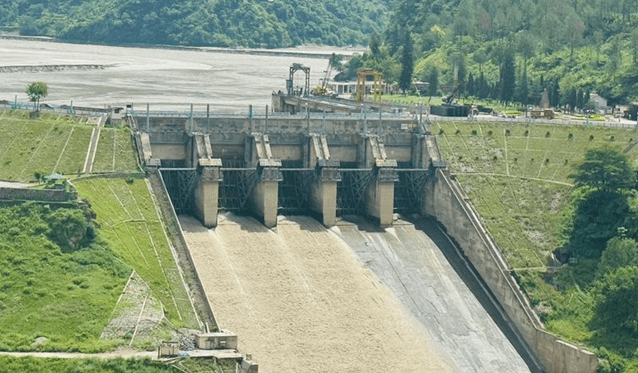
(Feature Image: The Tribune’s file photo of Pandoh dam)
The Bhakra Beas Management Board seems to be at cross roads in several senses this year. In a Super El Nino year, when deficit rainfall prospects loom large, one would expect BBMB advocating lower outflows to ensure reservoir has higher storages if rainfall is indeed lower than normal. Particularly when there is also news of lower (2.2 BCM against normal of 4 BCM) snow fall and snow reserve in the catchment and just about half the expected inflows currently. Another report says BBMB has cancelled the tendering process for pilot desilting project in Bhakra reservoir in Bilaspur district in Himachal Pradesh. No one is of course asking for investigation as to how so much silt has entered the reservoir in last couple of decades with the increasing upstream construction activities in terms of hydropower projects, highways and urbanization, all leading to illegal dumping of muck into the upstream rivers.
However, contrary to these indications, through an urgent meeting on June 9, BBMB has recommended to party states Punjab and Haryana to use more Bhakra water. This when the outflow from Bhakra dam is already higher than inflows.
Possible reasons for this BBMB advisory for increasing use of water from Bhakra Dam could include the higher than allowable tilt in the dam and need for ensuring that Bhakra does not end up creating avoidable floods in the downstream areas as they did in 2023 and 2025. Another reason could be the currently lower than normal temperature in the catchment, expected to rise in next fortnight, improving the snowmelt and inflows.
All this is happening when Pandoh dam of BBMB that transfers Beas water to Bhakra is operating far from efficiently with huge silt accumulation and machines requiring maintenance. Its Power generation has been dropping since about 4 years. This could mean reduced inflow into Bhakra and increased inflow into Pong, worsening the flood prospects from Pong dam. The Beas-Sutlej water transfer has reportedly stopped since early March 2026. In this situation there is also the news of Chenab-Beas link project to transfer more water into Beas River, which too could end up in Pong reservoir even before the monsoon arrives. These raise another set of questions.
None of this is good news for the future of BBMB projects. Some are already calling it institutional failure of BBMB and need to see it as a national emergency. To find solutions to the multiple problems facing the BBMB projects, much more transparent, accountable and responsive governance is required, but there are no prospects of that on the horizon.
BBMB urges Punjab, Haryana to draw more water from Bhakra Dam In an interesting development, BBMB on June 9, 2026 urged Punjab and Haryana to draw more water from Bhakra dam considering high water level in the dam and considering the peak paddy transplantation season. The BBMB message did not mention the tilting issue of Bhakra dam, but that may have been one of the factors behind this urgent plea. The other issue is the need to avoid contributing to downstream floods that Bhakra did end up contributing in 2025 and 2023. The third factor could be the pressure to ensure that no water flows out from India from the eastern rivers.
The decision was taken during a meeting of BBMB’s Technical Committee (TCM) at the board headquarters in Chandigarh on June 9. According to BBMB data presented at the meeting, the water level in the Bhakra reservoir stood at 1,578.07 ft on June 9, 2026. This is 21.47 ft higher than the level of 1,556.60 ft recorded on the same date last year and well above the historical average of 1,543.72 ft for this period. The reservoir is currently just about 102 ft below Full Reservoir Level (FRL), leaving limited space for additional storage if heavy monsoon rains or sudden inflows occur in the Sutlej catchment. The filling period for the Bhakra reservoir traditionally runs from May 21 to September 20.
The Bhakra reservoir presently holds 1.75 BCM of live storage, compared to 1.27 BCM during the same period last year and an average of 1.04 BCM. The reservoir’s live storage is 31 per cent full, considerably higher than the 22 per cent recorded on June 9, 2025, and above the long-term average of 18 per cent. Current inflows into Bhakra are 13,748 cusecs, lower than 21,792 cusecs recorded on the same day last year and below the historical average of 30,514 cusecs. At present, water releases from Bhakra stand at 20,763 cusecs, compared with 30,528 cusecs on June 9 last year.
Following advisory, Punjab, Haryana and Rajasthan nearly doubled their demand from Bhakra and Pong dams to 25,000 cusecs, 10,100 cusecs and 12,500 cusecs, respectively. Last week, the BBMB signed a memorandum of understanding (MoU) with the International Centre for Excellence on Dams (ICED) at the IIT, Roorkee, with a mandate for ‘safety evaluation of Bhakra Dam’. Two foreign experts from Canada and Spain have also been engaged for the safety assessment.
Tribune EDIT: Dam Warning, Wake up Call The Tribune Edit saw this move of BBMB as a warning and wake up call, highlighting the strange situation when majority of lands depend on groundwater, there is excess of surface water and lack of dependable canal network.
Pandoh Dam may release more water Officials have warned that water discharge from the Pandoh dam in Himachal Pradesh’s Mandi district may increase on Friday night due to snowmelt and rainfall in the Beas river catchment area. As river levels could rise suddenly during the night, people living or working in areas downstream have been asked to remain cautious. Authorities have advised residents to stay away from riverbanks and low-lying areas. Contractors and labourers working in the riverbed have also been asked to shift their machinery and equipment to safer locations at higher ground to prevent damage. Officials said the Bhakra Beas Management Board is closely monitoring the situation. Further advisories will be issued if the volume of water released from the dam increases
HYDRO POWER PROJECTS
Chenab Beas link raises severe environmental fears According to a scathing investigative analysis by the South Asia Network on Dams, Rivers and People (SANDRP), the proposed project involves building a 19-meter-high concrete barrage at Koksar village in Himachal Pradesh’s high-altitude Lahaul and Spiti district. From there, an 8.7-kilometer water diversion tunnel would be bored directly through the Pir Panjal mountain range to discharge the high-velocity glacial waters of the Chandra River (a major tributary of the Chenab) into the headwaters of the already flood-prone Beas River basin.
Despite the rapid retraction of the tender notice, political support for the massive water-diversion scheme remains active. The Governor of Himachal Pradesh, Kavinder Gupta, publically backed the initiative, stating that the link tunnel would allow for “better utilization of water” to meet the primary needs of Punjab, Haryana, and Himachal Pradesh.
Sharavati PSP could set dangerous precedent Power and climate policy analyst Shankar Sharma has submitted a detailed representation to the Central Empowered Committee (CEC), expressing serious concerns over the proposed Sharavati Pumped Storage Project (PSP) in Karnataka and the broader push for similar projects across India’s river valleys.
Addressing CEC member Sunil Limaye, Sharma argued that pumped storage projects in ecologically sensitive river valleys could have significant impacts on forests, biodiversity, rivers, wildlife habitats and local communities. He urged the committee to examine the Sharavati project not in isolation but within the context of the Ministry of Power’s identification of nearly 200,000 MW of pumped storage potential nationwide.
Weak monsoon may cut Hydropower generation by 10% The June 12, 2026 report warns that a weak monsoon and emerging El Niño conditions could reduce India’s hydropower generation by around 10% in 2026-27. The India Meteorological Department (IMD) has lowered its monsoon forecast to 90% of the long-period average rainfall, raising concerns over reservoir storage and electricity generation.
Experts note that many major reservoirs are already at lower-than-normal levels, and insufficient monsoon recharge could leave them well below full capacity. Lower reservoir levels reduce water pressure on turbines, directly affecting power generation. India’s hydropower output had already fallen by over 15% during the weak monsoon year of FY 2024, although it recovered in FY 2026.
Siang Dam Project Conflicts On June 9, 2026, violence erupted in Geku, Upper Siang district (Arunachal Pradesh) after anti-dam protesters allegedly vandalised houses of people supporting the Siang Upper Multipurpose Project (SUMP). The attack came two days after 110 households signed an MoU backing the project’s pre-feasibility report (PFR).
Over 24 houses, including that of MLA Oni Panyang, were reportedly damaged. Protesters opposed the agreement, accusing authorities of trying to divide communities through incentives. The situation remains tense, with no FIR filed yet and officials attempting to restore calm. The MoU signing had taken place in the presence of CM Pema Khandu and other leaders, intensifying local tensions around the dam project.
EAC defers 1,000 Mw HEP on Siyom river The Union environment ministry’s Expert Appraisal Committee has deferred its decision on a proposed 1,000 MW dam on the Siyom River in Arunachal Pradesh, directing the developer to establish how much water fish and other aquatic species need to survive — rather than determining releases through the standard formula of a fixed percentage of annual river flow.
The EAC, which met on May 25, said environmental flows — the quantity, timing and quality of water that must be released downstream from a dam to maintain river ecology — should be calibrated to species survival requirements. The project proponent had proposed releasing 20% of the river’s 90% dependable annual discharge across all three seasonal windows: monsoon (June to September), lean season (November to February) and the remaining months. The committee observed that percentage-based norms of this kind may not adequately address the ecological requirements of aquatic species in the Siyom.
Accident at Greenko Hydro Project in MP Six labourers were injured after a lift carrying seven people reportedly fell from a height of around 100 feet at the under-construction Greenko Hydropower Project in Khimla village under Rampura police station in Neemuch district in MP on June 7. One of the injured workers is in critical condition. The accident occurred three days after Madhya Pradesh Renewable Energy Minister Rakesh Shukla visited the project on June 4 to review construction progress and safety standards. Reports circulating after the incident alleged that mobile phones of some workers were taken away to prevent photographs or videos from being shared.
Greenko Manager Amit Soni said the accident occurred within the Greenko premises but was related to L&T’s operations. L&T Manager Deepankar Chakraborty said an investigation has begun and the exact cause of the accident, along with any negligence, will be determined only after the inquiry is completed.
MNRE organises National Workshop on Small Hydro Scheme The Ministry of New and Renewable Energy (MNRE), Government of India, organized a National Workshop on the Small Hydro Power (SHP) Development Scheme on June 9, the guidelines for the new scheme were also launched at the meeting. The new Scheme aims to support installation of 1,500 MW of new Small Hydro Power capacity. With a total financial outlay of ₹2,584.60 crore, the Scheme provides Central Financial Assistance (CFA) for SHP projects, support for preparation of Detailed Project Reports (DPRs), assistance to technical institutions, and support for capacity building, awareness generation, international cooperation and project monitoring activities.
DAMS
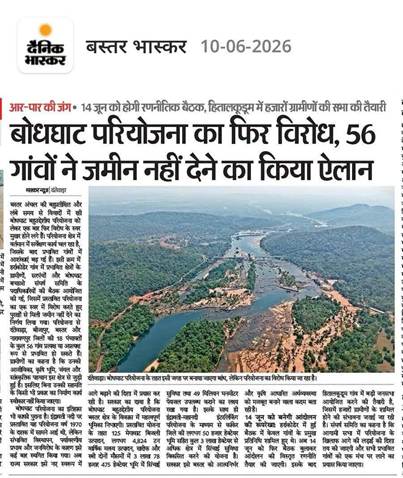
Bodhghat Project opposed by the affected villages
Opposition to the proposed Bodhghat Multipurpose Project in Chhattisgarh’s Bastar region has intensified, with 56 villages declaring that they will not give their land for the project. Villagers fear large-scale displacement, loss of agricultural land, forests and traditional livelihoods, and have planned a strategy meeting on 14 June to coordinate further resistance. Local groups argue that the project could affect thousands of people and submerge extensive land and forest areas, raising concerns over rehabilitation, compensation and environmental impacts.
Record Cauvery inflow, yet Mettur release delayed Despite receiving a record 330.44 TMC of Cauvery water in 2025–26—well above the 177.25 TMC Supreme Court allocation—Tamil Nadu will miss the customary June 12 water release from Mettur Dam due to low storage levels (41.58 TMC vs 93.47 TMC capacity). The paradox highlights inadequate storage infrastructure, with experts noting that nearly 70% of surplus water flows into the sea. Suggestions include building check dams, barrages, and utilising irrigation tanks to capture excess flows. The Water Resources Department is studying desilting of Mettur and has proposed three new barrages, but implementation remains pending.
Maharashtra: Dams have critically low water storage Maharashtra entered the 2026 monsoon season amid concerns over low reservoir levels, with water storage across the state’s dams standing at only about 25% of capacity. The situation was particularly worrying in the Pune division, which recorded the lowest storage levels in the state. Several reservoirs supplying water to Pune, including the Khadakwasla dam system, were running low, with Temghar dam reportedly drying up completely before the onset of the monsoon.
India’s reservoirs at 28% capacity India’s 166 major reservoirs are at 28.28% of their total live storage capacity, according to the Central Water Commission. Reservoir storage is 15.8% above normal for this time of year, but 8.17% lower than the same period last year.
Eastern India’s reservoirs are below both last year’s level and the normal level, raising concerns ahead of any prolonged rainfall gap. Southern India’s reservoirs are at 20.98% capacity, sharply lower than last year and slightly below normal. Several reservoirs, including Chandan Dam, Bhima-Ujani, Maudaha and Nanak Sagar, are nearly empty compared with normal levels.
UP govt approves ₹700 cr for Lakhwar, Renukaji dams The Uttar Pradesh cabinet approved over ₹700 crore as its share in two interstate water projects—₹356.07 crore for the Lakhwar Multipurpose Project on the Yamuna River and ₹361.04 crore for the Renukaji Dam Project on the Giri River. The Lakhwar project (total cost ₹5,647 crore) includes a 204 m high dam, 300 MW hydropower generation, and irrigation benefits for about 33,780 hectares, along with water supply for domestic and industrial use. It is targeted for completion by December 2031. The Renukaji project (₹6,946.99 crore) involves a 148 m high dam with 498 MCM storage capacity and 40 MW power generation, aimed at improving water availability across multiple states.
Relevant agenda of MoEF’s Forest Advisory Committee meeting held on June 10 2026
1. Diversion of 197.27 ha forest land for Kirthai-II HEP on Chenab River in J&K
2. Diversion of 82.029 ha forest land for Chhindwara Irrigation Complex -Sangam Dam
INTERLINKING OF RIVERS
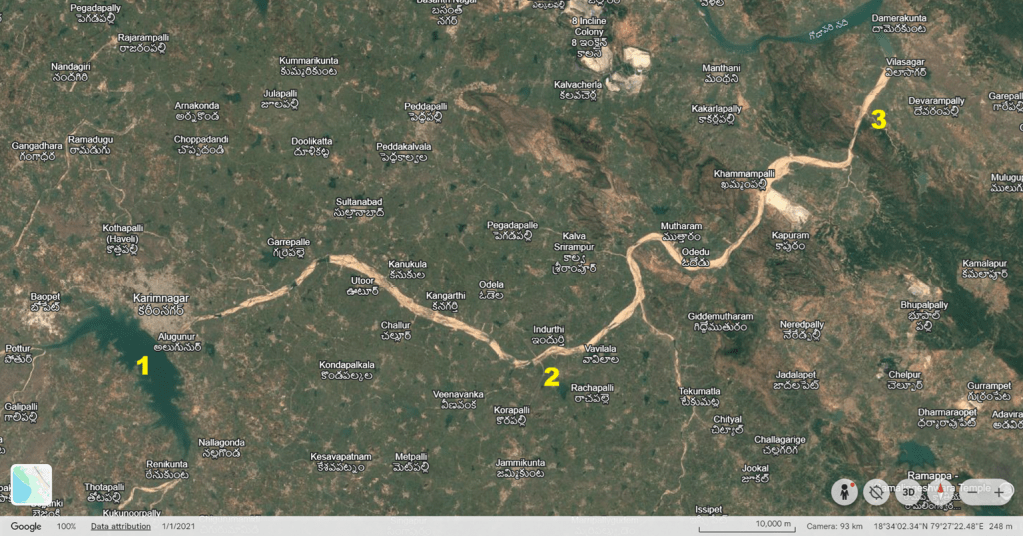
Centre says no to AP proposal on river interlinking Putting an end to speculation over the point from where the Centre plans to take up project to connect the Godavari with the Cauvery, the National Water Development Agency (NWDA) of Union Jal Shakti ministry has reiterated that the offtake point from the Godavari will be Icchampally in Telangana. The NWDA’s informed its decision to Telangana and AP in a letter that Icchampally was the preferred location for the work to link Godavari in Telangana with Cauvery in Tamil Nadu. There is still an alternative that Telangana had proposed, the Samakkasagar barrage downstream of the Icchampally location.
Polavaram-Cauvery Link project opposed As Andhra Pradesh’s Banakacherla and Nallamalasagar projects failed to take off, the AP govt came up with another proposal — linking Polavaram-Cauvery to divert Godavari waters, former Telangana Water Resources Minister Harish Rao has alleged. He said that the BRS government, during its tenure, had told the Union government that the interlinking of rivers should be taken up only after allocating 968 tmcft of Godavari water to Telangana. The then BRS government wanted the Centre to take up river interlinking either from Icchampally or from Sammakkasagar and from there to Nagarjunasagar.
“But the link project is now proposed to be taken up from Nallamalasagar (AP) to Grand Anicut (in TN). If this proposal is approved, then there would be no participation of Telangana in the river-linking project. If it is implemented, Telangana has to forego its share of 47 tmcft near Sammakkasagar,” he said. “I had categorically told in a NWDA meeting in 2015 that Telangana needs 1,050 tmcft in Godavari” Harish recalled.
RIVERS AS NATIONAL WATERWAYS
Tulbul Navigation Project to be revived by NHPC NHPC is laying a fresh blueprint for the Tulbul navigation project linked to the Jhelum River in Kashmir, renewing focus on the long-stalled lock-gate. Work on Tulbul or Wular barrage in Wular, Asia’s second-largest freshwater lake, was suspended in 1987 after Pakistan objected to its construction. NHPC had floated two tenders for exploratory drilling works and bathymetric survey at Tulbul project in 2025. The bathymetric survey, which maps underwater depth for excavation planning, was completed. However, the drilling tender was cancelled citing “administrative reasons”. The work will resume shortly after completion of DPR by NHPC.
Originally, the 430-feet long and 40-feet wide lock gate or barrage featured a storage capacity of 0.30 million acre feet (0.369 billion cubic metre) to facilitate navigation. The work was earlier started in 1985. It was again started in 2012, but was shelved soon after. A senior engineer said that the lock-gate will facilitate water flow in the Jhelum, especially below Baramulla where the water table is low between October and February. The water regulation is expected to benefit downstream hydropower projects in Uri by enabling steady flow of water to generate electricity during winters when hydropower generation in J&K reaches as low as 100 megawatts.
IRRIGATION
Canal water cess set to be abolished in Punjab During a recent review meeting, CM Mann noted that while the government provides substantial power subsidy for groundwater extraction, farmers are still required to pay a water cess for canal irrigation. He suggested that removing the charge could further encourage the use of canal water. The Water Resources Department has already submitted relevant details to the government.
Official records show that over the past four years, the government was expected to collect Rs 360 crore in water cess from farmers. However, the actual collections amounted to only Rs 3.75 crore, which is just 1.04 per cent of the revenue target. Officials acknowledge that the cess has generated negligible revenue for the state treasury.
The water cess was introduced in 2014 after amendments were made to the Indian Canal and Drainage Act, 1873. Under that policy, farmers were to be charged Rs 50 per acre per crop for the use of canal water as cess. The revenue was intended to fund the maintenance, repair and modernisation of canals, distributaries and minor irrigation channels through committees led by executive engineers. At that time, it was estimated that the state would collect Rs 100 crore per annum as water cess.
Before the introduction of the water cess, farmers paid an irrigation charge known as ‘abiana’ for canal water at Rs 150 per acre. In Jan 2010, the Punjab Cabinet decided not to recover outstanding ‘abiana’ dues from previous years. When farmers later stopped paying the water cess, the govt attempted stricter enforcement in 2015 by closing irrigation outlets to defaulters. However, the decision had to be withdrawn following protests by farmers’ organisations.
URBAN RIVERS
Dakshina Pinakini: A River Lost to Urban Waste The DH editorial points to recent reports of nearly 3,000 tonnes of waste dumped along the river corridor near Bengaluru, exposing the scale of neglect and pollution affecting the river. Environmentalists warn that continued dumping threatens groundwater, biodiversity and downstream communities dependent on the river system.
The editorial argues that the Dakshina Pinakini’s decline reflects a broader failure of urban waste management and river governance. It calls for urgent action to stop waste dumping, prevent sewage and industrial pollution, protect river corridors and wetlands, restore natural flows, and implement a comprehensive river rejuvenation plan before the river is lost beyond recovery.
Ujjain to Divert Polluted Kanh River Through 30-km Underground Corridor Madhya Pradesh is implementing a ₹919.94-crore Kanh Diversion Closed Duct Project to prevent the polluted Kanh River from entering the Shipra River in Ujjain. The 30.15-km-long project, expected to be completed by May 2027, aims to improve water quality in the Shipra ahead of Simhastha 2028.
The project includes a 12-km-long underground D-shaped tunnel built about 100 feet (30 metres) below ground and an additional 18.15 km covered canal using the cut-and-cover method. Around 70% of the work has been completed by a team of 80 experts from Hyderabad.
Under the scheme, Kanh River water will be diverted near Jamalpura village before reaching Ujjain and discharged downstream into the Gambhir River, away from the city and Shipra ghats. The construction agency will also operate and maintain the system for 15 years after completion.
RIVERS
Book Review: Is a River Alive? Dr Ruchi Shree Reviews the Book “Is River Alive”, authored by Robert Macfarlane. She concludes: “Rather than writing only about waterbodies in Chennai, Macfarlane could have visited some other parts of India also to bring a more comprehensive picture of rivers in India to the global audience. Similarly, though the author supports the ‘right to nature’ discourse but the text keeps mum about the ways to bring this discourse into practice.”

NGT fines violations in ₹739 Cr Ganga bridge project The NGT on April 22 flagged serious environmental violations in a ₹739 crore Ganga bridge project in Prayagraj, and directed recovery of ₹10 lakh environmental compensation from contractor GPT Infra. The tribunal found that about 9% of construction had already been completed before mandatory approval from the NMCG was obtained, and concrete batching plants were operating without pollution control clearances. Post-facto approvals secured in May 2025 were held insufficient to justify the initial violations.
The project – part of a 7.66 km bypass including a 3.1 km bridge over the Ganga floodplain – was found to violate the River Ganga (Rejuvenation, Protection and Management) Authorities Order, 2016, which designates the floodplain as a construction-free zone without prior approval.
Gomti’s Flow Drops 60%, Most Tributaries Dry Up The flow of the Gomti River has declined by up to 60%, while 22 of its 26 tributaries have dried up, according to environmentalists. They attribute the decline to riverfront development, concretisation, floodplain encroachment and the loss of the river’s natural connection with groundwater. Growing pollution and degradation of tributaries have further worsened the river’s condition, raising concerns over its long-term ecological health and water security.
YM June 2026: Any Hope from Apex Court’s 3rd River Cleanup Attempt? The current case, originating from an NGT petition on sewage pollution, highlights continued failures by agencies, including penalties imposed but later stayed by the Court. The Bench has now pointed to fragmented governance, lack of coordination, and absence of a comprehensive basin-wide plan, proposing a high-level nodal committee and stronger accountability. While long-standing issues like sewage discharge, encroachments and weak enforcement persist, the renewed focus on integrated planning offers some cautious hope, though outcomes remain uncertain.
Home Minister reviews Yamuna Rejuvenation Union Home Minister Amit Shah chaired a high-level review meeting in Delhi on June 8, 2026, directing the Delhi, Haryana and Uttar Pradesh govts to work through a coordinated action plan and jointly ensure adequate ecological flow (e-flow) in the river.
The Centre emphasized that Yamuna cleaning should be pursued through an integrated approach rather than piecemeal efforts by different agencies and states. All Yamuna rejuvenation projects should have clear timelines, implementation plans and long-term maintenance arrangements. Progress of the Yamuna rejuvenation programme will be reviewed every 20 days.
A total of 129 STPs have been completed in Delhi, Haryana and Uttar Pradesh, while 59 additional STPs are planned by the end of 2027. Industrial CETPs and dairy waste treatment facilities should be designed keeping future requirements in mind.
Haryana sets Dec 2027 deadline for cleaning projects During a review meeting, Chief Secretary Anurag Rastogi directed officials to expedite ongoing works related to sewage treatment, drainage management, and pollution abatement in districts along the Yamuna. Officials informed that several projects aimed at enhancing sewage treatment capacity by over 425 MLD and industrial effluent treatment capacity by more than 150 MLD are currently at various stages of approval, tendering, and construction.
‘Existing O-Zone buildings to stay’: CM The clarification came after concerns among nearly 15 lakh residents living in about 91 unauthorized colonies and a dozen villages located in the Yamuna floodplain O-Zone. The CM directed the Delhi Development Authority (DDA) to revise the wording of recently installed signboards to avoid unnecessary fear among residents.
Bhim Singh Rawat of SANDRP, said the constant encroachment into the floodplains cannot be encouraged by legalising more and more properties within the O-zone. “It is not safe for the river, and it is not safe for the people. The sandy river bed does not support good foundations, and more encroachment into the floodplain will lead to frequent floods,” he said. Urban expert Jagdish Mamgain said that while older illegal structures are often protected through regularisation, new illegal constructions – such as additional floors – continue with the alleged involvement of civic officials.
On May 23, the Delhi High Court directed authorities (MoHUA, MCD, DDA) to hold a meeting & submit an action report on stopping & demolishing unauthorised construction in the Yamuna O-Zone. It ordered that no new construction should be allowed, even in the name of repairs.
The Delhi government clarified that only new or ongoing illegal constructions will be demolished, not existing colonies. Political representatives argued that 91 colonies were regularised in 2008 (earlier under F Zone) and later shifted to O-Zone in 2010, with a pending proposal to move them back. They also claimed an expert committee found these colonies do not harm the river, while emphasising that restrictions should apply only to fresh construction.
The Delhi High Court had earlier observed that residential colonies in the Yamuna floodplain O-Zone are generally impermissible, though existing colonies currently enjoy protection under special legal provisions until December 31, 2026.
DJB asks firms to adopt drains, fund wastewater treatment Facing the challenge to clean the Yamuna, the DJB is now asking firms to adopt drains and finance efforts that can treat wastewater before it reaches the river.
Probe into encroachment allegations in Ghurari river A multi-departmental committee has been formed by Jhansi District Magistrate Gaurang Rathi to investigate allegations of encroachment, illegal construction, and pollution in the Ghurari River, following directions from the NGT. The river, a tributary of the Betwa, is an important water source for several villages in Uttar Pradesh and Madhya Pradesh.
The issue was raised by the ‘Jal Saheli’ group from Simrawari village, which had earlier revived the nearly dried-up river—an effort praised by the PM in Mann Ki Baat. They alleged large-scale encroachment in the riverbed and catchment, illegal construction within the 100-year floodplain, and dumping of garbage that has narrowed the river channel.
Environmental activists also approached the NGT, highlighting problems such as siltation, water hyacinth spread, debris dumping, and discharge of polluted water, all affecting the river’s flow and water retention. Taking cognisance, the NGT has directed district authorities in Jhansi (UP) and Niwari (MP) to take necessary action and address the environmental damage.
FISH, FISHERIES, FISHERFOLKS
Study unveils new fish species in Western Ghats A team of scientists has discovered a new fish species and successfully resolved a decades-old evolutionary mystery surrounding one of the most elusive aquatic lineages in the Western Ghats. Published in the journal Systematics and Biodiversity, the study details the unexpected discovery of Eechathalakenda incognita, a new species of cyprinid fish (Torinae), described from various streams inside the Periyar Tiger Reserve. This newly described species had been confused with Eechathalakenda ophicephala for the last 70 years. Both species have restricted distribution and face habitat threats, suggesting a high risk of extinction and that they are an urgent priority for conservation efforts.
JAC serves 7-day ultimatum to govt over fisheries scam A controversy has erupted in Arunachal Pradesh over alleged financial irregularities in the Fisheries Dept, with activists claiming that more than Rs 300 cr was siphoned off through fictitious projects and unauthorised transactions. According to the Joint Action Committee (JAC), the alleged scam reportedly involved the creation of “ghost ponds” and nonexistent fisheries projects to divert public funds.
Addressing a press conference here, JAC secretary Takam Chacha expressed dissatisfaction over the pace of action despite the registration of an FIR and an ongoing investigation into the alleged large-scale financial irregularities and loss to the state exchequer. Chacha said the committee had recently submitted a memorandum to Chief Minister Pema Khandu, raising concerns over the progress of the investigation and demanding that those responsible be identified and proceeded against in a transparent manner.
SAND MINING
2025: Sand Miners Suspected for Blasting Check Dams in Telangana While the State govt ordered a vigilance inquiry on Dec. 22, 2025, its findings have not been made public. In contrast, an independent fact-finding committee concluded that the damage was not due to floods or construction defects but was due to deliberate attempt by sand miners to facilitate transportation of illegally mined sand. The incidents appear to be part of a broader pattern, as there are more reports linking damage to several check dams on the Manair river and across the State to illegal sand mining operations.
2025: Riverbed Mining, Encroachment Damages Four Bridges in J&K At least 4 bridges across Jammu & Kashmir have suffered partial damages or complete collapse during 2025 underlining the growing threat of excessive riverbed mining & encroachment to bridges & river infrastructure. 3 of these incidents including washing out of part of approach road near the 4th Tawi bridge in Jammu, Keerian Gadiyal bridge on Ravi river and Logate Morh Bridge on Sahar Khad both in Kathua district occurred during severe deluge in Aug 2025. The Chandura bridge on Doodh Ganga river in Budgam was declared unsafe in Dec 2025.
Riverbed Mining Leaves Kashmir’s Sukhnag River Scarred A report published on June 10, 2026, highlights the severe ecological and livelihood impacts of large-scale riverbed mining in Sail village, Budgam district, Jammu & Kashmir, along the Sukhnag River, a 54-km tributary of the Jhelum River. Once known for its abundant springs, trout farms and paddy cultivation, the village now faces dried-up streams, barren fields and declining aquatic life due to extensive mining.
A joint panel comprising the Ministry of Environment, Forest and Climate Change (MoEFCC), the National Institute of Himalayan Environment (NIHE) and the Jammu & Kashmir Pollution Control Committee (JKPCC) informed the NGT that 10.6–15.3 lakh tonnes of riverbed material may have been extracted, causing “irreversible hydrogeological damage.” Excavation reportedly reached depths of 4.42 metres, extending below the active riverbed and into aquifer zones.
The report also raises concerns over regulatory violations. Activists alleged that the district administration issued 148 short-term mining permits, allowing extraction without mandatory environmental clearances required for ecologically sensitive trout streams. About 75% of the permitted extraction reportedly went to NKC Projects Pvt. Ltd.
Data provided by the District Mineral Officer, Budgam, showed that 6,32,940 tonnes of material were permitted for extraction between 2020 and 2024 through disposal and short-term permits. Of this, nearly 77 per cent, or 4,85,194 tonnes, was allocated to a single firm, NKC Projects Pvt Ltd, an infrastructure and civil construction company based in Gurugram, the report noted. The Fisheries Department informed the committee that approximately 2,000 trout fish were lost in one incident after water supply to a fish farm owned by Peerzada Rayees Ahmad was diverted, allegedly due to illegal mining activities carried out during the night.
The committee, which inspected the Sukhnag river on March 18 this year following directions from the NGT, found visible signs of extensive extraction of riverbed material from both the active river channel and surrounding catchment areas. “The extent of excavation within the riverbed raised serious environmental concerns,” the report said, noting indications that mining had extended below the active riverbed and into alluvial aquifer zones, a practice that could result in irreversible hydrogeological damage and depletion of groundwater storage capacity. To prevent further degradation, the committee recommended an immediate moratorium on all mining activities within a 5-km radius upstream & downstream of Sail Bridge until restoration measures are undertaken.
JKCSF warns of ecological crisis in Ferozpora nallah A report published on June 11, 2026 highlights concerns raised by the Jammu & Kashmir Civil Society Forum (JKCSF) over the rapid drying of Ferozpora Nallah, a key stream in the Tangmarg region of Baramulla district. JKCSF alleged that illegal riverbed mining, excessive extraction of sand and gravel, and diversion of water for other uses are severely affecting the stream’s flow and ecological health.
The organization warned that the shrinking nallah is threatening drinking water supplies, irrigation, agriculture, horticulture, and local livelihoods, while also damaging the region’s fragile mountain ecosystem. Local residents have reportedly witnessed declining water levels and drying channels that once supported farming and daily water needs.
NGT told FIRs filed in Yamuna mining case near Narela The SDM of Narela has informed the NGT that excavators and other vehicles involved in illegal sand mining in the Yamuna floodplain were recently seized and FIRs registered against those responsible. The submission was made in an ongoing NGT case on sand mining in the Yamuna, based on a TOI report titled “Illegal sand mining in Yamuna floodplain near Narela”, published on Nov 30, 2024. The report had highlighted rampant sand mining activity and the construction of a road across the river, calling for urgent and coordinated action by authorities in Delhi and neighbouring Uttar Pradesh.
Odisha mining controversy: Allegations of ecological destruction In Odisha’s Mayurbhanj district, local farmers and environmental experts accuse a mining company of causing widespread ecological and agricultural damage over decades. Despite repeated complaints, minimal action has been taken, prompting district officials to promise an investigation. Environmentalists warn of ongoing threats to local wildlife and ecosystems.
ining operations in Odisha’s Mayurbhanj district are under intense scrutiny following accusations from local farmers and environmentalists. They claim extensive ecological and agricultural damage has been inflicted over decades by a local mining company.
Singhraj Hembram, a farmer from the area, reported that water streams have been filled with sand, affecting both agricultural lands and water resources. He pointed out that although mining has occurred for decades, it hasn’t translated into community development.
Hundreds of Dumpers Enter Daily from Uttarakhand A newspaper report has alleged that hundreds of dumpers carrying mining material enter Uttar Pradesh from Uttarakhand every day through the Bhaguwala–Walawali–Rehar route, raising concerns about large-scale illegal mining and possible revenue losses worth crores of rupees. The report claims that despite the presence of multiple departments and check-posts along the route, the movement of these vehicles continues unchecked.
Local residents and representatives have questioned the apparent inaction of enforcement agencies, including transport authorities. They have alleged that overloaded vehicles and dumpers without proper number plates are operating freely, pointing to serious lapses in monitoring and regulation. Concerned over the environmental and economic impacts, local leaders have submitted a memorandum to the administration demanding strict action against illegal mining and transportation.
Citizen initiative to track sand mining in India Data sprints by India Sand Watch empower common people to transform scattered news reports into a powerful, open-access database to track sand mining.
WETLANDS, LAKES, WATER BODIES
NGT summons Darbhanga DM over pond encroachments On March 12, 2026, eastern bench of NGT took serious note of large-scale encroachment and pollution of Mon/Moin Pokhar (about 100 acres, linked to the Bagmati River) in Darbhanga. The case, filed by Talab Bachao Abhiyan (TBA), alleged that 15–20 acres of the pond have been illegally filled for land sale, while untreated sewage and waste have polluted the water body, with around 70% covered by weeds. It also highlighted that over 28 ponds in the region have been encroached upon in the past two decades.
The tribunal expressed strong displeasure over administrative inaction and delay, noting that a joint committee report (DM + Pollution Control Board) ordered in January 2025 is still pending after more than a year. The NGT has now directed the Darbhanga District Magistrate to appear personally on April 21, 2026, and explain non-compliance, while ordering the committee to submit its report within four weeks.
Heavy metal contamination in Kashmir’s lakes A new research study published in Nature Scientific Reports reveals that water chestnuts harvested from Kashmir’s lakes contain alarming levels of heavy metals, raising serious questions about food safety, ecosystem health, and the future of communities that depend on these lakes. The findings point to a deeper problem: the steady deterioration of lake water quality under the pressure of untreated sewage, agricultural runoff, and other forms of pollution.
The study focuses on four major freshwater ecosystems in Kashmir: Dal Lake, Hokersar Wetland, Manasbal Lake, and Wular Lake. Together, they tell a troubling story of how pollution is moving through water, sediments, aquatic plants, and ultimately into the human food chain.
NGT flags shrinking Mansarovar Lake A June 9, 2026 report highlights serious concerns over the shrinking and pollution of Mansarovar Lake in Bhilwara. The lake’s area has reduced drastically from 116 bigha to just 52 bigha, prompting strict action from the NGT.
A joint committee found that untreated sewage and wastewater are continuously entering the lake, severely degrading water quality. The rapid spread of water hyacinth has further worsened conditions and threatened aquatic life.
The report also alleges that around 64 bigha of lake land has been allocated for residential and other uses, raising questions about encroachment and mismanagement. The NGT has sought explanations from authorities on the loss of lake area, pollution control failures & violations of environmental norms, warning that without urgent corrective measures, the lake’s survival is at risk.
Invasive plants choke Kanyakumari’s water bodies A rapid spread of invasive plant species such as water hyacinth and alligator weed is degrading ponds, canals, streams and wetlands across Kanyakumari district, reducing water storage capacity and affecting irrigation, fisheries and local biodiversity. Experts warn that unchecked growth of these species is obstructing water flow, accelerating the loss of traditional water systems and threatening the district’s water security.
RAMSAR WETLANDS
Regulatory loophole allows NTPC solar park near Gujarat Ramsar wetland A June 2026 report by The Wire highlights how a regulatory gap has enabled NTPC Renewable Energy Ltd. to proceed with a proposed 4,500-acre solar park across 16 villages in Gujarat’s Banni grasslands, including about 1,400 acres within the Eco-Sensitive Zone (ESZ) adjoining the Chhari Dhand Conservation Reserve, which was designated a Ramsar wetland on June 16, 2025.
The key issue is that solar parks are exempt from the Environmental Impact Assessment (EIA) process under a 2017 MoEFCC memorandum. As a result, no EIA has been conducted for the project, despite its proximity to a protected wetland and ecologically sensitive grassland ecosystem.
The report argues that the concern is not renewable energy development itself, but the absence of a robust regulatory mechanism to assess whether such large projects are being located in environmentally appropriate areas. It questions whether the safeguards intended to protect wetlands, biodiversity and sensitive habitats are being adequately applied when solar projects are exempt from environmental appraisal requirements.
Mining concerns raised near Uttarakhand’s only Ramsar site A Dehradun-based environmentalist, Anoop Nautiyal, has written to PM Narendra Modi seeking an independent, high-level investigation into alleged mining activities in and around the Asan Conservation Reserve, Uttarakhand’s only Ramsar wetland site. In a detailed representation, he raised concerns that ongoing mining operations near the protected wetland and adjoining stretches of the Yamuna River are threatening the area’s ecological integrity and biodiversity.
Nautiyal argued that the 444-hectare Asan Conservation Reserve, designated a Ramsar Site in 2020, supports nearly 350 species of migratory and resident birds and is one of the most important wetland habitats in the region. He alleged that mining activities, movement of heavy machinery, mineral transportation and related disturbances are degrading habitats and affecting wildlife.
Fragmented governance threatens Mansar and Surinsar lakes This article warns that the ecological decline of Jammu and Kashmir’s twin heritage lakes, Mansar and Surinsar, has become a governance crisis driven by fragmented institutional responsibility, weak coordination and poor implementation of conservation measures. The article draws on recent findings of the CAG, which reported that 518 of J&K’s 697 lakes (74%) have either disappeared or shrunk since 1967, reflecting widespread degradation of the region’s freshwater ecosystems.
The lakes are facing multiple pressures, including unregulated tourism, nutrient enrichment, pollution, catchment degradation, declining water quality and inadequate ecological planning. Despite their ecological, hydrological and cultural importance, conservation efforts remain divided among different agencies, resulting in overlapping mandates and weak accountability.
WATER OPTIONS
RWH demand rises in Bengaluru Well diggers and RWH installers report a steady increase in enquiries and installations, with many existing homeowners now opting for recharge pits and harvesting systems rather than relying solely on borewells and Cauvery water supply.
Under Bangalore Water Supply and Sewerage Board (BWSSB) regulations, plots larger than 2,400 sq ft and all new constructions are required to have RWH systems. However, many households continue to pay penalties instead of installing them. To address this, BWSSB has launched a scheme to help residents install RWH systems through affordable instalments. Installation costs reportedly range from about ₹5,000 for smaller plots to ₹10,000 for larger properties. The growing interest reflects increasing awareness of water conservation and the need to improve groundwater recharge in a city that faces frequent water stress despite receiving substantial seasonal rainfall.
Apartment Cuts Tanker Dependence to Zero with RWH Residents of Anuhar Purple Tunes Apartment in Alkapoor Township, Manikonda in Hyderabad, who spent nearly Rs 90,000 on water tankers during last summer, are using a combination of rainwater harvesting and groundwater recharge using reject water from reverse osmosis (RO).
The transformation was achieved under the guidance of HMWS&SB managing director K. Ashok Reddy through the ‘Intinti Inkudu Gunta’ initiative aimed at improving groundwater recharge. Following last year’s water crisis, apartment residents approached Satyanarayana, officer on special duty at the board’s water harvesting unit and constructed a scientifically designed rainwater harvesting pit near the apartment’s borewell. Rainwater from rooftops was channelled through a centralised pipeline system directly into the recharge pit, allowing it to seep into the ground and replenish groundwater reserves.
Restored pond brings water security to Kadamjora A restored village pond was inaugurated at Kadamjora under Mukurudih Gram Panchayat in East Singhbhum, marking a significant step towards environmental conservation and sustainable rural development. The pond restoration project was undertaken with the aim of promoting water conservation, groundwater recharge, ecological balance and long-term water security in the region. The initiative is expected to improve water availability for villagers, support agricultural activities and strengthen the local ecosystem.
The project was inspired by the vision of Namrata, District Governor of Rotary District 3250, and carried out under the leadership of Dr. Vikrant Tiwari, President of the Rotary Club of Jamshedpur West and a noted environmentalist. The planning, coordination and execution of the project were led by Ashok Jha, who played a key role in ensuring its successful completion. The restoration work was implemented in collaboration with IMPCA Services and AWF, highlighting the importance of collective efforts in achieving sustainable development goals.
Bundelkhand needs repair, reuse of traditional water systems A study finds that despite schemes like Jal Jeevan Mission, water access in Bundelkhand remains unreliable, especially during summers. Traditional systems like wells and tanks are declining due to neglect, groundwater over-extraction and rise of borewells, while new piped systems often remain incomplete or non-functional. Many households depend on tankers, private borewells and informal water markets, increasing inequality and uncertainty. The study argues for a “circular water approach”—repairing, restoring & integrating traditional water systems with modern supply schemes—to improve resilience, sustainability & equitable access in this drought-prone region.
Restoring Darjeeling’s forests and water ecosystems An article by ecologist Dr. Sailendra Dewan argues that environmental restoration in the Darjeeling Himalaya must go beyond tree-planting campaigns and focus on reviving native forests, springs, streams, wetlands and river ecosystems. The region, part of the biodiversity-rich Eastern Himalaya, has lost large areas of native forests due to historical clearing for tea plantations, settlements and infrastructure, leaving behind fragmented and degraded habitats.
The article stresses that native forests are essential for biodiversity conservation, groundwater recharge, spring revival, slope stabilization, carbon storage and climate resilience. It calls for protecting remnant forests, restoring ecological connectivity, controlling invasive species, rehabilitating wetlands and conserving river corridors to strengthen water security and reduce erosion and landslide risks.
GROUNDWATER
Work on Odisha GW under Jal Sanchay, Jan Bhagidari This PIB press release on June 11 2026 claims, “a silent groundwater revolution is unfolding from school rooftops in Jajpur and community ponds in Cuttack to recharge wells in Ganjam.” The PR provides no convincing evidence of improved groundwater situation after these works.
Jajpur district: Between 2022-23 and 2025-26, the district constructed 117 recharge shafts and installed 114 Rooftop Rainwater Harvesting Systems across government institutions and educational campuses. Groundwater monitoring network comprise of 47 Digital Water Level Recorder stations and 72 observation wells.
Cuttack: 57 Rooftop Rainwater Harvesting Systems were established across government offices, educational institutions and public facilities. 35 recharge shafts were constructed in ponds and water bodies to facilitate deep aquifer recharge. The district’s groundwater monitoring framework, consist of 66 automated monitoring stations and 100 observation wells.
Groundwater Approval Delays Hit Haryana Industries Over 2,000 groundwater extraction applications are pending in Haryana due to the absence of a chairperson in the Haryana Water Resources Authority (HWRA) for nearly nine months. This has delayed issuance of mandatory NOCs, affecting industries, exporters and ethanol plants, with some licences awaiting renewal.
The backlog is disrupting business operations, investments and compliance, while raising concerns over weakening groundwater regulation. Experts warn that delays, combined with limited regulatory coverage and ongoing illegal extraction, could undermine sustainable groundwater management in a state already facing water stress.
URBAN LAKES, WETLANDS
Filling Bengaluru lakes with treated water may trigger flooding With the onset of the monsoon, activists have warned that Bengaluru lakes filled with treated wastewater by BWSSB could increase the risk of urban flooding. Around 23 lakes have already been filled and work is ongoing for another 40 lakes as part of efforts to improve groundwater after the 2024 water crisis.
Experts say filling lakes to the brim has reduced their natural storage capacity, leaving little room for incoming rainwater. The situation is worsened by the absence of sluice gates, making it difficult to regulate water levels during heavy rainfall. Activists also point out that this disrupts the natural seasonal cycle of lakes, affecting biodiversity and turning them into “static storage tanks” rather than dynamic ecosystems.
Bengaluru plans floodable landscapes in disused lakes Byataguntepalya in northeast Bengaluru, Saneguruvanahalli in west Bengaluru, and Nandi Shettappa in the southern part of the city are names most Bengaluru residents are unlikely to recognise today. These were once lakes that disappeared under layouts, parks, and other developments. Now, Greater Bengaluru Authority (GBA) wants to revive some of their flood-mitigation functions through a new initiative to create “floodable landscapes” across the city.
As part of an initiative of the GBA Climate Action Cell, 19 disused lakes across the city have been identified for intervention. Of these, eight have been completely encroached upon or have been diverted for layouts, stadiums, and parks, while some land is still available in the other lakes.
Waste, neglect choke Gadag’s Bheeshma lake Bheeshma Lake, one of the main attractions in Gadag city, Karnataka, is facing severe environmental degradation due to indiscriminate dumping of garbage and poor maintenance. Despite warning boards prohibiting waste disposal, large quantities of solid waste, plastic, electronic waste, construction debris and liquid waste continue to be dumped around the lake. Open defecation and urination in the area have further worsened the situation. During rains, much of this waste is washed into the lake, polluting the water and threatening aquatic life.
Restore Sathangadu Lake, Remove Encroachments: TIC The Tamil Nadu Information Commission has directed the State government to restore Sathangadu Lake in north Chennai to its original extent of 135 acres, noting that the lake has shrunk to around 70 acres due to encroachments on nearly 65 acres. The Commission called for the removal of encroachments and restoration of the lake’s full area to protect its ecological and hydrological functions. It also sought action from the concerned departments and emphasised the need to safeguard urban water bodies from continued degradation and land grabbing. The case highlights the continuing loss of Chennai’s wetlands and lakes due to encroachment, despite their critical role in flood mitigation, groundwater recharge and urban water security.
Study finds widespread Microplastic pollution in Vellore lakes A study by researchers from the Vellore Institute of Technology (VIT) has found significant microplastic contamination and poor water quality in five lakes of Vellore district linked to the Palar river basin—Gopal Samuthram, Saduperi, Melkavanur, Sathyamangalam and Sedhuvalai lakes. The study, published in Scientific Reports, analysed 100 water samples collected during the pre-monsoon period of 2024.
The water quality assessment showed that most lakes were either poor or unsuitable for drinking, with only Sathyamangalam Lake exhibiting relatively better conditions. Elevated phosphate and nitrate levels, high salinity, excessive dissolved solids and low dissolved oxygen were also recorded, posing risks to aquatic ecosystems and water usability.
The researchers attributed the pollution primarily to urban sewage discharge, improper solid waste disposal and agricultural runoff, noting that contamination was particularly severe near urban settlements, drainage channels and waste dumping sites. The study called for regular monitoring of freshwater microplastics, improved sewage treatment and stronger waste management measures to protect lakes in the Palar basin.
Untreated sewage flowing into Coimbatore’s Valankulam lake An environmental group has raised concerns over non-functional STPs leading to the discharge of untreated sewage into Valankulam lake in Coimbatore. The group highlighted that several STPs meant to treat wastewater are either not operational or functioning poorly, allowing polluted water to directly enter the lake.
This has resulted in deteriorating water quality, foul odour and ecological stress in one of the city’s key water bodies. Activists warned that continued inflow of untreated sewage could further damage the lake’s ecosystem and undermine restoration efforts. They have urged authorities to restore and ensure proper functioning of STPs, prevent direct sewage inflow, and implement stricter monitoring to protect the lake.
Urban Lake Policies Are Getting It Wrong Hyderabad’s lakes are being reduced to wastelands awaiting real estate conversion. Fences, and cosmetic dredging cannot reverse this. A democratic, community-oriented approach is needed to reimagine lakes where cultural memory, ecological repair, and civic participation reinforce one another.
HYDRAA alleges lake land encroached under CSR cover A report by Hyderabad’s Hyderabad Disaster Response and Asset Protection Agency (HYDRAA) has alleged that more than 100 acres of lake Full Tank Level (FTL) land across the city have been encroached upon through projects presented as Corporate Social Responsibility (CSR)-funded lake restoration initiatives. According to HYDRAA, several lakes handed over to private entities for restoration and maintenance between 2021 and 2023 witnessed violations, including encroachments, alteration of lake boundaries, and real estate-linked developments.
The agency cited the case of Kotha Cheruvu in Kokapet, where the lake is alleged to have shrunk from about 70 acres to 50 acres due to soil dumping and bund construction. HYDRAA also flagged encroachments and sewage inflows at Kamuni Cheruvu in Moosapet, while raising concerns that some CSR-backed lake rejuvenation projects may have facilitated gradual occupation of lake lands under the guise of beautification and restoration.
CIDCO’s new flamingo study raises questions The City and Industrial Development Corporation of Maharashtra (CIDCO)’s decision to appoint Australian aviation consultancy Avisure to study bird movement around the Navi Mumbai International Airport has raised fresh questions about the future of Navi Mumbai’s wetlands. The agency has cited the ongoing study as grounds to defer legal protection for DPS Flamingo Lake, arguing that no irreversible decision should be taken until the assessment of bird-related aviation risks is complete. But bird movement around the airport is not being studied for the first time.
More than a decade ago, the Bombay Natural History Society (BNHS) was asked to study bird movement around the proposed airport site. Importantly, the BNHS study was already part of the airport’s official environmental assessment process. Its findings were considered during planning for the Navi Mumbai International Airport and helped inform understanding of bird movement and aviation-related risks in the area.
NGT flags wetland violation in NHAI project The NGT on April 07, found environmental violations in the Goyla Khurd highway project and directed the Delhi Pollution Control Committee to impose a penalty on the National Highways Authority of India. The case relates to construction of the Urban Extension Road (UER)-2 over a protected pond notified as a wetland, where NHAI built a flyover with eight pillars inside the pond, impacting about 20.36 sq m area without proper disclosure or environmental assessment.
The tribunal held that any encroachment in a protected wetland is illegal, noting that NHAI failed to inform authorities about in-pond construction while seeking clearance. It directed the Union Environment Ministry to review violations within six months, and ordered a joint inspection to assess damage, ensure restoration, and recover environmental compensation. “DPCC will also ascertain the environmental damage compensation by giving an opportunity of hearing to the NHAI and will take steps to recover the same within six months,” the order stated.
URBAN WATER
Urban Water Access in India Yet, people, especially the vulnerable, struggle to meet their daily water needs. Cities experience water shortages when water is most needed; the gap between demand and supply rises. But the available water is hardly distributed in an equitable way. A 2018 report from global advocacy group WaterAid ranked India top among the list of countries with the worst access to clean water close to homes — 163 million Indians were living this way. Access to water, which makes all the difference in the scorching heat, is far from even or equitable. Even if access is ensured, adequate and reliable supply is another story altogether as taps run dry. Question of Cities looks at the disparity in water distribution, the inequity in water access, as temperatures rise to unbearable levels.
Need for Circular Water Economy in Cities Rising heat, falling per capita water availability, and growing urban demand are pushing Indian cities towards serious water stress. The article argues that reusing treated wastewater offers a major untapped solution, with potential to reduce shortages, create jobs, and unlock large investments. However, this requires city-level reuse plans, better sewage infrastructure, private financing, and improved treatment plant performance. It also calls for a national circular water mission, along with institutional, financial, and behavioural reforms to shift from a “use-and-dispose” model to a reuse-based water economy.
Pune faces water management challenges A recent CWPRS report highlights that Pune’s water challenges stem less from scarcity and more from inefficient management, including rapid construction activity, high distribution losses, and rising consumption. According to experts, the city receives sufficient water from its reservoir system, but a significant share is lost through leakages, ageing pipelines, unauthorised connections and inefficient distribution networks.
The report notes that Pune’s expanding urban footprint and booming real-estate sector have increased water demand, while groundwater extraction and the conversion of natural recharge areas have further stressed local water resources. Experts argue that improving distribution efficiency, reducing non-revenue water losses, protecting water bodies and recharge zones, and promoting wastewater reuse are more urgent than seeking new water sources.
The article also points out that climate variability, changing rainfall patterns and increasing per capita consumption are adding pressure to the city’s water system, underscoring the need for integrated urban water management and demand-side measures rather than supply-focused solutions alone.
Rural-Urban inequality deepens Pune’s water crisis As Pune city prepares for alternate-day water supply from June 15 due to low reservoir levels, rural and peri-urban areas in the district are facing a much more severe and long-standing water crisis. Villages in Ambegaon, Junnar, Bhor, Mulshi and Purandar—despite receiving high rainfall and hosting major dams—continue to struggle with acute shortages.
Residents in tribal and hilly regions walk long distances daily to fetch water as wells and hand pumps dry up in summer. Even villages located near reservoirs like Dimbhe and Nira-Deoghar dams report little access to piped water, highlighting inequitable distribution. Tankers remain the primary source in many areas, often irregular and insufficient.
The crisis has also spread to rapidly urbanising outskirts like Pirangut and Mulshi, where population growth and construction have outpaced water infrastructure. Housing societies increasingly depend on expensive tanker supply, adding financial burden on residents.
Overall, the situation reflects a paradox of water scarcity amid abundance, driven by poor distribution systems, inadequate infrastructure, weak local storage and lack of watershed management, even as major reservoirs in Pune division report low storage levels.
The PMC has directed the closure of vehicle washing centres and swimming pools, while construction sites must not use water supplied by the civic body, as any violations will lead to action against them
NGT orders probe into illegal GW extraction in Noida & Greater Noida Allegations have emerged that several major construction projects in Noida and Greater Noida are illegally extracting groundwater without proper permissions. Key projects named include those in Sectors 145, 153, 94, 150, Tech zone-II, and the YEIDA area, raising concerns over large-scale misuse of groundwater amid rapid urbanisation.
Acting on a petition by Vikrant Tongad, the NGT directed the UP Groundwater Dept to investigate. The tribunal ordered site inspections and asked for corrective & punitive action against any illegal tube wells or borewells, with the process to be completed within 3 months.
Delhi water tankers waste thousands of litres amid supply crisis A ground report found that significant quantities of water are being lost from Delhi Jal Board (DJB) tankers due to overflows at filling stations and leakages during transit, even as many neighbourhoods depend on tanker supplies for their daily needs. At the Gulabi Bagh filling point, water was seen overflowing during refilling, while tankers leaked continuously on their way to water-scarce localities.
Plastic waste chemicals polluting Jaipur water sources A new study from the IIT Roorkee has found that chemicals leaching from plastic waste at the Mathuradaspura dumping yard near Jaipur are contaminating nearby groundwater and surface water sources. The study detected elevated levels of phthalates & bisphenol compounds, chemicals commonly used in plastic products and known to pose risks to human health & ecosystems.
Researchers collected water samples from wells, hand pumps and surface water bodies around the landfill and found evidence of contamination linked to long-term accumulation and degradation of plastic waste. The study warns that continued leaching of these chemicals could affect drinking water quality and increase health risks for communities dependent on local water sources.
The findings highlight the growing environmental impacts of unmanaged plastic waste and underline the need for improved landfill management, scientific waste disposal and regular monitoring of groundwater quality around dumping sites.
Wastewater discharge leaves Brahmapuram families struggling The residents of Kochi’s Brahmapuram say that the well water has become unsuitable even for basic household uses. As a result, they are now forced to purchase water from external sources to meet their daily needs, pushing several of them into financial strain.
Sewage floods layouts in Karnataka’s Byrathi The residents of Kanakashree Byrathi Layout are left in the lurch as dirty water from upstream areas is flooding the main road connecting their layout and a number of apartments in Bengaluru East City Corporation (BECC) for ages, and still the issue is unresolved. The residents say the flow has increased as tenements have increased.
Manjeera pipeline burst disrupts water supply A major leak occurred in the Manjeera Phase-II main water pipeline near Rudraram village on June 11, 2026, disrupting drinking water supply to several parts of Hyderabad. According to the Hyderabad Metropolitan Water Supply and Sewerage Board (HMWSSB), officials initiated emergency repairs, while Managing Director K. Ashok Reddy reviewed the restoration work and directed the supply of water through tankers to minimize inconvenience to residents. Consumers were advised to use water judiciously until normal supply was restored.
Ahmedabad water contamination sickens 50 At least 50 people fell ill and seven remained hospitalised after consuming contaminated drinking water in the Ghatlodia area of Ahmedabad officials said on June 04. The outbreak of diarrhoea and vomiting was reportedly caused by a breach in water and drainage pipelines, allowing sewage to mix with the drinking water supply in at least nine residential societies. Residents alleged that complaints about contaminated water had been raised several days before the outbreak and that the number of affected persons was much higher than official figures. The incident revived concerns about urban drinking water safety and drew comparisons with recent fatal water-contamination episodes elsewhere in the country.
RWH Failure in Govt Buildings in Bilaspur Despite having ₹10+ crore funds and multiple orders since 2018, rainwater harvesting systems remain unimplemented in 55 government buildings. Frequent rule changes and administrative shifts have failed to deliver results, exposing poor execution, incomplete projects and weak monitoring in urban water conservation efforts.
JAL JEEVAN MISSION
₹974-Cr Chambal Water Project Delayed The ₹974-crore Chambal Drinking Water Project in Rajasthan’s Bundi district has been delayed for over four years, with work reportedly stalled due to funding shortages and pending contractor payments. Despite ₹425 crore already being spent, around 85,000 people in nearly 50 villages continue to depend on water tankers during the summer. The project was originally expected to supply drinking water to about 500 villages by November 2024, but the target has been missed. Raising the issue in the Assembly, local MLA Ashok Chandna highlighted the delays, while the state government has now assured completion of the project by April 2027.
INDUSTRIAL WATER MANAGEMENT
New rule requires fish survival test for caustic soda industry wastewater New environmental standards require caustic soda plants using membrane cell technology to pass a fish-survival test for wastewater toxicity. The rules say at least 90% of fish must survive after 96 hours in 100% wastewater during laboratory-based bioassay testing. The test is meant to assess whether treated industrial effluent is toxic to living organisms, not just whether it meets individual chemical limits. The standards also set limits for pH, chloride, suspended solids, dissolved solids, water use and wastewater generation. Experts say enforcement will be key, as bioassay testing requires specialised laboratories, trained staff and regular independent monitoring.
Tata’s iPhone parts factory contaminated farmland water The Tata plant under investigation is in Hosur in Tamil Nadu and makes back panels and other components for iPhones. Farmland owners near the plant had complained for months to the Tamil Nadu Pollution Control Board that wastewater from the factory was contaminating their land and open wells. The complaints led to five state inspections between December 2025 and May 2026, according to details from a previously unreported regulatory notice dated May 25 and reviewed by Reuters.
The inspections found that Tata discharged wastewater into a rainwater harvesting pond inside its facility and that the pond overflowed to contaminate “groundwater in the open wells located in the adjacent agricultural lands”, the pollution board’s warning notice to Tata said. Tata had not taken any corrective actions on instructions issued by the pollution board in a previous letter dated December 23, 2025, it said in the three-page notice.
HC stays 17 PPCB show-cause notices to Trident Ltd The Punjab and Haryana High Court on June 09 stayed the operation of 17 show-cause notices issued to Trident Limited by Punjab Pollution Control Board (PPCB), while observing prima facie that the petitioner’s grievance regarding the nature and tenor of the notices, the fairness of procedure sought to be adopted, and its effect raised substantial questions requiring judicial scrutiny.
The division bench of Justice Sandeep Moudgil and Justice Rupinderjit Chahal also ordered that “no coercive steps shall be taken against the petitioner” till the next date of hearing. The directions came on a writ petition filed by Trident Limited seeking quashing of 17 show-cause notices issued by PPCB, which the petitioner alleged were in violation of an earlier high court order dated May 8 passed in a civil writ petition. The matter has been listed for hearing on July 10.
Global resistance to AI data centres hardens India must learn how to regulate environmentally disastrous data centres that guzzle more water and power than entire nations.
AGRICULTURE
Maharashtra farmers skip dry sowing amid monsoon delay Maharashtra’s kharif season is off to an uncertain start, with farmers across Vidarbha and Marathwada holding back from ‘dhul perni’ — the dry pre-monsoon sowing that typically gets underway by June 10 — as the southwest monsoon’s arrival remains unclear.
MONSOON 2026
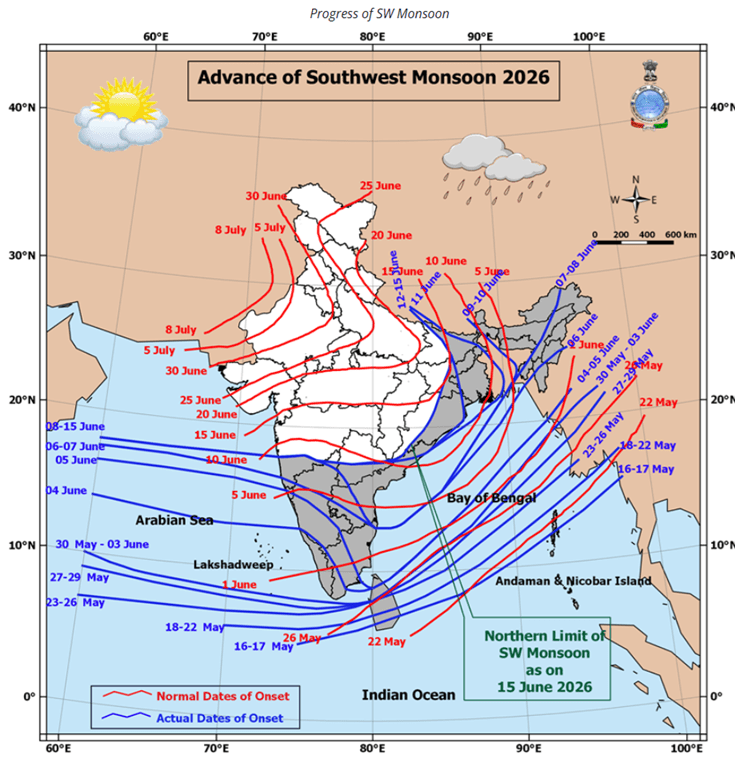
El Niño raises fears of weaker monsoon India is facing the prospect of a hotter summer and a weaker southwest monsoon as El Niño conditions have developed in the equatorial Pacific Ocean and are expected to strengthen during the monsoon season, according to the India Meteorological Department (IMD). The climate phenomenon is typically associated with reduced rainfall, higher temperatures and increased risk of drought-like conditions across parts of India.
Fresh data from the India Meteorological Department (IMD) shows that India has received only 19.2 mm of rainfall against a normal of 53.7 mm between June 4 and June 15, translating into a nationwide rainfall deficit of 64%.
Rajasthan records 154% excess rainfall by June 10 Rajasthan recorded 154% excess rainfall by June 10, 2026, even before the southwest monsoon formally reached the state. Eastern Rajasthan received 207% excess rainfall, with the state recording 19.1 mm of rain between June 1 and June 9 against the normal 7.5 mm. Four of Rajasthan’s 10 wettest monsoon seasons have occurred since 2019, indicating a rise in extreme rainfall years.
In 2025, Rajasthan received 715.2 mm of monsoon rainfall, 64% above normal and the second-highest since 1901. Western Rajasthan, including large parts of the Thar Desert, recorded 69% excess rainfall in 2025, ranking as its sixth-wettest monsoon season in 125 years. Meteorologists say the wet start to 2026 has been driven by a series of western disturbances, with more thunderstorms and rainfall forecast between June 11 and June 14.
The monsoon activity in Andhra Pradesh has remained subdued thus far, with 17 out of the 28 districts reporting deficient rainfall between June 1 and June 14. The Southwest Monsoon arrived in the State on June 6 and is expected to cover the remaining parts of the State in the next three days. However, many districts continue to experience intense heat due to the active El Nino conditions.
FLOOD 2026
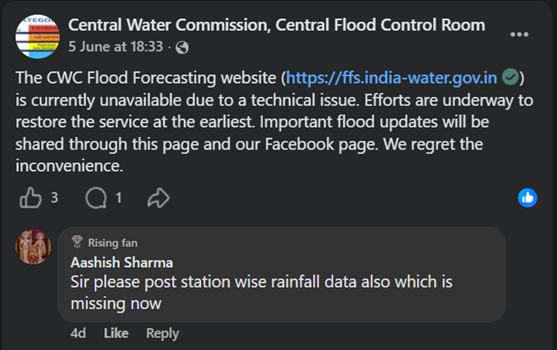
CWC Flood Forecast Website Failure at Start of 2026 Monsoon Season Fundamental problems continue to plague Central Water Commission’s (CWC) flood monitoring work. In the latest such incident, its main Flood Forecast (FF) website remained inaccessible for over a week, right at the beginning of the forecast season. The simultaneous malfunctioning of multiple platforms including NWIC points to serious flaws in information dissemination system. Its time, the government and the CWC introspect to rectify the systemic problems, otherwise the same will continue to compromise the effectiveness of its flood monitoring and forecast work.
URBAN FLOODS
20 minutes of rain brings death and chaos to Telangana Just 20 minutes of intense rainfall caused widespread disruption across parts of Telangana, highlighting the vulnerability of urban infrastructure to extreme weather events. Malkajgiri recorded the highest rainfall at 12.8 cm, followed by Musheerabad at 8.75 cm and Himayathnagar at 7.98 cm. The downpour led to two deaths, severe traffic congestion, waterlogging and disruption of normal life in several areas.
In Hyderabad and surrounding regions, roads were inundated, vehicles were stranded and commuters faced hours-long delays. Emergency teams were deployed to clear flooded stretches and restore normal movement. The incident once again exposed deficiencies in urban drainage systems and preparedness for short-duration, high-intensity rainfall events, which are becoming more frequent with changing climate patterns. Authorities urged residents to remain cautious as forecasts indicated the possibility of more heavy rainfall in the coming days.
Panchkula: HSVP floats ₹8-crore tenders for drainage works With barely two weeks before the monsoon arrival, the Haryana Shehri Vikas Pradhikaran (HSVP) has floated a series of tenders worth approximately ₹8.48 crore to strengthen the city’s drainage and sewerage infrastructure across Panchkula, MDC, Panchkula Extension and Pinjore, officials said.
LANDSLIDES
Landslides disrupt connectivity in Arunachal’s Upper Subansiri On June 9, 2026, heavy rainfall-triggered landslides cut off road access to Giba circle in Upper Subansiri district (Arunachal Pradesh), affecting over 5,000 people across 20 villages. The PMGSY road between Pute and Luchi-Lute villages has been washed away, severely disrupting transport, medical access, and supply of essential goods.
Several road stretches remain highly vulnerable, with risks of further collapse if rains continue. Residents have urged authorities to take immediate restoration measures, while local ZPM Mayum Dobin has informed that the issue has been raised with higher officials for urgent action.
Three people died and two others suffered grievous injuries when their vehicle plunged about 200 metre down a steep slope on the Migging-Tuting road in Upper Siang district on June 09 morning. The incident was reportedly triggered by a landslide near Migging. The bodies of the three deceased were retrieved after nine hours of joint rescue operation conducted by local administration, Indian Army, and ITBP.
Three new tunnels planned on Manali–Leh highway The Centre has approved plans for three major tunnels on the 428-km Manali–Leh Highway (NH-3) to improve all-weather connectivity to Ladakh, reduce travel time, and enhance strategic access for defence forces. The proposed tunnels are: Baralacha La Tunnel: A tunnel under the 16,040-ft Baralacha Pass, estimated to cost about ₹8,800 crore. It aims to bypass a section that remains snowbound for six to seven months each year and ensure year-round connectivity between Darcha and Sarchu.
Lachulung La Tunnel: Estimated at ₹4,500 crore, this tunnel will bypass landslide-prone and avalanche-prone stretches near Pang, improving safety and reliability on the route. Tanglang La Tunnel: Planned beneath the 17,480-ft Tanglang La Pass at an estimated cost of ₹2,250 crore, it will provide a more dependable link between Upshi and Leh during winter months.
ENERGY OPTIONS
Why India struggles to fully use Its solar power A key problem is weak grid infrastructure, especially in renewable-rich states like Rajasthan and Gujarat, where transmission capacity cannot handle peak solar generation. There is also poor coordination between states and grid operators, leading to frequent curtailment (wasting of solar power).
Another major issue is the lack of adequate energy storage systems, which makes it difficult to use solar power after sunset. Additionally, financial stress in power distribution companies (DISCOMs) discourages them from purchasing all available solar energy. Policy and planning gaps, including delays in transmission projects and limited flexibility in power systems, further reduce efficiency. As a result, a significant portion of India’s solar potential remains underutilised despite rapid capacity growth.
ENVIRONMENT GOVERNANCE
NMDC faces scrutiny over environmental violations at Ballari mine State-owned mining company NMDC has come under scrutiny after a Union Environment Ministry inspection reportedly found multiple environmental compliance violations at its Kumaraswamy Iron Ore Mine in Ballari district, Karnataka. The inspection flagged shortcomings in the implementation of environmental clearance conditions, including deficiencies in environmental monitoring, compliance reporting and mitigation measures.
The ministry’s inspection report has sought corrective action from NMDC and raised concerns about whether the company is adequately complying with environmental safeguards despite operating in an ecologically sensitive mining region. The findings add to ongoing concerns regarding the environmental impacts of large-scale iron ore mining in the Ballari region, which has a long history of mining-related ecological issues.
Activists allege systematic erosion of SGNP Environmental activists have alleged a systematic pattern of encroachment and ecological degradation in and around Mumbai’s Sanjay Gandhi National Park (SGNP), following recent tree felling and infrastructure projects in the park’s eco-sensitive areas. They argue that a series of development activities—including road expansion, construction projects and land-use changes—are gradually weakening legal protections for one of the world’s largest urban forests.
According to the activists, these interventions are fragmenting wildlife habitats, affecting natural drainage systems and threatening biodiversity within the protected landscape. They contend that individual projects are often assessed separately, while their cumulative ecological impacts on the park and its surrounding ecosystems receive inadequate attention.
Tourism boom puts Himachal’s fragile ecology under pressure The rapid growth of tourism is outpacing Himachal Pradesh’s ecological and infrastructural capacity, raising urgent questions about carrying-capacity limits, sustainable tourism, and environmental governance in the fragile Himalayan region.
Citizens led environmental protection efforts in Haryana The report highlights how citizen groups, activists and local communities in Haryana have increasingly taken the lead in protecting rivers, wetlands, forests and commons, often stepping in where government agencies have failed to act effectively. The report cites examples from Gurugram and other parts of the state, where residents have used legal action, public campaigns, field monitoring and community mobilisation to challenge environmental violations.
CLIMATE CRISIS
GLOF threat in Tawang district Authorities in Arunachal Pradesh’s Tawang district have issued a public advisory following reports of a potential Glacial Lake Outburst Flood (GLOF) threat in the Mago Chu basin. The Department of Disaster Management recently communicated concerns raised by the Centre for Earth Science and Himalayan Studies (CESHS) regarding the possibility of a GLOF being triggered by the rapid collapse of a glacier snout and unstable terrain around the Khangri Glacier.
Deputy commissioner of Tawang and chairman of the District Disaster Management Authority (DDMA) issued an advisory urging residents to remain vigilant. Superintendent of Police Tasi Darang advised residents, particularly those living in low-lying villages along the banks of the Mago Chu and Tawang Chu rivers, to stay alert. To assess the situation on the ground, Assistant Commissioner of Thingbu Thutan Wangchu, accompanied by local residents of Mago village, conducted a field visit to the Khangri Glacier, locally known as Neh-Goh Gangri, on May 18.
According to the assessment report, the glacier is located at an altitude of over 17,000 feet on the western fringe of the Gorichen range. Local residents informed the team that the mountain range, once heavily covered with snow, has witnessed significant melting in recent years. The glacial lake identified by CESHS as a potential source of a GLOF, locally known as Neh-Goh Tso, lies at an altitude of around 15,000 feet below the glacier and is fed by glacial meltwater. During the inspection, officials observed that the lake’s water level remained well below the moraine dam and that water was flowing freely through its outlet into the Mago Chu. The team also noted that the volume of water flowing out of the lake appeared to exceed the inflow from the glacier, indicating minimal accumulation and limited rise in the lake’s water level.
The report further stated that the lake outlet rests on a strong stone bed that is unlikely to be eroded under current flow conditions. Additionally, broad valleys above Merathang, Jethang and Mago could help disperse any sudden surge of water before it reaches downstream areas. Officials cautioned that even minor geological changes around the lake could significantly alter the risk scenario. The report recommended a comprehensive long-term scientific study to examine glacier melting patterns, lake depth and water volume, inflow and outflow rates, and the composition and stability of the moraine dam.
Kashmir’s Thajiwas Glacier Nearing Disappearance, Study Warns A recent study warns that the Thajiwas Glacier, near Sonamarg in Jammu & Kashmir, has lost nearly 95% of its ice since the Last Ice Age, pushing it towards near extinction. The glacier feeds meltwater into streams that join the Sindh River, a tributary of the Jhelum River. Driven by rising temperatures, reduced snowfall, and changing precipitation patterns, the glacier’s rapid retreat is expected to reduce water availability in the Sindh–Jhelum basin, affecting irrigation, drinking water and local livelihoods.
The shrinking glacier will also damage fragile alpine ecosystems and biodiversity, while undermining tourism in the Sonamarg region. Importantly, declining glacier mass can disrupt river flow patterns, initially increasing runoff but eventually leading to long-term water scarcity, which poses serious risks for hydropower generation dependent on consistent river flows in the basin.
Researchers estimate that a flood from Nundkol alone could affect 1,184 buildings, four bridges and a hydropower plant downstream. Villagers and shepherds below the lakes say they have not received official information, evacuation guidance or warnings in local languages. Scientists say the lakes do not show signs of imminent failure, but call for monitoring, early-warning systems and community preparedness as glaciers retreat.
Study: Human activities accelerate changes in the freshwater cycle The findings of a new study show that climate change, together with large-scale land and water use, is pushing the freshwater cycle further away from a stable state, as defined by the planetary boundary for freshwater change. This boundary is already considered to be transgressed, reflecting a long-term trend that jeopardises the freshwater cycle’s ability to support vital climatic and ecological Earth system processes. Using data from 1901 to 2019, and an ensemble of global hydrological models, the researchers analysed quantitative changes in both “blue water” (in rivers, lakes and groundwater) and “green water” (in soils) around the world, distinguishing between the effects of human activities, through land and water use, and the effects through human-induced climate change on dry and wet anomalies.
“Changes in the freshwater cycle have been speeding up in recent decades, and projections indicate that this trend is likely to intensify further,” said lead author Vili Virkki from the University of Eastern Finland. According to the study, dry and wet anomalies now occur about twice as often as they did in the early 20th century, for both blue and green water. While increasing dryness dominates in many tropical and subtropical regions, anomalously wet conditions have become more frequent in the northern boreal zone, reflected in floods and more prolonged, large-scale precipitation events. Wet anomalies are mainly driven by climatic factors, while direct human pressures such as land and water use intensify dry deviations.
In some regions, such as parts of India and Central Asia, climate change may slightly increase seasonal water availability, but these effects are outweighed by water and land use, which contribute to drier conditions. “Our study makes clear that returning to safe limits for the global freshwater cycle will depend on addressing climate change and land and water use as interconnected drivers of change,” said co-author Dieter Gerten from PIK.
Earth’s permafrost could soon release hidden ‘deep carbon,’ supercharging warming Permafrost, or frozen soil, covers some 15 percent of land in the Northern Hemisphere, and thanks to human-driven climate change, it is fueling a vicious warming feedback loop. According to a new study, the situation might be far worse than past estimates suggest. The tipping point could arrive in 2100, far earlier than what was thought so far.
Droughts can drive antibiotic resistance in soil bacteria Research has revealed that drought-induced soil stress concentrates natural antibiotics, accelerating the evolution of resistant bacteria; this climate-driven phenomenon threatens to worsen global antibiotic resistance by 2050, particularly in vulnerable, drought-prone regions across India.
SOUTH ASIA
Hotter, drier Hindu Kush Himalaya monsoon likely in 2026, dual threat of droughts & flash floods The HKH monsoon outlook warns that long dry spells may be interrupted by sudden heavy downpours, raising the risk of both droughts and floods. Warmer and drier conditions could increase the likelihood of heatwaves, water stress and wildfires across the Hindu Kush Himalaya. The region is entering the monsoon with lower-than-normal snow cover, reducing its seasonal water buffer. Short, intense rainfall bursts could trigger flash floods, landslides and glacial lake outburst floods in vulnerable mountain areas. Impact-based forecasting and stronger preparedness are urgently needed in the climate-vulnerable HKH region.
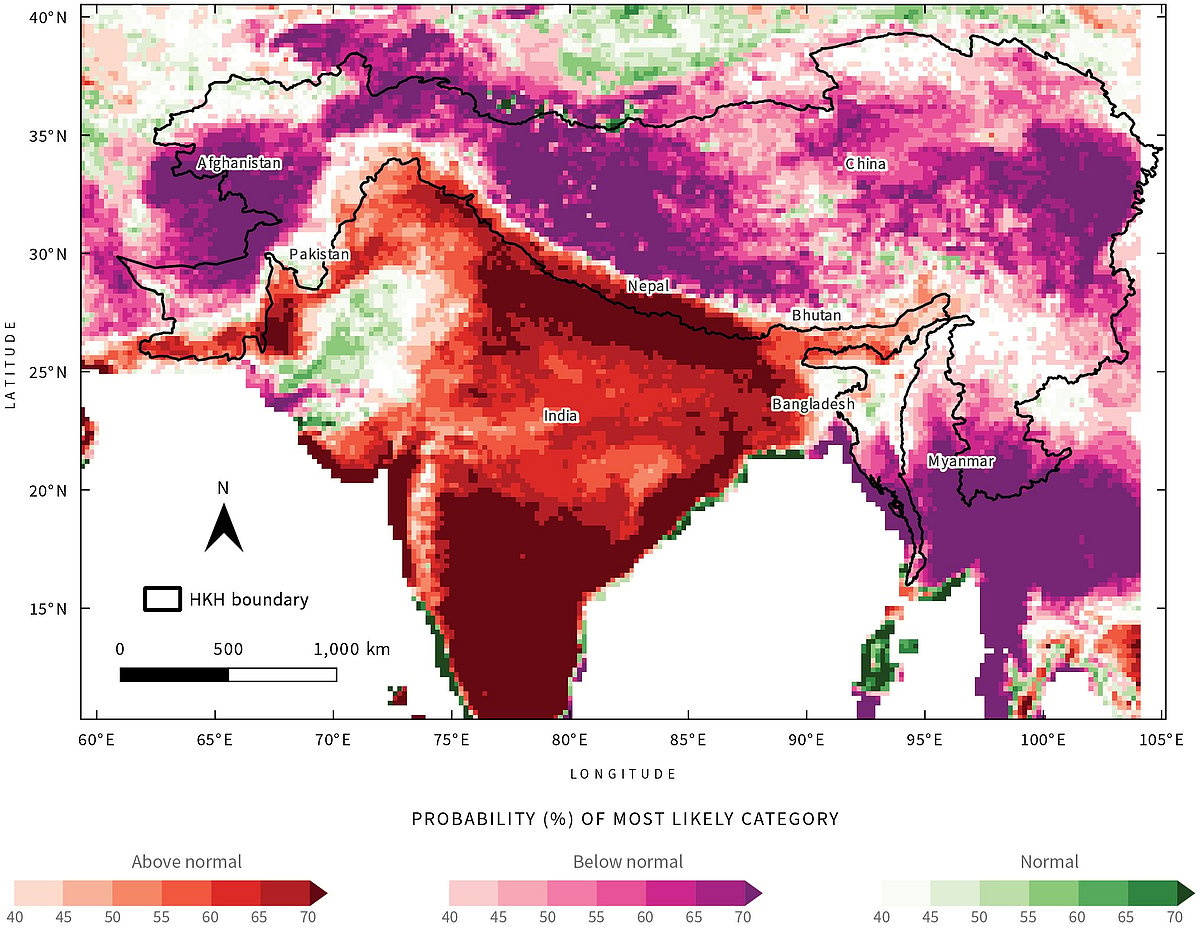
Indus Treaty: Court of Arbitration award of May 15 2026 According to this report, the order of the CoA has deepened the Indo Pak rift.
Nepal: Worker dies at under construction hydro project A worker working at an under-construction hydropower project in Tarakhola Rural Municipality in Nepal died after being crushed by an iron pipe. Dil Bahadur BK, 20, a resident of Sunchhchahari Rural Municipality-3, Rolpa, who was working at the under-construction hydropower project in Tarakhola Rural Municipality-5 Dhasmar, died. BK, who was seriously injured after being crushed by a pipe that fell from a dozer, died during treatment.
Bangladesh: Debate on Padma Barrage continues Here, economist Dr Nazrul Islam responds in point wise form, to two engineers’ reply to Dr Islam’s earlier article on the proposed Padma Barrage. Some of what Dr Islam writes here is highlighted below.
For many years, I, along with other river experts and organisations, have been demanding that Bangladesh sign the 1997 UN Convention. Unfortunately, no government has done so. The current government has not taken any initiative in this regard either. How, then, can the two engineers rely on benefits from a convention that Bangladesh has not signed and that India is certainly not going to sign?
The Ganges still brings about 400 million tonnes of sediment to Bangladesh. The under-sluices of the proposed Barrage are almost certain to prove inadequate and become clogged, as has been the case with most BWDB sluice gates across the country. This will lead to siltation, river-bed elevation, bank erosion, and flooding on both sides of the river from Pangsha to Pankha (Rajshahi). The government should put the Barrage project on hold and ask the water ministry to investigate the questions raised above, release the full FR (Feasibility Report) for public review, and organise public discussion, giving dissenters adequate opportunity to speak.
We already have the tragic example of Bangladesh’s Teesta Barrage, which failed to counter the effects of upstream water diversion at Gajaldoba by India and transformed the once narrow, deep, meandering Teesta into an unnecessarily wide, shallow, braided river. Bank erosion has ruined thousands of families. As a result, plans are now being considered for a costly project to restore the Teesta to its previous state. It is of the utmost importance to avoid the repetition of this tragic experience on a much grander scale in the case of the Ganges.
The new Padma barrage will lie just 180 km downstream of the Farakka barrage in West Bengal — which Bangladesh has blamed for the country’s periodic water scarcity. The Farakka is one of India’s largest with a feeder canal and was built to divert water from the Ganga to the Bhagirathi-Hoogly, and thus flush the Kolkata Port.
SANDRP
Also see: DRP 08 June 2026 & DRP 01 June 2026
Follow us on: www.facebook.com/sandrp.in; https://twitter.com/Indian_Rivers


