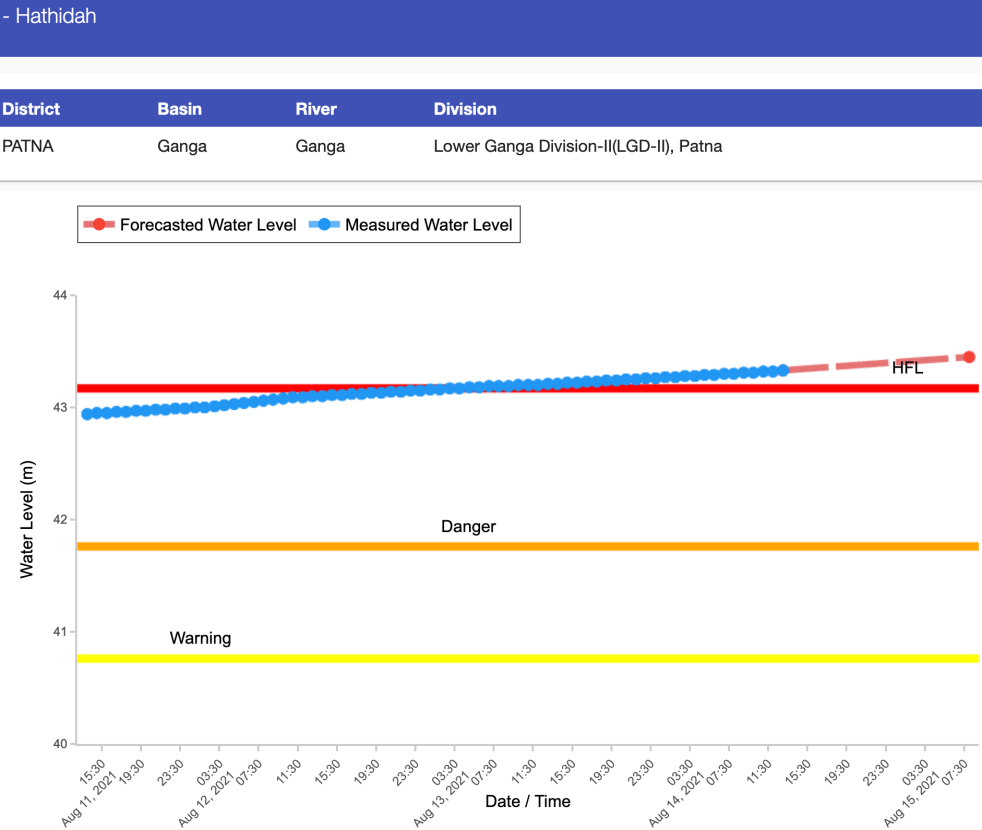
As India prepares to celebrate 75th Independence day on August 15, 2021, large parts of Bihar along the Ganga river, including Patna (flood water entered colonies near Ganga in Patna) and Bhagalpur are preparing to face unprecedented floods. In fact, Central Water Commission’s (CWC) flood monitoring site at Hathidah in Patna district crossed the HIGHEST FLOOD LEVEL (HFL) of 43.17 m at 0300 hours in early morning on Aug 13, 2021. The water level is already at 43.33 m at 1300 hrs on Aug 14. It is forecast to reach 43.45 m by 0800 on independence day still with rising trend. This is apparent from the CWC hydrograph of this site shown above.
Continue reading “Why are Patna & Bhagalpur facing unprecedented floods on India’s 75th independence day?”Category: Department/Ministry
All departments/ministry related to which content is posted
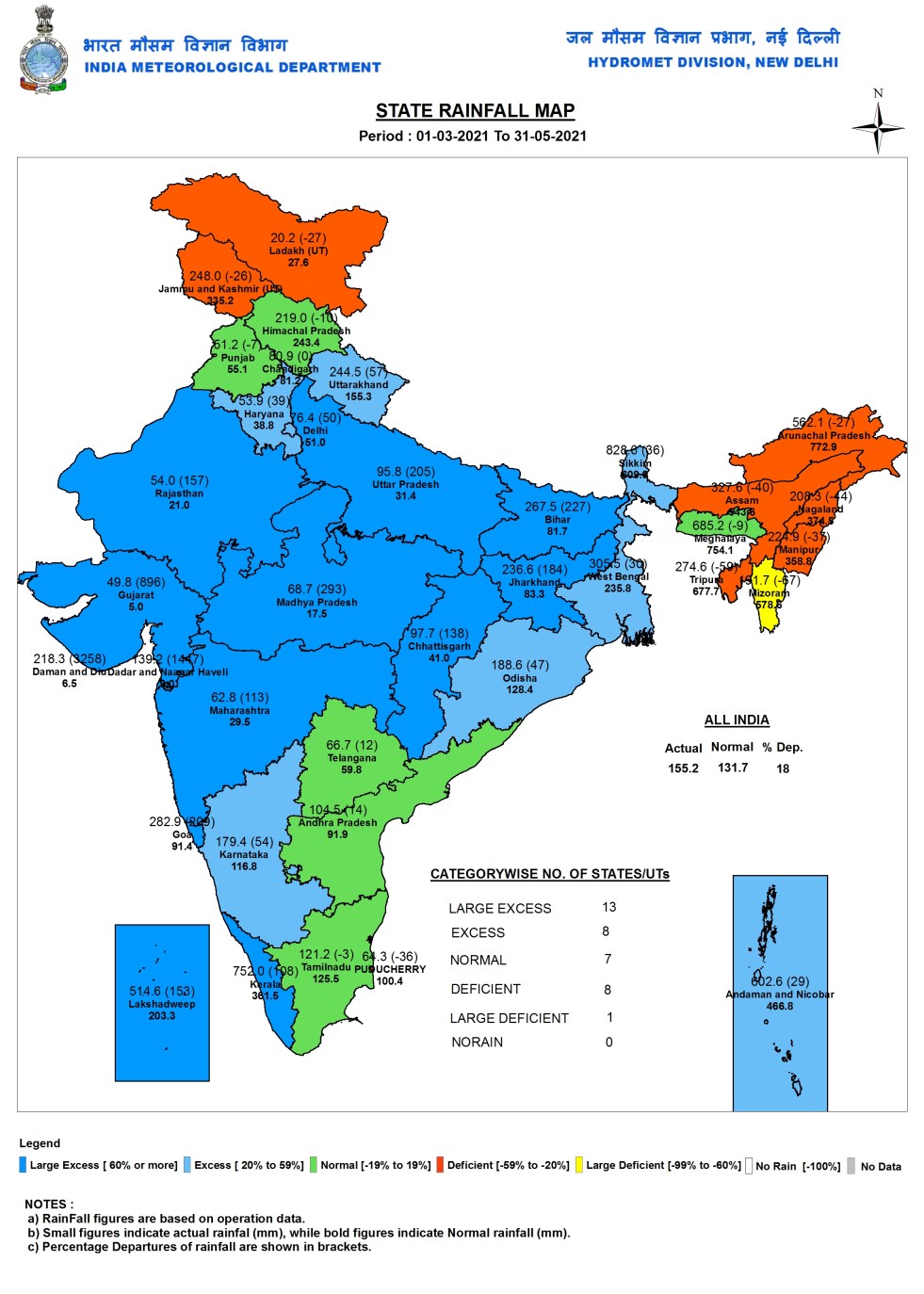
Pre Monsoon 2021 season – State Wise, District Wise Rainfall
In the just concluded pre monsoon season (March 1 to May 31, 2021) India received 155.2 mm rainfall, 18% above the normal rainfall of 131.7 mm as per the India Meteorological Department (IMD). This is similar to the case in 2020[i] when India received 158.5 mm or 20% above normal rainfall.
Continue reading “Pre Monsoon 2021 season – State Wise, District Wise Rainfall”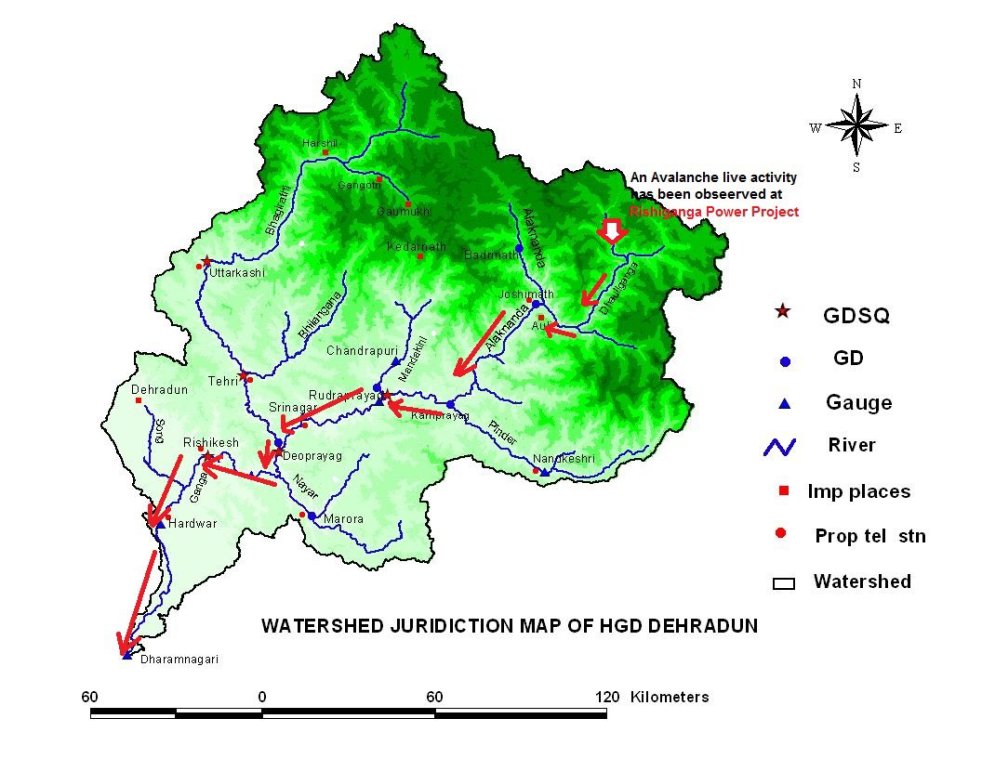
Chamoli Disaster: CWC needs functioning, forecasting beyond monsoon
Feature image: CWC’s flow diagram map showing movement of flash flood in Alaknanda valley, Chamoli after landslide induced deluge on Feb. 7, 2021.
The landslide induced[i] flash flood disaster has left long-lasting trail of destruction along the Rishiganga-Dhauliganga-Alaknanda rivers. The flood sludge has filled up the riverbed after damaging infrastructures along the rivers. The rescue work still is underway.
The episode has reignited discussion on vulnerabilities of Uttarakhand, role of hydropower projects and climate change threats. Questions are being raised on destructive projects involving use of blasting, heavy machinery, tree felling challenging the resilience limits of fragile ecology of the region.
Continue reading “Chamoli Disaster: CWC needs functioning, forecasting beyond monsoon”
The Real Worries about MoEF’s Expert Committee on River Valley Projects
Guest Article by RITWICK DUTTA
The Union environment ministry issued a new office memorandum on November 18, 2020, that mandates its expert appraisal committee (EAC) to meet “at least” twice every month to “cut down the time” for environmental clearances (ECs).
The EAC is an expert body of the ministry responsible to okay or reject proposed projects – by awarding or withholding ECs – under the environment impact assessment process. Though the EAC is an advisory body, the Union environment ministry in almost all instances goes by its recommendations, since it comprises experts.
Continue reading “The Real Worries about MoEF’s Expert Committee on River Valley Projects”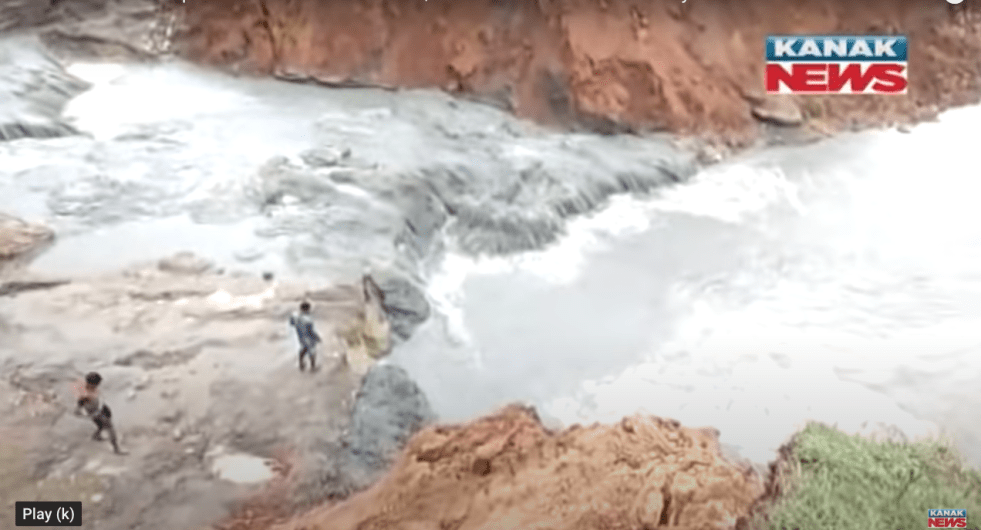
Khanda Dam Breach in Chhattisgarh in Sept 2020
The earthen Khanda dam in Korea district[i] in Chhattisgarh’s Mahanadi basin breached around 6.30 hrs on Wednesday, Sept 23, 2020. Local farmers alleged negligence by the Water Resources Department officials, who were informed about the dilapidated condition of the dam. The engineers even came and inspected, they said, and went away. They alleged that if they had reduced water storage and in stead opened the two canal gates, this situation may not have come.
Continue reading “Khanda Dam Breach in Chhattisgarh in Sept 2020”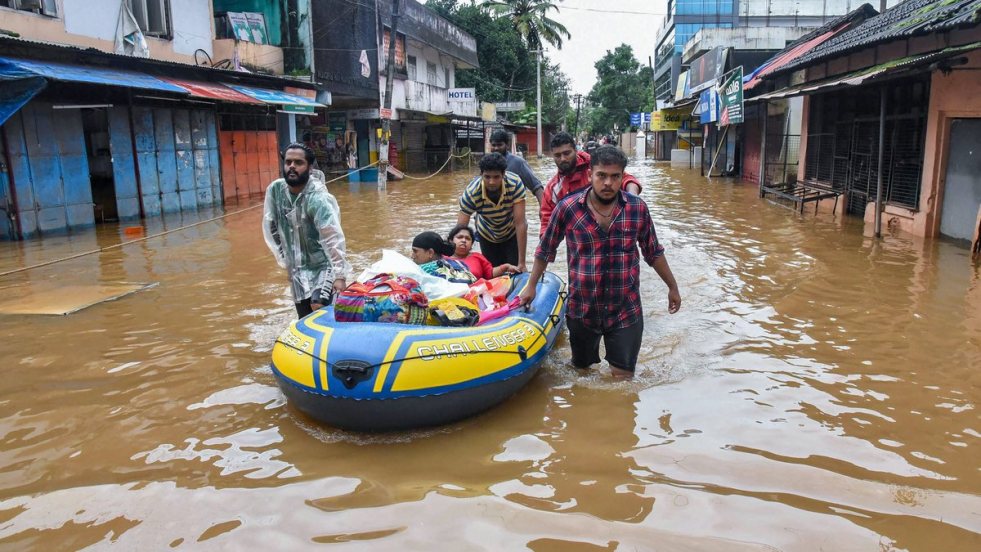
ROLE OF DAMS IN 2018 KERALA FLOODS: Rejoinder of J Harsha to the response by Sudheer et al
Rejoinder Article by: J.Harsha
An article titled “Role of dams on the floods of August 2018 in Periyar River Basin” was published by Sudheer et al. (2019) in Current Science. A rebuttal was prepared and thanks to South Asia Network of Dams, Rivers and People (SANDRP), the same was published by SANDRP on 25th August 2020 (https://sandrp.in/2020/08/25/role-of-dams-in-kerala-floods-distortion-of-science/) for which Sudheer et al. (2019) has now furnished a response (https://sandrp.in/2020/09/19/response-of-sudheer-et-al-to-the-comments-by-mr-j-harsha-on-the-article-role-of-dams-on-the-floods-of-aug-2018-in-periyar-river-basin-kerala/).
In the rebuttal published by SANDRP, I had questioned the very basis of fitting HEC-HMS model for Periyar River Basin (PRB) by Sudheer et al. (2019), and also challenged the assumptions made by them, the methodology followed and the consequent voluminous inferences such as catchment response at Neeleshwaram (L2), virgin simulations, bank full discharges and particularly inferences that indicted nature for the flood calamity but exonerating the role of dams for the floods of Kerala in 2018.
Continue reading “ROLE OF DAMS IN 2018 KERALA FLOODS: Rejoinder of J Harsha to the response by Sudheer et al”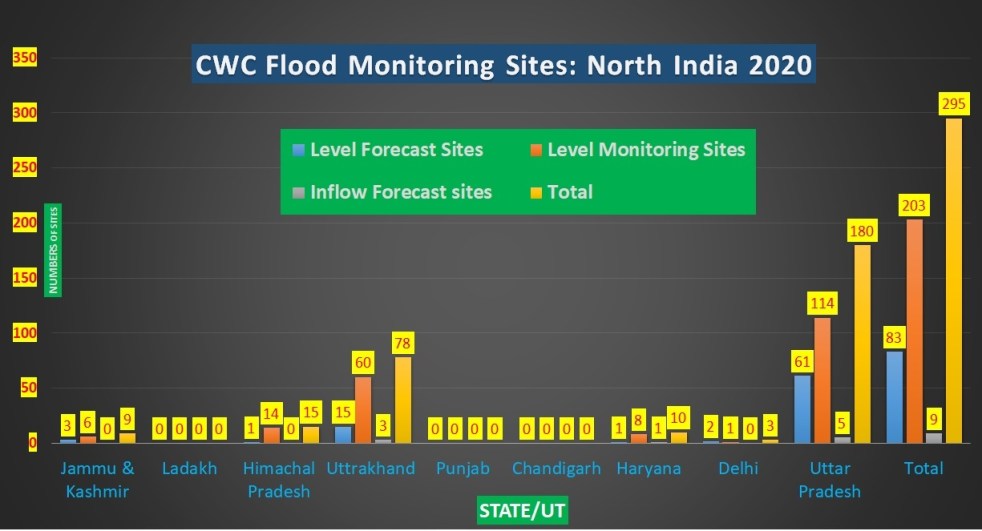
North India; CWC Flood Forecasting Sites 2020; New Website Old Problems
Flood forecasting is an important activity during monsoon, considering the huge and increasing flood prone area, flood frequency, intensity and flood damages. Accurate and timely flood forecasting can hugely help reduce the damages due to floods. Central Water Commission (CWC) is the only agency responsible for flood forecasting in India. To understand the CWC’s flood forecasting better, we have compiled the list of the various flood, inflow forecasting sites and flood monitoring sites in India.
In this compilation, we have given state wise list of CWC’s level forecasting, flood monitoring and inflow forecasting sites in North India, comprising of Union Territories Jammu & Kashmir, Ladakh, Chandigarh, Delhi and states of Himachal Pradesh, Uttarakhand, Punjab, Haryana and Uttar Pradesh. It includes available details like name of river, sub basin, Warning level (WL), Danger Level (DL), High Flood Level (HFL), Full Reservoir Level (FRL), Maximum Water Level (MWL), as applicable. As we see below, there are many gaps in this basic information for the sites that are part of CWC’s list. A similar zonewise overview of CWC’s sites was compiled in 2018 and 2019, which can be seen here: Overview of CWC Flood Forecasting Sites 2018: North India; Overview of CWC Flood Forecasting Sites 2019: North India. We have brought this updated compilation for 2020 as there are large number of changes.
Continue reading “North India; CWC Flood Forecasting Sites 2020; New Website Old Problems”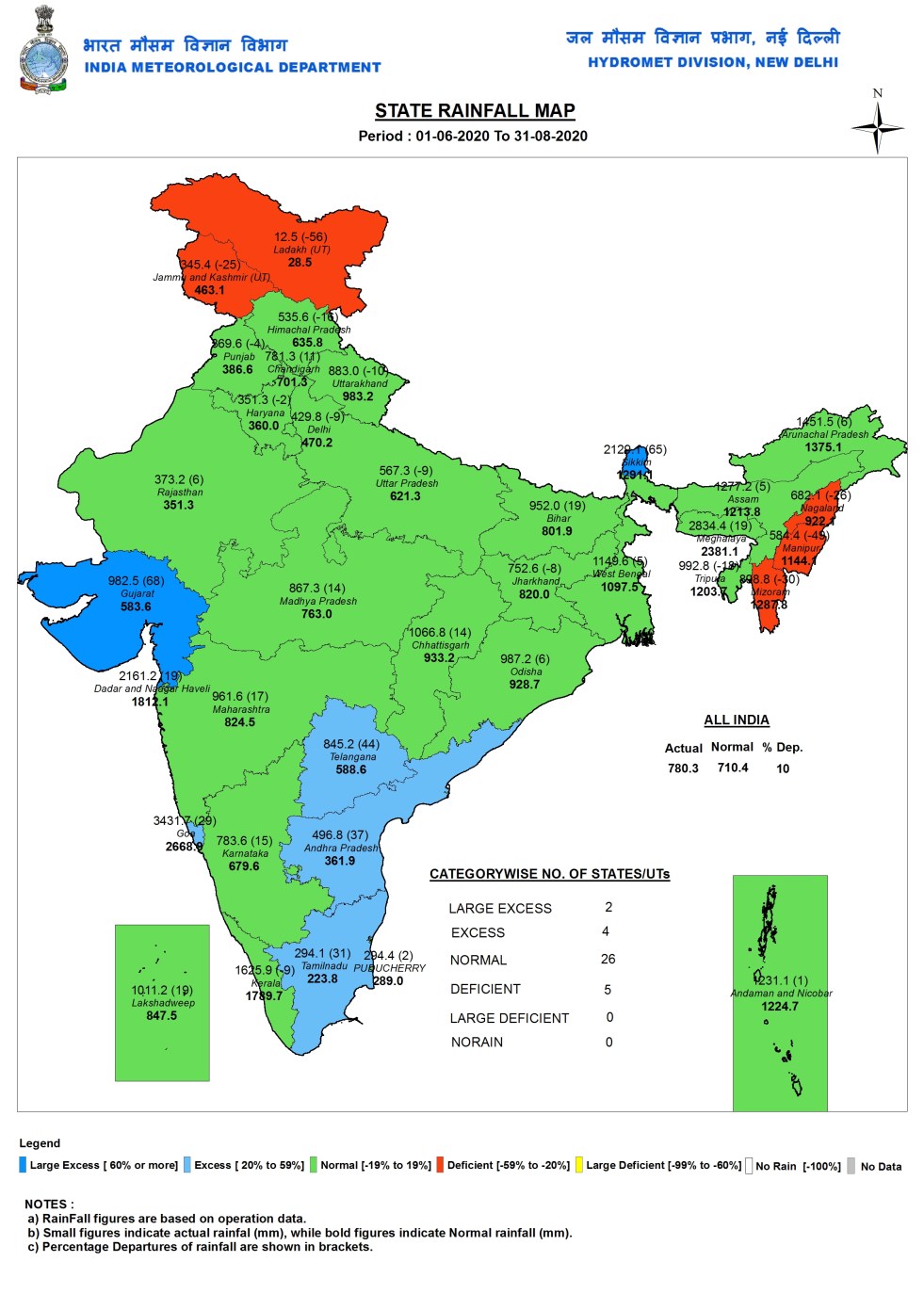
District wise rainfall in June-Aug 2020 in India
In the ongoing South West Monsoon, India received 44 year old high surplus rainfall of 327 mm in just concluded Aug 2020, 26.6% above normal rainfall of 258.2 mm. This helped the total June-Aug 2020 rainfall to achieve 10% surplus, with actual rainfall 780.3 mm, 69.9 mm higher than normal rainfall of 710.4 mm. In June the country received 18% above normal rainfall and in July it received 9.9% below normal rainfall, the rainfall at the end of June was just 1.1 mm above normal. Thus almost the entire surplus rainfall is thanks to the rainfall during Aug 2020. The rainfall distribution has however, been far from normal that these figures suggest, as we can see from the state wise and district wise figures below.
Continue reading “District wise rainfall in June-Aug 2020 in India”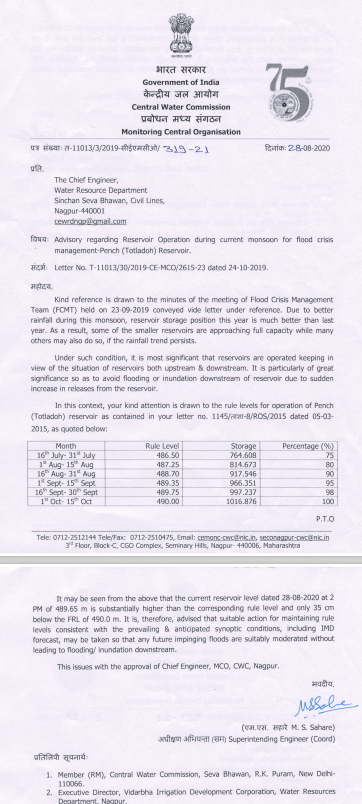
Central India downpour brings unprecedented flows in Brahmani, Chambal, Godavari, Mahanadi, Narmada, Suvarnarekha
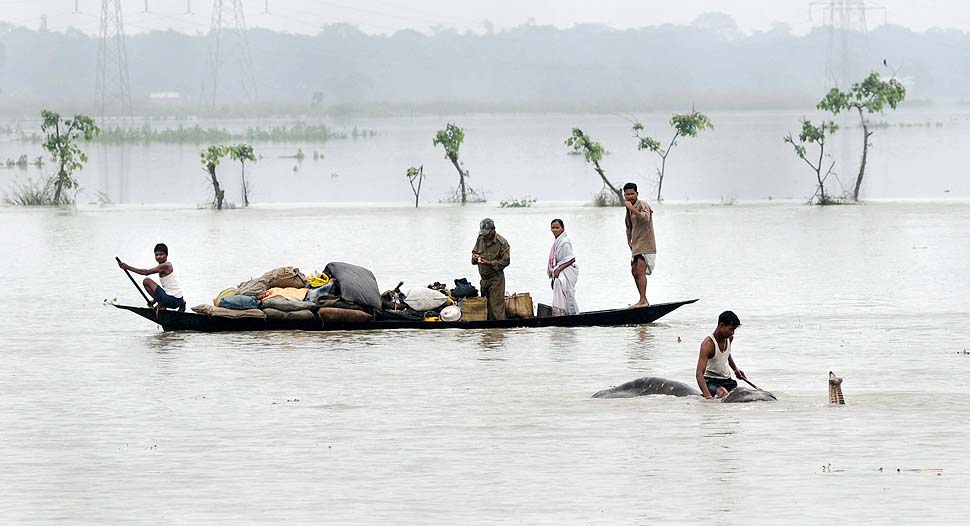
A massive wave of flood is flowing down the rivers originating in Central India states from Odisha in East to Gujarat-Rajasthan in the west. At least fourteen river sites have seen breach of Highest Flood Levels (HFL) in last four days, a record by itself: 7 in Mahanadi, 5 in Godavari, 2 in JNarmada and one each in Suvarnarekha and Chambal. In at least four of these cases, the earlier HFL had survived for 26 years and has now been broken.
The flood wave that is traveling down is above above 35500 cumecs (12.54 lakh cusecs) in Narmada (at Indira Sagar Dam), above 25000 cumecs (8.83 lakh cusecs), in case of Mahanadi (at Hirakud Dam) and Godavari (at Gosikhurd Dam) rivers & over 15000 cumecs (5.3 lakh cusecs) in Chambal (at Gandhi Sagar Dam) River. Continue reading “Central India downpour brings unprecedented flows in Brahmani, Chambal, Godavari, Mahanadi, Narmada, Suvarnarekha”
CWC flood forecasting: Inadequate, non transparent, inconsistent
As over 4 million people in the flood prone areas of North East go through second wave of floods and Ganga basin enters the long flood season, nation’s focus should be on one particular agency, Central Water Commission which is not only the only flood forecasting agency, but is also answerable in multiple other ways for the recurring flood disaster. But the flood forecasting of CWC[i] is grossly inadequate, inconsistent and non transparent.
To illustrate, let us look at the available information about CWC’s flood forecasting and compare it with happened in 2019 flood season. Out of 29 sites[ii] (7 level monitoring sites and 22 Lavel forecasting sites) where rivers crossed the previous Highest Flood Level as per CWC’s own hydrographs of last year, CWC has not updated HFL for at least 8 sites so far this year. In case Salavad in Jhalawar district in Rajasthan, on Kali Sindh river, in stead of updating the new HFL, CWC suddenly discovered this year that that the site had higher HFL achieved 35 years ago in 1985, though till last year, it listed 1996 HFL! Continue reading “CWC flood forecasting: Inadequate, non transparent, inconsistent”
 SANDRP