Agriculture · Dams

2020 pre-monsoon rains, hails hit Uttarakhand farmers hard

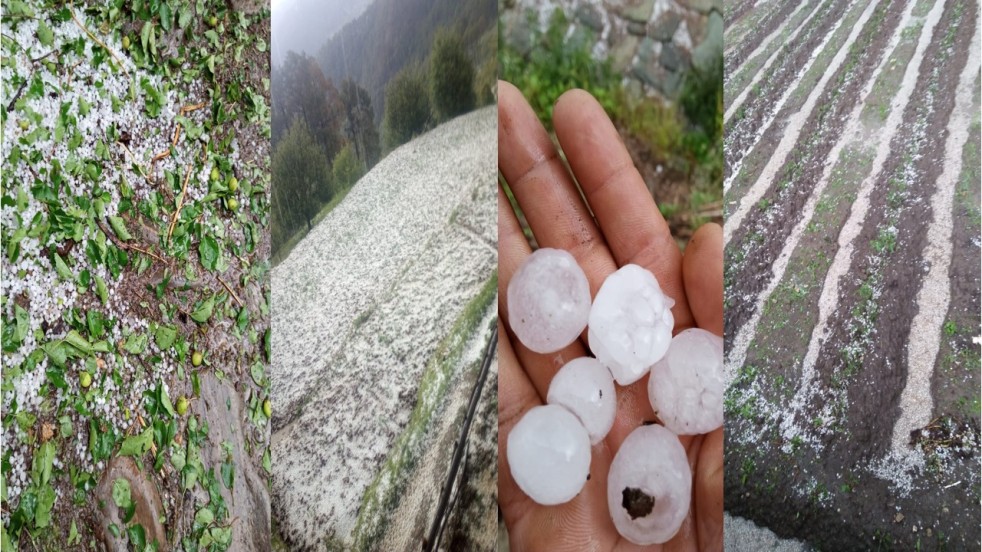
The hilly state of Uttarakhand has been witnessing severe weather conditions for most of April and first week of May 2020. The repeated incidents of rainfall, snowfall, and hailstorm have hit the mountain farmers hard.

Snow, rain, hailstorm destroys cash and food crops

On April 14, 2020 the Yamuna and Ganga valley faced severe hailstorm affecting horticulture produce of apple, apricot, peach, plum, pear and vegetable crops including tomato, potato, peas and food grain crops wheat, pluses and corns in Naugaon, Badkot, Chinyalisoud, Bhilangna area of Uttarkashi, Ghansali, Pratap Nagar, Jakhnidhar areas of Tehri and Dhumakot region of Pouri.

Continue reading “2020 pre-monsoon rains, hails hit Uttarakhand farmers hard”

Dams · Sand Mining

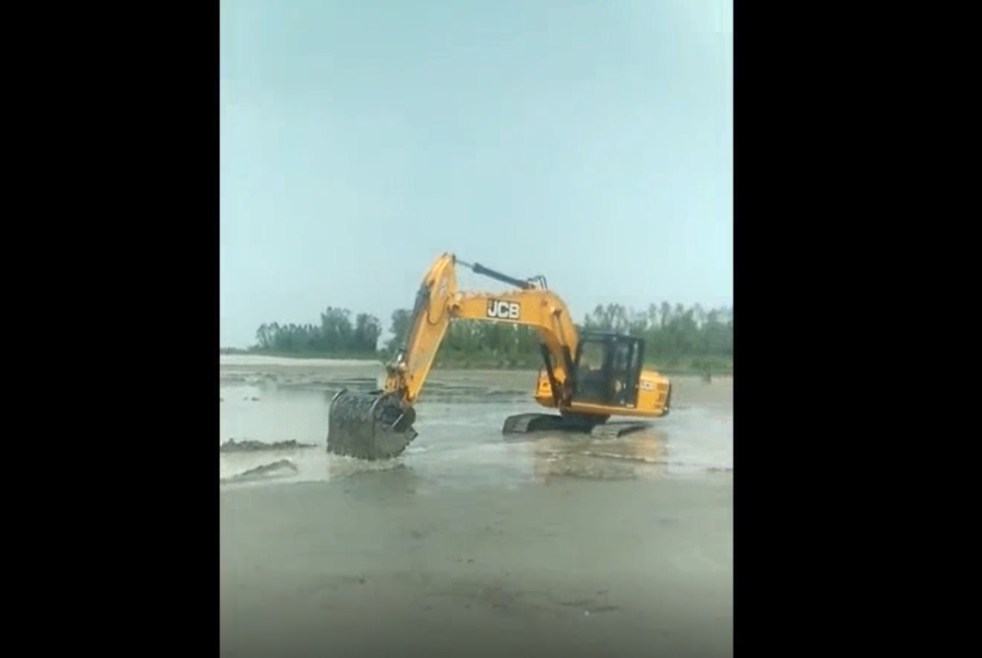
Uttarakhand Riverbed Mining 2020: Rivers, People, Revenue Robbed

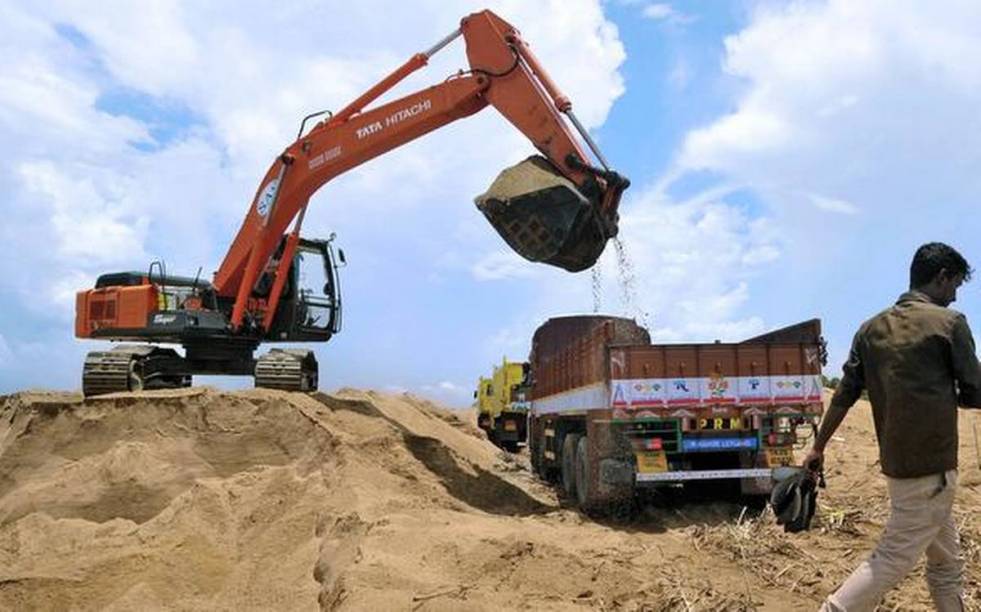
The hilly state of Uttarakhand also known as land of rivers has seen increase in riverbed quarrying operations over past decade. With establishment of stone crushers industry, scale and intensity of riverbed minerals (RBM) excavation has further increased in past few years. So has become the impact on villagers and rivers.

However, the government lacks monitoring, transparency, accountability in checking the unscientific, unauthorized RBM as is evident from a review of Uttarakhand Mining and Geology Department (M&G) website and media reports. In fact the state government has neither conducted replenishment study nor formed District Mineral Foundation (DMF), suggesting that it is hand in gloves in organized loot of RBMs. 

Continue reading “Uttarakhand Riverbed Mining 2020: Rivers, People, Revenue Robbed”

Dams · Sand Mining

Himachal Pradesh sand mining 2020: No Replenishment study, district foundation

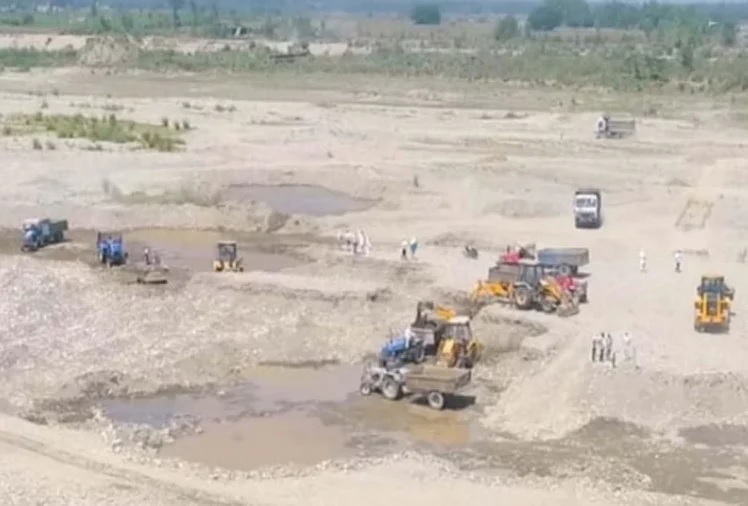
Himachal Pradesh is a hilly state where large scale, mechanized mining of riverbed minerals has been going on for past many years. The damaging impacts on rivers, streams and dependent communities are evident and on the rise. However the state government has failed to bring any change in the scenario as can be seen in this overview covering the related developments during 2019-20.

Continue reading “Himachal Pradesh sand mining 2020: No Replenishment study, district foundation”

Dams · Sand Mining

J&K Riverbed Mining 2020: Rivers exposed to mechanized mining

Unsustainable, unscientific excavation of riverbed minerals has been having significant impact on river eco-system and riparian communities for past several years. Since 2016, to develop better understanding and highlight the problems SANDRP has been preparing state wise annual overview of riverbed minerals (RBM) mining activities. Having putting together year end round up for Gujarat, Maharashtra, Goa, Rajasthan, Madhya Pradesh, Punjab, Haryana states, this compilation attempts to cover prevailing situation in Jammu & Kashmir (J&K) over the last one year. The link of 15 overviews in 2018 can be see here.

Continue reading “J&K Riverbed Mining 2020: Rivers exposed to mechanized mining”

Dam Safety · Dams

Singrauli Fly Ash Dam Breach: Who regulates these dams in India?

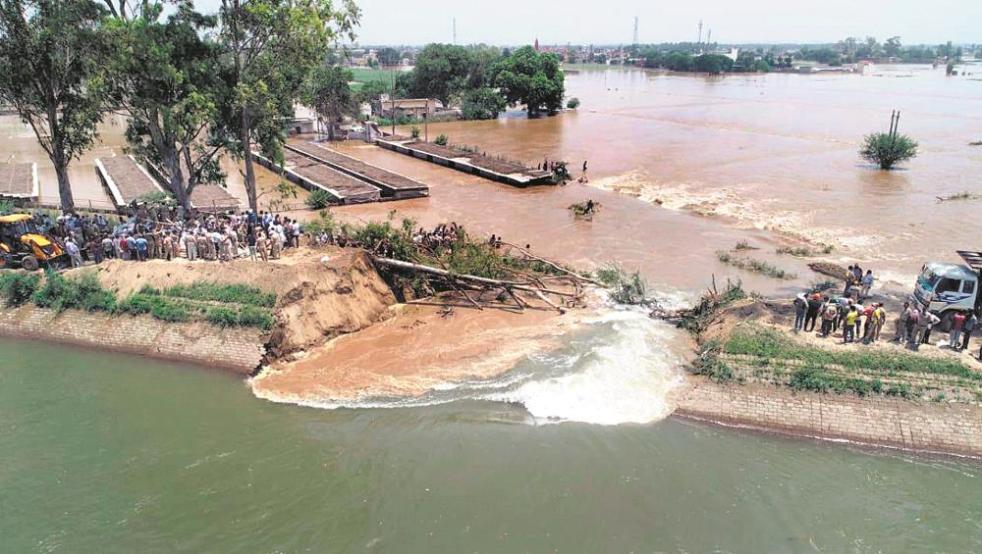
A fly ash Dam of Sasan Ultra Mega Power Project of Reliance Company has breached[i] in the evening of April 10, 2020, near village Harrahva in Singrauli district of Madhya Pradesh, killing six people and destroying downstream river and fields. Following the breach there was massive flash flood of coal ash mixed sludge reportedly affecting hundreds of villages and destroying crops on thousands of acres.

Of the six people feared to have been killed in the flash floods, dead bodies of two have been found in faraway areas, while four are still missing. Two women injured in the aftermath are reported to be in stable condition in local hospital. Reports also suggest that many people could be trapped in their homes because of the poisonous sludge.

Continue reading “Singrauli Fly Ash Dam Breach: Who regulates these dams in India?”

Dams · Rivers

Cleaner rivers in lockdown: Lessons we can learn

Within a week of 21-day long lockdown in India that started at midnight on March 24, 2020, several reports in print, electronic and social media have been doing rounds showing remarkable improvements in water quality in many rivers in the country. Most of these are on the basis of naked eye observations in the form of pictures and videos by people.

Some of the reports quote pollution control boards’ officials and experts with some analytical data. People generally believe that the shutting down of industrial units has led to reduction in discharge of industrial effluents in the rivers, breathing fresh life in pollution laden streams. It’s right that there is halt in industrial belts and there is less industrial pollution reaching the rivers. However there are other factors contributing to the change in the scenario. 

Continue reading “Cleaner rivers in lockdown: Lessons we can learn”

Dams · DRP News Bulletin

DRP: 6 April 2020: Ganga-Yamuna-Cauvery flow cleaner in lockdown: What can we learn?

A number of reports have appeared that show that the state of a number of rivers of India, including Hindon, Yamuna, Ganga and Cauvery has improved during the current lockdown due to Covid 19 crisis. That is indeed great news. At Kanpur and Varanasi there are reports that suggest the dissolved oxygen level has gone above 8 ppm and BOD level has gone down below 3 ppm at a number of places. While lack of industrial effluents entering the rivers due to closure of industrial units is a major reason, there are other reasons that has led to this situation, including above average winter rainfall, high snowfall now melting with onset of summer, reduction of irrigation water demand and also stoppage of sand mining along the rivers. The reduction of cultural activities including puja, bathing and cremations have also contributed to this situation.

The biggest lesson we can learn from this cleaner rivers after so many decades is that if our pollution control boards at the state and central level were doing their duty to ensure that no untreated effluents from the industries and also urban sewage enter the rivers, it is not that difficult to achieve cleaner rivers. But unfortunately there is no political will to achieve this simple and legally enforceable objective.

Continue reading “DRP: 6 April 2020: Ganga-Yamuna-Cauvery flow cleaner in lockdown: What can we learn?”
Dams · Yamuna River

Yamuna Jayanti 2020: Bridges-Connecting People, Disconnecting River?

Bridges are essential infrastructure for human and cargo mobility across a river. They have also allowed us stop over and gaze on the beauty of flowing water streams without any risk of getting drowned or getting ourselves drenched in water. More and more bridges are being built on rivers without understating their impacts. There is hardly any debate or discussion on governance and decision making process or minimum distances to be maintained between two bridges or limiting the number of bridges on given stretch, considering what the river can support. This report takes a look at the situation of bridges on river Yamuna and describes few examples how they have been impacting the river eco-system. 

Continue reading “Yamuna Jayanti 2020: Bridges-Connecting People, Disconnecting River?”

Dams · Urban Water Sector · Water

World Water Day India 2020: Top Positive Urban Stories

The theme for World Water Day 2020 is ‘Water and Climate Change’. Indeed the changing climate has been altering the earth weather system including disrupting the water cycle.

Urban areas in India are facing increasingly severe water crisis due to mismanagement of available resources, urban flooding due to blockage and encroachments of drainage channels, pollution of water sources on account of increasing solid and liquid waste. However, there are individual, civil society group and government efforts which have been helping ameliorate the situation with rain water harvesting, pond revival, wells restoration among others. Here is a compilation of positive urban water stories from for World Water Day 2020. 

Continue reading “World Water Day India 2020: Top Positive Urban Stories”

Dams · DRP News Bulletin

DRP: 16 March 2020: Invitation to another Kedarnath floods tragedy?

This remarkable TOI report on March 14, 2020 (there was a Hindustan Times Report on March 9, 2020, we found out later: https://www.hindustantimes.com/india-news/scientist-flags-kedarnath-project-worries/story-1DoLBHLeMOmYLI3OPFOq1M.html) says that rampant redevelopments termed as “unabated unscientific work in the valley” around Kedarnath is likely to create dangerous situation leading to 2013 like catastrophe. We could not find report about such an important development in any other media.

But this detailed report, not contradicted by any of the quoted sources, seems sufficient reason to be alarmed by all concerned.

Experts of the Wildlife Institute of India, Wadia Institute of Himalayan Geology, Uttarakhand Space Application Centre (USAC) and even the Principle Science advisor to the Prime Minister K VIjay Raghavan and also the contractors, Woodstone Constructions along with other state and central govt officials were present where officials made some candid presentations. It seems there has been neither any impact assessment studies or clearances for the controversial interventions happening, including 9 km long approach road for Kedarnath on the left bank of Mandakini river, (left band has basically loose glacial sediments and hence is unstable and could get affected by avalanches and landslides) and a massive 50 ft deep and 100 m wide pit just 50 m behind Kedarnath for the Samadhi sthal. MPS Bisht, the Director of USAC in his presentation called the pit an extremely dangerous for future. He asked: “Why are we creating a situation for another disaster like the 2013 tragedy to take place again?” Scientists from the Wadia Institute are quoted saying: “The Road being built to Kedarnath is being made on the most vulnerable of Kedarnath Valley and may any day collapse under the pressure of so many glacier shoots which are directly opening on the road.” Raghavan called these revelations tipping points.

Continue reading “DRP: 16 March 2020: Invitation to another Kedarnath floods tragedy?”