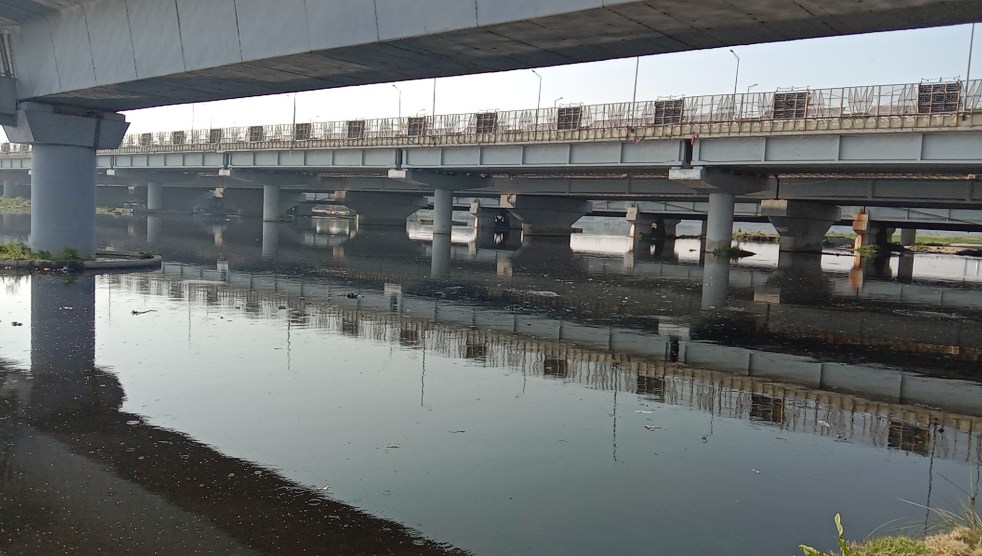
The floodplains of Yamuna in Delhi have been facing encroachment threats for long. In the latest incident a huge portion of riverbed underneath Nizammudin bridge towards Games village was found turned into a dumping ground on February 16, 2020. This was happening despite the protection of floodplains from encroachment and waste dumping were among key concerns of remarkable National Green Tribunal (NGT) judgement “Maili Se Nirmal Yamuna” of January 13, 2015. Continue reading “Despite NGT order and Yamuna Monitoring Committee-CPCB-DDA responses, action awaited about dumping on Yamuna floodplain”
Tag: River
Punjab Wetlands Overview 2019: More Ramsar Tags no guarantee for Wetlands protection
Punjab government has been successful in getting three more wetlands declared as Ramsar sites of international importance. The state already has three wetlands with Ramsar tags namely Harike, Kanjli and Ropar wetlands. The government in October 2019 had proposed a total of five sites including Ranjit Sagar conservation reserve and Hussainiwala wetland for Ramsar tags. The new wetlands selected for the tag are Keshopur-Miani community reserve, the Beas conservation reserve and Nangal wildlife sanctuary. So now six wetlands in the state are covered under Ramsar convention.
The state forest department and WWF team were working in this direction over past couple of years. In the year 2019, the government has also taken some remarkable decisions regarding conservation of wetlands in the state. However, by the year end, there has not been any significant progress on the issue from the government.
Haryana Riverbed Mining 2019: Yamuna Robbed of Minerals, Flows
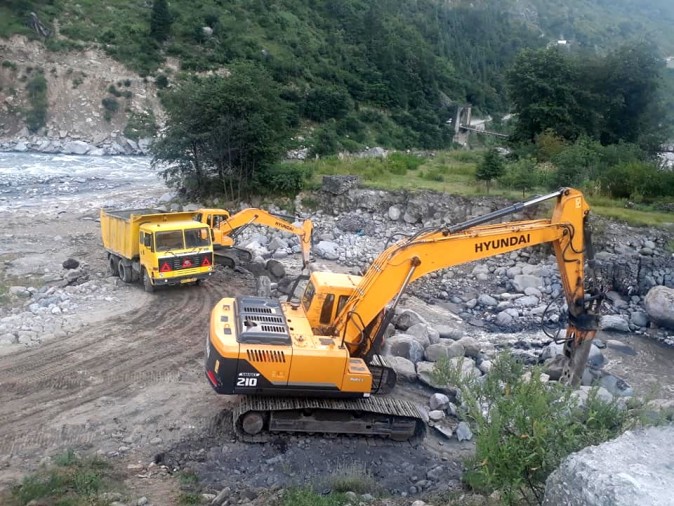
For past two years, large scale mechanized and illegal mining is happening in Yamuna River in Haryana state. The miners have created deep pits across the riverbed in Yamuna Nagar, Karnal, Panipat and Sonipat districts. Year 2019 has been a deficit monsoon year in Yamuna basin and the river had started shrinking unusually during October month. The rampant riverbed excavation has further robbed it of lean season flows. This detailed overview of river sand mining in Haryana in 2019 shows the severe impact of unsustainable and illegal mining practices on the river and villagers due to insensitive government and inefficient administration.
Continue reading “Haryana Riverbed Mining 2019: Yamuna Robbed of Minerals, Flows”
DRP: 20 Jan 2020: India urgently needs national urban water policy
A large number of stories this week remind us that India urgently needs national urban water policy.
The water footprint of urban areas is gradually on the rise. The cities have several problems with management including destruction of water sources, groundwater exploitation, poor performance in treating and recycling the polluted water, pollution and encroachment on water bodies etc. To fulfil their growing demands new dams, barrages and check dams are being planned, proposed and built on the rivers in faraway places, which is in turn displacing and depriving the local people of equitable water share.
Even before onset of summer, the Army in Sagar district have started patrolling Chitora dam to prevent water thefts (denying farmers to take dam water for irrigation).
Continue reading “DRP: 20 Jan 2020: India urgently needs national urban water policy”Punjab Sand Mining Overview 2019: Story of Political Patronage & Goonda Tax
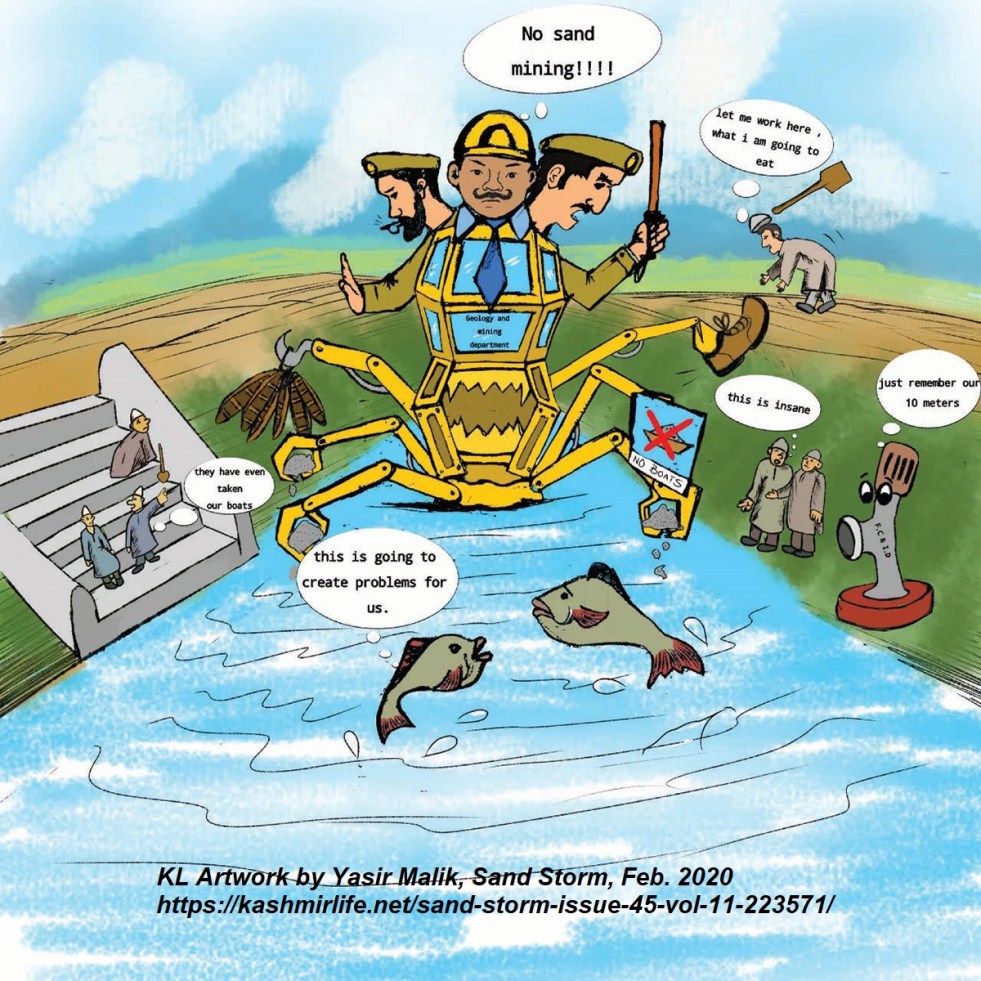
Sand and gravels forming riverbed materials hold immense ecological value for living and healthy rivers systems. The inbuilt water filtration capacity and absorbing characteristic of the minor minerals plays critical functions in groundwater recharge and in ensuring lean season flow in the rivers. However for over two decades the brazen illegal and mechanized mining activities across the country have been irreversibly affecting the rivers and riverbank communities. The state of Punjab is among leading states where state government has failed[I] to ensure sustainable sand mining practices. The 2019 overview the state shows strong clout of political parties over the illegal sand mining operations without sharing a thought for the rivers and public.
Continue reading “Punjab Sand Mining Overview 2019: Story of Political Patronage & Goonda Tax”
Madhya Pradesh River Sand Mining 2019: Rivers mined Dry; Govt not bothered
The residents of villages abutting the sanctuary see sand mining as an important livelihood option because agriculture in the arid region is neither productive nor dependable. (HT Photo )
Madhya Pradesh is at the forefront of illegal sand mining activities. There have been violent attacks on government officials, reporters and villagers in recent years. The year 2019 saw change in state government and concerned people were hopeful that things will turn better now. However this overview shows not much have changed for rivers and people while attacks and fatalities continued in 2019.
Continue reading “Madhya Pradesh River Sand Mining 2019: Rivers mined Dry; Govt not bothered”
DRP: 13 Jan. 2020: We need new river management
With the beginning of New Year, there have been several media reports highlighting the river revival works and floodplain protection efforts going on in different parts of country. While the community driven efforts with active support from administration and experts to revive Kasal Odha in Solapur and bring back Old Lakhandei river in Sithamarhi have been bearing fruits. The civil societies, judiciary and administration have also taken steps to protect the floodplains of Ramnadi, Indrayani, Hindon rivers.
The artificial pond efforts by NGT panel and Delhi government have also shown positive results in preventing the pollution from idol immersion pollution reaching the Yamuna river. Similarly the CPCB has raised the issue of Mahi river pollution by industries in Central Gujarat. The Karnataka High Court questioning the authority and fund collection mechanism by Isha Foundation for Cauvery Calling initiative is particularly significant. While revival of rivers is imperative task, the accountability and transparency cannot be set aside.
Continue reading “DRP: 13 Jan. 2020: We need new river management”Goa Riverbed Mining Overview 2019: Civil Societies Form Network To Curb Mining Menace
All through the year 2019 illegal sand mining was rampant in Goa rivers despite judicial interventions. The Mandovi, Tiracal and Chapora rivers were particularly seen bearing adverse impact of unsustainable excavation. Amid worsening scenario the riverbank communities and civil societies have been making remarkable efforts to protect the rivers in the state. The work of Rainbow Warriors NGO and civil society groups who have formed the Goa River Sand Protectors network to monitor the illegal sand mining activities have truly raised hopes and shown way forward to all concerned fighting old battle against growing riverbed mining menace.
Maharashtra Riverbed Mining Overview 2019: Mining Posing Bigger Threats As Government Fails To Act
(Feature Image:In Sindhudurg, the pollution is already shrinking mangrove cover, taking away a source of shelter and food, shrinking hunting grounds and forcing marine species further outside their territories in search of fish, Sindhudurg coastline had the potential to become an International tourism destination. Pratik Chorge/HT PHOTO)
The beaches, creeks, rivers, mangroves in the state of Maharashtra all are bearing the brunt of unsustainable mining, amid several attempts by government, judiciary and civil societies to keep a tab on illegal sand mining activities. As the detailed compilation by SANDRP highlights that mining menace warrants immediate actions from government before the threats turns into a disaster.
Gujarat Riverbed Mining Overview 2019: Six People Died Due To Illegal Sand Mining
Most of the Indian states have been facing multiple environmental issues on account of unsustainable riverbed mining activities. Mechanized excavation, nexus between politicians-administration-mafia, violent attacks on people have become common features of the illegal sand trade across the country. The rampant mining of natural resource is also severely impacting rivers, wildlife and groundwater table. And the state of Gujarat is no exception to all this as shows the year end overview.