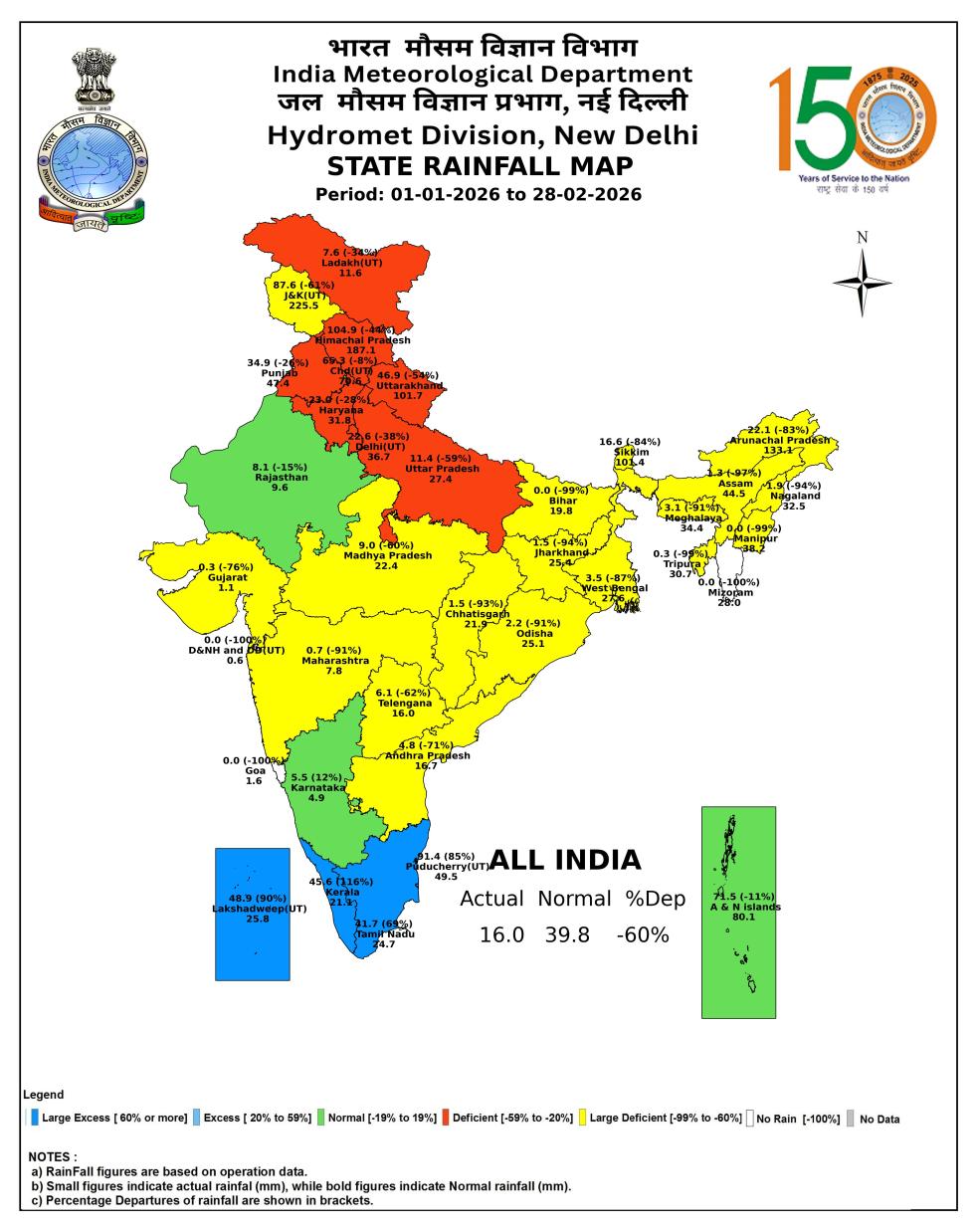
In the 2026 Winter Season (January 1 2026 to February 28 2026), as per India Meteorological Department (IMD), India received 60% below Normal Rainfall (it was 47% below normal in winter 2025[i], 33% below normal in winter 2024[ii], it was 45% below normal in winter 2023[iii], 44% above normal rainfall in winter 2022[iv] and 32% below normal rainfall in winter 2021[v]). In five of the last six years since 2021, winter rainfall has been 32% or more below normal.
Continue reading “Winter 2026: District wise Rainfall in India”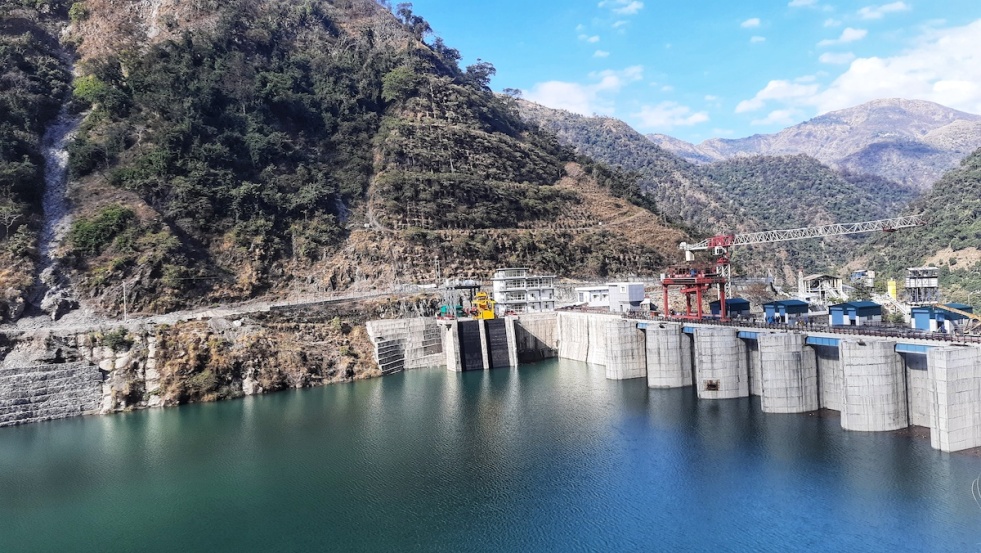
DRP 160326: Urgent need for adaptive reservoir management in India
(Feature Image: Vyasi dam on Yamuna river in Uttarakhand. Bhim Singh Rawat/SANDRP)
A detailed report this week in an international Water Power Magazine underlines the urgent need for India, as rest of the world to adopt adaptive reservoir management. This has become urgent as under changing climate, the Probable Maximum Precipitation figures are changing fast. In India, it has already increased by 35% in 84% of mainland. This makes the current reservoir operation models including rule curves and spillway capacities outdated. Human activities in the catchment and aging infrastructure are making the situation worse.
Continue reading “DRP 160326: Urgent need for adaptive reservoir management in India”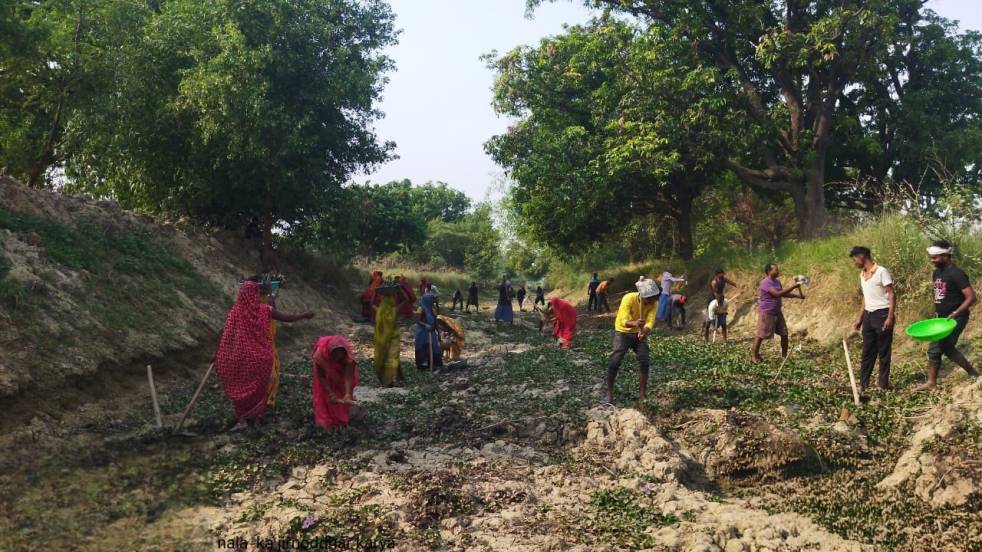
International Day of Action for Rivers 2026: Efforts to Protect and Revive India’s Rivers
(Feature Image: Uttar Pradesh’s Matuka River Revived: How Farmers Got Their Lifeline On Course. Source: News18)
Marking the International Day of Action for Rivers 2026, this overview brings together several encouraging examples of people’s efforts to protect, revive and defend their rivers across India. At a time when rivers are increasingly threatened by pollution, indiscriminate sand mining, encroachments, dams and half-baked developmental projects, these stories remind us that citizens, communities and grassroots organizations remain the strongest defenders of the rivers.
Continue reading “International Day of Action for Rivers 2026: Efforts to Protect and Revive India’s Rivers”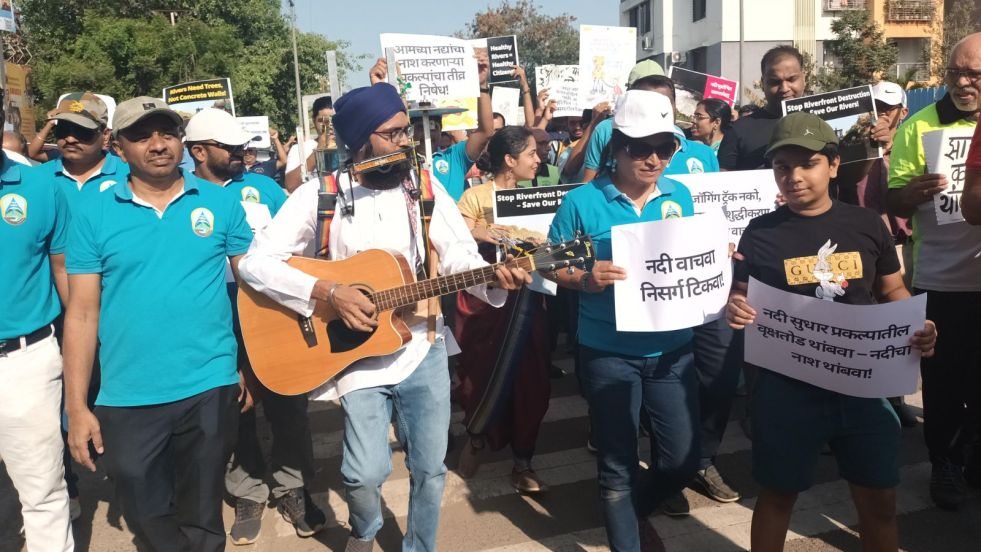
International Day of Actions for Rivers 2026: Citizens Actions to Protect Urban Rivers in India
(Feature Image: Short march with a loud message: Citizens protest against Riverfront Development project in Pimpri-Chinchwad. Source: Express Photo)
On the occasion of the 29th International Day of Action for Rivers, celebrated annually on March 14 since 1997, the SANDRP highlights ten inspiring examples of citizen-led initiatives in last one year across India aimed at protecting urban rivers. The overview showcases how citizen groups and individuals are taking action to address river pollution, oppose ecologically harmful development projects and promote restoration and conservation of urban river ecosystems. These efforts demonstrate the crucial role of public participation in safeguarding rivers and ensuring that river management prioritizes ecological health, transparency and the rights of affected communities.
Continue reading “International Day of Actions for Rivers 2026: Citizens Actions to Protect Urban Rivers in India”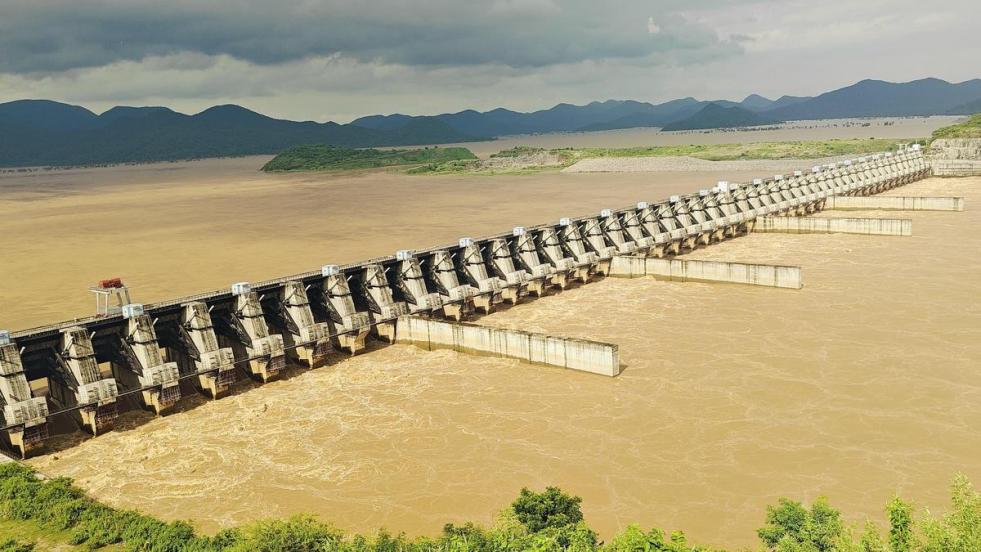
DRP 090326: Polavaram Dam Safety questioned
(Feature Image: Polavaram Dam. Source: The Hindu)
The safety issues related to Polavaram dam has been under focus for some weeks now. It has come under sharper focus last week due to some very specific questions about various aspects of the Dam, from CWC, Centre for Liberty and former MP Vundavalli Arun Kumar. The project has also been under scrutiny by a panel of experts from abroad. However, the work of the Panel of Experts has remained under wraps so far, which should not have been the case.
Continue reading “DRP 090326: Polavaram Dam Safety questioned”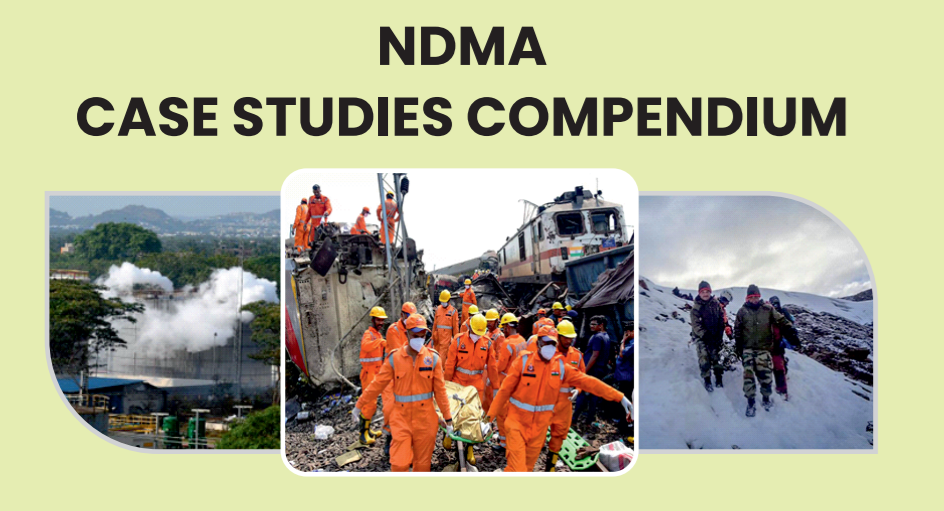
DRP 020326: NDMA Compendium on Disaster Case studies welcome, what about accountability?
(Feature Image Cover Photo of NDMA Case Studies Compendium)
The National Disaster Management Authority has published “NDMA-Case Studies Compendium” in forward of this document, NDMA members and secretary state the following, which is worth quoting here:
“The NDMA – Case Studies Compendium represents a consolidated effort to capture ten significant disaster events across the country. Each case study provides a detailed analysis of causes, responses, challenges, and lessons learnt. Together, they form a repository of knowledge that not only serves as a record of past experiences but also as a guide for shaping future strategies. The document underscores the value of applying evidence- based learning to real-world scenarios, thereby enabling stakeholders to strengthen their capacities for prevention, mitigation, preparedness, response, and recovery… The compendium also brings out recurring themes such as the indispensability of multi-agency coordination, the role of technology and innovation, the importance of community engagement, and the need for continuous institutional reforms… It is our firm belief that these documented experiences will empower senior administrators and disaster managers to make informed, timely, and effective decisions when confronted with emergencies… This… is presented with the hope that it will inspire reflection, strengthen institutional capacities, and promote a culture of continuous learning in disaster risk reduction and management.”
Continue reading “DRP 020326: NDMA Compendium on Disaster Case studies welcome, what about accountability?”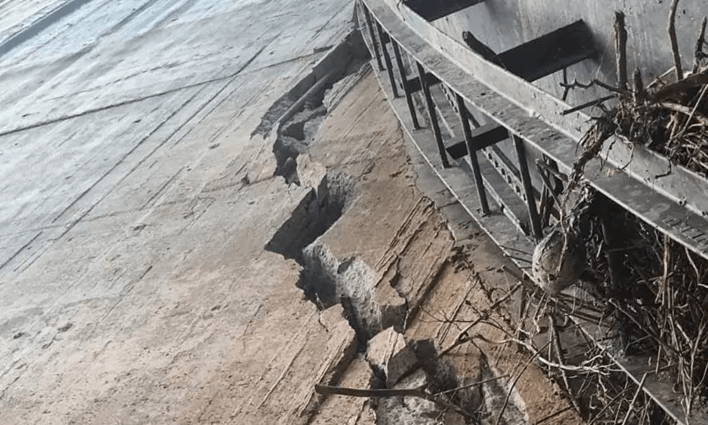
DRP 230226: Time for a Nationwide INDEPENDENT AUDIT of Dam Safety
(Feature Image: Cracks in Medigadda barrage structure. Source: DC, Jan. 2024)
The recommendation of Nation-wide audit of Dam Safety in India in the editorial in Deccan Herald, following International Conference on Dam Safety in Bangalore on Feb 12-13 is very important and timely, the only added proviso required is that the audit must be independent. Dam Safety is essential for public safety and how can this objective be achieved if everything related to dam safety is shrouded in secrecy, with entry to all work and meetings restricted to what the government describes as experts, mostly govt officials, current and retired.
Continue reading “DRP 230226: Time for a Nationwide INDEPENDENT AUDIT of Dam Safety”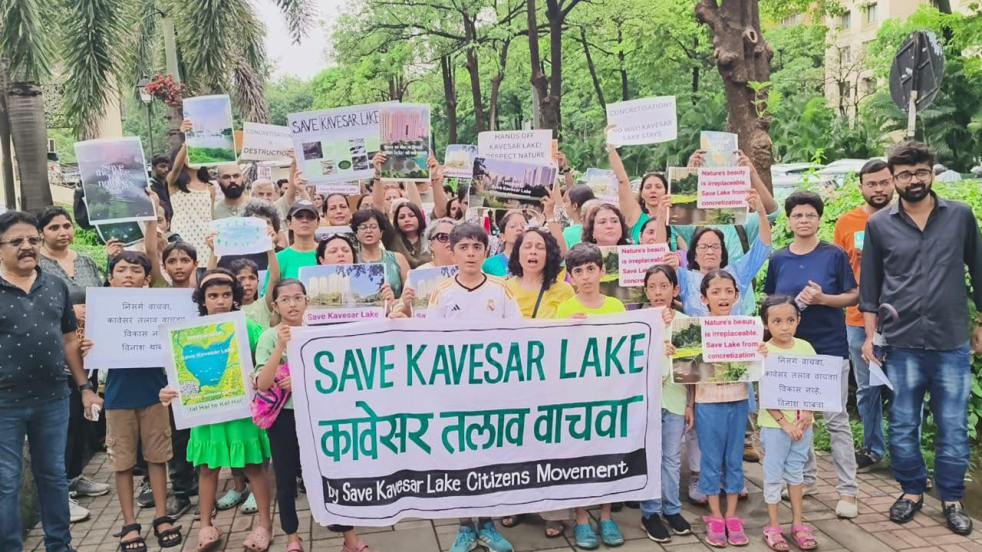
2025: People’s Actions to Protect, Restore Wetlands in India
(Feature Image: Citizens under Save Kavesar Lake campaign carrying out a march in Thane in June 2025. Source: Manohar Dumbre FB Post)
This final 2025 India Wetlands overview documents wetland-related developments during 2025 & highlights remarkable actions by individuals, community and citizen groups to protect lakes and water bodies across India during past one year. It also covers some encouraging and collective efforts undertaken to reclaim and revive degraded wetlands. Together, these inspiring stories reflect on growing awareness among people that wetlands are vital for water security, flood protection and climate resilience.
Continue reading “2025: People’s Actions to Protect, Restore Wetlands in India”
Jhelum and Pashmina: A River Woven into a Shawl
“Quae loca fabulosus lambit Hydaspes“
What places the magnificent Jhelum washes!
Ode 1.22, Horace, Circa 3rd BC[i]
With these lines begins M. Aurel Stein’s authoritative Ancient Geography of Kashmir, written in 1899.[ii] Stein was deeply smitten by Kashmir and its rivers and was the first to translate Kalhana’s epic Rajatarangini—literally River of the Kings—into English[iii].
Jhelum—or Behat, Vyeth, Vitasta, Hydaspes—has indeed washed some legendary places like Srinagar, Baramulla, Anantnag and Sopore. But it has also “washed” something very particular, something that is as much the fruit of the Jhelum as it is of Kashmir itself: the feather-light Pashmina shawl.
Continue reading “Jhelum and Pashmina: A River Woven into a Shawl”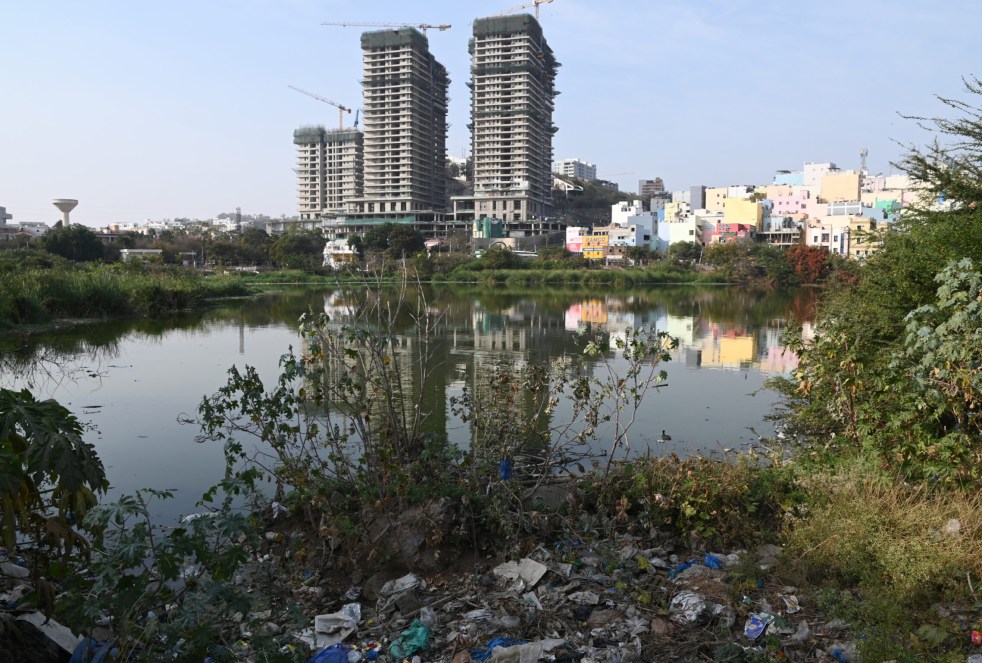
Hyderabad Lakes 2025: Degradation Continues Amid HYDRAA Efforts
(Feature Image: Lakes in Hyderabad are infested with heavy growth of hyacinth and algae, reflecting the terrible condition of the water bodies. Surya Sridhar/Telangana Today)
The historic network of lakes in Hyderabad city has been under stress from increasing pollution and encroachment for past many years. In response, the govt in July 2024 formed Hyderabad Disaster Response and Asset Protection Agency (HYDRAA) to protect lakes, nalas and public assets from encroachments and address urban flooding problems. Since then, the agency is actively involved in lakebed reclamation, demolition of illegal structures, desilting, flood-management interventions and selected lake rejuvenation projects. So far, it has attracted both support for removing encroachments from several lakes and criticism for lacking holistic approach and sustainable outcome.
Continue reading “Hyderabad Lakes 2025: Degradation Continues Amid HYDRAA Efforts”
