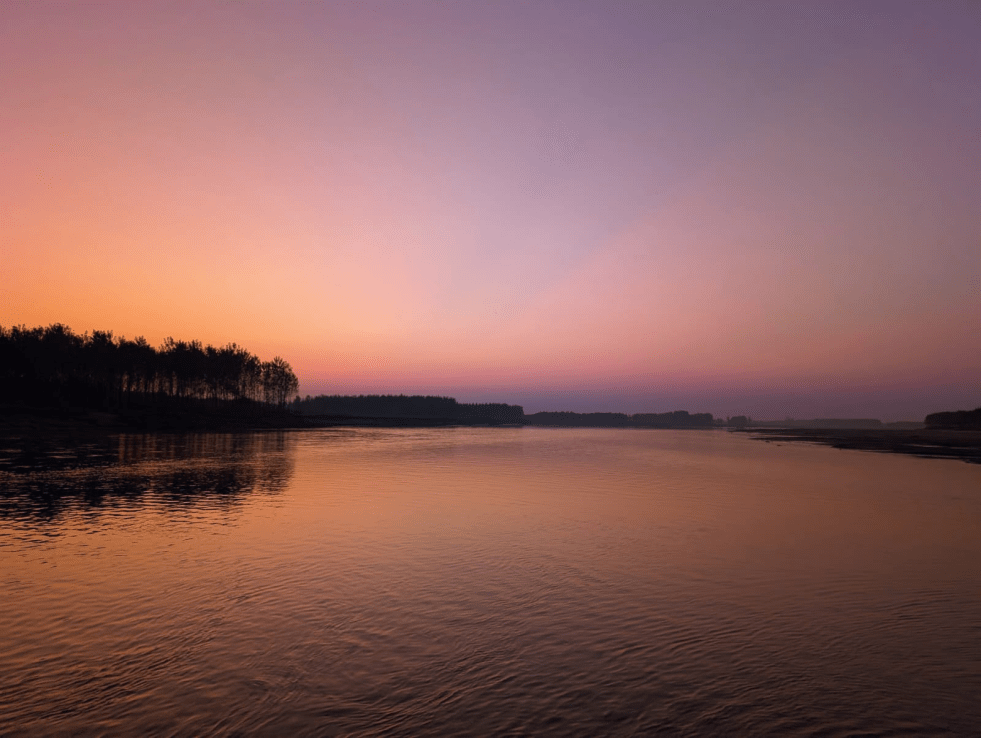
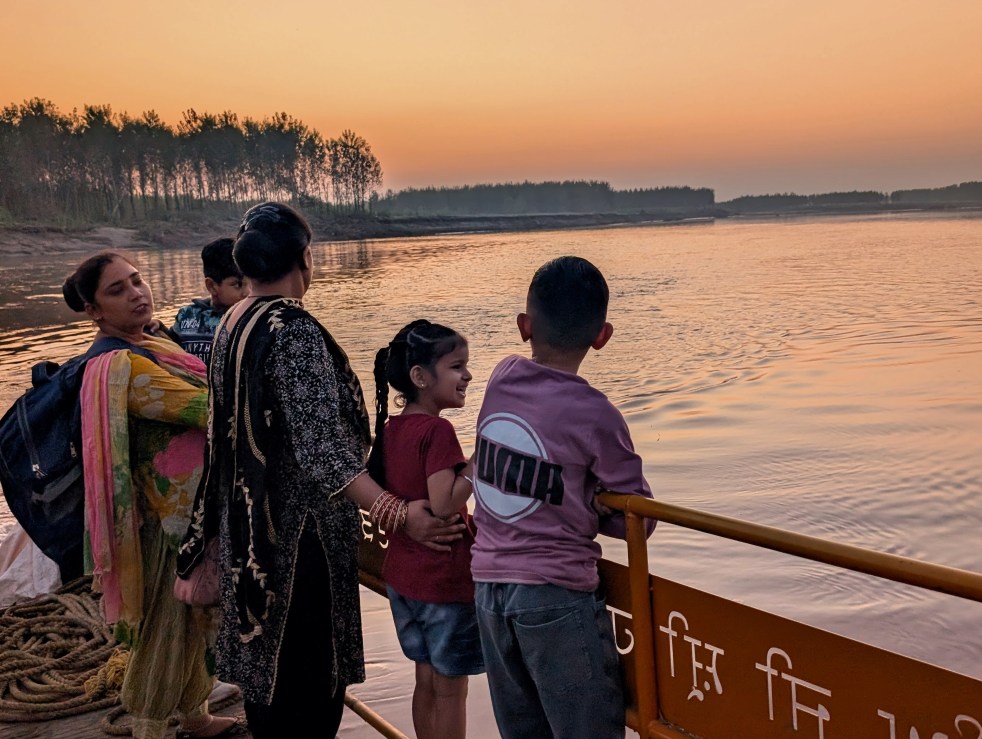
As we reached Makora Pattan, sun was setting over the River Ravi and before us spread a sea of oranges and rubies. Late October kash blooms crowded the high sandy banks and across the vast silken expanse of water, the other bank was barely visible. Rivers of the Indus basin are called Darya in the plains of Punjab. Darya: a word interchangeable with the sea.
Continue reading “The Nowhere-land of Ravi”Category: Ravi River
One More Monsoon: Governance, Accountability and the Collapse of Madhopur Barrage
“Ye paani samne aa gaya. Gate khul nahi rahe to grenade dalo, blast kardo. Ye pura beh jaayega.”
“The water is right in front of us. If the gates are not opening, blast them with a grenade. Everything will be washed off.”
– Ex-Minister Lal Singh Chaudhary (Basholi, J&K) at Madhopur Barrage, on the eve of Madhopur gate collapse.[1]
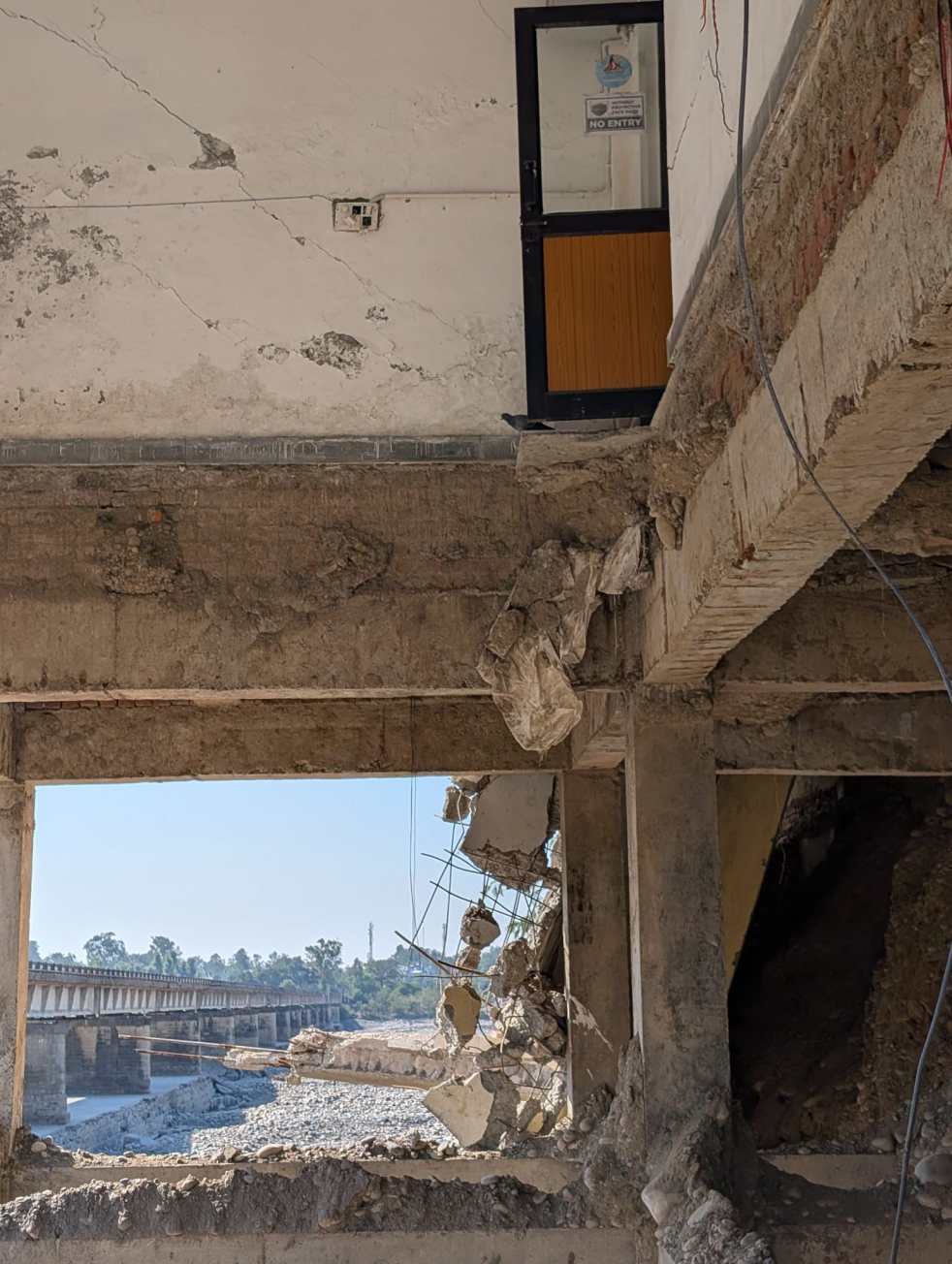
On the 27th of August 2025, after facing several days of floods from a swollen, angry Ravi River, three gates of Madhopur Barrage at Pathankot crashed into the brown, swirling waters. Around this time, a team of engineers and helpers were on the barrage, making dangerous but futile attempts at opening the jammed gates. Three people fell in the flood, two were rescued but one body was later recovered underwater, from the wrecked gates they were trying to open. Earlier that morning, 22 CRPF jawans were airlifted from a building next to the barrage, moments before it collapsed into the raging river. The flood unleashed a wave of destruction in the downstream.
Continue reading “One More Monsoon: Governance, Accountability and the Collapse of Madhopur Barrage”Raj Naun: Can Stories Save our Springs?
How can we drink this cool water?
For we will see you in it for all our life
Night of atonement, oh girls, oh birds.
~ Sukrat, an elegy for Queen Suhi who was sacrificed for Chamba’s water[1]
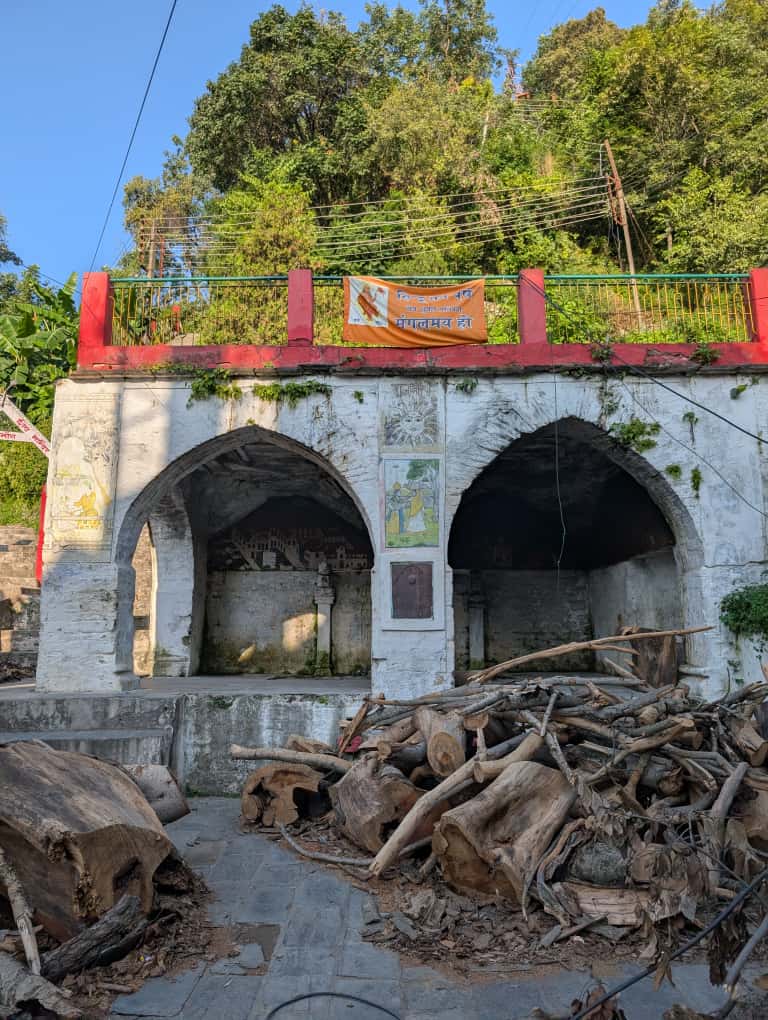
Raj Naun, the Royal Fountain House in Chamba is not what I imagined it to be. After reading and thinking about it obsessively for over a year what lies ahead is not a homage to water but a structure in ruins. The Raj Naun has vaulted ceilings, arches and two beautifully carved waterspouts to channel a robust Himalayan spring. But the spouts are dry, the chamber is full of garbage, bottles of alcohol, stacks of firewood, packets of chips lie around. There is that unmissable stench of urine.
Continue reading “Raj Naun: Can Stories Save our Springs?”Chhatradi: Thirty-Six Spring Fountains of the Ravi
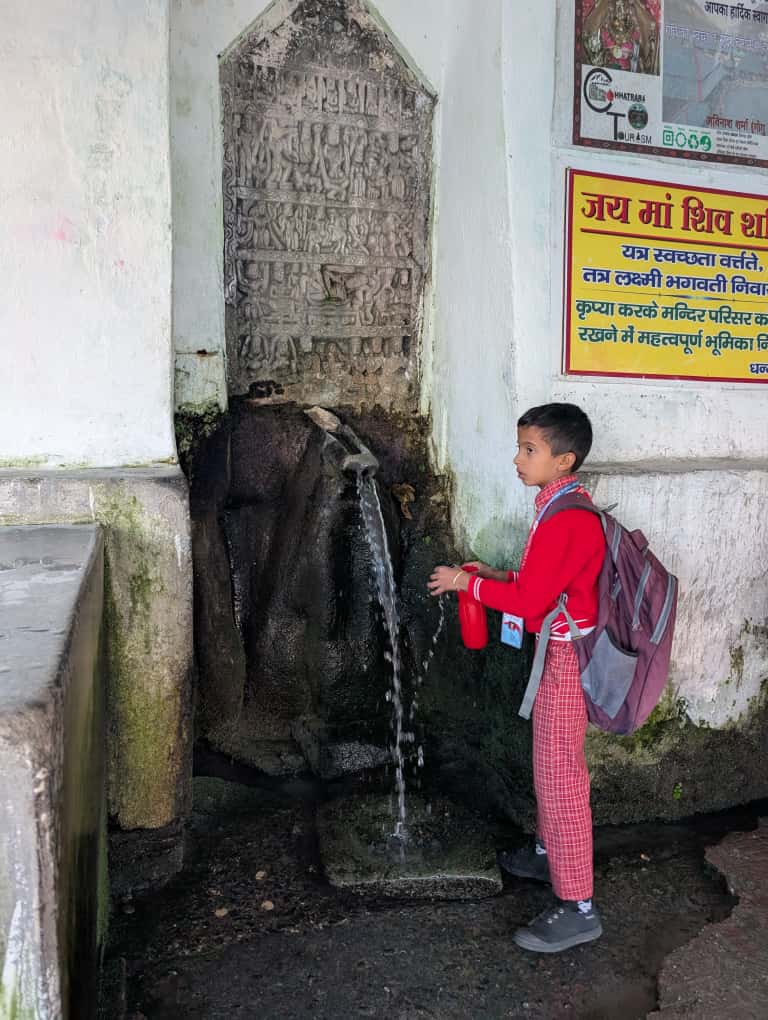
“If you really want to see Panihars, you should visit Chhatradi” says the shy Aditya. He is 15 years old and studies in class X. We are standing on a busy and dusty bridge across a tributary of Ravi in Chamba, Himachal Pradesh. Beside us is the legendary Fulmutala spring fountain (Panihar). Hundreds of people come here every evening to collect cool and clear drinking water. Most have piped water supply in their homes but insist that waters of Fulmutala are peerless. Spring Fountains are a way of life in the Ravi Basin. And yet, very little is said about these beautiful places bringing together groundwater, rivers, ecology and culture.
Continue reading “Chhatradi: Thirty-Six Spring Fountains of the Ravi”Ravi ka Kinara Kaisa hai? River Ravi through its people
Flowing under many names: Vedic Parushni, Puranic Iravati, Greek Hydraotes, River Ravi is arguably the most storied of the five rivers meeting the Indus.
Ravi’s flow from the glacial heights of Himalayas to the fertile plains of Punjab has been embellished in songs and stories for centuries. Heth Vage Ravi Dariya or “Below flows the River Ravi” is a ubiquitous phrase in songs and poems.[1] On the banks of Ranjit Sagar Dam on Ravi, Manbhavan Singh Kahlon, himself a poet-activist muses, “We Punjabis have always written poetry around our rivers. Perhaps even too much, I sometimes think. But most of Ravi’s poetry has been left back in Pakistan.” Pakistan, on the other hand, thinks most of Ravi’s water has been left back in India.
Continue reading “Ravi ka Kinara Kaisa hai? River Ravi through its people”Gaddis: Storytellers of the Ravi Basin

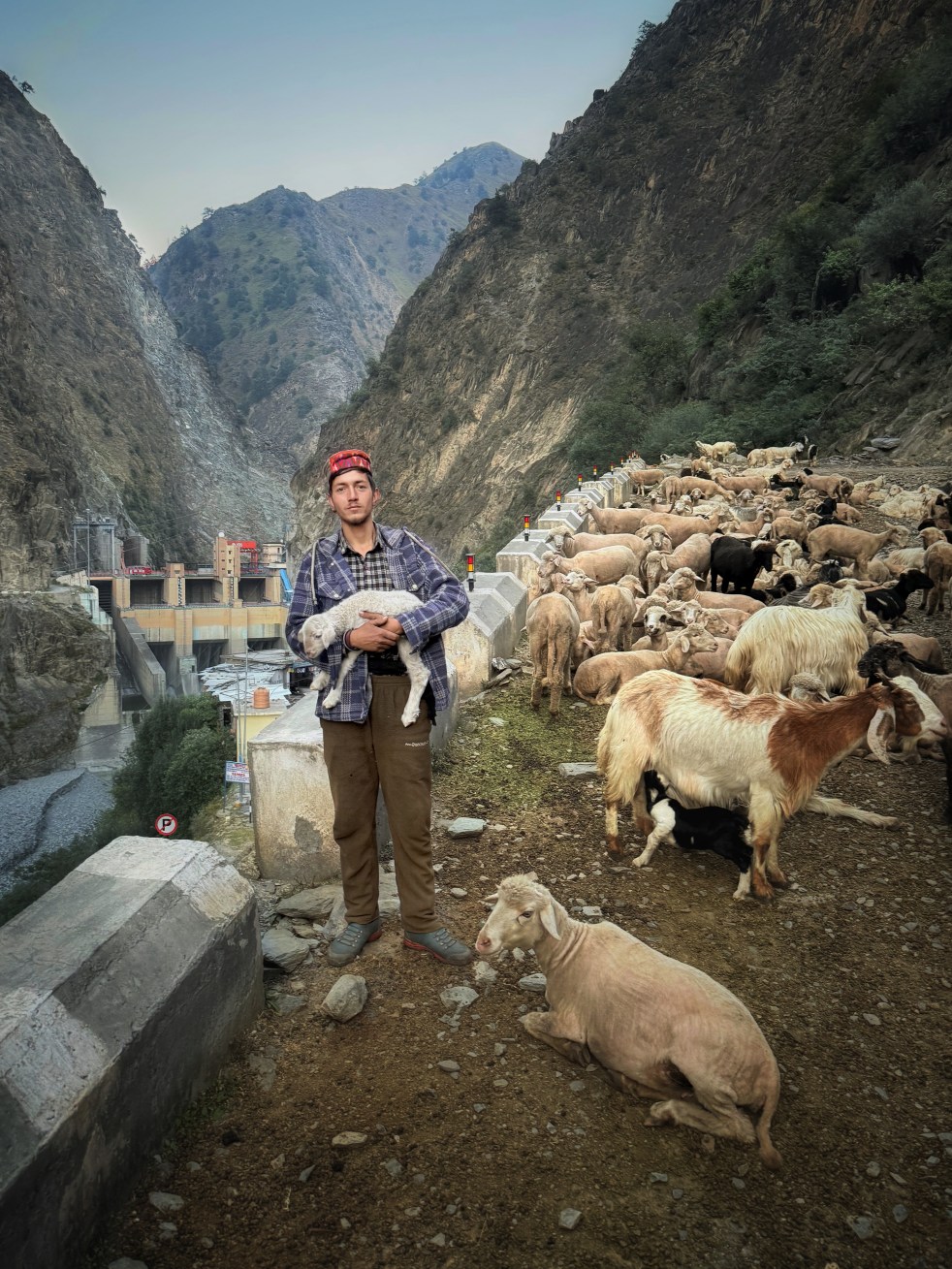
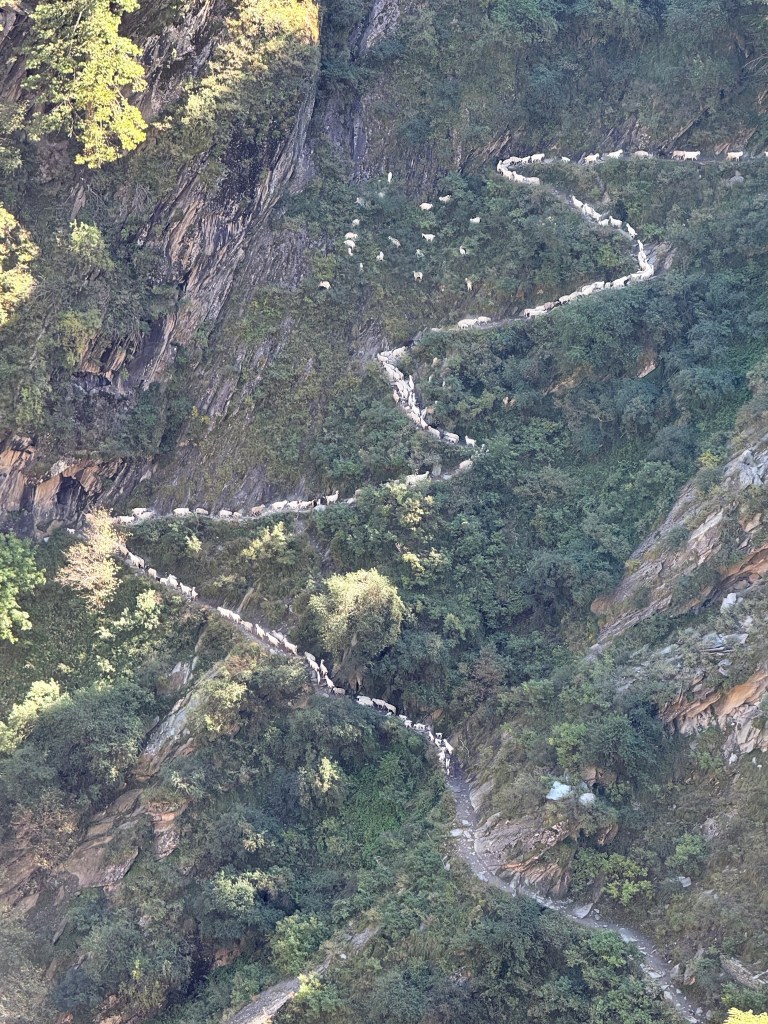
As we stood on a ridge near the Lakke Wali Mata shrine, a tributary of the Ravi roared below in a deep gorge. Across it rose a shaded, Devdar (Himalayan Cedar)-covered mountain slope, etched by a steep brown trail. As we stood there observing the headwaters of Ravi, we noticed that the trail was moving.
Continue reading “Gaddis: Storytellers of the Ravi Basin “