Climate Change · Dams · Groundwater · Himachal Pradesh · Indus · Ravi River

Raj Naun: Can Stories Save our Springs?

How can we drink this cool water?
For we will see you in it for all our life
Night of atonement, oh girls, oh birds.
~ Sukrat, an elegy for Queen Suhi who was sacrificed for Chamba’s water[1]

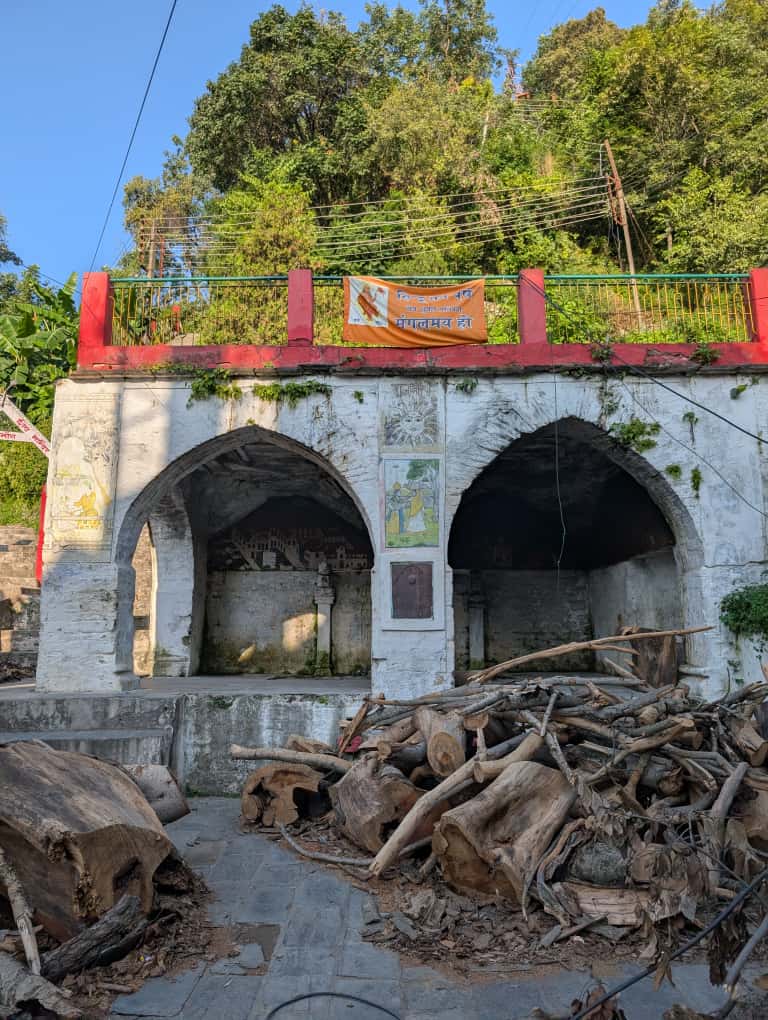
Raj Naun, the Royal Fountain House in Chamba is not what I imagined it to be. After reading and thinking about it obsessively for over a year what lies ahead is not a homage to water but a structure in ruins. The Raj Naun has vaulted ceilings, arches and two beautifully carved waterspouts to channel a robust Himalayan spring. But the spouts are dry, the chamber is full of garbage, bottles of alcohol, stacks of firewood, packets of chips lie around. There is that unmissable stench of urine.

Continue reading “Raj Naun: Can Stories Save our Springs?”
Groundwater · Himachal Pradesh · Himalayas · Ravi River · River Ethnographies

Chhatradi: Thirty-Six Spring Fountains of the Ravi

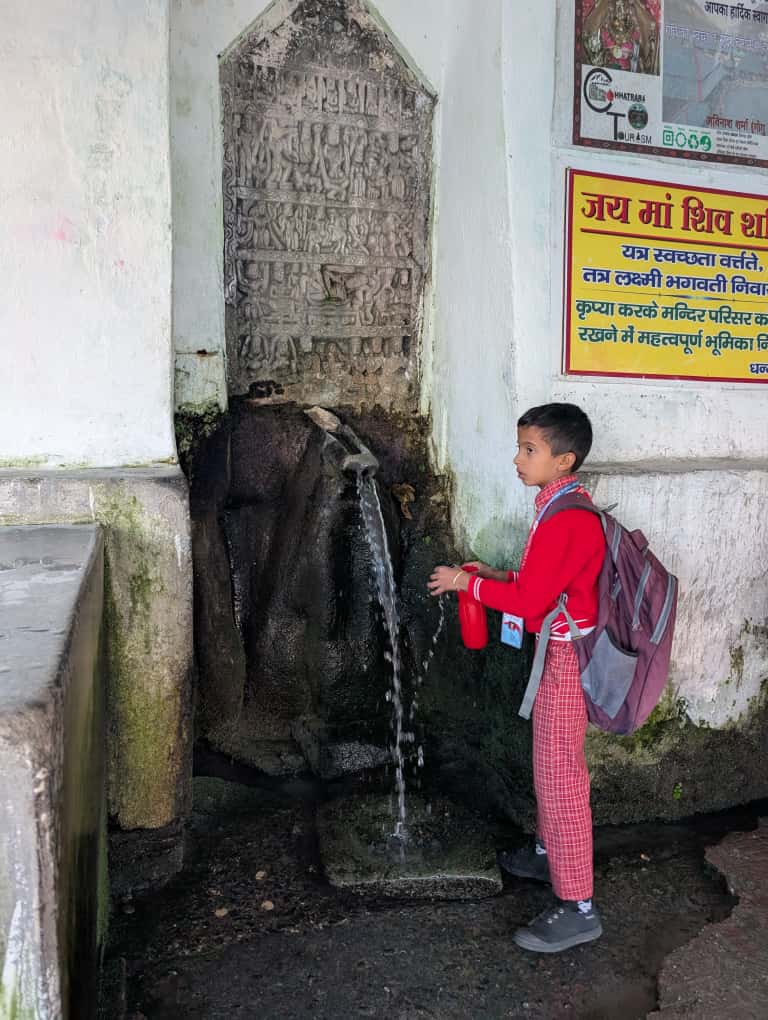
“If you really want to see Panihars, you should visit Chhatradi” says the shy Aditya. He is 15 years old and studies in class X. We are standing on a busy and dusty bridge across a tributary of Ravi in Chamba, Himachal Pradesh. Beside us is the legendary Fulmutala spring fountain (Panihar). Hundreds of people come here every evening to collect cool and clear drinking water. Most have piped water supply in their homes but insist that waters of Fulmutala are peerless. Spring Fountains are a way of life in the Ravi Basin. And yet, very little is said about these beautiful places bringing together groundwater, rivers, ecology and culture.

Continue reading “Chhatradi: Thirty-Six Spring Fountains of the Ravi”
Climate Change · Dams · Floods · Himachal Pradesh · Himalayas · Hydropower · Indus · Ravi River

Gaddis: Storytellers of the Ravi Basin 

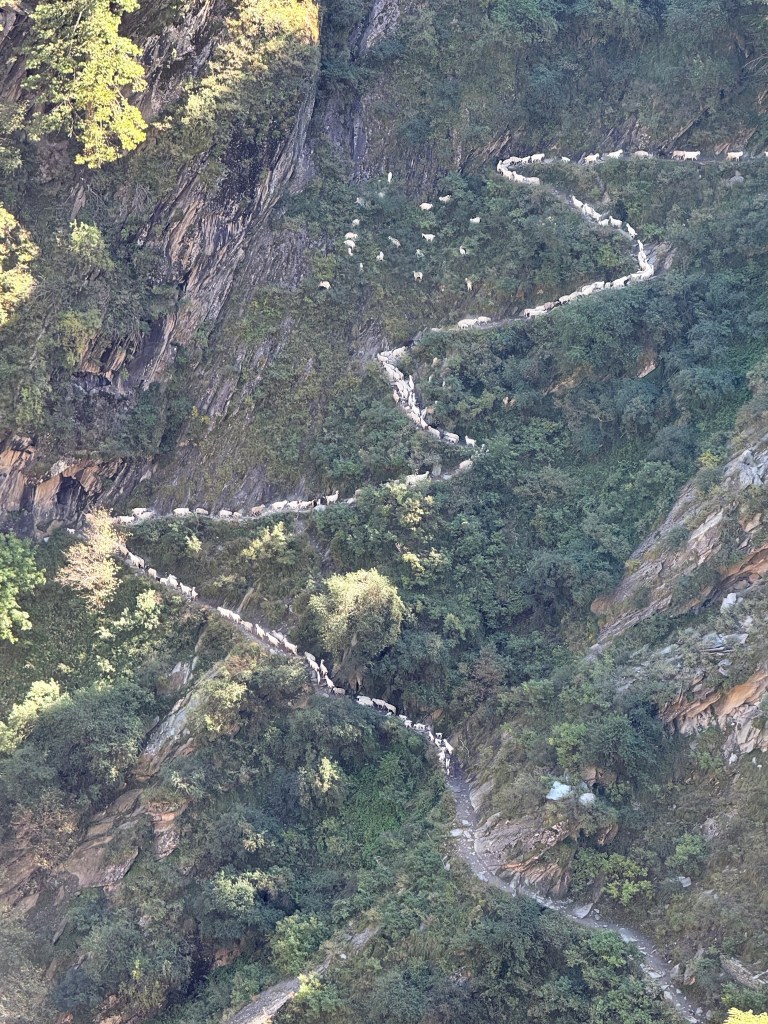
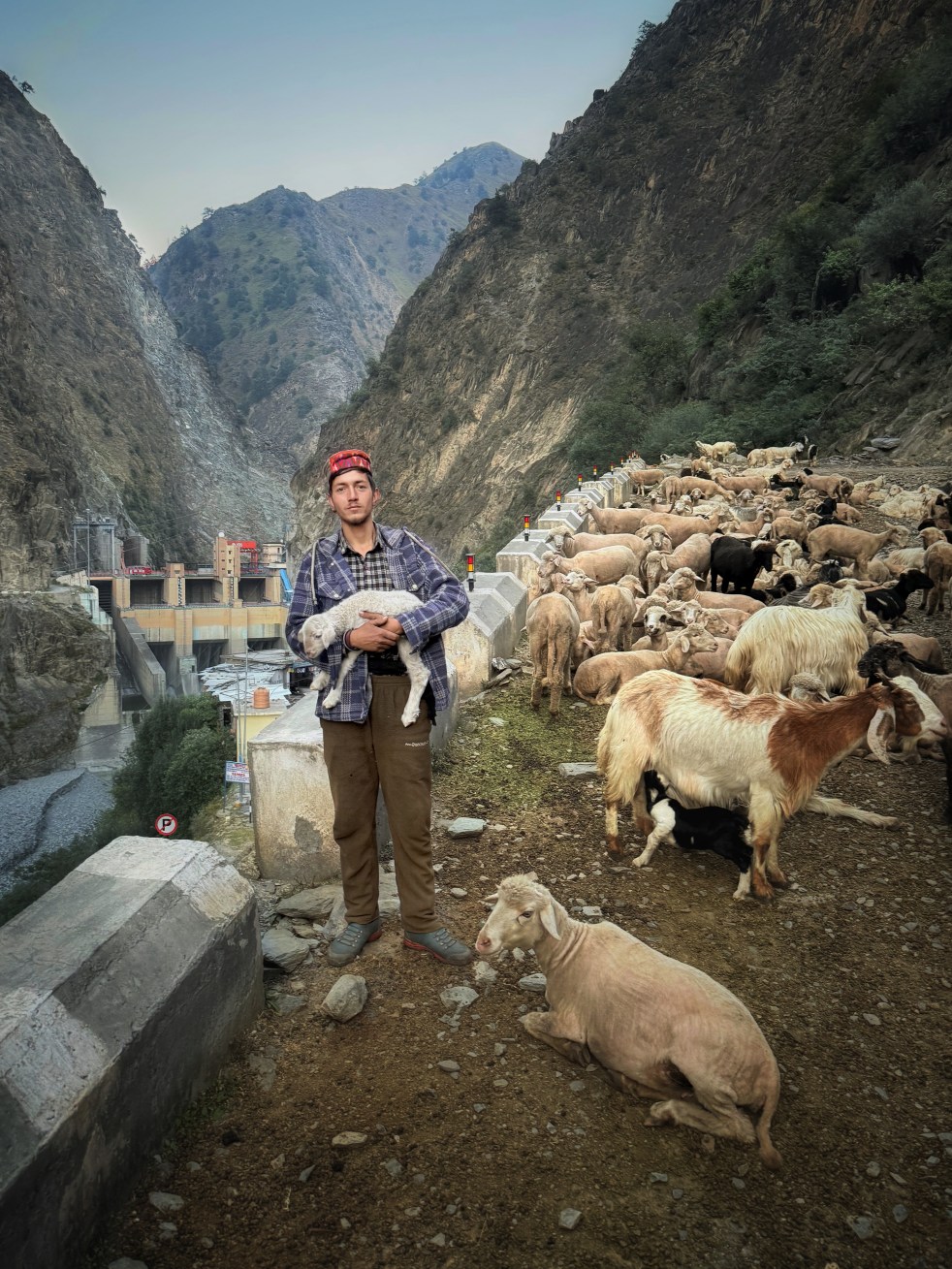
As we stood on a ridge near the Lakke Wali Mata shrine, a tributary of the Ravi roared below in a deep gorge. Across it rose a shaded, Devdar (Himalayan Cedar)-covered mountain slope, etched by a steep brown trail. As we stood there observing the headwaters of Ravi, we noticed that the trail was moving.

Continue reading “Gaddis: Storytellers of the Ravi Basin “
Chenab · Climate Change · Floods · Glaciers · Himachal Pradesh · Lahaul, Lindur · Landslide · Landslide dam

A Sinking Village & a Stream that Floods in the Sun: Climate Change, Jahlma Nallah and Lindur in Chenab Basin

At the village of Jasrath in Lahaul and Spiti, the River Chandrabhaga’s current is swift and strong like a rambunctious toddler. The river is new here, birthed just 16 kms upstream at the confluence of the Rivers Chandra and Bhaga. Chandrabhaga will be named as Chenab only after a journey of about 400 kms downstream. Chenab is one of the largest tributaries of the River Indus whose expansive basin feeds over 250 million people in the heart of Asia.  

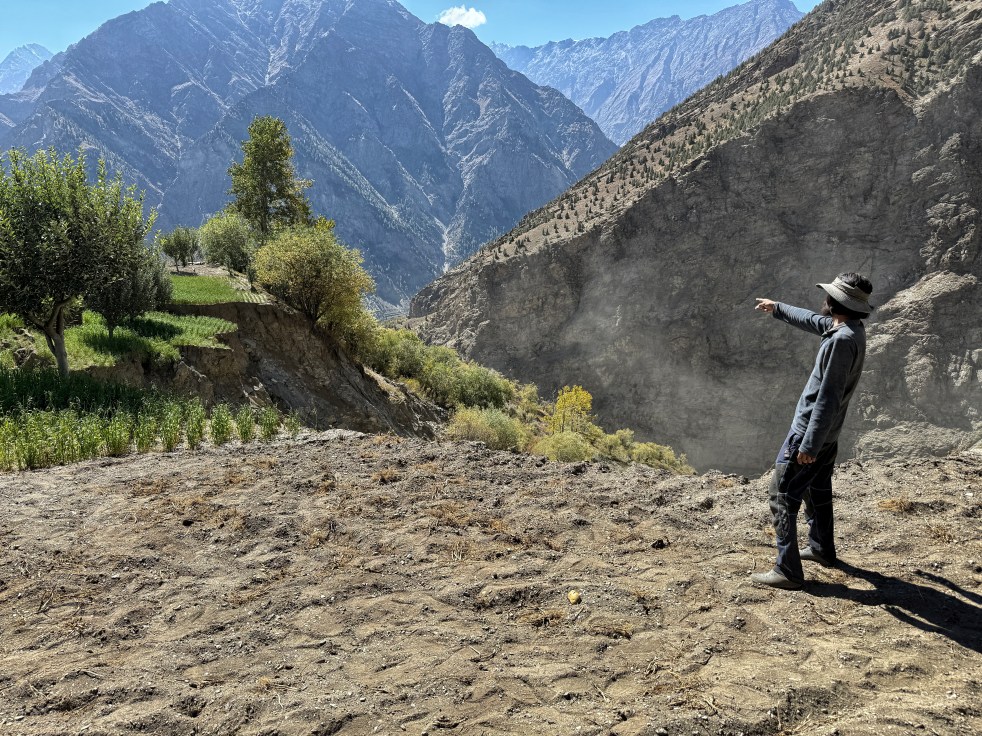
Lahaul and Spiti district in Himachal Pradesh is a cold desert with very little rain, but the narrow ribbons of land along the Chandrabhaga are emerald with willows, apple orchards and cultivated farms. This is precious land. 

Continue reading “A Sinking Village & a Stream that Floods in the Sun: Climate Change, Jahlma Nallah and Lindur in Chenab Basin”
Chenab · Climate Change · CWC - Central Water Commission · Himachal Pradesh · Hydropower

Hydropower-GLOF Nexus in Chenab Headwaters: Absence of credible studies and accountable governance

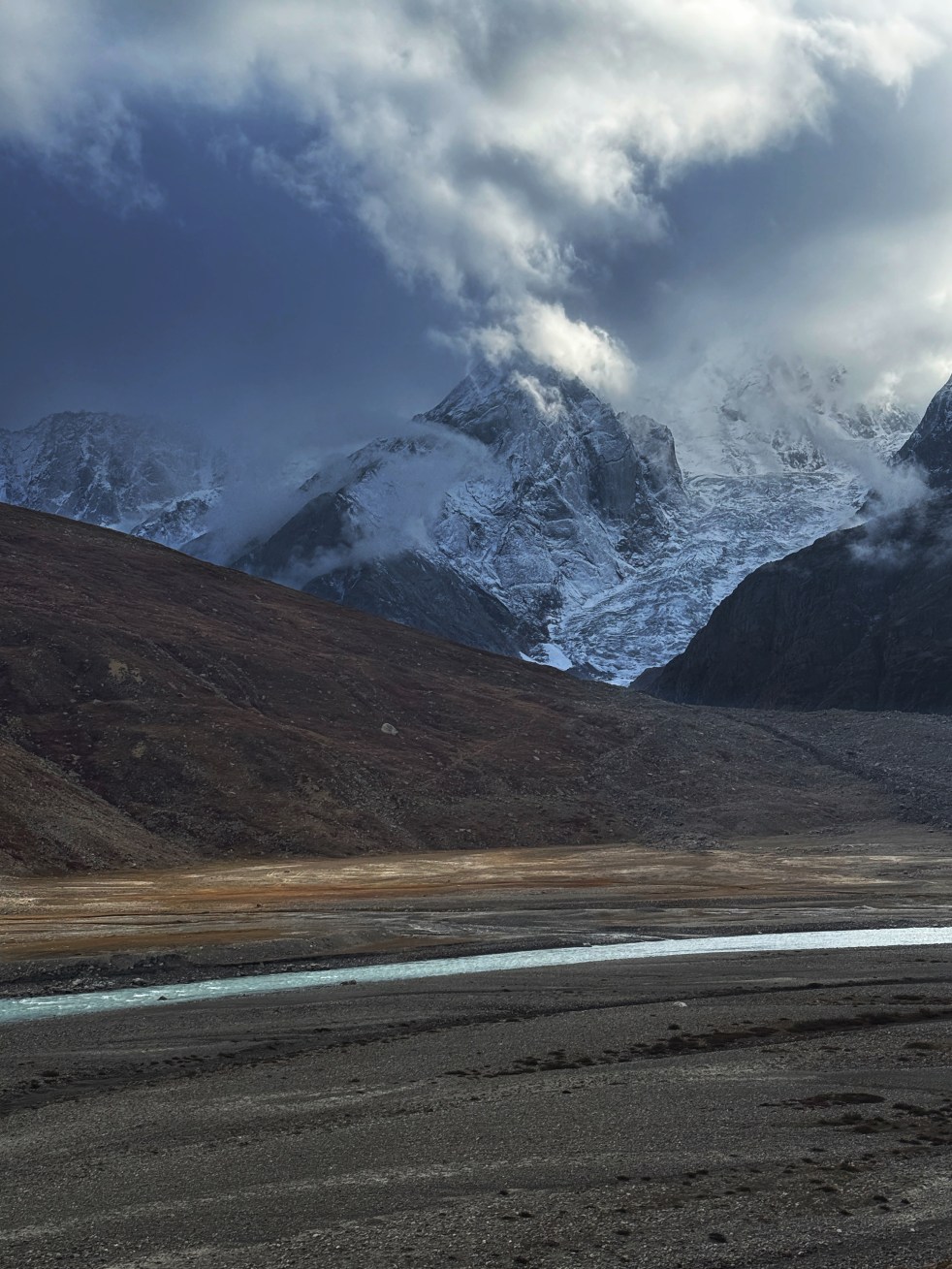
Increasing incidences of Glacial Lake Outburst Floods (GLOFs) are being experienced in the Indian Himalayas. One of the most notable examples of GLOF was the Chorabari Lake GLOF that occurred on 16th June 2013 in Kedarnath, Uttarakhand[1] which was triggered by heavy rainfall induced mass movements into the lake. The GLOF devastated villages of Kedarnath, Rambara, and Gaurikund. Around 6,000 people were officially killed, and a significant number of the deaths were linked to the GLOF. Countless bridges and roads were washed away, and about thirty hydropower plants were affected or completely devastated. Several Hydropower projects resulted in exponential losses to life and livelihoods. Whole of Uttarakhand was affected in the disaster, and a significant proportion of it was related with GLOF.

Continue reading “Hydropower-GLOF Nexus in Chenab Headwaters: Absence of credible studies and accountable governance”
Beas · Free flowing rivers · Himachal Pradesh

In Photos: Gharats of Tirthan: For the tastiest Parathas

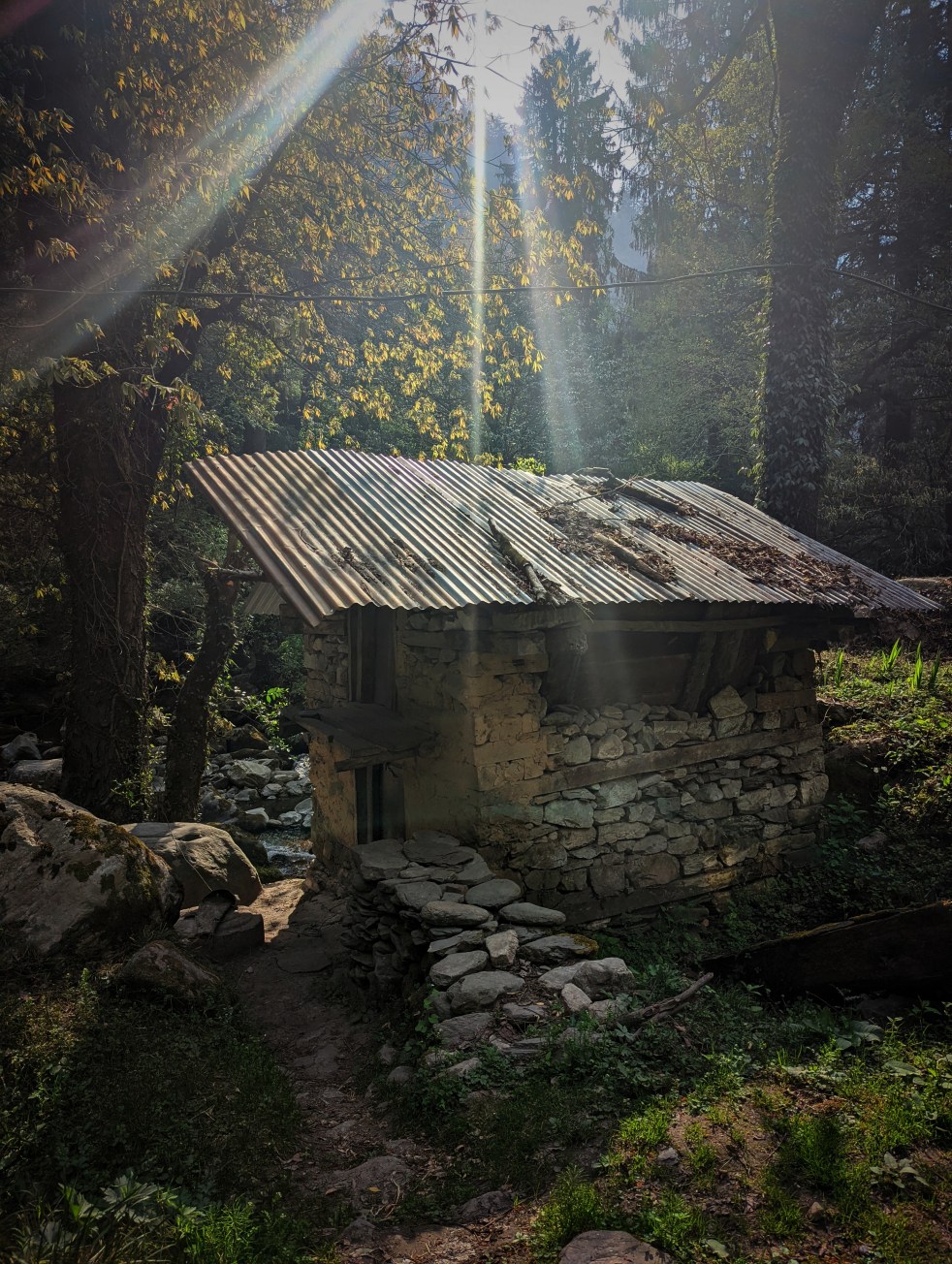
In the Tirthan Valley of Himachal Pradesh, as we crisscrossed tiny wheat fields moist with dew and apple orchards laden with white blossoms, a rhythm accompanied the steps: a constant ghrr-ghrr-ghrr. It came from small slate shelters with sloping roofs, which looked like tiny shrines. Sometimes, the shelters were made directly over a stream, but many times they were on the banks, with a channel diverting some water to them.

These were the Gharats: water-mills running on the kinetic energy of flowing water and milling fresh, cool flour.

Throughout Tirthan Valley, Gharats dot the streams at several locations. Raju Bhartiji says that Tirthan had many more Gharats in the past, but the floods of 1995 washed many of them away and most remaining fell into disrepair. Even so, as compared to other parts of Himachal, Tirthan valley is fortunate. Hydropower dams, including mini hydro projects, with their headrace and tailrace tunnels, flow diversions and blasting have destroyed thousands of Gharats in Himachal and Uttarakhand. These water mills are special not only because they are decentralized and appropriate technology structures. They are a part of the heritage of the land: almost all of the materials for building one come from the surroundings and the masons who build them are artists.

Continue reading “In Photos: Gharats of Tirthan: For the tastiest Parathas”