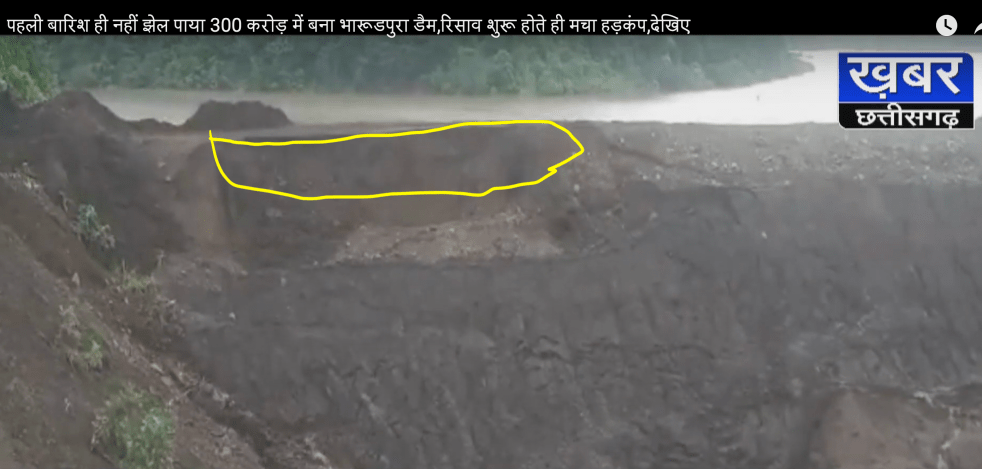
Bharudpura dam (also called Karam dam) on Karam river, a tributary of Narmada river, near Gujari village in Dharampuri Tehsil of Dhar district of Madhya Pradesh faced major disaster after the very first filling in August 2022 when there was seepage from and massive erosion of the dam wall starting from Aug 11, 2022. The disaster at the Rs 304.44 crore project whose construction started in 2018 created a major turbulence in Madhya Pradesh with allegations of sub-standard work, corruption and attempts to hush up the safety issues. As a precaution, the administration has on Aug 12, 2022 vacated 12 downstream villages in Dhar district and 6 in Khargone district[i] and stopped traffic on roads close to the dam[ii]. Dhar Collector also said that the efforts to stop the seepage were not successful and that possible reason for erosion is the use of black rather than red soil in the construction of the earthn dam.
Continue reading “Bharudpura Dam in MP faces disaster after first filling in Aug 2022“Category: India
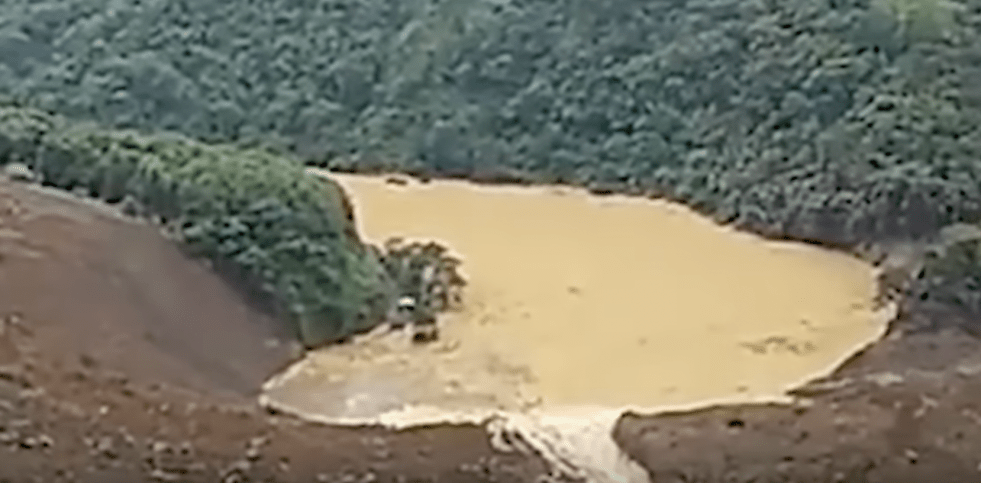
Manipur’s Ejei river blocking landslide at under construction railway line involved violations, no EIA, NGT pending case
Eighteen Territorial Army personnel among 24 people were killed in a massive landslide in Manipur’s Noney district[i] on Wednesday (June 29, 2022), and at least another 40, including 18 soldiers, are feared trapped or buried in the rubble of an under-construction railway yard. An adjoining construction camp and security camp engulfed in the avalanche of rock and mud.[ii] The Railway line is under construction since a decade.
Continue reading “Manipur’s Ejei river blocking landslide at under construction railway line involved violations, no EIA, NGT pending case”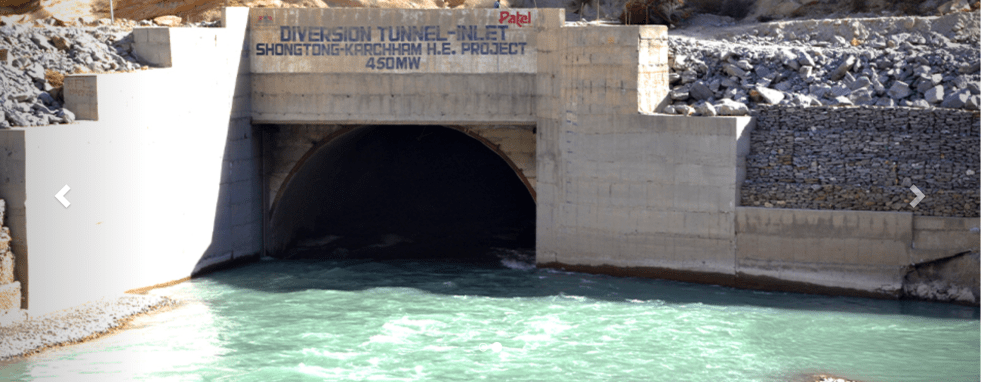
Fatal Disaster at Shongtong Hydro in Himachal Pradesh in June 2022
Two workers of 450 MW Shongtong hydropower Project[i] were killed when the trolley they were using overturned inside the tunn[ii]el of the under-construction project near Ralli in Kalpa Tehsil of Kinnaur district of Himachal Pradesh on Tuesday, June 21, 2022. The police have registered a case in connection with the incident.
Continue reading “Fatal Disaster at Shongtong Hydro in Himachal Pradesh in June 2022”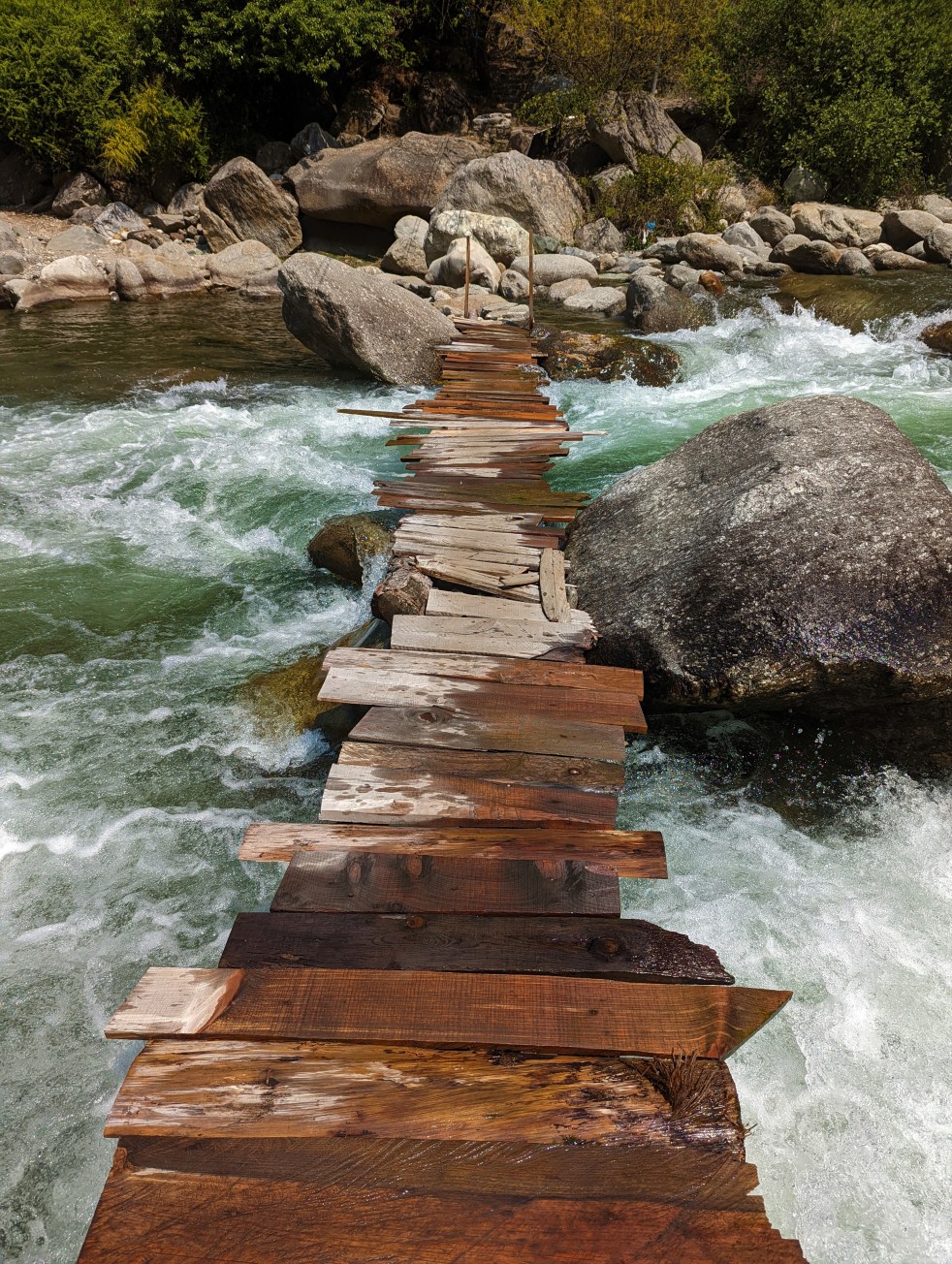
Muktadhara Tirthan
How one fish and many people saved a river
“Hark! What is that? What is that sound? It is laughter, bubbling up from the heart of the darkness. It is the sound of water! There is no doubt. The water of Muktadhara is free!”
As I stepped on the wooden slats across the joyously gurgling Tirthan River, I remembered Rabindranath Tagore’s lines from his first play, Muktadhara (Free-flowing). I was in the Himalayas to listen to the story of Tirthan, a Muktadhara in her own right! Tirthan is the rarest, possibly the only river valley in India to be declared as a “No-Go Valley” for hydropower or dam development, protected in perpetuity.
Continue reading “Muktadhara Tirthan“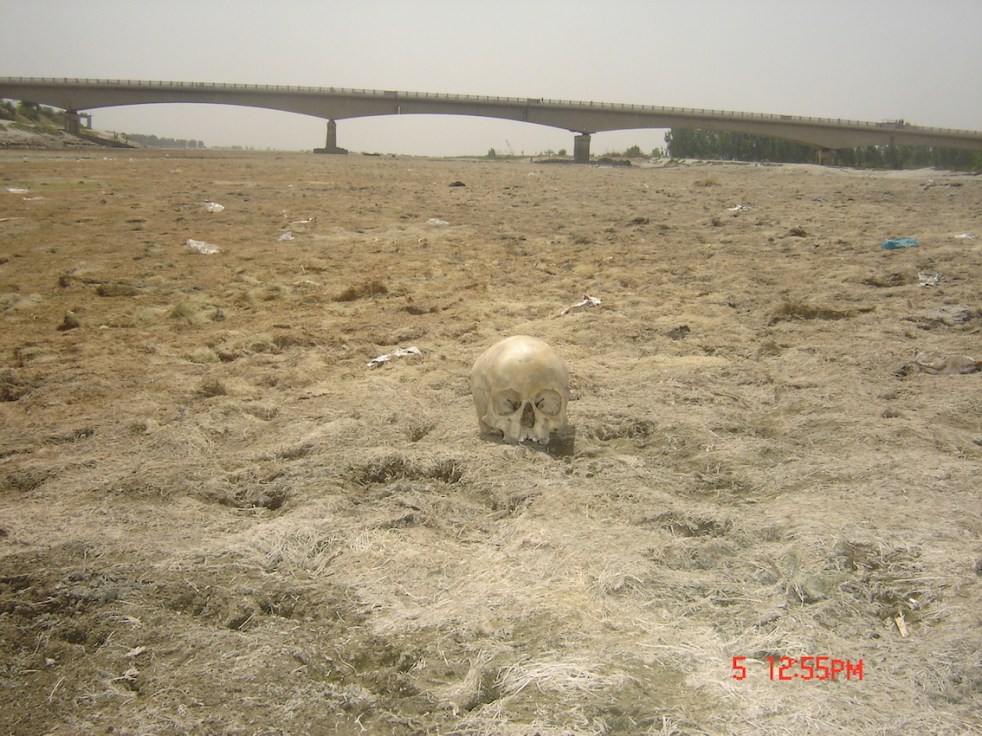
Making Yamuna Flow Again
Guest Blog by Manoj Misra
It is no secret that the master key to Yamuna rejuvenation or for that matter any other perennial river is to make it flow as close to its natural flow pattern as possible. How to go about it is no rocket science but is no easy task either for we humans have burdened them with so many of our selfish stakes.
What flows in a river is not just water, but water enriched with energy, minerals, sediments, detritus and life, macro and microscopic plants and animals. It’s only such flow that enables and has enabled rivers over the millennia to fulfill various ecological (& social) functions like erosion and deposition of earth, meander and form floodplains, feed aquifers to replenish the ground water, host aquatic and riparian life forms, connect with the floodplain and its water bodies and complete the water cycle. (Feature image above: Dead Yamuna river at Panipat (Pic by Bhim SIngh Rawat))
Continue reading “Making Yamuna Flow Again”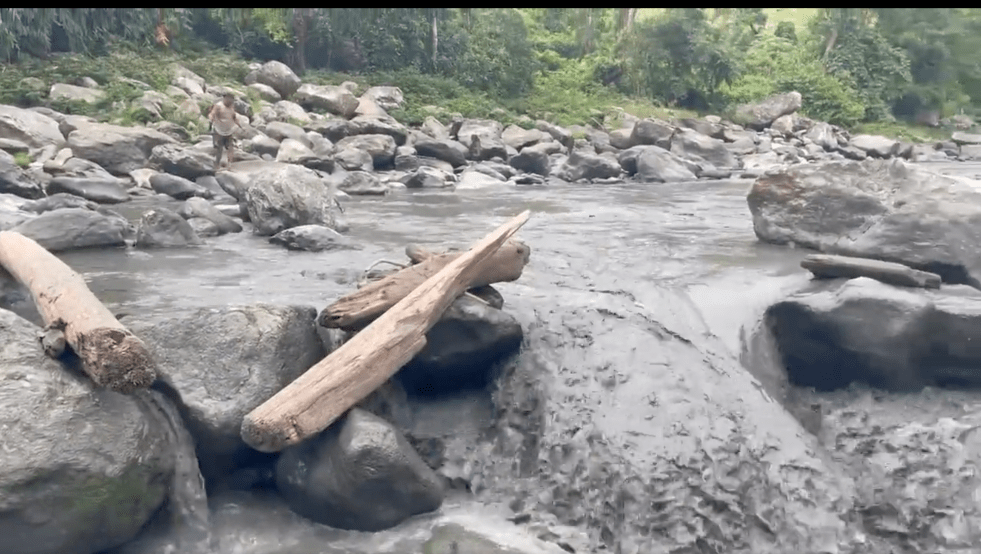
Muddy Kameng River waters & mass fish death in Oct 2021
In a development described as unprecedented, by 1030 hours on Friday, Oct 29, 2021, the waters of Kameng River in Arunachal Pradesh in North East India suddenly became dark with large amount of silt and debris and thousands of dead fish floating on the surface. A video on twitter by 1300 hours[i] showed the dark Kameng waters. (The Feature image above is from twitter post by The Arunachal Pradesh on Oct 31, 2021)
Continue reading “Muddy Kameng River waters & mass fish death in Oct 2021”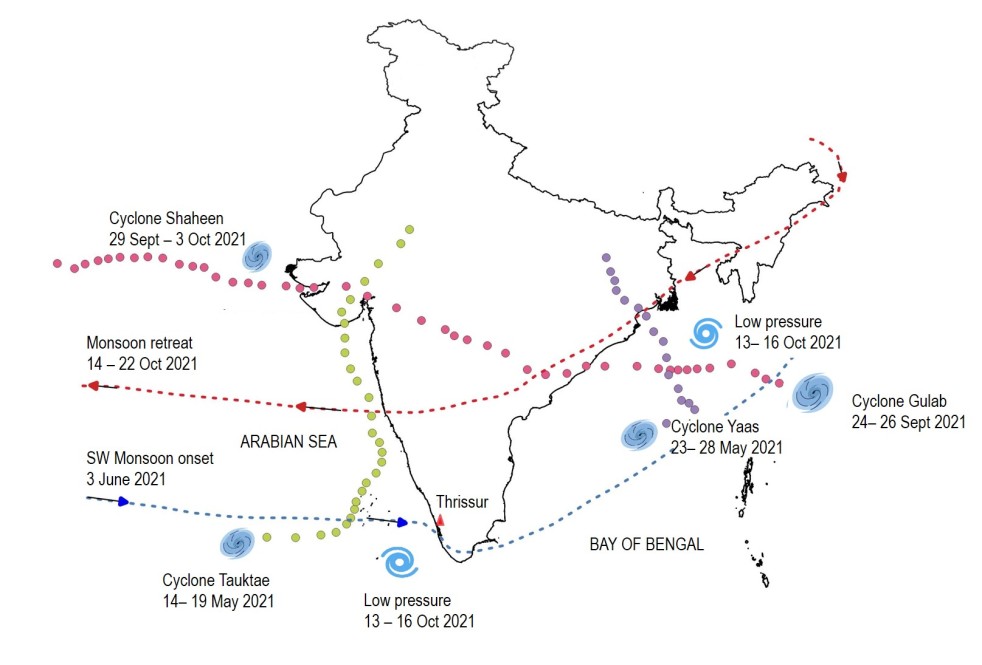
Paddy farming in times of climate change – field notes – A sequel
Guest Article by Dr. Sreeja KG and Dr. Madhusoodhanan CG
Climate change and its impacts in the tropics are changing the once familiar landscapes, once certain weather patterns, once secure living spaces beyond recognition. The disasters that can be as local as a tidal surge to national level episodes of cyclones, wildfires and massive floods are being managed in the same administrative mode as has been the practice during the more forgiving past: without training, without relevant real time information, without involvement of the communities and often merely with the strong will and dedication of the field staff and local volunteers. With events far in between, episodic and with time to recoup, we have been spared total and irrevocable breakdown of the system and society. But for how long?
Continue reading “Paddy farming in times of climate change – field notes – A sequel”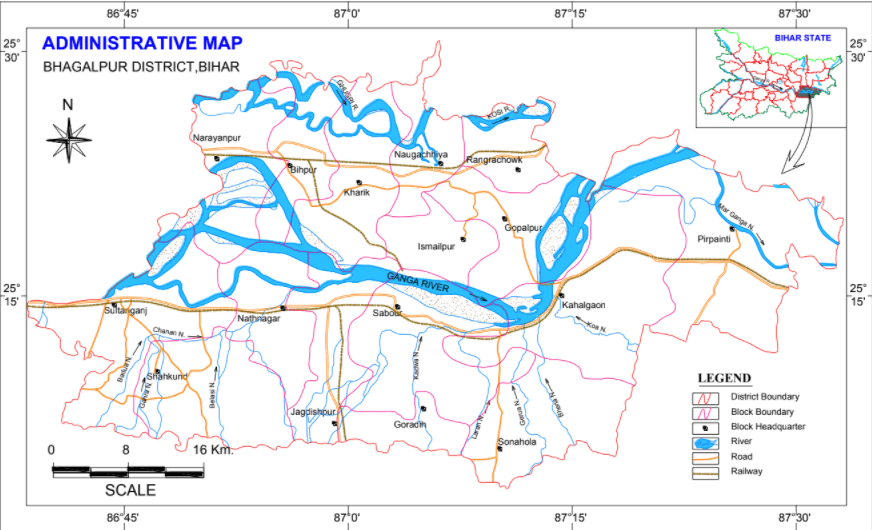
Water on Wheels to Dying Fishes in Ganga River Basin in Bhagalpur
Guest Blog by Dr. Ruchi Shree (TMBU, Bhagalpur-Bihar)
Last year, I wrote three stories on dying Champa river in Bhagalpur and challenges/ prospects of its rejuvenation[i]. That exercise helped me in exploring the city through a river which used be an important waterbody in this region but now at the verge of extinction. Situated at the banks of river Ganga, the Bhagalpur city faces three to four major problems related to water and sanitation, namely, arsenic contaminated groundwater, falling water level, recurrent floods, open drainage, etc. This year, I pedaled (cycling) in the local vicinity to make sense of ‘piped water’ and its limitations in the city. One more concern was to document the growing ecological crisis in the university area as captured and reflected in this blog. This photo essay is based on my observations over a period of last three months in Nathnagar block of Bhagalpur (south-west part of the city). Bhagalpur, a “smart city” of south Bihar is close to Jharkhand. I visited the ward no. 13 and ward no.17 of the Nathnagar block to write this story. Two pictures (near Ganga) towards the end of the blog were taken in a different part of the city i.e. in Adampur area of Bhagalpur.
Continue reading “Water on Wheels to Dying Fishes in Ganga River Basin in Bhagalpur”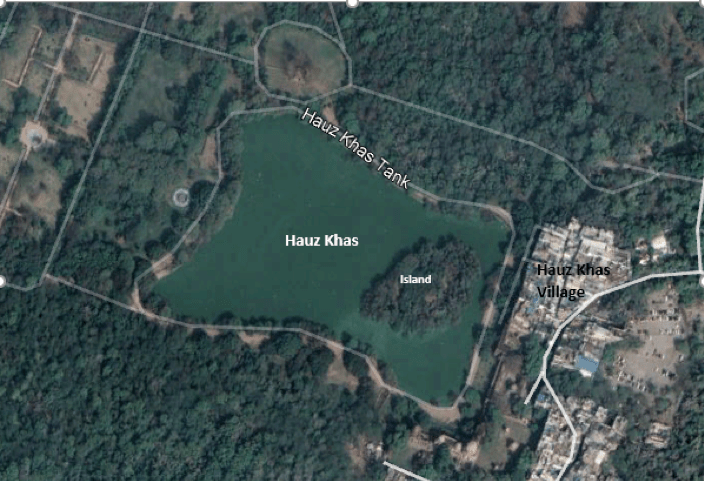
Revival Of Hauz Khas Lake, Delhi: A Pioneering Adventure of INTACH
Guest Blog by Manu Bhatnagar
Even as the water crisis gathers pace time is playing out a requiem for lakes and wetlands. Poor understanding of hydrology, greed driven capture of wetlands by real estate, the adoption of the shortest straight line path by infrastructure development agencies, the effort by engineers to make everything straight and neat by concretization, the plummeting of groundwater tables and the interception of free flowing surface runoff by alteration of basin characteristics are the major drivers of the rapid extinction of our waterbodies.
Continue reading “Revival Of Hauz Khas Lake, Delhi: A Pioneering Adventure of INTACH”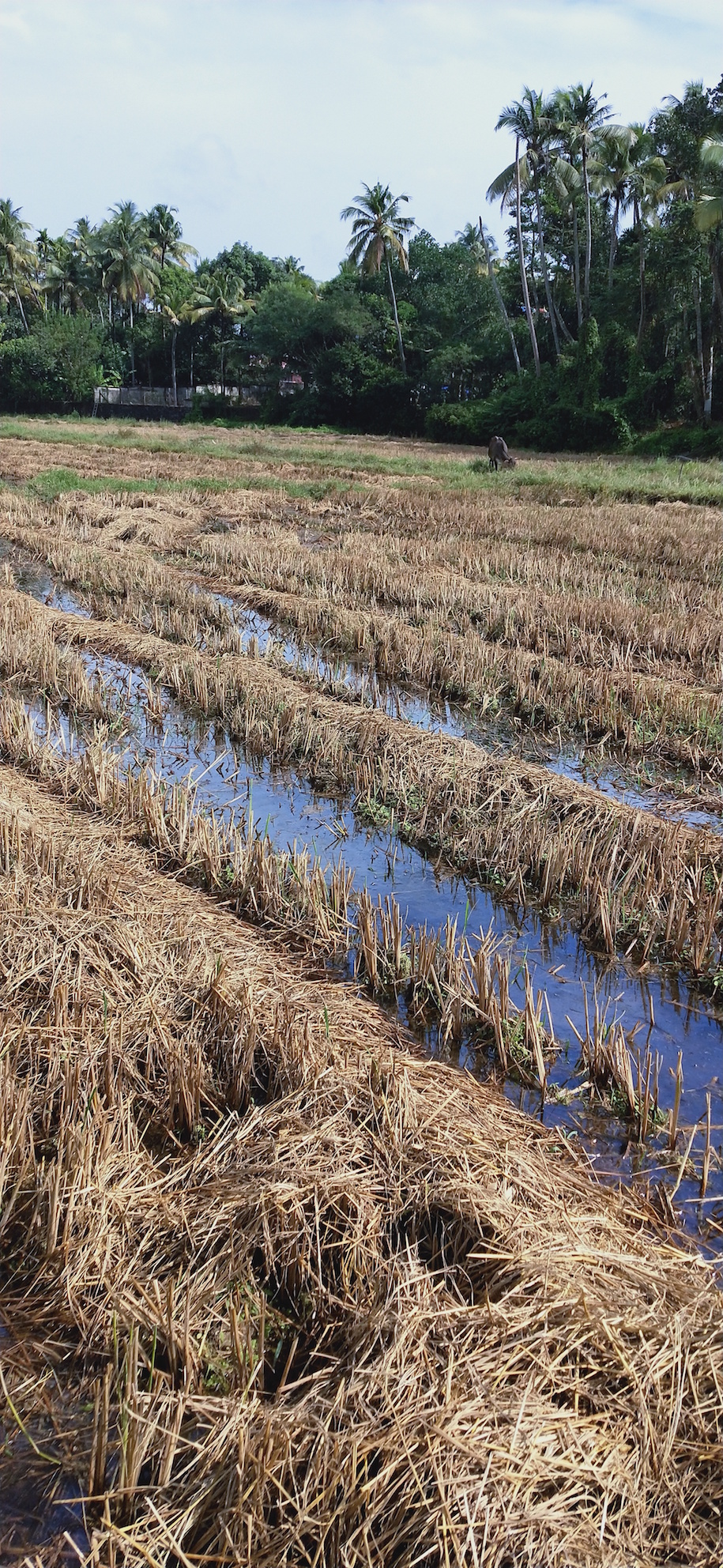
Paddy farming in times of climate change – field notes
Guest Article by Dr. Sreeja KG and Dr. Madhusoodhanan CG
January 6, 2021– An unexpected turn of the weather in the afternoon. Rain clouds gathered from the east and a sudden downpour that lasted through the evening. Heady smells of slaked earth and a welcome respite to the day’s heat. The joy of the surprise shower overshadowed by the worry of harvested paddy in gunny sacks stacked on the field bunds. The paddy which had dried to the satisfaction of the procurement agency’s rigorous moisture tests, is now again wet. Drying it will be an added, unforeseen expense.
Continue reading “Paddy farming in times of climate change – field notes”
