Guest Blog by Shreesai Kharat
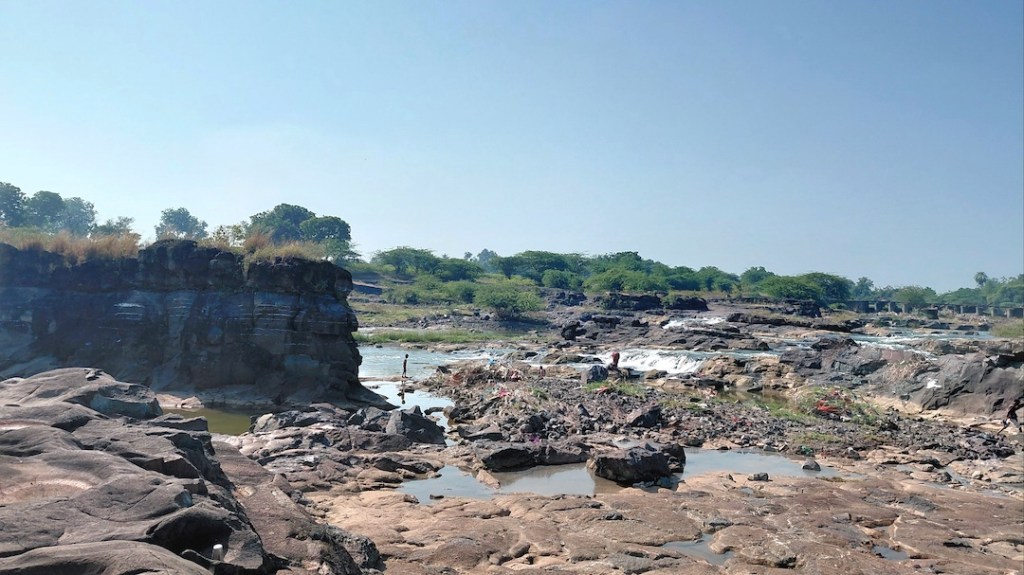
The Anjani River in Maharashtra is a small, seasonal river. It originates near Achalgaon village in the Bhadgaon taluk of Jalgaon District and flows through more than thirty eight villages before it meets the Girna river, and soon after at very short distance, to the Tapi river, which make a tri-confluence (Triveni Sangam) of these three rivers near the Rameshwar temple. Though Anjani is not a perennial river, it carries water for close to eight months of the year because of the string of small check dams built in the river 7 to 8 years ago. There is no large industry sitting on its banks, which is why very little pollutants enter the river, but are increasing nowadays.
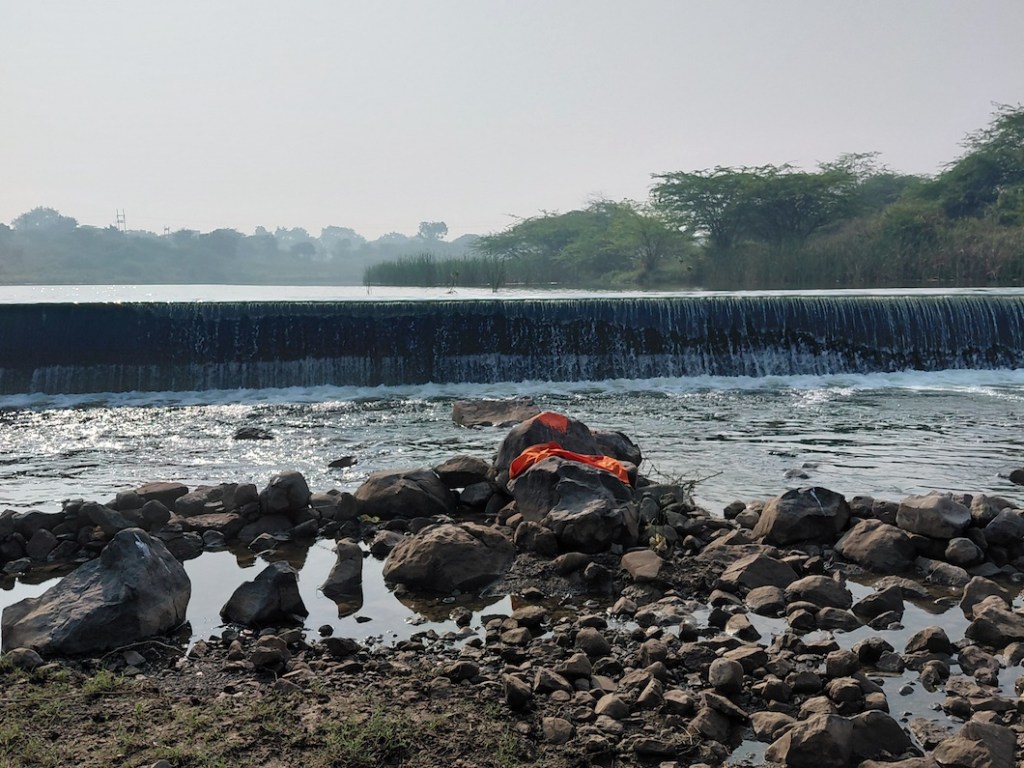
Anjani River That Supports so many Lives
Along its banks, Anjani supports very different lives and their livelihoods. Farmers get its water for their crops. Bhil fishers get fishes for their subsistence along its banks in the evenings. In Sonwad village downstream, a potter community depends on the clay to make their pottery products. And in Waghlud Khurd, a stone artisan community called Patharvat, also known as Shilpkar, has spent generations crafting the stone found in the Anjani riverbed. This is their story.
Patharvat families are landless, and their homes are a little outside of the village, but closer to the river. For them, the riverbed is not simply a source of raw material. They say it is a resource for their life as they don’t have their own farm, land or any other capital.
None of the stone artisans has learned this craft in a classroom. “Khadaan hich aamchi shaala hoti,” (The quarry was our school), said Devidas Patharvat, who has spent nearly three decades working in this riverbed. He never learned to read fluently, he says, because there was never any spare money at home for schooling. His father used to take him to the river instead, to watch, learn, and help in the craft work from his childhood.
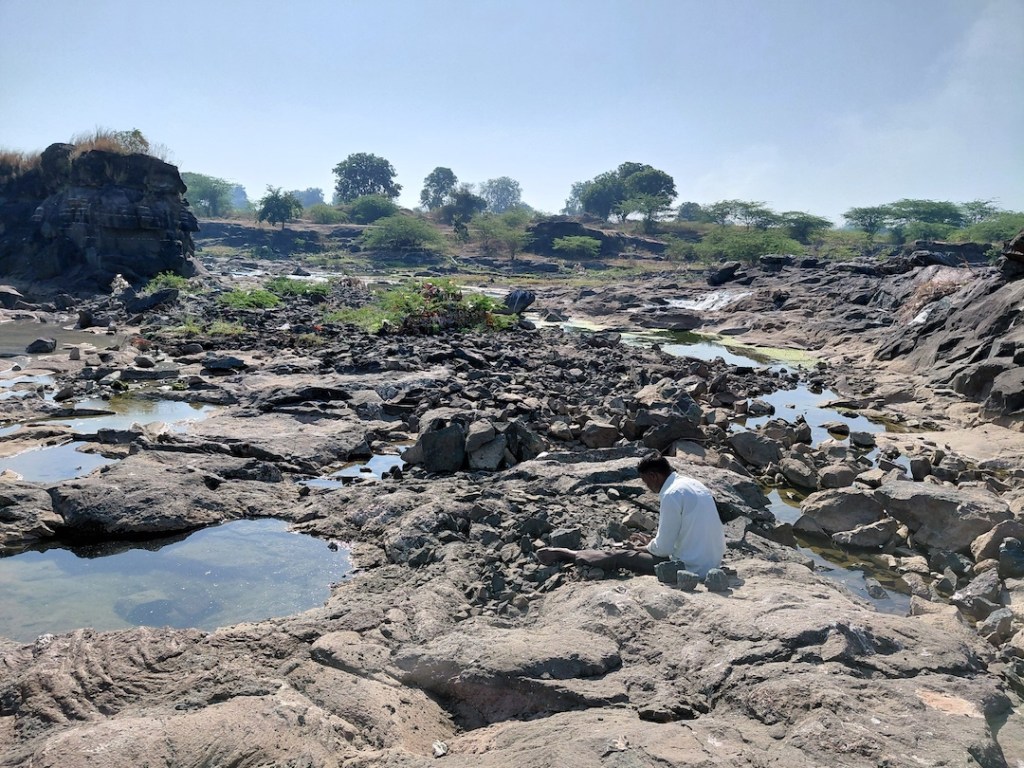
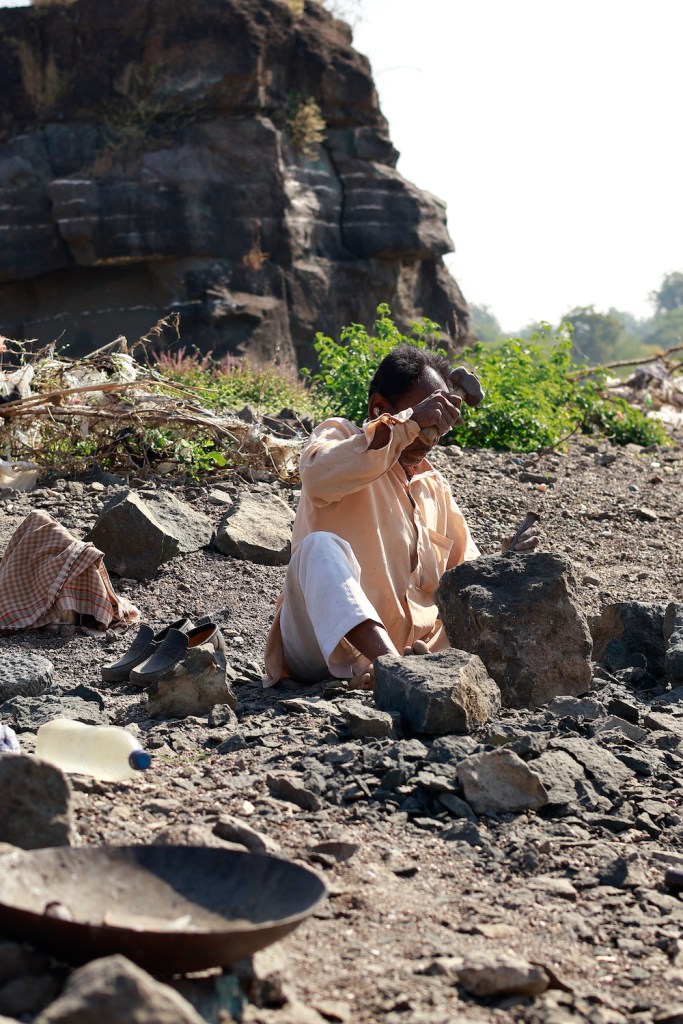
The Patharvat trace their craft to story of a shared that also connects them to other artisan communities of this region. Ananda Patharvat, a stone contractor from Chawalkheda said: in the court of Vishwakarma, the artisan-god of Hindu tradition, five craftsmen were once asked to each pick up one of five buckets, and whichever bucket a man chose decided the trade his descendants would follow. The one who picked the stone’s bucket was given the stone work. The one who picked gold became a goldsmith. And the one who picked clay became a Kumbhar (Potter)- the community of potters who lives a little downstream in Sonwad, and depend on the very same river, for a very different reason, i.e clay along its bank.
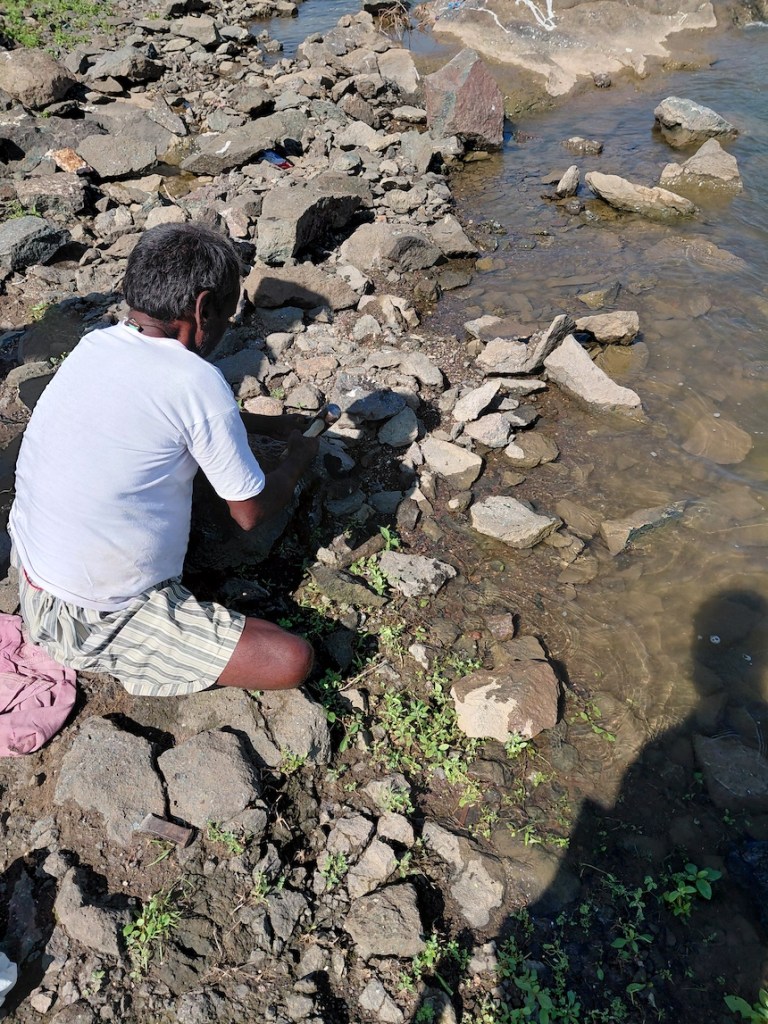
Over the years spent at the riverbed, these stone artisans understood the landscape to the extent that by just tapping a stone with a small hammer they can tell, whether it will hold as a grinding stone or crack under the chisel (channi). Their reading of the riverbed is based on such observations. They understand the strength of stone in the riverbed based on how fast or slow the river is flowing.
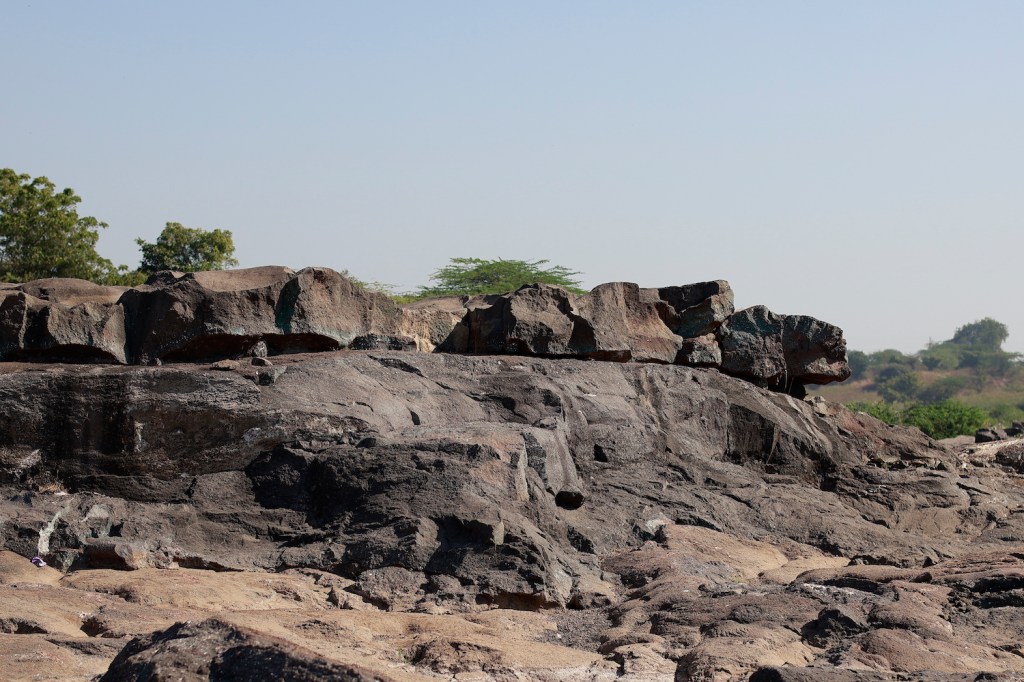
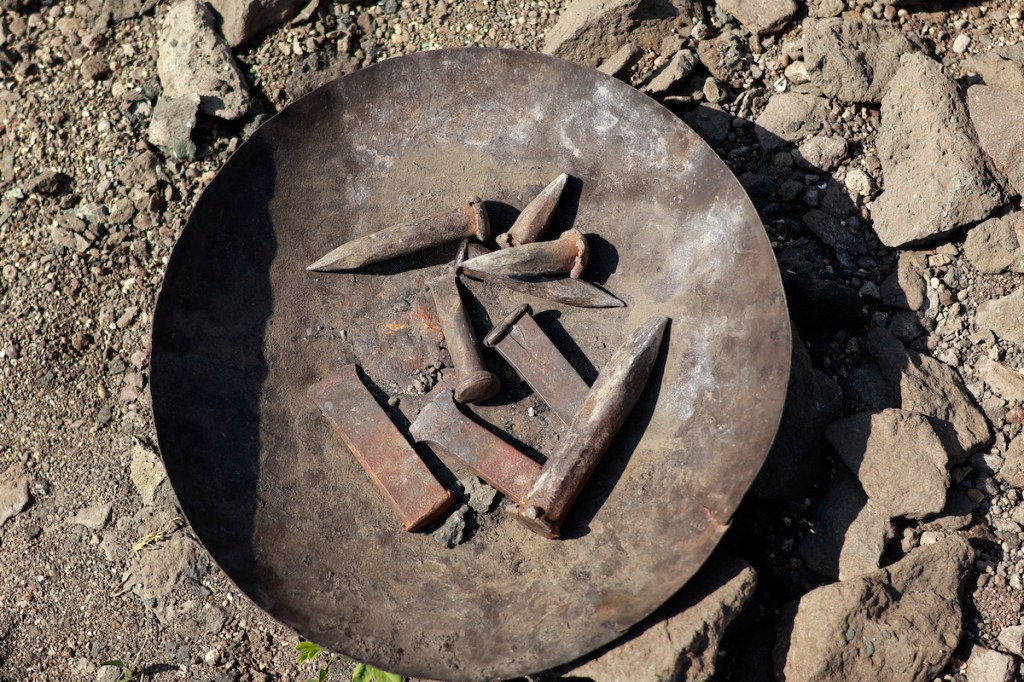
Even their work patterns in different seasons are according to river conditions. Before the monsoon starts, artisans blast and carry home as much stone as they can, because once the monsoon rain arrives, water level in the river increases and the riverbed disappears under water for the whole season. But during the rest of the year, when the river water levels are not high, they all work at the Khadaan (Quarry).
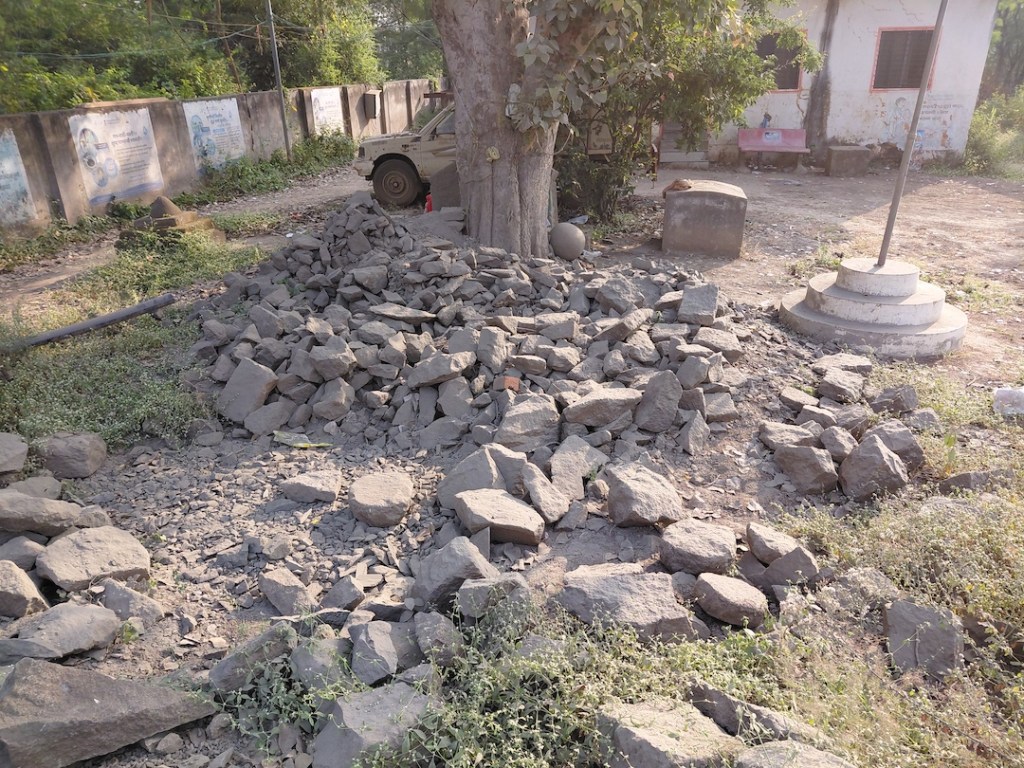
Getting the stone from the riverbed is done entirely by hand, drilling a small hole, packing it with gunpowder and then doing a blast. Once the stone is removed from the riverbed, it still has to be shaped by hand till it becomes something useful, that someone will actually want to buy.
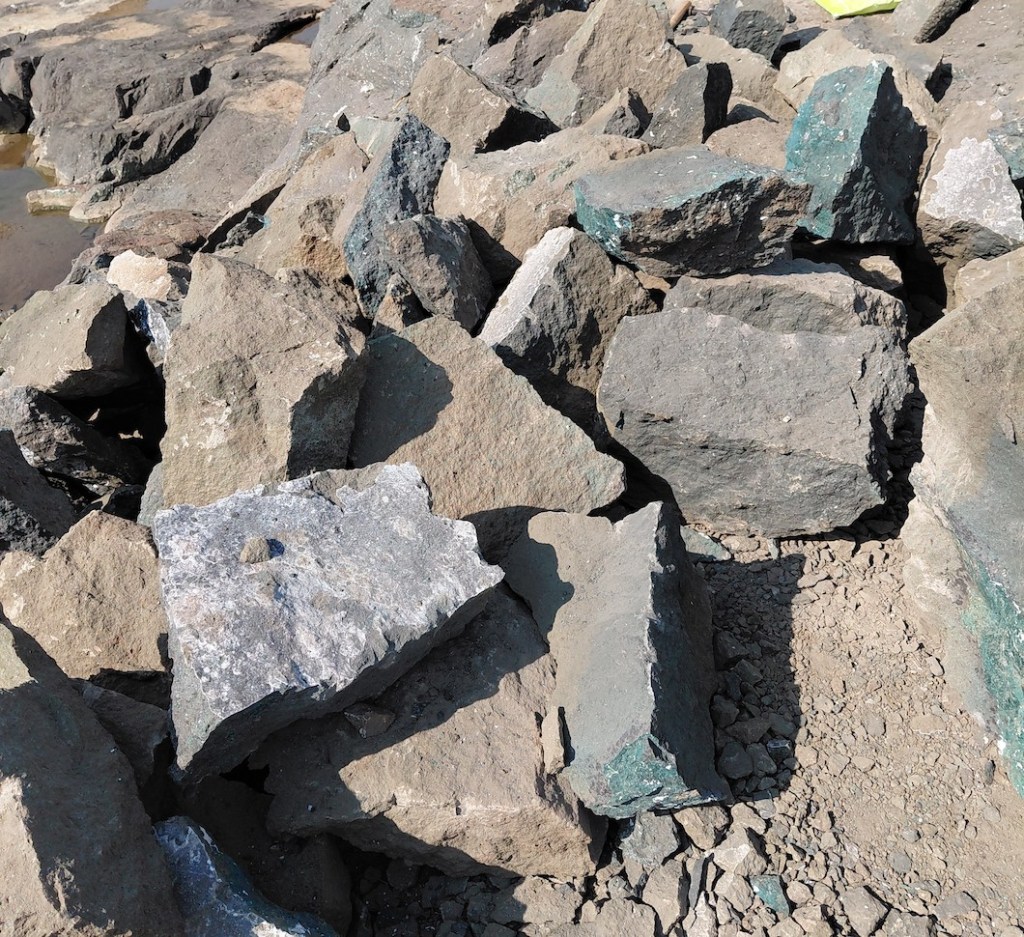
What the River and Riverbed Gives?
From the stone found in Riverbed, the stone artisans make: The pata-varvanta, a flat grinding stone once used in every kitchen for grinding grains and making chutney. The ukhal-musal, a mortar and pestle. Small stone diyas that sell for fifty to two hundred rupees depending on size. Idols of Ganpati, Vitthal, Nandi, and Mahadev for home shrines and temples. Flat stone slabs for washing clothes by hand, made less often now but still made when someone asks. And for families who have lost a young, unmarried son, a memorial stone called Munjya, which can sell for two to three thousand rupees.
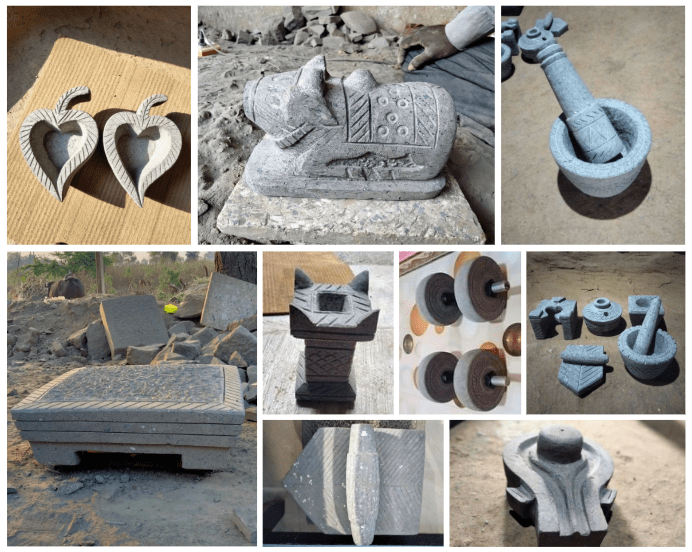
A large, well finished grinding stone sells for five to six hundred rupees today. It used to sell for fifty or hundred rupees when today’s older artisans were young. In digits, this looks like a big rise, but against how much everything costs now, most artisans say it barely covers the efforts they put in making craft products.
Much of what they make does not sell from their village. They need to take it in jatras andthe seasonal fairs that move in the nearby region. Many Patharvat artisans carry their craft products to the Famous Sarangkheda Chetak festival near Shahada each December, timed with Dutta Jayanti. Many of them sell small stone lamps to shopkeepers in Amalner and Shirpur, and people living there buy them from shops. For many artisans, these few weeks around a fair are the only real season to earn. The rest of the year, very little sales of their products happen.
Khadaan is More Than a Workplace
The Patharvat’s relationship with the Anjani is not only about stones they get for their craft products. Along a stretch of riverbed their lives are tied. The riverbed and khadaan (quarry) are places of worship, memories and belongingness for the community. The whole community and their families have worked together, have shared their joys, sorrows, and resilience together. No-one sees the riverbed just as a place of extraction.
Why Has the Riverbed Gone Quiet Today?
The Patharvat community shared that reasons for the decline in stone art are not connected with any changes in the river or the stones. What has disappeared in the last few years is the market demand for products they make.
Concrete has replaced stone in almost every part of house construction that once needed a Patharvat’s work, from door frames to foundation stones. The mixer grinder has replaced the pata-varvanta and ukhal-musal in most kitchens. Contractor systems emerging for roads and railway lines related work have replaced the supply of gravel (gitti) that local Patharvat labourers used to get a few years before. When contractors do take up stone-related government work now, they increasingly bring in their own labour, including Bhil workers from nearby villages hired for a day’s wage, rather than sourcing it from local Patharvat artisans as they once did. Now the stone construction of temples or statues or any monuments are also being given to contractors, and they bring their own labour, machinery and stone.
In Waghlud, where fifty families once worked on this stretch of riverbed together, only eight to ten households continue the work today. Ananda Patharvat, who used to handle stone work related contracts with gram panchayats shared that the whole patharvat community used to work around the river throughout the day, sharing meals, sharing work and sharing the riverbed together. Today, most of the youths in those families have migrated to cities like Pune, Mumbai, or Surat in search of jobs, and others are doing whatever daily wage work available around their village.
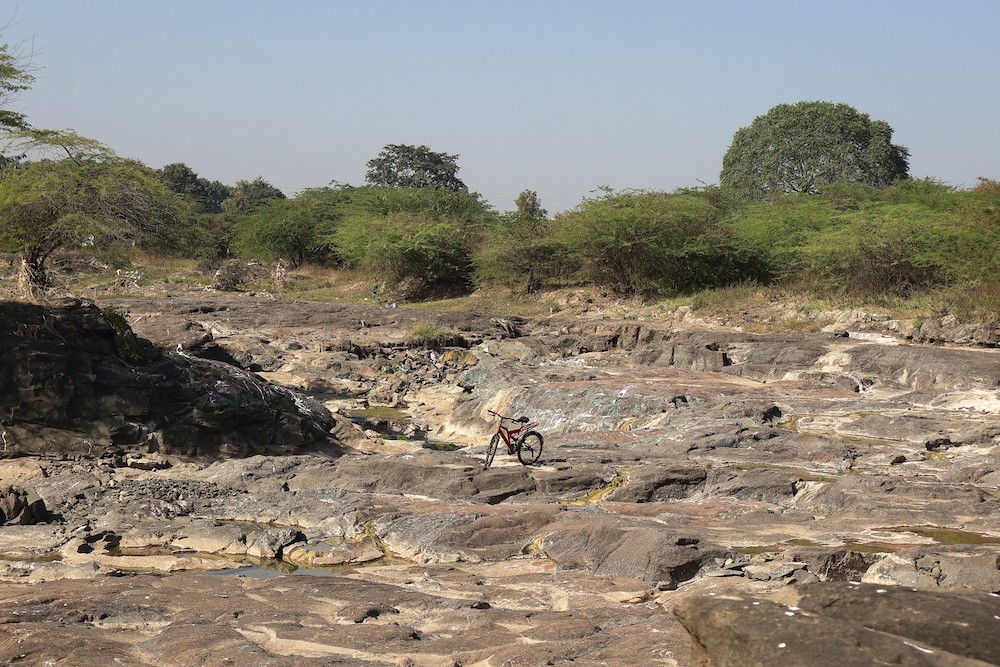
Women were part of that riverbed workers community too, though how much stone work they did is remembered differently by different artisans. Some say women mainly carried tiffins, fetched water, and washed clothes at the ghat while the men worked with the stone. Many shared about women carrying blasted raw stones and finished stone products back to their homes. Others recall women breaking gravel by hand for road and railway, before crushing machines took over that work in recent years. What nobody disputes is that the riverbed was, until recently, a shared family space for women, children, and men present through the work days; and almost none of that remains today due to the changes in market demand.
Nobody Wants Their Children to Learn The Craft
Today no artisan wants their children to continue the stone art. Many of them have not taught the craft to their children, because they feel if the art products are not going to sell then how they will earn some money.
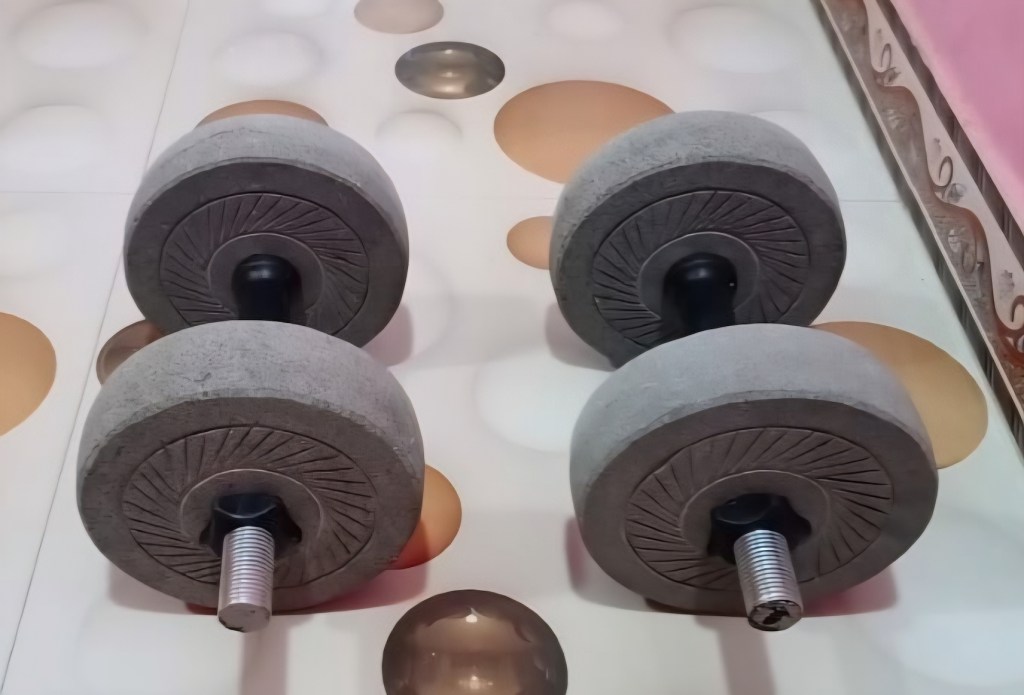
But not everyone from them is simply letting it go without making any effort. As the market demand has changed, one artisan started making gym dumbbells out of riverbed stone. His willingness to shift and try something very new in craft shows that they still want the craft to survive.
What Is Really at Risk
The Patharvat artisans in the Anjani River Basin have the traditional knowledge of stones and riverbeds that exist nowhere else. They have managed and governed the resource informally for generations. There is no fence around this quarry, nor a single person who owns any part of it. Anyone from the community can work anywhere along the stretch. It is, in every sense, a commons, a shared resource governed by nothing more than old custom and mutual understanding. When a resource like this loses the people who depend on it, something more than a livelihood is lost with it.
The patharvat community in Anjani River Basin is slowly losing their craft and with it they are also losing their connections with the river; not by choice, but because changes in the market are pushing them out in search for alternative livelihood options. If the changes happening around them are not addressed, then the traditional stone art, intergenerational knowledge, and deep river-community bond may disappear soon.
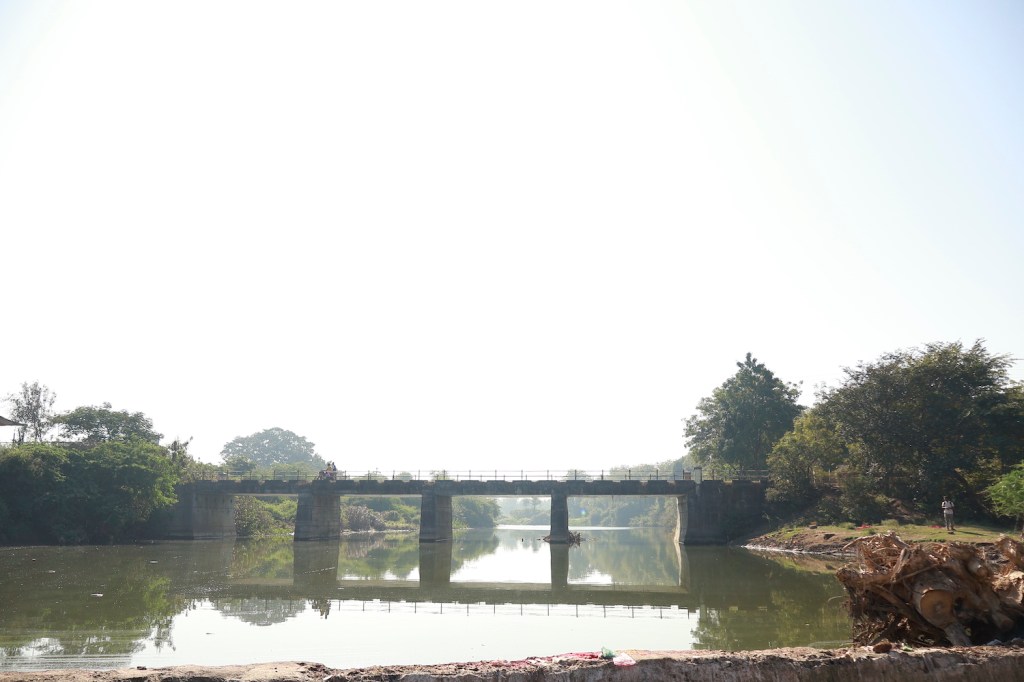
For the artisans, today, their livelihood is declining, the emotional tie to the river that sustained it tends to weaken with it. If Anjani have community stewards noticing a dying stretch of river, an encroachment in its flood plain, or a blocked channel, and say or do something about it, they will most likely be the people whose daily life still depends on the river noticing it first. That, in addition to the stone or the craft, may be the loss happening at Anjani’s riverbed today.
Shreesai Kharat (shreesaikharat@gmail.com, is a Development Practitioner, and is working on issues around rivers and water.)


