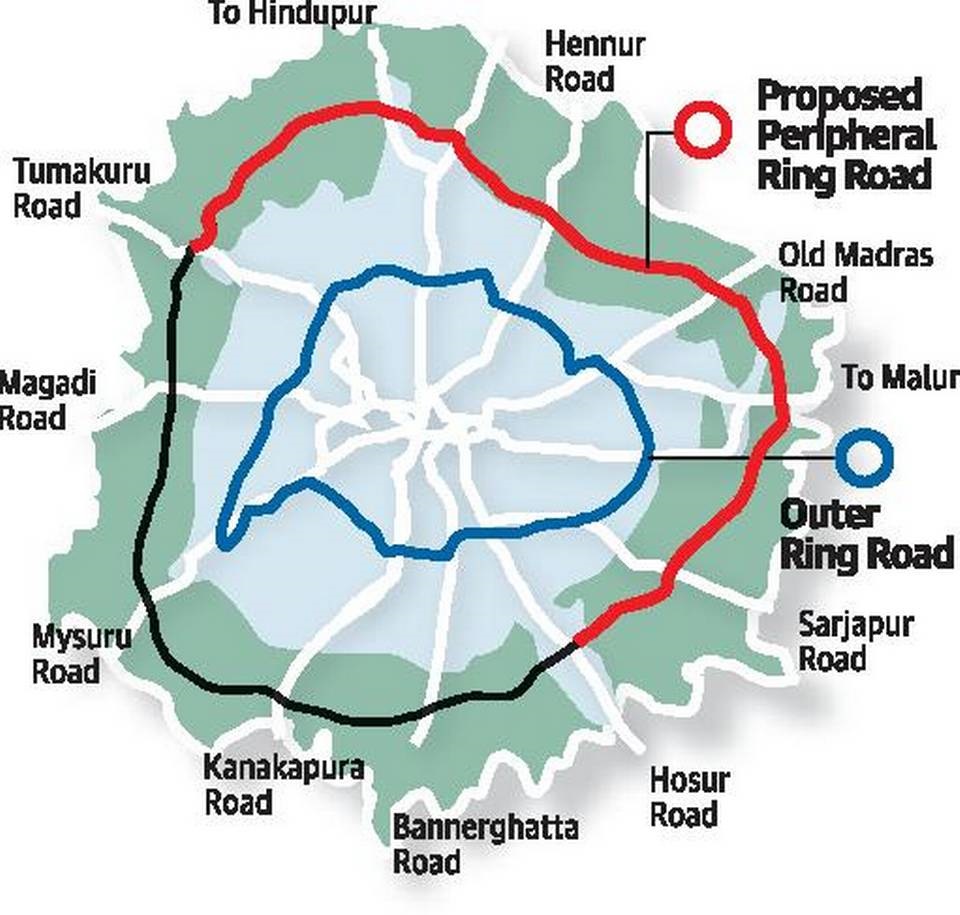
The Supreme Court order asking for fresh environment clearance and fresh Environment Impact Assessment for the Peripheral Ring Road project in Bengaluru is remarkable and most welcome, even though it is not directly related to water issues. The order is relevant since we have yet to find what can be called an honest Environment Impact Assessment (EIA) for River Valley Projects and yet the MoEF’s Expert Appraisal Committee (EAC) on River Valley Projects happily clears ALL the projects that come their way, even with most fraudulent EIAs. We are hoping against hope that this apex Court judgement will be a precursor to many such orders and judgements and general warning against fraudulent EIAs and EACs. We hope it is not too much to ask that the EIA be an honest effort and the EAC that does not reject fraudulent EIAs should also be dumped and members black listed. We hope we have such orders from the judiciary soon.
Continue reading “DRP: 23 March 2020: Welcome SC order asks for fresh EIA: Will Judiciary be equally strong against all fraudulent EIAs?”Tag: Water

World Water Day 2020: Positive Stories from Rural India
The theme for the World Water Day 2020 is ‘Water and Climate Change’. The changing climate has disrupted the water cycle in a number of ways.
The rural areas in India have facing increasing water crisis due to mismanagement, top down government projects, unequal distribution of available resources and now also climate change. However there are several individuals, groups and government initiatives that have led improvement in the situation. We have presented positive water stories from farmers and urban India in earlier WWD 2020 articles. This last compilation in the series presents the positive water actions reported from different rural areas of country in past one year, beginning with top five positive water stories. Continue reading “World Water Day 2020: Positive Stories from Rural India”
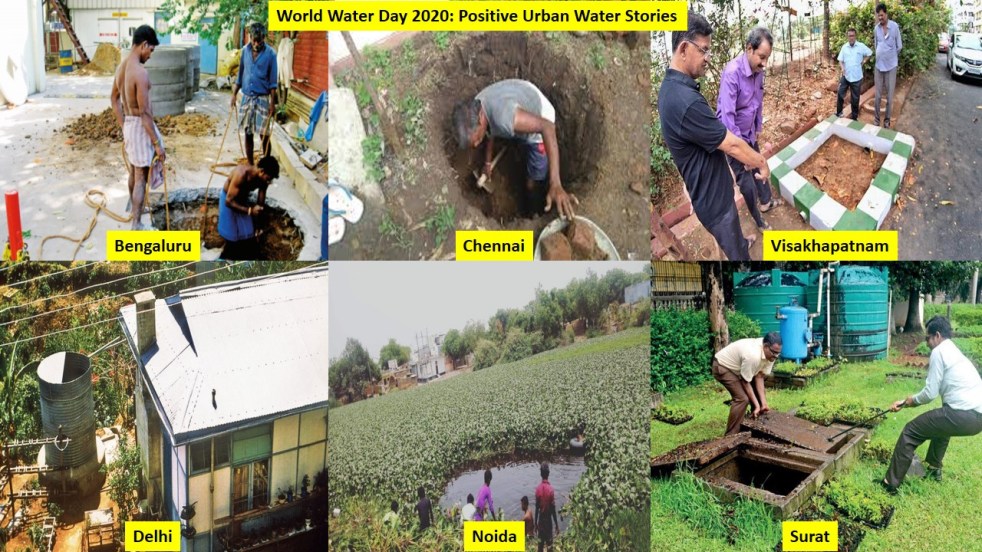
World Water Day India 2020: Top Positive Urban Stories
The theme for World Water Day 2020 is ‘Water and Climate Change’. Indeed the changing climate has been altering the earth weather system including disrupting the water cycle.
Urban areas in India are facing increasingly severe water crisis due to mismanagement of available resources, urban flooding due to blockage and encroachments of drainage channels, pollution of water sources on account of increasing solid and liquid waste. However, there are individual, civil society group and government efforts which have been helping ameliorate the situation with rain water harvesting, pond revival, wells restoration among others. Here is a compilation of positive urban water stories from for World Water Day 2020.
Continue reading “World Water Day India 2020: Top Positive Urban Stories”
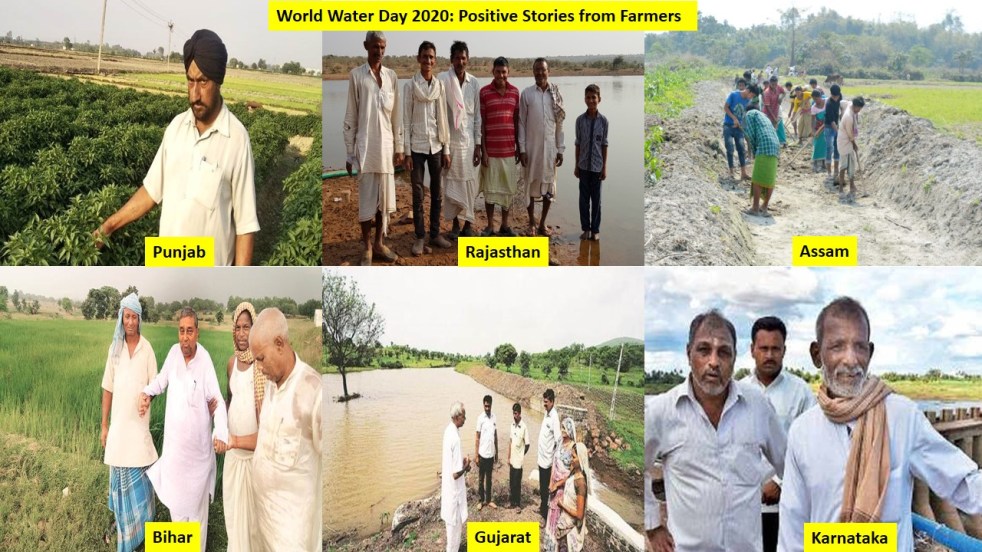
World Water Day India 2020: Top Positive Stories from Farmers
The theme for World Water Day 2020 is ‘Water and Climate Change’. Indeed the changing climate has been altering the weather system in multiple ways. Extreme weather events like flash floods, intense heat, prolonged droughts, intense cold spells striking different parts of the world are increasingly being linked to the climate change. Changing water cycle is a major consequence. The farmers are among the most affected, facing all kinds of water problems including droughts, scarcity, flooding, hail storms, cyclones, unseasonal rains and pollution.
Several initiatives are being taken by the farmers, civil society groups to find right solutions to the water challenges, many of which have brought positive changes. Here we have compiled some such positive water options from the past one year. We hope this can encourage us to look for such community driven water options.
Continue reading “World Water Day India 2020: Top Positive Stories from Farmers”

DRP: 16 March 2020: Invitation to another Kedarnath floods tragedy?
This remarkable TOI report on March 14, 2020 (there was a Hindustan Times Report on March 9, 2020, we found out later: https://www.hindustantimes.com/india-news/scientist-flags-kedarnath-project-worries/story-1DoLBHLeMOmYLI3OPFOq1M.html) says that rampant redevelopments termed as “unabated unscientific work in the valley” around Kedarnath is likely to create dangerous situation leading to 2013 like catastrophe. We could not find report about such an important development in any other media.
But this detailed report, not contradicted by any of the quoted sources, seems sufficient reason to be alarmed by all concerned.
Experts of the Wildlife Institute of India, Wadia Institute of Himalayan Geology, Uttarakhand Space Application Centre (USAC) and even the Principle Science advisor to the Prime Minister K VIjay Raghavan and also the contractors, Woodstone Constructions along with other state and central govt officials were present where officials made some candid presentations. It seems there has been neither any impact assessment studies or clearances for the controversial interventions happening, including 9 km long approach road for Kedarnath on the left bank of Mandakini river, (left band has basically loose glacial sediments and hence is unstable and could get affected by avalanches and landslides) and a massive 50 ft deep and 100 m wide pit just 50 m behind Kedarnath for the Samadhi sthal. MPS Bisht, the Director of USAC in his presentation called the pit an extremely dangerous for future. He asked: “Why are we creating a situation for another disaster like the 2013 tragedy to take place again?” Scientists from the Wadia Institute are quoted saying: “The Road being built to Kedarnath is being made on the most vulnerable of Kedarnath Valley and may any day collapse under the pressure of so many glacier shoots which are directly opening on the road.” Raghavan called these revelations tipping points.
Continue reading “DRP: 16 March 2020: Invitation to another Kedarnath floods tragedy?”
परिक्रमावासियों से नर्मदा मैया को प्लास्टिक कचरा मुक्त बनाने की अपील
Guest Blog by Jubin Mehta
मैंने और मेरे साथी ने 25 नवंबर 2019 से 25 फरवरी 2020 का समय नर्मदा परिक्रमा के दौरान नदी किनारे यात्रा करते हुए व्यतीत किया। करीब 90 दिनों तक चली इस परिक्रमा में हमने कुछ 2500 किमी की पदयात्रा और शेष लगभग 1000 किमी का सफर गाड़ी से किया। बड़ा ही सुन्दर अनुभव रहा- किनारे पर बसे हुए लोगों का भाव, मंदिर और आश्रमों की सेवा और नर्मदा मैया के चमत्कार ने ह्रदय को निर्मल कर दिया और मन को भी एक अद्भुत सी शान्ति से मिली।
Continue reading “परिक्रमावासियों से नर्मदा मैया को प्लास्टिक कचरा मुक्त बनाने की अपील “
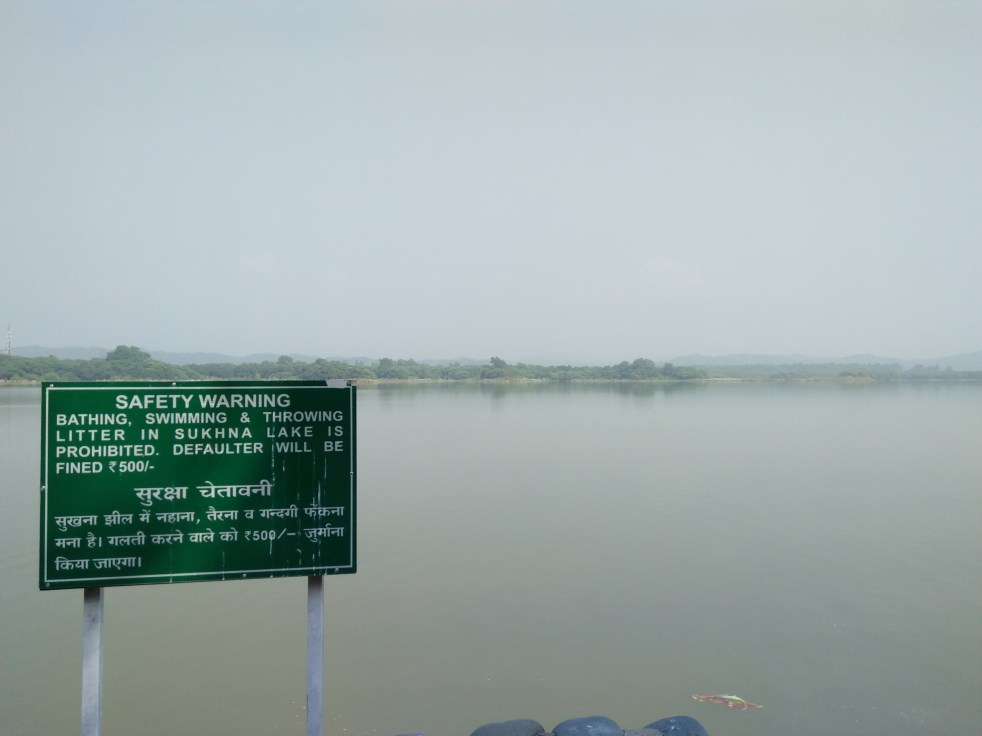
DRP: 9 March 2020: High Court Directions for Sukhna Lake
The March 2, 2020 directions of Punjab and Haryana High Court for the sustained conservation of Sukhna wetland are welcome, though the directions are likely to be appealed against in the Supreme Court, considering the far reaching implications of the lake. One hopes the Supreme Court takes a view that helps sustain the Sukhna lake and the wetlands in a confidence inspiring way.
Punjab & Haryana HC Issued Slew Of Directions For Protection Of Sukhna Lake. https://www.livelaw.in/news-updates/punjab-haryana-hc-issues-slew-of-directions-for-protection-of-sukhna-lake-in-chandigarh-read-judgment-153386 (2 March 2020)
This is a far reaching judgement on protection of watersheds, water bodies. Any government authority which ignores the environmental damage caused by unplanned development will have to face the music. The court also declared all commercial, residential and or other structures constructed in the catchment area falling in the areas of Punjab, Haryana and Chandigarh as delineated in the map prepared by the Survey of India on 21.9.2004 were declared illegal and unauthorised and ordered to be demolished within three months. https://www.thehindu.com/news/national/hc-declares-chandigarhs-sukhna-lake-living-entity-fines-punjab-haryana-100-cr-each-for-damaging-catchment-area/article30969711.ece (03 March 2020)
Continue reading “DRP: 9 March 2020: High Court Directions for Sukhna Lake”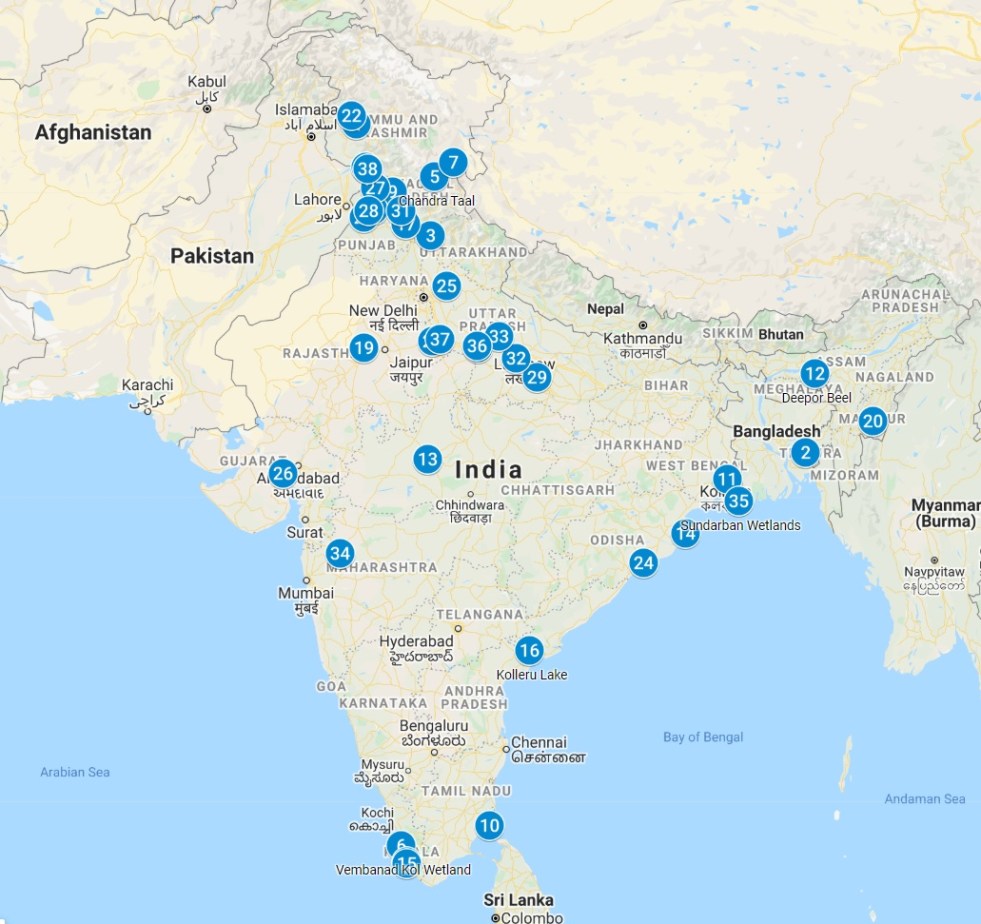
India Ramsar Wetlands in Crisis in 2020
Ramsar wetlands in India require urgent intervention for central, state governments and Ramsar Convention as this 2020 report shows. The five regional reports from India in 2020 show that despite Ramsar tag, the fate of these wetlands has seen no marked improvement. This raises the question as to how helpful for wetlands in India is the Ramsar tag.
In 2019, India has added 10 more wetlands selected under Ramsar Convention taking total number of Ramsar wetlands in the country to 37 covering about 10,679.39 sq km area across 15 different Indian States and two Union Territories (UTs). A description of each of India’s 37 Ramsar wetlands, as given on official Ramsar website is given in Annexure below. A decade after the first meeting at Ramsar in Iran for wetland protection in 1971, India got its first wetlands, Chilika lake (Odisha) and Keoladeo National Park (Rajasthan) registered as Ramsar wetland of global significance in Oct 1981.

Ramsar Wetlands in Crisis 2020: South India
Out of six states/ Union Territory in South India, three stares have five Ramsar wetlands sites which include one each in Andhra Pradesh and Tamil Nadu and three in Kerala. There are no Ramsar wetlands in Telangana, Karnataka and Puducherry. In order to understand and highlight the present day situation of Ramsar sites in India, SANDRP has compiled information on all 37 wetlands under North, West, North East and East zone. This account in the series describes the threats affecting the Ramsar sites in South Indian States.
Continue reading “Ramsar Wetlands in Crisis 2020: South India”
DRP: 2 March 2020: Will Mumbai rise up against unwanted, destructive Gargai Dam?
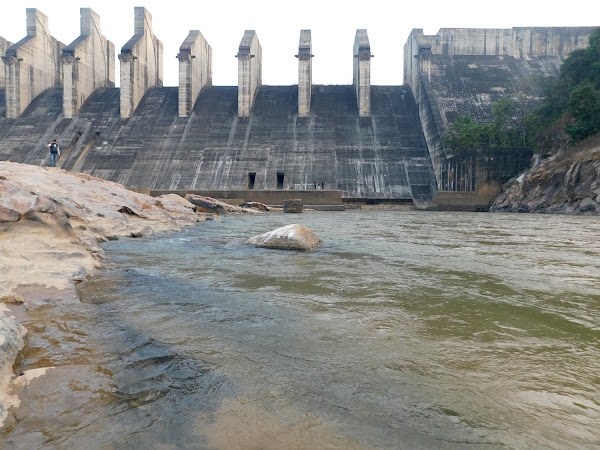
Mumbai Metropolitan Region (MMR), with annual rainfall in access of 2000 mm, does not do much to harvest the rain. It does not protect its local water bodies. It does not recharge groundwater to the extent it can easily do. It does not reduce its transmission and distribution losses. It does not treat its sewage to recycle and thus reduce freshwater demand. It does no demand side management. And yet it keeps demanding more water, and for that building of more dams and thus pushing more destruction. Without any credible options assessment. It has no water policy or water vision for smart water management.
The proposed Gargain Dam that will lead to destruction of over four lakh trees in 720 ha forest mostly in Tansa Wildlife Sanctuary, is a good example of how Mumbai is fuelling such dam building and destruction. The Rs 3105 Cr project will have many other impacts, including displacement of tribals and destruction of livelihoods for thousands others. As SANDRP report showed six years ago, (https://sandrp.in/2013/12/20/dams-in-tribal-areas-of-western-ghats-for-water-supply-to-mumbai-why-are-they-unjustified/, https://sandrp.in/2013/12/18/multiple-dams-for-mumbai-region/) and as our letter to the then Maharashtra Chief Minister emphasised in 2015 (https://sandrp.in/2015/01/13/water-smart-mumbai-open-letter-to-cm-devendra-fadnavis/), MMR region does not need any of these dams.
It was good to see MID DAY news paper report and EDIT highlighting some of these issues. Will the people of Mumbai Rise up, to stop this destructive dam, being pushed in their names, the way they stood up to save the far fewer Aarey Milk Colony trees?
Continue reading “DRP: 2 March 2020: Will Mumbai rise up against unwanted, destructive Gargai Dam?”
