Dams · DRP News Bulletin

DRP: 27 April 2020: For whom is this unviable Etalin project being pushed?

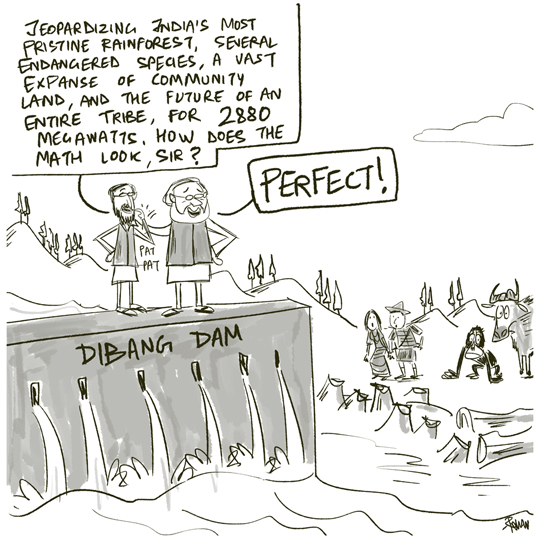
In the ongoing debate on forest clearance for the controversial Etalin Hydropower project in Dibang Valley in Arunachal Pradesh between the Forest Advisory Committee, The Hindustan Times’s consistent reporting and Sanctuary magazine launching a campaign along with others, one (of the many) key question that remains unanswered is: for whom this economically (in addition to socially, environmentally and from climate change perspective) unviable, massively expensive project being pushed in a power surplus country?

Electricity from hydropower projects is no longer economically viable, since cheaper options are available. Some misguided people are claiming virtue in hydropower project claiming it provides peaking power. The fact is India is today not only power surplus, the peak power deficit has been just around 1% or less for long time. This when there is no attempt to either monitor as to how much of the electricity produced from existing hydropower projects provides peaking power, nor is there any attempt to achieve optimisation of operation of existing hydro projects to produce maximum possible hydropower. Nor is there any attempt to even manage the peaks either through pricing or other policy measures. In such a situation there is clearly no justification for more hydro for peaking. Moreover, the storage option is becoming increasingly cost effective, reducing the peaking power needs. So then for whom this project whose cost won’t be less than Rs 30000 crores at most conservative estimates, being pushed? The contractors, the equipment suppliers, the hydro lobby, the consultants, the timber lobby, the dam lobby, or the kickbacks?

Continue reading “DRP: 27 April 2020: For whom is this unviable Etalin project being pushed?” →
Dams · DRP News Bulletin

DRP: 13 April 2020: Check dams revival in Dakshina Kannada

Zilla man, students revive check dams For the first time in decades this February, Sundara Gowda, a 55-year-old farmer in the Dakshina Kannada district, doesn’t have to spend Rs 6,000 to mine water. In the past he has had to hire an earthmover to do the digging because the rivulet that runs by his farm would dry up. This year, to his surprise, the rivulet, a tributary of the Phalguni river, didn’t dry up. Miraculously, it had plenty of water. A check dam had been built upstream at Paldyaru.

The check dam was one of many such structures built by Paljal Dharanendra Kumar, a zilla parishad member from Venoor village, with the help of student volunteers. The check dams have resulted in water in the river rising six feet for a distance of 2.5 km. The river now has 90 million litres of water and rivulets which used to run dry have come back to life. Dharanendra and his student volunteers have been zealously building check dams, called kattas, from December to February. The dams have been built at absolutely no cost to the exchequer.  https://www.civilsocietyonline.com/environment/zilla-man-students-revive-check-dams/  (24 March 2020)

Continue reading “DRP: 13 April 2020: Check dams revival in Dakshina Kannada” →
Dams · Rivers

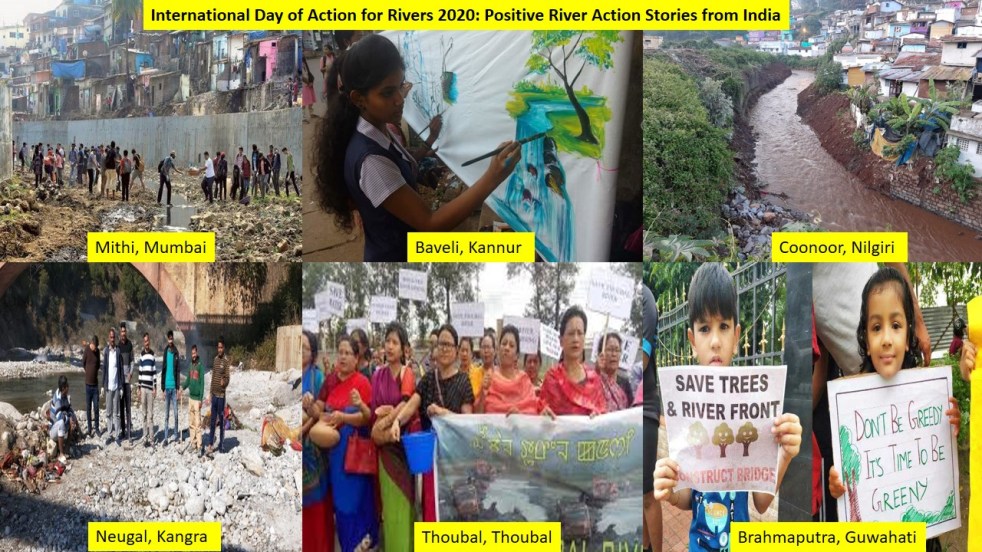
International Day of Action for Rivers 2020: Positive River Stories from India

On the occasion of International day of action for rivers which is annually celebrated on March 14, SANDRP put together some positive citizens and community led actions taken in last one year to protect and revive the rivers in different parts of India.

Continue reading “International Day of Action for Rivers 2020: Positive River Stories from India” →

Dams · DRP News Bulletin

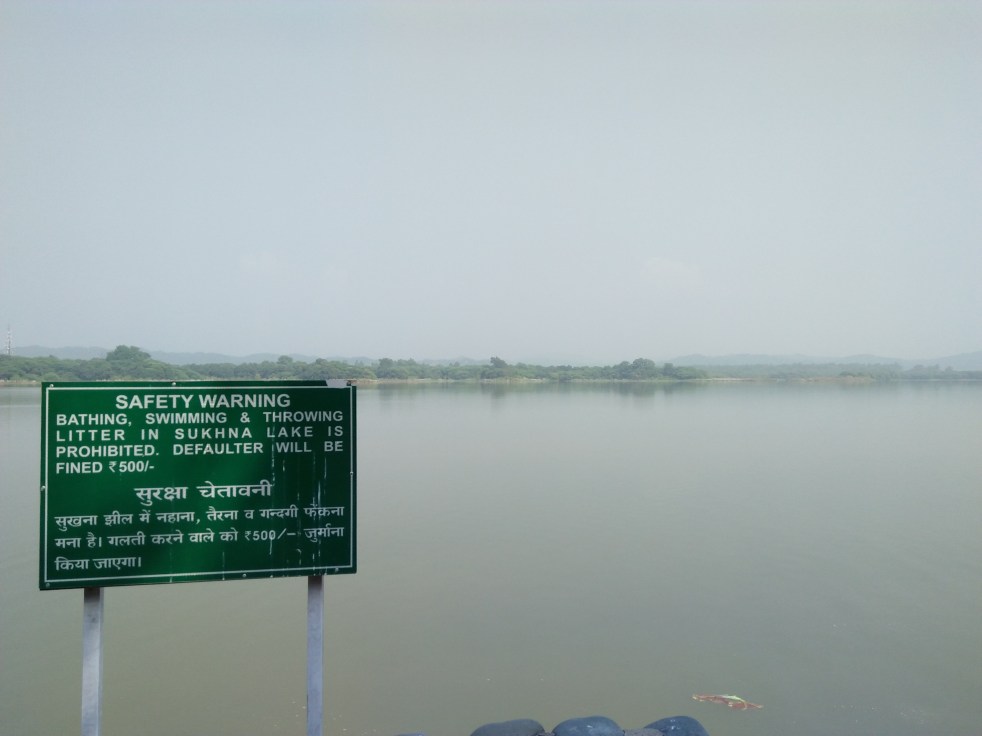
DRP: 9 March 2020: High Court Directions for Sukhna Lake

The March 2, 2020 directions of Punjab and Haryana High Court for the sustained conservation of Sukhna wetland are welcome, though the directions are likely to be appealed against in the Supreme Court, considering the far reaching implications of the lake. One hopes the Supreme Court takes a view that helps sustain the Sukhna lake and the wetlands in a confidence inspiring way.

Punjab & Haryana HC Issued Slew Of Directions For Protection Of Sukhna Lake. https://www.livelaw.in/news-updates/punjab-haryana-hc-issues-slew-of-directions-for-protection-of-sukhna-lake-in-chandigarh-read-judgment-153386  (2 March 2020)

This is a far reaching judgement on protection of watersheds, water bodies. Any government authority which ignores the environmental damage caused by unplanned development will have to face the music. The court also declared all commercial, residential and or other structures constructed in the catchment area falling in the areas of Punjab, Haryana and Chandigarh as delineated in the map prepared by the Survey of India on 21.9.2004 were declared illegal and unauthorised and ordered to be demolished within three months. https://www.thehindu.com/news/national/hc-declares-chandigarhs-sukhna-lake-living-entity-fines-punjab-haryana-100-cr-each-for-damaging-catchment-area/article30969711.ece  (03 March 2020)

Continue reading “DRP: 9 March 2020: High Court Directions for Sukhna Lake” →
Dams · Wetlands

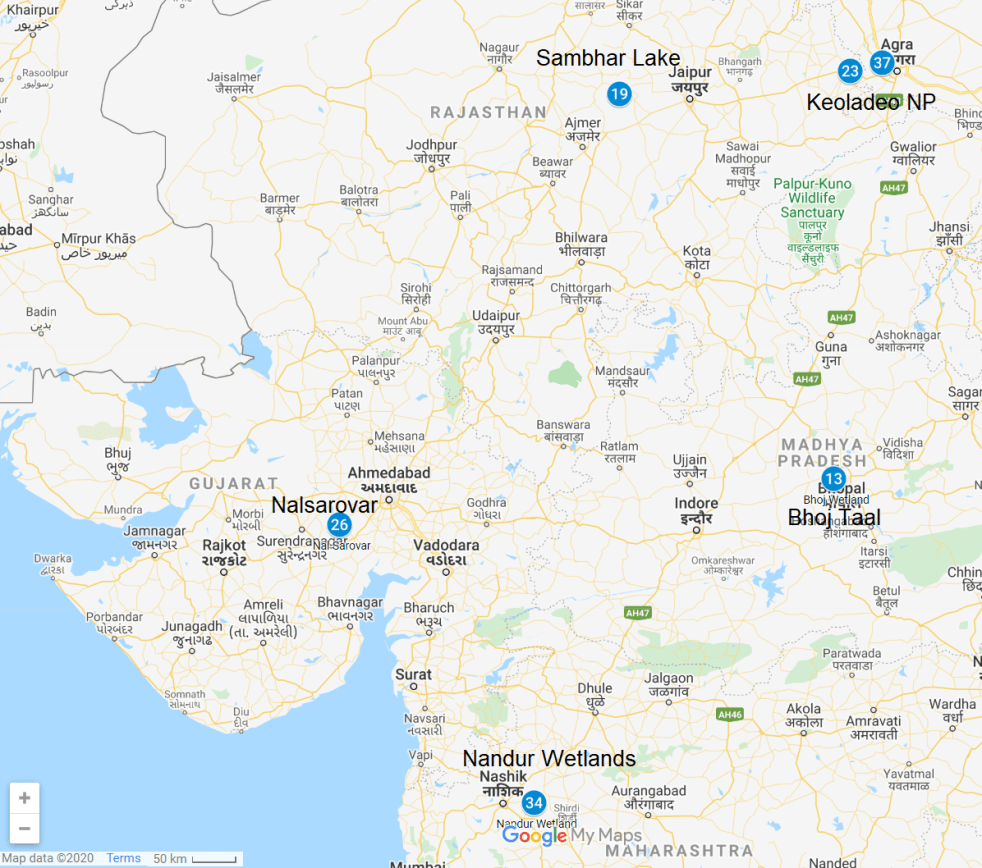
Ramsar Wetlands in crisis 2020: West India

The four state of West India have only five Ramsar sites of international importance. These includes Sambhar lake and Keoladeo NP in Rajasthan, Nalsarovar in Gujarat, Bhoj Taal in Madhya Pradesh and Nandur Madhmeshwar Wetlands in Maharashtra. There is no Ramsar site in Goa state.

Continue reading “Ramsar Wetlands in crisis 2020: West India” →

DRP News Bulletin

DRP: 3 Feb 2020: Some welcome news on Pinjal & other dams

A number of welcome developments around dams appear in this week’s DRP News Bulletin from SANDRP. The prominent is the Brihanmumbai Municipal Corporation declaring that it may not need Pinjal Dam, which SANDRP had said in its report way back in 2012-13 and the then BMC commissioner had agreed to in an interview to NDTV. This should also lead to cancellation of the Damanganga Pinjal River Link proposal. The Maharashtra govt decision to review the need for Human dam is also welcome. The Kerala State Information Commissioner’s decision to direct that the Dam Break Analysis should be in public domain is also a useful precedent that all states and CWC need to follow immediately and also amend the proposed Dam Safety Act to include a provision that all Dam Safety related information, including meeting minutes, agenda, decisions, status reports etc will be in public domain.

Continue reading “DRP: 3 Feb 2020: Some welcome news on Pinjal & other dams” →
Sand Mining

Madhya Pradesh River Sand Mining 2019: Rivers mined Dry; Govt not bothered

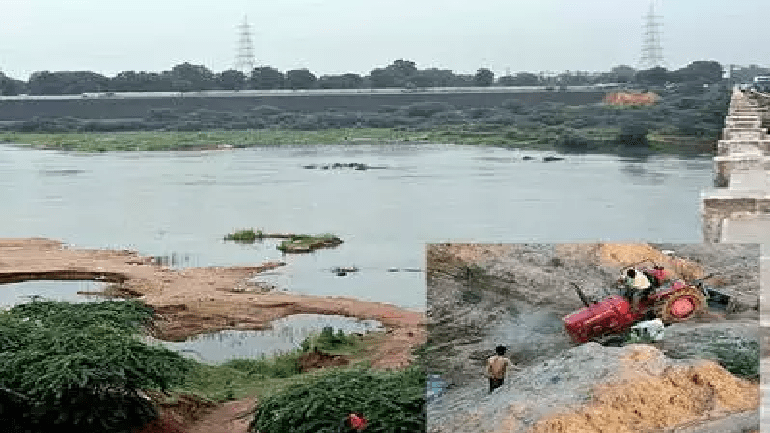
The residents of villages abutting the sanctuary see sand mining as an important livelihood option because agriculture in the arid region is neither productive nor dependable. (HT Photo )

Madhya Pradesh is at the forefront of illegal sand mining activities. There have been violent attacks on government officials, reporters and villagers in recent years. The year 2019 saw change in state government and concerned people were hopeful that things will turn better now. However this overview shows not much have changed for rivers and people while attacks and fatalities continued in 2019.

Continue reading “Madhya Pradesh River Sand Mining 2019: Rivers mined Dry; Govt not bothered” →

DRP News Bulletin

DRP: 13 Jan. 2020: We need new river management

With the beginning of New Year, there have been several media reports highlighting the river revival works and floodplain protection efforts going on in different parts of country. While the community driven efforts with active support from administration and experts to revive Kasal Odha in Solapur and bring back Old Lakhandei river in Sithamarhi have been bearing fruits. The civil societies, judiciary and administration have also taken steps to protect the floodplains of Ramnadi, Indrayani, Hindon rivers.

The artificial pond efforts by NGT panel and Delhi government have also shown positive results in preventing the pollution from idol immersion pollution reaching the Yamuna river. Similarly the CPCB has raised the issue of Mahi river pollution by industries in Central Gujarat. The Karnataka High Court questioning the authority and fund collection mechanism by Isha Foundation for Cauvery Calling initiative is particularly significant. While revival of rivers is imperative task, the accountability and transparency cannot be set aside.

Continue reading “DRP: 13 Jan. 2020: We need new river management” →
Sand Mining

Gujarat Riverbed Mining Overview 2019: Six People Died Due To Illegal Sand Mining   

Most of the Indian states have been facing multiple environmental issues on account of unsustainable riverbed mining activities. Mechanized excavation, nexus between politicians-administration-mafia, violent attacks on people have become common features of the illegal sand trade across the country. The rampant mining of natural resource is also severely impacting rivers, wildlife and groundwater table. And the state of Gujarat is no exception to all this as shows the year end overview.

Continue reading “Gujarat Riverbed Mining Overview 2019: Six People Died Due To Illegal Sand Mining   “ →

DRP News Bulletin

DRP: 30 Dec. 2019: Attention to Groundwater is much needed, but will ABY help?

Groundwater is India’s water lifeline for some decades and will remain so. So attention to Atal Bhujal Yojana (ABY) is welcome, but key question is, will it help sustain our Water Lifeline? The World Bank funded project ABY has been in limbo for several years, but for some unknown reasons, took years to enter implementation phase. Secondly, why did it need the World Bank funding and how that will help for a scheme that essentially needs bottom up regulatory system, where the global banker has far from confidence inspiring track record?

Groundwater sustainability requires: 1. Identifying, understanding existing groundwater recharge systems 2. Protecting such recharge systems. 3. Enhance recharge from such systems. 4. Create additional recharge systems 5. Acknowledging in National Water Policy, programs and practices that Groundwater is India’s water lifeline and most importantly 6. Creating a bottom up legally empowered groundwater regulatory system.

Continue reading “DRP: 30 Dec. 2019: Attention to Groundwater is much needed, but will ABY help?” →