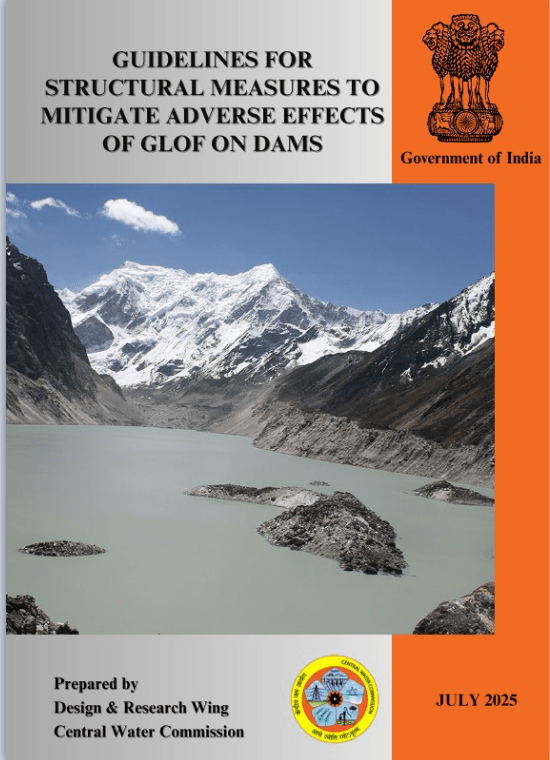
Guidelines for Structural Measures to Mitigate Adverse Effects of GLOF on Dams Central Water Commission (CWC) on July 23 has issued new guidelines to safeguard dam infrastructure from risks and threat of flash floods triggered by glacial lake outburst floods (GLOFs). The information about this 40 paged documents named Guidelines for Structural Measures to Mitigate Adverse Effects of GLOF on Dams July 2025 was shared by CWC director Shiv Kumar Sharma, in a LinkedIn post. The document is available in PPT format and a pdf link for the same is still not available.
Continue reading “DRP 280725: CWC Guidelines on GLOF should have mandated all information in public domain, independent assessment after every GLOF”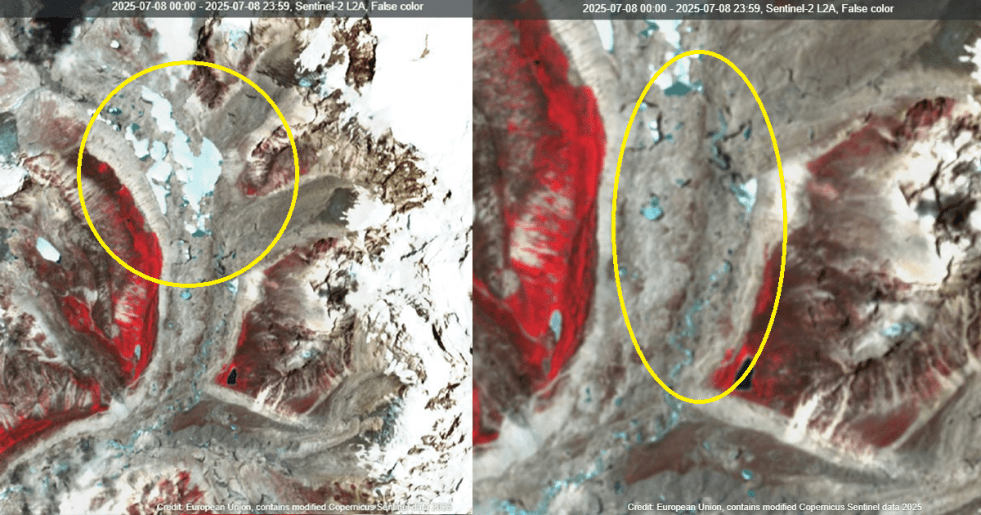
July 2025: GLOF Disaster Impact Ten HEPs in Nepal
(Pre and post flood images of Tibet’s Pyurepu Glacier region. Source)
A Glacial Lake Outburst Flood (GLOF) disaster in Lehende Khola river impacted several hydro-electric power (HEP) projects in Nepal on July 8, 2025. The deadly flood occurred around 3 am in Rasuwa and Nuwakot districts of Nepal bordering Tibet region under China control. As a result, the water level in Lehende river rose by 3.5 meters in Timure, Rasuwa. The merging of Kerung and Lehende rivers in Tibet forms the Bhotekoshi river in Nepal and it is part of Trishuli sub-basin under Narayani river system.
Continue reading “July 2025: GLOF Disaster Impact Ten HEPs in Nepal”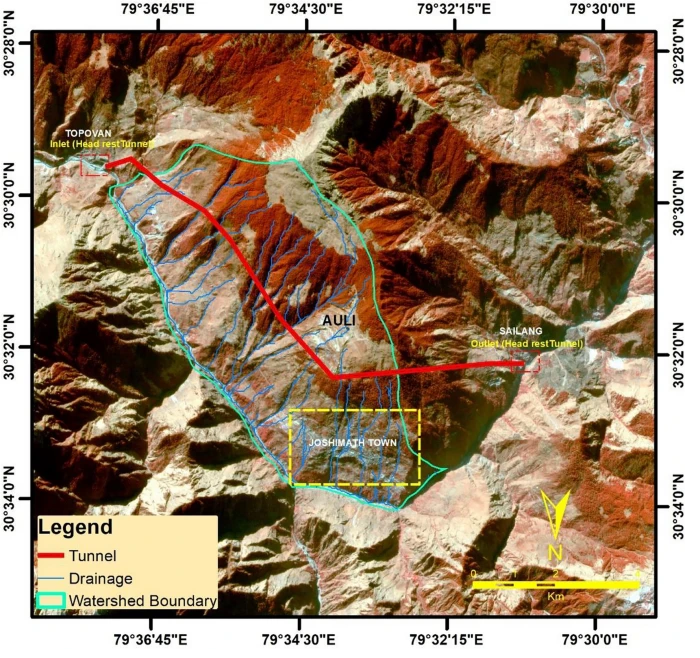
DRP 210725: Moving Joshimath Landslide a threat to Tapovan Vishnugad HEP in UKD?
(Feature Image: Hydropower Tunnel project shown in the Joshimath area along with the Watershed Boundary. This figure is generated using ArcGIS software-version 10.3.1 and CorelDraw Graphics Suite 2019 https://www.coreldraw.com/. Source: Analyzing Joshimath’s sinking: causes, consequences, and future prospects with remote sensing techniques. May 2024)
A paper in scientific journal co-authored by Internationally renowned landslide expert Dave Petley (published on June 16 2025 at: https://doi.org/10.1016/j.enggeo.2025.108201) warns that the Joshimath landslide is moving and can threaten the under construction Tapovan Vishnugad hydropower project in Chamoli district in Uttarkhand. The paper says: “The 2023 rapid deformation at Joshimath was preceded by slow movement years ahead. Deforestation in the Joshimath region might have intensified the slope instability. Additional landslide zones were detected in Hailang, Kalpeshwar with similar pattern. Slow-moving landslides have high potential to cause often underestimated damages.”
Continue reading “DRP 210725: Moving Joshimath Landslide a threat to Tapovan Vishnugad HEP in UKD?”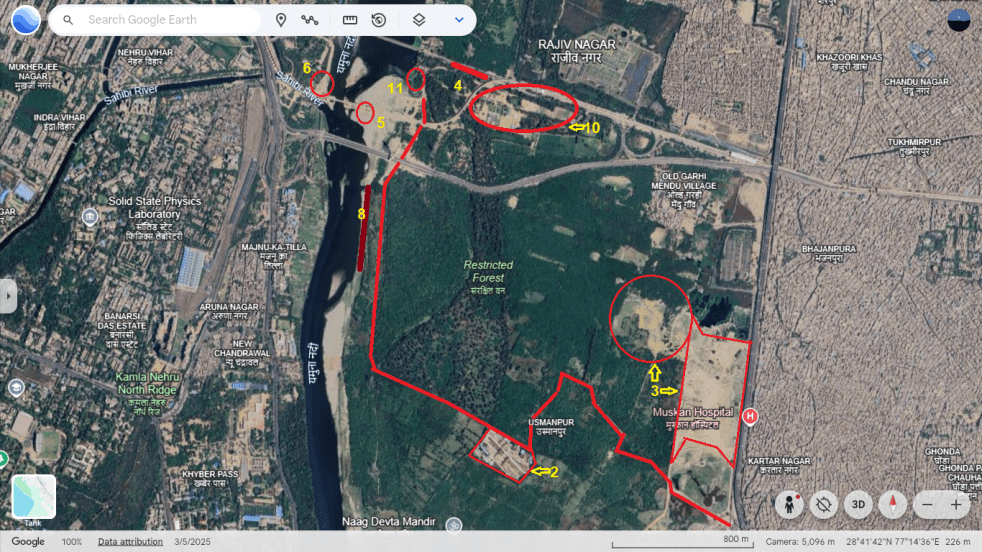
Letter: Encroachment of Yamuna floodplain near Wazirabad Barrage
To, July 17, 2025
1 Shri Vinai Kumar Saxena
Honorable LG, Delhi Civil Lines,
New Delhi-110054
Continue reading “Letter: Encroachment of Yamuna floodplain near Wazirabad Barrage”
NH66 in Kerala: Built Against Water logic, Designed to Collapse?
Guest Article: Sridhar Radhakrishnan
The collapse of the NH66 highway in Kerala is not yet another accident. It is the result of designing roads without listening to water, terrain, or people. Built in defiance of Kerala’s monsoon logic, paddy-wetland systems, and ecological memory, the highway blocks natural drainage, floods homes, and divides society. From ignored protests to forgotten flood lessons, its collapse is a story of what happens when asphalt arrogance meets a land shaped by rain.
Continue reading “NH66 in Kerala: Built Against Water logic, Designed to Collapse?”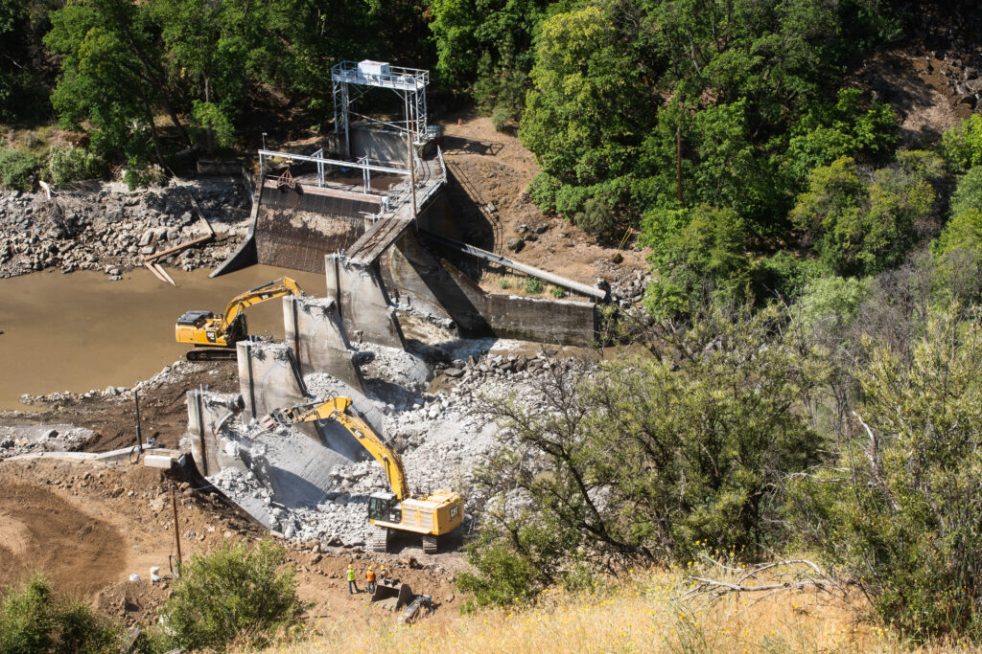
DRP 140725: Dam decommissioning spreads to China
(Feature Image: Copco 2 dam removal on the Klamath River, California. Credit: Swiftwater Films, Source: American Rivers)
China decommissions hundreds of dams along Red river China has claimed to have dismantled 300 dams and decommissioned more than 90 percent of small hydropower stations along the Chishui River, also known as the Red River, a key tributary of the upper Yangtze. The move is seen as one of the largest state-led efforts to restore aquatic biodiversity in Asia’s longest river, reversing decades of hydro-infrastructure development that critically endangered native fish species, including the Yangtze sturgeon, the South China Morning Post reported.
Continue reading “DRP 140725: Dam decommissioning spreads to China”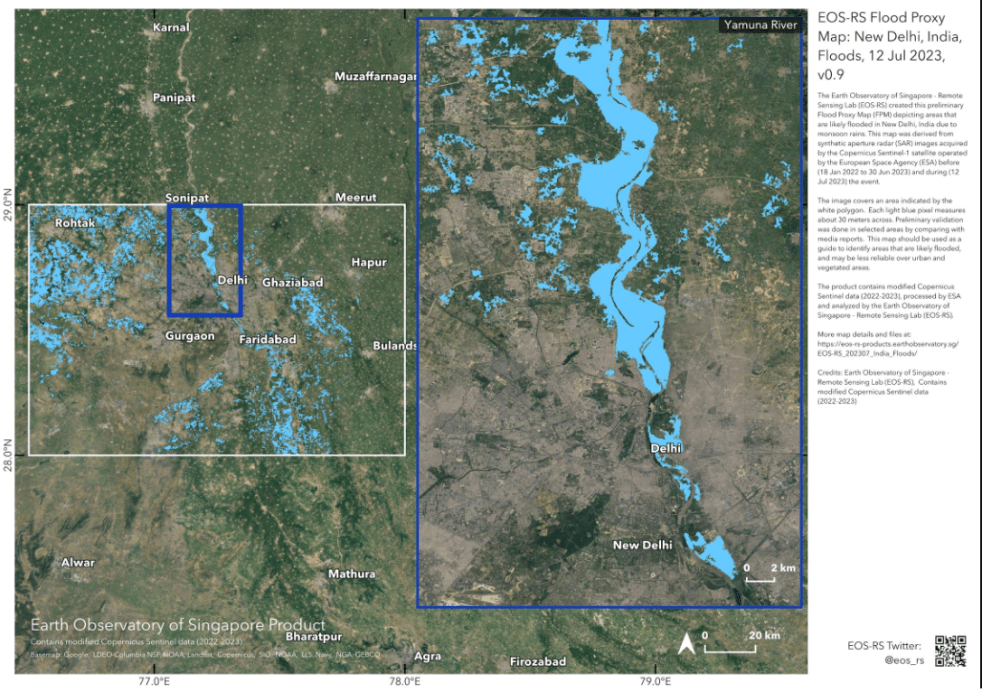
Yamuna Manthan July 2025: Is Delhi Ready for July 2023 like Yamuna Floods?
(Feature Image: EOS-RS Flood Proxy Map: New Delhi, Floods, 12 July 2023,v0.4)
July 13 will mark two years since the Yamuna river stretch in national capital witnessed unprecedented flood spell. The river not just submerged every part of existing available floodplain by several feet but also spilled over to reclaim its lost channels. The unusual flood also breached historic 1978 flood level at Delhi railway bridge by a huge margin, setting new benchmark.
Continue reading “Yamuna Manthan July 2025: Is Delhi Ready for July 2023 like Yamuna Floods?”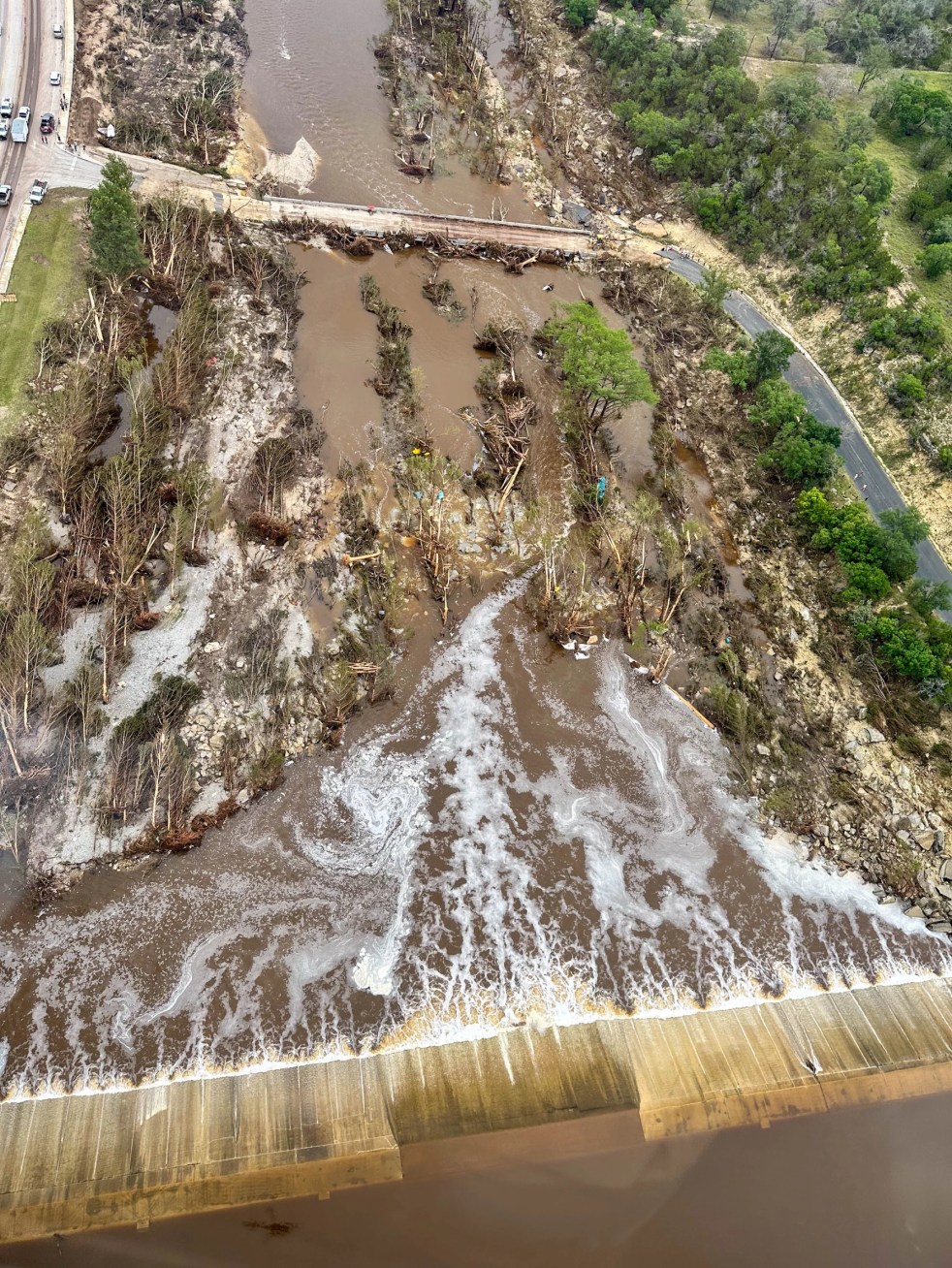 Guadalupe River Floods: Understanding the tragedy along ‘The Most Dangerous River valley in the USA’
Guadalupe River Floods: Understanding the tragedy along ‘The Most Dangerous River valley in the USA’
“This is the most dangerous river valley in the United States, we deal with floods on a regular basis.” – Kerr County judge, Rob Kelly about Guadalupe River[i], 5th July 2025
“If you live in the Guadalupe River Basin, you also live in one of the three most dangerous regions in the U.S.A. for flash floods!”[ii] – Opening Statement of “Staying safe: A Guide to Flooding in the Guadalupe River Basin[iii]” published by the Guadalupe River basin Authority
Flash Flood Watch Alert from National Weather Service received 3 hrs 21 minutes ahead of the devastating “30 feet high tsunami ball of water[1]”.
“If you do not want to be flooded, do not build or live in a floodplain”– Guadalupe-Blanco River Authority
And yet, several summer camp buildings built on not only floodplains, but on extremely dangerous floodways[iv]. more than 27 children lost to floods.
Continue reading “Guadalupe River Floods: Understanding the tragedy along ‘The Most Dangerous River valley in the USA’”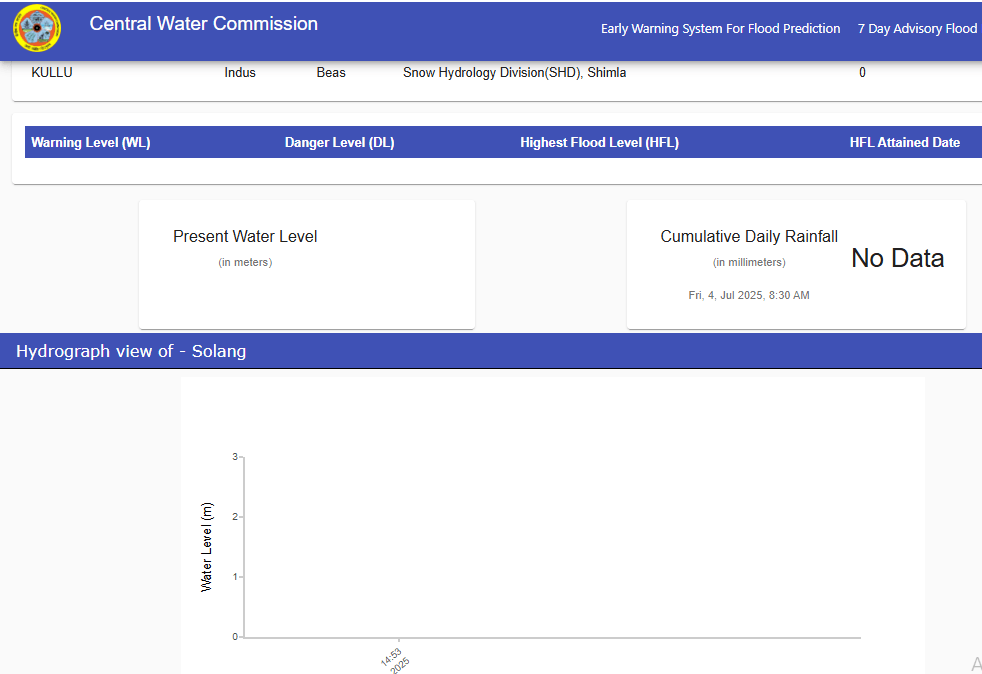
Himachal Pradesh: Why CWC’s Forecasting is Unavailable Amidst Flood Disaster?
(Feature Image: Screenshot of inactive hydrograph for Solang station on Beas river in Mandi district. Source: CWC Flood Forecast website)
Despite disastrous flood events causing significant destruction to human lives and infrastructures for past three years, the state of Himachal Pradesh has not seen much required improvements in flood monitoring and forecast servicesby the Central Water Commission’s (CWC) to help minimize the destruction toll.
Continue reading “Himachal Pradesh: Why CWC’s Forecasting is Unavailable Amidst Flood Disaster?”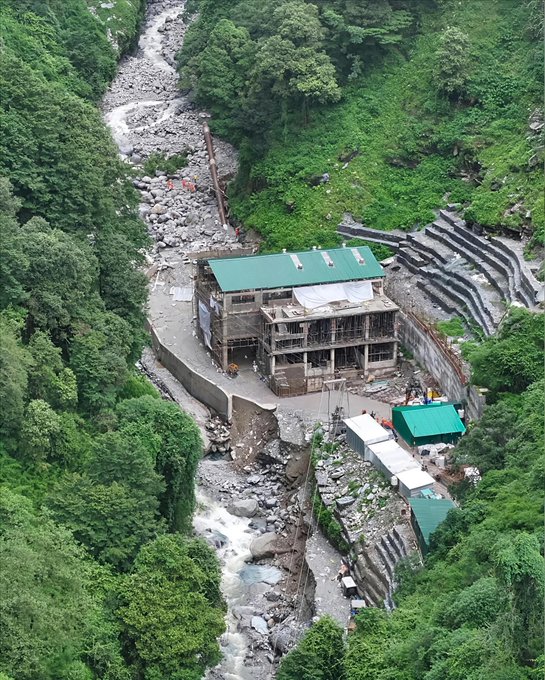
DRP 070725: Demand for Commission of Inquiry on Hydro Obsession in Himachal
(Feature Image: Flood ravaged Priyadarshini HEP in Manuni khad in Dharamshala, Kangra. Source: Social Media)
Hydropower obsession, Himalayan failure The massive hydropower push, another legacy of post-1990s liberalisation, has amplified vulnerability. Dams have mushroomed across river basins in Kinnaur, Lahaul-Spiti, Chamba, and Kullu — with scant regard for ecological thresholds. Muck from these construction sites is routinely dumped into riverbeds, narrowing channels and raising riverbeds. When the rains arrive, this loose muck turns into a lethal force, taking down everything in its path. The hydropower model — built on the assumption of perpetual revenue — has neither delivered long-term employment nor sustainable energy. Instead, it has left behind ecological scars, displaced communities, and made vast swathes of the state more disaster-prone.
Continue reading “DRP 070725: Demand for Commission of Inquiry on Hydro Obsession in Himachal”
