Dams · DRP News Bulletin

DRP: 22 Jan 2018 (Dams Again Being Used To Achieve Electoral Objectives) 

As per Counter View report, a well-informed Gujarat government source has told it that a major reason why the Sardar Sarovar Narmada Nigam Ltd (SSNNL) recently declared there would be “no water” from the multi-purpose irrigation scheme, Sardar Sarovar dam, to Gujarat farmers starting March 15, 2018, is Madhya Pradesh elections, scheduled for this year-end.

The source, refusing to be identified, said, “Already, massive preparations are on in Madhya Pradesh to provide as much Narmada water to the state’s farmers by storing as much water as possible. The idea is to appease the farmers with Narmada waters in the same way as it was done last year before the elections took place in Gujarat.”

This shows how dams in Narmada Valley are being used for achieving political ends, once again. Earlier they were used for Gujarat elections, now they are being used for Madhya Pradesh elections. https://www.counterview.net/2018/01/narmada-waters-in-gujarat-stopped-to.html (Counter View, 20 January 2018)

In another report, anonymous official admits water shortage apparent in Nov 2017 before Gujarat polls was not announced, another indicator of how Narmada dams are used to achieve political ends. https://www.counterview.net/2018/01/narmada-water-for-irrigation-state.html (Counter View, 21 January 2018)

However, this is not happening for the first time. This also happened before the Nov 2017 Gujarat elections and also before 2014 General elections and 2012 Punjab elections, as illustrated below.

Before 2014 general elections too the level of water in Narmada reservoirs was depleted to generate additional power keeping in mind the elections. https://sandrp.wordpress.com/2014/04/13/narmada-dams-levels-depleted-to-generate-more-electricity-threatening-water-security-for-gujarat-and-madhya-pradesh/

In case of Bhakra, the way the reservoir level was allowed to deplete in summer of 2012 had consequences in subsequent monsoon.  https://sandrp.in/dams/PR_Why_precarious_water_situation_at_Bhakra_dams_was_avoidable_July_2012.pdf

Continue reading “DRP: 22 Jan 2018 (Dams Again Being Used To Achieve Electoral Objectives) “ →
Dams · Wetlands

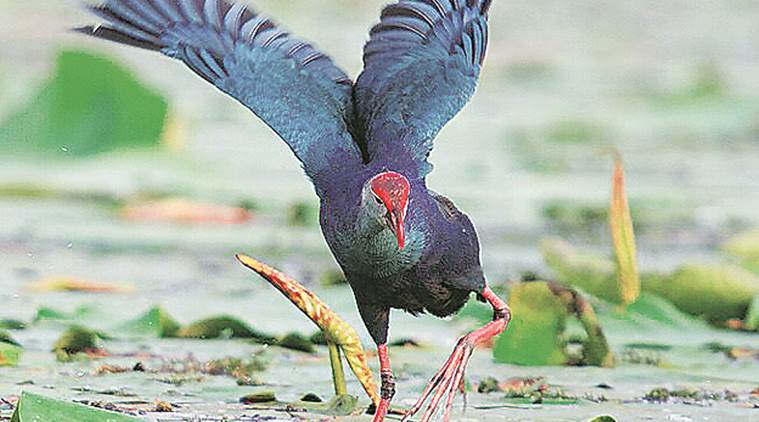
Punjab Wetlands 2017: Ramsar Sites Under Severe Threats

Introduction

National Wetlands Atlas has mapped 1381 big wetlands in Punjab State. It has also identified 5049 small wetlands of less than 2.25 hectare area. Total wetland area estimated in the state is 86283 hectare which is about 1.71 per cent of its total geographic area. Out of this, with 59864 hectare the river/stream is accounts for for 69.38 per cent of the wetlands. Reservoirs/Barrages ranks second with 13.74 per cent share spread over 11858 hectare of area.. http://www.moef.nic.in/downloads/public-information/NWIA_Punjab_Atlas.pdf

There are three Ramsar sites (wetlands of International importance) in the state- Harike, Kanjli and Ropar. These wetlands are important habitats for waterfowl, fish and diversity of other flora and fauna including endangered and vulnerable species. Two other wetlands- Ranjit Sagar and Nangal are National wetlands.

Ranjit Sagar is an interstate wetland spreading over in three states (Punjab, Himachal Pradesh and J&K). There are 5 small wetlands considered as state wetlands owing to their rich biodiversity and ecological characters. These are – Keshopur-Miani Jheel, Kahnuwan Chhamb, Jastarwal Jheel, Mand Bharthala and Dholbaha Reservoir. In all, Punjab has 12 important natural and 9 man-made wetlands.

Continue reading “Punjab Wetlands 2017: Ramsar Sites Under Severe Threats” →

Dams · Wetlands

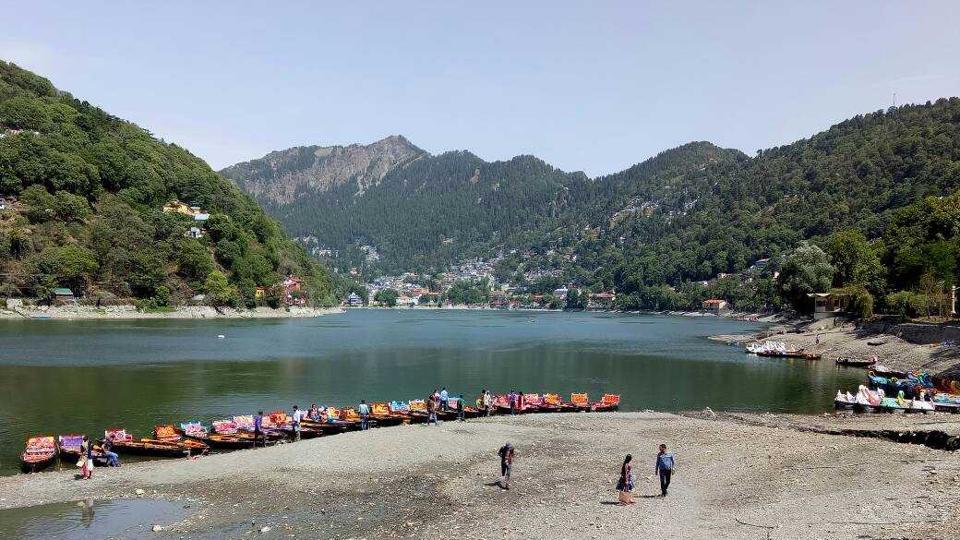
Uttarakhand Wetlands 2017: Nainital Lake Needs Urgent Attention

Uttarakhand is a land of picturesque landscape encompassing mountains, forests, rivers. The state also has many beautiful lakes which includes Bheem Tal, Devaria Tal, Dodi Tal, Roopkund, Hemkund, Kashni Tal, Kagbhushandi Lake, Kedar Tal, Naukuchia Tal, Naini Lake, The Nachiketa Tal, Satopanth Lake, Shyamla Tal, Sahastra Tal, Masar Tal, Sat Tal,  Vasuki Tal etc. http://www.uttarakhandtourism.net/lakes_of_uttarakhand.htm ­(Uttarakhand Tourism Web, as on 10 January 2018)

 As per National Wetlands Atlas 2011, there are 994 wetlands of various categories of which including 816 are small wetlands of less than 2.25 hectare area. The total area under the wetlands in the state is 103882 hectare which is 1.92 per cent of its total geographic area. River/stream is the most dominant one with 77.14 per cent share of wetlands with area 81033 hectare. Reservoirs/ Barrages are the second largest wetland category. http://www.moef.nic.in/downloads/public-information/NWIA_Uttarakhand_Atlas.pdf http://wetland.u-sac.in/uttar_wetland.html
Continue reading “Uttarakhand Wetlands 2017: Nainital Lake Needs Urgent Attention” →

Dams · DRP News Bulletin

DRP: 15 Jan 2018 (Do We Care About Rivers’ Aquatic Bio-diversity?)

Great to see this focus on aquatic biodiversity (unfortunately the article keeps using the word marine biodiversity, not using the word aquatic or freshwater biodiversity even once) along the 120 km long Sindhudurg Coast line, one of the 11 ecologically sensitive habitats identified along India’s coasts.

The FIRST study of local Otter Population by Ela Foundation identified upto 591 Smooth coated otters (strangely article does not mention about existence of small clawed Otters in Sindhudurg), 561 Indo Pacific humpbacked dolphins, among many others. The coast is particularly river rich with some twelve creeks/ rivers including Shanti, Piyali, Naringre, Achra, Gad, Talavade, Otawane and Pithdhaval Rivers.

The biodiversity here is facing multiple threats including rapid urbanisation, tourism onslaught with attendant plastic and sewage disposal, unregulated fishing trawlers, illegal sand mining, and global warming. It also underlines the need to do assessment of any interventions done in the area, of impacts on the aquatic biodiversity. http://www.hindustantimes.com/india-news/orphans-in-the-wild-what-the-otter-s-trying-to-tell-us-about-our-oceans/story-IfRFFi63Q8nV7UkUK4c16O.html (The Hindustan Times, 14 January 2018)

Continue reading “DRP: 15 Jan 2018 (Do We Care About Rivers’ Aquatic Bio-diversity?)” →
Dams · Environment Impact Assessment · Expert Appraisal Committee · Himalayas · Irrigation · Landslide · Ministry of Environment and Forests · Nepal · Public Hearing

Who exactly needs the Pancheshwar Dam?

“Bolo Jai Jai Baba Bhole”, the Prime Minister Narendrabhai Modi, while speaking at Kedarnath in Uttarakhand in Oct 2017[i], asked the people in audience to chant with him. Indian deity Mahadev, the presiding deity at Kedarnath on the banks of Mandakini river is possibly the closest to rivers and nature among all the deities, as is also clear from his attire. Baba Bhole is one of the many names of this deity. Incidentally, the massive, controversial Pancheshwar Dam a pet project of Mr Modi will also submerge the Pancheshwar Mahadev Temple, where too, the presiding deity is same Bhole Baba. But we will come back to Bhole Baba. Continue reading “Who exactly needs the Pancheshwar Dam?” →

Dams · Wetlands

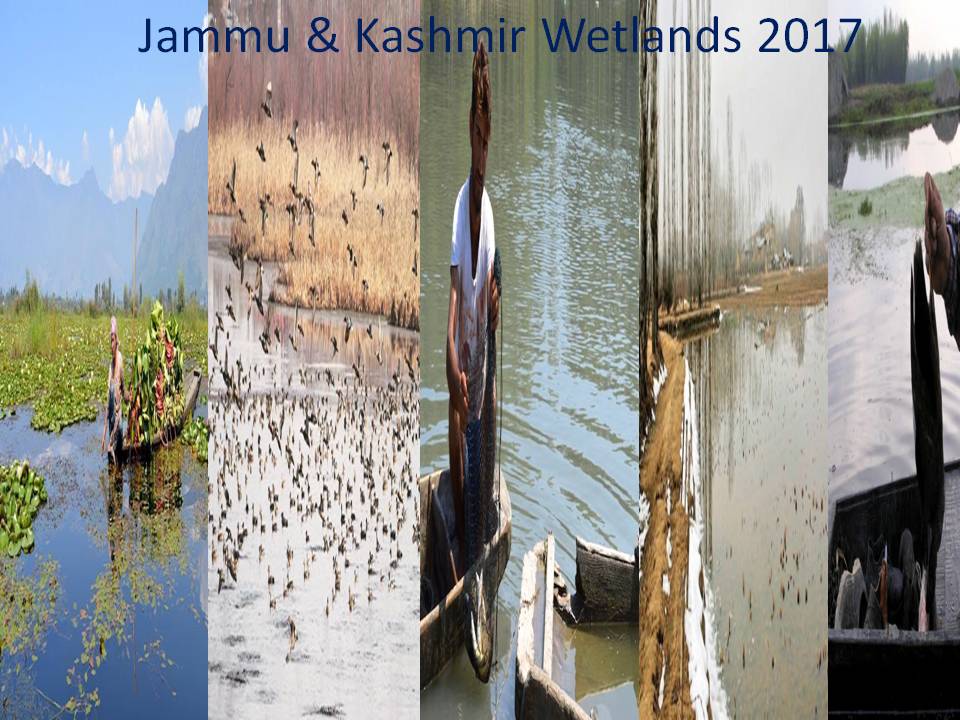
Siltation, Encroachment & Pollution Choke Jammu & Kashmir Wetlands in 2017

Captivating images of lakes and wetlands strike the imagination of general masses when the name of Jammu and Kashmir is mentioned. For years, the aquatic wonders have been the main attraction of tourists, at the same time supporting livelihood of local communities in multiple ways. These water bodies also provide safe habitats to the lakhs of migratory birds.

However, over the years, gradual siltation, steady encroachment and increasing pollution have put the wetlands eco-system and associated socio-economical benefits at receiving ends. And, in 2017 the situation only got worse.

Continue reading “Siltation, Encroachment & Pollution Choke Jammu & Kashmir Wetlands in 2017” →

Dams · DRP News Bulletin

DRP: 8 Jan 2018  (“THIS IS RIVER, NOT LAND” Chennai Fisherfolks Fight To Save Ennore river)

In a remarkable protest echoing urgent need for protection of rivers, fisherfolk of Kosasthalai River on 03 January 2018, launched a ‘Jal Satyagraha’ against Kamarajar Port project. The proposal would divert 1000 acres of creek area. It mainly comprises of river, wetlands, marshy areas on which fisher community depend for livelihood.

Raising their voices against the project with holding play cards that read “This is River, Not Land” they stood in waist-deep in waters to save Ennore Creek. Joining the protest, hundreds of residents also demanded the withdrawal of alleged fraudulent maps denying the existence of the Ennore Creek. The community has been fighting a lonely battle against the Tamil Nadu government accusing it of turning wetlands illegally into industrial real estate corridors.

– “Fishing economy has been hit massively. Shrinking of water body means less space for fish. Shrinking has happened in terms of surface spread as well as depth thanks to the dumping of dredged sand from the sea, silting the waterbody. The larger concern is fly ash and heavy metals from the industries polluting the environment causing health hazards,” said Nityanand Jayaraman, Environmental activist and researcher who was part of the protest. https://www.oneindia.com/india/chennai-fisherfolk-stage-jal-satyagraha-to-save-ennore-creek-2613088.html (One India, 04 January 2018)

Continue reading “DRP: 8 Jan 2018  (“THIS IS RIVER, NOT LAND” Chennai Fisherfolks Fight To Save Ennore river)” →
Dams

Chennai: Playing With Water  

Guest blog by The Coastal Resource Centre, Chennai

This stories of Adyar and Kosasthalaiyar Rivers from Chennai is fifth in the series of online stories of urban rivers from across India. Please share your feedback and provide us with suggestions (read more in appendix). If you have any urban river stories or images that you might want to share, please send them to ht.sandrp@gmail.com and asid@veditum.org.

INTRODUCTION:

The South Indian coastal city of Chennai is home to more than 5 million people. The city is predominantly flat and consists of sandy coastal plains drained by three major rivers the Adyar, Cooum and Kosasthalaiyar. The latter is the largest and empties through a backwater and estuary at the Ennore Creek.

Because of its flat topography, early settlements in the region were possible only after making arrangements to hold rainwater through harvesting structures like Eri’s or irrigation tanks. Surplus from the tank network was designed to drain into rivers and thence to the Bay of Bengal.

Between 1980 and 2010, the built up area inside the city has grown from 47 square km to 402 sq km. During the same period, area under waterbodies declined from 186 square km to 71 square km.

Degrading land-use change and the abuse of the three rivers in the name of urbanisation is a major factor in the city’s increased vulnerabilities to droughts and floods.

Continue reading “Chennai: Playing With Water  “ →

Dams · Sand Mining

Sand Mining Review 2017- 3 – Judicial Interventions Fail To Restore Damage

In the first part we have seen, countless reports from 2017 revealing unabated riverbed mining,   exposing some politicians-officials-mafia nexus and showing no let up in violent attacks on many villagers, activists, government officials possibly by sand mafia across the country.

In the second part of Sand Mining Review of 2017, reports have highlighted several State Governments failing to effectively reign in unsustainable sand mining business despite sometimes prompt administrative actions. Interestingly, while several States want the Centre to form a uniform mechanism, the Central Government on the contrary has proposed further dilution of mining laws.

Now, here is third and concluding part of this review, highlighting judicial interventions on the issue.

Continue reading “Sand Mining Review 2017- 3 – Judicial Interventions Fail To Restore Damage” →

Dams · DRP News Bulletin

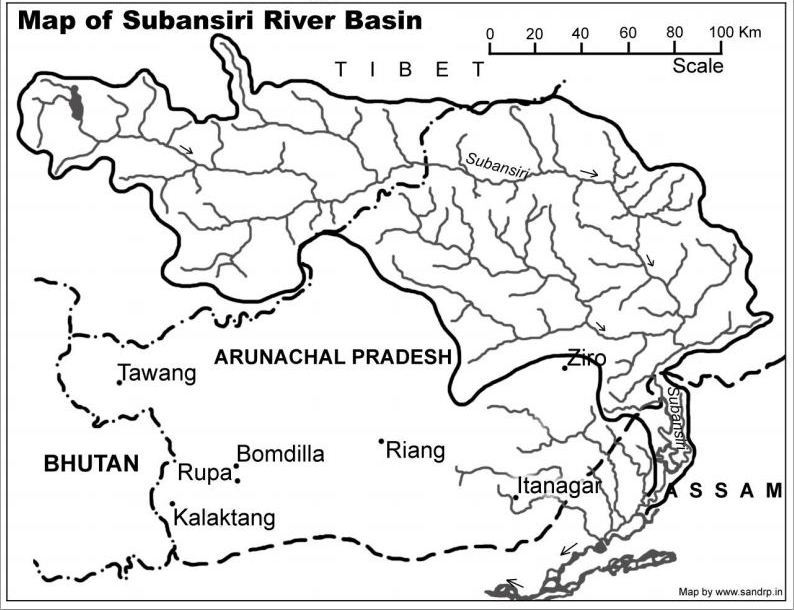
DRP: 1 Jan 2018 (NGT Ordered Com on Subansiri: MoEF Again Fails To Understand Conflict of Interest)

As per NGT’s October 16, order, the Ministry of Environment & Forest (MoEF) was asked to set up a “neutral” panel to objectively consider conflicting recommendations that have stalled the 2,000-MW Subansiri Lower Hydroelectric Project (HEP) on the Arunachal Pradesh-Assam border and come up with an “independent opinion” in three months.

The NGT said this was the only way to break the six-year logjam that has stalled a project vital to the “national interest.”

Contrary to this, MoEF on November 16, 2017 has set up a three-member panel with experts -who or their organisations- have all backed NHPC’s positions on the project in the past: Prabhas Pande, I D Gupta and P M Scott.

Continue reading “DRP: 1 Jan 2018 (NGT Ordered Com on Subansiri: MoEF Again Fails To Understand Conflict of Interest)” →