Marking World Fisheries Day (WFD) 2026, SANDRP has compiled top ten important studies, reports and books published in 2026 that have examined the status of freshwater fish, riverine fisheries and fishing communities in India. A common finding across many of these publications is the growing pressure on riverine fish and fisheries due to altered river flows, habitat fragmentation, climate change, pollution, invasive species & unsustainable fishing.
While the CMS report has recognized the Ganga-Brahmaputra-Meghna basin as a conservation priority due to decline of migratory freshwater fish, a study has warned that river interlinking project could spread invasive fish species into new river basins, threatening native species, disrupting migration and damaging river ecosystems. It has found the Krishna, Godavari, Mahanadi, Brahmaputra and Western Ghats basins as particularly vulnerable.
There are other studies covering the Indrapuri dam, the Western Himalayas, Maharashtra and other river systems pointing towards declining native fish populations, habitat loss and significant gaps in biodiversity monitoring. Similarly, another study has found changing climate could create thermal barriers in rivers, fragmenting freshwater habitats and increasing extinction risks for fish. Further, the study on microplastics in the Yamuna also highlighted the growing problem of plastic pollution and its potential implications for fish and human health.
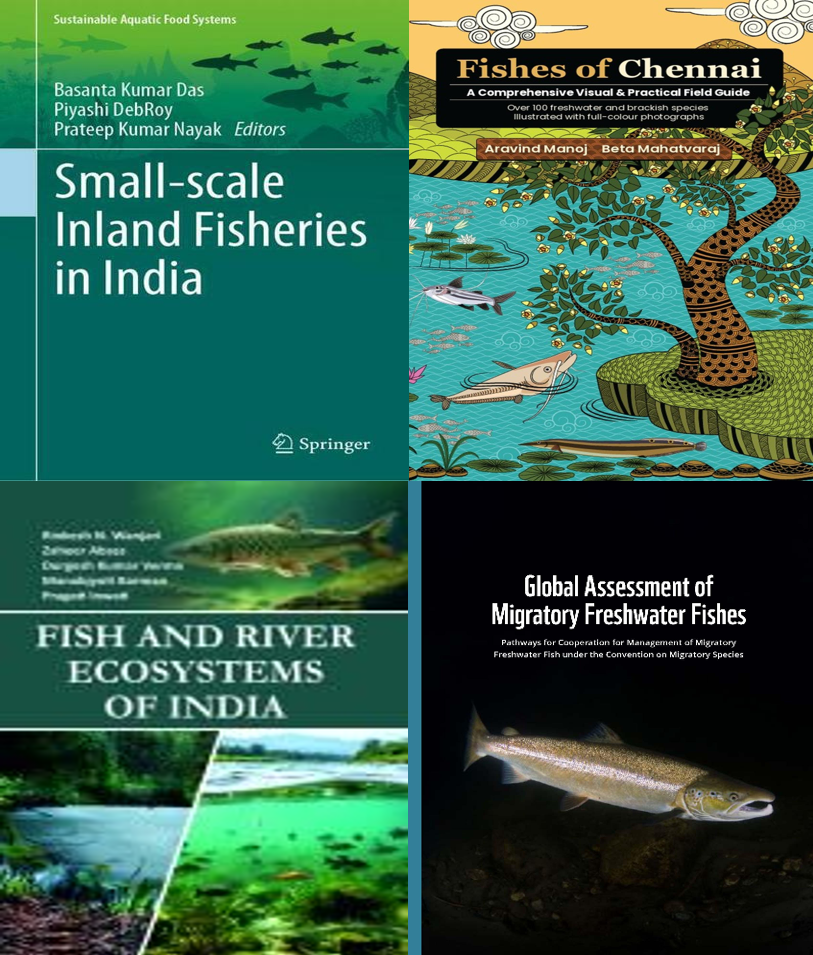
On positive side, research in the Cauvery basin has developed indicators to assess river health by examining fish diversity, vegetation and land-use patterns. While, a book Small-scale Inland Fisheries in India has highlighted the contribution of inland fisheries to livelihoods, poverty alleviation and nutritional security, another book Fish and River Ecosystems of India has documented fish diversity across major river basins, biodiversity hotspots and Ramsar sites. Together, these documents have clearly revealed the urgent need to protect river ecosystems, conserve native fish diversity and recognize the rights and livelihoods of fisherfolks in India.
The first part of our annual overview, covering new freshwater fish species discovered and described in India in 2026, can be see here.
1 Understanding riparian health through multi-metric indicators 0Researchers have successfully adapted a suite of multi-metric health indicators. They tested the new indicators on the Moyar and Bhavani rivers within the Cauvery watershed in southern India. By evaluating how plants, fish and land use respond to human pressures, the study offers a more holistic blueprint for tracking and restoring tropical river ecosystems.
They found a clear decline in ecological health as rivers flowed from protected, forested upstream segments into human-dominated, unprotected agricultural zones downstream. Protected areas boasted higher numbers of native and specialised fish species alongside superior canopy cover. Downstream areas, by contrast, suffered from low water depth, artificial water diversion, and an influx of non-native fish species driven by agricultural pressures and dams. The study can be seen here.
2 Small-scale Inland Fisheries in India This book offers an overview of the small-scale inland fisheries sector in India, a crucial yet often overlooked component of the nation’s livelihood and poverty alleviation efforts. By examining the management systems across the social-ecological realms, it highlights the urgent need to integrate small-scale inland fisheries into global and national policies. Key topics include nutritional security, governance, gender, climate change and policy frameworks, supported by relevant case studies.

2 A FISH AND RIVER ECOSYSTEMS OF INDIA Bridging science and practice, the volume maps India’s major river basins and their fish diversity, highlights Ramsar sites and biodiversity hotspots, and interprets how these designations contribute to global conservation outcomes. It demystifies legislation and policy frameworks—from protected-area instruments to environmental flow standards—translating compliance requirements into field actions. Community knowledge is woven throughout, showing how indigenous practices, seasonal calendars, and customary norms can strengthen co-management and restoration outcomes. The book closes with future directions that integrate robust science, policy reform, finance, and community stewardship, supported by case studies of river-habitat restoration and species-recovery successes.
2 B A Field Guide to Chennai’s Fishes Fishes of Chennai, written by Aravind Manoj and Beta Mahatvaraj, is the first field guide to bring together the freshwater and brackish fishes of the Chennai Metropolitan Area and its surroundings, documenting more than 100 species, from the carps and catfish you see at any market to native fish barely recorded anywhere else. The book explores each fish along with its natural history, ecology and cultural significance, including references to fish in the ancient Tamil Sangam texts.
3 Climate warming accelerated freshwater habitat fragmentation Abstract: Here, using weekly water temperature data (1976–2099), we assess the vulnerability of 9,809 freshwater species to short- and long-term thermal extremes and show that gradual warming can trigger abrupt thermal exposure. Tropical regions experience a high proportion of species at risk, whereas non-tropical regions face severe thermal extremes. We introduce the concept of thermal fragmentation exposure to understand how heterogeneous warming fragments freshwater habitat, thereby amplifying local extinction risks. Around 63% of riverine fish will experience more persistent thermal barriers under a high-emissions scenario, with thermal fragmentation accelerating over time. These findings underscore the urgent need for targeted conservation strategies to safeguard freshwater fish biodiversity.
4 Freshwater Fish Diversity in Maharashtra: A Critical Review Abstract: This review critically synthesises the available literature on freshwater fish diversity in Maharashtra, examining patterns of species richness and endemism across the state’s principal river basins, the taxonomy and functional ecology of dominant ichthyofaunal groups, and the multifaceted threats confronting aquatic biodiversity.
The adequacy of the existing conservation and regulatory framework is evaluated, and significant research lacunae that currently impede informed management are identified. Freshwater fish inventories for Maharashtra remain incomplete relative to the state’s biodiversity potential and longitudinal monitoring of population trends is largely absent. Strengthening systematic ichthyological surveys, implementing environmental flow frame0works for impounded rivers, applying landscape-level conservation planning, improving regulatory enforcement and integrating local ecological knowledge are identified as priorities for ensuring the long-term persistence of freshwater fish diversity in one of peninsular India’s most significant biodiversity regions.
5 Sad state of migratory Riverine fish in India The key CMS (Conservation of Migratory fish Species) report released in March 2026 has once again highlighted the sad state of migratory Riverine fish, fisheries and fisherfolks in India. Shockingly, even when thousands or tens of thousands of fisherfolks lose their livelihoods due to projects on rivers, there is not even assessment of impacts of such projects on fish, fisheries and fisherfolks, leave aside consideration of compensation or rehabilitation for them. The Sardar Sarovar Project on Narmada River in Gujarat, one of the most celebrated dams of India, as an apt example of this situation. Farakka Dam is another such example.
In US and Europe, thousands of dams are getting decommissioned and one of the most frequent reasons for the decommissioning decisions is protection of fish, fisheries and fisherfolks. In India, the fish, fisheries and fisherfolks never find proper mention in Environment and Social Impact Assessments of dams, hydropower projects and barrages. Same is the situation about environmental flows in India.
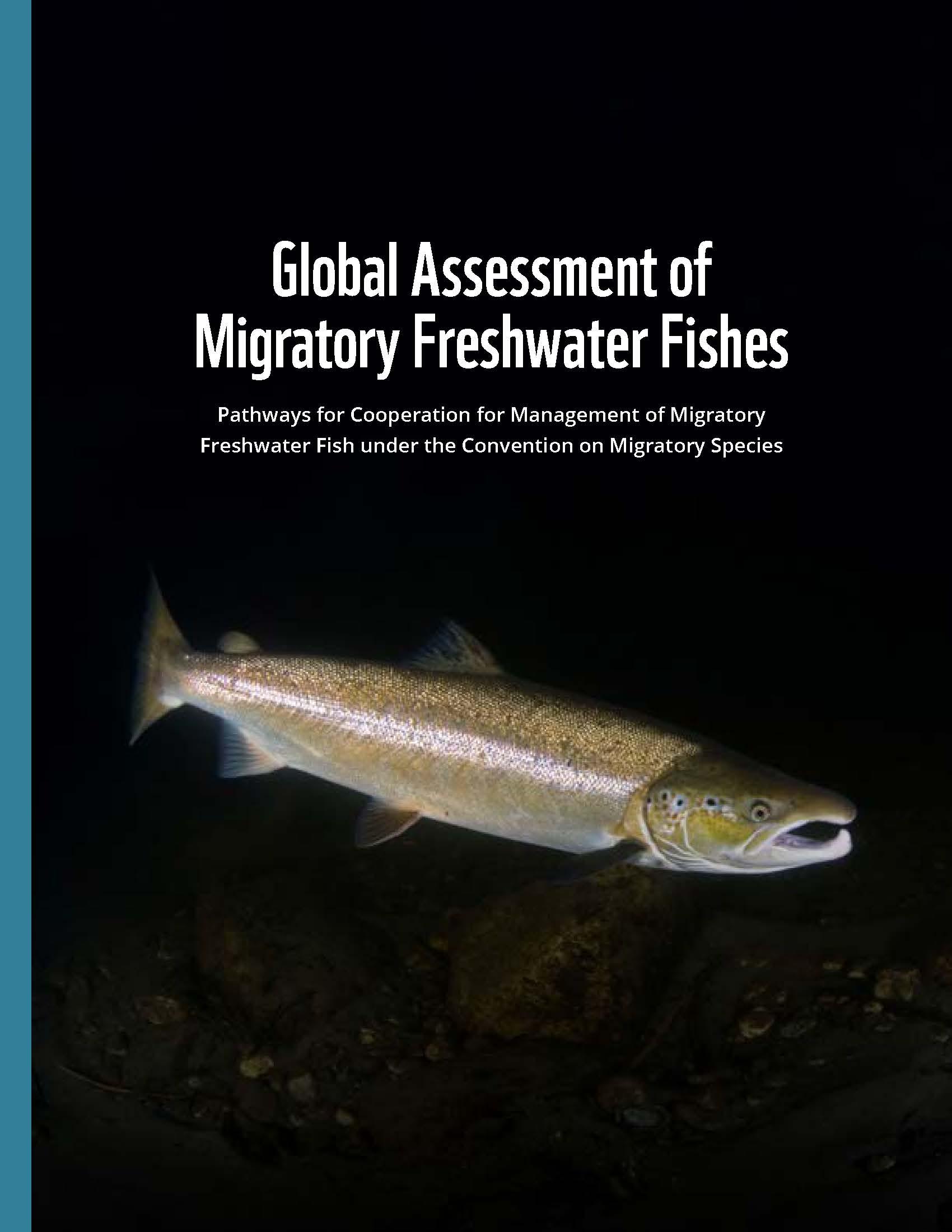
CMS flags risks to migratory freshwater fish in India’s rivers The report identifies the Ganga-Brahmaputra-Meghna systems as priority basins for conservation because they support important migratory fish populations but are under pressure from dams, altered flows and river fragmentation. The report says there is need for basin-level & cross-border cooperation, including better monitoring & stronger coordination on river management.
The Global Assessment of Migratory Freshwater Fishes report 2025 notes that many migratory freshwater species are declining because of “loss of connectivity, flow alteration, habitat degradation, exploitation, pollution, and interacting pressures across borders.” Out of 349 migratory freshwater fish that may qualify for protection under the CMS, only 24 are currently listed — leaving 325 still without legal protection, of which about 205 are in Asia.
Himanshu Thakkar, coordinator at SANDRP, who is not associated with the report, said the issue is not limited to a few cross-border rivers. “CMS report is mainly for transboundary rivers, but what we are discussing applies to all rivers, not just transboundary rivers,” he told Mongabay-India. “Dams and barrages definitely have the biggest impact on riverine biodiversity, not just fisheries, actually, in a number of ways.” Thakkar also noted that an impoundment, and how that impacts a river is a challenge. “In the upstream of the dam, the water is no longer flowing. Stagnant water for large stretches of the river, and there are many days when downstream of the river, there is no water,” he added.
Environment Flows While noting that environmental flows in India are not understood well, Thakkar argues, “India’s regime of environmental flows is very, very poor.” Even where some water is released, he said, it often does not help fish or biodiversity move up and down the river. “One of the key aspects of that environment flow is to ensure continuity of water flow for the biodiversity, but the environment flow, even when it is released, it’s not released in a way that will help the fish and the biodiversity to migrate up and down,” he said.
“Environment flows are not just water,” he said. “The river flow includes the silt flow, the nutrient flow and the biota flow.” These factors have implications for river management. Thakkar said structures such as fish passes and fish ladders are important where dams interrupt migration routes, but they are rare in India. “You need something called fish pass, or fish ladder, or something like that, which are hardly there in four or five dams in India, and even where they are there, we have done surveys, and it seems none of them are functioning properly,” he said.
Lack of acknowledgement of impact of dams on fisheries According to Thakkar, the first gap is not technical but institutional. “Step one is to acknowledge that the dams and barrages have an impact. The second step is to assess the impact. The third, is to see what are the possible options available for ensuring continued migration,” he said. Those options, he said, could include fish passes, fish ladders and environmental flows. But in some cases, he added, retrofitting may not be realistic because dams are too high. In such situations, he said, environmental flows should at least be mandated in an environmentally-friendly way.
Livelihoods lost Thakkar also argued from the perspective of river governance and livelihoods in India. “No project has ever assessed the impact of the dam or the hydropower project or such barriers on livelihoods,” he said. Once the impacts are properly measured, it becomes possible to ask what the actual losses are and whether compensation, rehabilitation or mitigation are needed, he added.
Transboundary Rivers “There are 55 transboundary rivers between India and Bangladesh,” he said, adding that similar questions arise for rivers shared with Bhutan, Nepal, China, Pakistan and Myanmar. He noted that existing transboundary mechanisms remain too narrow in scope. “All of these bodies only look at the water issue,” he said. Sometimes, he added, they also look at floods. “But in terms of the impact on the transboundary fish and transboundary livelihoods or such other impacts, there hasn’t been much (research).”
Future steps Thakkar added that the first response should be built into law and project clearance systems. “It should be mandatory legally, that if any dam comes up, any obstruction comes up, or any project comes up, which affects the riverine fish, then there should be impact assessment, both environmental impact assessment and social impact assessment,” he said. He also pointed to the need for closer scrutiny of existing projects and river regulations. He said Farakka should be independently reviewed, and argued that the Ganga’s environmental-flow notification should be monitored by an independent body rather than government agencies alone. Calling for a similar approach in all river-altering projects as well, Thakkar said, “Every such project which has an impact on the riverine fisheries & fisher people, there should be an impact assessment as a first step and then mitigation about what needs to be done about the impacts.”
6 River interlinking and biodiversity risks in Indian freshwater ecosystems Abstract: This study examines the potential role of river interlinking on the distribution and dynamics of freshwater invasive alien species and their interactions with native biodiversity across Indian river basins. We modelled the distribution of 15 naturalised freshwater IAS using species distribution models based on bioclimatic variables. These maps were then overlaid with basin-level freshwater biodiversity and threatened-species data, as well as the proposed river-linking network. The results reveal strong positive correlations between IAS richness and overall as well as threatened freshwater biodiversity, with biodiversity hotspots such as the Krishna, Godavari, Mahanadi, Brahmaputra, and the Western Ghats basins being most at risk. The proposed interlinking routes are expected to act as ecological corridors, enabling biotic exchange among previously isolated basins. Such increased connectivity could accelerate biological invasions, disrupt migratory routes, alter hydrological regimes, and undermine ecosystem resilience. The findings emphasise the urgent need to incorporate invasion ecology and biodiversity safeguards into NRLP plans to prevent irreversible ecological damage.
7 Freshwater Fish Biodiversity Changes Before & After Indrapuri Dam A total of 95 different species of fish lived in the Indrapuri Dam basin before the dam was made; however, only 25 species were noted in 2017 after the construction of the dam. Further, this number increased to 41 in 2023. Several fish species disappeared between 1957 and 2023, notably, those that prefer well-oxygenated and stream-like environments. Biodiversity kept decreasing post-construction for a very long time. The biggest representative order, Cypriniformes, reduced by 75%, followed by the order Siluriformes, which reduced by 61%. Possible reasons for this reduction in diversity could be changes in migratory routes of fishes, the requirement of fast-flowing water, the requirement of upstream movement for spawning, or the requirement of a specific substrate for breeding. Some new fish species showed up in 2014 but were never reported after that.
8 Assessment of ichthyofaunal diversity of the suborder Cyprinoidei Fitzinger, 1832 (Actinopterygii: Cypriniformes) of western Indian Himalayan Region: present status and conservation – a systematic review Abstract: This review discusses the present status of freshwater fish families – Cyprinidae, Danionodae, and Xenocyprinidae of suborder Cyprinoidei and their conservation status, threats to the species diversity and the community-based conservation across the western Himalayan region. The family Cyprinidae, the largest among freshwater fish, consists of over 1,840 species; whereas Danionidae includes 375 species and Xenocyprinidae comprises around 173 species globally. A total of 35 genera and 76 species have been reported from various rivers and streams of four Indian Himalayan states. Of these, 67 species are classified as ‘Least Concern’, four as ‘Vulnerable’, two as ‘Near Threatened’, and one as ‘Endangered’ species as per the IUCN Red List. Uttarakhand exhibits the maximum species count (63) followed by Jammu & Kashmir (47), Ladakh (38), and Himachal Pradesh (36). The major threats faced by freshwater fish are damming, habitat fragmentation, pollution, invasive species, and climate change. Consequently, modern policies and community-led conservation initiatives play a vital role in preserving these freshwater ecosystems.
9 Strained Health of Hooghly Matlah Estuary Water shapes every aspect of life in the Sundarbans. Flowing through a maze of tidal creeks, mudflats and mangrove forests, the Hooghly Matlah Estuarine System sustains fisheries, livelihoods, nutrition and local economies. Every day, thousands of fisher venture into its waters, relying on the estuary’s productivity for survival. Yet the health of this water system is showing signs of strain. A recent scientific assessment (A 2025 study published in Cleaner Environmental Systems, titled “Multidimensional assessment of fisheries sustainability in India’s largest estuarine system”) suggests that the ecological foundations supporting fisheries and communities are weakening. The findings raise important questions about the future of fisheries in the Sundarbans and the long-term sustainability of one of India’s most productive estuarine ecosystems. The study offers a clear set of directions for reversing current trends.
10 Microplastics in Yamuna fish a health risk Microplastics accumulating in freshwater fish from the Yamuna could pose long-term health risks ranging from neuro-inflammation and cognitive impairment to cellular damage, doctors said, after a recent study reported widespread contamination in fish from the river. The researchers analysed 220 fish representing 12 freshwater species collected from four locations across Haryana and Delhi, and found 1,678 microplastic particles. They reported significantly higher microplastic accumulation in fish collected from the Delhi stretch of the Yamuna than at upstream locations, describing the work as a first-of-its-kind scientific investigation that provides baseline data on microplastic pollution, ecological risks & potential food safety concerns.
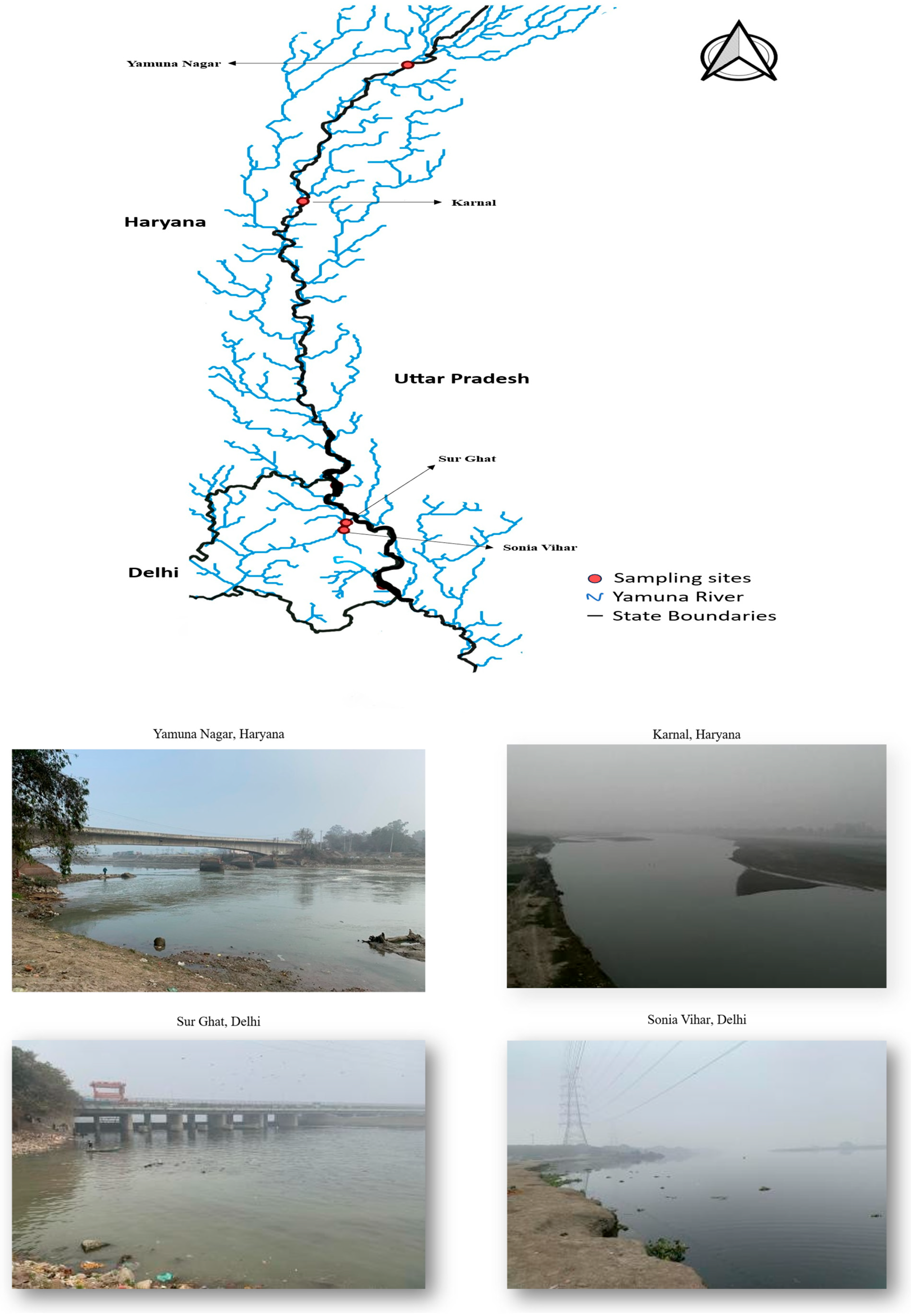
Tilapia from Sonia Vihar contained an average of 21.8 particles per fish. Most microplastics were found in the digestive system, but particles were also detected in the gills and muscles. This is concerning because fish muscle is consumed by humans. About 77.8% of the microplastics found were fine plastic fibres, which can enter rivers through washing of synthetic clothes, sewage and industrial waste. The findings show that cleaning the Yamuna cannot be limited to removing visible waste; it must also address the invisible plastic pollution entering the river.
Some More Studies
Endemic fish promote ecological structure in a tropical biodiversity hotspot Abstract: Using the endemic freshwater fish communities of India’s Western Ghats Escarpment (WGE), one of the ‘hottest’ spots of global biodiversity, as a test case, we find that geographically widespread, trait-distinct endemics are disproportionately present in the west-flowing basins of the WGE where they promote overall convergence (i.e. both taxonomic and functional). In contrast, among east-flowing basins, a lower-than-expected occurrence of the same category of species supports taxonomic divergence and functional convergence. We attribute this heterogeneity to western-flowing basins having higher (i) ecosystem productivity that supports trait-distinctiveness, (ii) temporary lateral connectivity that facilitates fish dispersal. Our study demonstrates how different dimensions of diversity interact to produce ecological structure, thereby underlining their role in resilience. Thus, this framework has application in conservation and policy and can guide global efforts to protect endemic biodiversity hotspots.
Diversity, Threats and Conservation of Catfishes at the Maharashtra’s Wainganga–Chulbandh River Confluence, Soni-Chapral Abstract: The present study assessed the diversity, relative abundance, conservation status, and major threats affecting freshwater catfishes at the Wainganga–Chulbandh River confluence near Soni-Chapral, Bhandara Dist. The confluence supported a comparatively rich catfish assemblage, but destructive fishing practices, harvesting of juvenile fish, agricultural runoff, habitat degradation, and river regulation were identified as potential pressures. The findings provide site-specific baseline information for biodiversity monitoring and indicate the need for habitat protection, sustainable fishing practices, pollution reduction, community awareness, and periodic assessment of catfish populations in the Wainganga–Chulbandh River system.
An Annotated Checklist of Freshwater Fishes of Ulhas River Abstract The freshwater ecosystems of the Western Ghats are recognised as one of India’s most biodiverse riverine systems, which are facing escalating threats to their existence. This study presents a comprehensive assessment of fish diversity, assemblage structure and conservation status within the freshwater section of the Ulhas River in Maharashtra.
Exploring the Freshwater Fish Diversity of the Mahanadi River Basin: A Taxonomically Updated and Validated Checklist Objective: To compile and critically analyse published ichthyofaunal records (1940–2025) to assess taxonomic composition, dominance patterns, and emerging ecological concerns in the Mahanadi basin. Conclusion: The basin supports high ichthyofaunal richness shaped by ecological gradients and human interventions, warranting integrated conservation and basin-scale management.
Spatial & Seasonal Dynamics of Ichthyofaunal Diversity in Upper Subarnarekha River, Jharkhand Abstract: Five stations across a 40 km stretch of the upper Subarnarekha River, Ranchi district, Jharkhand, were sampled monthly from January to December 2021. Sampling covered three seasons: pre-monsoon (January-May), monsoon (June-September), and post-monsoon (October-December). Across 60 sampling events, 62 fish species were recorded, belonging to 38 genera, 19 families, and 9 orders. The dataset gives a repeatable baseline for managing fish communities in this stretch of the river.
Context-Dependent Effects of Monsoon Seasonality on Riverine Fish Assemblages: Case Study from Bharathapuzha River Conclusion: 1inally, our discovery that high daytime dissolved oxygen levels were negatively correlated with fish diversity suggests that standard water quality snapshots can be misleading in eutrophic tropical rivers. We recommend that local environmental agencies adopt the site-specific indicator species identified in this study (e.g., Silago sihama for estuarine reaches and Hypselobarbus dubius for midreaches) as more reliable longitudinal benchmarks for river health than chemical parameters alone.
DNA study reveals the evolutionary family tree of Cypriniformes An international team of scientists has produced the most comprehensive genome-based family tree yet for Cypriniformes, the largest order of freshwater fishes. This enormous group contains approximately 5,000 species, including familiar aquarium fish such as danios, rasboras, barbs, and loaches, as well as carps and many lesser-known species. Published on Oct. 26, 2026, in Molecular Biology and Evolution, the study provides a much clearer picture of how these freshwater fishes evolved and became so diverse. By examining genetic information from hundreds of species, the researchers have confirmed many important evolutionary relationships while identifying several branches that remain difficult to resolve.
SANDRP


