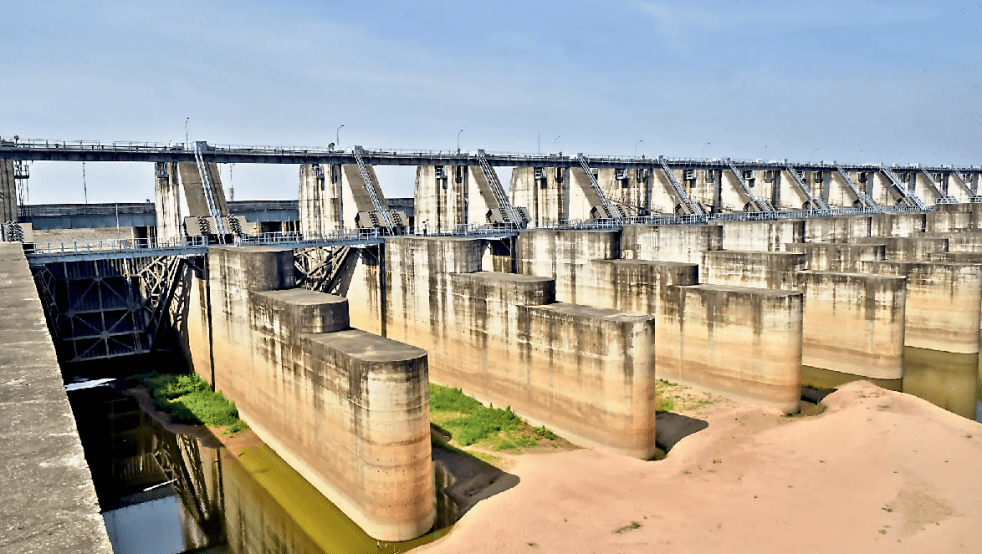
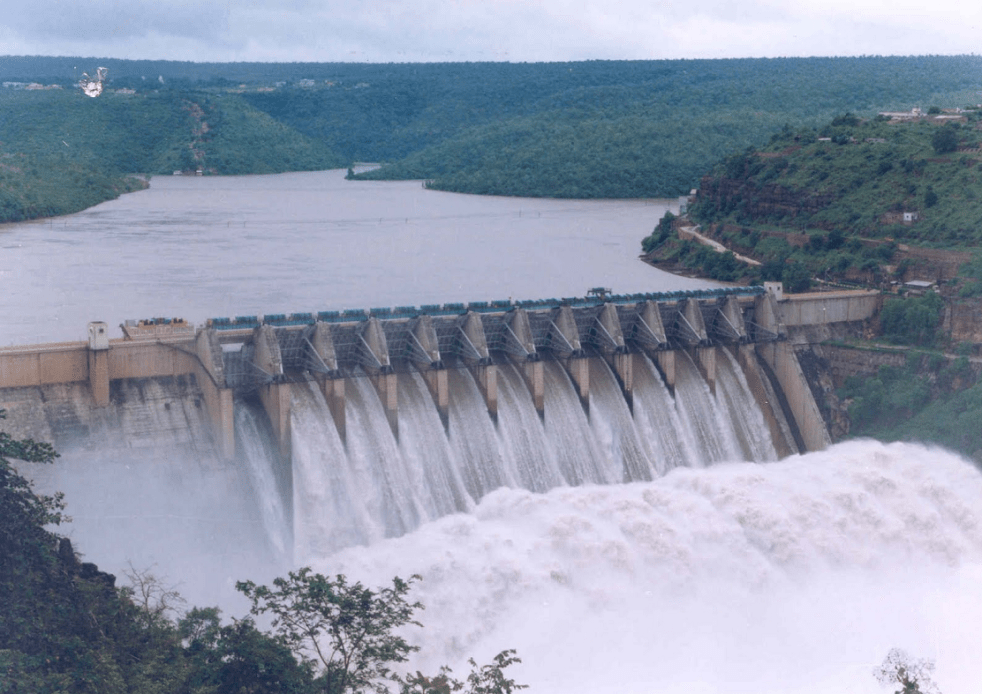
A report this week quotes a Govt of Gujarat (GOG) insider saying that GOG is giving 16.7% of SSP (Sardar Sarovar Project) water for industries (with more in pipeline) against planned allocation of just 2% (0.2 Million Acre Feet or MAF). Similarly, against planned allocation of zero for Urban areas in Ahmedabad, Gandhinagar, Vadodara, Kheda and Bharuch, most large urban areas are getting Narmada water. However, the insider says, the area irrigated by the SSP is only 33% of the targeted area, with largest water quantities going to already irrigated central Gujarat. Similarly, with the Narmada Water Disputes Tribunal (NWDT) asked Gujarat to provide water for the SSP Downstream areas from its allocated share, but Gujarat keeps claiming it has no water for this and asks other states to provide water for the downstream areas from common pool. It seems the worst fears of the project critiques are coming true. The insider has in fact characterized this state of affairs as water anarchy in Gujarat.
Continue reading “DRP 030225: Water Anarchy in Gujarat in Narmada water allocation?”Tag: rivers
World Wetlands Day 2025: Top Ten Positive Actions & Reports
(Feature Image: Villagers plant mangrove saplings in an island off Kudikadu village in Tamil Nadu’s Cuddalore district. Credit: The Print)
Marking the World Wetlands Day 2025, this article carries top ten positive reports from 2024 on protection and conservation of wetlands in India. The overview highlights some remarkable steps taken by individuals, community groups, governments for restoration of wetlands, lakes, waterbodies and mangroves in the country during the past year. We have also published three overviews on the issue including the situation of Ramsar wetlands, other wetlands and important judicial decisions regarding management of wetlands in the country.
Continue reading “World Wetlands Day 2025: Top Ten Positive Actions & Reports”Groundwater 2024: Increasing Contamination: Tip of a Toxic-berg?
(Feature Image: Drain No 6 in Kundli, Sonipat filled with industrial effluents. BS Rawat/ SANDRP/ May 2023)
This annual overview compiles the top ten reports showing the rising contamination of groundwater resources in India during 2024. It includes some shocking facts from Punjab, Himachal Pradesh, Haryana, Gujarat, Telangana, Kerala, Ladakh, Assam, Chhattisgarh, Karnataka and W Bengal, in addition to reports from CGWB (Central Ground Water Board) a Parliamentary Committee. The contaminants reported in groundwater include nitrates, fluorides, arsenic, uranium, heavy metals (Chromium, cadmium, nickel, manganese, selenium, among others), Iron, salinity, among others. Since most people consume groundwater assuming it to be safe, what is reported here is only a tip of the proverbial toxic-berg. The easiest way forward, besides more regular monitoring and improved governance is rainwater harvesting on war footing. However, the government, busy pushing more big dams and interlinking projects, has little real priority for that.
Continue reading “Groundwater 2024: Increasing Contamination: Tip of a Toxic-berg?”DRP 270125: India’s non-functional Sewage Treatment Plants
(Feature Image: 10 MLD Kundli CETP in Sonipat. BS Rawat/SANDRP/May 2023)
A detailed report in this week’s DRP News Bulletin below shows how India’s Sewage Treatment Plants (STPs), Govt’s main weapon against pollution of rivers in Urban areas, have been a failure for decades. It is pertinent to note that this is the golden jubilee year of Water Pollution Control Act of 1974, that led to the formation of Central, state Pollution Control Boards, and the whole water pollution control bureaucracy, institutions and legal architecture. There should be little doubt that whole architecture has abysmally failed in achieving basic objective for which it was created, including ensuring proper treatment of urban sewage.
India has spent thousands of crores of rupees on these STPs, mostly, mega, centralized projects. But there has been little effort to address governance of the STPs, to ensure that they function as required and provide the results that they have been set up for. Whether they function or not, qualitatively or quantitatively, year after year and decades after decades, there are no consequences! In fact, if treated properly, sewage can become a asset rather than nuisance that it now is. The Judiciary too, right up to the apex court, have badly failed in achieving any improvement in this eminently justiciable issue.
Continue reading “DRP 270125: India’s non-functional Sewage Treatment Plants”2024 Dam Safety
(Feature Image: Coimbatore Corporation Commissioner M. Sivaguru Prabakaran inspecting the Siruvani dam on January 8, 2025. Photo, Text Source: The Hindu)
This annual overview complies the remaining relevant reports from 2024 concerning safety of dam structures in India. As per a report, the incident of damage to Tungabhadra dam gate in August 2024, raised alarm for other aging dams in Karnataka. In fact, the Bhadra dam also witnessed jamming of a gate due to rust in June 2024. Similarly, the Kabini reservoir has been dealing with a leakage for the past three years. The report further highlights negligence in dams’ monitoring and inadequate expertise and corruption often impacting the quality of maintenance works of dams in the state. As per another report taking sou moto action, the Karnataka High Court in January 2024, banned mining and blasting activities within a 20 km radius of the Krishna Raja Sagara dam in the state.
Continue reading “2024 Dam Safety”DRP 200125: Whither Env Clearance Rejection rate from Expert Appraisal Committee or MoEF?
A detailed review of functioning of Union Ministry of Environment and Forests’ (MoEF) Expert Appraisal Committee (EAC) on River Valley Projects (RVP) for 2024 by SANDRP shows that the committee or for that matter MoEF has almost non-existent rejection rate. Even when a project is not cleared, when it applies again, it gets clearance, whether the application if for stage I (Terms of Reference) or Stage II (Environment Clearance- EC) clearance. Even in some cases like Pump Storage Projects (PSP) in Western Ghats or the Hydropower projects in disaster prone Himalayas, including the disaster-stricken projects like the 1200 MW Teesta III projects in Sikkim, the scrutiny including field visits by the EAC Sub committees is minimal, not worthy calling even scrutiny.
Continue reading “DRP 200125: Whither Env Clearance Rejection rate from Expert Appraisal Committee or MoEF?”2024: Siltation, Safety & Sustainability of Hydro, Dams in India
(Feature Image: Pune: Pavana, Mulshi, Panshet, and Khadakwasla Dams Release Water Due to Heavy Rain in Catchment Areas. Source: Pune Now News, Sept 2024)
This annual overview focusses on how siltation, muck dumping related issues are affecting the safety and sustainability of Hydropower projects and dams in India. Some of the key dams facing crisis in this regard include Bhakra, Ratle, Gangasagar, Hathnur among others. Some of the states where this issue is acute include HP, J&K, Maharashtra, Telangana, Kerala, Karnataka & Punjab.
Continue reading “2024: Siltation, Safety & Sustainability of Hydro, Dams in India”DRP 130125: Will Judiciary take these matters to logical conclusion?
There are at least four cases in this past week where the judiciary has used strong words or taken up crucial issues in water, dams, hydropower projects, wetlands and riverbed mining related issues. In the case related to the safety of Mullaperiyar dam on Kerala-TN border, the Supreme Court has prodded the Centre to wake up from the slumber to ensure that National Dam Safety Authority quickly forms a panel to examine the project. This case has wide ranging repercussions not only about this project, but also functioning of NDSA and other bodies under the Dam Safety Act 2021. Indeed, there is huge question mark as to what extent NDSA and DSA has made our dams any safer.
Continue reading “DRP 130125: Will Judiciary take these matters to logical conclusion?”2024: Climate Change, GLOF impact on Safety of Hydro, Dams in India
(Powerhouse of a hydro project ravaged by cloudburst induced flashflood in Sutlej basin Shimla, Himachal Pradesh in Aug 2024. Image Source: Social Media)
This 2024 annual overview focusses on important reports highlighting the safety and sustainability issues of the hydro and dam projects in India in 2024 in the context of Climate Change, including Glacier melt and GLOFs. The compilation shows that the climate change driven extreme weather events have become significant threat for the structural safety of these projects.
This is even more relevant in inherently vulnerable areas like the Himalayas and Western Ghats from the point of view of seismic activity, young erosion prone mountain, flash floods, avalanches and landslides. Here the impact of climate change effects like more intensified hydrological cycles, cloud bursts, reduction in snow fall, glacier melts and GLOF (Glacier Lake Outburst Flood) increase the vulnerability including landslide dams and avalanche dams.
Continue reading “2024: Climate Change, GLOF impact on Safety of Hydro, Dams in India”2024: Corruption in Hydro, Dams in India
(Feature Image: Construction site of 382 Mw Sunni Hydro project on Sutlej river in Himachal Pradesh. Source: Social Media)
This annual overview focusses on important reports highlighting the corruption issues related to the hydro and dam projects in India in 2024. The electoral bond case has revealed the deep nexus among political parties, contractors and financers as dominant force working behind the projects overlooking the evident disaster risks and undermining the democratic process. As a result, the people, rivers and environment are made to bear the burden and burnt.
The part 1 of the yearend roundup has documented the accidents and disasters related to dam and HEP projects in India in 2024. The part 2 focuses on community resistance against hydro projects in Himalayan states. The part 3 covers the struggle of dam projects affected people. The part 4 highlights growing concerns against pump storage projects.
Continue reading “2024: Corruption in Hydro, Dams in India”