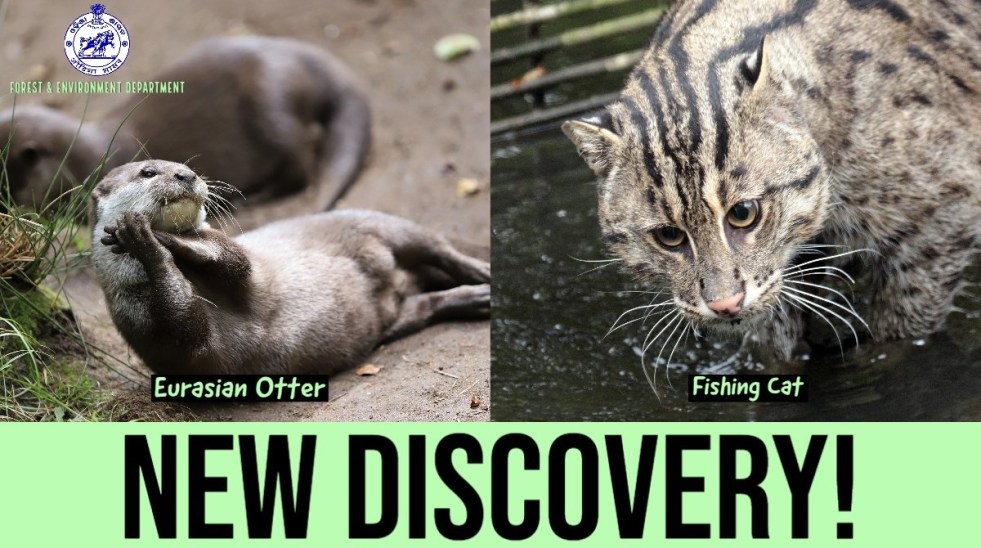
There is some good news this week. A survey has found existence of fishing cat and two otter species in Chilika lake – this was not known so far. However, this also underlines how little we know about India’s aquatic biodiversity in our rivers, lakes and deltas. Its high time we have authentic baseline survey across India, hopefully in participation with the local communities who would already know so much about this. And may be rather urgently, once we are through with the current Covid-19 Crisis.
Continue reading “DRP: 30 March 2020: Chilika has fishing cat & otters, but why we know so little about aquatic biodiversity?”Tag: Pollution
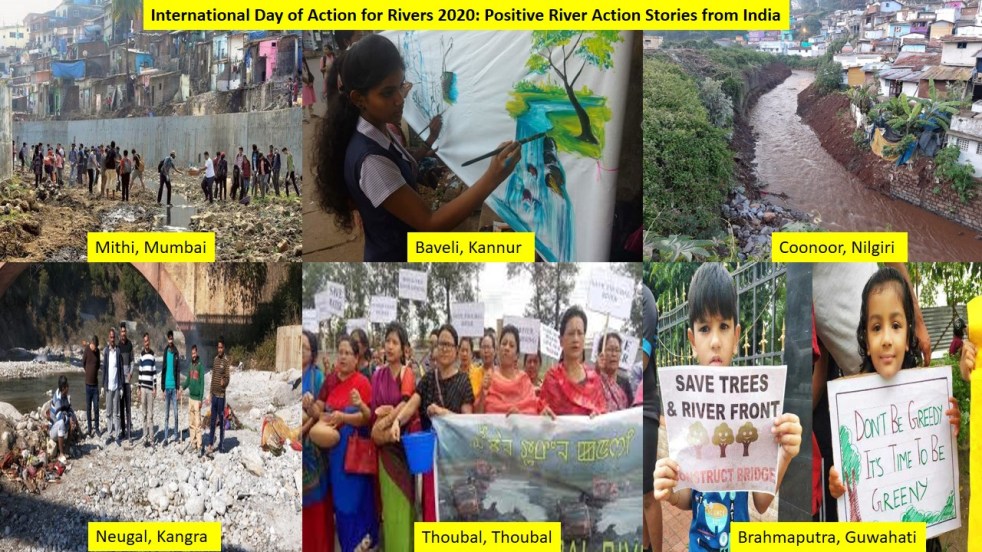
International Day of Action for Rivers 2020: Positive River Stories from India
On the occasion of International day of action for rivers which is annually celebrated on March 14, SANDRP put together some positive citizens and community led actions taken in last one year to protect and revive the rivers in different parts of India.
Continue reading “International Day of Action for Rivers 2020: Positive River Stories from India”

परिक्रमावासियों से नर्मदा मैया को प्लास्टिक कचरा मुक्त बनाने की अपील
Guest Blog by Jubin Mehta
मैंने और मेरे साथी ने 25 नवंबर 2019 से 25 फरवरी 2020 का समय नर्मदा परिक्रमा के दौरान नदी किनारे यात्रा करते हुए व्यतीत किया। करीब 90 दिनों तक चली इस परिक्रमा में हमने कुछ 2500 किमी की पदयात्रा और शेष लगभग 1000 किमी का सफर गाड़ी से किया। बड़ा ही सुन्दर अनुभव रहा- किनारे पर बसे हुए लोगों का भाव, मंदिर और आश्रमों की सेवा और नर्मदा मैया के चमत्कार ने ह्रदय को निर्मल कर दिया और मन को भी एक अद्भुत सी शान्ति से मिली।
Continue reading “परिक्रमावासियों से नर्मदा मैया को प्लास्टिक कचरा मुक्त बनाने की अपील “
India Ramsar Wetlands in Crisis in 2020
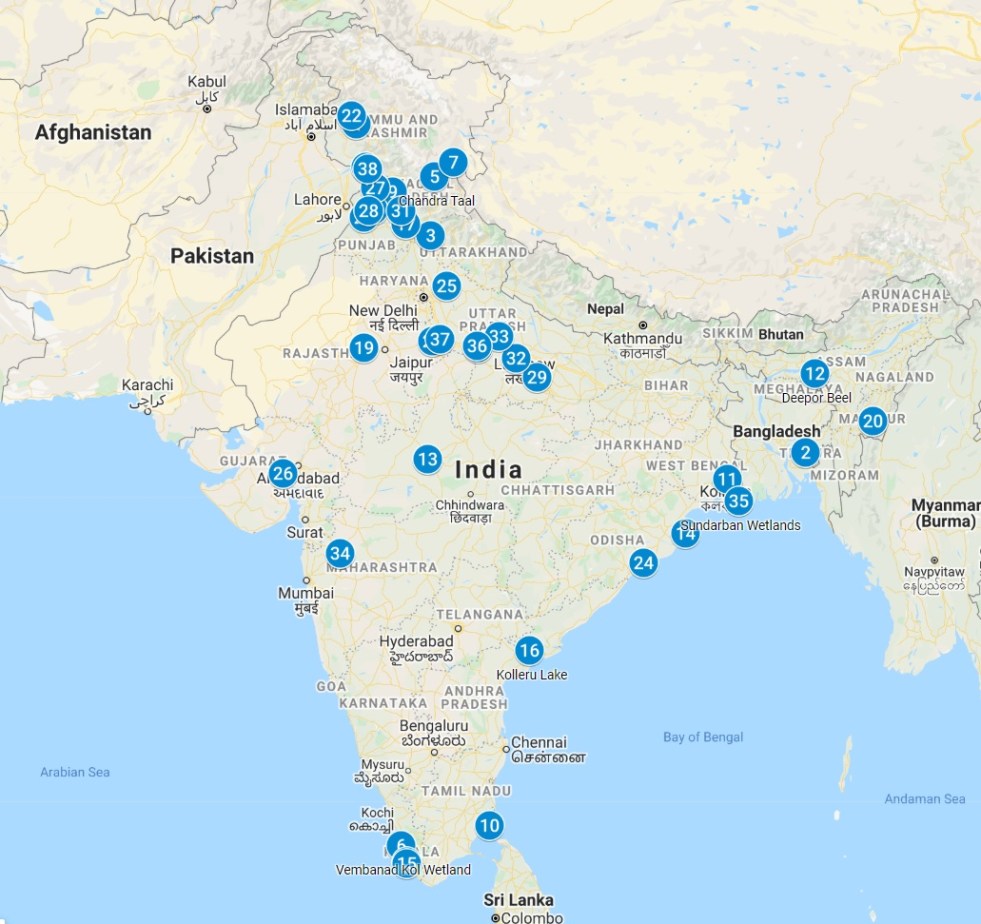
Ramsar wetlands in India require urgent intervention for central, state governments and Ramsar Convention as this 2020 report shows. The five regional reports from India in 2020 show that despite Ramsar tag, the fate of these wetlands has seen no marked improvement. This raises the question as to how helpful for wetlands in India is the Ramsar tag.
In 2019, India has added 10 more wetlands selected under Ramsar Convention taking total number of Ramsar wetlands in the country to 37 covering about 10,679.39 sq km area across 15 different Indian States and two Union Territories (UTs). A description of each of India’s 37 Ramsar wetlands, as given on official Ramsar website is given in Annexure below. A decade after the first meeting at Ramsar in Iran for wetland protection in 1971, India got its first wetlands, Chilika lake (Odisha) and Keoladeo National Park (Rajasthan) registered as Ramsar wetland of global significance in Oct 1981.

Ramsar Wetlands in Crisis 2020: South India
Out of six states/ Union Territory in South India, three stares have five Ramsar wetlands sites which include one each in Andhra Pradesh and Tamil Nadu and three in Kerala. There are no Ramsar wetlands in Telangana, Karnataka and Puducherry. In order to understand and highlight the present day situation of Ramsar sites in India, SANDRP has compiled information on all 37 wetlands under North, West, North East and East zone. This account in the series describes the threats affecting the Ramsar sites in South Indian States.
Continue reading “Ramsar Wetlands in Crisis 2020: South India”

Ramsar Wetlands in Crisis 2020: East India
In East India there are four Ramsar wetlands: two each in W Bengal and Odisha states. There are no Ramsar wetland sites in Bihar, Jharkhand or Sikkim, the other East India states. Here we provide a status of these Ramsar sites of East India, along with the kind of risks and threats these Ramsar sites face. The objective is to ensure greater awareness about these issues and hope that this will help achieve better responses from Ramsar convention as also the governments at various levels.
Continue reading “Ramsar Wetlands in Crisis 2020: East India”
Ramsar Wetlands in Crisis 2020: North India
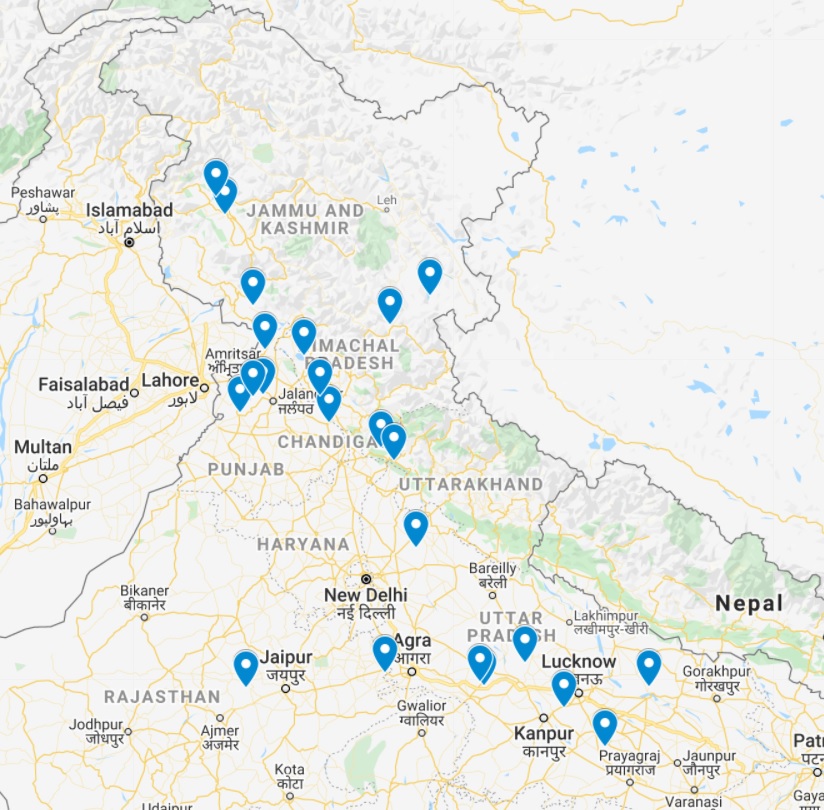
In the second half of 2019, ten additional wetlands of India have been recognized as Ramsar sites taking the total tally of such wetlands from 27 to 37. Does getting Ramsar tags really help the cause of wetlands protection? Here we try to show the present conditions and threats the Ramsar wetlands sites have been facing in North India. The subsequent compilation would share details of Ramsar sites in other zones of India.
Continue reading “Ramsar Wetlands in Crisis 2020: North India”

Despite NGT order and Yamuna Monitoring Committee-CPCB-DDA responses, action awaited about dumping on Yamuna floodplain
The floodplains of Yamuna in Delhi have been facing encroachment threats for long. In the latest incident a huge portion of riverbed underneath Nizammudin bridge towards Games village was found turned into a dumping ground on February 16, 2020. This was happening despite the protection of floodplains from encroachment and waste dumping were among key concerns of remarkable National Green Tribunal (NGT) judgement “Maili Se Nirmal Yamuna” of January 13, 2015. Continue reading “Despite NGT order and Yamuna Monitoring Committee-CPCB-DDA responses, action awaited about dumping on Yamuna floodplain”
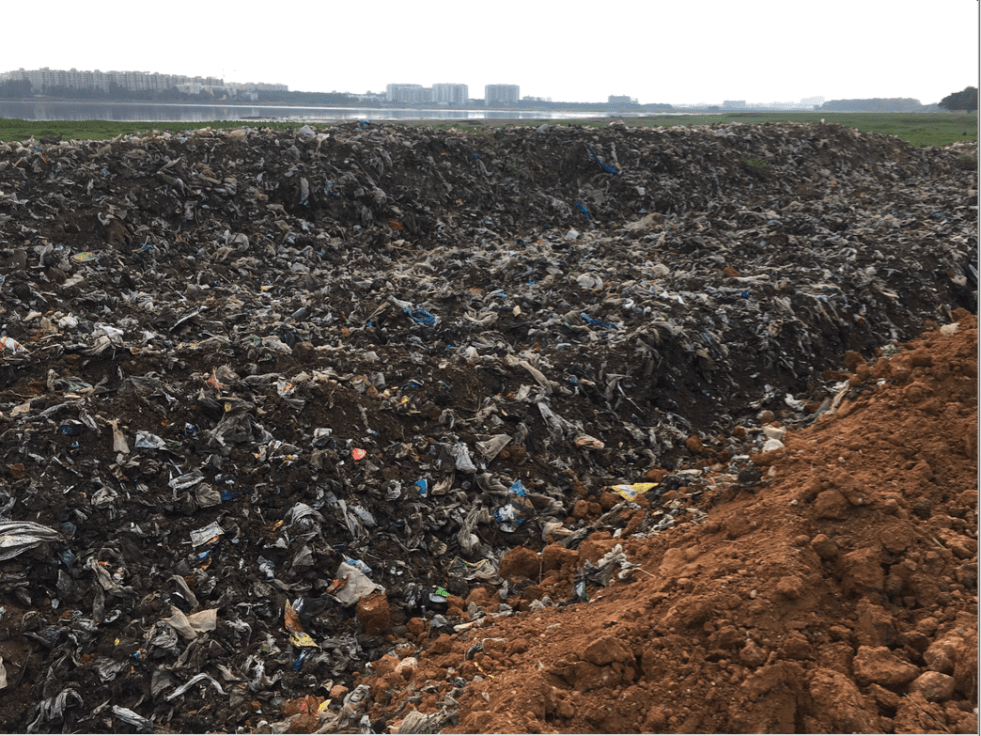
Open letter on Bengaluru’s Bellandur & Varthur Lakes’ Rejuvenation
[SANDRP is happy to publish this open letter dated Feb 11, 2020 from Bangalore Environment Trust on the above subject. The letter is addressed to: The Chief Secretary & Additional Chief Secretary, Government of Karnataka; The Development Commissioner, Government of Karnataka; The Additional Chief Secretary, Urban Development Department; The Commissioner, Bengaluru Development Authority; The Commissioner, Bruhat Bengaluru Mahanagara Palike; The Chairman, Bangalore Water Supply and Sewerage Board; The Chairman & Member Secretary, Karnataka State Pollution Control Board; The Chairman & Member Secretary, Central Pollution Control Board; Regional Directorate (South), Central Pollution Control Board; Director General & Deputy Director General of Forests, MOEFCC; Regional Office (Mahadevpura zone), Karnataka State Pollution Control Board, Justice N Santosh Hedge, NGT appointed expert committee Chairman, Engineering Member, Bangalore Development Authority. The full text of the letter along with annexures is carried here.]
We are very glad that Karnataka Government is working hard under the ambit of NGT (National Green Tribunal) to rejuvenate Bellandur and Varthur Lakes. While we wholeheartedly thank you, for all your efforts to save the lake, we would also like to join hands with you.
We are putting forth some feedback on the process of rejuvenation. By doing that, we sincerely hope that the government will pause to assess the effectiveness of the actions taken so far and adjust future actions, in collaboration with citizens. Continue reading “Open letter on Bengaluru’s Bellandur & Varthur Lakes’ Rejuvenation”
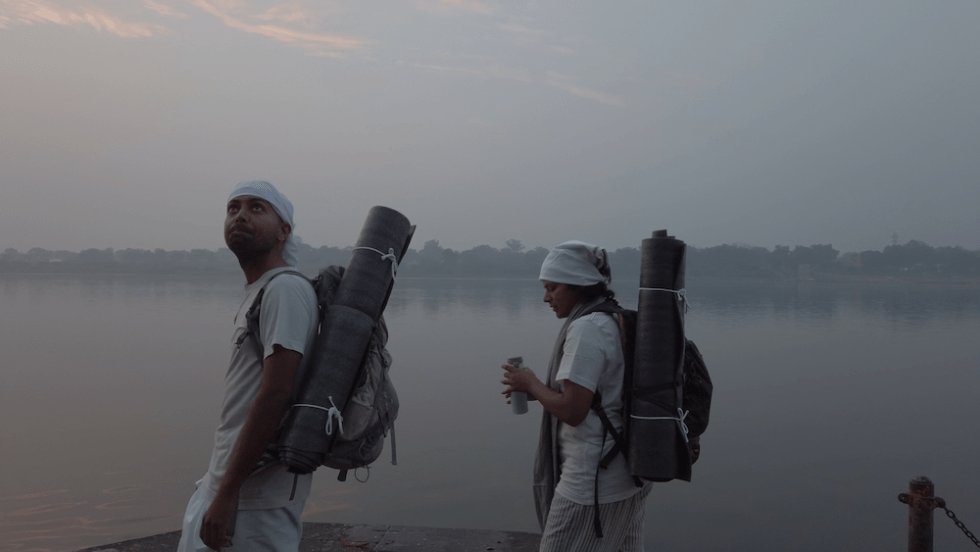
Experience of Narmada Parikrama in 2020: a 3500 km pilgrimage along the river
Guest Blog by Jubin Mehta
Narmada is a sacred river originating in the Maikal Hills of central India from a place called Amarkantak. Parikrama is a Sanskrit word derived from the root ‘pari‘ meaning around and ‘krama‘ meaning going. And hence, Narmada Parikrama means circumambulating the river. This is a spiritual/religious tradition of the Hindus existing from centuries wherein pilgrims start walking from any point along the river after collecting Narmadaji’s water in a vial and start walking with the river to their right.
If a person has started from the north bank, they’d walk upstream to the origin of the river in Amarkantak, cross over from beyond the origin point, come to the south bank and walk downstream till the point where the river meets the ocean in south Gujarat. From here, pilgrims board a large boat for an estimated four to seven hours to cross over and reach back to north bank at a place called Mithi Talai. From here, the pilgrim starts walking upstream again to arrive again at the point where they started from. At the end of the journey, pilgrims go to the super sacred Omkareshwar which is one of the 12 ‘Jyotirlingas’ and also a river island which means a person cannot go to this point during the parikrama. One of the rules of the walk is that a person cannot cross over the river and go to the other bank or in the middle. At Omkareshwar, the pilgrim pours back the water that she collected in a vial when she started the walk and completes the parikrama. Continue reading “Experience of Narmada Parikrama in 2020: a 3500 km pilgrimage along the river”
 SANDRP