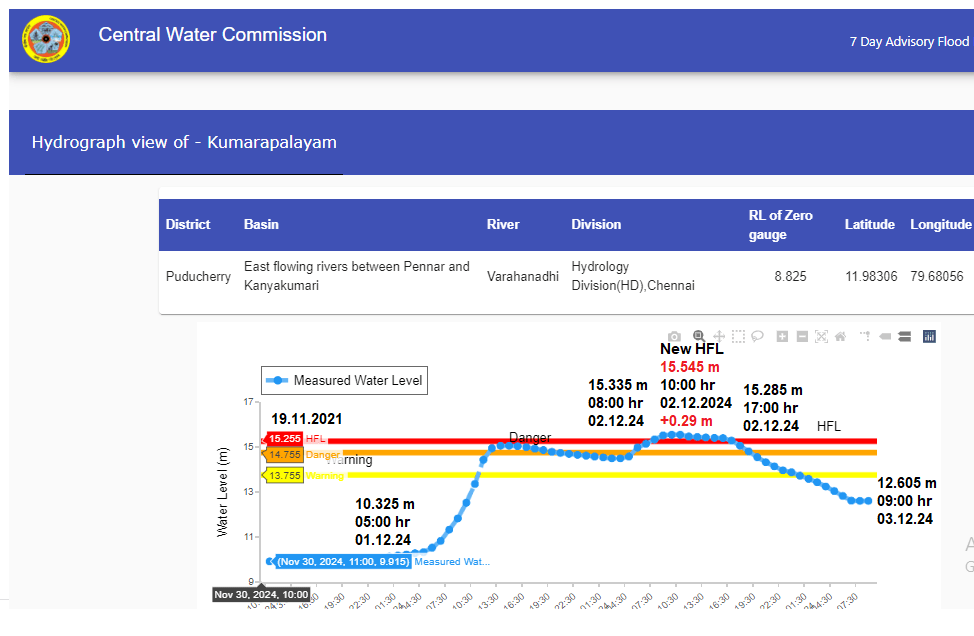
In addition to rivers flowing in extreme flood situations at 64 flooding monitoring stations during Southwest Monsoon 2024, we have found that rivers have crossed highest flood level (HFL) at four stations during just concluded Northeast Monsoon season. Of these four stations, three are in Tamil Nadu state and one is in Union Territory of Puducherry.
Continue reading “Rivers Flowing in Extreme Flood Situation during Northeast Monsoon 2024”Tag: Flood Forecast
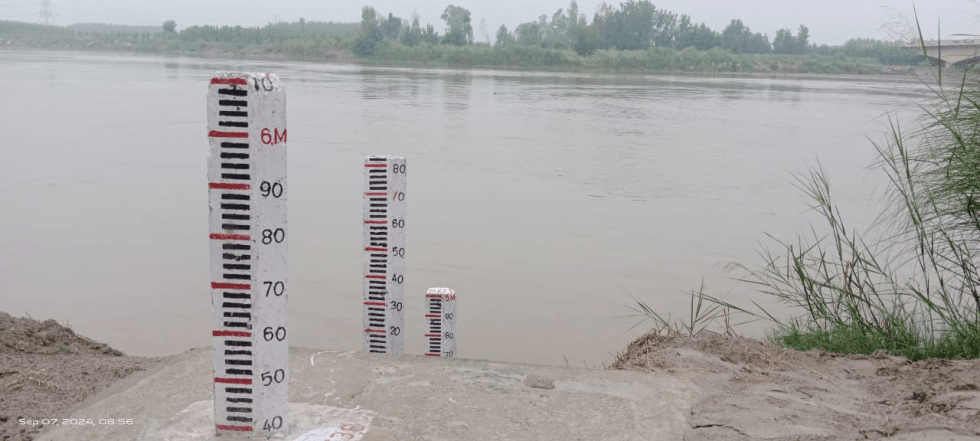
SW Monsoon 2024: Rivers Crossing Highest Flood Levels
During southwest monsoon season 2024, SANDRP has tracked at least 64 flood forecast and flood monitoring sites where the respective rivers have crossed the highest flood levels (HFL). Here we present detailed analysis of these sites along with some key observations and other relevant information. SANDRP’s previous reports on the subject can be seen here: HFL breach incidents in 2018, 2019, 2020, May-Sept 2021, Oct.-Nov 2021, May-June 2022, July-October 2022, June-October 2023.
Continue reading “SW Monsoon 2024: Rivers Crossing Highest Flood Levels”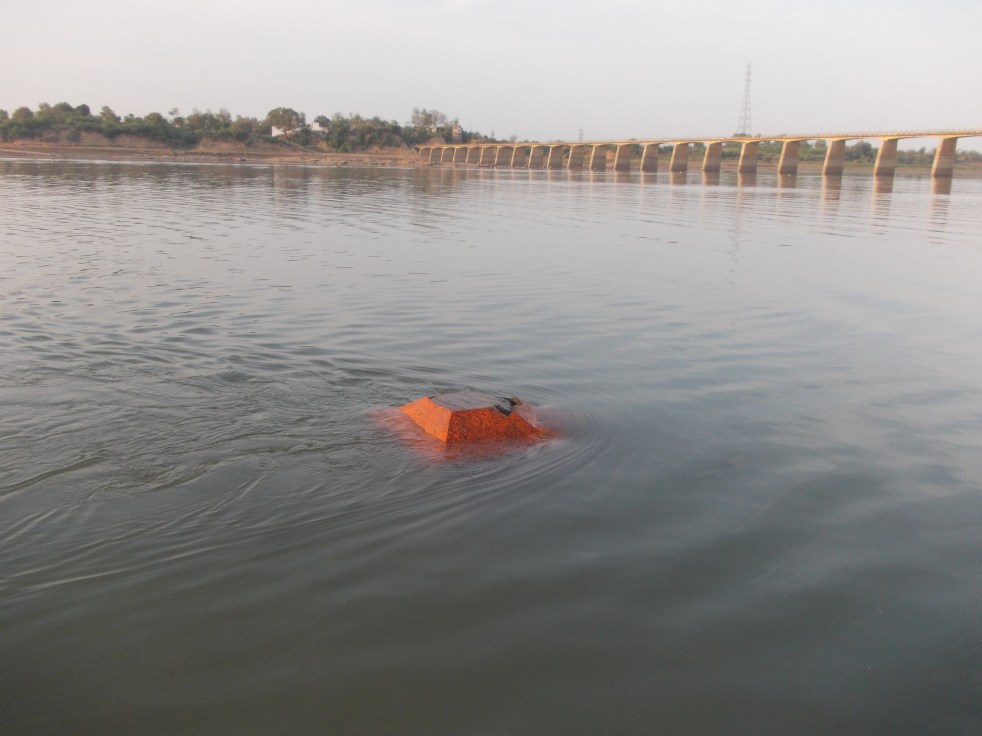
Imprudent management of SSP and other Narmada dams could create avoidable flood disaster in Sept 2024?
Similar to we wrote on Sept 1 2024[i], but possibly with even greater flood prospects and urgency, the situation in Narmada River Basin is once again moving towards a massive avoidable flood disaster due to imprudent management of Sardar Sarovar dam in Gujarat and dams including Indira Sagar, Omkareshwar, Bargi and Tawa dams in Madhya Pradesh. All of these dams are full or almost full with IMD Flash Flood Bulletin (FFB, bulletin is updated thrice a day) as at 0730 hrs on Sept 11 2024[ii] warning about the ongoing or imminent flash flood in Narmada Valley districts.
Continue reading “Imprudent management of SSP and other Narmada dams could create avoidable flood disaster in Sept 2024?”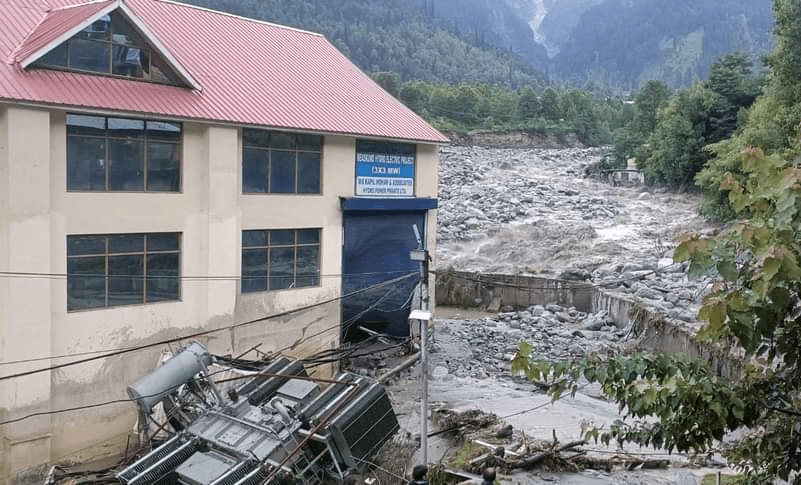
July 2024: ‘Cloudburst’ in Beas Basin Damages 2 HEPs in Himachal Pradesh
(Feature Image: Flashflood ravaged 9 Mw Beas Kund HEP Powerhouse complex. Image Source: News on Air)
The cloudburst induced flashflood destruction took place late on July 25, 2024 in Palchan area of Manali tehsil in Kullu district. Many of the media reports have also mentioned about the deluge damaging a hydroelectric power (HEP) project in Palchan just in a single line without revealing any details or even the name of the HEP.
While looking for more information about the affected HEP, we came to know that not just one but two HEPs have faced significant damages due to the flashflood incident. Both projects are owned and run by private companies in upper Beas River basin.
Continue reading “July 2024: ‘Cloudburst’ in Beas Basin Damages 2 HEPs in Himachal Pradesh”
Rivers Breaching Highest Flood Levels in July 2023
( Feature Image: CWC’s water level gauge set up along Yamuna river at Old Railway Bridge, Delhi. 28 June 2023/ SANDRP)
The analysis of hydrographs being published on Center Water Commission’s (CWC) Flood Forecasting website shows that the previous Highest Flood Levels (HFL) have been breached at least at 34 flood monitoring sites across the country in July 2023. The river basin wise details of all these sites are given in tables below.
Continue reading “Rivers Breaching Highest Flood Levels in July 2023”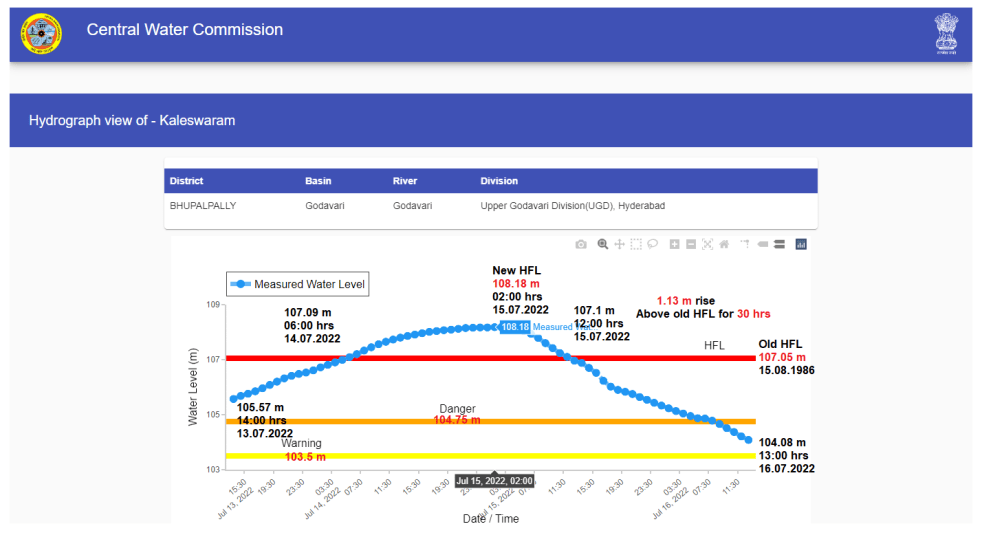
India’s Rivers Breaching High Flood Levels in SW Monsoon 2022
(Feature Image: Hydrograph of River Godavari in extreme flood situation at Kaleswaram level forecast station in Bhupalpally district, Telangana on July 15, 2022. Source: CWC)
Highest Flood Level (HFL) breach incidents are important indicator of flood cycle and could also help in understanding the changing rainfall pattern. Though, with 925 mm rainfall[i], the south west monsoon season 2022 falls in normal category, its distribution both temporally and spatially has seen huge variations. This is also reflected by at least 57 HFL breach incidents in 8 river basin across the country during the SW Monsoon months of July-Sept 2022.
For past four years, SANDRP has been tracking the HFL breach incidents during pre-monsoon and monsoon months. The analysis of such HFL breaches in 2018[ii], 2019[iii] and 2020[iv], May-Sept 2021[v], Oct.-Nov 2021[vi] can be seen on our website. The pre-monsoon months of May and June 2022[vii] have also seen 5 HFL breach incidents. This report tracks the other HFL breach incidents taking place between July and September months.
Continue reading “India’s Rivers Breaching High Flood Levels in SW Monsoon 2022“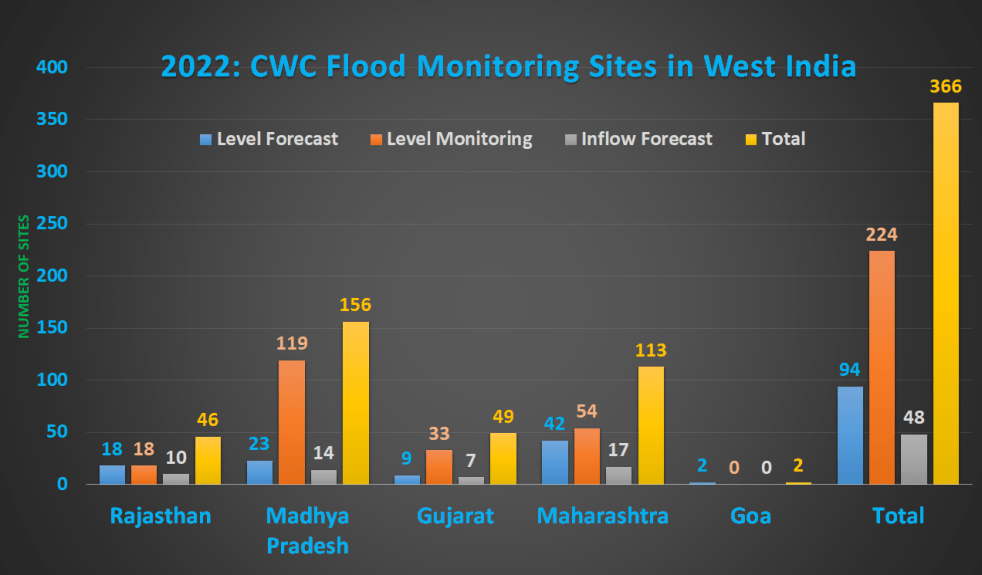
2022: Overview of CWC Flood Monitoring Sites in West India
(Feature Image: Bar chart showing CWC flood monitoring sites excluding UTs of Dadar & Nagar Haveli and Daman & Diu in West India in 2022)
Since 2018, SANDRP has been presenting detailed overviews on flood monitoring sites[i] of Central Water Commission (CWC) which is the only agency doing flood forecast work in India. This year, we have published and highlighted the inaccuracies in CWC’s flood monitoring sites in North[ii], North East[iii] and East[iv] zones. This fourth overview covers the West zone for Rajasthan, Madhya Pradesh, Gujarat, Maharashtra and Goa states. The previous overviews for the region can be seen here (2018[v]) and here (2019[vi]).
Continue reading “2022: Overview of CWC Flood Monitoring Sites in West India“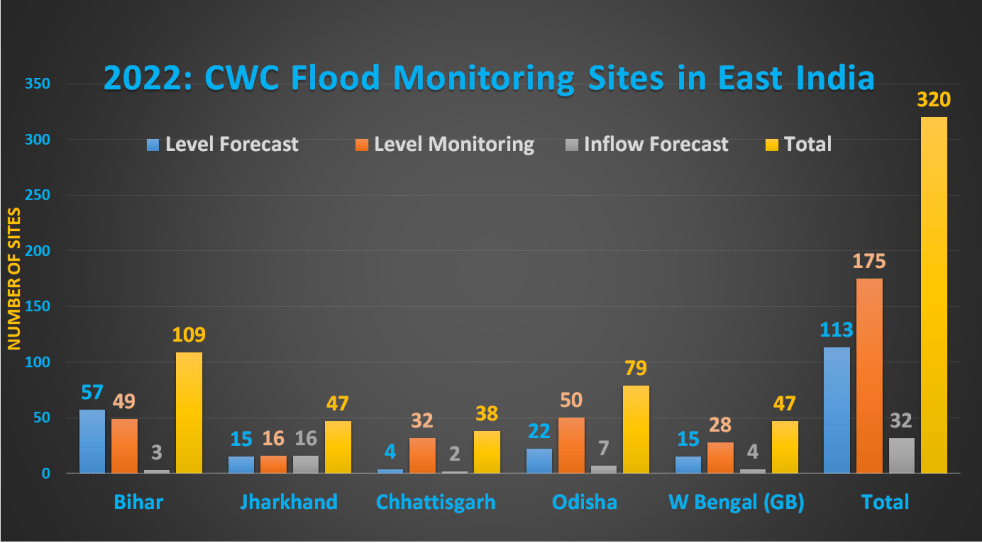
2022: CWC Flood Monitoring Sites in East India
Flood forecast and monitoring is essential part of Central Water Commission’s (CWC) work. Presently, the agency claims[I] issuing flood forecasts at 332 sites including 133 Inflow Forecast (IF) sites and 199 Level Forecast (LF) sites. Since 2018, SANDRP has been presenting critical analysis of CWC’s flood forecast website[II] in region wise manner.
In 2022 SW monsoon season, we have already published the overviews for North[III] and North East[IV] regions of the country. This third part in the series covers the states in East India including Bihar, Jharkhand, Chhattisgarh, Odisha and West Bengal (Ganga Basin). Our previous overviews for the region can be seen here (2018[V]) and here (2019[VI]).
Continue reading “2022: CWC Flood Monitoring Sites in East India“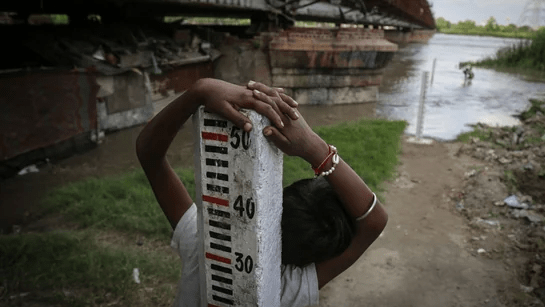
Monsoon 2022: CWC Changing HFLs in Ad-hock Manner
(Feature Image: Pillar with flood level marked on the bank of Yamuna river at Old Railway Bridge level forecast site in Delhi. Source:- Sanchit Khanna/HT Photos)
During monsoon season, Centre Water Commission’s (CWC) carries flood monitoring and forecast work through a network of 332 stations[i] covering 20 major river basins. The stations are comprised of Level Forecast (LF), Level Monitoring (LM) and Inflow Forecast (IF) sites. The LF sites have Warning Level (WL), Danger Level (DL), Highest Flood Level (HFL), date of HFL information while LM sites maintain HFL and HFL date records. At IF sites flood level for respective dams/ barrages with inflow, out flow figures are measured and forecast is issued accordingly.
However, there are plenty of concerns plaguing CWC’s flood forecast and monitoring work across country for years. In this 2022 SW monsoon season, the agency has exhibited one more problematic tendency which exhibits not only its careless approach vis-a-vis keeping accurate information of HFL breach events, but it also seems strange that it realises it has giving wrong HFL level and date information mostly only after crossing the HFL now.
Continue reading “Monsoon 2022: CWC Changing HFLs in Ad-hock Manner“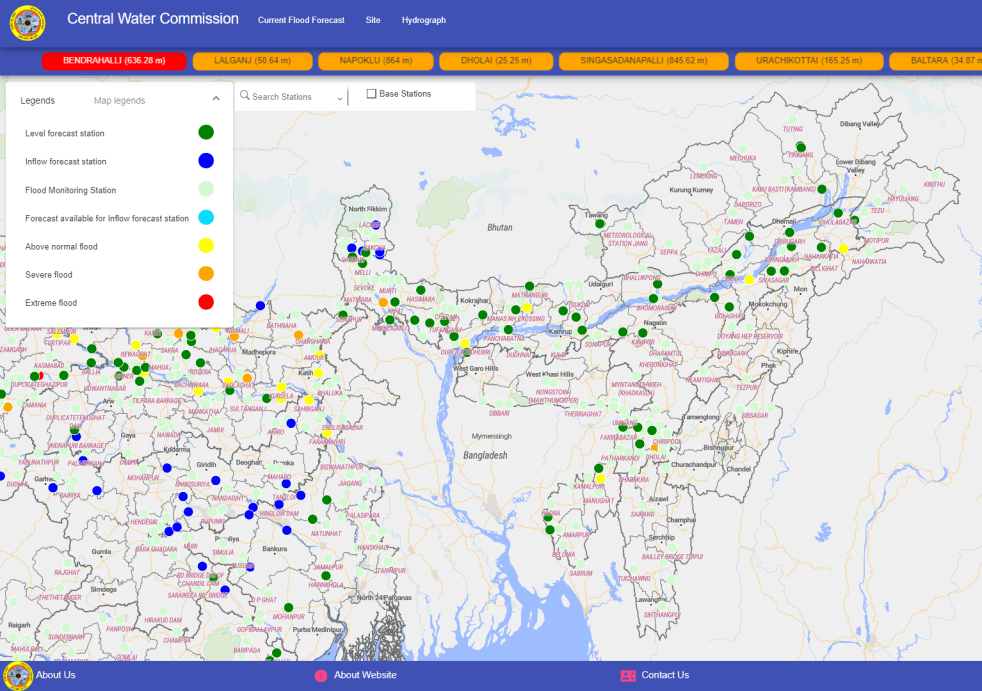
2022: Overview of CWC’s Flood Monitoring Sites in North East India
During monsoon CWC (Central Water Commission) monitors water level at several hundred sites in the county and publishes this information on its Flood Forecast website[I]. The website has three ways to get this information: Data Flow Map, List Based Exploration, and Hydrograph view. The Hydrograph view provides information for past 72 hours, supposed to be updated every hour. This is in addition to the list of current forecasts listed on the website.
Since 2018, SANDRP has been analyzing CWC’s flood forecast website in zone wise manner. After examining status of flood forecast and monitoring sites in North Indian[II] states, this overview is for North East India region covering Arunachal Pradesh, Assam, Meghalaya, Manipur, Nagaland, Tripura, Mizoram and Sikkim states. This also includes part of North West Bengal that is in Brahmaputra basin. Our 2018 and 2019 analysis on the North East region can be seen here[III] and here[IV]. .
Continue reading “2022: Overview of CWC’s Flood Monitoring Sites in North East India“ SANDRP