Climate Change · Dams · Groundwater · Himachal Pradesh · Indus · Ravi River

Raj Naun: Can Stories Save our Springs?

How can we drink this cool water?
For we will see you in it for all our life
Night of atonement, oh girls, oh birds.
~ Sukrat, an elegy for Queen Suhi who was sacrificed for Chamba’s water[1]

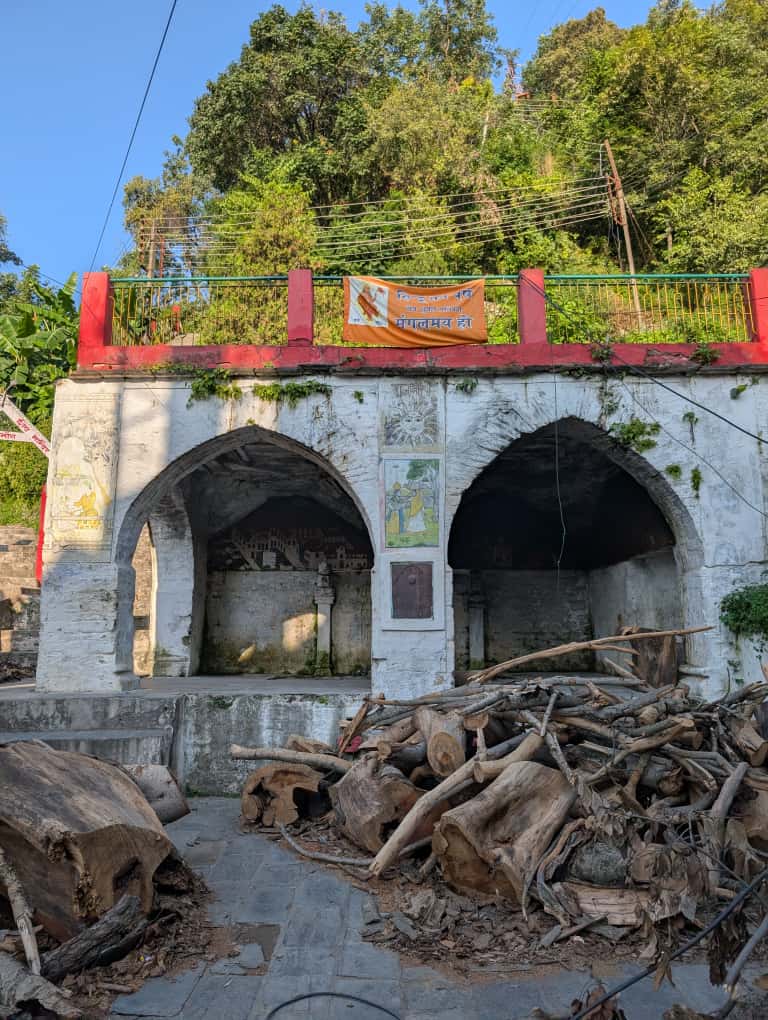
Raj Naun, the Royal Fountain House in Chamba is not what I imagined it to be. After reading and thinking about it obsessively for over a year what lies ahead is not a homage to water but a structure in ruins. The Raj Naun has vaulted ceilings, arches and two beautifully carved waterspouts to channel a robust Himalayan spring. But the spouts are dry, the chamber is full of garbage, bottles of alcohol, stacks of firewood, packets of chips lie around. There is that unmissable stench of urine.

Continue reading “Raj Naun: Can Stories Save our Springs?”
Groundwater · Himachal Pradesh · Himalayas · Ravi River · River Ethnographies

Chhatradi: Thirty-Six Spring Fountains of the Ravi

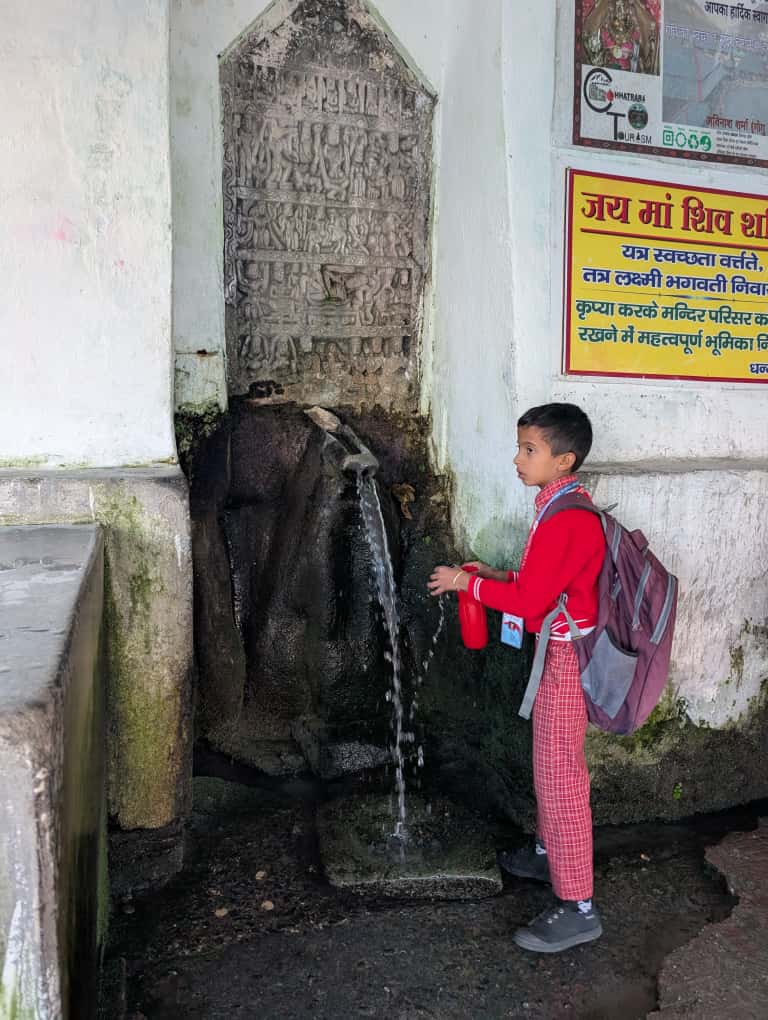
“If you really want to see Panihars, you should visit Chhatradi” says the shy Aditya. He is 15 years old and studies in class X. We are standing on a busy and dusty bridge across a tributary of Ravi in Chamba, Himachal Pradesh. Beside us is the legendary Fulmutala spring fountain (Panihar). Hundreds of people come here every evening to collect cool and clear drinking water. Most have piped water supply in their homes but insist that waters of Fulmutala are peerless. Spring Fountains are a way of life in the Ravi Basin. And yet, very little is said about these beautiful places bringing together groundwater, rivers, ecology and culture.

Continue reading “Chhatradi: Thirty-Six Spring Fountains of the Ravi”
Dam floods · Floods · Hydropower · Indus · Ravi River

Ravi ka Kinara Kaisa hai? River Ravi through its people

Flowing under many names: Vedic Parushni, Puranic Iravati, Greek Hydraotes, River Ravi is arguably the most storied of the five rivers meeting the Indus.

Ravi’s flow from the glacial heights of Himalayas to the fertile plains of Punjab has been embellished in songs and stories for centuries. Heth Vage Ravi Dariya or “Below flows the River Ravi” is a ubiquitous phrase in songs and poems.[1] On the banks of Ranjit Sagar Dam on Ravi, Manbhavan Singh Kahlon, himself a poet-activist muses, “We Punjabis have always written poetry around our rivers. Perhaps even too much, I sometimes think. But most of Ravi’s poetry has been left back in Pakistan.” Pakistan, on the other hand, thinks most of Ravi’s water has been left back in India.

Continue reading “Ravi ka Kinara Kaisa hai? River Ravi through its people”
Climate Change · Dams · Floods · Himachal Pradesh · Himalayas · Hydropower · Indus · Ravi River

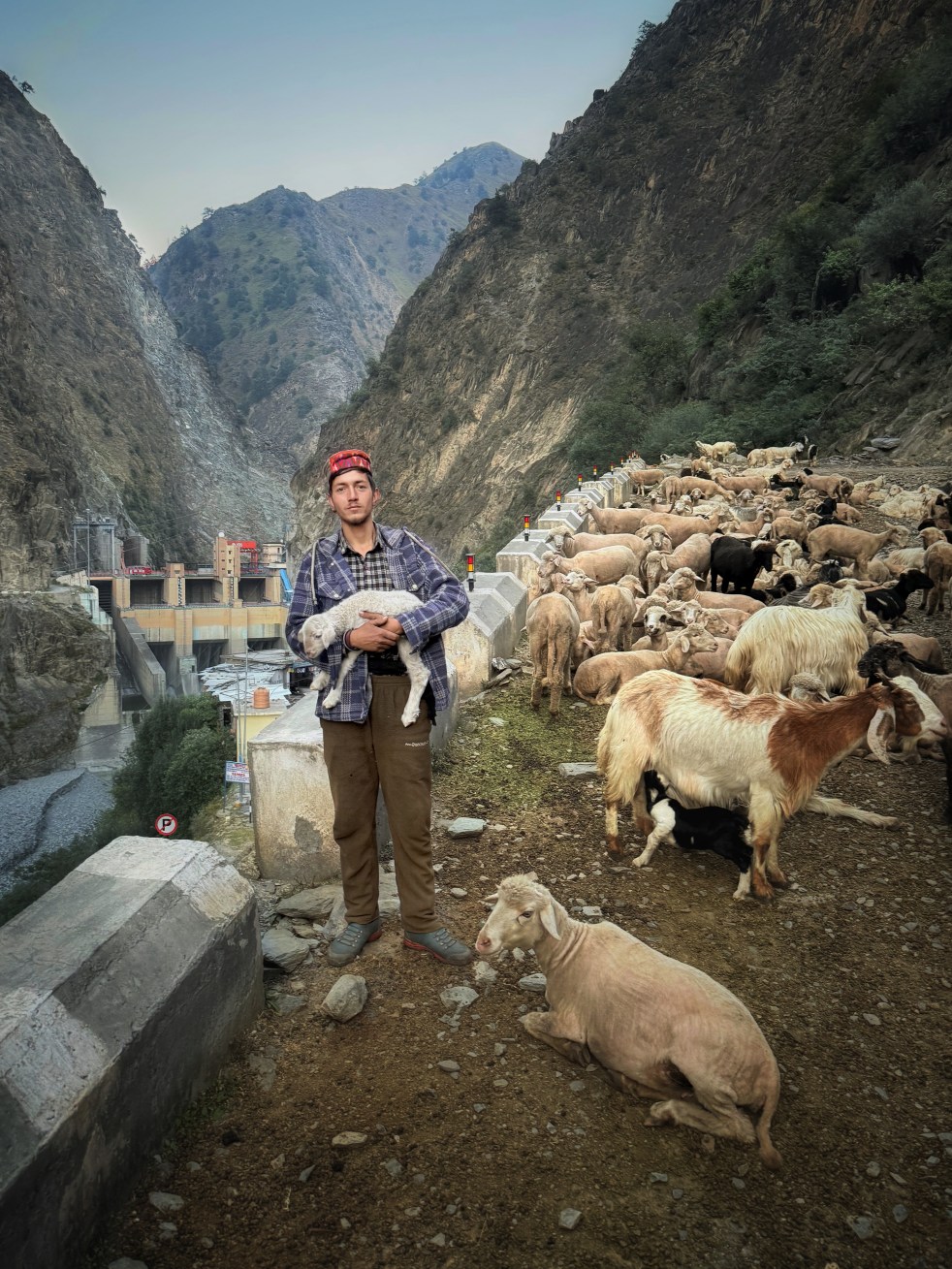
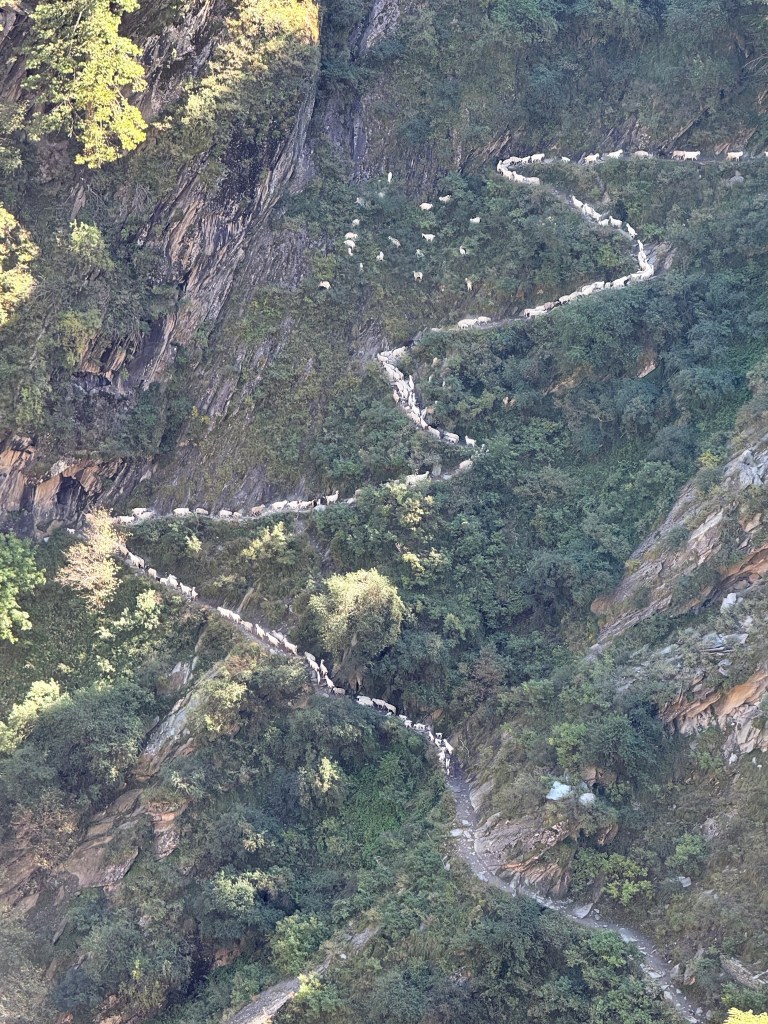
Gaddis: Storytellers of the Ravi Basin 

As we stood on a ridge near the Lakke Wali Mata shrine, a tributary of the Ravi roared below in a deep gorge. Across it rose a shaded, Devdar (Himalayan Cedar)-covered mountain slope, etched by a steep brown trail. As we stood there observing the headwaters of Ravi, we noticed that the trail was moving.

Continue reading “Gaddis: Storytellers of the Ravi Basin “
Climate Change · Dam floods · Dams · Floods · Hydro Disaster · Hydropeaking · Hydropower · Indus

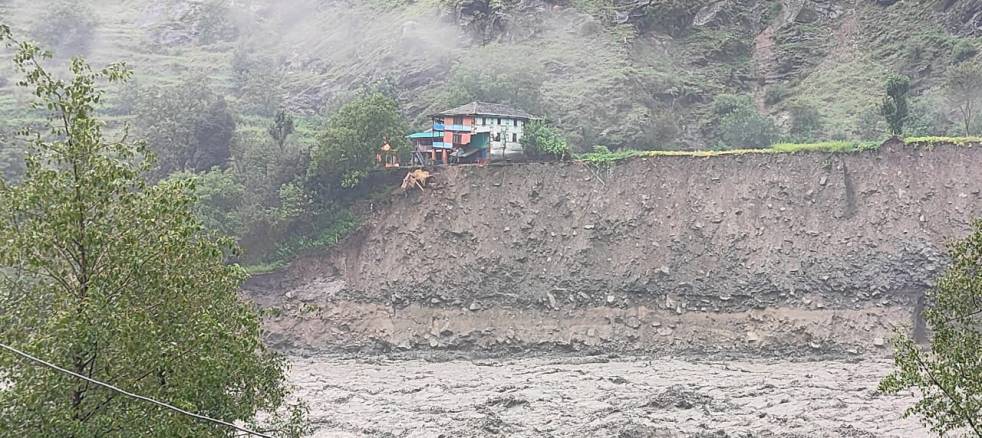
The Day Salun Village Fell: Impacts of Cascading Hydropower Projects in the Ravi Basin

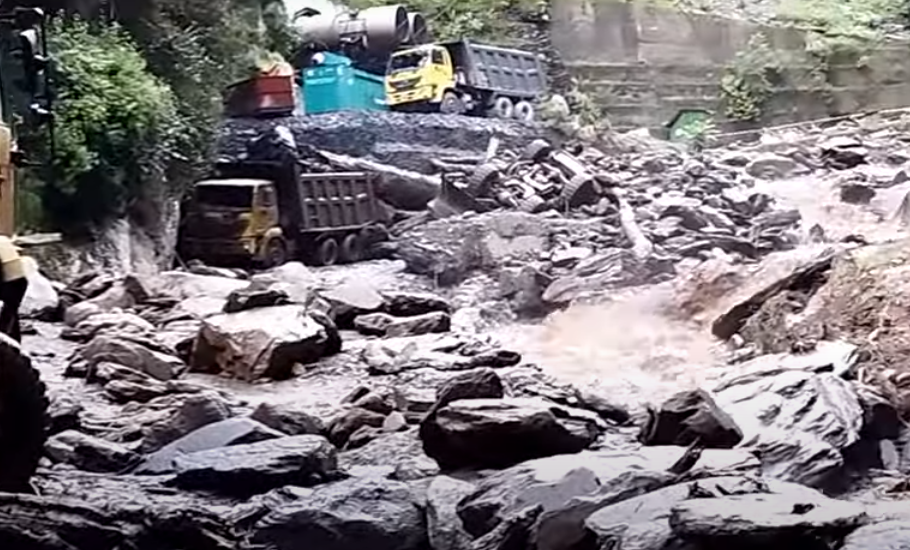
Salun village, perched roughly 50 feet above the Ravi River, had its moment of fame on the 26th August 2025 — a moment that also became its last. On the dark, rainy afternoon, the small village with homes, rajma fields, apple orchards and cattle sheds collapsed into the flooded River Ravi like a house of cards. In a matter of 30 minutes, ancestral homes with warm hearths, blankets for the coming winter, old report cards and wedding albums, adhar cards and bankbooks-entire archives of living-were erased. Villagers, who managed to escape in time stood in awe and saw their village going extinct before their eyes.

Continue reading “The Day Salun Village Fell: Impacts of Cascading Hydropower Projects in the Ravi Basin”
Beas · Chenab · Climate Change · Dams · Floods · Himalayas

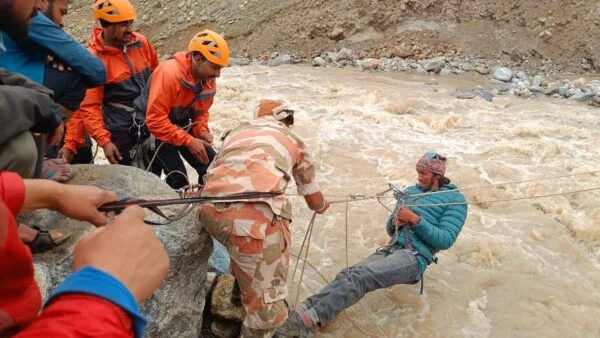
Vulnerable Nallahs in the Himalayas Need Urgent Attention

“When Jahlma Nallah starts roaring, we cannot sleep. It has been flooding for the past three years at least” said octogenarian Devi Singhji in October 2024. Jahlma Nallah, which joins the Chenab and blocks it occasionally, flooded again catastrophically in the monsoon of 2025.

Continue reading “Vulnerable Nallahs in the Himalayas Need Urgent Attention”
Hydro Disaster

May 2024: Chanju III HEP in Chamba-HP: Rockfall Incident Kills 1; Injures 2

Continue reading “May 2024: Chanju III HEP in Chamba-HP: Rockfall Incident Kills 1; Injures 2”
Hydro Disaster

More Himachal Pradesh Hydro Projects damaged in flashfloods in July-Aug 2023

Continue reading “More Himachal Pradesh Hydro Projects damaged in flashfloods in July-Aug 2023”
Cloud Burst

Himachal Pradesh Cloud Bursts 2022: Rise in Death, Disaster & Destruction

(Feature Image: मनाली में सोलंग नाला के पास सेरा नाले में बादल फटने से आयी बाढ़ का पानी। -प्रेट्र/ The Tribune)

Here is an analysis of cloud burst incidents in Himachal Pradesh during south west monsoon 2022. The first part of the series highlighted the impact of cloud bursts in Uttarakhand and the third and final part would cover the Union Territory of Jammu & Kashmir and Ladakh. SANDRP has been tracking the cloud bursts in West Himalayan states since 2018 and our previous reports for the Himachal Pradesh can be seen here 2021(30 cloud burst incidents); 2020(3 incidents); 2019(16 incidents); 2018(21 incidents).

Continue reading “Himachal Pradesh Cloud Bursts 2022: Rise in Death, Disaster & Destruction”
Dams · Monsoon

Himachal Pradesh Monsoon 2018 Overview

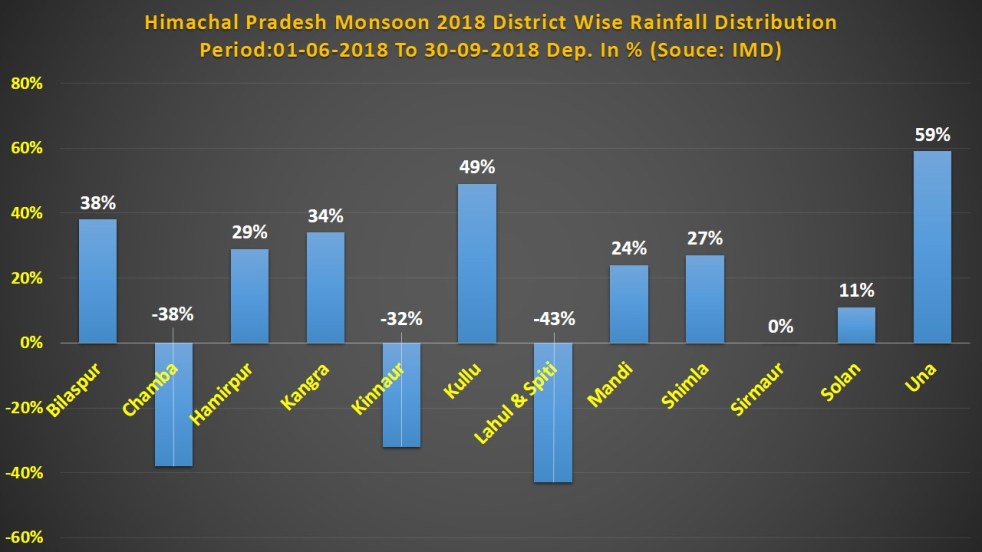
Himachal Pradesh has received 917.3 mm rainfall during South West Monsoon 2018. The amount is 11 percent higher than normal rainfall category of 825.3 mm. However at district level there is considerable variation in the distribution of rainfall. Out of 12 districts in the state, rainfall departure has been in deficit in three districts namely Chamba, Kinnaur and Lahul & Spiti by 38 percent, 32 percent and 43 per cent respectively. All these three districts are in upper part of Himalaya, the origin of many rivers & where mountains are mostly snow covered.

Continue reading “Himachal Pradesh Monsoon 2018 Overview”