Climate Change · Dams · Rivers · Water · Water Options

DRP 020625

HYDRO POWER PROJECTS

Continue reading “DRP 020625”
Climate Change · Cloud Burst · Hydro Power Projects

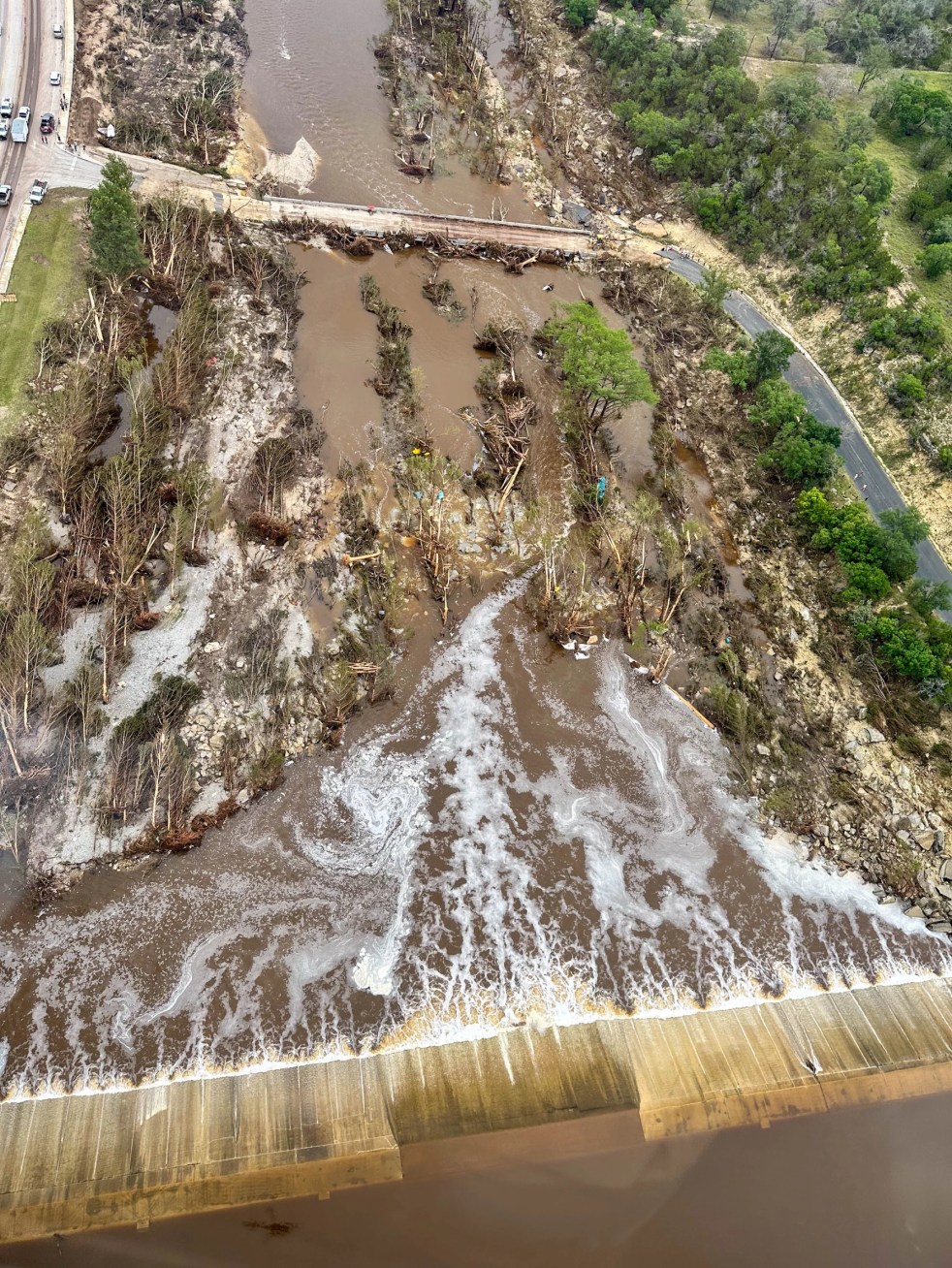
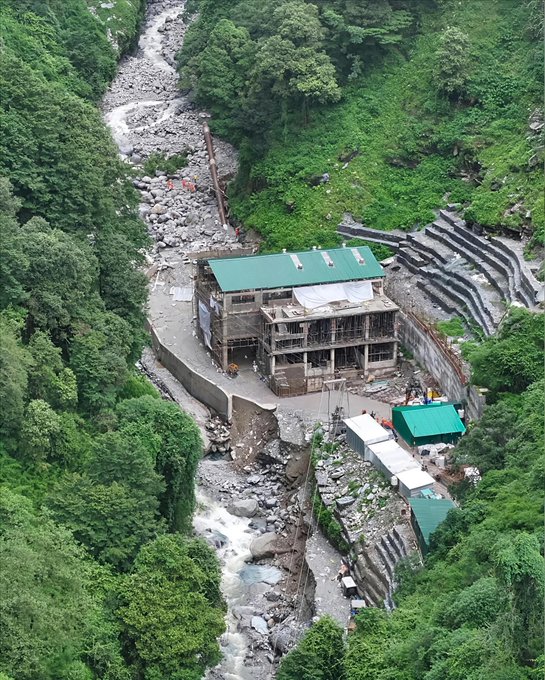
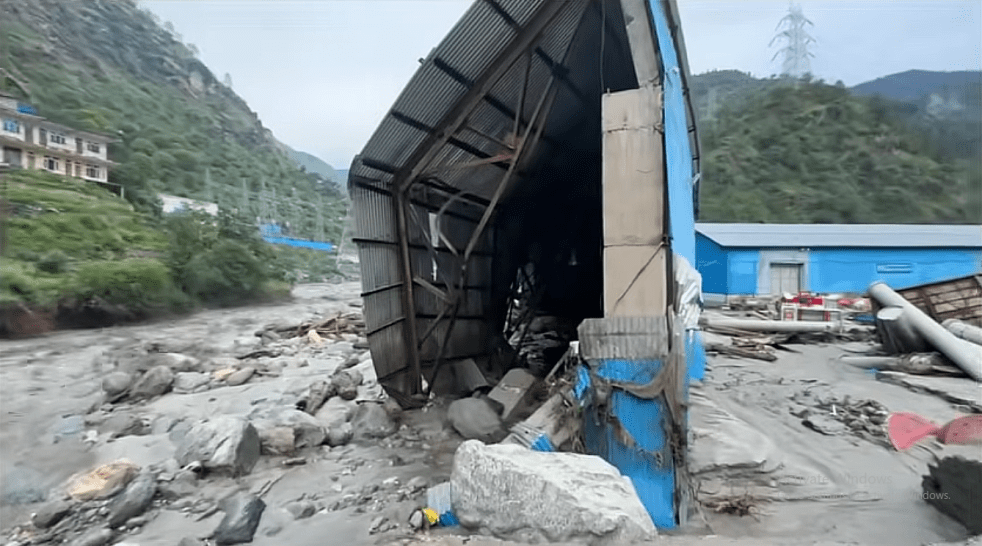
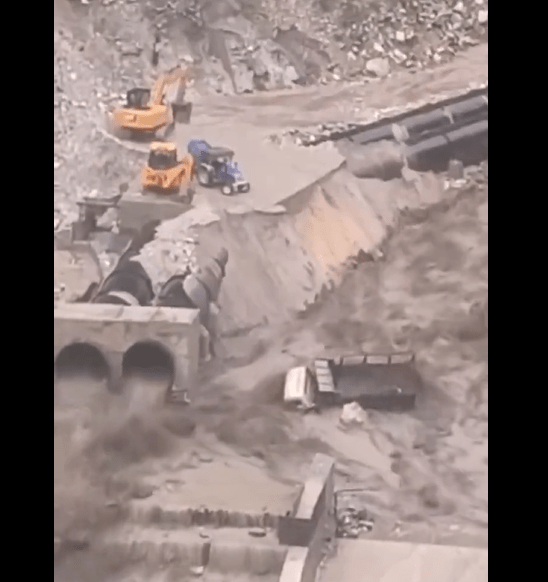
Jammu & Kashmir: ‘Cloudburst’ damages Karnah HEP in Jhelum Basin in May 2025

Continue reading “Jammu & Kashmir: ‘Cloudburst’ damages Karnah HEP in Jhelum Basin in May 2025”
Climate Change · Cloud Burst · Disasters · Himalayas

Jammu-Srinagar NH-44 An Unfolding Long Term Disaster in Ramban District?

Continue reading “Jammu-Srinagar NH-44 An Unfolding Long Term Disaster in Ramban District?”
Climate Change · Disasters · Himalayas

CWC, IMD Need to Improve Extreme Weather Forecast Services

Continue reading “CWC, IMD Need to Improve Extreme Weather Forecast Services”
Chenab · Climate Change · Himalayas · Hydropower

Of Landslides, Spirits and Stories

The Science and Myth surrounding a Himalayan Landslide

Here, in this central spot where three valleys come together
Is the triangle from which all phenomena originate,
An abode of the yoginis of the past,
A place for practitioners in the future.
~ A Tibetan prayer to the sacred Drilbu Ri Mountain where Rivers Chandra and Bhaga meet to form the Chenab

On a crisp September morning, we clank across an iron suspension bridge on the River Chandra to enter the valley of Bhaga. We are tracing the origins of Bhaga and will be reaching Barlacha La pass at an altitude of 15,900 feet in a few hours. Madly fluttering prayer flags swaddling the bridge and the roaring river below make it seem as if, like the prayers, we are adrift on the wind too. Below, on the toasty river sands, a few men doze like monitor lizards. 

Continue reading “Of Landslides, Spirits and Stories”
Chenab · Climate Change · Glaciers · Hydropower · Indus

Infrastructure Projects in Chenab Basin and Climate Change: Need to Exercise Caution

The current developments around Indus Waters Treaty are deeply troubling. Following the heinous attack on tourists in Pehelgam, India has announced that Indus Waters Treaty, the only water sharing mechanism between India and Pakistan put in place in 1960, has been put in abeyance.

Continue reading “Infrastructure Projects in Chenab Basin and Climate Change: Need to Exercise Caution”
Chenab · Climate Change · Floods · Glaciers · Himachal Pradesh · Lahaul, Lindur · Landslide · Landslide dam

A Sinking Village & a Stream that Floods in the Sun: Climate Change, Jahlma Nallah and Lindur in Chenab Basin

At the village of Jasrath in Lahaul and Spiti, the River Chandrabhaga’s current is swift and strong like a rambunctious toddler. The river is new here, birthed just 16 kms upstream at the confluence of the Rivers Chandra and Bhaga. Chandrabhaga will be named as Chenab only after a journey of about 400 kms downstream. Chenab is one of the largest tributaries of the River Indus whose expansive basin feeds over 250 million people in the heart of Asia.  

Lahaul and Spiti district in Himachal Pradesh is a cold desert with very little rain, but the narrow ribbons of land along the Chandrabhaga are emerald with willows, apple orchards and cultivated farms. This is precious land. 

Continue reading “A Sinking Village & a Stream that Floods in the Sun: Climate Change, Jahlma Nallah and Lindur in Chenab Basin”
Chenab · Climate Change · CWC - Central Water Commission · Himachal Pradesh · Hydropower

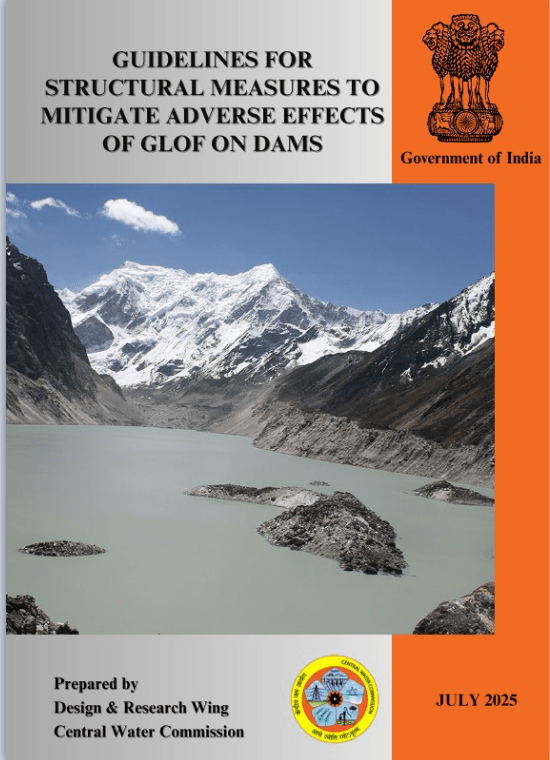
Hydropower-GLOF Nexus in Chenab Headwaters: Absence of credible studies and accountable governance

Increasing incidences of Glacial Lake Outburst Floods (GLOFs) are being experienced in the Indian Himalayas. One of the most notable examples of GLOF was the Chorabari Lake GLOF that occurred on 16th June 2013 in Kedarnath, Uttarakhand[1] which was triggered by heavy rainfall induced mass movements into the lake. The GLOF devastated villages of Kedarnath, Rambara, and Gaurikund. Around 6,000 people were officially killed, and a significant number of the deaths were linked to the GLOF. Countless bridges and roads were washed away, and about thirty hydropower plants were affected or completely devastated. Several Hydropower projects resulted in exponential losses to life and livelihoods. Whole of Uttarakhand was affected in the disaster, and a significant proportion of it was related with GLOF.

Continue reading “Hydropower-GLOF Nexus in Chenab Headwaters: Absence of credible studies and accountable governance”
Climate Change · Dams · Floods · River Front Development · Urban Rivers

Flood Lines, Riverfront Development & Citizen Heroes: Story of Pune Floods

If a city deserved beautiful rivers only through the sheer will and efforts of its civil society, Pune would be a strong contender.

For decades Pune’s civil society has been remarkably active in protecting its rivers. Organizations like Gomukh, Parisar, Soppecom, ACWADAM, Vanrai, Jal Biradari, Ecological Society and newer, powerful people-led groups like Jeevit Nadi and Pune River Revival have put up studies, reports and protests at times. Experts, academics, musicians, poets, writers, historians, students have held the cause of Pune’s rivers high. At any given time, several public interest litigations are being fought by the weary yet hopeful groups, fueled by personal funds, time and passion.

Continue reading “Flood Lines, Riverfront Development & Citizen Heroes: Story of Pune Floods”
Climate Change · Wetlands

Conserving wetlands to realize global climate and biodiversity goals

Guest Article by Mridhu Tandon [i]

The Sudd wetland in the Nile basin is one of the world’s largest freshwater ecosystems. Nourished by the White Nile-a tributary of the Nile, Sudd is a mosaic of open water and submerged vegetation, seasonally inundated woodlands, rain-fed grasslands, and floodplain scrubland. An integral part of Africa’s largest intact savannahs-the Jonglei plains, Sudd supports the world’s second-largest mammal migration after Serengeti. An estimated 1.3 million antelope: white-eared kob, taing, and Mongalla gazelles move from Sudd every year to reach Ethiopia’s Gambella National Park. Sudd has been in the international news recently. Revival of the 40-year-old 240-mile Jonglei canal will divert the waters of the White Nile around the Sudd wetland and send it to Egypt. The canal will desiccate the wetland, and end seasonal flooding of the Jonglei grasslands. Why is it necessary to protect Sudd from drying up? Why has the subject received global attention? More generally, why protect wetlands at all?

Continue reading “Conserving wetlands to realize global climate and biodiversity goals”