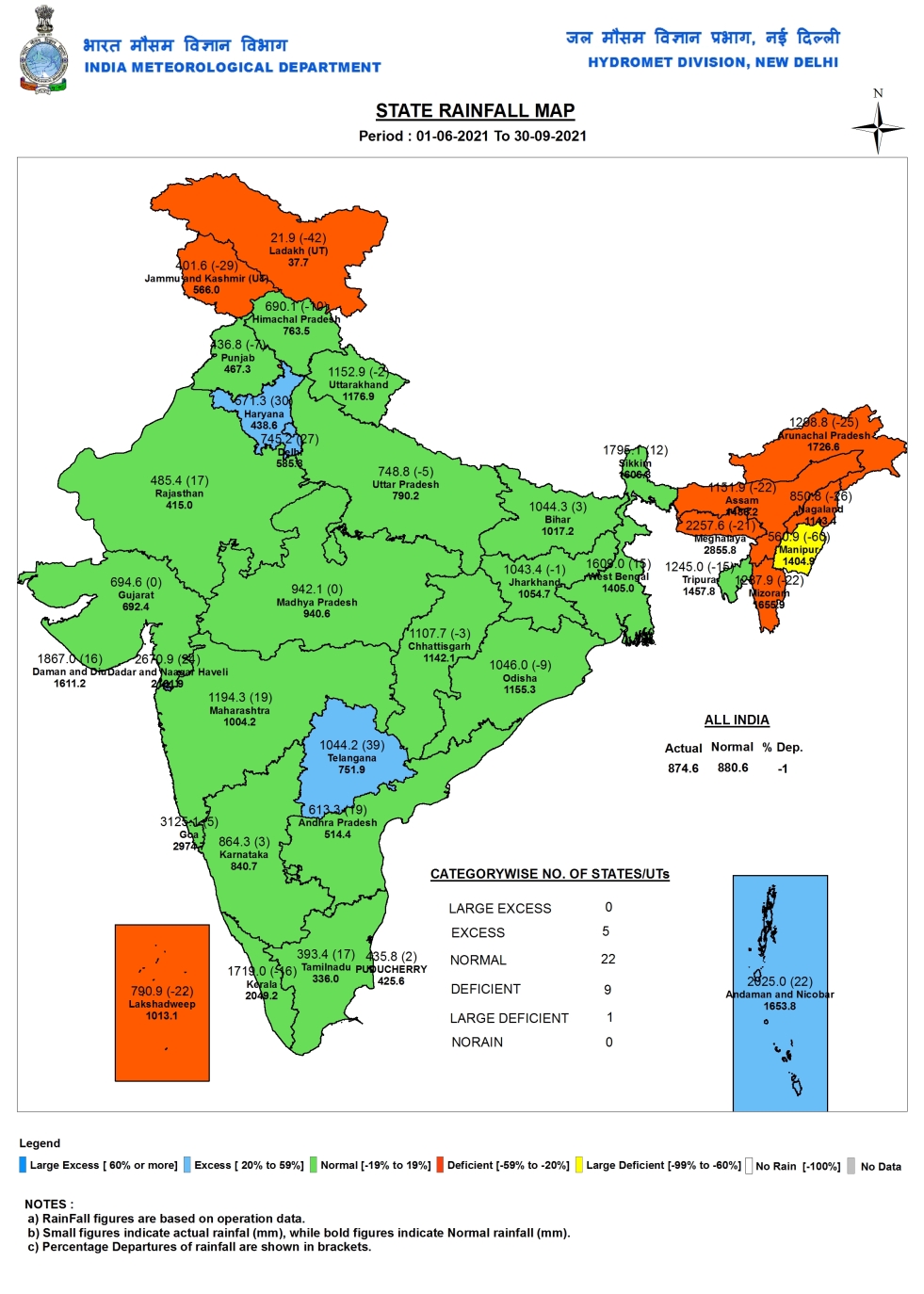
In the just concluded South West Monsoon 2021, India received 874.6 mm rainfall, about 99.32% of the Normal SW Monsoon rainfall or just 0.68% less than the normal SW Monsoon rainfall of 880.6 mm as per India Meteorological department. This rainfall will now be categorised as normal rainfall though till the beginning of Sept 2021, the rainfall at national level was 10% below normal. The massive 34.96% surplus rainfall in Sept 2021, thanks to a number of circulations contributed from the Bay of Bengal, ending with Cyclone Gulab and now possibly Cyclone Shaheen has contributed to wipe out the deficit.
Continue reading “SW Monsoon 2021: District wise rainfall in India”
DRP 270921: TN HC: Protest against environment violations fundamental duty
In a remarkable refreshing order, the Madurai bench of Tamil Nadu High Court has held that protest against environmental violations like that of Sterlite factory is a fundamental duty of citizens. The Madurai bench has reasoned that the duties of the state in protecting the environment are basically the rights of the people. The bench relied on Article 51-A (g) of Part IV-A (Fundamental Duties), which deals with the duty to protect and improve the natural environment, including forests, lakes, rivers and wildlife and to have compassion for living creatures. A liberal interpretation of Article 21 (protection of life and personal liberty) of the constitution enabled the bench to hold that right to environment, free of danger of disease and infection is inherent in it.
Continue reading “DRP 270921: TN HC: Protest against environment violations fundamental duty”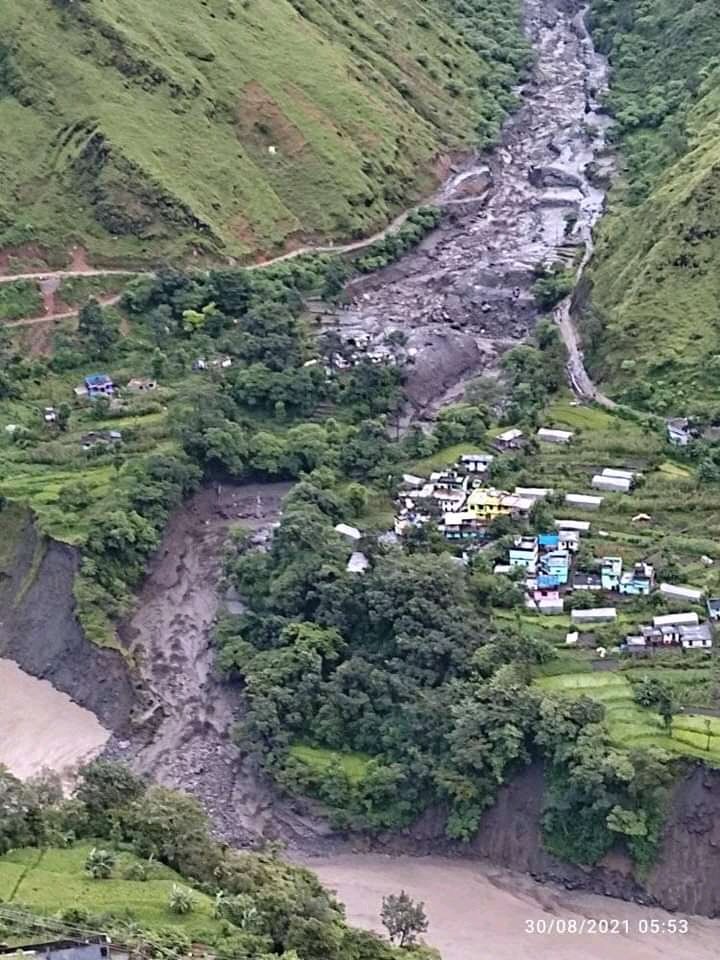
Uttarakhand: Disaster around NHPC’s Dhauliganga Hydropower project
The border areas of Pithoragarh witnessed large scale destruction[i] following series of disasters on August 30, 2021 night. The event[ii] unfolded after unprecedented rainfall in the region causing flash floods in local streams and Kali River also known as Sarda. The affected areas included villages in Darchula district of Nepal located across Kali River which forms natural boundary here between India and Nepal.
Continue reading “Uttarakhand: Disaster around NHPC’s Dhauliganga Hydropower project”
Open Letter to PM on Uttarakhand Hydro in Sept 2021
Open Letter to the Prime Minister, Minister of Environment and media on 09/09/2021:
Restarting seven under-construction hydro projects in Ganga Himalaya unjustified
Recently the MoEF&CC has recommended restarting the construction of seven under-construction HEPs in Uttarakhand namely Tehri II (1000 MW), Tapovan Vishnugad (520 MW), Vishnugad Pipalkoti (444 MW), Singoli Bhatwari (99 MW), Phata Byung (76 MW), Madhmaheshwar (15 MW), and Kaliganga II (4.5 MW). The news came as a shock to citizens, devotees and environmentalists who have been struggling since over a decade to preserve our national river Ganga and the Himalaya. The deeply felt concern over the fate of these two pivotal ecological systems and defining symbols of Indian culture, compel us to write this letter. Not the least, as a citizen, it is also our constitutional duty ‘to protect and improve India’s natural environment’.
Continue reading “Open Letter to PM on Uttarakhand Hydro in Sept 2021”
Don’t Use Climate Funds for Hydro Projects: 300 organisations from 69 countries to UN & govts at COP26
A landmark Global declaration titled “RIVERS FOR CLIMATE” was launched on Sept 21, 2021, endorsed already by 300 organisations from 69 countries calling on governments and leaders attending COP26 (Conference of Parties meeting 26) to protect river ecosystems and stop using scarce climate funds to finance false climate solutions such as hydropower. Representing the views of civil society, peoples movements, Indigenous Peoples’ organizations, scientists, and conservationists, the declaration called out the proliferation schemes being peddled under an erroneous pretense of sustainability.
“Hydropower is not clean energy. We’re at an unprecedented moment in history; facing the triple threats of a runaway climate crisis, large-scale biodiversity loss, and a global pandemic,” said Chris Wilke, Global Advocacy Manager for Waterkeeper Alliance. “We simply cannot waste time, funding, and scarce resources on false solutions that distract us from what is really needed to address the multiple crises we face.”
Continue reading “Don’t Use Climate Funds for Hydro Projects: 300 organisations from 69 countries to UN & govts at COP26”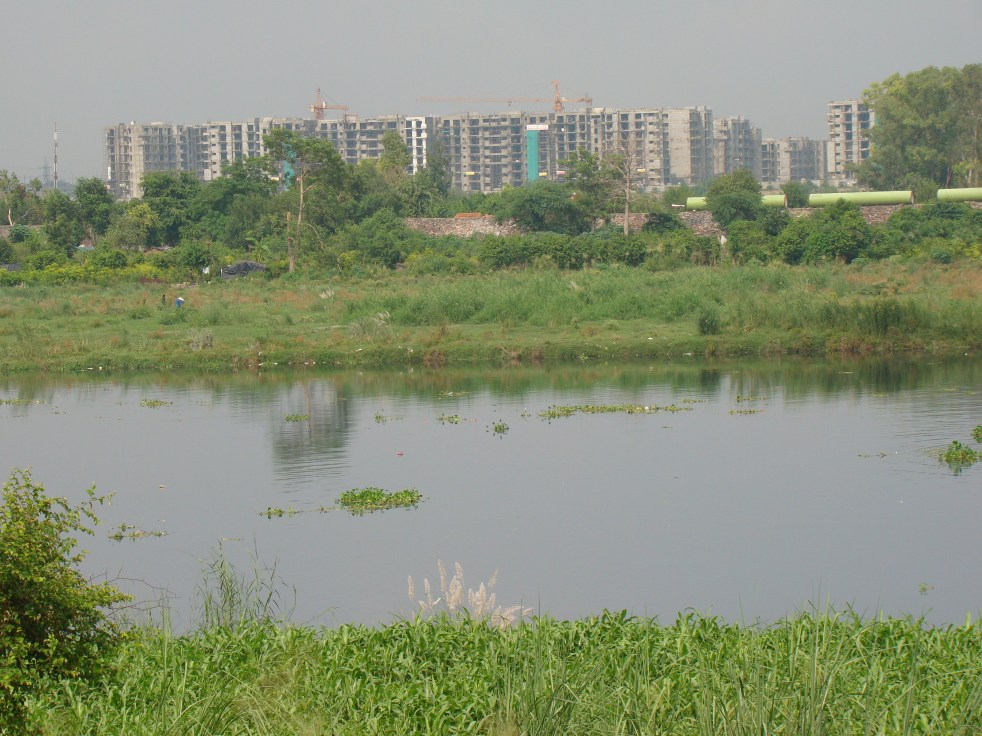
DRP 200921: Policy needed for Urban Rivers, not Riverfronts
There is no doubt that India urgently needs a guidance note and policy for Environment Sensitive, Climate Adaptive and Socially inclusive Urban Rivers Planning and Development. But this is required for the Urban Rivers and not just Urban Riverfront. The NMCG attempt like that of Sabarmati and numerous other river fronts unfortunately are not bothered about rivers, they are only interested in grabbing land from the Urban Rivers and convert the rivers into concrete channels on two and in some cases three sides (include the sides and the bed of the rivers). That is clearly death knell for the rivers. There is no doubt that there is need connect the people with the rivers, not just river fronts. The NMCG and other government bodies know the difference, so it is not out of ignorance that they have come out with the guidance note for river fronts rather than one for rivers. Unless people, civil society, experts and judiciary raise these issues, the future of Urban rivers seem bleak in India, as can be seen from the stories of Urban rivers compiled here from this week.
Continue reading “DRP 200921: Policy needed for Urban Rivers, not Riverfronts”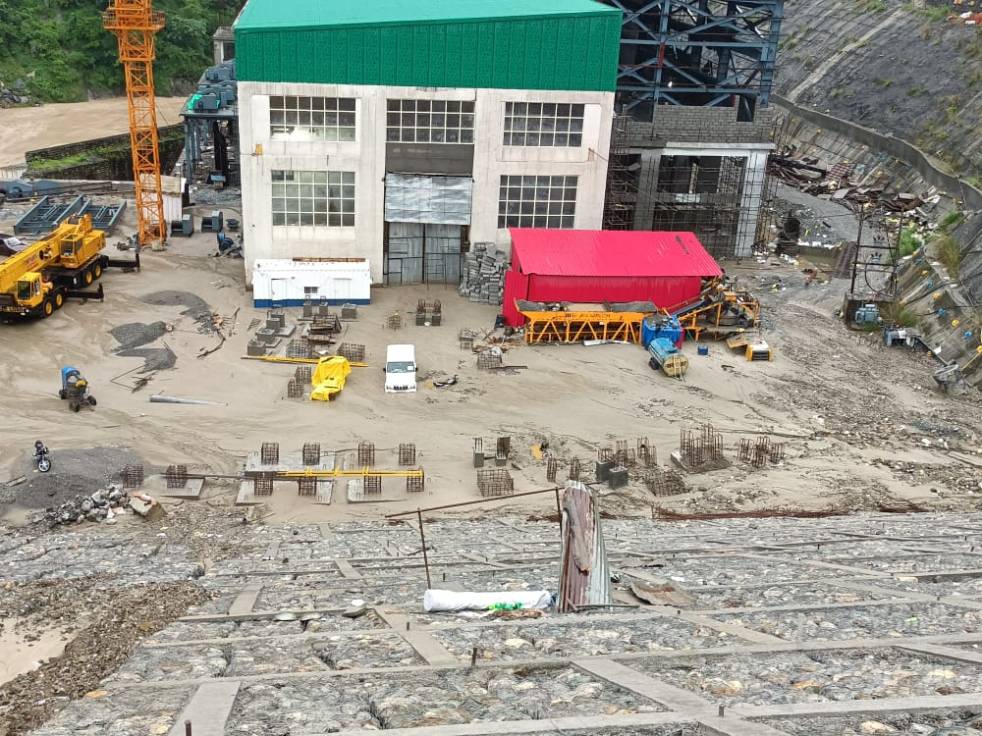
Uttarakhand 2021: Cloud Bursts around Vyasi HEP
On August 25-27, 2021 the most of hilly districts in Uttarakhand witnessed intense rainfall events causing widespread destruction. Media reports and local people suggest at least seven cloud burst incidents occurring in quick succession over Binhar range in Pacchawadoon and Mussoorie hills dividing Ganga and Yamuna basins in Dehradun district. The resultant deluge has also affected the under construction Vyasi Hydro Electric Project (HEP) areas in Vikas Nagar tehsil highlighting that the project is unprepared to cope with existing & emerging disasters.
Continue reading “Uttarakhand 2021: Cloud Bursts around Vyasi HEP”
DRP 130921: Misleading claim of Water Plus cities
Recently, when the government of India certified that cities like Indore, Surat, Hyderabad, Vizag, etc are Water Plus, it raised a number of questions including the credibility of the claim, lack of credit worthy independent assessment, how sustainable are the claims, etc. The author of the following article rightly raises the question if the cities are at all Water Plus. They are clearly not. While recycling and reuse of 30% of treated sewage and full treatment of waste water is welcome in view of the current pathetic status of city water management in cities, this achievement, if it is real as assessed by credit worthy independent assessment & judged against a set of well-defined criteria of sustainability among others, is worth appreciating, but it certainly does not deserve Water Plus City label. To achieve that label, a lot more and a lot different kind of achievements will be required.
Continue reading “DRP 130921: Misleading claim of Water Plus cities”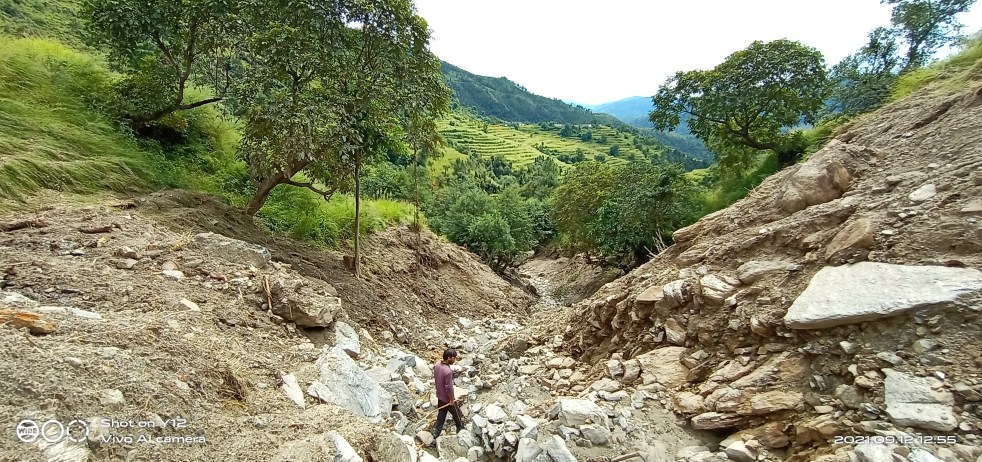
Uttarakhand: ‘Cloud Burst’ in Syunsal; Administration disinterested in rainfall monitoring
On September 7, 2021 a ‘cloud burst’ incident was reported in Syunsal village area of Patti Chauthan. The village is located in buffer zone of Dudhatoli reserve forest in Thailisain block of Pauri district forming borders with Almora and Chamoli districts.
As per villagers the incident occurred around 02.30 am early in the morning. There was heavy rainfall spell since evening of September 6 in the region. Post mid night loud thunders and lightening were also experienced but in the darkness of night, very little could be seen.
Continue reading “Uttarakhand: ‘Cloud Burst’ in Syunsal; Administration disinterested in rainfall monitoring”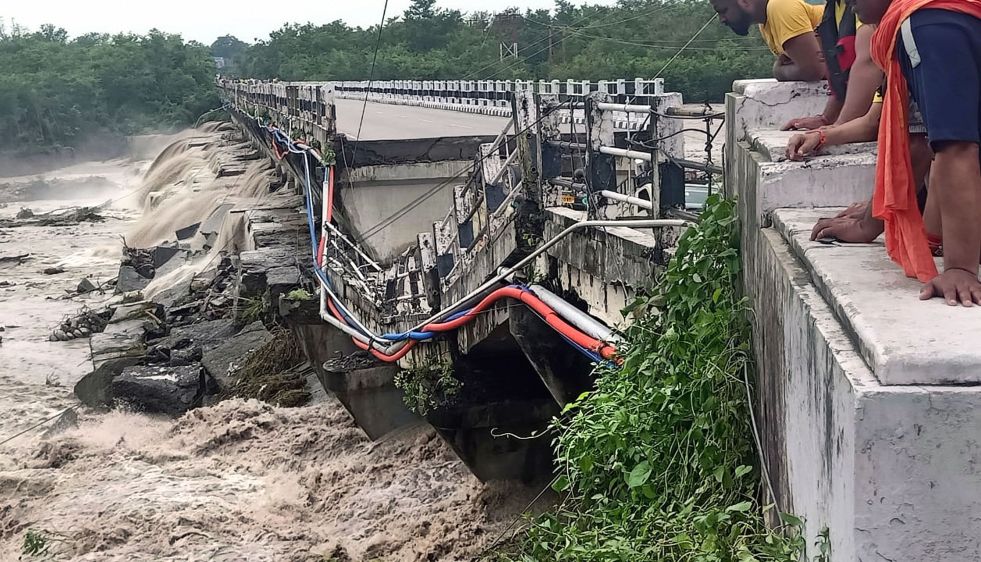
DRP 060921: DISASTERS GOING UP in Himalayas, across India & Globally
(Feature image: Rani Pokhri bridge on the Dehradun Rishikesh highway collapsed near Dehradun, August 27, PTI https://www.thequint.com/news/india/uttarakhand-rains-bridge-on-dehradun-rishikesh-highway-collapses-no-casualties#read-more)
Data published this week (see below) shows that disasters are going up almost five fold in the Himalayas (data from Uttarakhand, HP below, but this is not different in rest of Himalayas), nationally and even globally. The data from UN report this week shows that the disasters are up five fold in recent years. Damage is up even more. As the data of landslides due to Char Dham High way and hydropower projects show, the contribution from these projects to the disaster is clear. So much so that even the editorial in The Hindustan Times this week asked to stop these disastrous projects. While it is unlikely that the governments or politicians would wake up to this reality anytime soon, one expects the judiciary, media, civil society and academics to take up this issue on urgent basis.
Continue reading “DRP 060921: DISASTERS GOING UP in Himalayas, across India & Globally”
