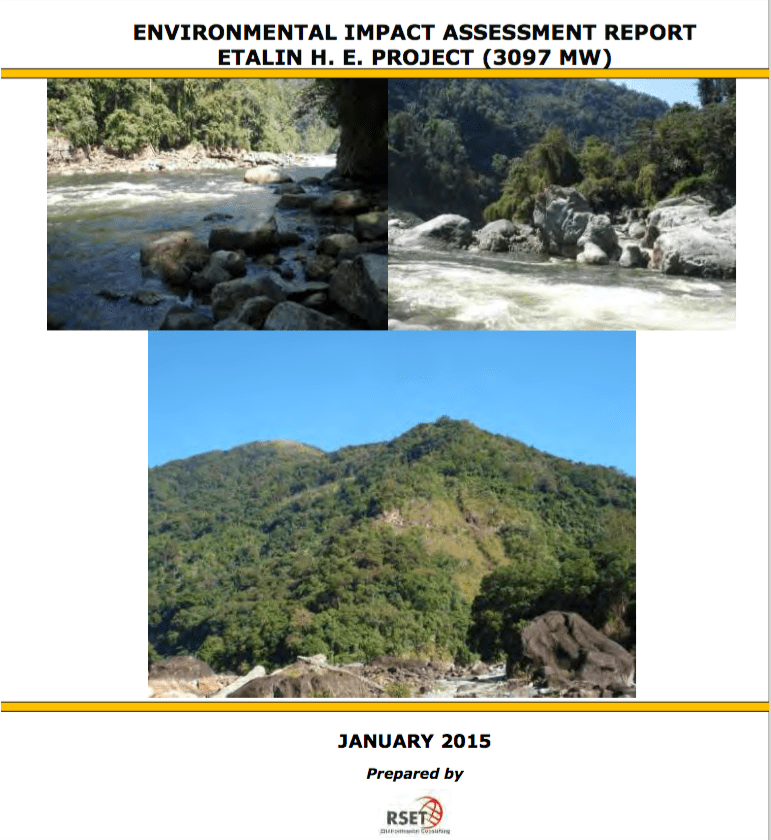
The MoEF’s Expert Appraisal Committee (EAC) on River Valley Projects in its meeting in January 2017 recommended Environmental Clearance (EC) to the controversial 3097 MW Etalin Hydropower project in Dibang River Valley in Arunachal Pradesh. However, since the stage I forest clearance to Etalin HEP has not yet been accorded, the EC letter has not yet been issued. Hence there is an opportunity to stop EC to the project till the EAC reviews its decision.
It may be noted that Forest Advisory Committee (FAC) in its meeting on April 23, 2020, has decided in the context of Etalin Project: “As this is a large sized project in the Himalayas, inputs of IA (Impact Assessment) Division of the Ministry on whether environmental impacts of the proposed project and mitigating measures have been considered, will be obtained.” This provides an opportunity for the MoEF to direct the IA Division and EAC to review its decision to recommend EC to the Etalin Project.
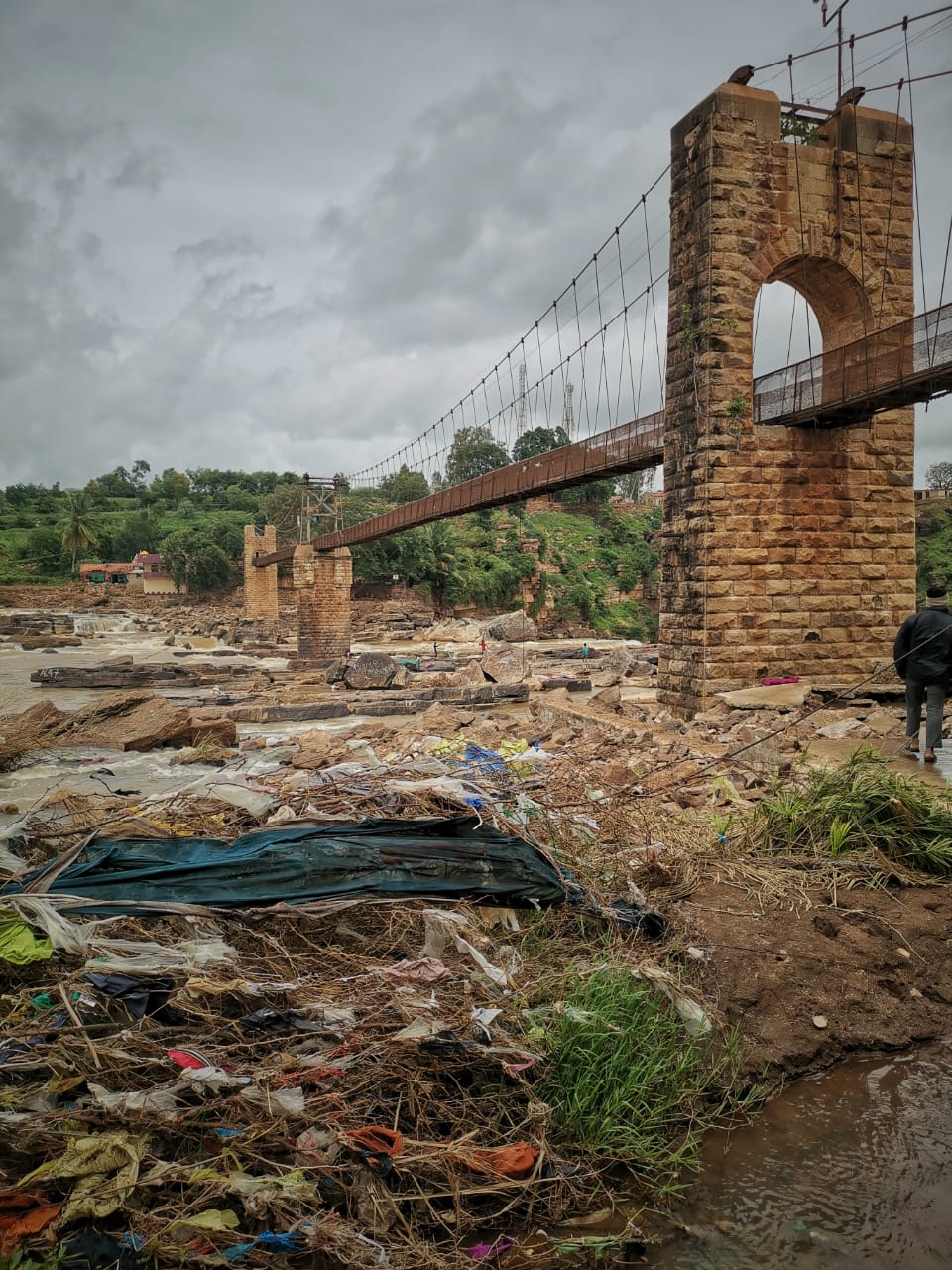
On the 8th August 2019, Krishna River itself and several of its tributaries in Maharashtra as well as Karnataka crossed their Highest Flood Levels at multiple places to set new records. Nowhere is it more stark than in Gokak Falls on the River Ghataprabha in Belgaum District of Karnataka. At Gokak Falls, the Highest Flood Level of the river was more than 553 meters and exceeded the earlier record by more than 5 meters! (For More Details: https://sandrp.in/2019/08/12/krishna-basin-floods-in-karnataka-the-role-of-dams/)
Abhay Kanvinde visited Gokak Falls, Hidkal Dam and villages along the Ghataprabha and Hiranyakeshi Rivers in Karnataka to understand and photo-document the impact of raging water levels on communities and ecosystems. Some interesting facts were thrown up in this trip. Mainly that 2019 Flood levels exceeded not only the 2005 and 2006 levels, but even the historic 1914 Flood levels, which are carefully marked by the British at Gokak Hydropower Station. Continue reading “Breaching Historic Flood Levels many times over: Aftermath of Ghataprabha Floods 2019”→
Guest article by Kaushik Mukherjee and Sourav Prokritibadi
‘Kotto jongol chhnirbek! Sohoje ee jongol chnirte lairbek’ [‘How many trees are they going to cut down? These forests can never be destroyed so easily’]- comment by a tribal lady, Marang Buru hills, Ajodhya, Purulia.
The hilly area of Ayodhya is located within the dry deciduous forest belonging to a sub-region of the north-eastern part of Chhotonagpur plateau, included within a distinctive agro-ecological zone of West Bengal—the undulating red and laterite zone. Some of the prominent and well known hills of this area are Mathaburu, Gorgaburu, Pakhipahar, Ayodhya. The distinctive geological-hydrological backdrop and its characteristic floral and faunal diversity support a local human population—who, as official documents testify, are dependent on the forest for their life and livelihood. Moreover, the topography, forest wealth and wildlife attract tourists, wildlife researchers and naturalists in considerable numbers. Apart from being a popular tourist destination, Ayodhya hill range is significantly important for the entire Santhal population of all over India. The area is located precariously close to excavation sites that have yielded a rich outcrop of microliths—pushing the prehistory of Bengal back to 42,000 years BP[i] and promoting the area to the status of one of the most sensitive archaeological locales in West Bengal[ii]. Continue reading “DEVASTATING DEVELOPMENTS IN AYODHYA HILLS”→
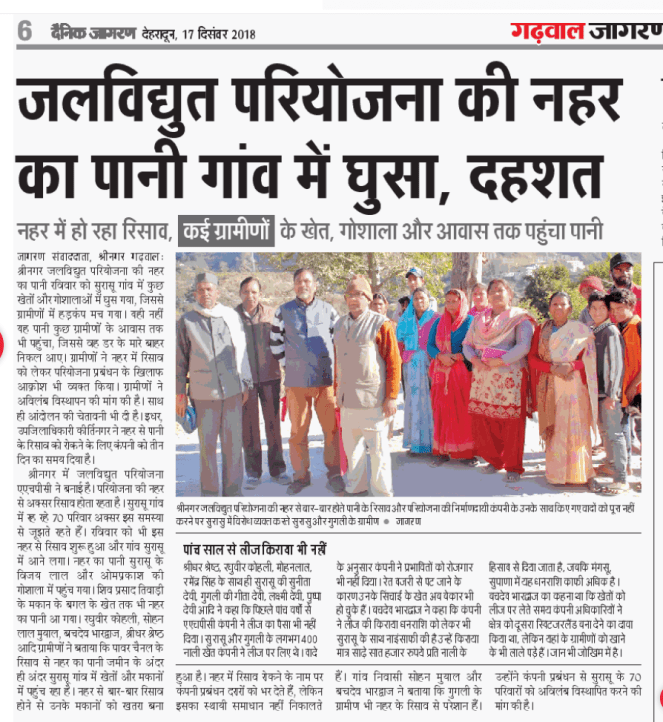
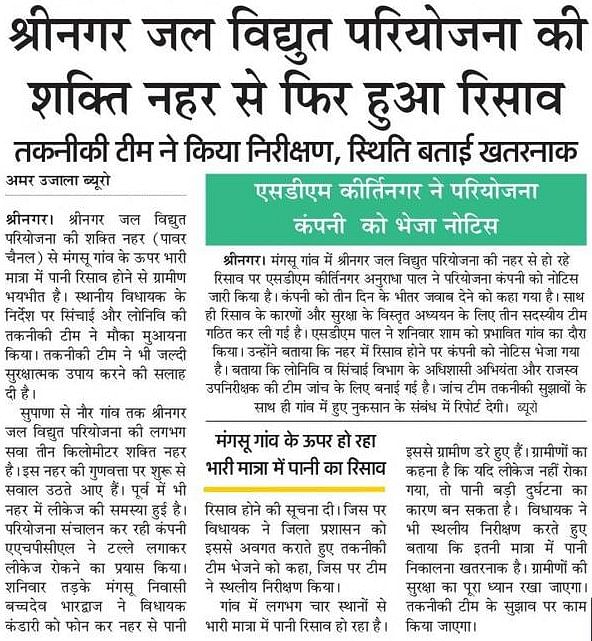
The power channel (canal) of 330 Mw, Srinagar Hydro Electric Power (HEP) project has been leakingsince December 16, 2018 affecting Surasu, Mangsu, Naur and Supana villagers in Srinagar, Uttrakhand.
Villagers were alarmed when the gushing water started reaching fields, cowsheds and some village homes. They staged aprotestand demanded that canal be repaired within three days. Following complains to local MLA Vinod Kandari, a team from Uttrakhand Irrigation Department and Public Work Department (PWD) inspected the affected areas.
The Kritinagar SDM Anuradha Pal also inspected the villages and issued notices to Alaknanda Hydro Power Construction Limited (AHPCL) the developer and operator of the project. She also formed three member probe team comprising of Executive Engineers from Irrigation Department, PWD and Revenue official to look into the issue.
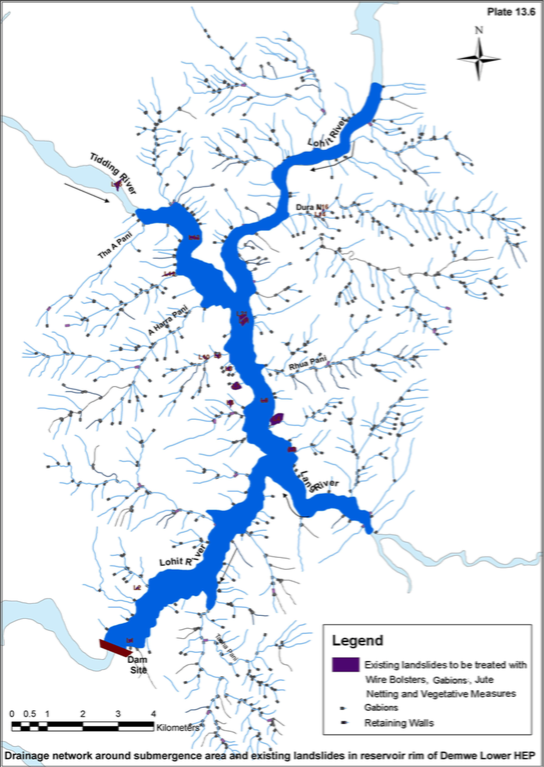
The Minutes of 50th Meeting of Standing Committee (SC) of National Board of Wild Life (NBWL), held on 7th Sept 2018, were made available on 26th Sept 2018. On viewing the Minutes of Meeting, the petitioner to NGT Bimal Gogoi wrote to the Chairman and the Members of SC Of NBWL about the recommendation of the SC of NBWL on Demwe Lower Project.
Date : September 26, 2018
To: Dr. Harsh Vardhan
The Chairperson,
Standing Committee of the National Board for Wildlife,
New Delhi.
URGENT: Grant of wildlife clearance to Demwe Lower project based on faulty WII report is shocking and should be reversed
Dear Dr. Harsh Vardhan and Members of the Standing Committee of the NBWL,
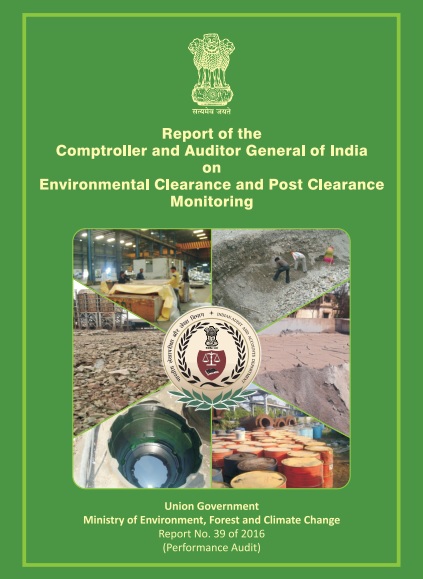
In an unprecedented first ever Audit report, the Comptroller and Auditor General of India (CAG) which recently conducted Performance Audit on ‘Environmental Clearance and Post Clearance Monitoring’ has unambiguously stated that the existing processes for grant of Environmental Clearance are fraught with serious violations, noncompliance and deficiencies.[i] In fact River Valley and Hydroelectric Projects have been highlighted for poorest quality of Environmental Impact Assessment (EIA) Reports, maximum irregularities during Public Hearings, and non-compliance of Environmental Clearance conditions.
This is a resounding slap on the face of the functioning of the current and past Expert Appraisal Committee’s (EACs on Dams and vindicates and validates what SANDRP and other civil society groups have been saying for long. This is indeed much needed critical feedback when EAC is seeking to make its proceedings less and less transparent and providing false justifications for the same.Continue reading “CAG validates concerns about shoddy environmental appraisal of Dams”→
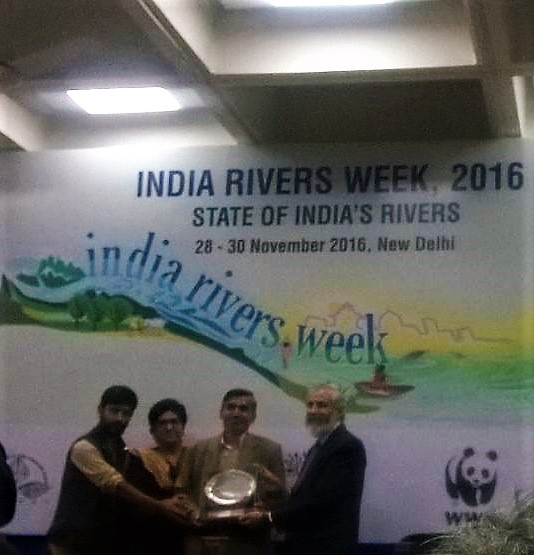
When I talk with Manshi, a friend and co-traveler from Himdhara Collective about Bhagirathh Prayas Samman that the collective received during the India Rivers Week 2016, she is modest, even slightly hesitant. She simply says, “We love the mountains, we want to protect them and help mountain communities fight the unequal battle against unplanned hydropower. That is one motivation of our work. But the other is recognition of the fact that we are privileged… privileged to be able to speak English, to work on a computer, to understand the bureaucratic procedures that alienate a tribal or forest dweller from her land. That understanding also drives us.”
Citation of Bhagirath Prayas Samman given to Himdhara Collective states: “Himdhara’s strength is its engagement with communities, movements and organisations. It has created an effective discourse around issues of resource distribution and their ownership and the resultant impacts on ecological spaces of mountain communities, especially vulnerable groups like indigenous people, dalits and women. It is an honor to recognize and celebrate Himdhara Environment Research and Action Collective’s extraordinary Bhagirath efforts in maintaining the integrity of rivers in Himachal Pradesh.”
In their own words, “Himdhara is an autnomous and informal non registered environment research and action collective, extending solidarity and support, in research and action, to people and organisations asserting their rights over their natural resources and agitating against corporatisation of these resources for destructive development in the state.”
Face of Hydropower in Kinnaur Photo: Himdhara
A collective of young, passionate and questioning minds, Himdhara has been working with communities in far flung areas of Himachal Pradesh include Lahaul and Spiti and Kinnaur in their fight against the onslaught of ill-planned and bumper to bumper hydropower projects in Himachal, amongst other issues.Continue reading “Bhagirath Prayas Samman: Himdhara Collective: Relentless Questioning and Doing”→
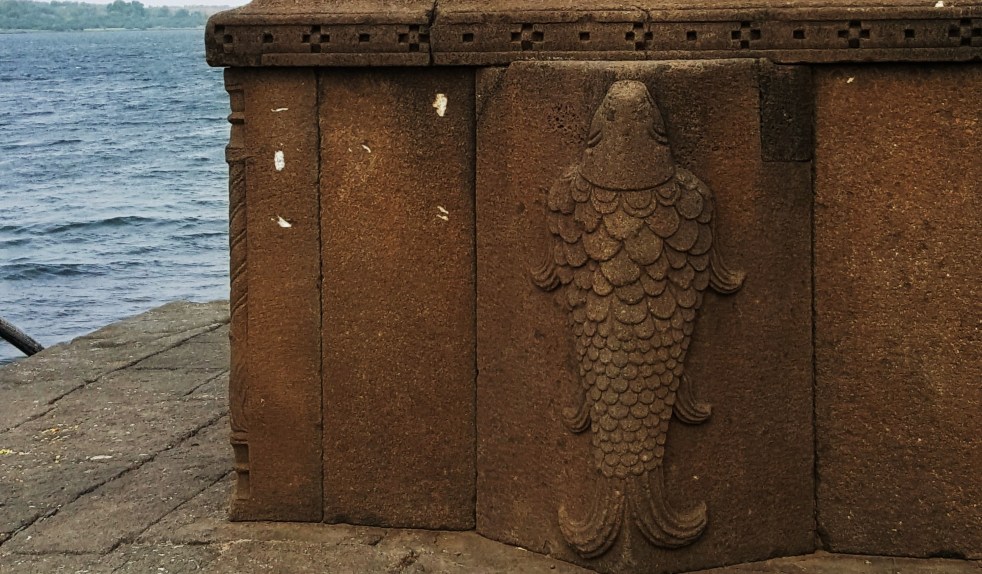
What separated Maheshwar Ghats on the mighty Narmada from most other rivers I have seen was the sheer gaiety and joy which people were experiencing, jumping in the Narmada. The beautiful, jutting steps of the ghats were designed (and used) like diving boards by men, boys and women. For someone who had just seen a dry Godavari and drier rivers of Marathwada, this mirth was therapeutic. Ferry Boats and laidback ferrymen were relaxing on the river, bobbing up and down rhythmically. In the distance was a tiny sailboat, held together by white fluttering sails, zipping through the waters at a startling speed without the din of a diesel engine. A fisherman and his daughter were returning to their village, taking stock of their catch.. Occasional fish rose above the waters and glistened in the evening sun.Continue reading “नदी के बदले नदी दे सकते है? ..on Maheshwar, Narmada and fishing communities of India”→
India’s hydropower generation dropped by upto close to 20% compared to previous year in some of the months this year even as installed capacity of hydropower projects keeps climbing relentlessly. According to monthly generation figures from Central Electricity Authority, even as installed capacity of hydropower projects went up by 1516 MW in last one year, the power generation from hydropower projects dropped by 10.82%, 19.19%, 17.7% and 15.92% during February, March, April and May 2016 respectively at all India level, compared to the figures in the same months in 2015. Continue reading “Drought hits hydropower: Shows how unreliable is hydro in changing climate”→
In a welcome move, Hon. Bombay High Court vacation bench of Justices Bhushan Gavai and Shalini Phansalkar-Joshi, while hearing multiple clubbed petitions about drought and the state’s response, has passed a strong order recommending release of water stored in PRIVATE DAMS and sources for drinking water purposes of drought hit region.