Chalakudy · Dam floods · Kerala

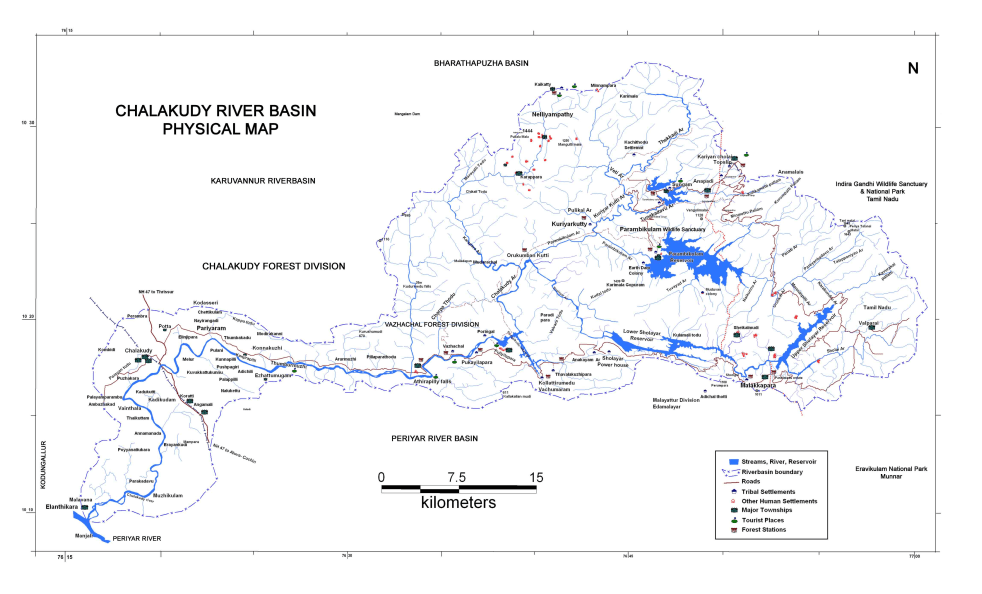
Reservoir Operations Fail People in Chalakudy River Basin in Kerala in 2020

Guest Article by S P Ravi

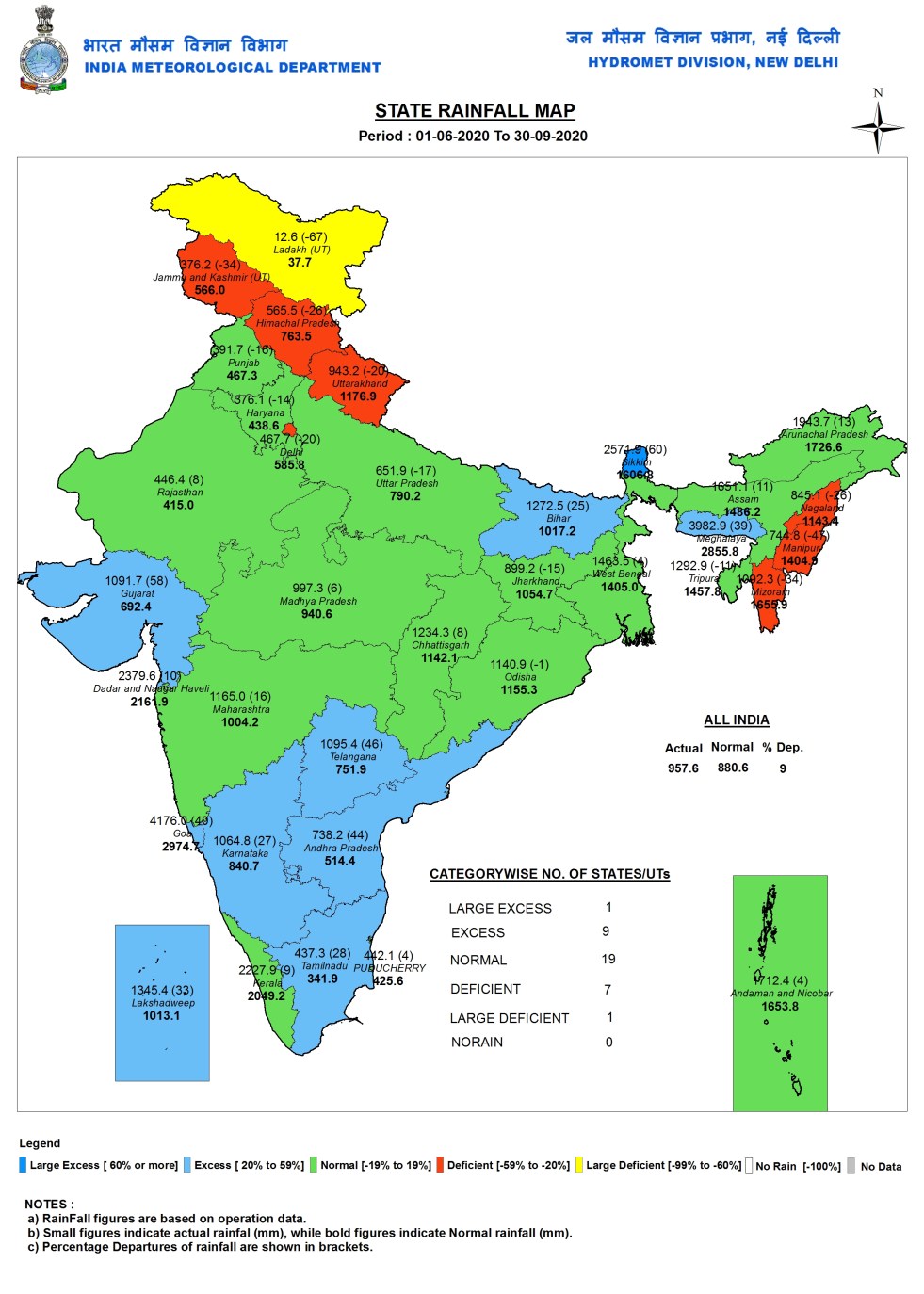
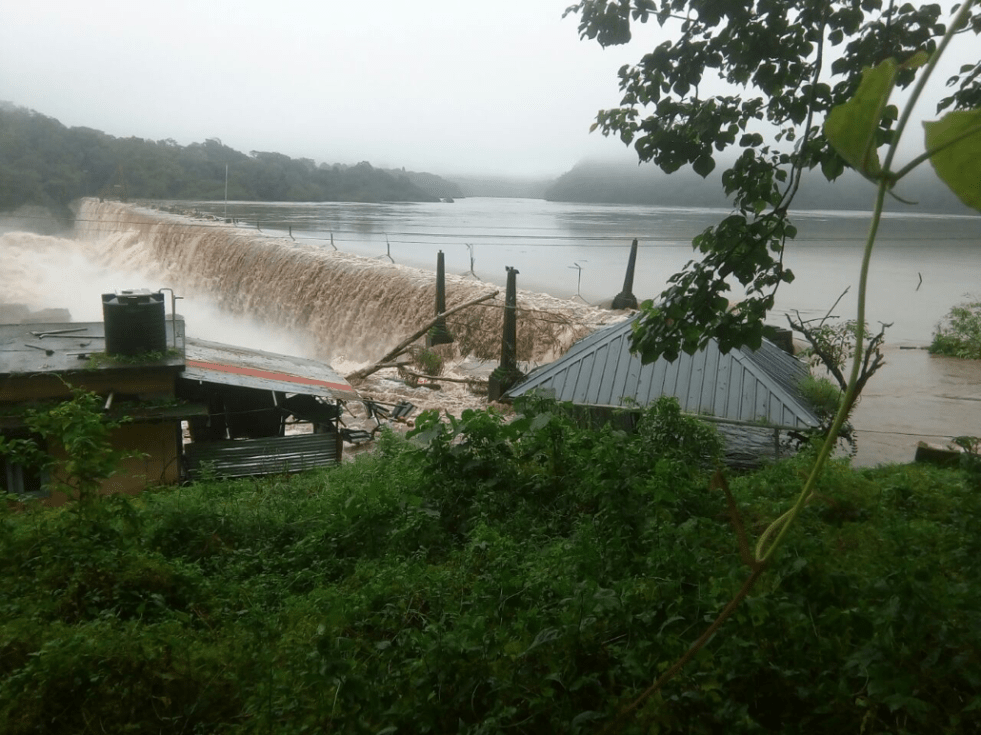
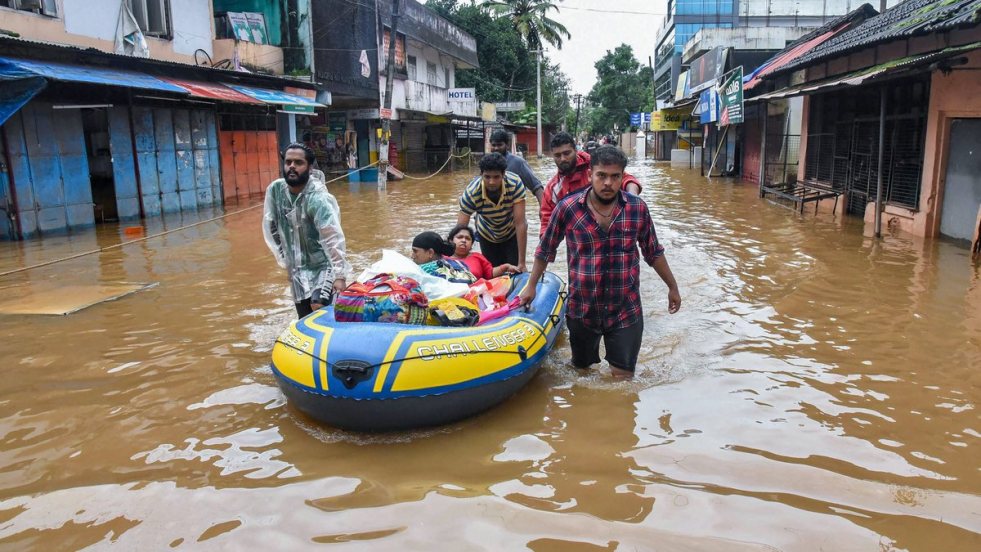
Kerala continues to witness unusual monsoon rainfall patterns for the third straight year in 2020. Kerala had witnessed its worst flood in almost a century in 2018. The 2019 flood was probably second only to the 2018 floods over the last 50 years, with many places experiencing larger floods than that in 2018. While the state did not face huge floods this year, tragedy struck in the form of the Pettimudi landslide near Munnar in Idukki district. It buried alive 70 members of plantation labourer families, making it the worst ever landslide in Kerala in terms of human causality. Kerala has also witnessed its wettest monsoon in September in this millennium with a rainfall of 601 mm, surpassing the previous highest of 526 mm recorded in 2007. The S-W monsoon period is now over and the state received 2227 mm rainfall, which is 9 percent above long term average.

Continue reading “Reservoir Operations Fail People in Chalakudy River Basin in Kerala in 2020”
Floods

Rivers That Reached New Highest Flood Level during Monsoon 2020

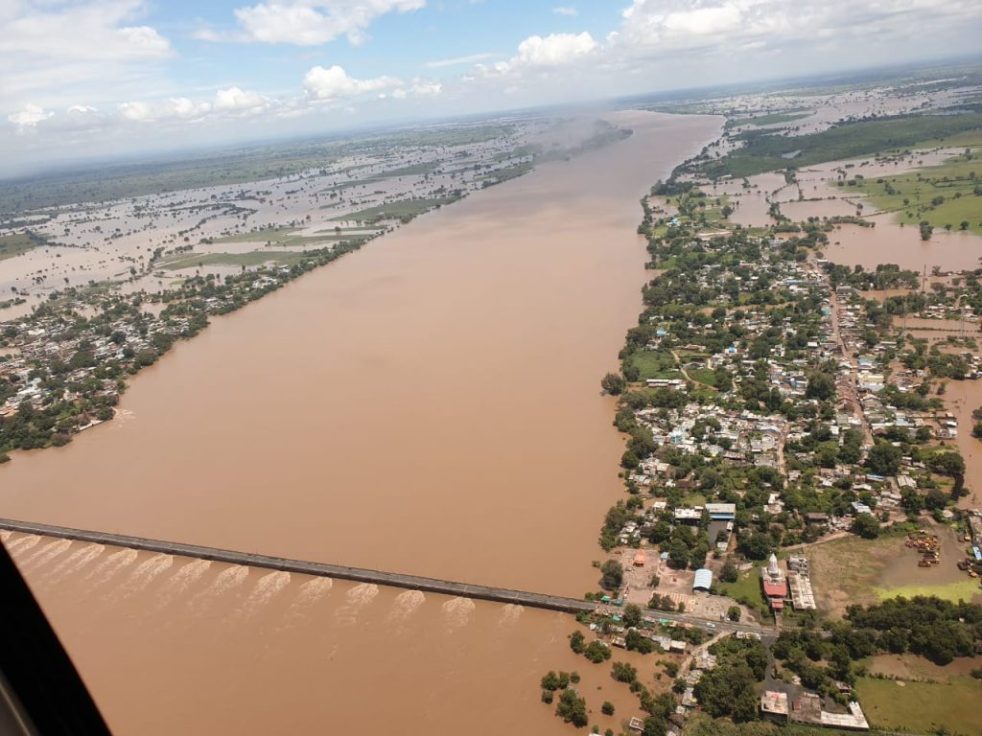
Flooding in Madhya Pradesh, late August 2020. Photo: MP Govt., flood list.

In 2020, south west monsoon season when rainfall was 8.74% above normal, rivers reached new Highest Flood Levels (HFLs) at least at 37 locations across the country, as per information available to SANDRP. Maximum 13 such instances come from Central and East India, each. Five instances happened in South India, three in North India and two in North East India. This article provides wise details and hydrographs of all these sites.

SANDRP has been tracking the Highest Flood Level (HFL) breach incidents during monsoon season. The analysis of such HFL breaches in 2018 and 2019 are available on our website. In 2018 we had listed 25 such instances though SW Monsoon rainfall was 9.4% below normal. In 2019 we listed 37 such instances when the SW Monsoon rainfall was 10% above normal.

Continue reading “Rivers That Reached New Highest Flood Level during Monsoon 2020”
Delhi · Yamuna River

Sau sunar ki aur ek lohar ki – How a single decision sealed Yamuna’s fate

Guest Article by Shri Manoj Misra

Delhiites in early-mid April 2020 were pleasantly surprised to find a much healthy river Yamuna in their city. Social media was full of pictures and videos. Many had resigned not to find a living Yamuna in the city in their lifetime. But the pleasant fact was that the river in the city had indeed as if by magic come alive and presented a picture that was hard to believe. There was a river side which did not stink and looked cleaner than usual.

Continue reading “Sau sunar ki aur ek lohar ki – How a single decision sealed Yamuna’s fate”
Monsoon · Rainfall

SW Monsoon 2020: District Wise Rainfall

India received 957.6 mm rainfall in Just concluded South West Monsoon 2020, during the scheduled 4 month monsoon from June 1 to Sept 30, 2020. This is 8.74% above normal monsoon rainfall of 880.6 as per India Meteorological Department (IMD). This is considered ABOVE NORMAL rainfall, since rainfall is in the range 4-10% above Normal rainfall. This sounds good at national level, but the situation on ground could be very different, if we see the rainfall across the country.

It is noteworthy as per even IMD, monsoon has not yet withdrawn from most parts of the country. But IMD closes its monsoon rainfall account at 0830 hours on Sept 30, so all rainfall after that hour has to be counted in “Post Monsoon” rainfall book, even though the rainfall is very much part of monsoon as per IMD.

Continue reading “SW Monsoon 2020: District Wise Rainfall”
Free flowing rivers

World Rivers Day 2020: Celebrating Rivers across the world

The World Rivers Day[i] (WRD) is celebrated annually on the fourth Sunday of September. The event strives to highlight the invaluable ecological, hydrological services and cultural, recreational values offered by the rivers. Indeed, the most of the once wild, scenic, free flowing rivers across the globe are facing existential crisis on account of various anthropogenic activities hastened over the past century.

However, there are small but significant steps being undertaken by individuals, organizations and governments to restore some of the flowing eco-systems. This account attempts to compile some such positive developments that have taken place in the one year.

We have already published a compilation of the positive river stories of India on the occasion of International Day of Actions for Rivers being held on March 14 2020. In addition to Indian rivers, this compilation also covers some remarkable development concerning river conservation worldwide. There could be many more stories and developments happening, we invite readers to send us such stories they know about. 

Continue reading “World Rivers Day 2020: Celebrating Rivers across the world”
Chhattisgarh · CWC - Central Water Commission · Dam Disaster · Mahanadi

Khanda Dam Breach in Chhattisgarh in Sept 2020

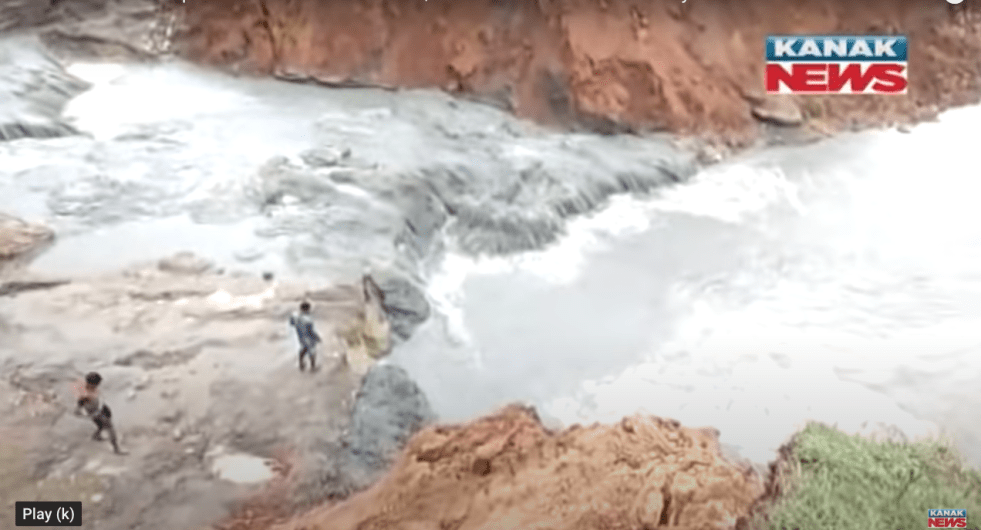
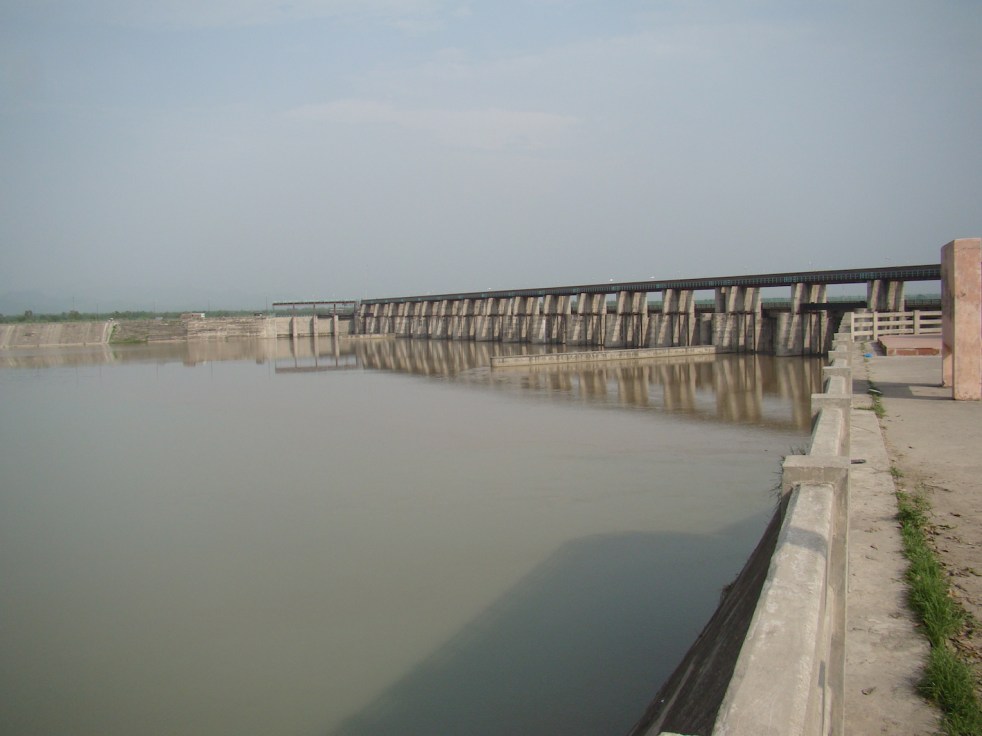
The earthen Khanda dam in Korea district[i] in Chhattisgarh’s Mahanadi basin breached around 6.30 hrs on Wednesday, Sept 23, 2020. Local farmers alleged negligence by the Water Resources Department officials, who were informed about the dilapidated condition of the dam. The engineers even came and inspected, they said, and went away. They alleged that if they had reduced water storage and in stead opened the two canal gates, this situation may not have come.

Continue reading “Khanda Dam Breach in Chhattisgarh in Sept 2020”
DRP News Bulletin

DRP: 21 Sep 2020: IHA President accepts-Hydro faces massive slowdown & worse

International Hydropower Association (IHA) is essentially global leader of hydropower lobby. So when IHA President Roger Gill speaks about the problems hydro industry is facing, it becomes very interesting for all concerned.

In this interview the Roger Gill makes it clear that Hydro investments have been slowing down in last five years when compared with investments in immediate earlier decades. It has further slowed down in 2019 and has been further majorly affected by Covid-19 pandemic. Gill also accepts that the hydro is perceived as much more risky compared to solar and wind. The claim he makes of low levelised cost of electricity from hydro projects is a bit of fiction, since cost of any under construction or new hydro will be hugely costlier than solar and wind power projects. The IHA president is catching at the straws when he takes encouragement from investments in existing hydro projects and pump storage, though he keeps making it clear that market is still unclear as far as pump storage tariffs are concerned. A friendly interview also reveals a lot!!

It is high time that the Indian hydropower lobby led by NHPC and power ministry takes due note of the realities and would not push unjustified, unviable and destructive hydropower projects down the throats of reluctant states and people, using scarce public resources.https://energy.economictimes.indiatimes.com/news/power/hydro-power-requires-100-bn-investment-annually-roger-gill-international-hydropower-association/78131561 (17 Sep 2020)

Continue reading “DRP: 21 Sep 2020: IHA President accepts-Hydro faces massive slowdown & worse”
CWC - Central Water Commission · Dam Induced Flood Disaster · Kerala

ROLE OF DAMS IN 2018 KERALA FLOODS: Rejoinder of J Harsha to the response by Sudheer et al

Rejoinder Article by: J.Harsha

An article titled “Role of dams on the floods of August 2018 in Periyar River Basin” was published by Sudheer et al. (2019) in Current Science. A rebuttal was prepared and thanks to South Asia Network of Dams, Rivers and People (SANDRP), the same was published by SANDRP on 25th August 2020 (https://sandrp.in/2020/08/25/role-of-dams-in-kerala-floods-distortion-of-science/) for which Sudheer et al. (2019) has now furnished a response (https://sandrp.in/2020/09/19/response-of-sudheer-et-al-to-the-comments-by-mr-j-harsha-on-the-article-role-of-dams-on-the-floods-of-aug-2018-in-periyar-river-basin-kerala/).

In the rebuttal published by SANDRP, I had questioned the very basis of fitting HEC-HMS model for Periyar River Basin (PRB) by Sudheer et al. (2019), and also challenged the assumptions made by them, the methodology followed and the consequent voluminous inferences such as catchment response at Neeleshwaram (L2), virgin simulations, bank full discharges and particularly inferences that indicted nature for the flood calamity but exonerating the role of dams for the floods of Kerala in 2018. 

Continue reading “ROLE OF DAMS IN 2018 KERALA FLOODS: Rejoinder of J Harsha to the response by Sudheer et al”