|
|
|||||||||||||||||||||
|
|||||||||||||||||||||
|
|||||||||||||||||||||
South Asia Network on Dams, Rivers and People
|
|
|||||||||||||||||||||
|
|||||||||||||||||||||
|
|||||||||||||||||||||
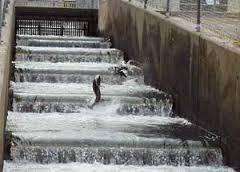
Just like Salmon is special to the United States, Hilsa fish is special to Indians. Its declining rapidly. Causes of this decline are well know. Hilsa is anadromous fish and needs to complete its lifecycle from sea to river, which is now impossibles through the hurdle of dams. This article highlights the facts well, however, its sad to see that institutions like CIFRI and ICAR are still not ready or brave enough to tackle the main issue of dams. They are busy funding more research projects about Hilsa. The gap between research and burning reality is widening..
SANDRP worked on a report which uniequivocally proved that large dams and infrastaturye projects have been behind fishery collpases in many Indian Rivers: https://sandrp.in/dams/Impacts_of_Dams_on_Riverine_Fisheries_in_India_ParineetaDandekar_Sept2012.pdf
IBC Recommendation to MoEF: Safeguarding Riverine Biodiversity and ecosystem goods and services of rivers and inland water bodies
http://www.ibconline.co.in/files/IBC_REPORT_AND_RECOMMENDATIONS_2012.doc
Dams, hydropower projects, diversions and hydrological modifications to rivers and inland water bodies are having a huge negative impact on biodiversity and dependent livelihoods across India. Biodiversity Assessments for such projects is nonexistent or fundamentally inadequate or flawed including in in ecological hotspots like Himalayas and Western Ghats. Environmental Impact Assessments are severely flawed. Credible mitigation measures for endangered, threatened, endemic or rare fish and other biodiversity are not in place, even Endangered and iconic species like Ganges River Dolphins are under threat from absence of flows in the downstream and hydrological obstructions. Downstream impacts are neither part of social impact assessment nor part of resettlement and rehabilitation measures. All these gaps are leading to incremental, cumulative negative impacts on biodiversity and local communities which depend on riverine biodiversity for their livelihoods.
IBC recommends that:
This is indeed very interesting, welcome news if India starts pushing China for a water sharing treaty:
http://www.assamtribune.com/scripts/detailsnew.asp?id=feb1113%2Fat08
India for water sharing pact with China
Feb 10 – Water is emerging as a new possible irritant between China and India, which has proposed a bilateral mechanism to deal with it, reports PTI.
In a significant move, India is pressing China to have either a water commission or an inter-governmental dialogue or an treaty to deal with water issues between the two countries.
This comes in the wake of Chinese move to approve construction of three more dams on Brahmaputra river in Tibet, in addition to the one being built without informing New Delhi.
Following the Chinese move, a high-level inter- ministerial committee, comprising officials from External Affairs Ministry, Defence Ministry, Department of Space among others met here to take stock of the situation and decided to take it up with China.
The issue was once again taken up when a senior Chinese embassy official met MEA officials to give details on the construction proposal.
“Though, the issue (of having a bilateral mechanism) has been part of our discussions earlier also, the recent move by Beijing has further pushed the matter. There is a need for some mechanism to deal with water issues between the two countries on the lines of what India has with other countries like Pakistan,” sources told PTI.
While India has an Indus Water Treaty with Pakistan under which the two countries share information and cooperate on the matter, a Ganges Treaty with Bangladesh establishes a 30-year water-sharing arrangement and recognises the neighbouring country’s rights as a lower-level riparian.
Recently, the Chinese cabinet had approved a document which mentions construction of three dams at Dagu, Jiacha and Jiexu on Brahmaputra.
Reacting to the Chinese move, the official spokesperson in MEA has said India carefully monitors all developments on the Brahmaputra river. “As a lower riparian state with considerable established user rights to the waters of the river, India has conveyed its views and concerns to the Chinese authorities, including at the highest levels.”
The official spokesperson also stressed the need for China to ensure that the interests of downstream states are not harmed by any activities in upstream areas.
This article throws light on the dynamics behind Forest Advisory Committee giving ok to 800 MW Tawang II in its meeting on Jan 21-22, 2013, putting aside its own earlier recommendation. It has yet to give ok to the 600 MW Tawang I (the article seems incorrect there) , but it is only a matter of time, it seems. FAC meeting had just three members present out of the designated seven members, only one non govt member was present, namely Prof N P Todaria known for pro project bias and issues of conflict of interests. The Tawang II project has already seen violation of the Forest Act and this was brought to the notice of FAC, but they chose to ignore it. They do not even acknowledge the receipt of the submissions in the meeting. But this wont stop the project facing strong opposition on ground and also legal challenges.
To push these projects in the name of being one up on Chinese announcements is worse than cutting off the nose to spite the face. It actually takes away whatever little force there was in questioning the Chinese announcements. The Govt is clearly taking anti people, anti environment steps and that too in haste.
The environment clearances to Tawang I and II were given in one EAC meeting within just one agenda, for details, see SANDRP EAC analysis: https://sandrp.in/env_governance/TOR_and_EC_Clearance_status_all_India_Overview_Feb2013.pdf and https://sandrp.in/env_governance/EAC_meetings_Decisions_All_India_Apr_2007_to_Dec_2012.pdf.
http://tehelka.com/a-damned-race-for-power/
Photo: Pijush Dutta
WITH MORE than 80 percent forest cover, Arunachal Pradesh is one of the last repositories of virgin wilderness where new species are still discovered every few months. The state also faces a 15 percent power shortfall. So, a section of Arunachal’s political leadership is desperate to harness the vast potential of its numerous fast-flowing rivers. More than 140 MoUs have been inked to set up hydro-electricity projects (HEPS) in the state.
In Tawang district, this power rush reached an absurd high. Seven rivers flow through the Tawang basin, where as many as 13 HEPS have been proposed across just 2,085 sq km. There is hardly any agricultural land left in this hilly district where the armed forces and civic infrastructural facilities occupy more than half the area. Once the HEPS come up, even the remaining cropland by the rivers will be lost. Besides, 13 HEPS will require a peak workforce of more than 1 lakh people, double the population of the district. One can imagine what the influx will mean to the Monpa residents, whose indigenous rights are protected by the Constitution.
A part of the Eastern Himalayan Biodiversity hotspot, Tawang is also one of the 200 globally important eco-regions and the only place on earth that hosts all varieties of Rhododendron. It is also home to the red panda, snow leopard, mountain goat and 150 species of birds. The impact of intensive blasting, tunnelling and submergence required for building 13 HEPS in this pristine landscape will be an environmental disaster.
Only nine years ago, then chief minister Gegong Apang announced a plan to set up a 2,000 sq km bio-reserve. As political priorities changed rapidly in Itanagar and New Delhi, Buddhist monks from the Monpa community made the Tawang monastery the centre of resistance. Since April last year, Save Mon Region Federation has repeatedly defied Section 144 and clashed with the police to demand that all 13 proposed HEPS, including the 600 MW Tawang-I and 800 MW Tawang-II, be scrapped. As recently as Christmas Eve last year, a violent showdown led to several arrests and injured protesters.
While both Tawang-I and II already had the required green clearances from the Ministry of Environment and Forests (MoEF), the pressure from the local communities and the obvious irrationality of setting up so many HEPS in such a tiny basin made the Forest Advisory Committee recommend a cumulative impact study instead of evaluating each project on its own. That was last September. In just four months, the table was turned.
Environment Minister Jayanthi Natarajan came under strong pressure from various infrastructure ministries and the PMO. Her high-profile face-off with Finance Minister P Chidambaram on the proposed National Investment Board (NIB) forced the PMO to dilute the NIB’s overriding powers and rechristen it a Cabinet committee. But soon enough, it was time for quid pro quo.
The NHAI claimed the first pound of flesh by making the MoEF allow work along the non-forest parts of the projects, pending forest clearance. With the coal ministry already breathing down her neck, Power Minister Jyotiraditya Scindia paid Natarajan a visit. Then, China announced three new dams on the Yarlung Tsangpo (Brahmaputra) along the border.
While construction of a 510 MW plant at Zangmu in the Tibet Autonomous Region is going on since 2010, the three new projects — at Dagu (640 MW), Jiacha (320 MW) and Jiexu (unspecified) — took the cumulative yield to beyond 1,470 MW. The Indian answer, insisted the power ministry, had to be fast-tracking Tawang-I and II and generate 1,400 MW.
So, the MoEF promptly wrote to Arunachal CM Nabam Tuki to proceed with the basin study and the Tawang HEPS were granted stage-I clearance without bothering for any cumulative or specific impact study. There is a rider of a consolation though: the other 11 HEPS will have to wait till their cumulative impact is assessed. That is until China decides to come up with a few more dams.
While the National Wetland Conservation Program and National Lake Conservation Program did not include rivers in their purview, even the newly announced 900 crores National Plan for Conservation of Aquatic Ecosystems seems to have ignored Rivers. The National River Conservation Program,under the MoEF includes hardly 35 polluted riverine stretches. That is the only specific protection rivers get apart from some failed plans like GAP and YAP.
While Rivers in India provide habitats to endangered biodiveristy, and provide numerous goods and services, they continue being overlooked and abused ..http://www.dnaindia.com/india/report_cabinet-nod-to-rs900-crore-wetlands-development-plan_1797394
Analysis of MoEF’s EAC on River Valley Projects
Introduction Following the implementation of EIA notification of Sept 2006, the Ministry of Environment & forest (MoEF) has constituted different committees for the appraisal of various developmental projects including River Valley & Hydroelectric projects. The committees are called as Expert Appraisal Committees (EAC). The EAC for River Valley & Hydroelectric projects has had 63 meetings till date from the date of constitution of Committee in April 2007 to the latest meeting in Dec 2012. The committee generally recommends for any River Valley projects, at first stage the Terms of Reference (TOR) for the Environment Impact Assessment (EIA) to be carried out for the proposals along with permission for pre construction activities or works related to survey and investigation.
Figure 1: Stage 1 clearance figures across India
Model TOR The MoEF has also put up what the Ministry calls “Model TOR for River Valley and Hydroelectric Projects”, but when you click on the link[1], it opens into a document that is titled, “Model TOR for Hydropower Projects”, it does not even claim to be a model TOR for any other river valley projects. This is a big lacuna, since over 95% of India’s large dams are irrigation projects[2], not hydropower projects. Moreover, substantial proportion of the projects coming before the EAC is irrigation projects, including river linking projects. Not having a Model TOR for such projects is a big gap. This does not mean that the Model TOR given on the MoEF website is adequate or comprehensive. Only to illustrate, the Model TOR does not look into the impacts of the various integral components of the hydropower projects like colonies, roads, mining, blasting etc that the hydropower projects invariably have. Model TOR does not look at the social, environmental, economic or cultural services that a river provides. On downstream impacts, the model TOR says under Impact Prediction, “Downstream impact on water, land & human environment due to drying up of the river in the stretch between dam site and powerhouse site.” This completely negates the impacts that the project would have either on the upstream or in the river downstream from the power site or along the tributaries both upstream and downstream of the projects. Nor does it mean that these grossly inadequate Model TOR is followed by the developers. Even the ministry or the EAC does not bother to check if the EIA submitted to them follows either the specific TOR given to the project or the Model TOR on the MoEF website.
Environment Clearance At the next stage, the EAC considers the projects for the Environment Clearance (EC), at this stage the EIA is supposed to have been conducted as per the approved TOR and the public hearing is also supposed to have been conducted as per the norms set in the EIA notification of Sept 2006. The EIA notification is issued under the Environment Protection Act, 1986. We have tried to analyse the recommendations of the EAC from the minutes of 63 meetings for the period April 2007 to Dec 2012.
The EAC members The reconstituted EAC in April 2007 was headed by Shri P Abraham, former Power Secretary. Over the years, EAC included members like Dr Sanchita Jindal, Dr A R Yousuf, Dr OP Sisodia, Dr Dinesh Kr Alva, Dr. Dulal Goswami, Prof D K Paul, Dr (Mrs) Usha Bhat, Dr Bithin Datta, Dr Pushpam Kumar, Dr. Devendra Pandey (chairman of EAC from Aug 2009 to April 2010, current Chairman took over as chairman during 38th meeting held on June 30, 2010), none of them are members of the EAC for RVP currently. The member representing Central Water Commission in the EAC included R K Khanna, R K Singh, N Mukherjee but has been changing over the years and full list of their names is not available. Shri P Abraham resigned following our letter to the then Union Minister of State for Environment and Forests (Independent Charge) Shri Jairam Ramesh, showing the conflict of interests involved in he being on the board of a number of hydropower companies whose projects came up for clearance before the EAC chaired by him.
The current composition of EAC for RVP is as follows (as per MEF website[3] as on Jan 30, 2013):
|
S.No. |
Name & Address |
Role in Committee |
|
1 |
Shri. Rakesh Nath, C-1/29, Bapa Nagar New Delhi-110 003 |
Chairman |
|
2 |
Dr. B.P Das, 717 Saheed Nagar Bhubaneswar -751007 |
Vice-Chairman |
|
3 |
Dr .A. K. Bhattacharya, Flat No-805,Pocket-3,Akshardham Apt. sec-19 Dwarka New Delhi-110075 |
Member |
|
4 |
Chief Engineer(Hydrology), Central Water Commission, Sewa Bhawan, R.K. Puram,New Delhi-110 066 |
Member |
|
5 |
Dr. Jyoti Kumar Sharma, Professor School of Environment & Natural Resources 14/15, Old Survey road Dehradun-248 001 Uttrakhand |
Member |
|
6 |
Dr. K.D. Joshi, Principal Scientist and Head Central Inland Fisheries Research Institute Regional Centre Allahabad Uttar Pradesh |
Member |
|
7 |
Dr. Praveen Mathur, Associate Professor & Head Department of Environmental Science P-5, Professor’s Colony MDS University Campus Ajmer-305 009 Rajasthan |
Member |
|
8 |
Dr. S Bhowmik, 40 C, Pocket 1, Sector 10, Dwarka, New Delhi |
Member |
|
9 |
Dr. Surendra kumar Mishra, Department of Water Resources, Development & Management, Indian Institute of Technology, Roorkee – 247667 |
Member |
|
10 |
Dr. (Mrs.) Maitreyee Choudhary, Professor & Director, Centre for Himalayan Studies, University of North- Bengal, W.B. |
Member |
|
11 |
Prof. (Dr.) Dhananjai Mohan, Wildlife Institute of India, Dehradun, 248 001 Uttarakhand |
Member |
|
12 |
Prof. Arun Kumar, Department of Earth Sciences, Manipur University, Imphal, 795003, Manipur. |
Member |
|
13 |
Prof. S. K. Mazumdar, 242, FF, Sidharth Enclave Ashram Chowk New Delhi-110 014 |
Member |
|
14 |
Sh. B B Barman, MOEF, Paryavaran Bhavan, New Delhi |
Member Secretary |
In addition to the above, Dr P V Subba Rao (Scientist from MoEF) is listed as EAC member in the minutes of the meetings. Interestingly, he, Dr B P Das and Dr A K Bhattacharya seem to be constant members of the EAC throughout the period under study.
Role of MoEF All the comments about the EAC here apply equally to the Union Ministry of Environment and Forests as two officials of the ministry have always been part of the EAC, including the member secretary of the EAC. In fact MoEF has a greater role in selection of the chairman and members of the EAC, deciding what projects should be put on the agenda, what happens after the EAC recommendations, ensuring that all the required information about the projects on the agenda is available and is in public domain, encouraging EAC to invite to EAC meetings individuals and groups who have written to EAC and MoEF on substantial aspects, and otherwise setting the policies and norms for the EAC and projects. The MoEF performance has been pathetic. Even now it’s not possible to even know the status of the clearances of the projects from the MoEF website, even though it is statutory requirement for MoEF (under EIA notification 2006) to display the clearance letters on its website. In Feb 2012 Central Information Commission (CIC) directed MoEF under the Right to Information Act 2005 to put all the documents submitted by the project developers for clearance, at least ten days before the projects are considered by the EAC. When this was not followed, SANDRP wrote to CIC and CIC issued notice to MoEF. This is still to be followed by MoEF fully. Now some of the documents are put up on the website before the EAC meetings, this is not the case even for the 63rd and 64th meetings of EAC. The EAC, in spite of repeatedly writing to them on this violation of the CIC directions, did not take steps to ensure that CIC directions are fully complied with for the projects that come up before the EAC.
Even though MoEF may be equally if not more responsible for the various violations listed here, that does not reduce the responsibility of the EAC members. Once someone is selected as EAC member, he or she has the duty to ensure basic norms in functioning of the EAC. Evidence presented here shows if the EAC members have succeeded in achieving even basic norms in governance of EAC.
Results and Analysis
The Union Ministry of Environment and Forests’ (MoEF) Expert Appraisal Committee (EAC) on River Valley and Hydroelectric Projects (RVP) has considered a total of 262 hydropower and irrigation projects in close to six years since April 2007 when the new committee was set up to its latest, 63rd meeting in December 2012. It has not rejected any project in this period. Even in case of the two projects that it declined to recommend clearance for the Terms of Reference (TOR) of their Environment Impact Assessment (EIA), it has basically asked the developers to come back with reformulated proposals. It seems the committee is actually an Expert Approval Committee, since it seems to have expertise in approving rather than appraising the projects objectively.
EAC has strong pro project and anti people bias The Committee has shown its strong bias for the projects. Many groups from all over India have sent hundreds of submissions to the EAC over these years. The committee has never called any of the groups for the meetings where the specific projects on which groups have sent submissions. The EAC has never even acknowledged any of such submissions in the minutes of the meetings. In case of some of the recent submissions from SANDRP and others, the chairman of the EAC wrote back saying that this will be discussed in the next meeting, but there has been no mention of such submissions in the minutes of the EAC meetings. The EAC has shown its strong bias against people, environment and all those who represent the interests of the local communities and environment. In February 2012 some of us were invited for a discussion with the EAC, but we saw little impact of our discussions on the functioning of the EAC.
Opposition to Dams on Teesta, many of which are cleared by the EAC Photo: Affected Citizens of Teesta
The table below gives an overview of the situation of TORC (Terms of Reference Clearance) and EC (Environment Clearance) for the projects cleared by the EAC on RVP between April 2007 (when the then newly constituted EAC met for the first time) to its 63rd meeting as in December 2012. The table shows that the EAC has not rejected any of the projects for EC. As against the 211 projects considered by the EAC for TORC, it (only temporarily) rejected TORC for two projects. Hence its rejection rate for TORC is less than 1%. EAC’s rejection rate of environment clearance is nil as it has never rejected any project that has come to it for environment clearance. It seems the EAC for RVP has been basically rubber stamping approval for every project that comes their way. The EAC was expected to do much better than that, as it clear from the reading of EIA notification of Sept 2006, following which the EAC was set up.
Overview of Clearance status across India
|
Region |
Projects for TORC |
Projects for EC |
Total projects considered |
||||
|
TORC given |
TORC Rejected |
Projects considered for TORC |
EC given |
EC rejected |
Projects considered for EC |
||
|
North |
50 |
1 (300 MW) |
57 |
31 |
0 |
34 |
72 |
|
North East |
70 |
1 (420 MW) |
87 |
17 |
0 |
19 |
99 |
|
East |
10 |
0 |
13 |
7 |
0 |
8 |
20 |
|
West |
28 |
0 |
39 |
14 |
0 |
17 |
49 |
|
South |
7 |
0 |
14 |
6 |
0 |
8 |
22 |
|
Total |
165 |
2 |
210 |
75 |
0 |
86 |
262 |
Temporary rejections for two TORC Only two projects were rejected TORC. Among these, for the 420 MW Kameng Dam, the EAC rejected the proposal from KSK Ltd, since the submergence area was just 350 m from Pakke Tiger Reserve. The EAC however, said, “The Committee suggested that possibilities of locating a suitable site on Kameng River, upstream of confluence of Bichom & Kameng may be explored.” So the project is likely to come back to EAC. It is surprising, however, that another project in the same basin, namely the 1120 MW Kameng I on Bhareli / Kameng River in East Kameng district in Arunachal Pradesh came before the EAC during its first meeting in April 2007. The minutes of the EAC meeting clearly says about this project, “A part of the submergence area falls under the Pakke Tiger Reserve.” And yet the EAC gave TOR clearance to the project! Inconsistency seems to be the first name of the EAC.
Similarly the 200 MW Bara Bangahal HEP in Kangra district in Himachal Pradesh was accorded TOR clearance in 21st meeting of EAC in Dec 2008, even as the minutes recorded, “The project is located within the wildlife sanctuary.” Similarly the 76 MW Rambara project on Mandakini River in Rudraprayag district in Uttarakhand, just 6 km from Kedarnath, was given TOR approval in the 19th EAC meeting in Oct 2008 even as the minutes noted, “The whole project is located within Kedarnath Musk Deer Sanctuary.”
Thousands of Monks opposing dams in Tawang, Arunachal cleared by the EAC Photo: Seven Sisters Post
Similarly while rejecting the TORC for the 300 MW Purthi HEP in Lahaul and Spiti District in Himachal Pradesh, the EAC said, “The Committee concluded that the project proponent and Govt. of Himachal Pradesh may review and revise the proposal in the light of the above observations for reconsideration.” So it is clear in this case too that the rejection is temporary. In reality, the EAC has rejected none of the projects that came to it for clearance.
Massive hydropower capacity cleared The EAC for RVP basically considers hydropower projects having installed capacity over 50 MW, projects of 25-50 MW going to the state Environment Impact Assessment Authorities and those below or requiring any environment clearance under EIA notification 2006. The table below shows that in less than 6 years, the EAC has recommended TORC for hydropower projects proposed with installed capacity of 49458 MW, which is about 25% more than what India has installed in about 66 years since independence.
Status of clearance for Hydropower Projects
|
Region |
Capacity for which TORC given, MW |
Capacity for which EC given, MW |
Capacity of projects considered, MW |
|
North |
12823 |
6843.5 |
18087.5 |
|
North East |
31541 |
8258 |
46658 |
|
East |
3434 |
120 |
3684 |
|
West |
1320 |
– |
1586 |
|
South |
340 |
863 |
2178 |
|
Total |
49458 |
16084.5 |
72193.5 |
Figure 2: Zone wise status of Environment Clearance
During the period, the EAC has recommended EC for hydropower capacity of 16084.5 MW, which is about three times the hydro capacity of 5544 MW added during the just concluded 11th five year Plan. EAC has recommended all these clearances without giving any consideration to carrying capacity, cumulative impact assessment, democratic decision making, sustainable development criteria, full and proper social and environment impact assessment or desirability of such capacity addition, including from climate change perspective.
Opposition to 775 MW Luhri Project cleared recently by EAC Photo: Himdhara
Zero rejection for irrigation projects The EAC for RVP considers irrigation projects with Cultivable Command Area (CCA) above 10 000 Ha. In the table below are the region wise details of the TORC and EC recommended by EAC for the Cultivable Command Area figures of the major and medium irrigation projects.
During the period under study (Apr 2007 to Dec 2012), EAC has given TORC for 3.28 million ha of CCA and EC for 1.59 million Ha of CCA. Here we should note that since 1991-92, there has been no addition to the net area irrigated by major and medium irrigation projects at all India level as per Govt of India figures[4]. In light of that fact and considering the overcapacity already built into a number of basins across India already, such clearances by EAC are highly questionable.
Status of clearance for Irrigation Projects
|
Region |
CCA for which TORC given, L Ha |
CCA for which EC given, L Ha |
CCA of projects considered, L Ha |
|
North |
2.02 |
3.53 |
6.17 |
|
North East |
0 |
0 |
4.00 |
|
East |
11.30 |
1.20 |
12.80 |
|
West |
8.34 |
4.65 |
13.01 |
|
South |
7.70 |
6.50 |
22.96 |
|
Total |
29.36 |
15.88 |
58.94 |
Land requirement Full details of the land required for the projects are never properly assessed by the EIAs. The EAC minutes reflect only indicative figures of land requirement of some of the projects considered by the EAC as mentioned in the EIAs.
Figure 3: Zone wise status of Stage 1 clearances (TORC)
Land required for the projects considered by EAC
|
Region |
No of projects for which land requirement figures are available |
Land required for the projects in previous column |
|
North |
62 |
29932.77 Ha |
|
North East |
72 |
76768.27 Ha |
|
East |
9 |
16809.24 Ha |
|
West |
15 |
31858.57 Ha |
|
South |
13 |
57398.82 Ha |
|
Total |
171 |
212767.67 Ha |
Following table gives an over view of land requirement for some of the projects as mentioned in the EAC minutes. Based on available figures, the Highest land requirement in a state is for Andhra Pradesh, at 45913.26 ha the second rank state is Arunachal Pradesh with land requirement of 35485.3 Ha. Arunachal being smaller and hilly state and most of the land being required are forested and close to the rivers, the impact in Arunachal Pradesh would be much greater. Based on above information, for the projected land requirement for the 262 projects considered by the EAC during the period under study would come to over 325995 Ha. However, these land requirement figures are gross under estimates and too much need not be read into them.
The flawed functioning of EAC It has not mattered to the EAC that the EIAs of the projects that come to it are shoddy, dishonest, cut and paste jobs. The Committee has not rejected a single EIA, even through evidence was repeatedly presented to the committee about shoddy nature of the EIAs. It has not mattered to the committee that there has been no credible public consultation process and there have been serious anomalies in public hearing processes. The committee did not order fresh public hearings even when evidence was provided to it about serious violations in public hearing processes.
Figure 4: Zone wise figures of TORC and EC given for hydropower installed capacities
Even when the committee asked for fresh studies or significant changes in EIA, it did not ask the project proponent to go back for fresh public hearing. It has not mattered to the committee that EIAs of the projects it cleared did not have full year round ground level surveys, did not have full social impact assessment, did not have downstream impact assessment, did not have options assessment to establish that the proposed project was least cost option, did not have assessment of impacts due to blasting of tens of kilometer long tunnels, did not have proper flora or fauna studies, did not include impact of the project on rivers and the services provided by the river or impact on downstream projects or flood plain use, or had used flawed, false or inconsistent data base.
Figure 5: Zone wise figures of TORC and EC given for irrigated area CCA in lakh Ha
SANDRP had put together a detailed submission[5] and mobilized endorsements of large number of concerned groups and individuals, including over ten eminent scientists on World Fisheries Day on Nov 21, 2012 and sent to EAC, raising issues concerning riverine fisheries in functioning of the EAC and suggesting specific measures to improve the same. The chairman of the EAC wrote back to SANDRP that this will be discussed in the next meeting of EAC, but there was no mention of it in the minutes of the EAC, nor any concrete action taken by the EAC after that. Earlier in November 2012, SANDRP had organized a side event on issues related to riverine biodiversity in India at the Hyderabad Conference of Parties of Convention on Biodiversity. Considering the importance of the issue for the functioning of the EAC, we had invited the members, including the Chairman and member secretary for the side event. No one came.
Figure 6 Overview of State-wise installed capacities of HEPs considered by EAC in North India
No appreciation of Cumulative Impacts It has not mattered to the committee that there has been no Cumulative Impact Assessment (CIA) when large number and bumper to bumper hydropower projects are proposed on number rivers including Bhagirathi, Alaknanda, Mandakini, Sutlej, Ravi, Beas, Chenab, Teesta, Lohit, Tawang, Siang, Subansiri, Narmada, to name only a few. It does not matter to them that there is no flowing river between two projects, it has recommended clearance to Luhri HEP most recently with zero flowing river length with both immediately upstream (Rampur HEP) and immediate downstream (Kol dam) projects.
Figure 7 Basin-wise overview of number of Hydro Projects considered by EAC in North India
Even in few cases that the EAC has asked for CIA, it has asked the CIA to be done by an agency like WAPCOS Ltd that has an abysmally poor track record in doing such studies and it has serious issues of conflict of interests since the agency is also involved in feasibility studies and detailed project reports as part of its business model. But EAC has never understood these concerns. Nor has the EAC really bothered to look at the quality of the CIA. Most significantly, the EAC refused to wait for the CIA report of a basin before considering individual projects in such basins, showing its complete lack of understanding of the importance of CIA.
Section 9 of the Form I (the developer is supposed to apply for stage I clearance with this form duly filled in, as per Para 6 of the notification)) prescribed in Annexure 1 of the EIA notification of Sept 2006 is supposed to be about “Factors which should be considered (such as consequential development) which could lead to environmental effects or the potential for cumulative impacts with other existing or planned activities in the locality”. Section 9.4 under this reads: “Have cumulative effects due to proximity to other existing or planned projects with similar effects”. So even legally the EAC and MoEF are supposed to look at the cumulative impact assessment issues under the EIA notification, both at scoping at appraisal stage, which they are clearly not doing.
Here it may be noted that recommending Environment clearance without first undertaking carrying capacity and cumulative impact assessment is in violation of Supreme Court order in “Karnataka Industrial Areas … vs Sri C. Kenchappa & Ors on 12 May, 2006” which has said:
A. “The pollution created as a consequence of environment must be commensurate with the carrying capacity of our ecosystem. In any case, in view of the precautionary principle, the environmental measures must anticipate, prevent and attack the causes of environmental degradation.”
B. “…the preventive measures have to be taken keeping in view the carrying capacity of the ecosystem operating in the environmental surroundings under consideration.”
C. “The pollution created as a consequence of development must not exceed the carrying capacity of ecosystem.”
Without knowing carrying capacity of a basin it cannot be ascertained if the proposed project is “commensurate with the carrying capacity of our ecosystem”, ecosystem in this context is the river basin.
Figure 8 Overview of Basin-wise installed capacity of HEPs that EAC considered in North India
Figure 9 State wise overview of installed capacity of HEPs considered by EAC in North East India
EAC’s double standards While EAC itself has not rejected any of the proposals that came to it, few, rare environment friendly recommendations that have been made by other committees have also been rejected by the EAC, without any convincing reasons. To illustrate, when the carrying capacity study of the Teesta basin recommended that no projects should be taken upstream of Chungthang in North Sikkim, the EAC in its meeting overturned this decision and decided to consider all such projects. Similarly, the recommendations of the Ganga Basin Cumulative Impact Assessment study by the Wildlife Institute of India, suggesting that at least 24 hydro projects proposed in Ganga basin be dropped and much higher environment flows than those directed by EAC should be mandated, were all rejected by the EAC.
The recommendations of the Western Ghats Ecology Panel headed by Prof Madhav Gadgil were also rejected on grounds such as inadequate studies. Overturning the recommendations of the WG Ecology Panel report, the EAC recommended clearance to the controversial Gundia hydropower project in Western Ghats in Karnataka. If the standards applied by the EAC while rejecting the recommendations of all these committees were to be applied to the EIAs and CIAs based on which the EAC approved the projects, than none of the projects approved by the EAC would merit clearances. But the EAC has very lax standards for its own work, and for the EIAs and CIAs that favour projects, but different ones for the reports that recommend rejection of projects. This contradiction is highlighted here only for illustration of double standards of the EAC and it does not mean that the EAC decisions in rejecting any recommendations of any of these committees have any merits.
Western Ghats Expert Ecology Panel assessing Ecosystems to be affected by Gundia HEP. EAC recommended clearance to this project despite rejection by WGEEP Photo: India Together
It may be noted that the previous chairman (former power secretary Shri P Abraham who chaired EAC till June 2009) had serious conflict of interest issues with he being on board of several power companies whose projects came up before the committee and the current chairman has had no back ground on environment issues. It has not mattered to the committee whether the Environment Management Plans that accompany the EIAs that it clears are implemented or not, or if there is any credible mechanism and legally empowered process in place to ensure its implementation. The EAC has not even shown concern for legal norms that the TOR clearances are valid only for two years. MoEF has recently issued a notification dated Oct 30, 2012[6] that said that project for which the proponents have not come back with the requested additional information for more than six months should be delisted. Luhri project thus should not have been considered by the MoEF from more than one legal point view. MoEF and EAC have yet to follow such notifications of the ministry.
The minutes of many of the EAC meetings make pathetic reading, if read carefully. One can find contradictions, inconsistencies, plain wrong facts being mentioned in the minutes of the EAC meetings[7], which are all approved by the EAC. Even when such errors are pointed out, the EAC has not even bothered to correct the mistakes or review its decisions.
Cleared by EAC, Rejected by others Many of the projects cleared by the EAC have faced serious road blocks for the shoddy appraisal done by the EAC. For example, the then Union Environment Minister himself decided not to clear the Renuka dam project cleared by the EAC. The Rupsiabagar Khasiabara project cleared by the EAC could not get forest clearance, for many reasons, including the fact that the EIA of the project was found to be so shoddy and wrong, that any other committee would have considered this an insult to its work. The Kotlibhel 1B and Kotlibhel 2 projects, cleared by this committee have been rejected clearances by the Forest Advisory Committee, following recommendation of the Wildlife Institute of India.
Figure 10 State wise overview of number of projects considered by EAC in North East India
Athirapally hydropower project in Chalakudy basin in Kerala was recommended Environment Clearance by the EAC for the third time (earlier two clearances were quashed by the Kerala High Court) in May 2007, but the project again came back to the EAC in March 2010, following Kerala High Court directions. Earlier on January 4, 2010, following directions from the then Union Environment Minister of State Shri Jairam Ramesh, Dr S Bhowmik, than director in MoEF, issued show cause notice under Environment Protection Act, 1986, to the developer agency, Kerala State Electricity Board, to show cause in 15 days as to why the environment clearance granted to the project should not be revoked and why the direction of closure of the project not be issued. It is not clear if the MoEF took the next step hinted in the notice. Its strange that the EAC, in which the same Dr Bhowmik was member secretary, did not mention the issuance of this notice in the EAC meetings when the EAC discussed this project between March and July 2010. There is no mention of the MoEF show cause notice in the minutes of the EAC meetings held during the period.
Figure 2 Athirappilly Water Falls at the proposed Athirappilly HEP site Photo: Southernsojourns
Several projects cleared by the EAC stand challenged in the National Green Tribunal, some of them (e.g. Renuka dam) have got a Stay Order. The World Bank too finds the EIAs based on which the EAC cleared the projects so poor that it has asked for fresh EIAs for the projects it wants to fund (e.g. Rampur and Vishnugad Pipalkoti hydropower projects).
Figure 11 Basin wise overview of number of projects considered by EAC in North East India
Climate Change It is well known that the worst impacts of climate change is going to be felt in terms of impacts on water resources. It is also well known that the natural resources like the biodiversity, forests, rivers, wetlands, fertile flood plains and riverine lands are some of the important resources that would help us adapt to the climate change impacts. Hydropower and dams that the EAC considers adversely affect all of these natural resources. It is well established that large sections of people of India who depend on such natural resources are the poorest and most vulnerable to climate change impacts and when the resources that these vulnerable sections depend on are destroyed by the hydropower projects and dams that the EAC appraises, the committee would be expected to consider the climate change context. Consideration of climate change context is thus important from several angles while appraising the river valley projects. It’s also well established now that past is not the best guide while estimating river water flows. Research over the last two decades have also established that reservoirs in a tropical country like India would also be source of methane and CO2 emissions, methane being about 21 times more potent in global warming terms than CO2. In view of all this, one would have expected elaborate discussion of climate change issues in the functioning of the EAC. One would expect the EAC to mandate the EIAs and CIAs to look at these issues comprehensively.
Unfortunately, we are disappointed on every one of these counts. We find little mention of climate change issues in the work of the EAC. In fact the model Terms of Reference for the hydropower projects put up on the MoEF website[8] does not have the word “climate” in it, leave aside “climate change”.
E-flows For Hydroelectric and River valley Projects which dewater and divert rivers entirely or partially and change its natural hydrograph, EAC has now[9] been arbitrarily recommending release of 20% of average lean season flow for lean months, between 20-30% e-flows (short for Environmental flow) for non-lean, non-monsoon months and 30% average monsoon flow for monsoon flows. This standard is entirely arbitrary, without any scientific, ecological or sociological basis, blanket for all rivers from Himalayan to peninsular.
This too has happened not suo motto, but after huge pressure from civil society and various other committees. And when the proponent says it cannot release these inadequate flows, EAC is actually ready to negotiate, which is acceptable between the EAC and the proponents (like in the case of 300 MW Alaknanda HEP by GMR Energy). Like any negotiation in a fish or vegetable market. While taking these decisions, EAC has never recommended that a more holistic and participatory method for assessing e-flows needs to be developed. Or that certain rivers needs to be left undammed. Even when other committees like the Wildlife Institute of India have recommended higher e-flows, the EAC or MoEF has refused to follow such recommendations.
Figure 12 State wise overview of number of Projects considered by EAC in East India
Biodiversity Violating the National Biodiversity Act of 2002, EAC does not ask for Biodiversity Impact Assessment of projects, does not think twice while recommending clearances to projects affecting severely threatened, endemic and endangered biodiversity and RET (Rare Endangered Threatened) species. This has had disastrous impacts for critically endangered fauna like Black Necked Cranes, Red Pandas (780 MW Nyamjangchu HEP), Several endemic species including Gundia Indian Frog (200 MW Gundia HEP), Snow Leopard (Projects in Upper Ganga including 300 MW Alaknanda HEP), Gangetic Dolphin (Upper Ganga and Brahmaputra Projects), Bengal Florican (1750 MW Lower Demwe Project), Fish like Golden Mahseer, Snow Trout (most dams in Himalayas and North East) to name a very few.
Figure 13 Basin wise overview of number of projects considered by EAC in East India
Even while noting in the 56th meeting of EAC, while discussing the 775 MW Luhri HEP on Sutlej river in Himachal Pradesh, that as per the EIA of the project, “However, 21 species are listed in the Red data book of Indian plants”, the EAC does not even bother to enquire about which are these plants and why decide to sacrifice their loss. While discussing Shongtong Karcham hydropower project, the EAC noted in the minutes of the 30th meeting of EAC, “Considering the presence of 51 species of fish in the upper reaches of Sutlej, it is reported (in EIA) that only three species of fish were found in the study area”. But amazingly, the EAC has no qualms in accepting such fundamentally flawed EIA. Two of these species are simply human intervention.
Dibru Saikhowa National Park and its endangered species are thretened by the 1750 MW Lower Demwe Dam on Lohit cleared by EAC Photo: assam Portal
In case of the Rupsiabagar Khasiabara Hydro Power Project in Uttarakhand[10], the EIA report prepared by the WAPCOS to obtain Environment Clearance for the RKHPP reports presence of only 8 bird species. The EAC actually gave clearance to the project without raising any issues of the flawed EIA. The Inspection Report of the Sub-Committee of the Forest Advisory Committee to assess wildlife values and ecological impact of the project, led by Dr Ullas Karanth makes interesting reading.
Figure 14 State wise over view of number of projects considered by EAC in West India
Figure 15 Basin wise overview of number of projects considered by EAC in West India
Figure 16 Basin wise overview of CCA of Irrigation Projects considered by EAC in West India
The Inspection Report noted, “However, as per the existing literature a total of 228 bird species in 30 families and 118 genera, representing more than 45% of the breeding bird diversity of the Western Himalaya and nearly 55% of breeding bird species of the kumaon Himalaya are recorded in the region. Ten species of pheasants are found in the area, including Himalayan monal, and the Koklass pheasant, and several other altitudinal migrants. This assemblage represents 6 out of seven West Himalayan endemics found in Kumaon.” But the EAC did not even note any of these flaws of the EIA and obediently cleared the project. The project currently stands cancelled after the sub committee recommended that the project be rejected forest clearance. All this shows how little significance is of biodiversity for the EAC and MoEF.
Regional and detailed analysis These conclusions are based on analysis of the agenda and minutes of 63 meetings of EAC spread over close to six years from April 2007 to December 2012, done by South Asia Network on Dams, Rivers & People (www.sandrp.in)[11] in light of other related information and experiences. SANDRP has been monitoring the functioning of the EAC over the years, has been writing to the EAC about its concerns and also those of partner organisations about specific projects and general functioning of the EAC. This analysis is based on this experience and we hope it will be useful for all concerned.
In what follows we have given region wise status and analysis of the project wise clearances recommended by the EAC for RVP for the five regions of India, namely: North, North East, East, West and South. The tables for each region give state wise list of projects with some basic features of the projects. An overview of number of projects and their capacities is given in tables that give status wise, state wise and river basin wise figures for the projects that EAC considered in these six years.
Figure 17 State wise Overview of hydropower installed capacities considered by EAC in South India
Figure 18 Overview of Irrigation Projects: Culturable Command Area (CCA) of Projects in South India
In an accompanying document[12], also from SANDRP, we have given more details for each project and date-wise decisions of the EAC for each of the projects on EAC agenda. We are hopeful that these two documents will be helpful in giving clear picture about functioning of the EAC to all concerned.
We should add here that these two documents are only limited to giving a picture about functioning of the Expert Appraisal Committee on River Valley Projects. There are many other equally serious problems plaguing the environmental governance of River Valley Projects in India, they will require separate work.
NORTH INDIA
TOR & Environment Clearance status in North India
Following table gives project wise information about basic features and clearance status for the projects that came to EAC from North Indian states of Jammu and Kashmir, Haryana, Punjab, Himachal Pradesh, Uttar Pradesh, Delhi and Uttarakhand. The maximum no of projects are (34) from Himachal Pradesh among all states, Uttarakhand coming second with 25 projects. Jammu and Kashmir has less no of projects at 11, but the proposed installed capacity of the J&K projects is highest at 7573 MW. The land requirement is also highest in J&K among North India states at over 10170 Ha. Among all regions, the EAC has given the highest number of environment clearances in North India.
|
SN |
Project |
State |
Basin |
I/H/M |
Ins Cap (MW) |
CCA (Ha) |
TOR |
Meeting date |
Env Clearance |
Meeting date |
Total Area Req (Ha) |
|
Haryana |
|||||||||||
|
1 |
Dadupur – Nalvi Irrigation Project |
Haryana |
Yamuna |
I |
– |
92532 |
Approved |
16/05/2007 |
Recommended |
16/06/2009 |
NA |
|
2 |
Hansi – Butana Link Channel |
Haryana |
Yamuna |
M |
– |
232024 |
– |
|
Waiting |
19/07/2007 |
553.21 |
|
Himachal Pradesh (HP) |
|||||||||||
|
3 |
Dhaulasidh HEP |
HP |
Beas |
H |
66 |
– |
Approved |
22/04/2010 |
Recommended |
23/11/2012 |
NA |
|
4 |
Lambadug HEP |
HP |
Beas |
H |
25 |
– |
– |
|
Recommended |
22/08/2008 |
9.7914 |
|
5 |
Nakthan HEP |
HP |
Beas |
H |
520 |
– |
Approved |
20/12/2010 |
– |
– |
97.76 |
|
6 |
SAINJ HEP |
HP |
Beas |
H |
100 |
– |
Approved |
22/06/2007 |
Recommended |
20/03/2009 |
56.763 |
|
7 |
Thana-Plaun HEP |
HP |
Beas |
H |
141 |
– |
Approved |
7/9/2012 |
– |
– |
497 |
|
8 |
Triveni Mahadev |
HP |
Beas |
H |
78 |
– |
Approved |
7/9/2012 |
– |
– |
482 |
|
9 |
Chhatru HEP |
HP |
Chenab |
H |
108 |
– |
Approved |
8/5/2008 |
Waiting |
28/04/2012 |
95.26 |
|
10 |
Dugar HEP |
HP |
Chenab |
H |
380 |
– |
Approved |
12/10/2012 |
– |
– |
NA |
|
11 |
Gondhala HEP |
HP |
Chenab |
H |
144 |
– |
Approved |
16/10/2008 |
– |
– |
214 |
|
12 |
Gyspa HEP |
HP |
Chenab |
H |
300 |
– |
Approved |
26/03/2011 |
– |
– |
1635 |
|
13 |
Miyar HEP |
HP |
Chenab |
H |
120 |
– |
Approved |
25/09/2010 |
Recommended |
12/11/2011 |
69.94 |
|
14 |
Purthi |
HP |
Chenab |
H |
300 |
– |
Not approved |
23/11/2012 |
– |
– |
72 |
|
15 |
Reoli–Dugli HEP |
HP |
Chenab |
H |
420 |
– |
Approved |
26/12/2012 |
– |
– |
182 |
|
16 |
Sach Khas HEP |
HP |
Chenab |
H |
267 |
– |
Approved |
24/11/2012 |
– |
– |
102.48 |
|
17 |
Seli HEP |
HP |
Chenab |
H |
400 |
– |
Approved |
19/02/2012 |
Recommended |
1/6/2012 |
292.9654 |
|
18 |
Telling HEP |
HP |
Chenab |
H |
94 |
– |
Approved |
23/11/2012 |
– |
– |
83 |
|
19 |
Bajoli Holi |
HP |
Ravi |
H |
180 |
– |
Approved |
16/01/2008 |
Recommended |
21/12/2010 |
85.7 |
|
20 |
Bara Bangahal HEP |
HP |
Ravi |
H |
200 |
– |
Approved |
16/12/2008 |
– |
– |
53.64 |
|
21 |
Chanju-I HEP |
HP |
Ravi |
H |
36 |
– |
|
– |
Recommended |
26/02/2011 |
NA |
|
22 |
Kutehar HEP |
HP |
Ravi |
H |
260 |
– |
Approved |
7/5/2008 |
Recommended |
21/01/2011 |
85.36 |
|
23 |
Chango-Yangthang HEP |
HP |
Sutlej |
H |
180 |
– |
Approved |
8/9/2012 |
– |
– |
146 |
|
24 |
Lara Sumta |
HP |
Sutlej |
H |
104 |
– |
Approved |
12/10/2012 |
– |
– |
97.75 |
|
25 |
Luhri HEP |
HP |
Sutlej |
H |
775 |
– |
Approved |
18/04/2007 |
Recommended |
24/11/2012 |
380 |
|
26 |
Shongtong-Karcham HEP |
HP |
Sutlej |
H |
402 |
– |
Approved |
16/08/2007 |
Recommended |
18/02/2010 |
79.17 |
|
27 |
Sumte Kothang |
HP |
Sutlej |
H |
130 |
– |
Approved |
12/10/2012 |
– |
– |
110 |
|
28 |
Tidong -I |
HP |
Sutlej |
H |
100 |
– |
|
– |
Recommended |
16/08/2007 |
46.66 |
|
29 |
Tidong -II |
HP |
Sutlej |
H |
60 |
– |
Waiting |
29/07/2009 |
– |
– |
164.53 |
|
30 |
Yangthang – Khab HEP |
HP |
Sutlej |
H |
261 |
– |
Approved |
16/06/2009 |
– |
– |
1532.6 |
|
31 |
Chirgaon-Majhgaon HEP |
HP |
Yamuna |
H |
60 |
– |
Approved |
24/11/2012 |
– |
– |
31.58 |
|
32 |
Dhamwari Sunda HEP |
HP |
Yamuna |
H |
70 |
– |
Approved |
28/07/2009 |
Recommended |
15/07/2011 |
23.3025 |
|
33 |
Renuka Dam Project |
HP |
Yamuna |
M |
40 |
– |
Approved |
16/08/2007 |
Recommended |
28/07/2009 |
1532.6 |
|
34 |
Rupin |
HP |
Yamuna |
H |
45 |
– |
Approved |
24/11/2012 |
– |
– |
27 |
|
Jammu & Kashmir (JK) |
|||||||||||
|
35 |
Baglihar stage- II HEP |
JK |
Chenab |
H |
450 |
– |
Approved |
22/04/2010 |
Recommended |
8/9/2012 |
NA |
|
36 |
Bursar HEP |
JK |
Chenab |
H |
1500 |
– |
Approved |
2/6/2012 |
– |
– |
1665 |
|
37 |
Kirthai HEP |
JK |
Chenab |
H |
250 |
– |
Approved |
8/5/2008 |
– |
– |
290 |
|
38 |
Kirthai Stage-II HEP |
JK |
Chenab |
H |
990 |
– |
Waiting |
31/03/2012 |
– |
– |
NA |
|
39 |
Kiru HEP |
JK |
Chenab |
H |
600 |
– |
Approved |
22/08/2008 |
– |
– |
295 |
|
40 |
Kwar HEP |
JK |
Chenab |
H |
520 |
– |
Approved |
19/02/2010 |
– |
– |
326 |
|
41 |
Pakal Dul HEP |
JK |
Chenab |
H |
1000 |
– |
|
– |
Recommended |
7/1/2008 |
1163.898 |
|
42 |
Ratle HEP |
JK |
Chenab |
H |
690 |
– |
Approved |
27/12/2011 |
Recommended |
21/07/2012 |
567.22 |
|
43 |
Sawalkote HEP |
JK |
Chenab |
H |
1200 |
– |
Approved |
3/6/2011 |
– |
– |
1099 |
|
44 |
New Ganderbal HEP |
JK |
Jhelum |
M |
93 |
– |
Approved |
8/5/2008 |
Recommended |
26/12/2012 |
63.7 |
|
45 |
Ujh Multipurpose Project |
JK |
Ravi |
M |
280 |
32000 |
Waiting |
13/11/2010 |
– |
– |
4700 |
|
Uttarakhand (UA) |
|||||||||||
|
46 |
Alaknanda Hydro Power Project |
UA |
Alaknanda |
H |
300 |
– |
– |
– |
Recommended |
17/01/2008 |
83.9 |
|
47 |
Bowala Nand Prayag HEP |
UA |
Alaknanda |
H |
300 |
– |
Approved |
22/08/2008 |
– |
– |
64.069 |
|
48 |
Devsari HEP |
UA |
Alaknanda |
H |
252 |
– |
Approved |
18/03/2008 |
Recommended |
26/12/2011 |
223.36 |
|
49 |
Jelam Tamak HEP |
UA |
Alaknanda |
H |
128 |
– |
Approved |
28/04/2012 |
– |
– |
96.27 |
|
50 |
Kotlibhel 1-B |
UA |
Alaknanda |
H |
320 |
– |
– |
– |
Recommended |
19/07/2007 |
550.619 |
|
51 |
Kotlibhel-stage II HEP |
UA |
Ganga |
H |
530 |
– |
– |
– |
Recommended |
19/07/2007 |
676.071 |
|
52 |
Nand Prayag Langasu |
UA |
Alaknanda |
H |
100 |
– |
Approved |
25/09/2010 |
– |
– |
79.8177 |
|
53 |
Phata Byung HEP |
UA |
Alaknanda |
H |
76 |
– |
– |
– |
Recommended |
17/01/2008 |
22.72 |
|
54 |
Rambara HEP |
UA |
Alaknanda |
H |
76 |
– |
Waiting |
16/10/2008 |
– |
– |
17.78 |
|
55 |
Singoli Batwari |
UA |
Alaknanda |
H |
99 |
– |
– |
– |
Recommended |
18/07/2007 |
43 |
|
56 |
Tamak Lata HEP |
UA |
Alaknanda |
H |
280 |
– |
Waiting |
21/01/2011 |
– |
– |
77.26 |
|
57 |
Bhilinagana Project |
UA |
Bhialangana |
H |
22.5 |
– |
– |
– |
Recommended |
26/12/2011 |
NA |
|
58 |
Bogudiyar-Sirkari Bhyol HEP |
UA |
Sarda |
H |
170 |
– |
Approved |
14/05/2009 |
– |
– |
75 |
|
59 |
Mapang-Bogudiyar HEP |
UA |
Sarda |
H |
200 |
– |
Approved |
14/05/2009 |
– |
– |
70 |
|
60 |
Rupsiabagar Khasiabara HEP |
UA |
Sarda |
H |
260 |
– |
– |
– |
Recommended |
17/02/2009 |
32 |
|
61 |
Sirkari Bhyol Rupsiabagar HEP |
UA |
Sarda |
H |
210 |
– |
Approved |
29/07/2009 |
– |
– |
NA |
|
62 |
Jamrani Dam Multipurpose Project |
UA |
Sarda |
M |
30 |
150302 |
– |
– |
Recommended |
18/02/2010 |
529.57 |
|
63 |
Arakot Tiuni HEP |
UA |
Yamuna |
H |
81 |
– |
Approved |
21/01/2011 |
– |
– |
38 |
|
64 |
Hanol -Tiuni HEP |
UA |
Yamuna |
H |
60 |
– |
– |
– |
Recommended |
8/5/2008 |
48.982 |
|
65 |
Jakhol Sankhri HEP |
UA |
Yamuna |
H |
45 |
– |
Approved |
15/06/2009 |
– |
– |
24 |
|
66 |
Lakhwar HEP |
UA |
Yamuna |
H |
300 |
– |
Waiting |
12/11/2010 |
– |
– |
NA |
|
67 |
Mori- Hanol HEP |
UA |
Yamuna |
H |
63 |
– |
Approved |
14/12/2007 |
– |
– |
45 |
|
68 |
Naitwar Mori HEP |
UA |
Yamuna |
H |
60 |
– |
Approved |
22/06/2007 |
Recommended |
27/12/2011 |
47.05 |
|
69 |
Tiuni Plasu HEP |
UA |
Yamuna |
H |
66 |
– |
Approved |
17/01/2008 |
– |
– |
NA |
|
70 |
Vyasi HEP |
UA |
Yamuna |
H |
120 |
– |
– |
– |
Recommended |
16/09/2007 |
135.425 |
|
Uttar Pradesh (UP) |
|||||||||||
|
71 |
Badaun Irrigation Scheme |
UP |
Ganga |
I |
– |
53,054 |
Approved |
16/07/2008 |
Recommended |
30/06/2010 |
5053 |
|
72 |
Arjun Sahayak Pariyojna |
UP |
Yamuna |
I |
– |
57000 |
Approved |
18/03/2008 |
Recommended |
19/08/2009 |
2891 |
Purpose: H- Hydropower; I- Irrigation; M- Multipurpose.; NA- Not available
State-wise Overview of Projects in North India
|
|
Projects |
Ins Cap |
Irrigation |
Drinking water |
Land Req |
Land Req Info available for projects |
|
State wise Projects |
Nos |
MW |
CCA (Ha) |
MLD |
(Ha) |
Nos |
|
Total Projects |
72 |
18087.5 |
616912 |
145 |
29932.77 |
62 |
|
HP |
32 |
6366 |
|
— |
8285.85 |
29 |
|
UA |
25 |
4148.5 |
150302 |
145 |
2979.89 |
21 |
|
J&K |
11 |
7573 |
32000 |
— |
10169.82 |
9 |
|
UP |
2 |
— |
110054 |
— |
7944 |
2 |
|
Haryana |
2 |
— |
324556 |
— |
533.21 |
1 |
Overview of Status of clearance of projects in North India
|
TOR & EC Status |
Nos |
MW |
CCA |
MLD |
Land Req |
Land Req Info available for projects |
|
TOR approved |
50 |
12823 |
202586 |
— |
21005.36 |
44 |
|
TOR not approved |
1 |
300 |
0 |
— |
72 |
1 |
|
TOR Waiting |
6 |
1986 |
32000 |
— |
4959.57 |
4 |
|
TOR approved before this committee |
15 |
2978.5 |
382326 |
145 |
3895.85 |
13 |
|
Env Cl. Recommended |
31 |
6843.5 |
352888 |
— |
14793.77 |
27 |
|
Env Cl. Waiting |
3 |
171 |
232024 |
— |
648.47 |
2 |
|
Env Clearance not Recommended |
0 |
0 |
0 |
0 |
0 |
0 |
Basin-wise overview of projects in North India
|
Projects on basins |
Nos |
MW |
CCA |
MLD |
|
Bhilangana (Ganga) |
1 |
22.5 |
— |
— |
|
Alaknanda (Ganga) |
10 |
1931 |
— |
— |
|
Sarda (Ganga) |
5 |
870 |
150302 |
145 |
|
Yamuna (Ganga) |
15 |
1010 |
381556 |
— |
|
Ramganga (Ganga) |
1 |
0 |
53,054 |
— |
|
Ganga |
1 |
530 |
— |
— |
|
Ganga total |
33 |
4363.5 |
— |
— |
|
Beas |
6 |
930 |
— |
— |
|
Chenab |
19 |
9733 |
— |
— |
|
Sutlej |
8 |
2012 |
— |
— |
|
Ravi |
5 |
956 |
32000 |
— |
|
Jhelum |
1 |
93 |
— |
— |
From the above tables it is clear that while largest number of projects from North India came from Ganga Basin at 33, the installed capacity of projects proposed in Chenab basin is highest at 9733 MW.
NORTH EAST INDIA
TOR & Environment Clearance status in North-East India
The region comprises of eight states including Arunachal Pradesh, Assam, Manipur, Meghalaya, Mizoram, Sikkim, Tripura and Nagaland. The Highest number of projects (99) has come to EAC from the North East region, and the highest number of first stage clearances at 70 have been given by EAC from this region. Within the North East Region, by far the highest number of projects (69) have come to EAC from Arunachal Pradesh. The EAC has the highest approval % in Arunachal Pradesh, every project has been given approval. Only for the 420 MW Kameng HEP of KSK Ltd, the EAC asked the developer to come back with reformulated proposal, rest were all given approval by the EAC. Over 35000 MW of hydropower projects have come to EAC from Arunachal Pradesh alone, by far the highest in the country for any state. Maximum no of projects that came to EAC among all river basins is from Siang basin at 21, though in terms of installed capacity, the highest installed capacity has come from Lohit basin at 10250 MW, among all the sub basins in the region. It was amazing to see the EAC promptly clearing the controversial Tipaimukh project way back in 2008, but the project is yet to get forest clearance and is unlikely to be able to start work in near future.
|
SN |
Project |
State |
Basin |
I/H/M |
Ins Cap (MW) |
CCA (Ha) |
TOR |
Meeting date |
Env Clearance |
Meeting date |
Land Req (Ha) |
||||
|
Arunachal Pradesh |
|||||||||||||||
|
1 |
Amulin HEP |
ARP |
Dibang |
H |
420 |
|
Approved |
30/06/2010 |
|
|
592.46 |
||||
|
2 |
Dibang |
ARP |
Dibang |
H |
3000 |
|
Approved |
29/07/2009 |
|
|
5827.8 |
||||
|
3 |
Emini HEP |
ARP |
Dibang |
H |
500 |
|
Approved |
21/08/2010 |
|
|
698 |
||||
|
4 |
Mihundon HEP |
ARP |
Dibang |
H |
400 |
|
Approved |
3/4/2011 |
|
|
700.42 |
||||
|
5 |
Sissri HEP |
ARP |
Dibang |
H |
222 |
|
Approved |
20/03/2009 |
|
|
900 |
||||
|
6 |
Ithun-I |
ARP |
Dibang |
H |
86 |
|
Approved |
26/12/2012 |
|
|
76 |
||||
|
7 |
Attunil HEP |
ARP |
Dibang |
H |
500 |
|
Approved |
16/11/2009 |
|
|
1021 |
||||
|
8 |
Emra – II HEP |
ARP |
Dibang |
H |
390 |
|
Waiting |
20/01/2010 |
|
|
1125 |
||||
|
9 |
Etalin HEP |
ARP |
Dibang |
H |
3097 |
|
Waiting |
26/12/2012 |
|
|
1149.85 |
||||
|
10 |
Dibbin HEP |
ARP |
Kameng |
H |
130 |
|
— |
|
Recommended |
26/03/2011 |
162 |
||||
|
11 |
Badao HEP |
ARP |
Kameng |
H |
70 |
|
Approved |
7/10/2010 |
|
|
37.82 |
||||
|
12 |
Dinchang HEP |
ARP |
Kameng |
H |
360 |
|
Approved |
26/02/2011 |
|
|
82.13 |
||||
|
13 |
Gongri |
ARP |
Kameng |
H |
144 |
|
Approved |
12/04/2008 |
Recommended |
21/07/2012 |
93 |
||||
|
14 |
Jameri HEP |
ARP |
Kameng |
H |
50 |
|
Approved |
23/11/2012 |
|
|
130 |
||||
|
15 |
Khuitam HEP |
ARP |
Kameng |
H |
66 |
|
Approved |
16/10/2008 |
Recommended |
21/12/2010 |
66 |
||||
|
16 |
Nafra HEP |
ARP |
Kameng |
H |
120 |
|
Approved |
22/08/2008 |
Recommended |
27/12/2011 |
78.45 |
||||
|
17 |
Pachuk-I HEP |
ARP |
Kameng |
H |
84 |
|
Approved |
27/12/2011 |
|
|
39.2548 |
||||
|
18 |
Pachuk-II HEP |
ARP |
Kameng |
H |
60 |
|
Approved |
27/12/2011 |
|
|
|
||||
|
19 |
Para HEP |
ARP |
Kameng |
H |
55 |
|
Approved |
7/10/2010 |
|
|
29.97 |
||||
|
20 |
Saskang Rong HEP |
ARP |
Kameng |
H |
36 |
|
Approved |
8/5/2008 |
|
|
20 |
||||
|
21 |
Talong HEP |
ARP |
Kameng |
H |
225 |
|
Approved |
12/10/2012 |
|
|
|
||||
|
22 |
Kameng Dam HEP |
ARP |
Kameng |
H |
420 |
|
Not accepted |
28/04/2012 |
|
|
3,764 |
||||
|
23 |
Kameng-I HEP |
ARP |
Bhareli |
H |
1120 |
|
Approved |
18/04/2007 |
|
|
969 |
||||
|
24 |
Anjaw |
ARP |
Lohit |
H |
280 |
|
Approved |
16/07/2011 |
|
|
359.12 |
||||
|
25 |
Demwe HEP |
ARP |
Lohit |
H |
3000 |
|
Approved |
19/07/2007 |
|
|
3600 |
||||
|
26 |
Demwe Lower HEP |
ARP |
Lohit |
H |
1750 |
|
Approved |
17/07/2008 |
Recommended |
16/12/2009 |
1589.97 |
||||
|
27 |
Demwe upper HEP |
ARP |
Lohit |
H |
1080 |
|
Approved |
26/12/2012 |
|
|
967 |
||||
|
28 |
Hotong HEP |
ARP |
Lohit |
H |
1250 |
|
Approved |
18/07/2007 |
— |
|
|
||||
|
29 |
Kalai-I HEP |
ARP |
Lohit |
H |
1450 |
— |
Approved |
18/07/2007 |
|
|
|
||||
|
30 |
Kalai-II HEP |
ARP |
Lohit |
H |
1200 |
|
Approved |
22/10/2009 |
|
|
830 |
||||
|
31 |
Tipang HEP |
ARP |
Lohit |
H |
45 |
|
Approved |
20/03/2010 |
|
|
557 |
||||
|
32 |
Gimliang HEP |
ARP |
Lohit |
H |
99 |
|
Waiting |
12/10/2012 |
|
|
NA |
||||
|
33 |
Raigam HEP |
ARP |
Lohit |
H |
96 |
|
Waiting |
12/10/2012 |
|
|
NA |
||||
|
34 |
Dardu HEP |
ARP |
Pare |
H |
60 |
|
Approved |
8/9/2012 |
|
|
82.7 |
||||
|
35 |
Par HEP |
ARP |
Pare |
H |
60 |
|
Approved |
8/9/2012 |
|
|
28.25 |
||||
|
36 |
Turu HEP |
ARP |
Pare |
H |
66 |
|
Approved |
8/9/2012 |
|
|
29.49 |
||||
|
37 |
Tato-II |
ARP |
Siang |
H |
700 |
|
— |
|
Recommended |
21/12/2010 |
371.49 |
||||
|
38 |
Pauk HEP |
ARP |
Siang |
H |
145 |
|
Approved |
17/09/2011 |
|
|
300 (Combined fig) |
||||
|
39 |
HEO |
ARP |
Siang |
H |
240 |
|
Approved |
17/09/2011 |
|
|
|||||
|
40 |
Tato-I |
ARP |
Siang |
H |
186 |
|
Approved |
17/09/2011 |
|
|
|||||
|
41 |
Hirit HEP |
ARP |
Siang |
H |
28 |
|
Approved |
21/08/2008 |
|
|
120 |
||||
|
42 |
Hirong HEP |
ARP |
Siang |
H |
800 |
|
Approved |
15/10/2007 |
Waiting |
23/11/2012 |
|
||||
|
43 |
Kangtanshiri |
ARP |
Siang |
H |
80 |
|
Approved |
8/9/2012 |
|
|
|
||||
|
44 |
Lower Siang HEP |
ARP |
Siang |
H |
2700 |
|
Approved |
23/11/2012 |
|
|
|
||||
|
45 |
Lower Yamne St-I |
ARP |
Siang |
H |
88 |
|
Approved |
11/2/2012 |
|
|
128.25 |
||||
|
46 |
Lower Yamne St- II |
ARP |
Siang |
H |
90 |
|
Approved |
11/2/2012 |
|
|
105.89 |
||||
|
47 |
Naying HEP |
ARP |
Siang |
H |
1000 |
— |
Approved |
22/06/2007 |
|
|
600 |
||||
|
48 |
Phangchung HEP |
ARP |
Siang |
H |
36 |
|
Approved |
18/06/2008 |
|
|
25.5 |
||||
|
49 |
Rapum HEP |
ARP |
Siang |
H |
80 |
|
Approved |
1/6/2012 |
|
|
40 |
||||
|
50 |
Rego HEP |
ARP |
Siang |
H |
70 |
|
Approved |
16/12/2008 |
|
|
|
||||
|
51 |
Simang-I HEP |
ARP |
Siang |
H |
67 |
|
Approved |
12/10/2012 |
|
|
|
||||
|
52 |
Simang-II HEP |
ARP |
Siang |
H |
66 |
|
Approved |
23/03/2010 |
|
|
85 |
||||
|
53 |
Tagurshit HEP |
ARP |
Siang |
H |
74 |
|
Approved |
31/03/2012 |
|
|
41.7 |
||||
|
54 |
Yamne -I HEP |
ARP |
Siang |
H |
60 |
|
Approved |
19/09/2008 |
|
|
400 |
||||
|
55 |
Yamne -II HEP |
ARP |
Siang |
H |
96 |
|
Approved |
23/11/2012 |
|
|
300 |
||||
|
56 |
Jerong |
ARP |
Siang |
H |
90 |
|
Waiting |
8/9/2012 |
|
|
108.35 |
||||
|
57 |
Pema Shelphu |
ARP |
Siang |
H |
70 |
|
Waiting |
29/07/2009 |
|
|
63 |
||||
|
58 |
Nalo HEP |
ARP |
Subansiri |
H |
360 |
|
Approved |
12/11/2011 |
|
|
662.94 |
||||
|
59 |
Subansiri Middle |
ARP |
Subansiri |
H |
1600 |
|
Approved |
12/10/2012 |
|
|
3180 |
||||
|
60 |
Subansiri Upper |
ARP |
Subansiri |
H |
2000 |
|
Approved |
22/01/2011 |
|
|
3155 |
||||
|
61 |
Tawang HEP St-I |
ARP |
Tawang |
H |
600 |
|
— |
— |
Recommended |
21/01/2011 |
305.60 |
||||
|
62 |
Tawang HEP St-II |
ARP |
Tawang |
H |
800 |
|
— |
— |
Recommended |
21/01/2011 |
452.6 |
||||
|
63 |
Mago Chu HEP |
ARP |
Tawang |
H |
96 |
|
Approved |
20/01/2010 |
|
|
30 |
||||
|
64 |
New Melling HEP |
ARP |
Tawang |
H |
96 |
|
Approved |
20/01/2010 |
|
|
|
||||
|
65 |
Nyamjang Chhu |
ARP |
Tawang |
H |
780 |
|
Approved |
17/01/2008 |
Recommended |
17/09/2011 |
254.55 |
||||
|
66 |
Nyukcharong Chu |
ARP |
Tawang |
H |
96 |
|
Approved |
20/01/2010 |
|
|
25 |
||||
|
67 |
Rho HEP |
ARP |
Tawang |
H |
141 |
|
Approved |
7/10/2010 |
|
|
35.39 |
||||
|
68 |
Tsachu-I Lower |
ARP |
Tawang |
H |
69 |
|
Approved |
21/07/2012 |
|
|
19.5 |
||||
|
69 |
Tsachu-II Lower |
ARP |
Tawang |
H |
79 |
|
Approved |
21/07/2012 |
|
|
38.89 |
||||
|
Assam |
|||||||||||||||
|
70 |
Karbi Langpi Upper St |
Assam |
Kopili |
H |
60 |
|
Waiting |
21/11/2008 |
|
|
|
||||
|
71 |
Lower Kopili HEP |
Assam |
Kopili |
H |
150 |
|
Waiting |
26/12/2012 |
|
|
1577 |
||||
|
Manipur |
|||||||||||||||
|
72 |
Loktak Downstream |
Manipur |
Barak |
H |
66 |
|
— |
|
Recommended |
12/10/2012 |
211.57 |
||||
|
73 |
Tipaimukh (Multipurpose) |
Manipur |
Barak |
H |
1500 |
|
— |
|
Recommended |
19/09/2008 |
31,950 |
||||
|
Meghalaya |
|||||||||||||||
|
74 |
Kynshi Stage- I |
Meghalaya |
Barak |
H |
300 |
|
Approved |
21/12/2010 |
|
|
185 |
||||
|
75 |
Kynshi Stage- II |
Meghalaya |
Barak |
H |
400 |
|
Waiting |
31/03/2012 |
|
|
4200 |
||||
|
76 |
Mawhu HEP |
Meghalaya |
Kopili |
H |
120 |
|
Approved |
18/04/2007 |
|
|
65 |
||||
|
77 |
Nongkohlait HEP |
Meghalaya |
Kopili |
H |
120 |
|
Approved |
14/12/2007 |
|
|
400 |
||||
|
78 |
Umduna HEP |
Meghalaya |
Kopili |
H |
57 |
|
Approved |
8/5/2008 |
|
|
|
||||
|
79 |
Umngi HEP |
Meghalaya |
Kopili |
H |
100 |
|
Approved |
14/12/2007 |
|
|
495 |
||||
|
80 |
Umjaut HEP |
Meghalaya |
Kopili |
H |
69 |
|
Waiting |
8/5/2008 |
|
|
|
||||
|
81 |
Myntdu HEP |
Meghalaya |
Myntdu |
H |
42[13] |
|
— |
|
Recommended |
17/07/2008 |
|
||||
|
82 |
Myntdu Leshka Stage -II |
Meghalaya |
Myntdu |
H |
280 |
|
Approved |
23/03/2010 |
|
|
|
||||
|
Mizoram |
|||||||||||||||
|
83 |
Kolodyne-II HEP |
Mizoram |
Kolodyne |
H |
460 |
|
Approved |
27/12/2011 |
|
|
720 |
||||
|
Nagaland |
|||||||||||||||
|
84 |
Dikhu HEP |
Nagaland |
Dikhu |
H |
186 |
|
Approved |
26/12/2012 |
|
|
|
||||
|
Sikkim |
|||||||||||||||
|
85 |
Dickchu HEP |
Sikkim |
Teesta |
H |
96 |
|
— |
|
Recommended |
21/02/2008 |
39.07 |
||||
|
86 |
Rangit –II |
Sikkim |
Teesta |
H |
66 |
|
— |
|
Recommended |
14/05/2009 |
64.93 |
||||
|
87 |
Tashiding HEP |
Sikkim |
Teesta |
H |
97 |
|
— |
|
Recommended |
30/06/2010 |
17.854 |
||||
|
88 |
Ting Ting |
Sikkim |
Teesta |
H |
99 |
|
— |
|
Recommended |
22/01/2011 |
25.4924 |
||||
|
89 |
Lethang HEP |
Sikkim |
Teesta |
H |
96 |
|
Approved |
20/01/2010 |
|
|
|
||||
|
90 |
Suntaley Tar |
Sikkim |
Teesta |
H |
40 |
|
Approved |
8/9/2012 |
|
|
39.02 |
||||
|
91 |
Teesta Stage –I |
Sikkim |
Teesta |
H |
280 |
|
Approved |
18/04/2007 |
|
|
|
||||
|
92 |
Teesta Stage-II |
Sikkim |
Teesta |
H |
150 |
|
Waiting |
23/11/2012 |
|
|
NA |
||||
|
93 |
Teesta Stage -III[14] |
Sikkim |
Teesta |
H |
1200 |
|
— |
|
Recommended |
4/8/2006 |
|
||||
|
94 |
Teesta Stage -IV |
Sikkim |
Teesta |
H |
520 |
|
Approved |
14/05/2009 |
Waiting |
23/11/2012 |
324 |
||||
|
95 |
Chakung Chu |
Sikkim |
Teesta |
H |
90 |
|
Waiting |
28/04/2012 |
|
|
|
||||
|
96 |
Lingza HEP |
Sikkim |
Teesta |
H |
120 |
— |
Waiting |
20/09/2007 |
— |
|
|
||||
|
97 |
Panan HEP |
Sikkim |
Teesta |
H |
300 |
|
Waiting |
31/03/2012 |
|
|
|
||||
|
98 |
Ralong |
Sikkim |
Teesta |
H |
120 |
|
Waiting |
28/04/2012 |
|
|
|
||||
|
Multistate |
|||||||||||||||
|
99 |
Sankosh-Teesta canal |
Multistate |
Sankhosh |
H |
4000 |
400000 |
Waiting |
16/12/2008 |
|
|
|
||||
Purpose: H- Hydropower; I- Irrigation; M- Multipurpose.; NA- Not available
State-wise Overview of Projects in North-East India
|
|
Projects |
Ins Cap |
Irrigation |
Land Req |
Land requirement info available for projects |
|
State wise Projects |
Nos |
MW |
CCA (Ha) |
(Ha) |
Nos |
|
Total Projects |
99 |
46658 |
— |
76768.27 |
72 |
|
ARP |
69 |
35474 |
— |
36454.34 |
56 |
|
Sikkim |
14 |
3274 |
— |
510.37 |
6 |
|
Meghalaya |
9 |
1488 |
— |
5345 |
6 |
|
Manipur |
2 |
1566 |
— |
32161.57 |
2 |
|
Assam |
2 |
210 |
— |
1577 |
1 |
|
Nagaland |
1 |
186 |
— |
NA |
0 |
|
Mizoram |
1 |
460 |
— |
720 |
1 |
|
Multi state |
1 |
4000 |
400000 |
NA |
0 |
Overview of Status of clearance of projects in North East India
|
TOR & EC Status |
Nos |
MW |
CCA |
Land Req |
Land Req Info available for projects |
|
TOR approved |
70 |
31541 |
— |
31180.47 |
55 |
|
TOR not approved |
1 |
420 |
— |
3764 |
1 |
|
TOR Waiting |
16 |
9301 |
400000 |
8223.2 |
6 |
|
TOR approved prior to this EAC |
12 |
4940 |
— |
33600.6 |
10 |
|
Env Clearance Recommended |
17 |
8256 |
— |
35682.58 |
15 |
|
Env Clearance Waiting |
2 |
1320 |
— |
324 |
1 |
|
Env Clearance rejected |
0 |
0 |
0 |
0 |
0 |
Basin-wise overview of projects in North East India
|
Projects on basins |
Nos |
MW |
CCA |
|
Lohit |
10 |
10250 |
— |
|
Siang |
21 |
6766 |
— |
|
Kameng |
14 |
4060 |
— |
|
Kopili |
7 |
676 |
— |
|
Teesta |
14 |
3274 |
— |
|
Sankhosh |
1 |
4000 |
400000 |
|
Myntdu |
2 |
406 |
— |
|
Dikhu |
1 |
186 |
— |
|
Barak |
4 |
2266 |
— |
|
Dibang |
9 |
8615 |
— |
|
Tawang |
9 |
2757 |
— |
|
Subansiri |
3 |
3960 |
— |
|
Kolodyne |
1 |
460 |
— |
|
Pare |
3 |
186 |
— |
EAST INDIA
TOR & Environment Clearance status in East India
The region comprises of Bihar, W Bengal, Jharkhand, Chhattisgarh and Orissa. Among all regions, the least number of projects came to EAC from Eastern region at 20. Interestingly, not one project from Jharkhand has come to the EAC in this period. However, TOR clearance given for the 16.54 lakh CCA in this region is highest among all states and total proposed CCA among all regions is second highest for the Eastern region. This highest contribution for this large CCA from the Eastern region is coming from the proposed Saptakoshi High Dam at 15 lakh Ha (of which 9.76 lakh ha is supposed to be in India), the project also has the highest proposed installed capacity (3000 MW), but that project is supposed to come up in Nepal and there is little likelihood of the project going ahead in near future.
|
SN |
Project |
State |
Basin |
I/H/M |
Ins Cap (MW) |
CCA (Ha) |
TOR |
Meeting date |
Env Clearance |
Meeting date |
Total Area Req (Ha) |
|
Bihar (BH) |
|||||||||||
|
1 |
Dagmara Hydro Power Project |
BH |
Kosi |
H |
130 |
0 |
Approved |
12/10/2012 |
Waiting |
31/03/2012 |
NA |
|
2 |
Saptkoshi High Dam[15] |
BH |
Kosi |
M |
3000 |
1500000 |
Approved |
18/09/2008 |
– |
– |
NA |
|
Chhattisgarh (CG) |
|||||||||||
|
3 |
Arpa Bhaisajhar Barrage project |
CG |
Mahanadi |
I |
– |
25000 |
Approved |
26/12/2012 |
|
|
NA |
|
4 |
Kelo Major Irrigation Project |
CG |
Mahanadi |
I |
– |
22,800 |
– |
– |
Recommended |
17/07/2008 |
NA |
|
5 |
Kanhar HEP |
CG |
Son |
H |
50 |
0 |
Waiting |
23/03/2010 |
– |
– |
NA |
|
Orissa (OR) |
|||||||||||
|
6 |
Khandohota Medium Irrigation Project |
OR |
Brahmani |
I |
– |
350 |
Approved |
19/06/2008 |
|
|
16.8 |
|
7 |
Rukura Irrigation Project |
OR |
Brahmani |
I |
– |
5750 |
– |
– |
Recommended |
16/10/2008 |
NA |
|
8 |
Samakoi Irrigation Project |
OR |
Brahmani |
I |
– |
9990 |
Approved |
20/03/2009 |
– |
– |
1064.43 |
|
9 |
Brutang Major Irrigation Project |
OR |
Mahanadi |
I |
– |
23,300 |
|
|
Recommended |
7/9/2012 |
NA |
|
10 |
Jeera Irrigation Project |
OR |
Mahanadi |
I |
– |
4800 |
Approved |
21/08/2010 |
– |
– |
831.5 |
|
11 |
Ong Dam project |
OR |
Mahanadi |
I |
– |
30000 |
|
|
Recommended |
15/11/2007 |
NA |
|
12 |
Daha Irrigation Project |
OR |
Rushikulya |
I |
– |
270 |
|
|
Recommended |
16/10/2008 |
NA |
|
13 |
Sindol 1- Deogaon HEP |
OR |
Mahanadi |
H |
100 |
0 |
Approved |
30/04/2011 |
– |
– |
NA |
|
West Bengal (WB) |
|||||||||||
|
14 |
Dwarkeshwar Irrigation Project |
WB |
Hoogly |
I |
– |
38,500 |
– |
– |
Recommended |
17/07/2008 |
NA |
|
15 |
Siddheswari-Noonbeel Irrigation Project` |
WB |
Hoogly |
I |
– |
29,000 |
Waiting |
21/08/2010 |
– |
– |
NA |
|
16 |
Subarnarekha Barrage Project |
WB |
Subarnrekha |
I |
– |
114,200 |
Approved |
25/09/2009 |
– |
– |
5,500 |
|
17 |
Rammam stage-III |
WB |
Teesta |
H |
120 |
0 |
– |
– |
Recommended |
19/09/2007 |
72 |
|
18 |
Teesta Intermediate HEP |
WB |
Teesta |
H |
144 |
0 |
Approved |
16/06/2009 |
– |
– |
NA |
|
19 |
Teesta Low Dam-V HEP |
WB |
Teesta |
H |
80 |
– |
Waiting |
13/10/2012 |
– |
– |
157.05 |
|
20 |
TLDP –I & II HEP |
WB |
Teesta |
H |
60 |
0 |
Approved |
16/06/2009 |
– |
– |
NA |
Purpose: H- Hydropower; I- Irrigation; M- Multipurpose.; NA- Not available
State-wise Overview of Projects in East India
|
|
Projects |
Ins Cap |
Irrigation |
Land Req |
Land Req Info available for projects |
|
State wise Projects |
Nos |
MW |
CCA (Ha) |
(Ha) |
Nos |
|
Total Projects |
20 |
3684 |
1279960 |
16809.24 |
9 |
|
West Bengal |
7 |
404 |
181700 |
5729 |
3 |
|
Orissa |
8 |
100 |
74460 |
1912.73 |
3 |
|
Bihar |
2 |
3130 |
976000 |
7,595.35 |
1 |
|
Chhattisgarh |
3 |
50 |
47,800 |
1572.105 |
2 |
Overview of Status of clearance of projects in East India
|
TOR & EC Status |
Nos |
MW |
CCA |
Land Req |
Land Req Info available for projects |
|
TOR approved |
10 |
3434 |
1654340 |
15810.185 |
6 |
|
TOR not approved |
0 |
0 |
0 |
0 |
0 |
|
TOR Waiting |
3 |
130 |
29000 |
927.05 |
2 |
|
TOR approved before this committee |
7 |
120 |
120620 |
72 |
1 |
|
Env Clearance Recommended |
7 |
120 |
120620 |
72 |
1 |
|
Env Clerance Waiting |
1 |
130 |
0 |
7595.35 |
1 |
|
Env Clearance not Recommended |
0 |
0 |
0 |
72 |
1 |
Basin-wise overview of projects in East India
|
Projects on basins |
Nos |
MW |
CCA |
|
Teesta |
4 |
404 |
0 |
|
Mahanadi |
6 |
100 |
105900 |
|
Brahmani |
3 |
0 |
16090 |
|
Rushikulya |
1 |
0 |
270 |
|
Kosi |
2 |
3130 |
1500000 |
|
Hoogly |
2 |
0 |
67500 |
|
Subernrekha |
1 |
0 |
114,200 |
|
Son |
1 |
50 |
0 |
WEST INDIA
TOR & Environment Clearance status in West India
49 projects came to EAC from this region (comprising of states of Gujarat, Maharashtra, Madhya Pradesh, Rajasthan and Goa), most of them were irrigation projects, unlike the situation in North and North East India where most projects that came to EAC during the study period were hydropower projects. Out of these, land availability figures are available only for 14 projects, the least % of the total projects compared to all regions. Land availability figure for none of the 20 projects of MP is mentioned in the EAC minutes. Within the region, highest number of 21 projects came from Maharashtra and close second was Madhya Pradesh. Maharashtra incidentally has the largest number (10) of giant lift irrigation schemes coming for approval before the EAC. Two of the biggest projects came up before the EAC were from Gujarat, the Kalpsar (Gulf of Khambat Development Project) and Par Tapi River Link Project. It was strange to see the EAC clearing the Par Tapi Narmada and the Ken Betwa Phase 1 river link proposals, both for TOR clearance. Both are facing strong opposition. Stranger it is to see the EAC noting in a latter meeting that the MoEF has conveyed to NWDA that the Ken Betwa Phase I link proposal cannot be cleared due to huge submergence it will entail in the Panna Tiger Reserve. Why did the EAC not review its decision regarding the TOR clearance in that case? Parwan irrigation project in Chambal basin in Rajasthan is another project that is facing massive opposition on ground, but the EAC has recommended it for final clearance. Even more shockingly, in its meeting on Nov 20, 2008, EAC opined that the Damanganga Pinjal link (involving several massive dams) does not require any environment clearance since it is a drinking water project. Its clear from these decisions how callous has been the treatment of the EAC to such massive projects.
|
SN |
Project |
State |
Basin |
I/H/M |
Ins Cap (MW) |
CCA (Ha) |
TOR |
Meeting date |
Env Clearance |
Meeting date |
Total Area Req (Ha) |
|
Gujarat (GJ) |
|||||||||||
|
1 |
Gulf of Khambat development project |
GJ |
Multiple |
M |
– |
NA |
Waiting |
25/09/2010 |
– |
– |
– |
|
Maharashtra (MH) |
|||||||||||
|
2 |
Ajansara Barrage |
MH |
Godavari |
I |
– |
30004 |
Approved |
18/03/2008 |
– |
– |
NA |
|
3 |
Dhapewada LIS-II |
MH |
Godavari |
I |
– |
67,506 |
Approved |
22/08/2008 |
Recommended |
21/12/2010 |
NA |
|
4 |
Upper Penganga Project Stage -II |
MH |
Godavari |
I |
– |
28,600 |
– |
– |
Recommended |
2/6/2011 |
NA |
|
5 |
Upper Pravara Irrigation Project |
MH |
Godavari |
I |
– |
64260 |
Waiting |
20/09/2007 |
– |
– |
3504 |
|
6 |
Kanhan River Project |
MH |
Godavari |
M |
– |
– |
Approved |
14/05/2009 |
Recommended |
12/11/2011 |
1434.54 |
|
7 |
Malshej Ghat Pumped Storage Sch |
MH |
Kalu |
H |
600 |
– |
Approved |
22/08/2008 |
– |
– |
511.06 |
|
8 |
Ekrukh Lift Irrigation Scheme |
MH |
Krishna |
I |
– |
25,240 |
Approved |
17/07/2010 |
– |
– |
NA |
|
9 |
Expansion of Krishna – Koyna LIS |
MH |
Krishna |
I |
– |
40219 |
– |
– |
Recommended |
16/06/2009 |
NA |
|
10 |
Janai Shirsai Lift Irrigation Scheme |
MH |
Krishna |
I |
– |
14080 |
Waiting |
22/08/2008 |
– |
– |
NA |
|
11 |
Jihe Kathapur Lift Irrigation |
MH |
Krishna |
I |
– |
27500 |
– |
– |
Recommended |
8/5/2008 |
218.46 |
|
12 |
Krishna Marathwada Irrigation Prjct |
MH |
Krishna |
I |
– |
92141 |
Approved |
16/10/2008 |
– |
– |
2819.7 |
|
13 |
Purander Lift irrigation |
MH |
Krishna |
I |
– |
21500 |
Approved |
15/11/2007 |
– |
– |
NA |
|
14 |
Shirapur Lift Irrigation Scheme |
MH |
Krishna |
I |
– |
10,000 |
Waiting |
26/12/2012 |
– |
– |
507.43 |
|
15 |
Thembu Lift Irrigation Project |
MH |
Krishna |
I |
– |
|
– |
– |
Recommended |
19/07/2007 |
NA |
|
16 |
Wakurde Lift Irrigation Scheme |
MH |
Krishna |
I |
– |
28,035 |
– |
– |
Recommended |
17/07/2010 |
865 |
|
17 |
Humbarli Pumped Storage Scheme |
MH |
Krishna |
H |
400 |
– |
Approved |
19/08/2009 |
– |
– |
NA |
|
18 |
Augmnetation Project at Bhira |
MH |
Krishna |
H |
100 |
– |
Waiting |
19/07/2007 |
– |
– |
NA |
|
19 |
Bodwad Parisar Sinchan Yojana |
MH |
Tapi |
I |
– |
42,420 |
Approved |
17/02/2009 |
Recommended |
19/02/2012 |
1729.64 |
|
20 |
Kurha Badoda Islampur Upsa |
MH |
Tapi |
I |
– |
14586 |
Approved |
20/03/2009 |
– |
– |
NA |
|
21 |
Lower Pedhi irrigation project |
MH |
Tapi |
I |
– |
12230 |
|
|
Recommended |
14/12/2007 |
2532 |
|
22 |
Lower Tapi LIS |
MH |
Tapi |
I |
– |
54500 |
Approved |
30/06/2010 |
Waiting |
26/12/2012 |
6913.25 |
|
Madhya Pradesh (MP) |
|||||||||||
|
23 |
Kundaliya Major Irrigation Project |
MP |
Chambal |
M |
– |
– |
Approved |
27/12/2011 |
– |
– |
NA |
|
24 |
Mohanpura Major Irrigation Project |
MP |
Chambal |
M |
– |
65000 |
Approved |
17/12/2011 |
– |
– |
NA |
|
25 |
Punasa Lift Irrigation Scheme |
MP |
Narmada |
I |
– |
35008 |
– |
– |
Recommended |
26/05/2007 |
NA |
|
26 |
Sip Kolar Medium Irrigation Project |
MP |
Narmada |
I |
– |
6400 |
Approved |
12/10/2012 |
– |
– |
NA |
|
27 |
Upper Narmada Project |
MP |
Narmada |
I |
– |
21276 |
Approved |
18/04/2007 |
Recommended |
19/08/2009 |
NA |
|
28 |
Halon Irrigation Project |
MP |
Narmada |
I |
– |
16782 |
– |
– |
Recommended |
16/11/2009 |
NA |
|
29 |
Integrated Raghavpur, Rosara, Basania with Bargi Multipurpose Prjt |
MP |
Narmada |
i |
– |
|
Waiting |
21/08/2010 |
– |
– |
NA |
|
30 |
Bauras HEP |
MP |
Narmada |
H |
55 |
– |
Waiting |
17/07/2008 |
– |
– |
NA |
|
31 |
Handia HEP |
MP |
Narmada |
H |
51 |
– |
Waiting |
15/11/2007 |
– |
– |
NA |
|
32 |
Hoshangabad HEP |
MP |
Narmada |
H |
60 |
– |
Waiting |
17/07/2008 |
– |
– |
NA |
|
33 |
Lower Goi irrigation project |
MP |
Narmada |
M |
– |
13760 |
– |
– |
Recommended |
14/12/2007 |
NA |
|
34 |
Morand & Ganjal Complex Irrigation |
MP |
Narmada |
M |
– |
58,052 |
Approved |
21/07/2012 |
– |
– |
NA |
|
35 |
Chinki Multipurpose Project |
MP |
Narmada |
M |
– |
73,979 |
Approved |
2/6/2012 |
– |
– |
NA |
|
36 |
Barrage on Gopad River |
MP |
Son |
WS |
– |
|
Approved |
16/07/2011 |
– |
– |
NA |
|
37 |
Bansujara Dam Project |
MP |
Yamuna |
I |
– |
49,373 |
Approved |
21/07/2012 |
– |
– |
NA |
|
38 |
Ghogra Minor Irrigation Project |
MP |
Yamuna |
I |
– |
1650 |
Approved |
21/07/2012 |
– |
– |
NA |
|
39 |
Lower Orr Project[16] |
MP |
Yamuna |
I |
– |
44791 |
Waiting |
26/12/2012 |
– |
– |
NA |
|
40 |
Ken-Betwa River Linking Project -I |
MP |
Yamuna |
M |
– |
– |
Approved |
21/12/2010 |
– |
– |
NA |
|
41 |
Pancham Nagar Multipurpose Prjct |
MP |
Yamuna |
M |
– |
– |
Waiting |
17/09/2011 |
– |
– |
NA |
|
42 |
Bina Complex IMultipurpose Project |
MP |
Yamuna |
M |
– |
– |
Approved |
8/5/2008 |
Waiting |
11/2/2011 |
NA |
|
Rajasthan (RJ) |
|||||||||||
|
43 |
Kalisindh Major irrigation project |
RJ |
Chambal |
I |
– |
22,000 |
Approved |
24/11/2012 |
– |
– |
NA |
|
44 |
Parwan Major Irrigation-cum-DWS |
RJ |
Chambal |
M |
– |
1,31,400 |
– |
– |
Recommended |
21/12/2010 |
NA |
|
Multi State |
|||||||||||
|
45 |
Lendi Major Irrigation Project |
MH/AP |
Godavari |
I |
– |
– |
Approved |
20/09/2007 |
Waiting |
12/11/2011 |
2621.42 |
|
46 |
Bandra Nala Project |
MH/KN |
Krishna |
H |
– |
– |
Approved |
2/6/2012 |
– |
– |
152 |
|
47 |
Bhandora Nala Project |
MH/KN |
Krishna |
H |
– |
– |
Approved |
2/6/2012 |
– |
– |
286.08 |
|
48 |
Pale Parmar Nalla Project |
MH/KN |
Krishna |
H |
320 |
– |
Approved |
2/6/2012 |
– |
– |
203.99 |
|
49 |
Par-Tapi – Narmada Link Project |
MH/GJ |
Multiple |
M |
– |
188414 |
Approved |
14/05/2009 |
– |
– |
7560 |
Purpose: H- Hydropower; I- Irrigation; M- Multipurpose.; NA- Not available, LIS: Lift Irrigation Scheme; DWS: Drinking Water Scheme
State-wise Overview of Projects in West India
|
|
Projects |
Ins Cap |
Irrigation |
Land Req |
Land Req Info available for projects |
|
State wise Projects |
Nos |
MW |
CCA (Ha) |
(Ha) |
Nos |
|
Total |
49 |
1586 |
1300706 |
31858.57 |
15 |
|
MH |
21 |
1100 |
572821 |
21035.08 |
10 |
|
GJ |
1 |
— |
— |
NA |
0 |
|
RJ |
2 |
0 |
153400 |
NA |
0 |
|
MP |
20 |
166 |
386071 |
NA |
0 |
|
Multi state |
5 |
320 |
188414 |
10823.49 |
5 |
Overview of Status of clearance of projects in West India
|
TOR & EC Status |
Nos |
MW |
CCA |
Land Req |
Land Req Info available for projects |
|
TOR approved |
28 |
1320 |
834041 |
24231.68 |
10 |
|
TOR not approved |
0 |
0 |
0 |
0 |
0 |
|
TOR Waiting |
11 |
266 |
133131 |
4011.43 |
2 |
|
TOR approved before this committee |
10 |
0 |
333534 |
3615.46 |
3 |
|
Env Cl. Recommended |
14 |
0 |
464736 |
3639.91 |
3 |
|
Env Cl. Waiting |
3 |
0 |
54500 |
2594.64 |
2 |
|
Env Clearance not Recommended |
0 |
0 |
0 |
0 |
0 |
Basin-wise overview of projects in West India
|
Projects on basins |
Nos |
MW |
CCA |
|
Godavari |
6 |
0 |
190370 |
|
Krishna |
14 |
1120 |
258715 |
|
Tapi |
4 |
0 |
123736 |
|
Kalu |
1 |
600 |
0 |
|
Chambal |
5 |
0 |
218400 |
|
Multiple |
2 |
0 |
188414 |
|
Yamuna |
5 |
0 |
95814 |
|
Narmada |
11 |
166 |
225257 |
|
Son |
1 |
0 |
0 |
SOUTH INDIA
TOR & Environment Clearance status in South India
|
SN |
Project |
State |
Basin |
I/H/M |
Ins Cap (MW) |
CCA (Ha) |
TOR |
Meeting date |
Env Clearance |
Meeting date |
Land Req (Ha) |
|
Andhra Pradesh (AP) |
|||||||||||
|
1 |
Pranahitha Chevella Sujala – Srvanthi Project |
AP |
Godavari |
I |
– |
663700 |
Approved |
16/06/2009 |
– |
– |
9810 |
|
2 |
Diversion from Pranahita to Sripada Sagar |
AP |
Godavari |
I |
– |
548000 |
Waiting |
14/12/2007 |
– |
– |
31424 |
|
3 |
Lower Penganga Irrigation Project |
AP |
Godavari |
I |
– |
19,233 |
Approved |
26/12/2012 |
– |
– |
509.261 |
|
4 |
Kanthanapally Sujala Sravanthi |
AP |
Godavari |
H |
280 |
304000 |
Waiting |
26/03/2011 |
– |
– |
4170 |
|
5 |
Polavaram[17] Multipurpose Project |
AP |
Godavari |
M |
NA |
NA |
|
|
Waiting |
17/02/2009 |
– |
|
6 |
Dummugundem Nagarjuna Sagar tail pond link canal project |
AP |
Krishna |
I |
– |
NA |
Waiting |
22/01/2011 |
– |
– |
– |
|
7 |
Modernisation of Krishna Delta sys |
AP |
Krishna |
I |
– |
529000 |
– |
– |
Recommended |
14/05/2009 |
– |
|
Kerala |
|||||||||||
|
8 |
Pathrakadavu HEP |
Kerala |
Bharatpuzha |
H |
70 |
|
|
|
Waiting |
16/05/2007 |
|
|
9 |
Pambar HEP |
Kerala |
Cauvery |
H |
40 |
|
Approved |
16/12/2009 |
|
|
45.034 |
|
10 |
Athirapally HEP[18] |
Kerala |
Chalakudy |
H |
163 |
|
|
|
Recommended |
16/05/2007 |
|
|
11 |
Achencovil HEP |
Kerala |
Pamba |
H |
30 |
|
Approved |
21/08/2008 |
|
|
|
|
Karnataka (KN) |
|||||||||||
|
12 |
Shivasamudram Seasonal Power |
KN |
Cauvery |
H |
270 |
– |
Approved |
29/07/2009 |
– |
– |
70 |
|
13 |
Kali Pumped Storage Scheme |
KN |
Kali |
H |
600 |
|
Waiting |
20/03/2009 |
– |
– |
|
|
14 |
Singtalur Lift Irrigation Project |
KN |
Krishna |
I |
– |
77,198 |
Approved |
26/12/2012 |
– |
– |
3171 |
|
15 |
Sri Rameshwara Lift Irrigation Sch |
KN |
Krishna |
I |
– |
13800 |
– |
– |
Recommended |
16/06/2009 |
353.7 |
|
16 |
Upper Bhadra Lift Irrigation Prjct-I |
KN |
Krishna |
I |
– |
107265 |
– |
– |
Recommended |
22/10/2009 |
5245.37 |
|
17 |
Gundia HEP |
KN |
Netravathi |
H |
200 |
– |
– |
– |
Recommended |
21/07/2012 |
1041.64 |
|
18 |
Shiggaon Lift Irrigation Scheme |
KN |
Varada |
I |
– |
9900 |
Approved |
21/12/2010 |
– |
– |
775 |
|
19 |
Dandavathy Reservoir Project |
KN |
Varada |
I |
– |
6,933 |
Waiting |
19/02/2012 |
– |
– |
– |
|
Tamil Nadu (TN) |
|||||||||||
|
20 |
Moyar Ultimtae Ph-I |
TN |
Cauvery |
H |
25 |
|
Waiting |
22/08/2008 |
|
|
|
|
21 |
Kundah PPS |
TN |
Cauvery |
H |
500 |
|
|
|
Recommended |
18/04/2007 |
130.5 |
|
22 |
Inter-Linking of Tambiraparani, Karumeniyar and Nambiyar Rivers |
TN |
Multiple |
I |
– |
17002 |
Waiting |
12/11/2011 |
– |
– |
653.317 |
Purpose: H- Hydropower; I- Irrigation; M- Multipurpose.; NA- Not available
State-wise Overview of Projects in South India
|
|
Projects |
Ins Cap |
Irrigation |
Land Req |
Land Req Info available for projects |
|
State wise Projects |
Nos |
MW |
CCA (Ha) |
(Ha) |
Nos |
|
Total |
22 |
2178 |
2296031 |
57398.82 |
13 |
|
Kerala |
4 |
303 |
0 |
45.031 |
1 |
|
TN |
3 |
525 |
17002 |
783.82 |
2 |
|
KN |
8 |
1070 |
215096 |
10656.71 |
6 |
|
AP |
7 |
280 |
2063933 |
45913.26 |
4 |
Overview of Status of clearance of projects in South India
|
TOR & EC Status |
Nos |
MW |
CCA |
Land Req |
Land Req Info available for projects |
|
TOR approved |
7 |
340 |
770031 |
14380.30 |
6 |
|
TOR not approved |
0 |
0 |
0 |
0 |
0 |
|
TOR Waiting |
7 |
905 |
875935 |
36247..32 |
3 |
|
TOR approved before this committee |
8 |
933 |
650065 |
6771.21 |
4 |
|
Env Cl. Recommended |
6 |
863 |
650065 |
6771.21 |
4 |
|
Env Cl. Waiting |
2 |
70 |
0 |
NA |
0 |
|
Env Clearance not Recommended |
0 |
0 |
0 |
0 |
0 |
Basin-wise overview of projects in South India
|
Projects on basins |
Nos |
MW |
CCA |
|
Bharatpuzha |
1 |
70 |
0 |
|
Cauvery |
4 |
835 |
0 |
|
Chalakudy |
1 |
163 |
0 |
|
Godavari |
5 |
280 |
1534933 |
|
Kali |
1 |
600 |
0 |
|
Krishna |
5 |
0 |
727263 |
|
Multiple |
1 |
0 |
17002 |
|
Netravathi |
1 |
200 |
0 |
|
Pamba |
1 |
30 |
0 |
|
Varada |
2 |
0 |
16833 |
[2] See Central Water Commission’s National Register of Large Dams, 2012: http://www.cwc.gov.in/main/webpages/NRLD%20FORMAT%202012.pdf
[4] See for example graph on page12 in this document: https://sandrp.in/wtrsect/Water_Governance_in_India_Himanshu_Thakkar_IWMI_Tata_Meet_December2012.pdf
[7] SANDRP had written to EAC about the glaring errors in the minutes of the 60th and 61st meetings of the EAC, pointing out the errors in capacities, names of places and even names of river in the minutes, but the EAC neither acknowledged the letter or errors, nor bothered to correct them.
[9] EAC has remained on rather steep learning curve on a number of issues, including on Environmental flows. It first questioned the wisdom or need for e-flows, than graduated to recommending 10% of minimum lean season flow, than 15%, later changing to 20% and now it has a little more detailed norms, still far from asking for actual assessment for each river stretch.
[10] See for details: https://sandrp.in/hydropower/Ruspiabagar_Khasiabara_HEP_Ulhas_Karanth_Com_Report_Extracts_Nov2012.pdf
[11] Both the documents authored by Himanshu Thakkar and Bipin Chandra Chaturvedi, Bipin has done the detailed compilation for the two documents. Thanks a due to Parineeta Dandekar (for all the charts in addition to valuable comments, Dr Latha Anantha, Shripad Dharmadhikary and Neeraj Vagholikar for some very useful comments and suggestions.
[13] Clearance sought for adding the third 42 MW unit to the existing 84 MW project.
[14] The project is listed here since it came back before the EAC in Feb 2010 as it had yet to get NBWL clearance.
[15] The TOR clearance was only for the irrigation component in India, the main dam, barrage and headwords will all be in Nepal, which is beyond the jurisdiction of EIA notification 2006 of India.
[16] Part of Ken Beta Link River Link project phase II
[17] The Polavaram project got Environment Clearance in Oct 2005, however, came back to EAC for clearance of the embankments in Orissa and Chhattisgarh as these were not part of the proposal cleared by EAC. The Ministry of Environment and Forests had asked the project authority to get these components cleared and hence the embankment portion came to EAC for clearance. The EAC noted that there has been no public hearings conducted in Orissa and Chhattisgarh as required under EIA notification and asked project authorities to come back to EAC after conducting the public hearings. The project authorities have yet to comply with this requirement and hence the clearance to the project is yet to be recommended by the EAC.
[18] The Athirapally project, following directions by Kerala High Court to KSEB (the MoEF show cause notice of Jan 4, 2010 could also be a factor, but there is no mention of that in the EAC minutes), came back before EAC in March 2010 and was again discussed in April 2010 and July 2010, till when no conclusion could be reached by EAC and EAC had asked for more information and clarifications. There is no mention of the project in any of the subsequent minutes of meetings.


It is well-known that India’s environment governance is very weak. The work of the Expert Appraisal Committees (EAC) in the clearance process is shoddy, unscientific and largely catering to vested interests. But with the recent recommendation of an environment clearance for the 775 MW Luhri hydropower project on the Sutlej river in Himachal Pradesh, the Union Ministry of Environment and Forests’ (MoEF) EAC on River Valley and Hydropower Projects seems to have touched a new low.
First, the Sutlej was known to be an already over developed basin when the Luhri project came up for first stage clearance before the EAC in April 2007. The EAC should have refused to consider the project without an independent credible cumulative basin level study looking into its carrying capacity with respect to various aspects. The fact that the EAC did not even discuss this then, even though the issue was brought before it, showed the EAC members’ complete lack of understanding of the importance of the basin level cumulative impact assessment study.
The minutes of the EAC meeting in April 2007, where the Terms of Reference (TOR) of the EIA came up for approval for the Luhri project, say that the project is going to have a 45 m high dam affecting a maximum of 45 project affected families and 13 villages. Now from the EIA it is clear that the dam height is not 45 m but 86 m, that the project will affect not 45 but 2,337 landowners and 9,674 persons and impact not 13 but over 100 villages. Any competent body would have questioned the very serious nature of changes in basic project parameters, but competence is clearly not the correct description of the EAC. The EAC did not even ask the project promoter for an explanation, leave aside penalise them for their misrepresentations.
Even legally, the TOR clearance is supposed to be valid only for two years. When the project came up for final environmental clearance before the EAC towards the end of March 2012, it was almost five years since the TOR was cleared. The TOR clearance was no longer valid but the EAC was completely blind to the illegalities.
The legally mandatory public hearings for the project were held in May and August 2011, but the EIA, made available a month before the public hearing as required under the EIA notification, did not have basic information about the names and impacts on the 78 villages along the path of the tunnel of the projects. The local groups had written to the ministry, the Pollution Control Board that is supposed to conduct the hearings and the EAC about these and other issues. But the EAC did not even take note of such serious legal lapses. On this count of violations alone, in the public hearing process, the EAC should have refused to consider the project. But the EAC did not even discuss this issue!
In repeated representations to the EAC, the Sutlej Bachao Sangharsh Samiti and Himdhara have been bringing to the EAC’s notice that there has been no compliance with the Forest Rights Act (FRA) for the forest land required for the project and that the local administration has been indulging in manipulations and pressure tactics to get the mandatory gram sabha resolutions for the FRA compliance.
In fact, these groups have been sending representations to the EAC on all these issues since October 2011. Already, five representations have been sent, but the EAC has never even acknowledged, leave aside discussed any of these representations in its meetings.
The EAC should have invited the people who sent such representations, heard them and allowed them to be present when the project was discussed in the EAC. The EAC did none of these things clearly showing their bias for the projects and not for the environment and people which are the basic mandates of the EAC. This behaviour of the EAC is also in violation of the Delhi High Court order in the Utkarsh Mandal case where the High Court has expressly asked the EAC to show that it has applied its mind to each representation it receives and the decision it takes in that regard.
The EIA itself has such serious inadequacies that even the EAC notes in the minutes of the March 2012 meeting that “the EIA/EMP report is inadequate,” and the consultant has presented “poor quality of material.” The EAC minutes record many of the serious deficiencies of the EIA in its March 2012 meeting. The EIA was so inadequate, so full of contradictions and misrepresentations that the EAC should have rejected it and asked for a fresh EIA while recommending blacklisting of the consultant. None of these issues were resolved in the November 2012 meeting when EAC next discussed the project. By then the EAC had also received representations from affected people, and the issues raised, which too remained unresolved. And yet, the EAC decided to quietly recommend environment clearance to the project without referring to its own observations or those of the representations. The most charitable explanation is that the EAC is inconsistent, incompetent and arbitrary. Reality is rarely that charitable.
The response of the developer and consultant to the issues raised by the EAC in the March 2012 meeting was supposed to be made available at least 10 days before the next EAC meeting in November 2012 when it met to consider the project, as per the orders of the Central Information Commission (CIC) in Febuary 2012 and the CIC notice to the MoEF following SANDRP’s appeal in May 2012. Violating the CIC orders, the responses were not in the public domain.
Even more shockingly, the project violated the EAC’s own norms, but amazingly, the EAC did not even discuss it. Let us see how. The Full Reservoir Level of the Luhri dam is 862.9 m and the tail water level of the immediate upstream Rampur project is also 862.9 m, which means there is zero distance of flowing river between the two projects. This is in complete violation of the recommendations of the Avay Shukla (former additional Chief Secretary of Himachal Pradesh) Committee appointed by the Himachal Pradesh High Court and the reported recommendation of the BK Chaturvedi Committee appointed by the National Ganga River Basin Authority, headed by the Prime Minister. Both the committees’ recommendations are for a minimum of five km distance of flowing river between any two projects. Even the EAC has been following the recommendation of at least a one km distance between the two projects. But the EAC did not even discuss this issue.
Even more disturbingly, the full reservoir level of the downstream Kol dam is 642 m, whereas the invert level of the Tail Race Channel of Luhri dam is one metre below this that is 641 m, which means again there is zero length of flowing river between the two projects. The EAC again violated the recommendations of the Avay Shukla Committee and its own norms. Why did the EAC not even discuss this issue? Why did the SJVN and the EIA consultants, who were familiar with the EAC norm did not raise these issues for both the upstream and downstream situation? Why did the MoEF officials who are part of the EAC and knew the importance of these issues did not raise them either? This collective silence, indicating collective collusion, raises too many questions for anyone’s comfort.
It should be noted that the Luhri project has a head race tunnel length of 38.14 km, which is the longest in the world. As the EAC itself noted, the tunnel will bypass over 50 km length of the river, in addition to the 6.8 km long reservoir. So the project will destroy close to a length of 60 km of the mighty, already over-dammed Sutlej river. To see the callous treatment the EAC has given to such an unprecedentedly impactful project is most reprehensible.
It’s clear that the whole episode of the EAC recommending environment clearance to the Luhri HEP is shameful. As if to keep that appalling decision away from the public gaze, the publication of the November 2012 meeting of the EAC was delayed beyond the next meeting, unlike the usual practice. The only possible option left for the EAC to clear the air and its own name from this disgraceful situation is an urgent, transparent review of this decision it has taken. Let us hope the EAC will use that opportunity soon.
Himanshu Thakkar (ht.sandrp@gmail.com)
http://civilsocietyonline.com/pages/Details.aspx?263
Maharashtra is facing the worst drought of possibly over 4 decades[1]. Thousands villages are already being fed by water from tankers and now there is already move to transport water by trains. Ujani dam has zero live storage as per the latest update. At the same time, Maharashtra is divertingwater from the drought prone Krishna basin AWAY to west flowing rivers of Konkan, ultimately flowing into the Arabian Sea. This should indeed be stopped in this drought year, when Krishna basin is facing one of the worst droughts. The diversions are happening from Koyna dam and also from six Tata dams. Six Tata dams are all in Bhima basin and if these diversions by Tata dams are stopped, the water being diverted will flow into Bhima basin rather than going out of Krishna basin as it is happening now.
Diversions from Tata dams: Tatas own three hydropower projects in Maharashtra, all in Bhima sub basin of Krishna river basin in Maharashtra. They include 72 MW Khopoli project (involving four dams: Shirawatha, Walwhan, Lonavala and Kundli), 75 MW Bhivpuri project involving Thokewadi dam on Andra river, a tributary of Indrayani and 150 MW Bhira project involving the famous Mulshi Dam. These three projects collectively divert about 1413 Million Cubic Meters of water annually as per the Award of Krishna Water Disputes Tribunal in 2010. What this means is that if these projects were not there or if they stop operating, Krishna basin in Maharashtra can get 1413 MCM of additional water. Today that water is being diverted to west flowing rivers in Konkan that is a water surplus area with over 3000 mm rainfall. (For location of some of these dams, see:http://www.sandrp.in/basin_maps/Hydropower_Projects%20_in_Krishna_Basin.pdf, project no 4 and 13 are Tata projects, the third Bhira Power project of Tata too is in Bhima sub-basin of Krishna basin, basically on the Mula tributary, just south of Khopoli and Bhivpuri projects. Koyna project is at no 15, also in Krishna basin.)
Diversion from Koyna dam: Indeed, Koyna dam is situated in Krishna basin, it has the highest live storage capacity among all of Maharashtra dams, at 2836 MCM, and it has five power houses with total capacity of 1956 MW. Out of this 1920 MW installed capacity comprising stage I to IV would take the water out of the Krishna basin, into the west flowing water surplus basins, and only the smallest of them all, 36 MW dam toe power house would allow water to flow into Krishna basin in Maharashtra. As per KWDT award of 2010, the Koyna dam annually diverts 1911.4 MCM of water AWAY from Krishna basin.
As per the latest available storage position of Maharashtra Reservoirs, as on January 14, 2013 (see: http://www.mahawrd.org/ and go to Dam storage from the left hand side menu), these Tata and Koyna dams had 2835 MCM of water in live storage. Potentially, all this water and whatever additionally flow into these dams in rest of the year, can be useful for the drought prone areas of Maharashtra, if it is decided NOW that no more water from any of the dams would be allowed to flowthis year into westward Konkan rivers till monsoon arrives. THAT DECISION SHOULD HAVE BEEN TAKEN AS SOON AS IT WAS KNOWN THAT MONSOON IS A FAILURE AND MAHARASHTRA IS IN DIRE NEED OF ALL AVAILABLE WATER. WE are already at least five months late in this decision, but now this decision needs to be taken URGENTLY.
Just the water available in live storage capacity of these dams today is sufficient to provide 100 litres per capita per day for about 7 crore people for a whole year. When people are facing severe water scarcity, it is high time this decision is taken.
One adverse fall out of this decision would be reduction in generation of hydropower from these projects that would have otherwise happened if the water was allowed to flow away westward to Konkan rivers. But in times of such crisis such decisions needs to be considered. Maharashtra is already facing the possibilities of conflicts and clashes, people and cattle in Krishna basin are already facing dire water scarcity. Care may have to be taken to see what use the water now flowingwestward is put to in the Konkan river basins and this may need to be taken care off where necessary.
The decision to use all available water in the Tata and Koyna dams listed above, only for Krishna basin, by not allowing westward diversion would be a great boon for the people. Sangli and Satara district, immediate downstream of Koyna dam and also vast areas in Bhima basin could benefit from such a decision. This would also be right decision considering that drinking water and basic livelihood water for farmers is supposed to get top priority among all water users. We hope Maharashtra government takes this decision urgently.
Parineeta Dandekar, Pune, www.sandrp.in, parineeta.dandekar@gmail.com,
Prof Vijay Paranjpye, Gomukh, Pune, paranjpye@yahoo.co.uk,
Shripad Dharmadhikary, Manthan Adhyayan Kendra, Pune, manthan.shripad@gmail.com,
Himanshu Thakkar, South Asia Network on Dams, Rivers & People, ht.sandrp@gmail.com,
A
s the world and India celebrate the Wetlands Day on the 2nd of Feb this year, we are leaving out a very significant wetland type from protection and conservation under the Ramsar Convention. Our Rivers today are endangered by dams, diversions, hydropower projects, pollution, encroachment, mining, over exploitation, deforestation, climate change and they need urgent protection. Currently rivers have no legal or institutional protection. India had 45041 km of perennial rivers as per Central Pollution Control Board assessment in early 1980s.
As per the Ramsar Definition, Wetlands are defined as “areas of marsh, fen, peatland or water, whether natural or artificial, permanent or temporary, with water that is static or flowing, fresh, brackish or salt, including areas of marine water the depth of which at low tide does not exceed six meters” Significantly, it also includes: Permanent Rivers, seasonal and intermittent Rivers and permanent Deltas. Many countries across the world have nominated riverine stretches and deltas as Ramsar Sites. These include deltas like Danube in Romania and Orange in South Africa, Rivers like Maduganga in Srilanka, Murray Darling in Australia, Maruyama in Japan, Krabi in Thailand, to name a very few.
India’s rivers are some of the most scenic, biodiversity rich, culturally significant and truly iconic ecosystems in the world. Despite this, Wetlands (Conservation and Management) Rules 2010 (the only legal instrument explicitly for wetlands protection), shockingly EXCLUDE Rivers from the definition of Wetlands, thus ensuring that no riverine stretches will be nominated by states as proposed Ramsar Sites for protection. Section 2 (g) of the Rules says wetlands does not include “Main River Channels”.
The only riverine Ramsar Site in India is the Upper Ganga Stretch protecting last remaining populations of Gangetic Dolphins. We do not have any explicit protection for Rivers through our Protected Area Network, or through Frameworks like the Convention on Biological Diversity (CBD). More and more biodiversity rich riverine stretches are falling prey to short sighted profit driven projects like dams, hydropower projects and barrages. Important rivers like Sutlej, Beas, Ravi, Chenab, Alaknanda, Bhagirathi, Teesta, Tawang chu, Nyamjangchu, Lohit, Siang, Dibang, Narmada, Krishna, Cauvery, Godavari, Chalakudy, Rivers of Western Ghats, etc. are being destroyed by cascades of dams being sanctioned by authorities like the Union Ministry of Environment and Forests, its Expert Appraisal Committee (EAC) on River Valley Projects, Forest Advisory Committee without credible appraisal, or transparent and accountable regulation. As SANDRP’s analysis released on Feb 1, 2013 shows, EAC of the MoEF has not rejected environmental clearance for a single hydropower or irrigation project it received, in all of its 63 meetings since April 2007.
At the same time, even designated Ramsar wetlands are in peril in India due to the dams and unregulated water abstarctions .
Looking at the rapid pace of river degradation & urgent need for protection, this World Wetland Day we urge:
• The MoEF to amend Wetlands Rules (2010) to include Main River channels in its definition of Wetlands, in line with Ramsar Conventions definition of Wetlands.
• All states to nominate important rivers, riverine stretches and deltas, in a participatory manner, for protection and conservation under the Ramsar Convention.
• Legal protection to rivers, also mandating that no more than 50% of the water from a river can be taken out by any project at any given point of time, as directed by the Allahabad High Court.
• Communities be given key role in protection of rivers and wetlands, currently lacking in the Wetlands Rules (2010)
Kumbh Mela, the World’s biggest cultural gathering is happening at Allahabad, the confluence of Ganga, Yamuna and the mythical Saraswati, as we write this. Sacred rivers where this is happening are at a grave risk. Four years after the setting up of the National Ganga River Basin Authority under the chairmanship of the Prime Minister, the state of the Ganga River, and its associated floodplains has only gone from bad to worse. Our rulers would be happy, it seems, if all our rivers become mythical, hidden and unseen, like the Saraswati.