Rivers and Culture

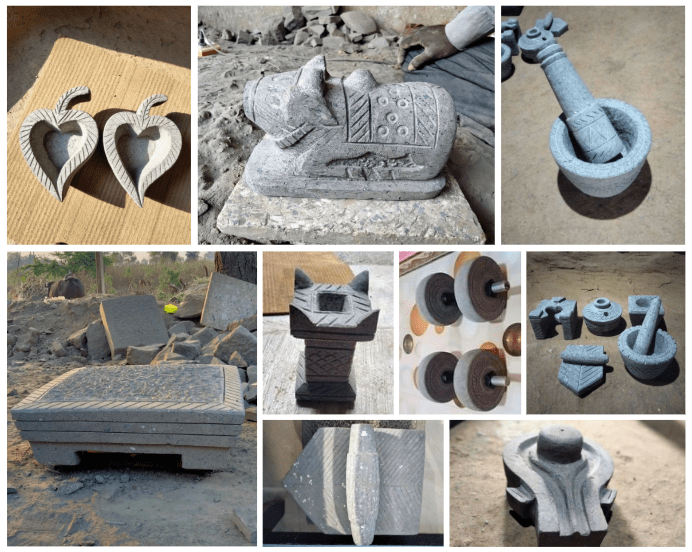
Riverbed stone a source of Life for Patharvat Stone Artisans in Anjani Basin in Mah

Guest Blog by Shreesai Kharat

The Anjani River in Maharashtra is a small, seasonal river. It originates near Achalgaon village in the Bhadgaon taluk of Jalgaon District and flows through more than thirty eight villages before it meets the Girna river, and soon after at very short distance, to the Tapi river, which make a tri-confluence (Triveni Sangam) of these three rivers near the Rameshwar temple. Though Anjani is not a perennial river, it carries water for close to eight months of the year because of the string of small check dams built in the river 7 to 8 years ago. There is no large industry sitting on its banks, which is why very little pollutants enter the river, but are increasing nowadays.

Continue reading “Riverbed stone a source of Life for Patharvat Stone Artisans in Anjani Basin in Mah”
Dams · Water

WED 2020: Uttarakhand workers return to revive traditional water sources

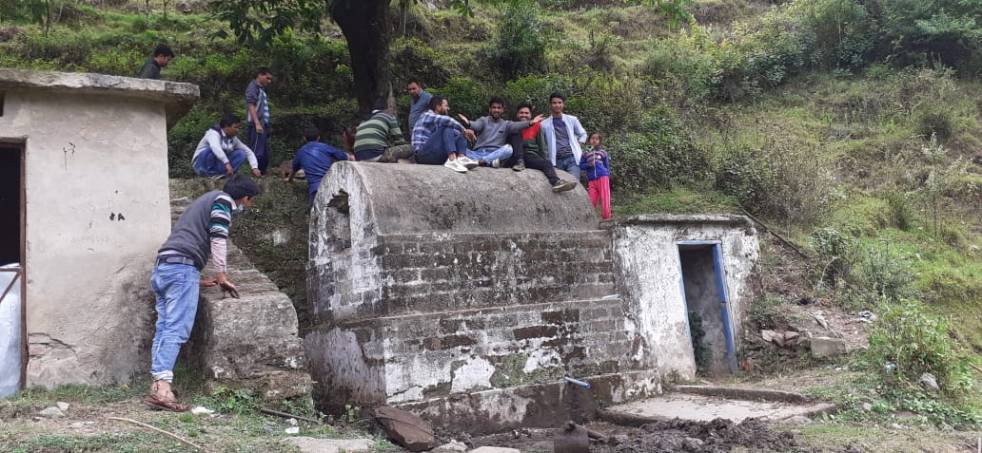
Traditional water sources have been water life line for most of villages in hill areas of Uttarakhand. Known as Panyar, Naula, Chhoi, Dhara these fresh water sources, springs have been serving rural population with potable and other domestic water requirements since time immemorial.  We thought this is possibly an appropriate story on this World Environment Day 2020 on June 5 with appropriately fitting theme “Time for Nature”.[i]

Sadly, with changing time, lifestyle and introduction of tap water facilities these water sources and structures have been facing negligence of users and apathy of government. These time proven water sources can still serve the people if restored and taken proper care by village communities. The story of Pokhri village in Pouri Garhwal district in Uttarakhand is a step in this direction.

Continue reading “WED 2020: Uttarakhand workers return to revive traditional water sources”