A number of welcome developments around dams appear in this week’s DRP News Bulletin from SANDRP. The prominent is the Brihanmumbai Municipal Corporation declaring that it may not need Pinjal Dam, which SANDRP had said in its report way back in 2012-13 and the then BMC commissioner had agreed to in an interview to NDTV. This should also lead to cancellation of the Damanganga Pinjal River Link proposal. The Maharashtra govt decision to review the need for Human dam is also welcome. The Kerala State Information Commissioner’s decision to direct that the Dam Break Analysis should be in public domain is also a useful precedent that all states and CWC need to follow immediately and also amend the proposed Dam Safety Act to include a provision that all Dam Safety related information, including meeting minutes, agenda, decisions, status reports etc will be in public domain.
Continue reading “DRP: 3 Feb 2020: Some welcome news on Pinjal & other dams”Tag: NGT
World Wetlands Day 2020: Positive Stories from India
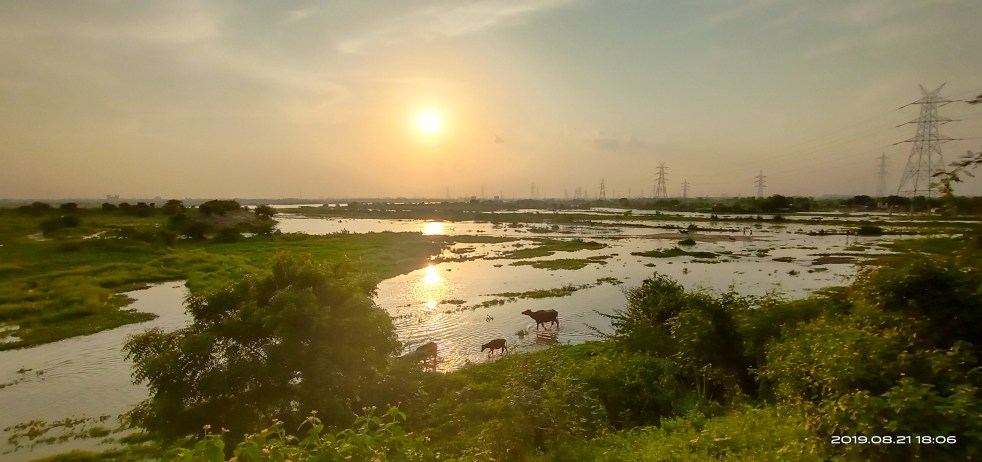
On February 2, the World Wetlands Day is celebrated globally. The theme of 2020 is Wetlands and Biodiversity to emphasize the critical roles the wetlands plays for wildlife, aquatic life, and native vegetation. They also play crucial role in harvesting rainwater, recharging groundwater, providing livelihoods, acting as carbon sinks and providing cushion against flash floods thus they hold immense significance in changing climate.
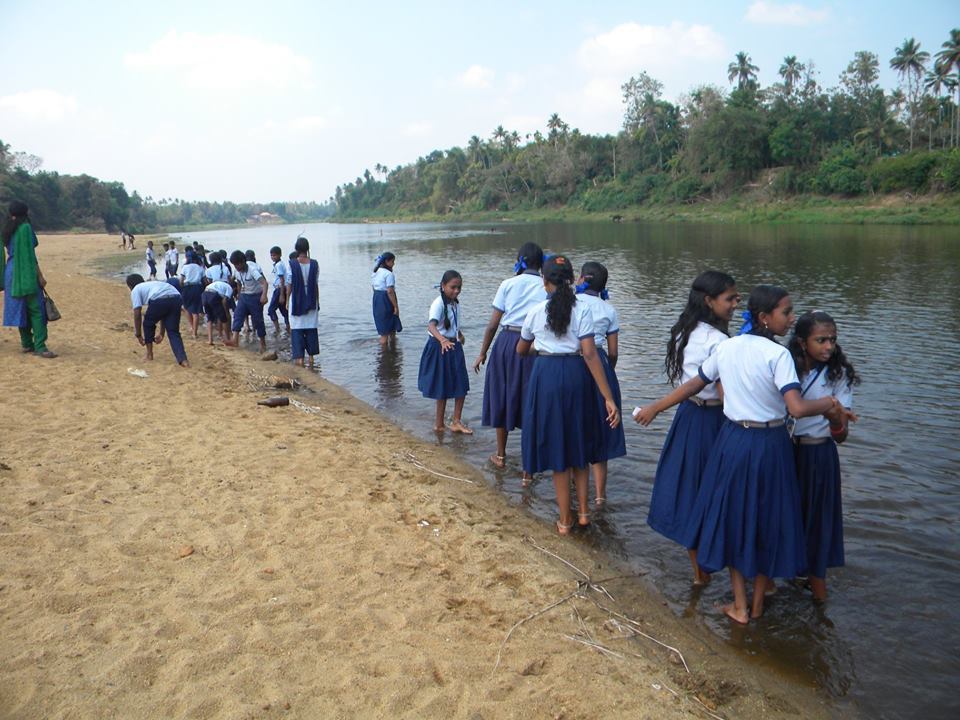
This compilation puts together some of the positive developments related to wetlands that took place in 2019. It also includes few individual initiatives of lakes and water bodies cleaning from greater Noida, Chennai and Udaipur. There have been some fruitful efforts by citizen and community groups in Maharashtra, Goa and Kerala.
Continue reading “World Wetlands Day 2020: Positive Stories from India”
DRP: 27 Jan. 2020: Beginning of Corporatisation of Rivers?
The statement of Shri U P Singh, secretary, Union Water Resources Ministry, that “industry (private or public sector) could adopt small rivers” seems to suggest that the government is moving towards handing over the rivers to Corporate bodies. The example Mr Singh gave of Drayavati River of Jaipur is even more disturbing since that river has been completely destroyed by the project implemented by the Tatas. It should not surprise though, considering that no less than the Prime Minister has been giving the example of canalisation of Sabarmati as an example of rejuvenation of the river. If this is what the government means by rejuvenation, that even Ganga and Yamuna are facing major risks of destruction. Its not less shocking that while Nitish Kumar, the Chief Minister of Bihar has questioned Modi government’s attempt to achieve Nirmal Ganga without attempting Aviral Ganga, his own government is basically following the same Sabarmati model on Ganga in Patna. If this is the example of “rejuvenation” of river according to the top most bureaucrat of of the government in charge of Water resources, nothing can save India’s rivers except a people’s movement against such moves wherever such destruction of rivers is attempted.
Continue reading “DRP: 27 Jan. 2020: Beginning of Corporatisation of Rivers?”J&K Wetlands Overview 2019: New Threats Looming, Old Remain Unresolved
Jammu and Kashmir has many wetlands of national importance and international recognition. These water bodies are critical source of livelihood and job opportunities for a large number of population in form of fishing, farming, tourism etc. Moreover, most of the wetlands in the region fall under Central Asian Flyway Zone (CAF) and visited by lakhs of migratory and endangered birds during their annual migration march. These wetlands areas also provide safe refuge to native vegetation and wild animals. Their protection is crucial to combat the dual impact of climate change, water scarcity and flooding.
Continue reading “J&K Wetlands Overview 2019: New Threats Looming, Old Remain Unresolved”
Haryana Riverbed Mining 2019: Yamuna Robbed of Minerals, Flows
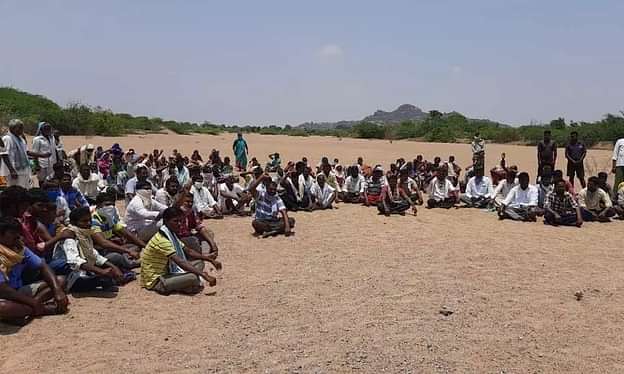
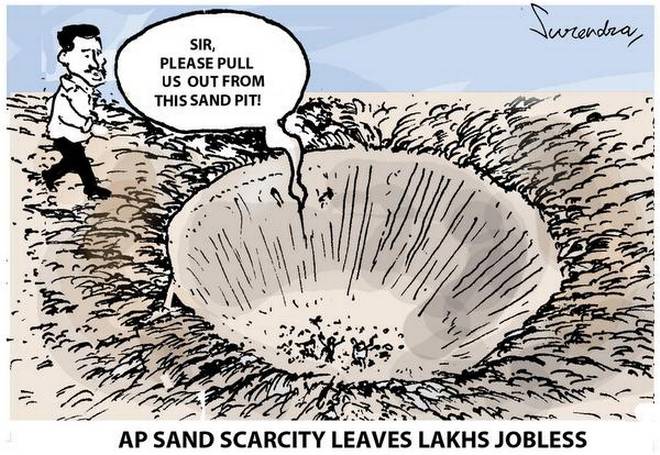
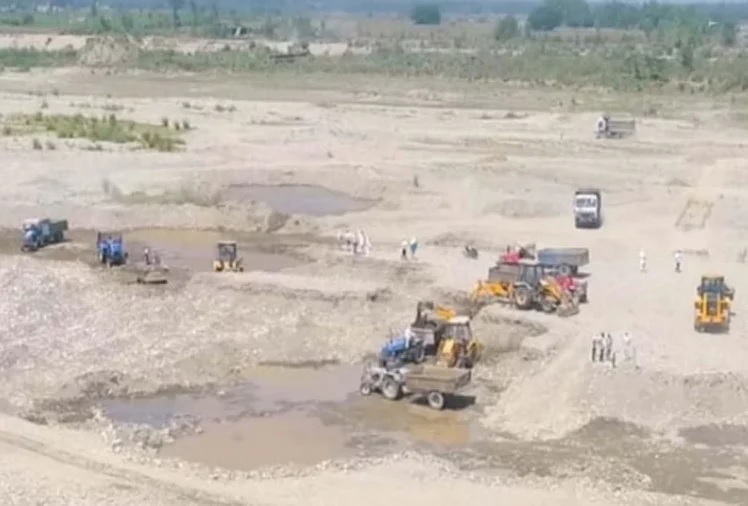
For past two years, large scale mechanized and illegal mining is happening in Yamuna River in Haryana state. The miners have created deep pits across the riverbed in Yamuna Nagar, Karnal, Panipat and Sonipat districts. Year 2019 has been a deficit monsoon year in Yamuna basin and the river had started shrinking unusually during October month. The rampant riverbed excavation has further robbed it of lean season flows. This detailed overview of river sand mining in Haryana in 2019 shows the severe impact of unsustainable and illegal mining practices on the river and villagers due to insensitive government and inefficient administration.
Continue reading “Haryana Riverbed Mining 2019: Yamuna Robbed of Minerals, Flows”
DRP: 20 Jan 2020: India urgently needs national urban water policy
A large number of stories this week remind us that India urgently needs national urban water policy.
The water footprint of urban areas is gradually on the rise. The cities have several problems with management including destruction of water sources, groundwater exploitation, poor performance in treating and recycling the polluted water, pollution and encroachment on water bodies etc. To fulfil their growing demands new dams, barrages and check dams are being planned, proposed and built on the rivers in faraway places, which is in turn displacing and depriving the local people of equitable water share.
Even before onset of summer, the Army in Sagar district have started patrolling Chitora dam to prevent water thefts (denying farmers to take dam water for irrigation).
Continue reading “DRP: 20 Jan 2020: India urgently needs national urban water policy”Punjab Sand Mining Overview 2019: Story of Political Patronage & Goonda Tax
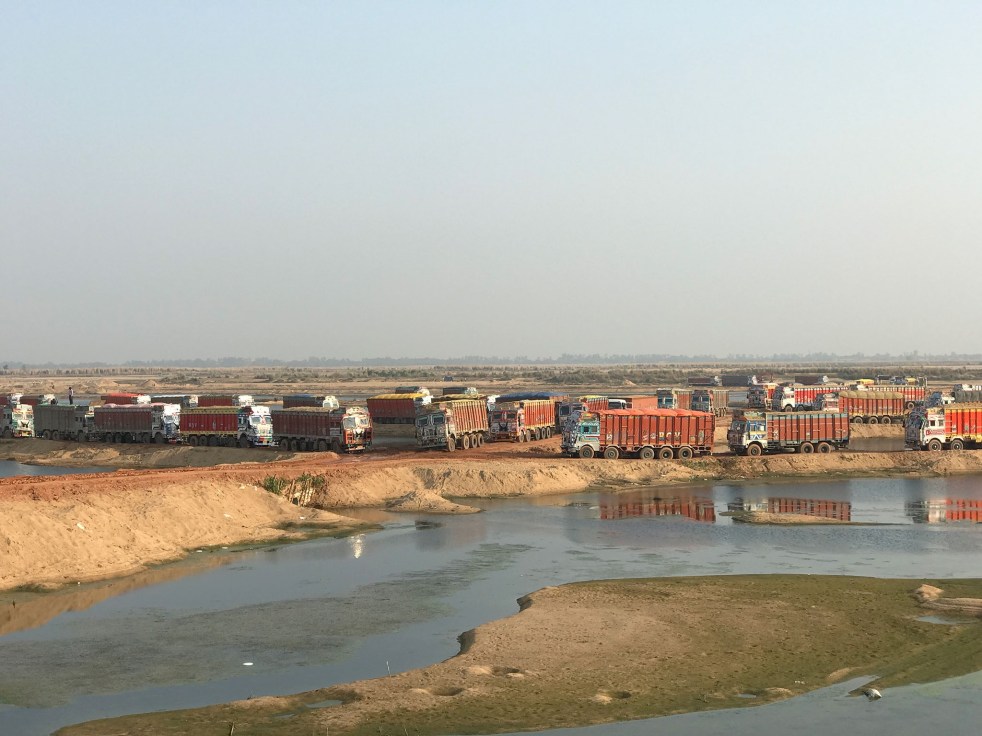
Sand and gravels forming riverbed materials hold immense ecological value for living and healthy rivers systems. The inbuilt water filtration capacity and absorbing characteristic of the minor minerals plays critical functions in groundwater recharge and in ensuring lean season flow in the rivers. However for over two decades the brazen illegal and mechanized mining activities across the country have been irreversibly affecting the rivers and riverbank communities. The state of Punjab is among leading states where state government has failed[I] to ensure sustainable sand mining practices. The 2019 overview the state shows strong clout of political parties over the illegal sand mining operations without sharing a thought for the rivers and public.
Continue reading “Punjab Sand Mining Overview 2019: Story of Political Patronage & Goonda Tax”
DRP: 13 Jan. 2020: We need new river management
With the beginning of New Year, there have been several media reports highlighting the river revival works and floodplain protection efforts going on in different parts of country. While the community driven efforts with active support from administration and experts to revive Kasal Odha in Solapur and bring back Old Lakhandei river in Sithamarhi have been bearing fruits. The civil societies, judiciary and administration have also taken steps to protect the floodplains of Ramnadi, Indrayani, Hindon rivers.
The artificial pond efforts by NGT panel and Delhi government have also shown positive results in preventing the pollution from idol immersion pollution reaching the Yamuna river. Similarly the CPCB has raised the issue of Mahi river pollution by industries in Central Gujarat. The Karnataka High Court questioning the authority and fund collection mechanism by Isha Foundation for Cauvery Calling initiative is particularly significant. While revival of rivers is imperative task, the accountability and transparency cannot be set aside.
Continue reading “DRP: 13 Jan. 2020: We need new river management”DRP: 6 Jan 2020: When will Inland Fisheries get its due in decisions about rivers & other water bodies?
In shocking instance, the Govt of India has provided just 17 days for commenting (Submission of Comments of NPSSFW _Inland_ on the Draft NFDB Bill 2019_ with rejoinder) on Draft National Policy for Inland Fisheries (Draft_NFDB_Bill_2019). As can be seen from the comments by National Platform for Small Scale Fish Workers (Inland) on the draft policy, the draft policy has major lacunae. The most glaring one is the complete lack of any role for the Inland fisher people in the decision making about rivers and other water bodies in India. Every dam and hydropower project has adverse impact on the fishes and fisher people, but the impact assessment reports rarely if ever even mention such impacts, leave aside question of any rehabilitation for them or even compensating them for the losses.
This is in complete contrast to the situation in US and a number of other countries where fish and fisher people have a much bigger role. Even as millions of people depend on Inland fisheries in India, we do not have even reliable census of the people who depend on Inland fisheries. One had hoped that in new year, the situation would improve, but going by the Draft Policy, there is not too much hope on that front. The least the govt can do is to immediately accept the suggestions of the National Platform and circulate the draft in all major languages and provide three months for comment period and institute a confidence inspiring process of including such comments.
Continue reading “DRP: 6 Jan 2020: When will Inland Fisheries get its due in decisions about rivers & other water bodies?”DRP: 30 Dec. 2019: Attention to Groundwater is much needed, but will ABY help?
Groundwater is India’s water lifeline for some decades and will remain so. So attention to Atal Bhujal Yojana (ABY) is welcome, but key question is, will it help sustain our Water Lifeline? The World Bank funded project ABY has been in limbo for several years, but for some unknown reasons, took years to enter implementation phase. Secondly, why did it need the World Bank funding and how that will help for a scheme that essentially needs bottom up regulatory system, where the global banker has far from confidence inspiring track record?
Groundwater sustainability requires: 1. Identifying, understanding existing groundwater recharge systems 2. Protecting such recharge systems. 3. Enhance recharge from such systems. 4. Create additional recharge systems 5. Acknowledging in National Water Policy, programs and practices that Groundwater is India’s water lifeline and most importantly 6. Creating a bottom up legally empowered groundwater regulatory system.
Continue reading “DRP: 30 Dec. 2019: Attention to Groundwater is much needed, but will ABY help?”