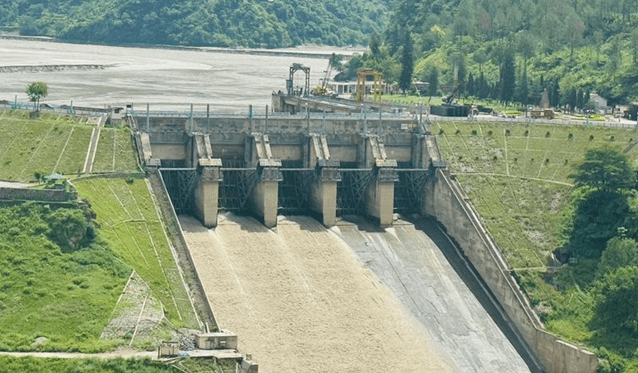
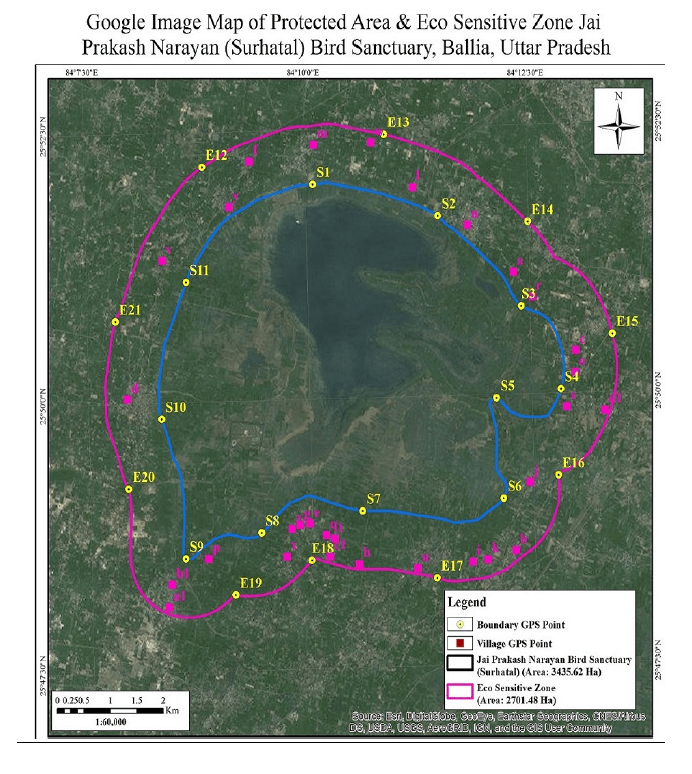
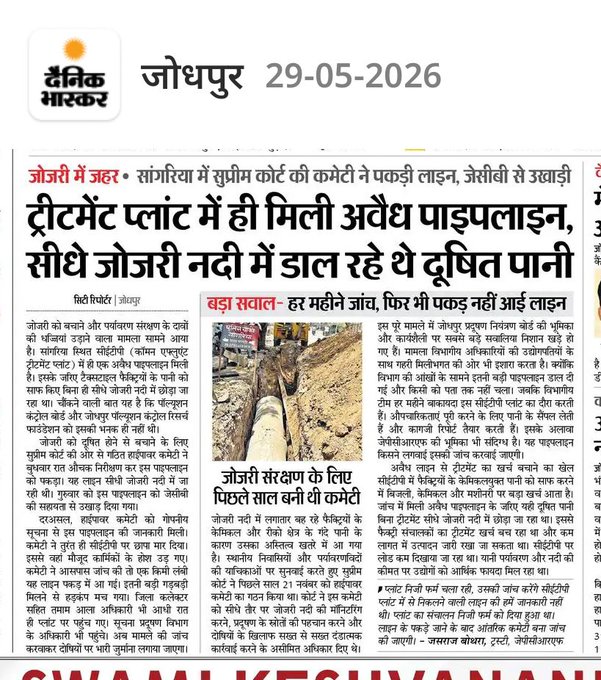
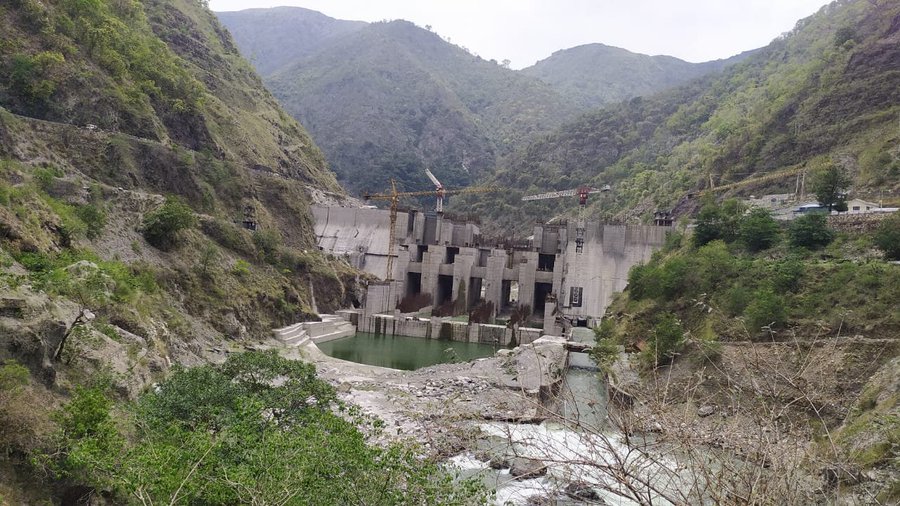
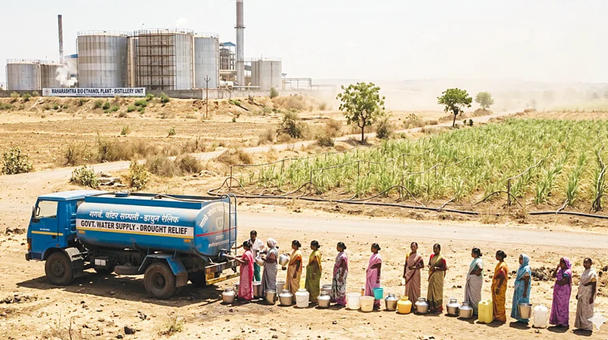
On the Occasion of World Fisheries Day (WFD) 2025, SANDRP shares the top ten reports underlining the growing impacts of river obstruction projects on freshwater fish species and dependent fisherfolks in India. Indeed, damming free flowing rivers has become the single biggest reason behind growing extinction rate of aquatic life by severely disrupting their migration routes. The iconic hilsa and mahaseer fish in Ganga and Narmada have declined sharply due to construction of Farakka and Sardar Sarovar dams respectively, among others.
Continue reading “WFD 2025: Impacts of Dams on Inland Fish, Fisherfolks”Tag: fisheries
World Fisheries Day 2025: Top 10 Positive Stories from India
Recognizing the fisherfolks’ valuable services to the society, the annual World Fisheries Day (WFD) will be celebrated on Nov. 21 with the theme “We have not caught anything, but at your word I will let down the nets”. On this occasion SANDRP compiles top 10 positive developments that took place during last one year regarding protection of inland fisherfolks’ rights and also protecting the habitats of freshwater fish species in India.
Continue reading “World Fisheries Day 2025: Top 10 Positive Stories from India”Relevance of Ganga Mukti Andolan: Then and Now
((Above Photo of GMA office by Miss Shalini Jha)
GUEST ARTICLE BY DR. RUCHI SHREE
On 22-23 February, 2025, Ganga Mukti Andolan (GMA) celebrated its 43rd anniversary in Kahalgaon (Bhagalpur, Bihar). In these two days celebration, social activists from different parts of the country participated to underline the problems faced by river Ganga and the fisherfolk community of this region. Its slogan ‘Ganga ko aviral bahne do’ (let the Ganga flow freely) which united the different sections of the society to come together in the 1980s seems to be so relevant even today. For a movement to survive for four decades undoubtedly marks its relevance. However, during this long span of time, the movement has undergone several changes. But at the same time, it also marks a continuity and this essay is an attempt to understand the nuances and significance of this struggle.
Continue reading “Relevance of Ganga Mukti Andolan: Then and Now”Unsustainable sand mining in Kashmir Rivers: Dr. Raja Muzaffar Bhat Interview
(Feature Image: Taken from a report titled “Mining in Nallah Romeshi: DMO Pulwama submits report” by Rising Kashmir, 04 Dec. 2024)
When it comes to environmental issues in Kashmir, the Srinagar based Dr. Raja Muzaffar Bhat dons many hats. He is an independent researcher, often tracking river courses, glacier zones and forest lands to gain firsthand insight into the unfolding impact of changing climate, land use on water sources, rivers and people. He is a writer with clear thoughts articulating concerns over ongoing environmental degradation in the region.
Continue reading “Unsustainable sand mining in Kashmir Rivers: Dr. Raja Muzaffar Bhat Interview”DRP 100624: Global research suggests: shun big dams, big hydro
(Feature Image: 120 Mw Vyasi HEP dam on Yamuna river in Vikas Nagar, Dehradun. SANDRP/June 2024)
Two separate reports this week shows why we need to shun big dams, big hydro. The New York Times, based on several research papers have said that unstable water cycles are making big hydropower projects unreliable. This is clear this year from a number of countries, including India, China, Canada, Turkey and Ecuador among others. The report also emphasizes the loss of biodiversity, methane emissions, submergence, among other issues plaguing the hydropower projects.
Another report quoting Stanford University study says that big reservoirs cannot meet future water storage needs and we need to go for alternative, nature-based storage options. Alternative storage options like soil moisture, aquifers and local water systems. Such storage options also provide “the critical synergy between water infrastructure, climate adaptation, and agricultural resilience.”
Both are highly eminently relevant for India. When will we start adopting such options?
Continue reading “DRP 100624: Global research suggests: shun big dams, big hydro”DRP BANGLADESH 2023: Rivers dominate in a River Intense Nation
In this overview of 2023 issues related to Dams, Rivers and People in Bangladesh, we see how rivers dominate the discourse in one of the most river intense nations of the world. As expected, as India and Bangladesh share the rivers in so many ways, the bilateral issues also dominate. These includes fisheries, power sharing, navigation, besides of course water sharing. As expected, Teesta water sharing issue dominates more than others.
Continue reading “DRP BANGLADESH 2023: Rivers dominate in a River Intense Nation”WFD 2023: Untreated Effluents with Non-existent Regulation Killing Inland Fish En-Masse
(Fish in large number killed in Krishna river in Sangli in March 2023 due to untreated industrial effluents discharge. Image Source: ToI)
On occasion of World Fisheries Day 2023, incidents of mass fish death in rivers and water bodies in India during past one year are compiled here. The report highlights how untreated effluents from industrial and domestic sources with non-existent regulation have been primarily responsible for most of the en masse fish kill incidents across the country. In the first part of the series, we have covered the positive developments related to fish, fisherfolks and fisheries. And in the second part, we have covered the ongoing resistance and struggles of Indian fishers against developmental projects endangering their survival and livelihoods.
Continue reading “WFD 2023: Untreated Effluents with Non-existent Regulation Killing Inland Fish En-Masse”World Fisheries Day 2023: Resistance and Struggles of Fisherfolks
(Feature Image: A Konda Reddi tribe rowing a Dhone, a traditional boat, in the Godavari near the Papikonda hills in Alluri Sitarama Raju district. Photo Credit: T. Appala Naidu/ The Hindu)
On occasion of World Fisheries Days 2023, this compilation of important developments from 2023 highlighting the ongoing resistance and struggles of inland as well as coastal fisherfolks in India whose lives and livelihoods have been significantly affected by destructive developmental projects including dams & hydro power projects, increasing pollution and encroachments of water bodies, mechanized mining of sand from rivers & coastal areas, unsustainable fishing and invasive fish species.
The compilation first lists ten most remarkable developments on the issue and then covers the other relevant incidents in section wise manner. In the first part of the series we have highlighted ten positive stories on river fish and fisherfolks of India. The third part has covered the mass fish death incidents in India that have occurred during past one year.
Continue reading “World Fisheries Day 2023: Resistance and Struggles of Fisherfolks”World Fisheries Day 2023: Ten Positive Reports from India: Fish, Fisherfolks & Fisheries
(Feature Image:- Fishermen move around the big lake in Jawaharlalpuram in Madurai to increase the catch. M. PALANI KUMAR Photo/PARI)
World Fisheries Day (WFD) is celebrated annually on November 21 to highlight the importance of sustainable fisheries management and to draw attention to the crucial role of small-scale fishers in ensuring food security and livelihoods for millions around the world. The theme for World Fisheries Day 2023 is “Build enabling policy environments for small-scale artisanal fisheries.” This theme emphasizes the crucial role of small-scale fishers in sustainable fisheries management. Small-scale fishers, who often employ traditional and low-impact fishing methods, contribute significantly to local food security and livelihoods. They also possess valuable knowledge and expertise in managing marine resources sustainably. By supporting small-scale fishers and enabling their participation in policymaking processes, we can promote more equitable and sustainable fisheries management practices. https://www.oliveboard.in/blog/world-fisheries-day-2023/ (20 Nov. 2023)
Marking the WFD 2023 while highlighting the significance of fresh water fish species, inland fisherfolks and fisheries sector in general, SANDRP here presents ten positive reports on fish, fisherfolks and fisheries from India in 2023. Also see the second part of the compilation highlighting ongoing resistance of fisherfolks in India and third part covering mess fish kill incident during past one year in the country.
Continue reading “World Fisheries Day 2023: Ten Positive Reports from India: Fish, Fisherfolks & Fisheries”DRP 301023: Top scientist Rajeev Raghavan emphasizes need to conserve River Fish
(Feature Image:- Fish catch from a Ramganga stream in Pauri in June 2022. Bhim Singh Rawat/SANDRP)
It is rather rare when we hear the sane voice of a scientist like Rajeev Raghavan neglect of riverine fish conservation in India, from government, research bodies to down to grassroots level. Rajeev Raghavan, incidentally is among the 2% top scientists of the world by the Stanford University, USA. The over emphasis on fish in food, on marine fish, on exotic fish that has such a huge adverse impact on our biodiversity and lack of effort towards conservation of riverine fish are some of the key issues Raghavan emphasizes in this interview. He says most of the fish in the IUCN red list are riverine fish and yet there is so little understanding or effort to conserve such fish or their habitat.
If we see the discussions in the minutes of the meetings of the MoEF’s Expert Appraisal Committee on River Valley Projects in spite of there being permanent presence of a representative of Central Inland Fisheries Research Institute, we see non-existence of any concerns about the impact of the project in riverine fisheries or those who are dependent on them for livelihoods. In fact, we see the shocking spectacle of CIFRI scientists working as consultants to the hydropower companies, working to justify such projects on the highly biodiverse rivers including those of North East India.
Continue reading “DRP 301023: Top scientist Rajeev Raghavan emphasizes need to conserve River Fish”