Disasters · Nepal

Interview: Every disaster also presents an opportunity to learn

Q: “This incident has indicated that the risks we face in the Himalayan region are increasing with climate change,” said Nepal Prime Minister Balendra Shah. Can we just blame it all on climate change and ignore the role aggressive development poses in an ecologically fragile zone? Or is climate change indeed the main villain?

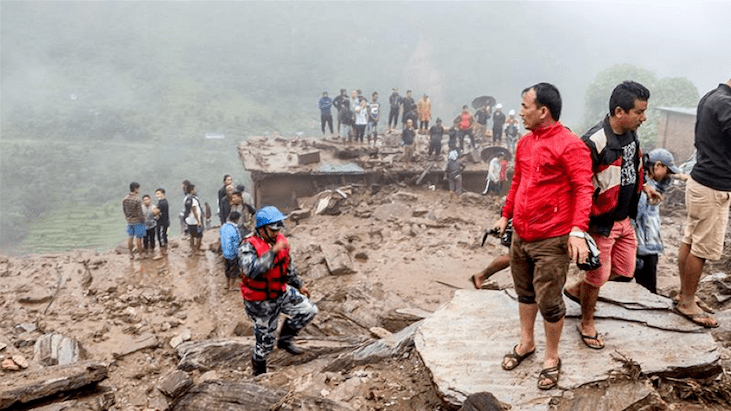
ANS: Climate Change is a likely trigger for the Rasuwa flood disaster that Nepal and Tibet are facing, starting from the morning of Aug 26, 2026, though the scientists say this needs further studies. But the extent of the disaster depends on a number of factors including callous way in which major interventions have been taken up in the region, including large number of hydropower projects, knowing fully well the inherent vulnerabilities of the Himalayan region accentuated by climate change, by lack of early warning systems, absence of functioning disaster management system including emergency action plans.

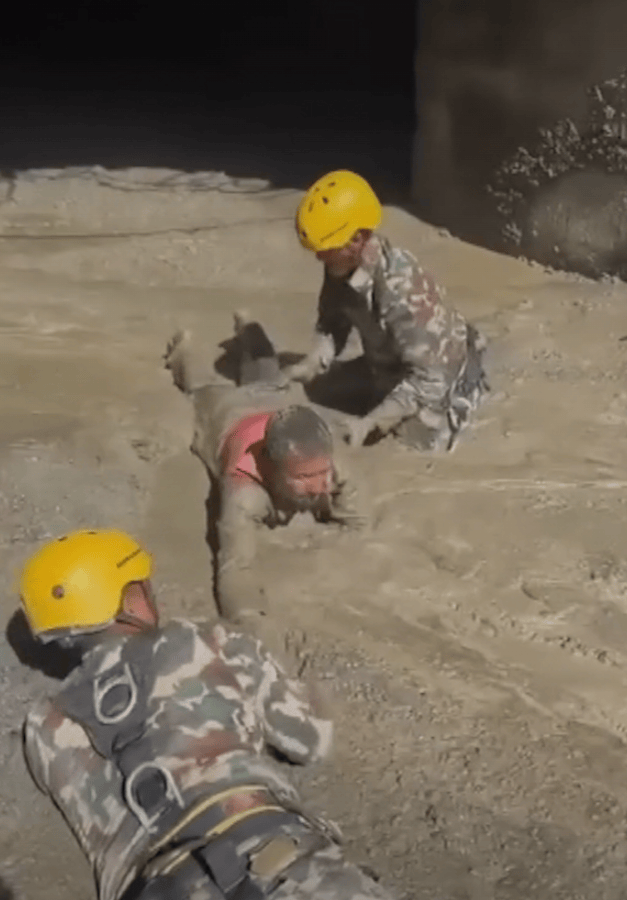
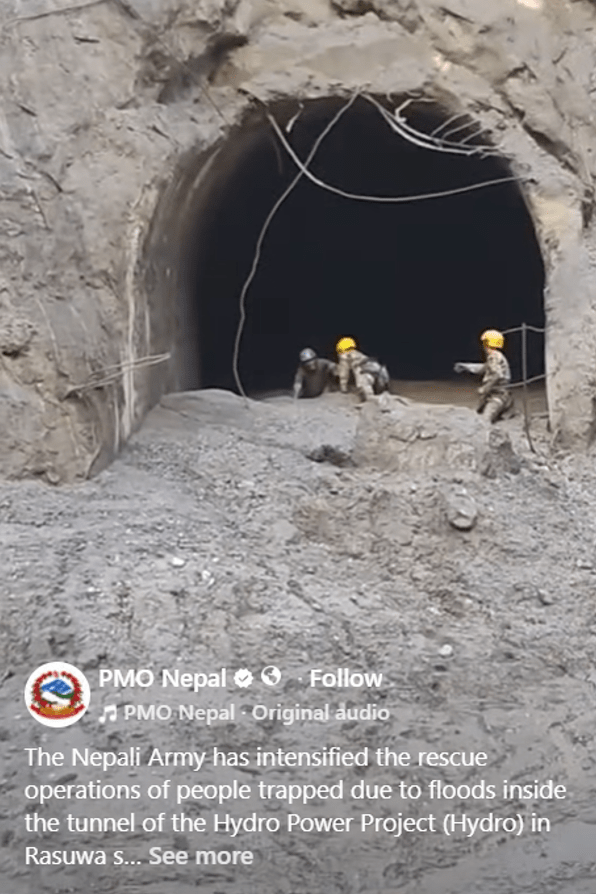
Feature image above: Nepal Army rescues people trapped inside hydropower tunnels on Trishuli River Photo: PMO Office, Nepal video

Continue reading “Interview: Every disaster also presents an opportunity to learn”
Climate Change · Dam floods · Floods · Hydropower · Nepal

Himalayan Floods Are Not Just a Water Event, They Are a Debris Event

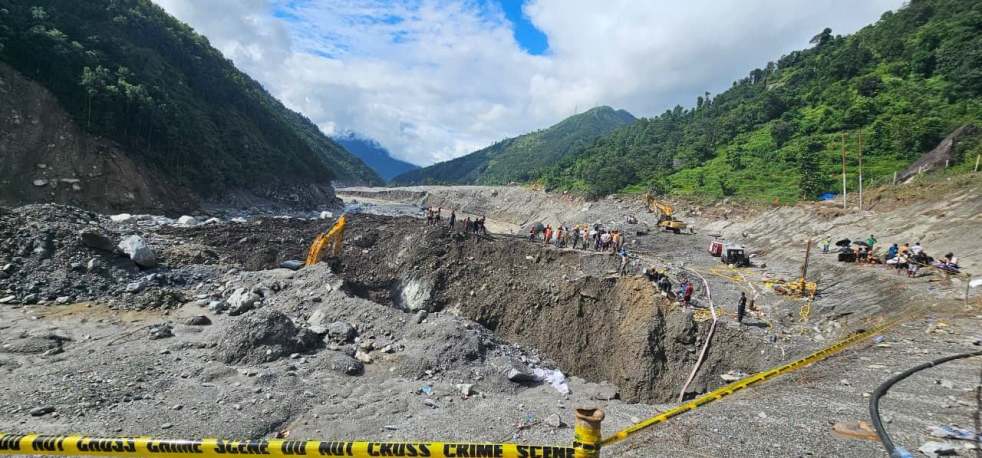
As I write this, over 1,200 people are dead across Nepal and China, and nearly 5500 more are missing. About 900 people are trapped in hydropower tunnels clogged by debris. Herculean national and international efforts are being made to bring them out, but the tunnel entrances are sealed by dense plugs of compressed sediment, and rescuers have no idea of the extent of that blockage. An Australian tunnel expert summed up, “we might only have to dig 10 meters, or we might have to dig 100 meters.” [1]

Continue reading “Himalayan Floods Are Not Just a Water Event, They Are a Debris Event”
Climate Change · Dams · Floods · Gandak · Hydropower · Nepal

Nepal Disaster and Hydropower: How Global Banks Downplayed the Risks they Knew

On the 28th August 2026, Nepali officials roughly doubled their tally of missing people to over 1,900, saying hydropower producers had only recently shared a count of unaccounted-for workers at projects in the devastated river valleys. It is feared that over 900 people are missing from hydropower projects.

This might be a watershed moment for the disaster-torn hydropower boom in South Asia, funded many times by International Financial Corporations and Multilateral Banks like ADB and World Bank, and also Chinese Exim bank.

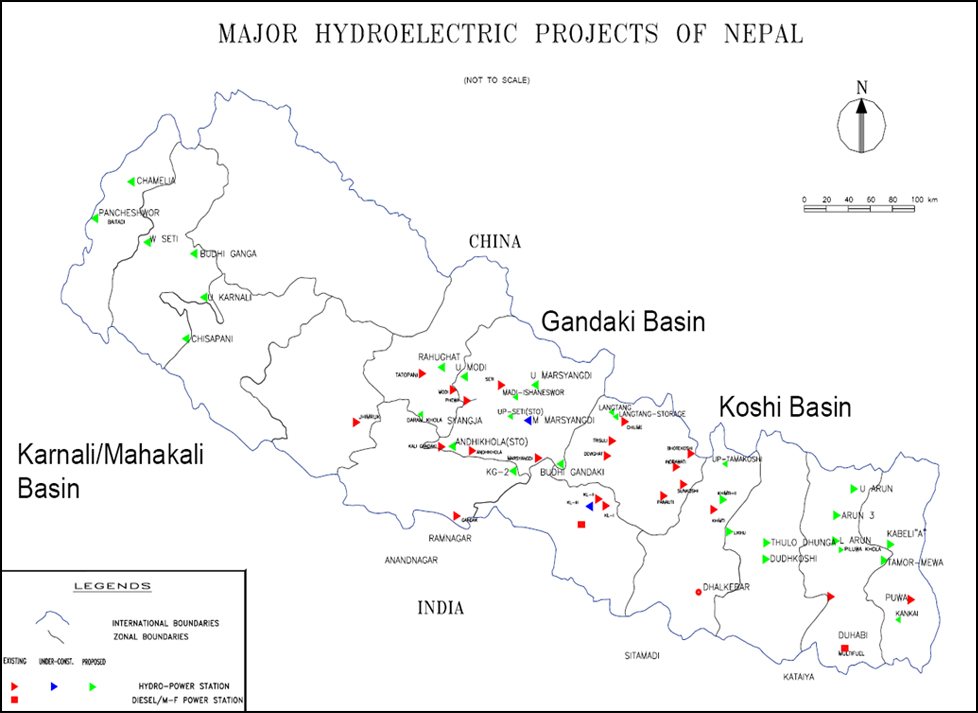
Hundreds of hydropower labourers, engineers and locals are currently trapped inside tunnels of projects like Upper Trishuli 1 and Trishuli 3A, the latter funded by a loan from China’s Exim bank in the flood ravaged Nepal. More than 350 have been rescued by the valiant efforts of Nepal Army, but many more are still trapped inside the tunnel, including Indians.

Continue reading “Nepal Disaster and Hydropower: How Global Banks Downplayed the Risks they Knew”
Nepal

DRP NEPAL 2023: Vibrant debate about Hydro Projects

This provides an overview of Dams, Rivers & People related issues in Napel in just concluded 2023. While export of hydropower to India is central this year following Nepal PM’s June 2023 visit to India. Pancheshwar, the most ambitious of the projects have seen no real progress in spite of repeated statements. An agreement signed with India to export upto 10000 MW of hydropower in ten years has raised lot of hopes in both countries. The electricity trade has indeed expanded significantly in 2023. There is also renewed hope for Nepal succeeding in export of hydropower to Bangladesh via India, but this still needs some concrete success.

However, most interesting is the vibrant debate in Nepal media about adverse economics, impact on environment, biodiversity and disasters, in addition to displacement risk for thousands of people. Some called it costly madness. It also notes that climate change does not even figure in decision making process. The overview begins with that debate.

Continue reading “DRP NEPAL 2023: Vibrant debate about Hydro Projects”
Dams, Rivers & People · Nepal

Dams, Rivers & People overview of Nepal 2020

This report provides and overview of key developments in Nepal about Dams, Rivers, Environment and people in 2020, we had provided similar overview in 2019[i] too. We have divided the overview into these sections: Hydropower projects, Power Trade, Governance, River Sand Mining, Monsoon 2020 dominated by Landslide news, Climate Change, India-Nepal issues dominated by Pancheshwar and border dispute issues, Nepal China issues.

Continue reading “Dams, Rivers & People overview of Nepal 2020”
Nepal

NEPAL DRP Overview 2019

RIVERS

China not to alter course of rivers flowing into Nepal China has agreed not to deliberately change or cause to change the course of any trans-boundary rivers flowing into Nepal. This comes under an Agreement on the Boundary Management System reached with Nepal during the visit of Chinese President Xi Jinping to Kathmandu in October 2019. All the major rivers including the Karnali, Kali Gandaki, Budhi Gandaki, Trishuli, Sunkoshi, Bhotekoshi, Tamakoshi and Arun originate in the Tibet Autonomous Region (TAR) of China. Nepal as well as the northern part of India could be seriously affected if any dams or diversion projects are built in upper riparian Tibet. “Both sides shall, as far as possible, prevent the boundary rivers from changing their courses. Neither side shall deliberately change or cause to change the course of any boundary river,” states Article 7 (1) of the Agreement. Continue reading “NEPAL DRP Overview 2019”