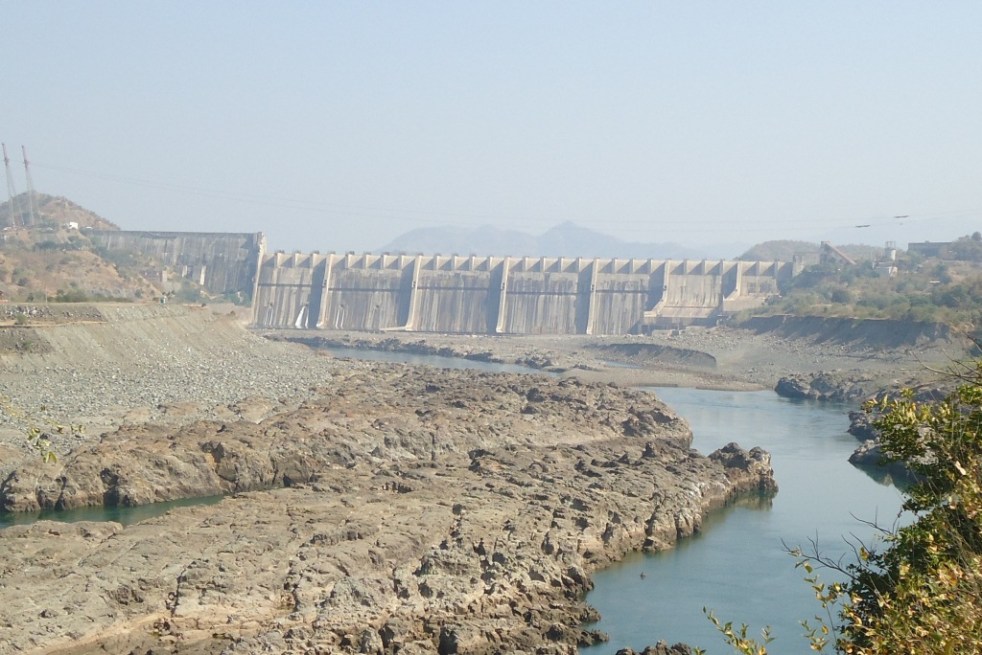
A report this week quotes a Govt of Gujarat (GOG) insider saying that GOG is giving 16.7% of SSP (Sardar Sarovar Project) water for industries (with more in pipeline) against planned allocation of just 2% (0.2 Million Acre Feet or MAF). Similarly, against planned allocation of zero for Urban areas in Ahmedabad, Gandhinagar, Vadodara, Kheda and Bharuch, most large urban areas are getting Narmada water. However, the insider says, the area irrigated by the SSP is only 33% of the targeted area, with largest water quantities going to already irrigated central Gujarat. Similarly, with the Narmada Water Disputes Tribunal (NWDT) asked Gujarat to provide water for the SSP Downstream areas from its allocated share, but Gujarat keeps claiming it has no water for this and asks other states to provide water for the downstream areas from common pool. It seems the worst fears of the project critiques are coming true. The insider has in fact characterized this state of affairs as water anarchy in Gujarat.
Continue reading “DRP 030225: Water Anarchy in Gujarat in Narmada water allocation?”Tag: Water
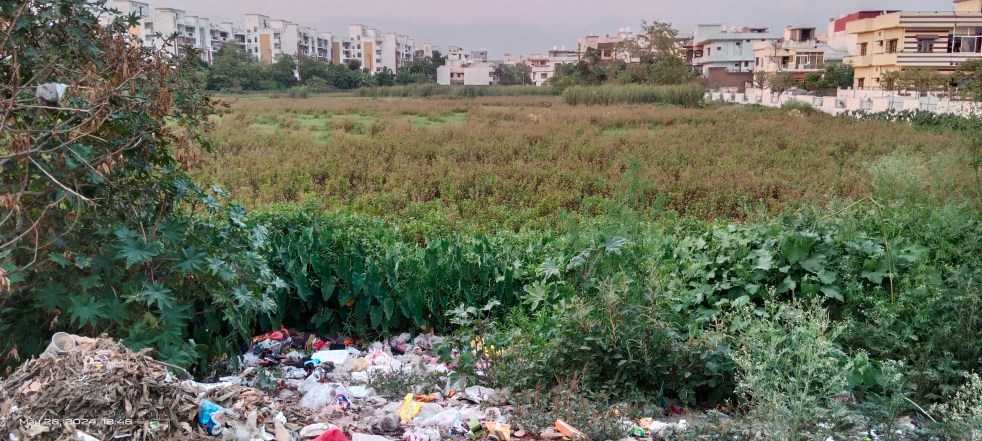
WWD 2025: Failing to Protect Wetlands for Common Future
(Feature Image: Machhi Talab in Dehradun chocked by solid waste, vegetion in May 2024. BS Rawat/SANDRP)
While we celebrate World’s Wetlands Day 2025 with theme of “Protecting Wetlands for Our Common Future”, the top ten reports from 2024 show that the plight of wetlands in India remains miserable making the future of the waterbodies and dependent people uncertain. While govts continue to be lethargic in identifying and notifying the wetlands in the country, the govts initiated developmental plans, projects are further making them vulnerable to extinction. Amid this the threats from encroachment, siltation, pollution and climate change are only increasing. Also see the first part of the overview highlighting the deteriorating situation of Ramsar wetlands in India.
Continue reading “WWD 2025: Failing to Protect Wetlands for Common Future”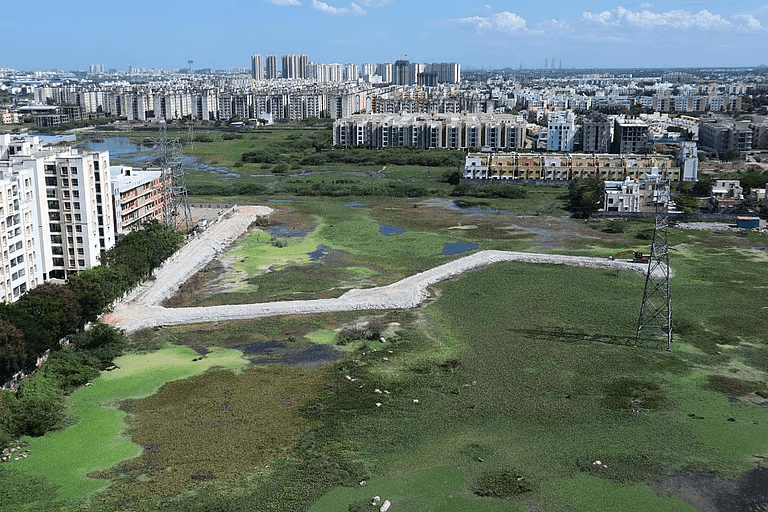
World Wetlands Day 2025: Govts Projects, Apathy Damaging Ramsar Wetlands
(Feature Image: A road is being laid allegedly by a private realtor inside the Perumbakkam marshland. Photo Credit: TNIE, June 2023)
‘Protecting Wetlands for Our Common Future’ is the theme for World Wetlands Day 2025. Wetlands are ecosystems, in which water is the primary factor controlling the environment and the associated plant and animal life.
Indian government seems focusing more on increasing Ramsar wetlands number than ensuring the protection and conservation the existing Ramsar sites in country. Over the past one decade the numbers of Ramsar wetlands in India have sharply gone up from 26 in 2014 to 89 as of January 2025. Amid the thrust to increase the number, several existing or even recently declared Ramsar wetlands across the country have been facing multiple threats mainly due to governmental projects and constant negligence from the concerned authorities as can be seen from the reports from 2024 in this annual overview.
Continue reading “World Wetlands Day 2025: Govts Projects, Apathy Damaging Ramsar Wetlands”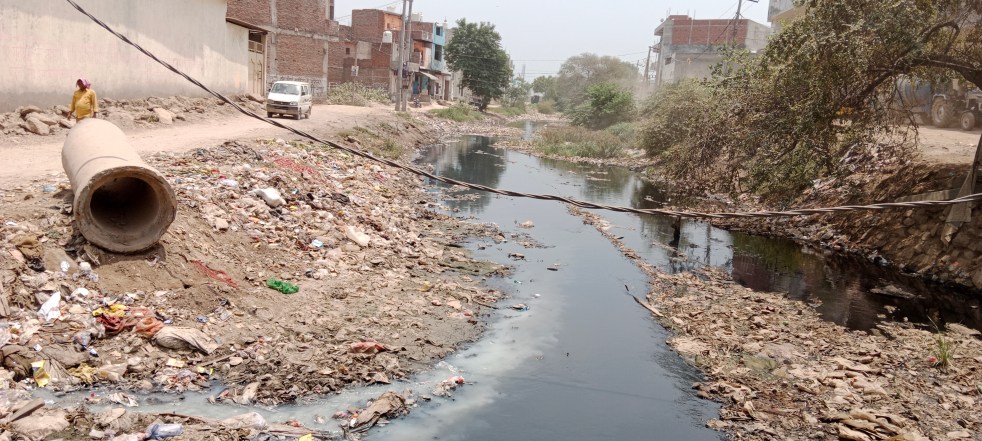
Groundwater 2024: Increasing Contamination: Tip of a Toxic-berg?
(Feature Image: Drain No 6 in Kundli, Sonipat filled with industrial effluents. BS Rawat/ SANDRP/ May 2023)
This annual overview compiles the top ten reports showing the rising contamination of groundwater resources in India during 2024. It includes some shocking facts from Punjab, Himachal Pradesh, Haryana, Gujarat, Telangana, Kerala, Ladakh, Assam, Chhattisgarh, Karnataka and W Bengal, in addition to reports from CGWB (Central Ground Water Board) a Parliamentary Committee. The contaminants reported in groundwater include nitrates, fluorides, arsenic, uranium, heavy metals (Chromium, cadmium, nickel, manganese, selenium, among others), Iron, salinity, among others. Since most people consume groundwater assuming it to be safe, what is reported here is only a tip of the proverbial toxic-berg. The easiest way forward, besides more regular monitoring and improved governance is rainwater harvesting on war footing. However, the government, busy pushing more big dams and interlinking projects, has little real priority for that.
Continue reading “Groundwater 2024: Increasing Contamination: Tip of a Toxic-berg?”
Groundwater 2024: Increasing Impacts of Climate Change
Several studies and reports published during 2024 have underlined the rising adverse impacts of changing climate on groundwater resources in India and globally in multiple ways which will continue to accelerate in future. While the groundwater greatly contributes to river baseflows during lean period, its role in flooding is miniscule comparatively with surface flows in Peninsular India. In North India the drying northwest monsoon and warmer winters have been found driving groundwater depletion by raising demand for irrigation water.
The groundwater is getting warmer, also impacting subterranean aquatic ecosystems. Besides, the rising temperatures are causing more evaporation losses and leading to pumping of more groundwater to compensate for the losses. The extreme rainfall events might speed up fertilizers seeping into groundwater table contaminating it. Similarly, the rising sea level is found fueling erosion in coastal areas and facilitating seawater intrusion of the coastal aquifers. At the same time the decline in low and medium intensity rainfall and warmer weather patterns are reducing groundwater recharge, increasing seawater ingress.
Continue reading “Groundwater 2024: Increasing Impacts of Climate Change”
2024 Dam Safety
(Feature Image: Coimbatore Corporation Commissioner M. Sivaguru Prabakaran inspecting the Siruvani dam on January 8, 2025. Photo, Text Source: The Hindu)
This annual overview complies the remaining relevant reports from 2024 concerning safety of dam structures in India. As per a report, the incident of damage to Tungabhadra dam gate in August 2024, raised alarm for other aging dams in Karnataka. In fact, the Bhadra dam also witnessed jamming of a gate due to rust in June 2024. Similarly, the Kabini reservoir has been dealing with a leakage for the past three years. The report further highlights negligence in dams’ monitoring and inadequate expertise and corruption often impacting the quality of maintenance works of dams in the state. As per another report taking sou moto action, the Karnataka High Court in January 2024, banned mining and blasting activities within a 20 km radius of the Krishna Raja Sagara dam in the state.
Continue reading “2024 Dam Safety”
DRP 130125: Will Judiciary take these matters to logical conclusion?
There are at least four cases in this past week where the judiciary has used strong words or taken up crucial issues in water, dams, hydropower projects, wetlands and riverbed mining related issues. In the case related to the safety of Mullaperiyar dam on Kerala-TN border, the Supreme Court has prodded the Centre to wake up from the slumber to ensure that National Dam Safety Authority quickly forms a panel to examine the project. This case has wide ranging repercussions not only about this project, but also functioning of NDSA and other bodies under the Dam Safety Act 2021. Indeed, there is huge question mark as to what extent NDSA and DSA has made our dams any safer.
Continue reading “DRP 130125: Will Judiciary take these matters to logical conclusion?”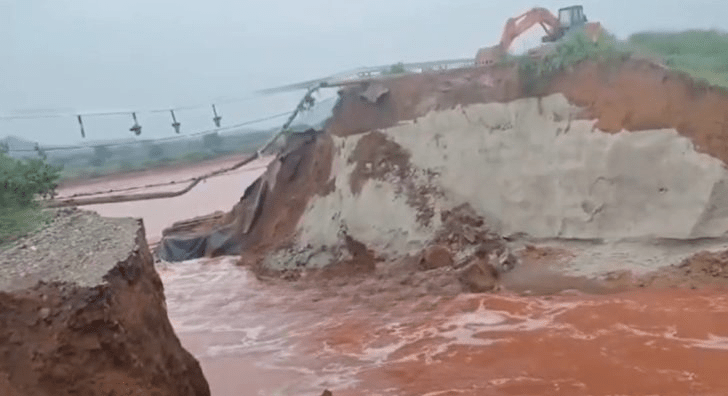
2024: Mining Dam Breach Flood Incidents in India
(Feature Image: -Vedanta’s red mud pond collapse on Sept. 15, 2024 inundates farmlands in Kalahandi. Photo: OTV)
Besides the dam induced flood events, the available media reports show two incidents of breach in industrial dams causing substantial flood damages to local people in India during 2024. The first incident took place in NMDC’s iron ore mine in Kirandul area of Dantewada district in Chhattisgarh in July 2024 in which collapse of an iron ore waste ‘check dam’ resulted in extensive flood damages in downstream areas.
The second such incident happened in September 2024 when aluminium mine waste dyke breached in Vedanta Alumina Lanjigarh facility in Kalahandi district of Odisha flooding scores of farmlands with toxic mud. Interestingly both the NMDC and Vedanta have blamed extreme rains reason behind the breach in their mine waste collection facilities while the reports indicate negligence in maintenance of these dams.
Continue reading “2024: Mining Dam Breach Flood Incidents in India”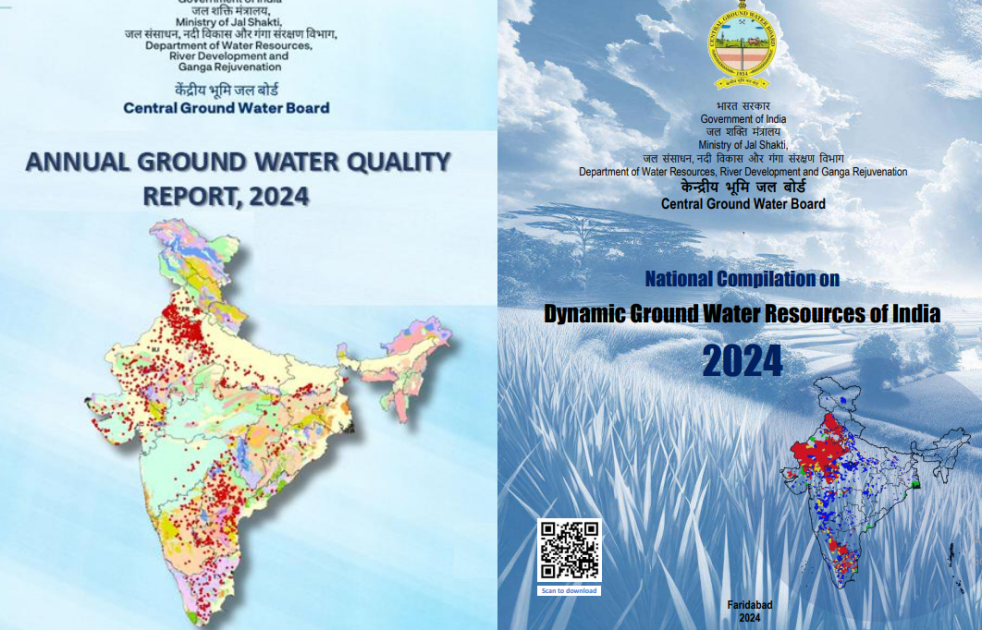
DRP 060125: Concerns about & Contradictions in CGWB’s Reports
The Central Ground Water Board (CGWB) released two important reports last week. While the Annual Ground Water Quality Report 2024 reveals rise in nitrate fluoride, arsenic and uranium contimination of groundwater resource in India, the Dynamic Groundwater Resource Assessment Report 2024 claims substantial rise in annual groundwater recharge and decline in extraction of the resource.
As per the first report, the number of districts affected by high nitrate levels in groundwater has gone up to 440 (near 56% of all 779 districts in country) from 359 found in 2017 assessment which means in 7 years 81 more districts have been found having excessive nitrate levels in groundwater. This should concern us from a number of points of view.
Continue reading “DRP 060125: Concerns about & Contradictions in CGWB’s Reports”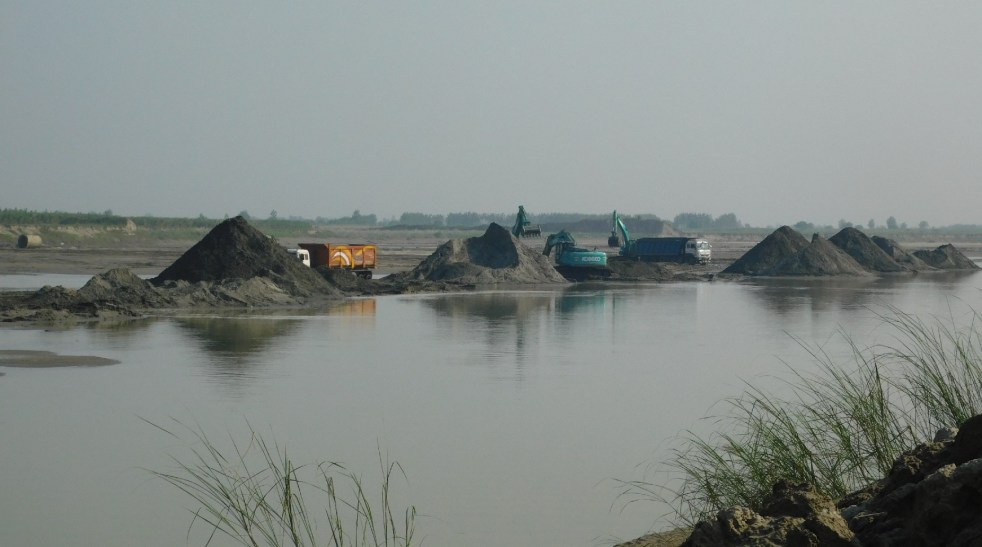
Yamuna Manthan 020125: River Dying by Design or Default?
(Feature Image: Instream mechanized mining going on in Yamuna river at Gumthala Rao near Karnal-Yamuna Nagar border in Haryana in Oct. 2024. Source: Yamauna Nadi Mitra Mandli)
This twelfth edition of monthly Yamuna updates and the first one of the new year 2025, rounds up the critical issues impacting the river eco-system during the past year. The updates of the past one month only hint towards the bleak future the river is heading to. Without addressing the adverse effects and exploring cost effective alternatives, foundation stones of two massive river interlinking projects namely Ken-Betwa and Parbati-Kalisindh-Chambal have been laid. The work of unjustifiable Renuka and Lakhwar dams in climatically sensitive and geologically fragile region of Himalaya is going on.
Continue reading “Yamuna Manthan 020125: River Dying by Design or Default?”
