Dams

Himachal Pradesh Rivers Profile


About Himachal Pradesh  

5 river basins; Total Area: 55,000 square kms.; Total Population: 68.65 lakhs; Total Catchment Area of 5 rivers; Total Catchment Area: 53311 sq.kms

Himachal is a relatively small state and in 2011 its population stood at 68.65 lakhs. It is only 9% urbanised and most of Himachal lives in its villages. Of the total land geographical area only 10% is under agriculture while close to 70% in under the category of ‘Forest land’. And yet agriculture is the main source of livelihood in Himachal with over 93% of the population dependent on it. As in most mountain areas agriculture and forest dependence is interwoven.

Agriculture is made possible due to the irrigation from river channels or natural springs. The health of the forests directly determines the health of the surface and ground water systems which in turn determines the viability of agriculture and horticulture. Horticulture and cash based agriculture was pushed by the government in the late 70s and 80s. Today the state has massive apple cultivation, apart from commercial vegetable cultivation, which is an important source of income for the farmers.
Continue reading “Himachal Pradesh Rivers Profile” →

Dams

DRP: 27 Feb 2017 (Urgent Need To Review Impacts Of Farakka Dam: Experts)

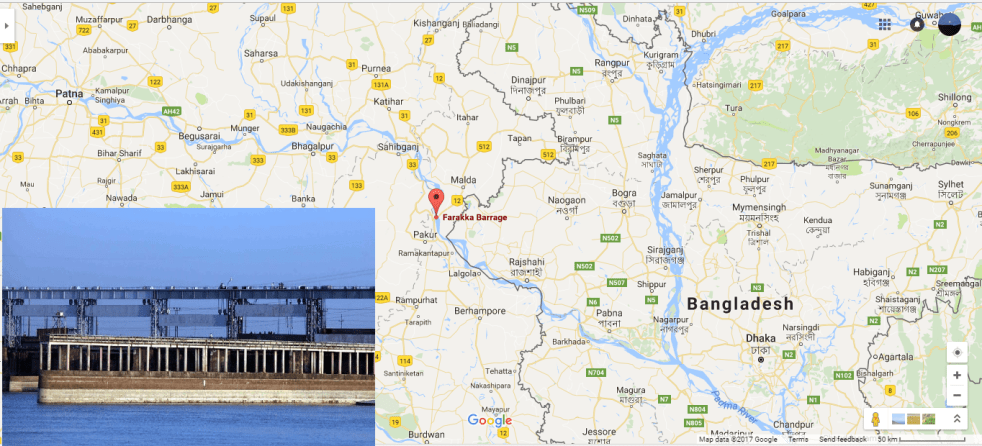
During a global seminar held on Feb. 25-26, 2017 in Patna experts from across the country have advocated an “urgent review” and comprehensive study of the Farakka dam to revive the Ganga river. The experts were discussing various concerns facing River Ganga and the possible solutions for them. The seminar titled as “Incessant Ganga” was organised by Bihar’s Water Resources Department, almost week after, Bihar CM Nitish Kumar has openly termed the barrage as genesis of floods in the State. Speaking in the program, the CM again expressed deep concerns behind receding water flow in the Ganga and increasing silt deposit due to Farakka dam.

Speaking during the seminar, environment expert Himanshu Thakkar the coordinator of SANDRP advocated urgent need for review of Farakka barrage claiming that it has failed to fulfill any of the purpose – irrigation, hydro electric power, water supply – of the barrage for which it was built. As per, Himanshu Thakkar the dam was built to maintain the navigability of Kolkata port. 

Thakkar also suggested that the gates of Farakka be opened during monsoon to mitigate the intensity of floods in Bihar. As per Thakkar there was an urgent need for a comprehensive study of the Farakka barrage to find out its achievements or whether the barrage fulfilled its objectives. The committee constituted for study must include the Centre, Bihar, West Bengal and all states having Ganga, he said adding that a study should be made on the social and livelihood impact of the barrage, how it affected people’s lives, whether its existence was justified and cost-benefit assessment among other issues.

Continue reading “DRP: 27 Feb 2017 (Urgent Need To Review Impacts Of Farakka Dam: Experts)” →

Dams · DRP News Bulletin

DRP: 13 Feb 2017 (Oroville Dam Disaster, USA: A Wake up Call for India’s aging big Dams)

Finally the Oroville Dam spillway damage has turned into a disaster. Report at this time (01:00pm, Feb. 13, 2017) finds dam level rising about 1 feet above the danger level. Water currents have started pouring out all over and around the emergency spillway which has never been put in use for last half a century. Meanwhile, more water is gushing in the dam reservoirs due to recent heavy rainfall in catchment areas upstream.

Continue reading “DRP: 13 Feb 2017 (Oroville Dam Disaster, USA: A Wake up Call for India’s aging big Dams)” →
Dams · DRP News Bulletin

DRP: 23 Jan. 2017 (Unjustified Ken-Betwa Link Costs: Bundelkhand To Gain Nothing, Panna To Lose Its Tigers)

SANDRP Blog Little for Bundelkhand, lot for contractors in Ken Betwa river-link The official executive summary of the Detailed Project Report of KBLRP on NWDA website says: “The main objective of the Ken-Betwa link project is to make available water to water deficit areas of upper Betwa basin through substitution from the surplus waters of Ken basin.” Upper Betwa basin (Raisen and Vidisha districts of MP) is not in Bundelkhand. So KBLRP is essentially facilitating export of water from drought prone Bundelkhand to area outside Bundelkhand, which, in fact is well endowed with over 900 mm of average annual rainfall.

The DPR further says, a third o the surplus water will be utilized for “enroute irrigation of 0.60 lakh ha. in the districts of Tikamgarh and Chhatarpur of MP and Mahoba & Jhansi of U.P.” The claim in the minutes of Expert Appraisal Committee meeting of Dec 30, 2016 that “It is proposed to provide irrigation facility in 6,35,661 ha of area in Panna, Chhatarpur, Tikamgarh Districts of Madhya Pradesh and Banda, Mahoba and Jhansi Districts in Uttar Pradesh” needs to be put in context here. Firstly, this claim is far in excess of what the presumed surplus water can irrigate.

Continue reading “DRP: 23 Jan. 2017 (Unjustified Ken-Betwa Link Costs: Bundelkhand To Gain Nothing, Panna To Lose Its Tigers)” →
Dams · DRP News Bulletin

DRP: 9 Jan 2017 (India Groundwater Continues to Decline: Govt Report)

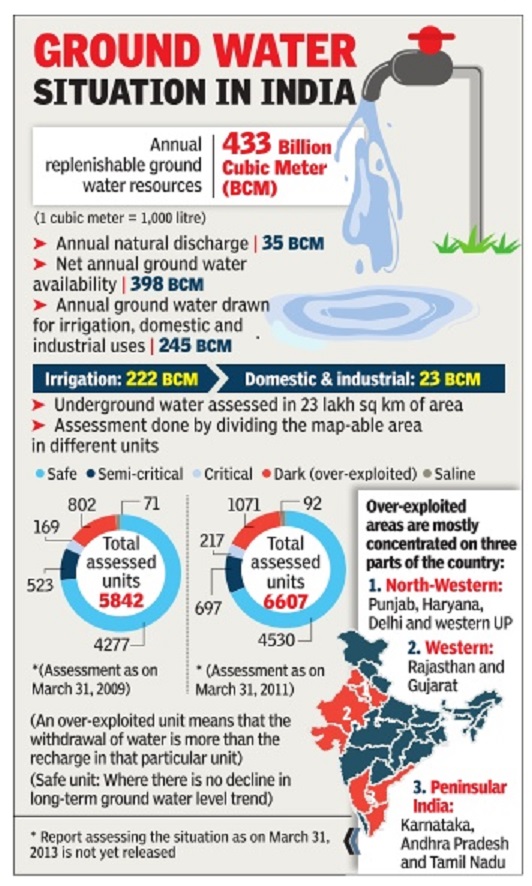
Ground water recharge plan is a non-starter Though the latest report, covering assessment of ground level situation as on March, 2013, is still being compiled, sources in the Central Ground Water Board (CGWB) hinted at further increase in the number of `dark’ (over-exploited) units. Decline in ground water level due to over exploitation of available resources had prompted the Centre in 2013 to come out with a master plan for artificial recharge of ground water, specifying how different states would go about it on priority. But majority of the states have, so far, not implemented the master plan. Only six states -MP, Gujarat, W-Bengal, UP, Chhattisgarh and Karnataka have taken follow-up actions despite the fact that the number of `dark’ units increased from 802 in March, 2009 to 1,071 in March, 2011. This not only says what the title mentions, but also shows how slow our official agencies are in even coming up with groundwater data, the latest data is for March 2011! 

Continue reading “DRP: 9 Jan 2017 (India Groundwater Continues to Decline: Govt Report)” →
Dams · DRP News Bulletin

DRP: 2 Jan 2017 (Corruption in Nepal’s Hydro Power Projects)

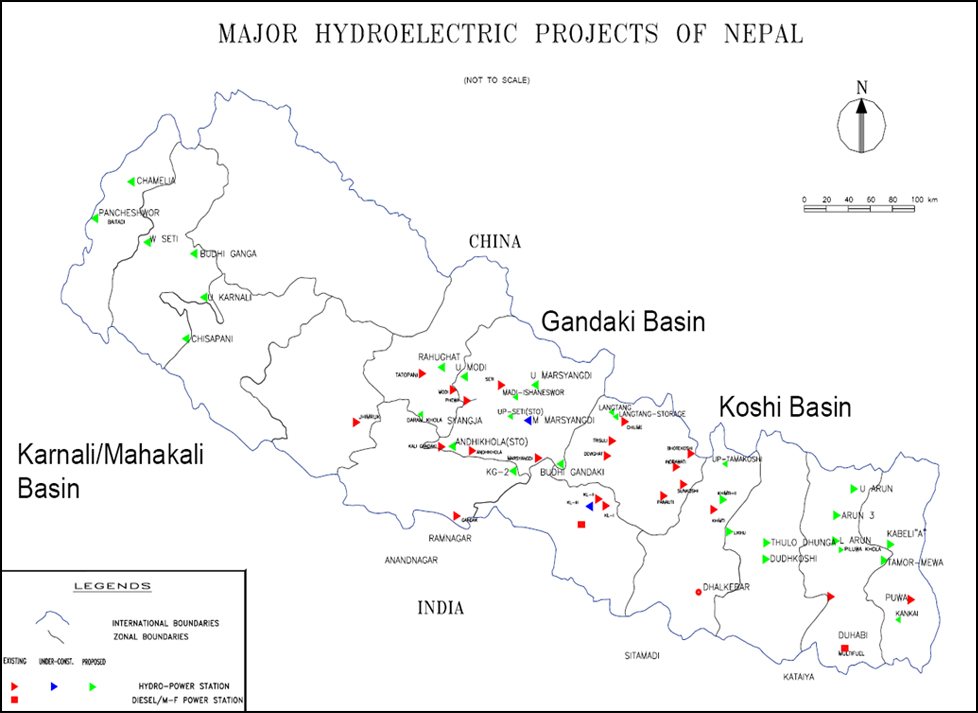
The latest report of Transparency International reveals that lack of dependable hydrological data, authentic study, action plans giving dual meaning, lack of transparency in the power purchase agreement and a failure to increase the risk-bearing capacity among power developers have remained major hindrances towards the development of hydropower sector in Nepal.

As per the report, the irregularities start from the stages of project selection and identification and this tendency further flourished in the period of a survey and the project implementation, the report states, highlighting a responsible role from the government level to control this practice.

The report also points out that environment standard violations, inadequate compensation in regard to land acquisition, false claims, unreasonable local demands, unwarranted contract variations, bias in selection of top officials like board members and CEOs during the construction, procurement, and implementation phases are working as a catalyst to bring the hydro sector under the grip of corruption.

Continue reading “DRP: 2 Jan 2017 (Corruption in Nepal’s Hydro Power Projects)” →
Dams · DRP News Bulletin

DRP: 26 Dec 2016 (Corruption & Fraud in 600 MW Kameng HEP in NE India)

In addition to allegations of fraud related to inflated bills, the officials report of Satish Verma the former chief vigilance officer (CVO) of North Eastern Electric Power Corporation (NEEPCO) mentioned that there have been numerous instances of top government officials allegedly accepting hospitality and gifts that cost the PSU lakhs of rupees. These include gifts for officials in the Ministry of Power: a teak wood cabinet for the Personal Secretary to the Union Power Minister; an iPad Air 2 for the Secretary; payment of a Vodafone bill for a Special Secretary; and a mobile handset for an Additional Secretary.

Continue reading “DRP: 26 Dec 2016 (Corruption & Fraud in 600 MW Kameng HEP in NE India)” →
Dams · DRP News Bulletin

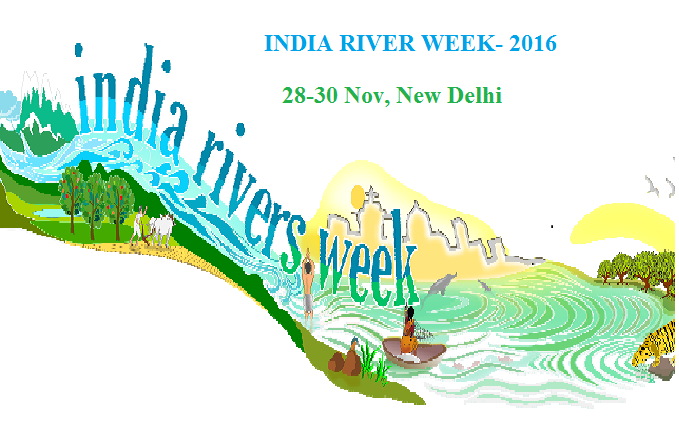
DRP: 21 Nov 2016 (India Rivers Week to be Held in Delhi from Nov 28th)

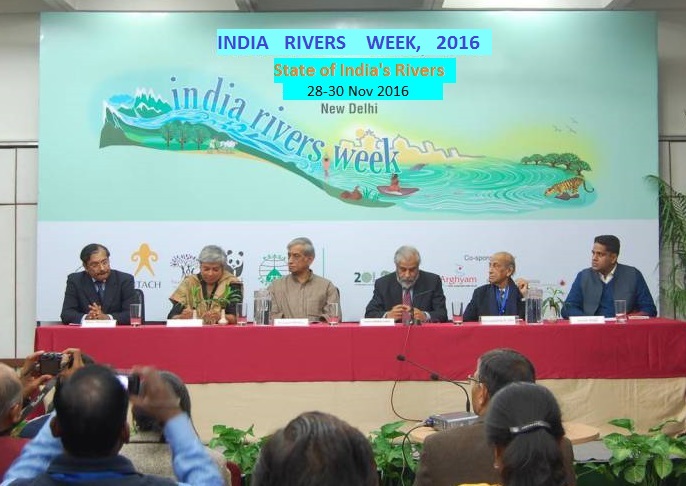
India Rivers Week 2016 to be organised at WWF-India during Nov 28-30 is just a week away. The theme of the event this year is STATE OF INDIA’s RIVERS. Groups from all the different states have put together reports about the status of rivers in their states with a view of classify rivers as Healthy (blue), Threatened (Pink) and Destroyed (Red) after assessing their health based on a large number of parameters, including Dams, Pollution, biodiversity, encroachment, mining, among others. This is the first ever attempt at such an exercise. The Event will also feature announcement of Bhagirath Prayas Samman Awards for exemplary work in river conservation, River Lecture Preview of a feature film and prominent speakers in inaugural and valedictory functions. Individuals and groups working for better future of our rivers will be travelling to the event from all over India.

Continue reading “DRP: 21 Nov 2016 (India Rivers Week to be Held in Delhi from Nov 28th)” →
Dams

एसवाइएल विवाद:  जल संरक्षण में पिछडे़  पंजाब ओर हरियाणा

Guest Blog by Manoj Thakur 

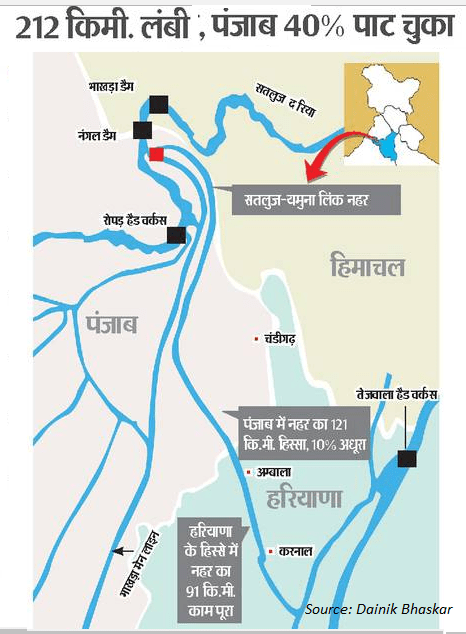
सतलुज यमुना नहर (एसवाइएल ) पर हरियाणा के पक्ष में निर्णय आते ही पंजाब ओर हरियाणा में राजनीति तेज हो गई। पंजाब का कहना है वें अपनी जान दे देंगे लेकिन पानी नहीं देंगे। इधर हरियाणा का कहना है कि उन्हें पानी चाहिए क्यांकि यह पानी उनका हक है। अब सवाल यह उठ रहा है कि दोनों राज्यों में से कोई एक राज्य तो गलत बोल रहा है। लेकिन हकीकत यह है कि एसवाइएल पर दोना ही राज्य झूठ बोल रहे हैं।

Continue reading “एसवाइएल विवाद:  जल संरक्षण में पिछडे़  पंजाब ओर हरियाणा” →

Dams · DRP News Bulletin

DRP: 7 Nov 2016 (India Rivers Week 2016 – Presenting the Positive & Beautiful side of India’s Abused Rivers)

India River Week-2016 to focus on State of India’s Rivers Since time immemorial, rivers have held a coveted place in the mindscape of Indians. Rigveda has dedicated suktas on mighty rivers like Sindhu describing not only the river, but its tributaries, its flow, its myriad paths, the glaciers and lakes which feed it. Across India, local cultures are replete with evocative river stories, river festivals and several rituals which bring rivers in the homes and hearts of people. And yet, Indian rivers remain some of the most abused in the world.

It’s natural for rivers to be in the news during the monsoon or a drought, but that is not the only reason why rivers are being discussed these days.

Rivers are indeed grabbing headlines, be it Cauvery or the Indus or the mindless plan of River Interlinking. But while that happens, are we discussing rivers at all? We are discussing conflicts and interstate issues, even geopolitics, but we have very successfully cut our rivers and the hydrological systems including the catchment, headwaters, groundwater, wetlands, lakes and estuaries into convenient pieces: water supply, water sharing, irrigation, hydro-power, drinking water supply, sanitation, pollution, flood control. It seems, most of the time, rivers are in the news for all the wrong reasons!

For example, the Cauvery is in the news for the never-ending dispute between Karnataka and Tamil Nadu on sharing of its waters, a conflict that keeps rearing its head whenever there is a deficit year. Unfortunately, the dispute is about the Cauvery, but the poor river’s condition is on no one’s radar. Everyone is only talking about its water!

Similarly, Mahanadi is in the news for interstate water disputes. But none of states is particularly worried about the condition of the river. In the case of the Mahadayi, again, the states seem least bothered about the river itself, with Goa planning to allow navigation on it without any assessment of its impact on the river. Telangana and Andhra are locked in Krishna and Godavari water-sharing disputes, which are bound to spill over to Maharashtra and Karnataka, among other basin states.

Continue reading “DRP: 7 Nov 2016 (India Rivers Week 2016 – Presenting the Positive & Beautiful side of India’s Abused Rivers)” →