DRP News Bulletin

DRP 090123: Atal Bhujal Yojana just chaff without any wheat?

According to this detailed report, possibly the first independent review of the Atal Bhujal Yojana, a 5-year program of the Union govt for management of groundwater, India’s water lifeline, with over half of the project period completed, seems bereft of the fundamental aspects that the scheme itself says are necessary for any sound foundation of the scheme. The review describes it as a dish full of chaff, without almost any kernels of wheat for some sound reasons. It says hardly 18% of allocated money has been spent on Gram Panchayat level community-led Water Security Plan. Only 4% of the planned Gram Panchayat level trainings have been held, with Gujarat and Haryana holding none. Only 27% of money allocated for Gram Panchayat level Hydrogeological monitoring network has been spent. The data gathering instruments that were required from the beginning of the program have not been installed in over half the planned locations. On Information, Education and Communication activities, only 16% of allocated amount is spent.

More detailed independent review of the program implementation will help, but from the available information so far, the signs do not look particularly promising. Is it due to ineptness or lack of intention? Only time will tell.

Continue reading “DRP 090123: Atal Bhujal Yojana just chaff without any wheat?”
Monsoon · Rainfall

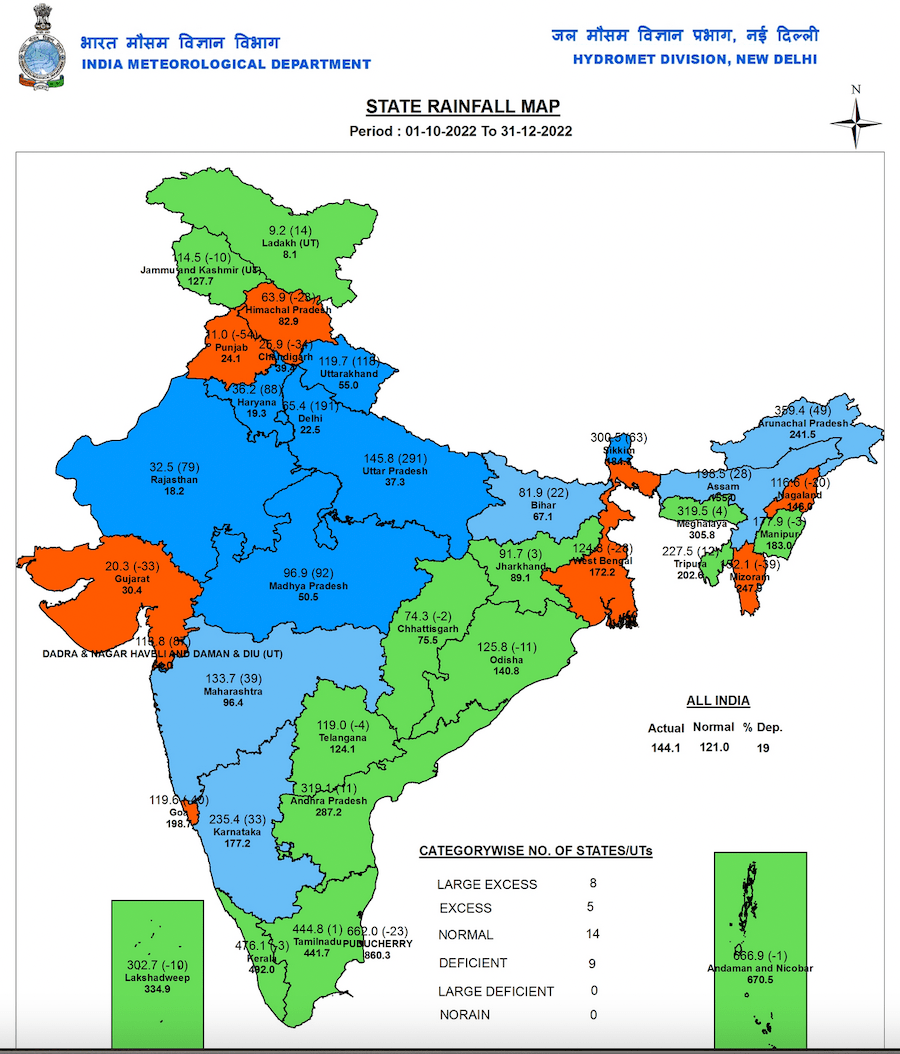
Post Monsoon 2022: District wise Rainfall in India

According to India Meteorological Department (IMD), during the just concluded Post Monsoon Rainfall for 2022, that included rainfall during Oct-Dec 2022 months, India received 144.1 mm rainfall, 19% above normal (177.7 mm rainfall, 43.54% above normal in Post Monsoon 2021[i]) rainfall of 121 mm. In the same period in 2020, India received 124.6 mm rainfall, 0.64% above the normal rainfall. As per IMD[ii] definition, the rainfall was in Normal category.

Continue reading “Post Monsoon 2022: District wise Rainfall in India”
DRP News Bulletin

DRP 191222: Question marks over viability of pump hydro projects

(Feature Image: 1772 Mw PSHPs Spain. Photo courtesy of Iberdrola/ ENR)

The question marks over viability of huge number of pump storage hydro projects (PSHP) being pushed forward in India currently were flowing in the rivers for long. This week, Moody’s investors Service (MIS) seems to have strengthened this after it downgraded Greenko Energy Holdings’ corporate family rating. It may be noted that Greenko is the biggest investor in PSHPs in India from private sector and a major part of Greenko’s new investments are in PSHP.

This makes the implications of MIS’s downgrade all the more interesting. MIS has noted that PHSPs are capital intensive and each PHSP will generate cash flow only after at least 2-3 years of construction (in reality it can be much longer than 2-3 years, the operative phrase here is at least). It also noted that the additional debt to be raised from Greenko’s capital spending, coupled with a rising interest environment will put further pressure on “GEH’s already weak financial metrics” and that Greenko’s high financial leverage due to its substantial capital spending program will keep its financial metrics below its downgrade trigger “for an extended period of time”.

Continue reading “DRP 191222: Question marks over viability of pump hydro projects”
Cloud Burst

J&K & Ladakh Cloud Bursts 2022: Missing Monitoring & Mitigation

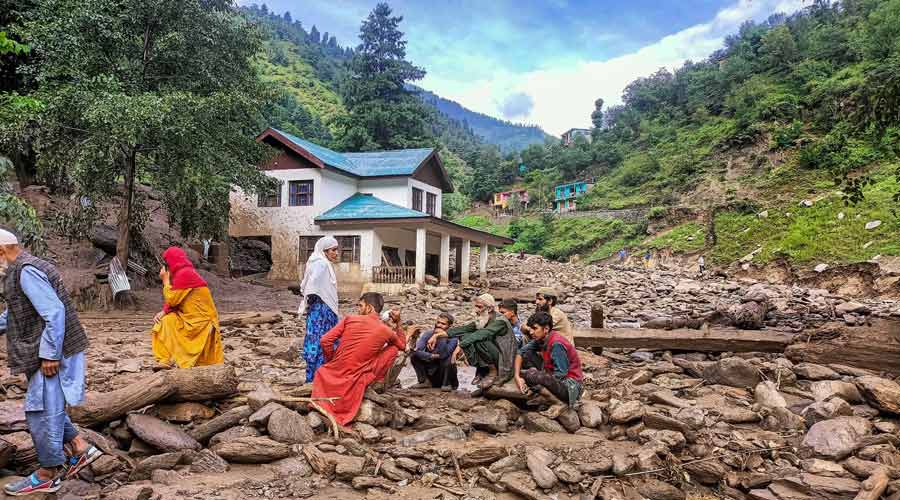
(Feature Image: Cloudburst triggers flashfloods; 13 structures washed away, 20 damaged in Doda. Photo PTI/The Telegraph, 20.07.2022)

Tracking cloud burst incidents occurring before and during South West Monsoon season 2022 in North West Himalayan region, this report covers the Union Territories of Jammu & Kashmir (J&K) and Ladakh. Kindly see the links for SANDRP’s reports covering the Uttarakhand (31 cloud burst incidents) and Himachal Pradesh (39 cloud burst incidents) in 2022. Our previous reports for J&K and Ladakh region can be seen here 2021, 2020, 2019.

Continue reading “J&K & Ladakh Cloud Bursts 2022: Missing Monitoring & Mitigation”
DRP News Bulletin

DRP 141122: Jal Shakti Ministry says: Groundwater extraction down, recharge up???

This sounds so counter intuitive. The Ministry Jal Shakti on Nov 9, 2022 made some findings of its latest “National Compilation on Dynamic Ground Water Resources of India, 2022 public, strangely, without making the report public. It is not clear why the govt did not make the report public, though the counter intuitive nature of the findings provide some hint. The report claims that at all India macro level, the ministry claimed that the groundwater extraction is the lowest in 2022 since 2004, or 18 years and that the groundwater recharge has gone up.

Continue reading DRP 141122: Jal Shakti Ministry says: Groundwater extraction down, recharge up???
Monsoon · Rainfall

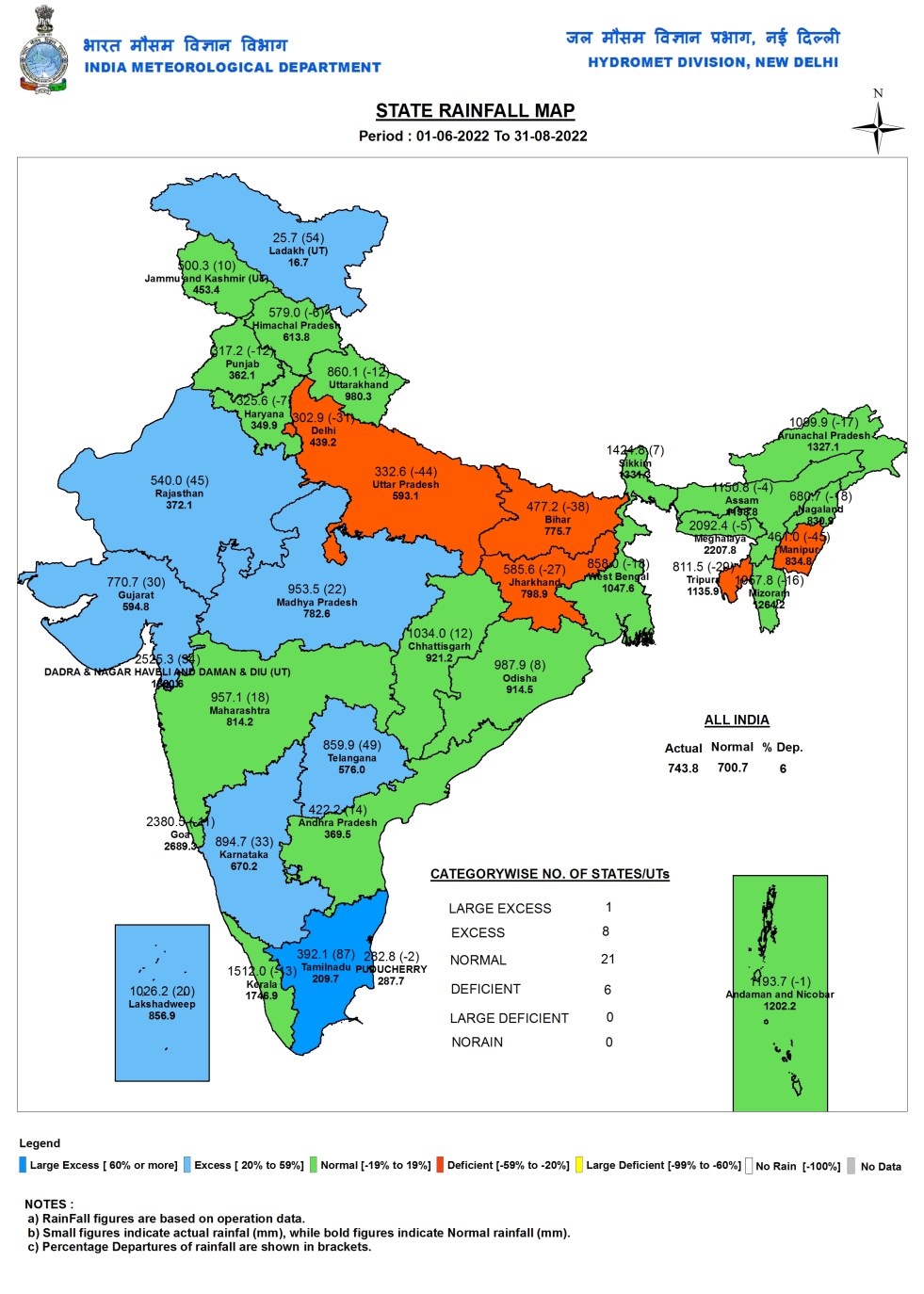
SW Monsoon 2022: District wise rainfall in India

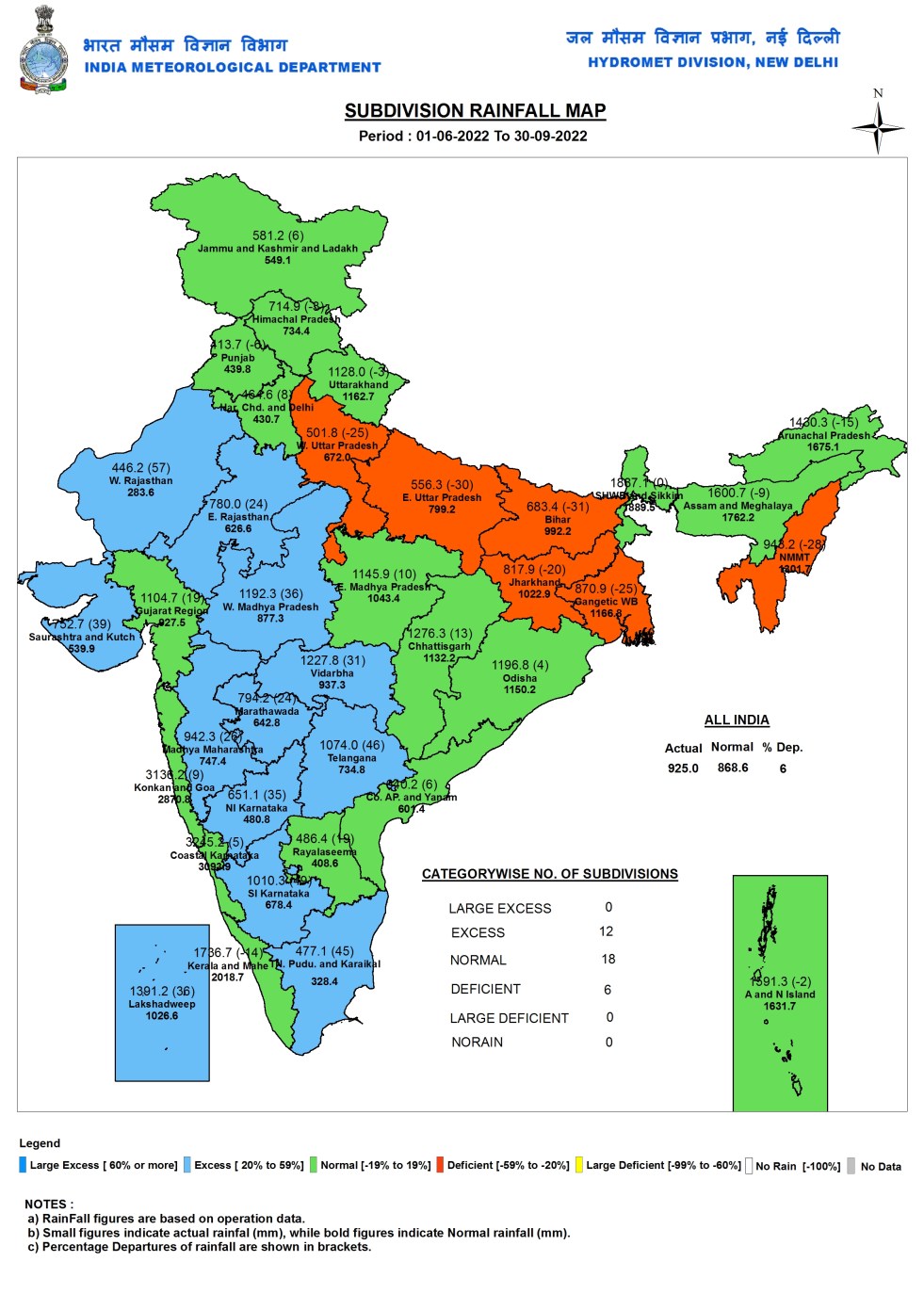
In the just concluded South West Monsoon 2022, India received 925 mm rainfall, about 106.5% of the Normal SW Monsoon rainfall of 868.6 mm or 6.5% more than the normal SW Monsoon rainfall as per India Meteorological department. This rainfall will now be categorised as normal rainfall though the distribution has been far from normal, both temporally and spatially. The monsoon withdrawal[i], however is yet to happen from most of India, except a small part in North West India including parts of Rajasthan and Haryana. IMD has predicted that the withdrawal of monsoon will not be completed till at least Oct 15 as due to a fresh cyclonic activity in Bay of Bengal, rainfall over MP and UP is likely to continue in first week fo Oct 2022.

Continue reading SW Monsoon 2022: District wise rainfall in India
DRP News Bulletin

DRP 260922: Need for new credible Polavaram backwater study

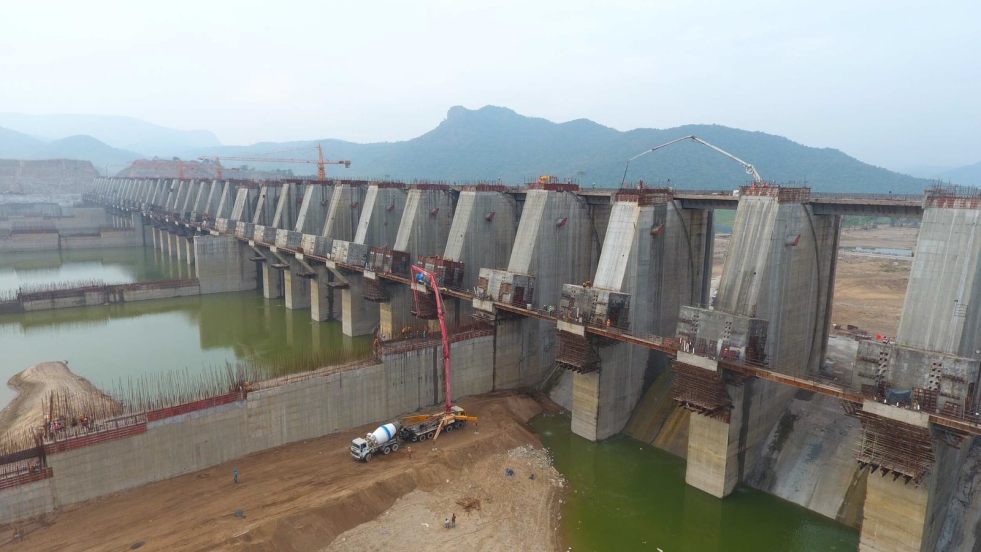
(Feature Image:- The construction of the Polavaram dam across the Godavari river has posed a big threat to the Pulasa fish, as its movement to the upstream of the river could be curtailed. HT PHOTO).

Telangana state has demanded fresh backwater study for the Polavaram dam based on a number of grounds including the higher spillway capacity and outdated river cross sections of 1990s used in the old study. The changing rainfall pattern and resultant changing river flow pattern, both due to changed rainfall and changed state of catchment area also should be a reason for such a fresh study. However, more importantly, the study needs to be done in a credible way involving independent experts, not just state or central govt officials or academics from govt run institutions. Moreover, the study and all the information related to it has to be completely and promptly in public domain as these studies are required for the affected people and affected area. Normally Central Water Commission does such studies and refuses to make it public. What is the use or reason for backwater study to be secret? Possibly CWC is not confident of the quality of the study and that is why it is very important to have experts in the study team who are known to take independent stand. It is useful not only for the states of Telangana, Odisha and Chhattisgarh, but also for the people of Andhra Pradesh too. And earlier this is done, better it will be for all concerned.

Continue reading DRP 260922: Need for new credible Polavaram backwater study
DRP News Bulletin

DRP 190922: Dams bringing unprecedented changes to the World’s Rivers

A new study published this week once again highlights not so well known impact of large dams on the rivers: role of rivers in building, supplying sediment, nutrients to floodplains, deltas, coastlines, estuaries, oceans and supporting so much biodiversity and how large dams are majorly adversely impacting this role of rivers. The study by scientists at Dartmouth using images from the NASA-US Geological Survey for 414 of the world’s largest rivers show the unprecedented changes the dams are bringing to World’s rivers, the impacts that in many cases are outweighing the impacts of climate change. This is particularly true of the northern hemisphere that includes India, World’s third largest dam builder.

Unfortunately in India, there is very little appreciation or acknowledgement of this role of rivers and how dams are affecting it. The least one can expect is that the Government of India should urgently initiate a study to document and understand this phenomena and also highlight what needs to be done about it. The study should be done by an independent team of multidisciplinary experts.

Continue reading DRP 190922: Dams bringing unprecedented changes to the World’s Rivers
Monsoon · Rainfall

High Rainfall days in India’s districts in August 2022

An analysis of the daily district wise rainfall data from India Meteorological Department (IMD) for the month of Aug 2021, 3rd month of India’s South West Monsoon 2021 shows that there were 667 (much higher than 431 in Aug 2021) instances when district rainfall of a day in a district was above 50 mm. The normal monthly rainfall of India Aug is 258.2 mm and actual rainfall was 3.5% above normal at 263.8 mm[i]. Such high rainfall instances included 553 (371 in Aug 2021) instances when rainfall was 50-100 mm, 98 (48 in Aug 2021) instances when it was 100-150 mm, 13 (11) times it was 150-200 mm and 3 (1 in Aug 2021) above 200 mm. Interestingly, in June 2022[ii] and July 2022[iii] there were 462 and 809 instances when rainfall in a district was above 50 mm. The July 2022[iv] and June 2022[v] rainfall all over India was 16.8% above normal and 8% below normal respectively.

Continue reading High Rainfall days in India’s districts in August 2022
Dams · DRP News Bulletin

DRP 050922: Corruption in Large Dams & pro dam media Mughals

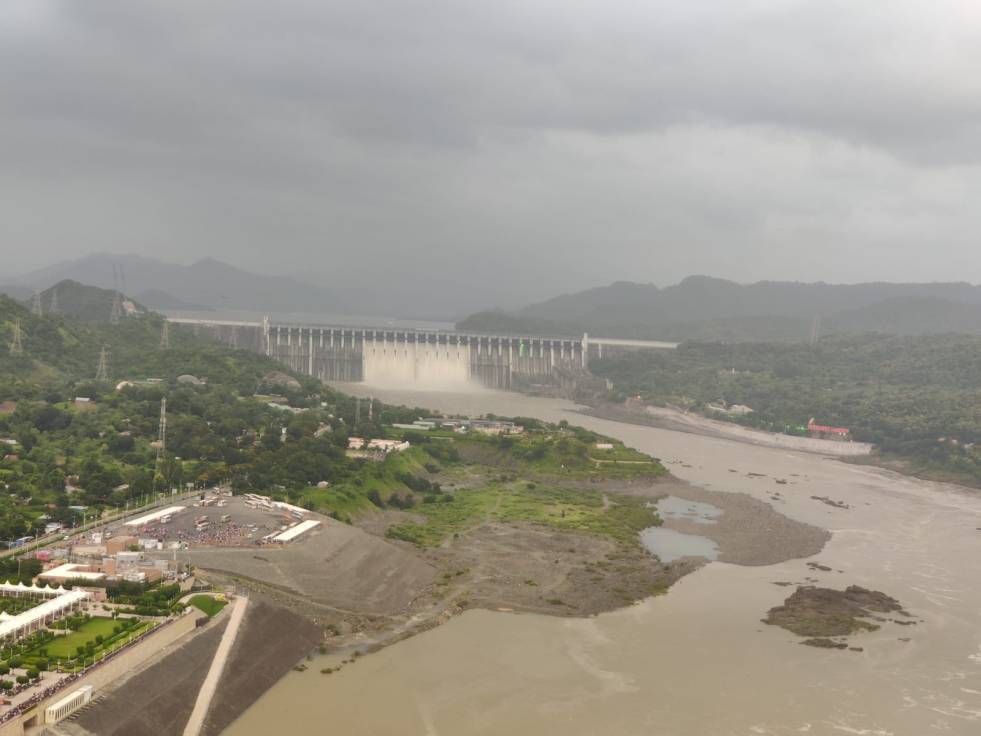
(Feature Image: Sardar Sarovar Dam on Narmada river. Source: Central Water Commission 30.08.2022)

As this article on corruption in large dams in India shows, it is open secret that large dams involve massive corruption, kickbacks and political funding. But the politicians from PM downwards across the party lines have understandably no interest in this issue.

But unfortunately, the large dams-corruption is not limited to politicians. The corruption in various forms plague even the media Mughals like Swaminathan Ankalesaria Aiyer and Shekhar Gupta, both known for their fundamentalist pro dam views. They too have no  interest in corruption in large dams. In fact some of them have no qualms accepting sponsorships of dam contractors for their media awards! They are however, ever ready to criticize Narmada Bachao Andolan and Medha Patkar, though they have no clue about the issues they are talking about and keep using some flawed study whose reply (by Nandini Oza and Shripad Dharmadhikary) is already out in public domain. It is interesting that they have launched this fresh attack on dam critics just when Gujarat Chief Minister and country’s Home Minister have also launched attack on the NBA. Neither Gujarat CM, PM or HM is replying as to why Kutch, the main justification for Gujarat getting disproportionate share of Narmada waters, were the last to get their share of the water (even now not fully as the canal distribution system is still incomplete), almost two decades after the water rich Central Gujarat started getting Narmada waters. Nor are the pro dam media Mughals bothered about this.

Continue reading DRP 050922: Corruption in Large Dams & pro dam media Mughals