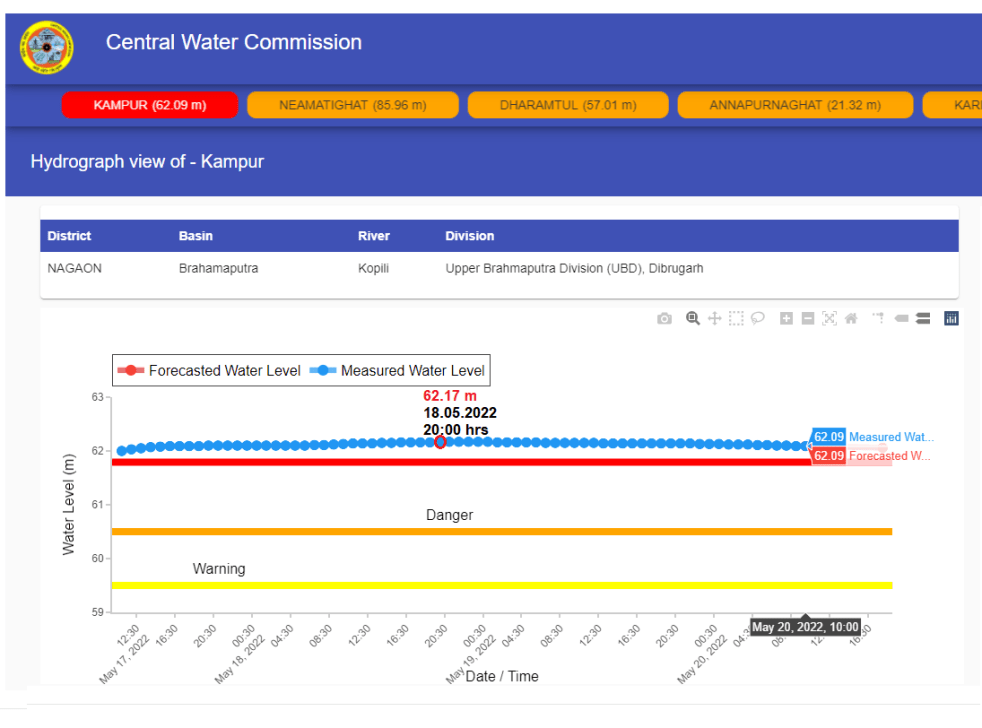
In the third week of May 2022, River Kopili at Kampur Level Forecast (LF) site in Nagaon district of Assam has witnessed Extreme Flood Situation. The flood level at the site not only crossed the Highest Flood Level (HFL) there after 18 years but also stayed over HFL unusually for about 149 hours.
Continue reading “Assam: Kopili River Flows above Kampur HFL for 6 Days in Pre-Monsoon Season”Tag: floods
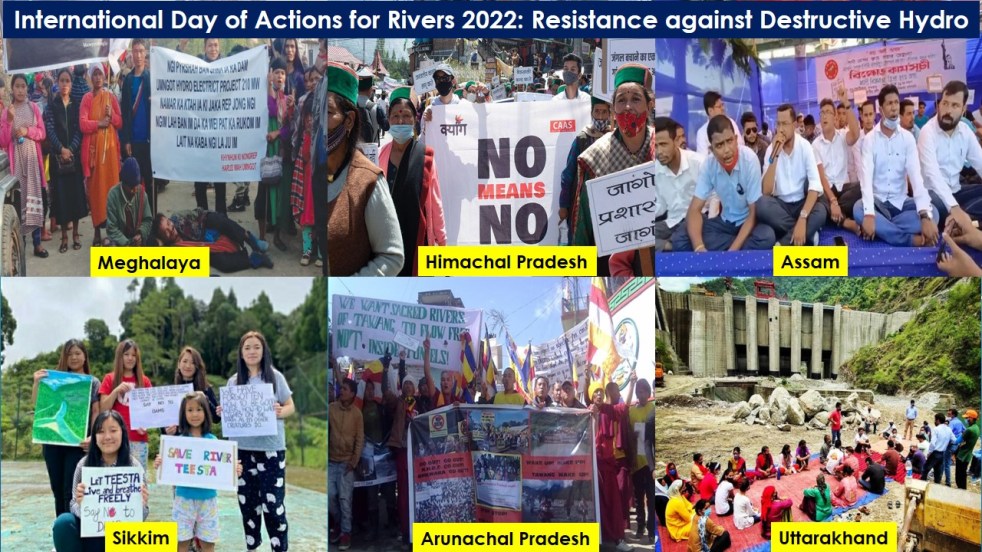
International Day of Actions for Rivers 2022: Resistance against Destructive Hydro
March 14 marks 25th anniversary of International Day of Actions for Rivers, a unique campaign dedicated to indigenous communities striving to protect and preserve their rivers from a whole range of destructive anthropogenic activities. The Hydro Electric Projects (HEPs) are among key threats affecting rivers eco-system and riverine communities greatly, in multiple ways.
The resistance against destructive, unviable HEPs growing stronger in India. Over the past one year there has been several protests against hydro projects across the country particularly in Himalayan states. On the occasion of International Day of Actions for rivers celebrating people’s resistance, SANDRP has compiled top ten stories of such community led opposition during the year, along with relevant additional stories. .
Continue reading “International Day of Actions for Rivers 2022: Resistance against Destructive Hydro”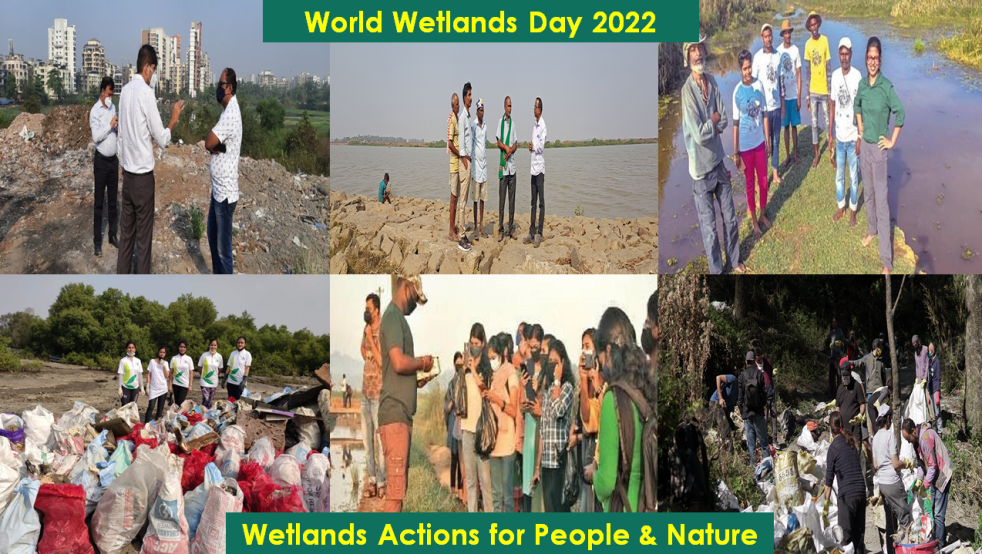
World Wetlands Day 2022: People’s Actions for Wetlands in India
World Wetlands Day is celebrated on February 02 annually to highlight the importance of wetlands around the world. The theme for 2022 is Wetlands Action for People and Nature. As part of our annual overview; we have compiled here positive initiatives by individuals and groups for wetlands in India in 2021.
Continue reading “World Wetlands Day 2022: People’s Actions for Wetlands in India”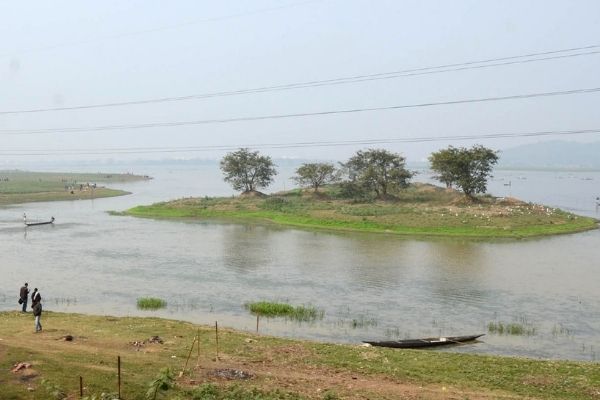
Top ten Judicial actions on India Wetlands-2021
Feature image: Deepor Beel boundaries still await proper demarcation (27 Dec. 2021) by G Plus.
This third part of Wetlands Overview 2021 provides details of top ten judicial interventions in India in 2021 regarding wetlands. The first part presented top ten stories about current situation of wetlands in the country and the second part covered top 10 actions by the state and central governments that affected the wetlands in positive and adverse manner.
Continue reading “Top ten Judicial actions on India Wetlands-2021”
Top ten India Wetlands stories about Govt actions in 2021
Feature image: UNDP mission to restore 9 wetlands in Andhra beings (The Hindu, 05 May 2021)
Here we highlight the top ten Wetlands India stories about Government actions in 2021 from media reports, including some positive and some adverse decisions taken by various state governments and centre. The first part has presented current situation of wetlands in the country through top 10 reports. The next part would present top 10 judicial interventions in India in 2021 regarding the wetlands.
Continue reading “Top ten India Wetlands stories about Govt actions in 2021”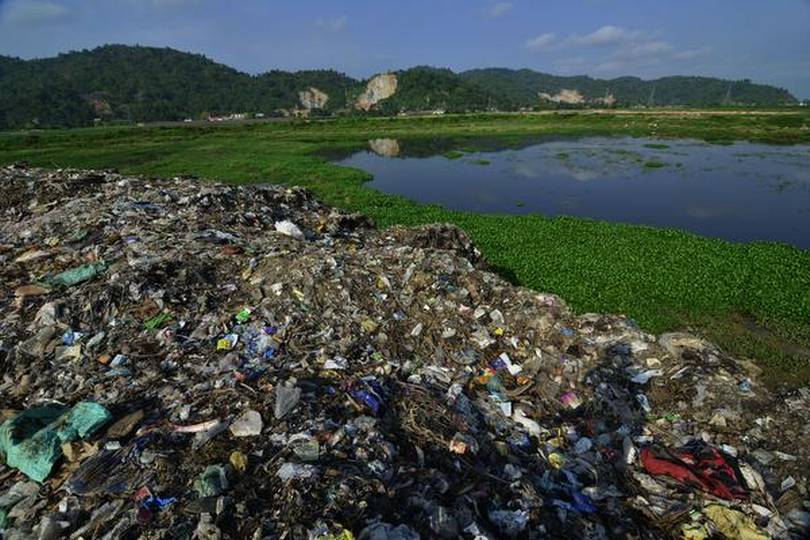
India’s Wetlands Overview 2021: Gross Misuse of even Ramsar sites
Wetlands are important part of hydrological cycle and play critical role in water purification, climate moderation, biodiversity conservation and flood regulation apart from offering innumerable environmental services to aquatic, wildlife and human beings for which they are also referred as ‘kidneys of the earth’. There are more than 2 lakh wetlands in India covering nearly 4.6 per cent of its geographical area. Despite their essential services and significance, the already neglected wetlands eco-system have been facing multiple existential threats.
As part of its annual overview for 2021, SANDRP in three part series attempts to highlight the state of wetlands in India during past one year. This first part compiles the 10 top critical reports representing the present day status of wetlands across the country. The second part would cover various actions and initiative taken by the state governments and central government all through 2021 impacting the wetlands. The final part would deal with the judicial interventions on wetlands.
Continue reading “India’s Wetlands Overview 2021: Gross Misuse of even Ramsar sites”
Riverbed Mining India 2021 Overview: Destruction of Rivers, Infrastructures, Governance
(Feature image:- Rampant sand mining damaging Yamuna’s ecology. Hridesh Joshi/Mongabay India)
The rivers and riverine communities have been going through whole range of adverse impacts on account of large scale riverbed mining operations. The illegal riverbed mining has become a pan India menace and there is hardly a river left, not being mined in the most unscientific manner.
The year 2021, despite being a pandemic year – when developmental activities and economy have faced slow down – has only seen escalation in mining related destruction. Be it threatened aquatic eco-system, precious surface and groundwater resources, costly public infrastructures or land and lives of villagers, farmers and manual miners; all have been paying a heavy price of relentless mining.
This first part of SANDRP’s Year End Overview of sand and riverbed mining sector puts together the top 10 stories from across the country showing how the mindless extraction of minor minerals has been causing major destruction to rivers and people. The following parts of the annual review would focus on state governments’ actions and judicial interventions regarding riverbed mining in 2021.
Continue reading “Riverbed Mining India 2021 Overview: Destruction of Rivers, Infrastructures, Governance”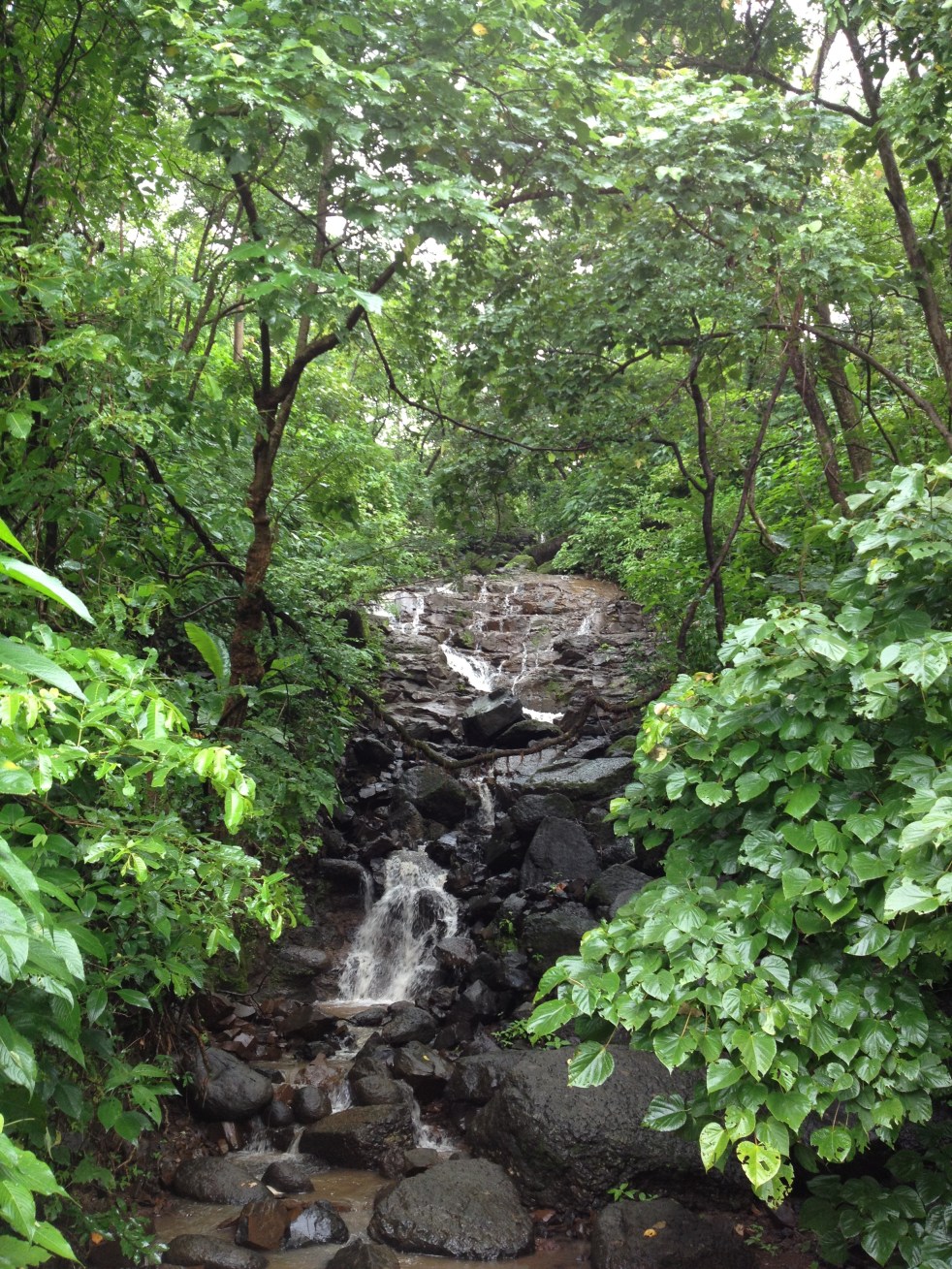
DRP 131221: Gargai Dam Scrapped; Wise Move by BMC to Go for Alternatives
In a wise move, the Brihanmumbai Municipal Corporation (BMC) has cancelled Gargai dam project. In its January 2014, submission to Expert Appraisal Committee (EAC), SANDRP had highlighted the adverse impacts of this project on tribal people and Tansa Sanctuary stressing on alternatives including recycling of sewage and rain water harvesting. Finally, now the BMC has scrapped the unjustified project which would have caused felling of 4.5 lakh trees which BMC chief Iqbal Chahal rightly finds pointless in the wake of increasing climate change threats.
It is worth to mention that in February 2020 BMC was learnt reconsidering its Pinjal dam project and exploring other options including waste water recycling. Indeed the BMC is taking right steps. Dams are costly, destructive projects impacting rivers, forests and local people in multiple ways. The demand side management, efficient use of existing water supplies, rain water harvesting and recycling of waste water are among far better alternatives to meet urban water demands.
Continue reading “DRP 131221: Gargai Dam Scrapped; Wise Move by BMC to Go for Alternatives”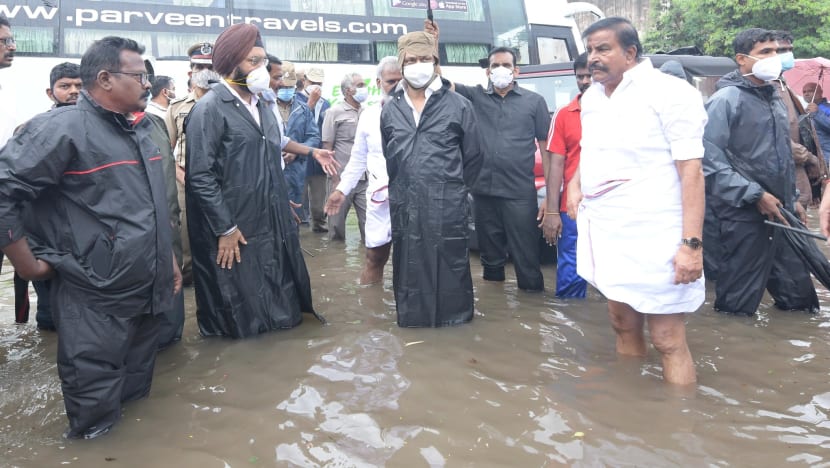
DRP 081121: Is heavy rain ALONE to be blamed for flooding in Chennai?
In past couple of days heavy rains have caused significant flooding in several areas of Chennai. While weather bloggers claim the rains were unusual and combination of several atmospheric factors, however the same can not be blamed for flooding in several residential areas, roads and other public spaces. Like common problem afflicting several urban centers across the country, Chennai is no exception to gradual encroachments of water bodies, wetlands, drainage channels and common lands.
Apart from lack of synchronization of hydrological factors in infrastructural projects, the urban water governance system is still missing despite the devastating 2015 flood event. Moreover the systematic and ongoing destruction of Ennore Creek which includes floodplain and wetlands of Adyar and Koshthiyar rivers has made lakhs of river, wetlands dependent people victims of such avoidable disasters.
Continue reading “DRP 081121: Is heavy rain ALONE to be blamed for flooding in Chennai?”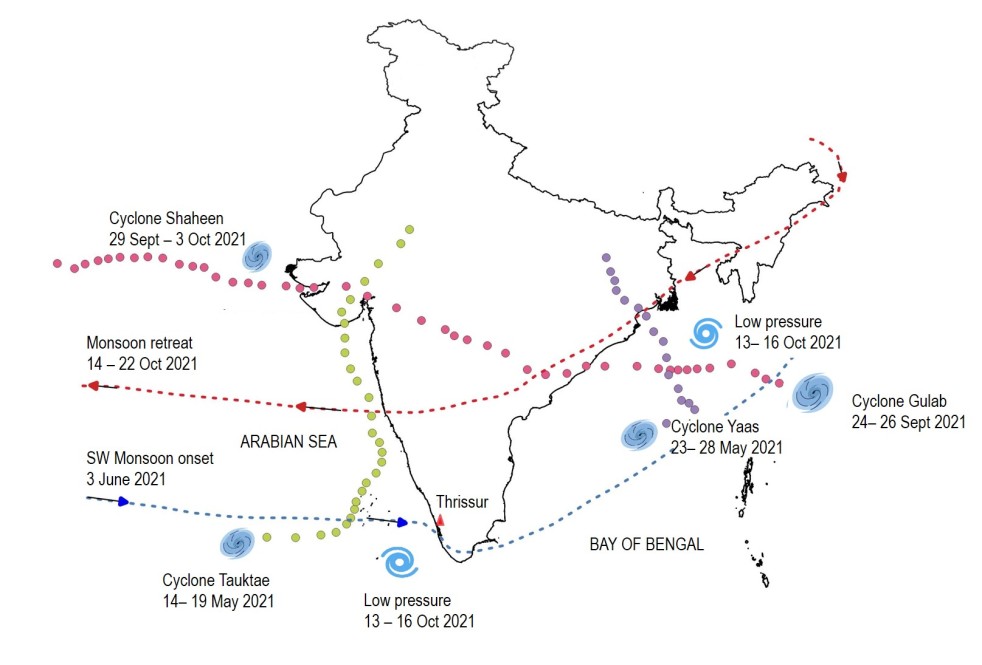
Paddy farming in times of climate change – field notes – A sequel
Guest Article by Dr. Sreeja KG and Dr. Madhusoodhanan CG
Climate change and its impacts in the tropics are changing the once familiar landscapes, once certain weather patterns, once secure living spaces beyond recognition. The disasters that can be as local as a tidal surge to national level episodes of cyclones, wildfires and massive floods are being managed in the same administrative mode as has been the practice during the more forgiving past: without training, without relevant real time information, without involvement of the communities and often merely with the strong will and dedication of the field staff and local volunteers. With events far in between, episodic and with time to recoup, we have been spared total and irrevocable breakdown of the system and society. But for how long?
Continue reading “Paddy farming in times of climate change – field notes – A sequel”
