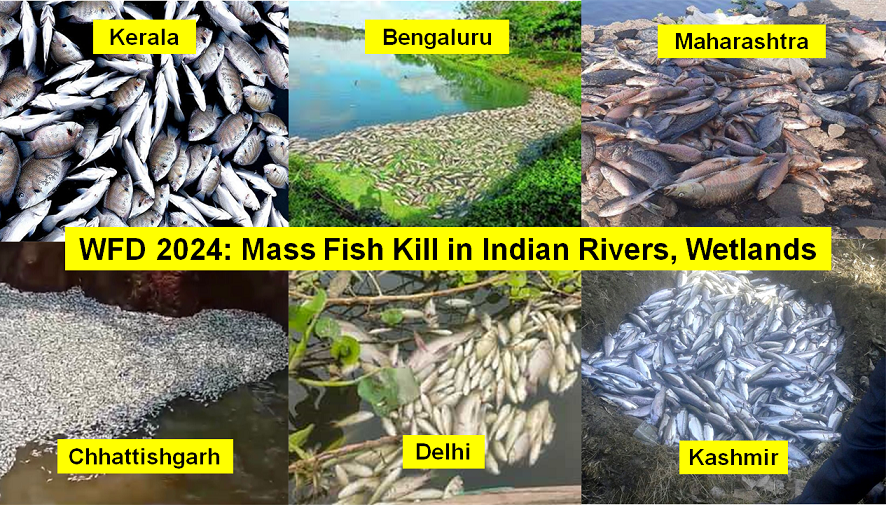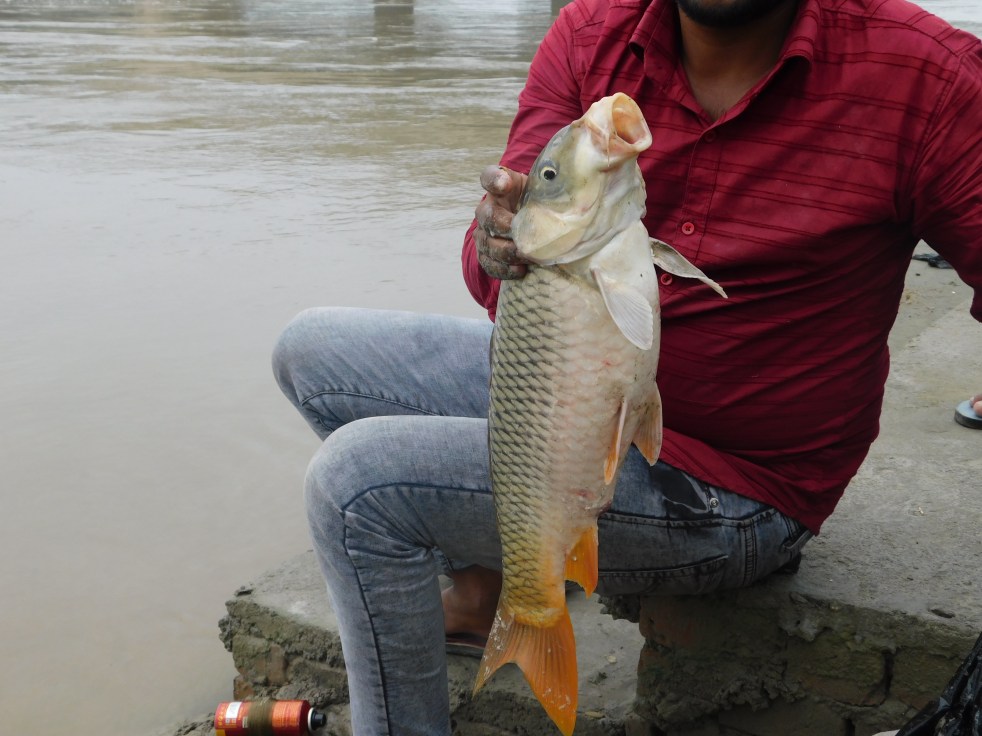
Over the past several years Indian rivers, wetlands have been witnessing mass fish death incidents primarily due to decreasing flows, increasing pollution and other anthropogenic activities. As we celebrate World Fisheries Day 2024, SANDRP compiles the reports revealing mass fish kill incidents in our rivers and wetlands over the past one year across. The first part of year end analysis has covered positive development on fish, fisheries and fisherfolks and the second part has highlighted how fish and fisherfolks have been facing existential crisis on account of adverse impacts of developmental activities in the country.
Continue reading “WFD 2024: MASS FISH KILL in Indian Rivers, Wetlands Continue…”Tag: Fish
World Fisheries Day 2024: Fish Suffering, Fisherfolks Struggling, Threats Growing
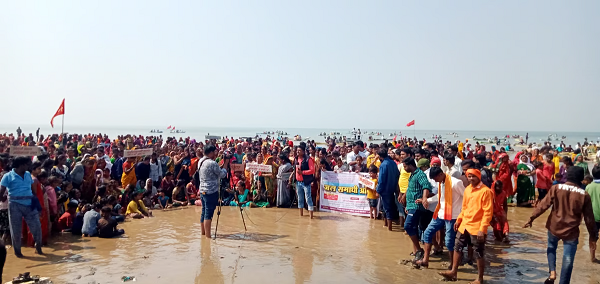
(Feature Image: Fisherfolk Stage ‘Jalsamadhi’ Protest Against Solar Power Project At Jayakwadi Dam, Seek Cancellation. FPJ Feb 2024)
Marking World Fisheries Day 2024, this yearend round up complies the top ten reports outlining how the fish and fisherfolks in India have been facing existential crisis due to govts’ apathy, various developmental projects and growing climate change threats. The first part of the annual overview covering positive developments on fish, fisheries and fisherfolks can be seen here.
Continue reading “World Fisheries Day 2024: Fish Suffering, Fisherfolks Struggling, Threats Growing”World Fisheries Day 2024: Top Ten Positive Fisheries Reports from India
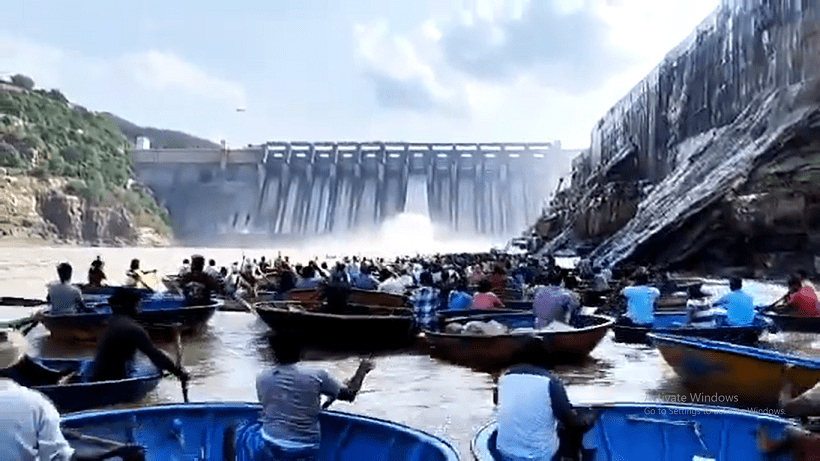
(Fature Image: Telangana fishermen fishing downstream Srisailam project after closing of dam gates in Aug 2024. Source: Social Media)
On the occasion of World Fisheries Day 2024 which is celebrated on November 21 annually, we compile top ten positive developments during the last one year on the issues of fish, fisheries and fisherfolks from India.
Continue reading “World Fisheries Day 2024: Top Ten Positive Fisheries Reports from India”Yamuna Manthan 061124: Save River from ‘Illegal’ Sand Mining
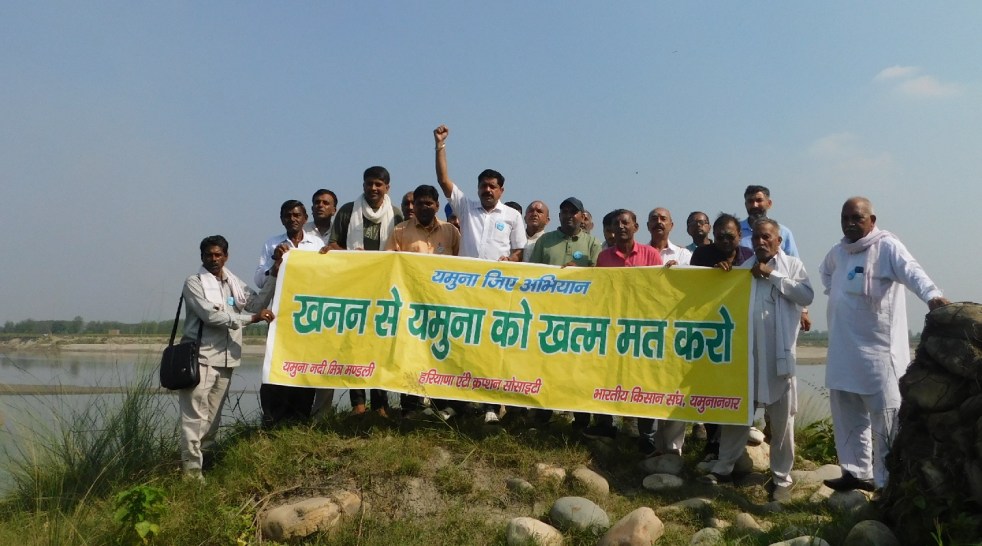
(Feature: Members of Haryana Anti Corruption Society, Yamuna Nadi Mitra Mandli, Bhartiya Kisan Sangh, Yamuna Nagar raising concerns over unabated unsustainable riverbed mining in Yamuna in Gumthala Rao, Karnal on Oct 07, 2024.)
Large scale riverbed mining has become most underestimated and least discussed threat for Yamuna rivers. While increasing pollution has turned the river stretch between Delhi and Agra ecologically dead, the rampant sand mining has been severely damaging the Yamuna eco-system in upper and lower segments.
Presently, the mining menace is quite rampant in Paonta Sahib, Yamuna Nagar, Saharanpur, Karnal, Shamili, Panipat, Sonipat, Baghpat and Ghaziabad districts along the river in upper segment. Similarly, in lower segment the main stem of river as well as its key tributaries Chambal, Sind, Betwa, Ken have been bearing the burnt of unsustainable sand mining.
Continue reading “Yamuna Manthan 061124: Save River from ‘Illegal’ Sand Mining”DRP 041124: Study says Big Dams are costly gambles or frauds?
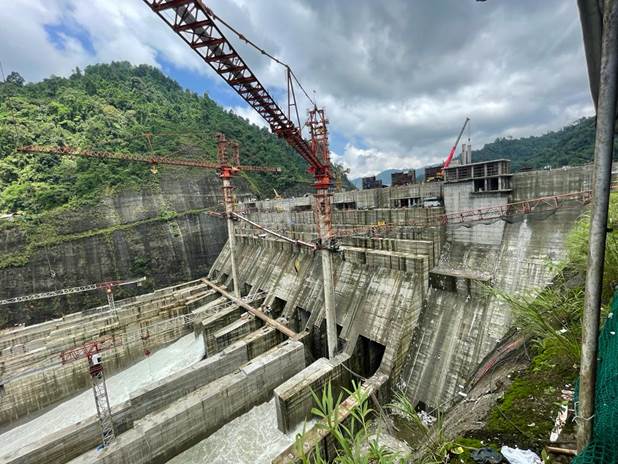
(Feature Image: Lower Subansiri HEP dam. Source: PIB, June 2023)
An interesting study reported this week reveals Big Dams are costly gambles and explains why this is so. In fact, the explanations go on to reveal that this is by design, the costs are systematically under estimated and benefits are exaggerated, so the dams fail to provide the promised benefits. So Big Dams are actually not gambles, but frauds. They get away with all this due to lack of transparency and accountability in the governance, the study reveals.
For those following the global debate on big dams over the decades know that there is nothing new here. A number of studies earlier exposed all this, including the Independent Review of the Sardar Sarovar Project instituted by the World Bank, the World Commission on Dams report, the India Country study done for WCD, among others.
Continue reading “DRP 041124: Study says Big Dams are costly gambles or frauds?”DRP 28×24: Hydropower Impacts on Biodiversity
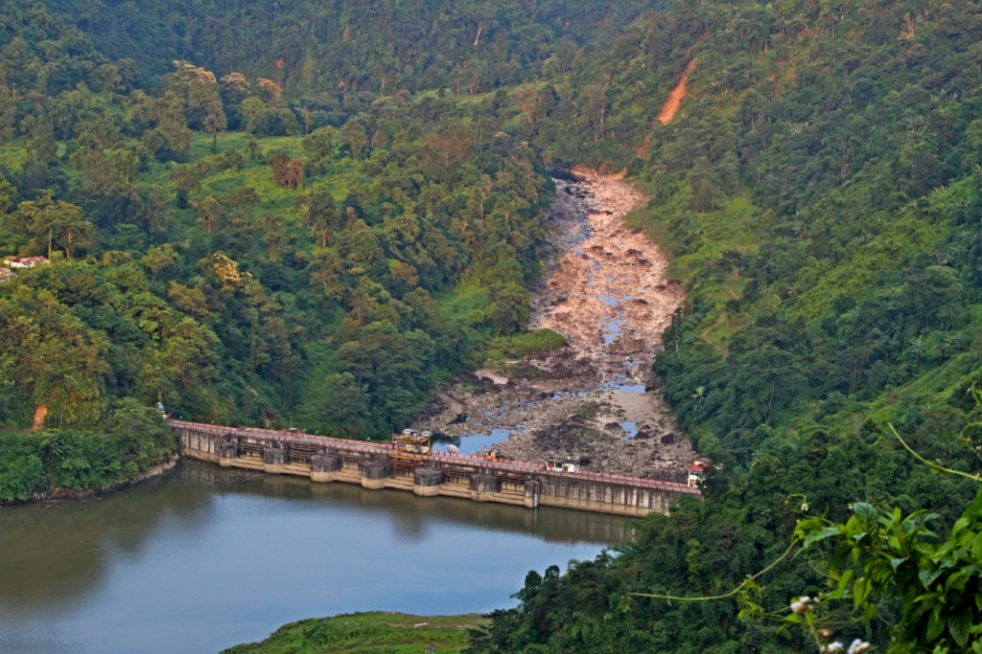
(Feature Image: The Ranganadi dam in Arunachal Pradesh. In February 2019 the dam released an unprecedented amount of silt, with severe impacts for the river’s biodiversity and the livelihoods of people who live along its banks. Image Credit: Karen Conniff / Flickr, CC BY-NC 2.0/Source: Dialogue Earth)
A new study of available scientific publications on impact of Hydropower projects on biodiversity provides a thorough review of the subject. The review does not directly give a call not to construct more such destructive projects. But it is useful for anyone concerned about the impact of dam projects on rivers.
The study discusses the impacts of hydropower projects on both aquatic and semi-aquatic species in riverine ecosystem and cumulative impacts spatially and temporally across river basins. Dams disrupt longitudinal connectivity and act as physical barriers in upstream-downstream movement of species. Upstream of dam, there is static water environment rather than flowing river environment. In the downstream, the hydropower projects adversely affect the water flow, sediment flow, thermal regimes, affecting water quality and environmental cues for the fish movement. All these also affect the floodplains both upstream and downstream.
Continue reading “DRP 28×24: Hydropower Impacts on Biodiversity”DRP 21×24: New Warnings from Studies about Global Water Changes
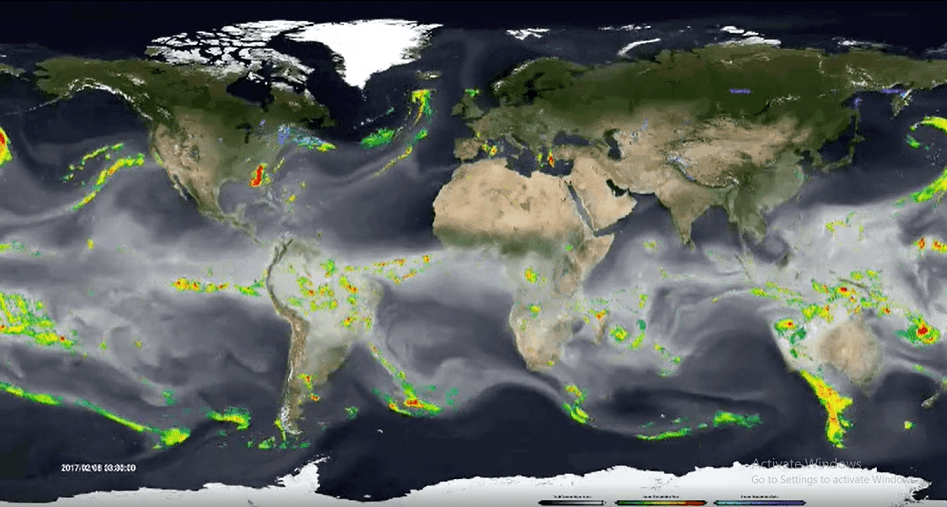
(Feature Image (Screenshot): Atmospheric rivers occur all over the world, as this animation of global satellite data from February 2017 shows. Credit: NASA/Goddard Space Flight Center Scientific Visualization Studio)
A number of reports listed below this week throw fresh light on functioning of global water cycle, some of the findings should be seriously worrying. The studies show how the countries across the globe have water connections that go far beyond shared rivers, lakes and seas. And how these components of global water cycles are not only changing, but are under unprecedented stress and could take the global water cycles off balance.
Another study about atmospheric rivers that provides some of the largest high intensity rainfalls show that these rivers are shifting, which can have far reaching consequences for large sub-tropical areas, polar areas and others. For understanding their implications, more studies particularly focusing on shifting El Nino and La Nina streams are required.
Continue reading “DRP 21×24: New Warnings from Studies about Global Water Changes”DRP 07×24: Global Dam Safety Challenge in Changing Climate
It is increasingly clear that Large Dams across the world are facing increasing challenge due to climate change. In recent years, we have already seen serious dam disasters in Australia, Brazil, Canada, India, Kenya, Libya, Nepal, Nigeria, Poland, Spain, Sudan and USA to name just a few.
All these are related to extreme rainfall events, which are going to only increase in intensity, frequency and spread. It is interesting that hydro industry platform has come out with this report highlighting this issue this week.
For a country like India, the third large dam builder in the world, this challenge is going to be even more daunting as we have been seeing the increasing number of dams related disasters in last few years. As we remember the Teesta 3 dam disaster a year ago, the nature and dimension of this challenge becomes even starker. This is also exemplified by the fact that the dam safety panel report about this disaster is not even out in public domain. And even now new theories are being proposed about what happened during the disaster.
Continue reading “DRP 07×24: Global Dam Safety Challenge in Changing Climate”DRP 300924: Focus on River Studies
Rivers are the most important ecosystems (eco here includes ecology and economy) and yet possibly least studied entities. Some news below this week about some river studies brings the focus on need to take up many more river related studies.
Most important aspect of river related studies is the need for credible, independent studies, not influenced by the needs of the governments. Otherwise, the government is likely to not only influence the study, but also decide not to make it public as they did in case of the studies related to Joshimath town and role of Chamoli disaster.
Continue reading “DRP 300924: Focus on River Studies”DRP 230924: Role of rivers in the birth of governments
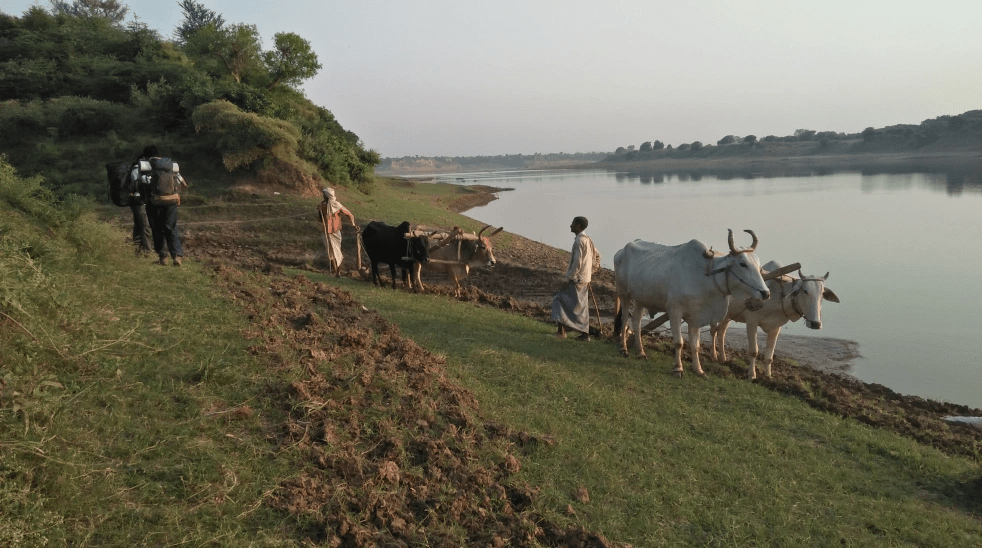
(Feature Image Source: The Economic Origins of Govt)
Interesting research published in 2023 suggests that archaeologists and economists are now learning that dynamic, shifting rivers also created conditions that triggered people to develop some of the first organized govts on the planet.
In the research published in The American Economic Review Robert Allen and two co-authors found that Agriculture and large settlements emerged alongside rivers because they could tap into the gifts of rivers: close access to water and fertile soil. But rivers can move and take those gifts away. So, society developed organized govts to work collectively to regain their access to those gifts.
Continue reading “DRP 230924: Role of rivers in the birth of governments”