DRP News Bulletin

DRP 180722: Polavaram, Kaleshwaram projects damaged, Kadam dam overflowed

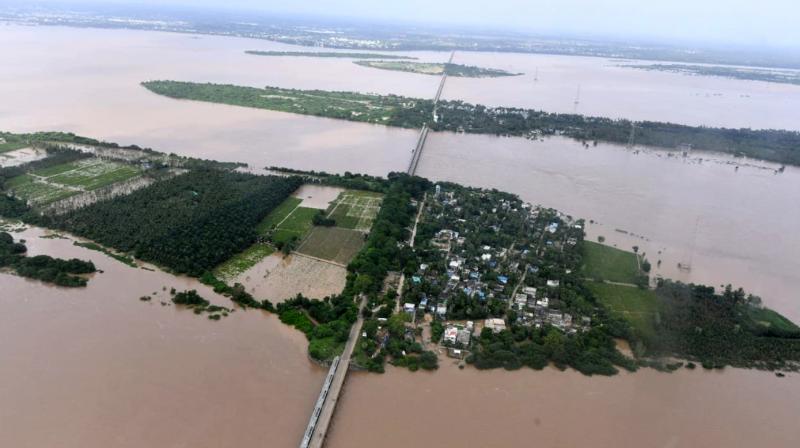
(Feature image: An aerial view of the flood-affected areas in Godavari districts on July 15. Photo by arrangement/Deccan Chronicle)

One of the noteworthy feature of the floods in ongoing on monsoon so far has been what is happening around large dam projects, particularly in Central India, Eastern India and Southern India. The Polavaram dam on Godavari river, the largest under construction dam in India, again suffered damage this monsoon as confessed by the Andhra Pradesh Irrigation Minister Ambati Rambabu after his frequent visits to the dam. The dam had suffered damage in 2019 floods and it is still not clear what is way forward and the dam has again suffered damage. This will make the unviable project even more unviable, but the government will continue to sink good money after the massive sunk funds.

The Kaleshwaram project in Godavari basin, the largest lift irrigation projects of India has also faced damages with at least two pump houses with large number of massive capacity pumps getting submerged, and third one partially flooded. The full impact of this damage will only be known after assessment once the floods recede.

Continue reading “DRP 180722: Polavaram, Kaleshwaram projects damaged, Kadam dam overflowed” →
DRP News Bulletin

DRP 040722: Stalled, delayed, cancelled Hydro in Bhutan

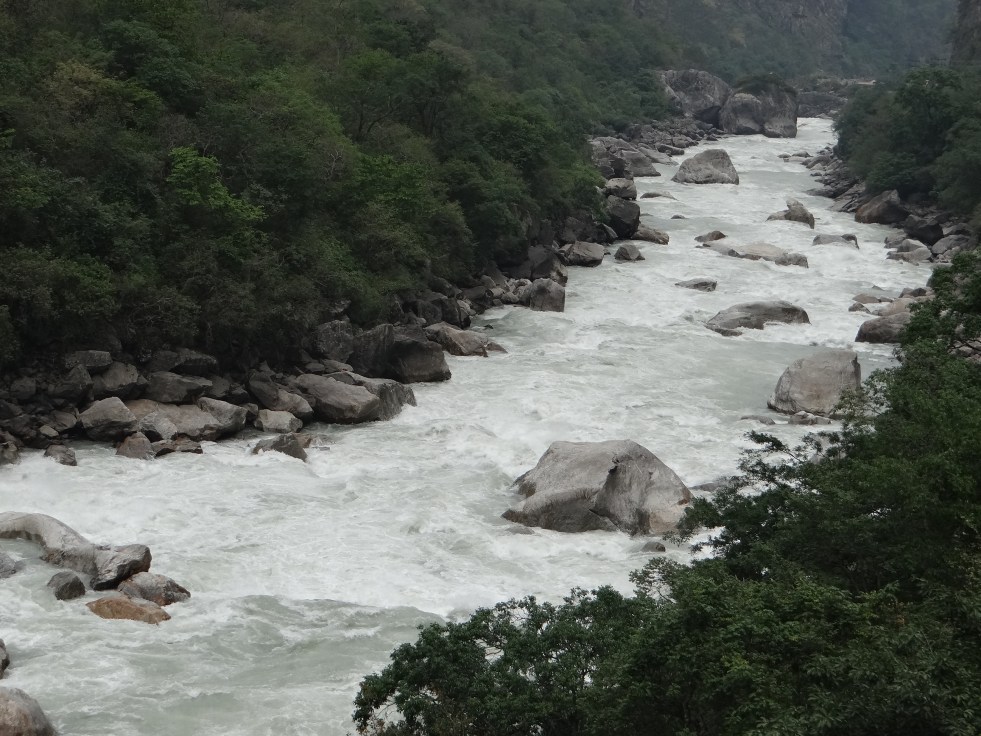
(Feature Image: Stretch of Punatsangchu River that will be diverted through the tunnel when the dam is commissioned Photo: SANDRP)

Puncturing the prevalent notion about India Bhutan Cooperation on hydropower projects, there is news this week (in fact the news on this score has been coming for more than a couple of years, but Indian media seems to be practicing a self-imposed ban on putting out such stories – but that is another story as they say) that hydropower projects have been stalled, delayed, reconfigured, and even cancelled in Bhutan. This is broadly in line with the increasing economic non viability of hydropower projects.

Kuensel, Bhutan’s national newspaper, has reported about such projects quoting the National Council recommendation to the government of Bhutan to expedite the decisions about the stalled projects like the massive Punatasanchchu-I HEP and the Kholongchu HEP. It has also reported that the government of India conveying to Bhutan that India has sufficient electricity supplies, suggesting that the proposed Nu 200 Billion Sunkosh Hydropower project may not have any definite dateline and hence likely to not go forward. The happenings at the geologically unstable site selection for Punatsanchchu project involving India’s Central Water Commission, Wapcos and Geological Survey of India among others is in fact major scandal and how the whole issue has been dealt with so far. The happenings at the Kolongchu HEP being executed by the SJVN (erstwhile Sutlej Jal Vidhyut Nigam Ltd) as the first ever joint venture project in Bhutan in terms SJVN not giving the promised contracts to Bhutanese companies also does not bode well for Joint Venture projects in future. Both Punatsanchchu and Kholongchu HEPs are stalled and delayed for long, increasing the cost of the projects and power from the projects. While all this is broadly in line with increasing economic non viability of hydropower projects, a lot of this can be avoided by increasing transparency and accountability in governance of these projects.

Continue reading “DRP 040722: Stalled, delayed, cancelled Hydro in Bhutan” →
DRP News Bulletin

DRP 270622: There are many man made factors behind Assam Floods, Mr CM

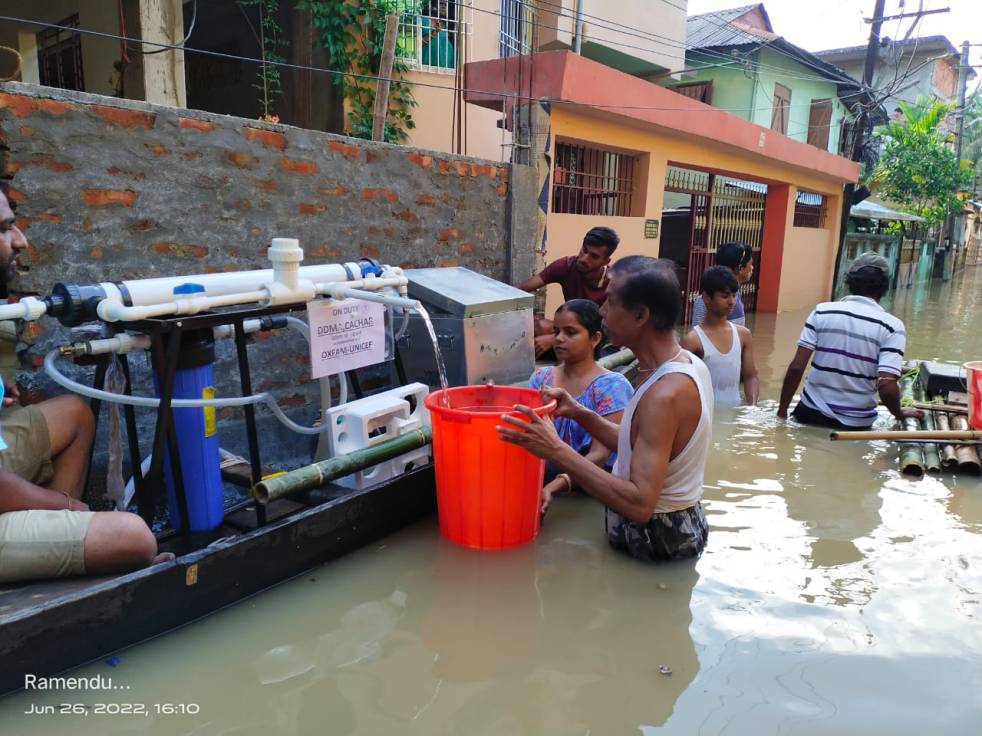
(Feature Image:- DDMA, UNICEF and Oxfam have innovated boat-mounted water treatment units to provide life-saving water to the people in need within Silchar & its peripheral areas. Source:- Assam State Disaster Management Authority )

The Assam Chief Minister has called the unprecedented floods in Silchar town along Barak river in South Assam as man-made floods. The reason given is that the breach of embankment along the Barak river in the town was created by some people. It is good to see that the Assam CM Mr Himanta Biswa Sarma has recognised that some of the floods can be due to man made factors. And indeed, investigation followed by action is required in all such cases. But the CM should not limit this to just the breach of Barak embankment or the role of some of the people who may have breached the embankment earlier in May to provide outlet to one of the lakes. The investigation must also look into the role of the water resources department as to why they did not swing into action earlier, both in terms of repair and investigation. .

In fact, according to reports so far, no less than 297 embankments have breached during this monsoon so far already. Many or rather most of them have happened due to systematic neglect and lack of proper maintenance by the water resources department and needs proper investigation and action. There is also an urgent need for assessment of cost benefit and efficacy of the embankments in Assam.

Continue reading “DRP 270622: There are many man made factors behind Assam Floods, Mr CM” →
DRP News Bulletin

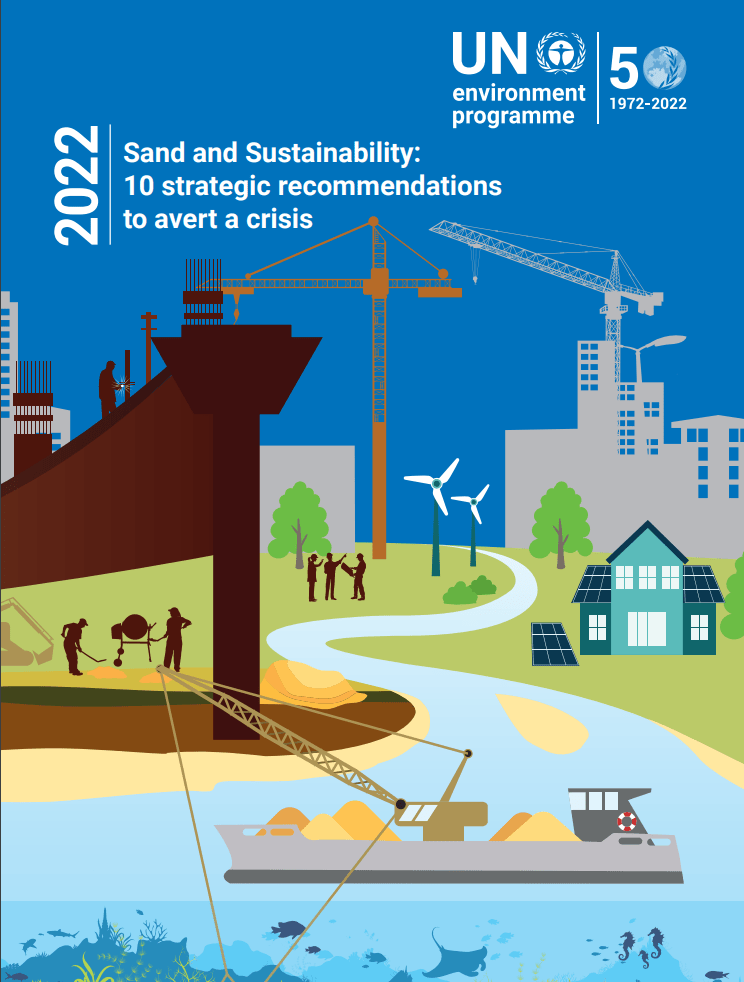
DRP 02 May 2022: Sand a strategic resource like water, rethink its exploitation: UN

A United Nations report released this week on Apr 26, 2022 has recommended that river sand needs to be considered by the governments as a strategic resource like water for its multiple roles in the environment and its extraction and use needs to be rethought. The UNEP report says sand is the second most exploited resource. And yet there are no credible governance guidelines or policies for the exploitation and use of this report, nor assessment of impact of unsustainable exploitation.

The report says: “Extracting sand where it plays an active role, such as rivers, and coastal or marine ecosystems, can lead to erosion, salination of aquifers, loss of protection against storm surges and impacts on biodiversity, which pose a threat to livelihoods through, among other things, water supply, food production, fisheries, or to the tourism industry.”

Continue reading “DRP 02 May 2022: Sand a strategic resource like water, rethink its exploitation: UN” →
DRP News Bulletin

DRP 25 April 2022: Bad news for dams: Vyasi, Renuka, Parbati, Betwa, Ken Betwa, Ganga waterways, Hydropower false climate solutions…

This week seems to have brought rather too many bad news for big dams in India, it seems. The Vyasi hydropower project on Yamuna river in Uttarakhand, inaugurated by the Prime Minister Shri Modi in Dec 2021, is facing plethora of problems even before its formal commissioning, including scarcity of water, mass fish death, displacement without rehabilitation of people, among others.

In Himachal Pradesh, the stage-1 forest clearance of the Renuka dam, whose foundation stone was laid by the Prime Minister Shri Modi on Dec 28, 2021, has lapsed, 12.5 years after it was given. Now the project need to restart the whole clearance process. There is also news of massive leakage of water and silt collapse in Parbati 2 project in HP.

In Betwa basin, an exasperated Jal Shakti Minister has ordered n inquiry into the Dam project. This, while the Ken Betwa project that the Union Govt has been desperate in pushing, still does not have crucial clearances.

A well researched article by Avli Verma shows that the Ganga waterways project does not have environment clearance, nor environment impact assessment even as the National Green Tribunal has adjourned the hearing demanding that for FOURTEEN times even as Union Environment Ministry quietly sits on the issue.

And finally, sound analysis by international experts lists ten reasons why hydropower is a false climate solution. It may be good idea to take a pause on these big dams, hydropower projects and other river affecting projects and rather take stoke of the way we are governing our rivers and these projects?

Continue reading “DRP 25 April 2022: Bad news for dams: Vyasi, Renuka, Parbati, Betwa, Ken Betwa, Ganga waterways, Hydropower false climate solutions…” →
DRP News Bulletin

DRP 18 April 2022: Clean Hydro does not make much sense in India: Experts

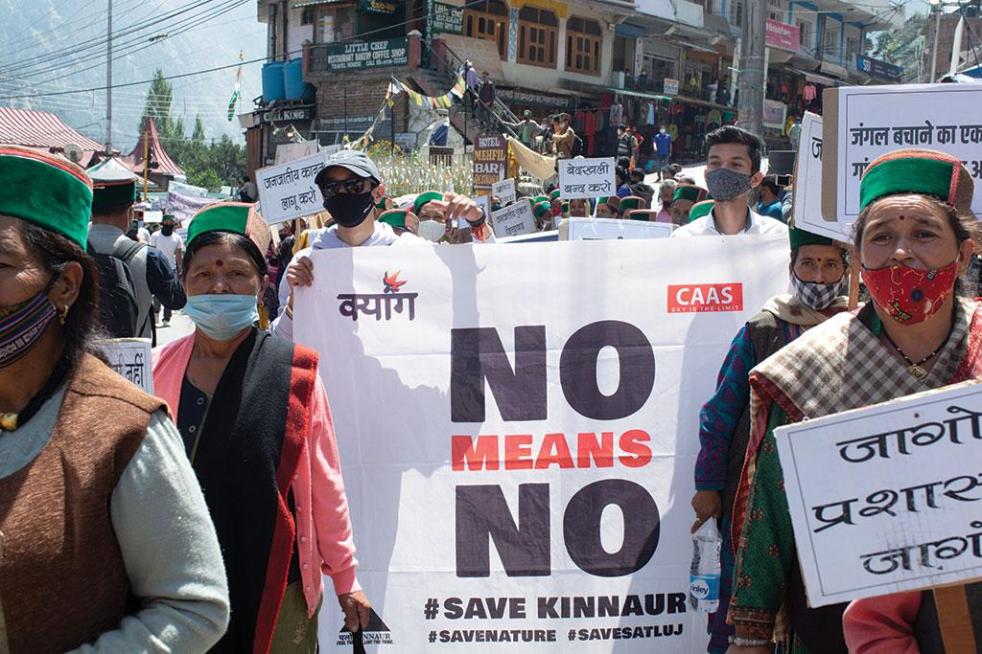
(Feature image:- Following massive landslides in Kinnaur, Himachal Pradesh sees growing protests against hydropower projects. DTE)

As the following report from Energy Monitor this week says, according to international experts, the idea that hydro is clean does not make sense. They say that for a number of reasons including for the social risks, environmental risks and the increased emissions of methane due to rotting of organic matter flowing in the river and settling in the reservoirs. In spite of some apparent inherent misconceptions, this part of the report is sound and should be a wakeup call for the supporters of big hydro in India. As the report suggests this is particularly true in the context of climate change. Indeed, this has been our own experience in India with increasing disasters related to hydro projects and the increasing unviability of the hydro projects in India.

Continue reading “DRP 18 April 2022: Clean Hydro does not make much sense in India: Experts” →
DRP News Bulletin

DRP 11 April 2022: Ken Betwa Affected people protest land acquisition

The residents of about 15 villages affected by the Ken Betwa link project are opposing the land acquisition process being initiated in violation of all norms have opposed the move. The notices have not been pasted in the affected villages, gram sabhas have not been conducted and the information promised in the notice is not available at the designated places. When question, the Madhya Pradesh officials have responded arrogantly. The history of manipulations and violations that has been the norm every step of the way in Ken Betwa Project continues. In fact the project does not have final forest clearance, its wildlife clearance has been questioned by the Supreme Court appointed Central Empowered Committee and its Environment clearance is under challenge before the National Green Tribunal. In absence of the clearances, the land acquisition should not even be started if there is any place for prudent norms in such projects. It would be best if the government stops the process and starts it only if and when it gets all the clearances and after taking all the concerned into confidence through a prudent confidence inspiring process.

Continue reading “DRP 11 April 2022: Ken Betwa Affected people protest land acquisition” →
Hydro Disaster

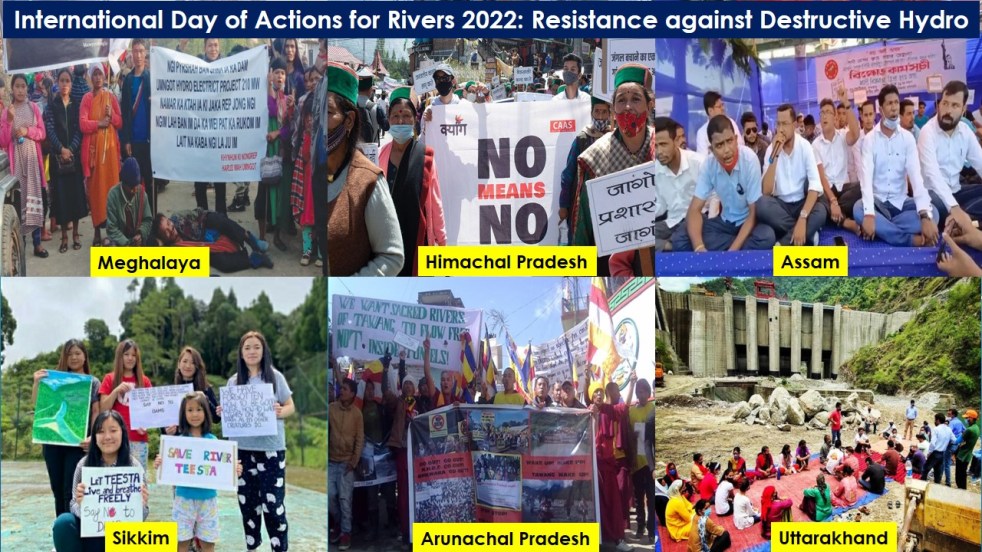
International Day of Actions for Rivers 2022: Resistance against Destructive Hydro

March 14 marks 25th anniversary of International Day of Actions for Rivers, a unique campaign dedicated to indigenous communities striving to protect and preserve their rivers from a whole range of destructive anthropogenic activities. The Hydro Electric Projects (HEPs) are among key threats affecting rivers eco-system and riverine communities greatly, in multiple ways.

The resistance against destructive, unviable HEPs growing stronger in India. Over the past one year there has been several protests against hydro projects across the country particularly in Himalayan states. On the occasion of International Day of Actions for rivers celebrating people’s resistance, SANDRP has compiled top ten stories of such community led opposition during the year, along with relevant additional stories. .

Continue reading “International Day of Actions for Rivers 2022: Resistance against Destructive Hydro” →
DRP News Bulletin

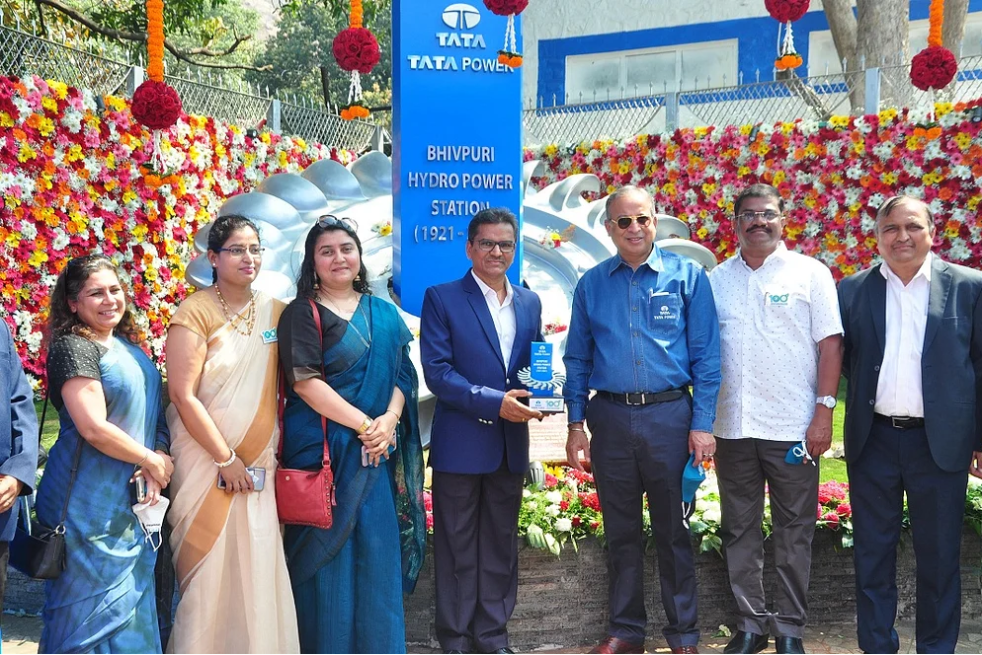
DRP 070322: As Tata celebrates century of Bhivpuri HEP operation, time to return the project to government and review it?

On March 5, 2022, Tata Power celebrated 100 years of operation of the Bhivpuri hydropower project in Raigad district of Maharashtra. It is possibly right time to consider by the government to ask Tata Power to return all the hydropower projects of Tata Power in that region to the government. Tatas got the right to develop these projects under a colonial agreement that handed over the public resources of land, river and rights over the project benefits to a private company like Tatas almost for free, for the company to profit from these public resources. This arrangement should have been reviewed long back, but possibly it is right time to review it now. Possibly it will be a good move in the year when India celebrates Azadi ka Amrutmahotsav!

The project transfers water from drought prone, water deficit Krishna basin to high rainfall area of Konkan. And such disastrous transfer continues even in drought years. It is high time this is reversed and the water is allowed to flow in the Krishna basin. From this perspective, the project also needs to be reviewed if at all it should continue to operate and if so under what terms and conditions.

Continue reading “DRP 070322: As Tata celebrates century of Bhivpuri HEP operation, time to return the project to government and review it?” →
DRP News Bulletin

DRP 28 Feb 2022: Climate Change intensifying water cycle at double the predicted rate

This should be worrying all water managers, particularly in monsoon driven climate like India. New Research by New South Wales University Science and published in Nature in Feb 2022, based on changes in salinity of sea, a new method, says that the climate change is intensifying the water cycle at more than double the predicted rate. This is also likely to have huge impact on the rainfall pattern and possible increase in frequency of high intensity rainfall events and storms, besides other impacts. This will also have impact on the Probable Maximum Precipitation and Probable Maximum Floods in the dam catchments, and would mean the current spillway capacity of many of our dams wont be adequate. All this also means increased frequency high intensity floods and disasters. Unfortunately, CWC or state dam managers in India are not even looking at these figures. India also needs to urgently take up research into all these aspects for assessing India specific impacts.

Continue reading “DRP 28 Feb 2022: Climate Change intensifying water cycle at double the predicted rate” →