Dams

DRP 240723: Urgently need parameters that will truly reflect rainfall pattern

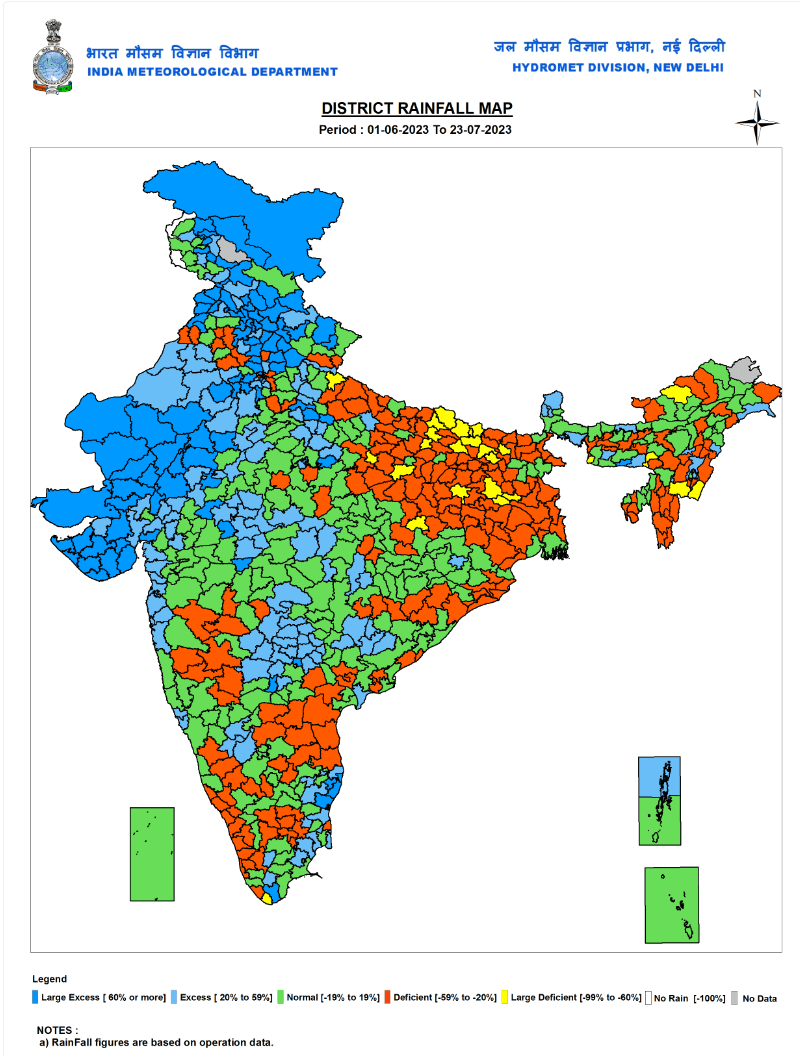
(Feature Image: – IMD’s District Wise Cumulative Rainfall Map for 01 June to 23 July 2023)

India received 389.2 mm rainfall till 0830 hrs on July 23, 2023 in SW monsoon. This being 5% above the normal rainfall till this date of 370.9 mm, India Meteorological Department and with it, the whole nation calls it Normal Monsoon. But anyone who is familiar with the rainfall pattern across India will not call it Normal.

We must urgently develop new parameters for describing the monsoon that also take into account spatial (across states, districts, Tehsils, blocks) and temporal variability. These parameters should take into account the departure from normal for each unit of space for each day and combine such departures to arrive at a figure that will better describe the monsoon for each unit of space. It can also take into consideration the high intensity rainfall events as also the longer dryer patches. This will help us understand not only the nature of monsoon rainfall, but also alert the farmers and everyone else but also help us understand how this pattern is changing over the years. This should not be so difficult for IMD to initiate and accomplish quickly. When aggregated at river basin level, this will also help us understand the actual rainfall pattern in each river basin but also how it is changing. Is this too much to ask?

Continue reading “DRP 240723: Urgently need parameters that will truly reflect rainfall pattern”
Dam floods · Dams

April 2023: Breach in Micro Hydel Canal Damages crops in Punjab

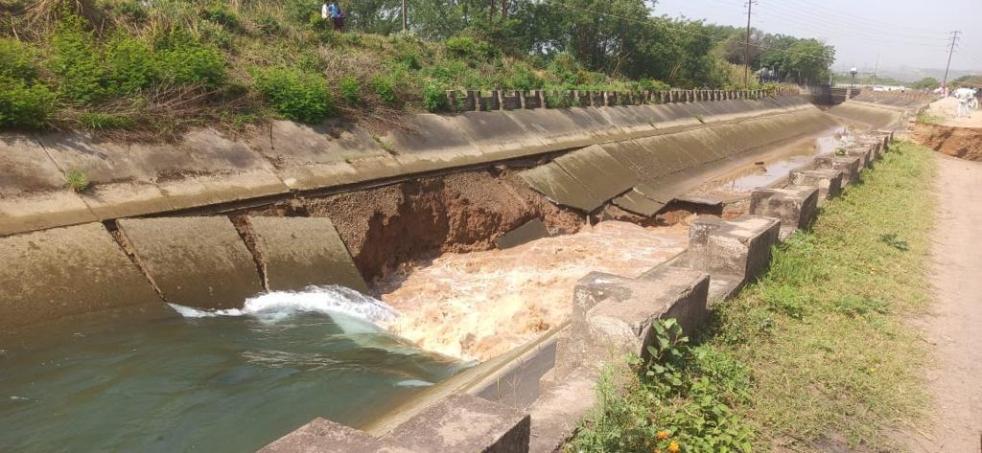
(Feature Image: Breach in GGSSTP micro hydel canal on April 26, 2023. Image by The Tribune)

A sudden breach in a micro hydel canal of Guru Gobind Singh Super Thermal Plant (GGSSTP) has damaged standing wheat crops on hundreds of acres of land in Ranjitpura village of Ropar district, Punjab. The breached occurred near Batarla around 08:00 am on April 24, 2023. 

Continue reading “April 2023: Breach in Micro Hydel Canal Damages crops in Punjab”
Cumulative Impact Assessment · Dams · Environment Impact Assessment · Interlinking of RIvers · Ministry of Environment and Forests · Ministry of Water Resources · NWDA

Poster child for Interlinking follies: Damanganga-Vaitarna-Godavari project

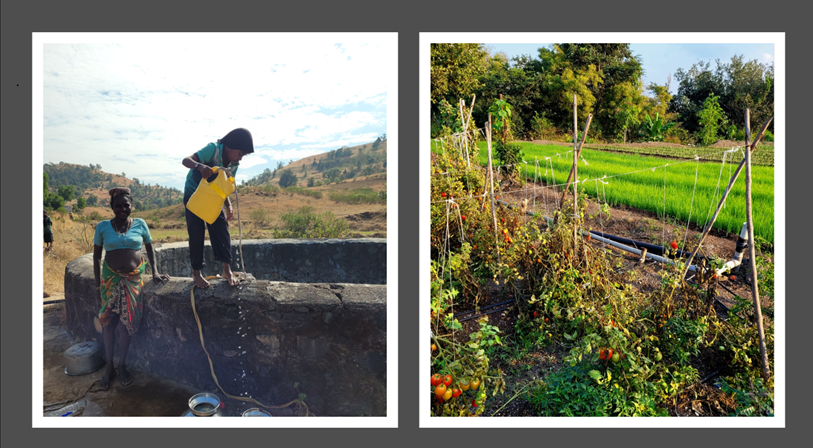
Pictures above have been taken five days apart. One would think River Interlinking entails transferring water from the bountiful right to thirsty left. In case of Damanganga-Vaitarna-Godavari Link, it means the opposite: transferring water from dry Mokhada to the verdant Devnadi in Sinnar. Like many ILR projects, it highlights the farce that is “surplus” and “deficit” basins. More rainfall does not secure water access, nor does moderate rainfall negate it.

Continue reading “Poster child for Interlinking follies: Damanganga-Vaitarna-Godavari project”
Dams · Wetlands

WWD 2023: India’s Ramsar Wetlands face Damages, Threats & Govt Apathy

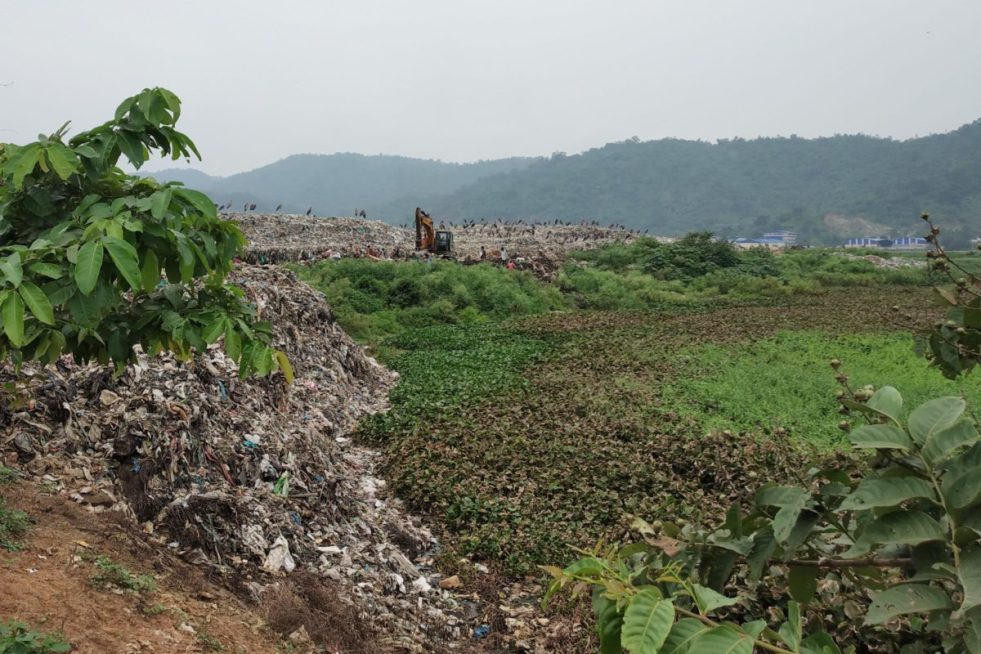
(Feature Image: The dumping ground is adjacent to the Deepor Beel wetland. Photo by Surajit Sharma./ Mongabay India, Aug. 2022)

Marking the World Wetlands Day 2023, this fourth overview by SANDRP compiles reports from 2022 revealing the worsening situation of Ramsar wetlands sites in India. In past few years, the government has shown great hurry in getting Ramsar tag for 75 wetlands from 26 in the country to symbolically mark 75th anniversary of Independence without showing any interest in resolving the existing and looming threats including increasing pollution, siltation, encroachments and climate change threats over old and even new Ramsar wetlands.

The ground reports show that the sole focus of the government is on pushing destructive and ornamental projects in the name of tourism and beautification on these wetlands which are only seen damaging their remaining eco-systems and threatening the livelihoods of dependent communities as an additional threat which only underlines that Ramsar tag does NOT help in wetlands protection and conservation. Experts, citizen groups have been raising this fact for years but in vain. Furthermore the process for seeking Ramsar recognition lacks consultation and participation of primary stakeholders and concerned citizens.

Moreover, in the name of information of Ramsar sites, there is only a combined interactive map apart from two separate pdf file links with location map and state wise listing Ramsar wetlands on Wetlands of India portal by MoEF&CC. The govt has neither prepared any concrete plan to address the threats, nor has it developed credible monitoring mechanism which clearly shows it has no intention to improve the governance of these sites.   

Continue reading “WWD 2023: India’s Ramsar Wetlands face Damages, Threats & Govt Apathy”
Dams · Hydro Power Projects

2022: People’s Resistance against Unviable HEPs, Destructive Dams

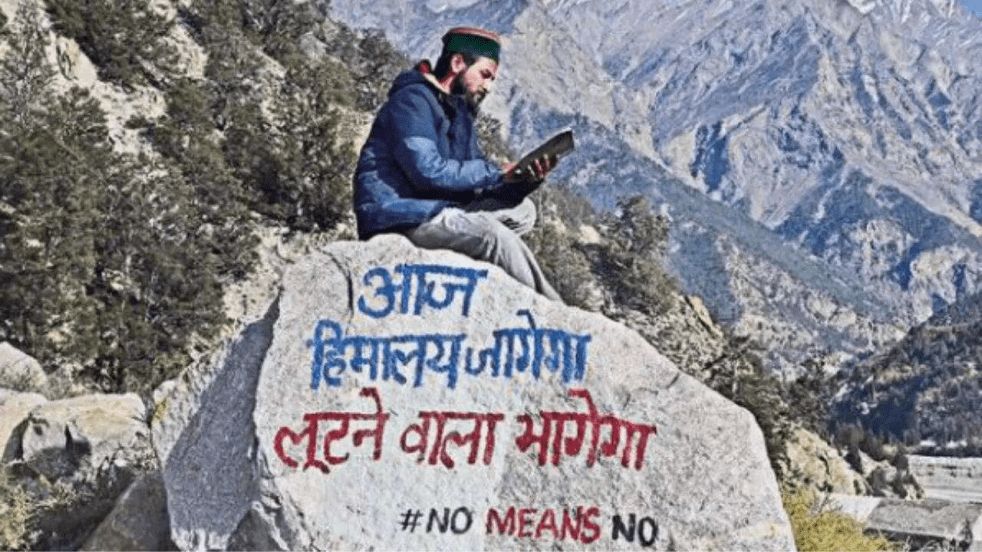
(Feature Image: No Means No Campaign message against hydro projects on a rock in Kinnaur. Source: ToI)

There have been many instances of opposition by local people, organizations and experts against unviable hydroelectric power (HEP) and destructive dam projects in 2022. Such instances of the resistance from across the country have been successful in a number of ways including leading to the funding agencies, corporate houses and government agreeing to withdraw from the project in many cases. This overview presents top ten stories highlighting successful opposition to hydro and dams projects in 2022 in India followed by some relevant reports on the issue. In first part of the annual overview, SANDRP has tracked the dam failures and dam induced floods incidents in India in 2022, along with separate report on unraveling of Polavaram project and another one on breaches of fly ash dams.

Continue reading “2022: People’s Resistance against Unviable HEPs, Destructive Dams”
Dams · floodplains · Floods

Broken Bandhans and mounds of muck: Consequences of unplanned Dredging in Vashishti River

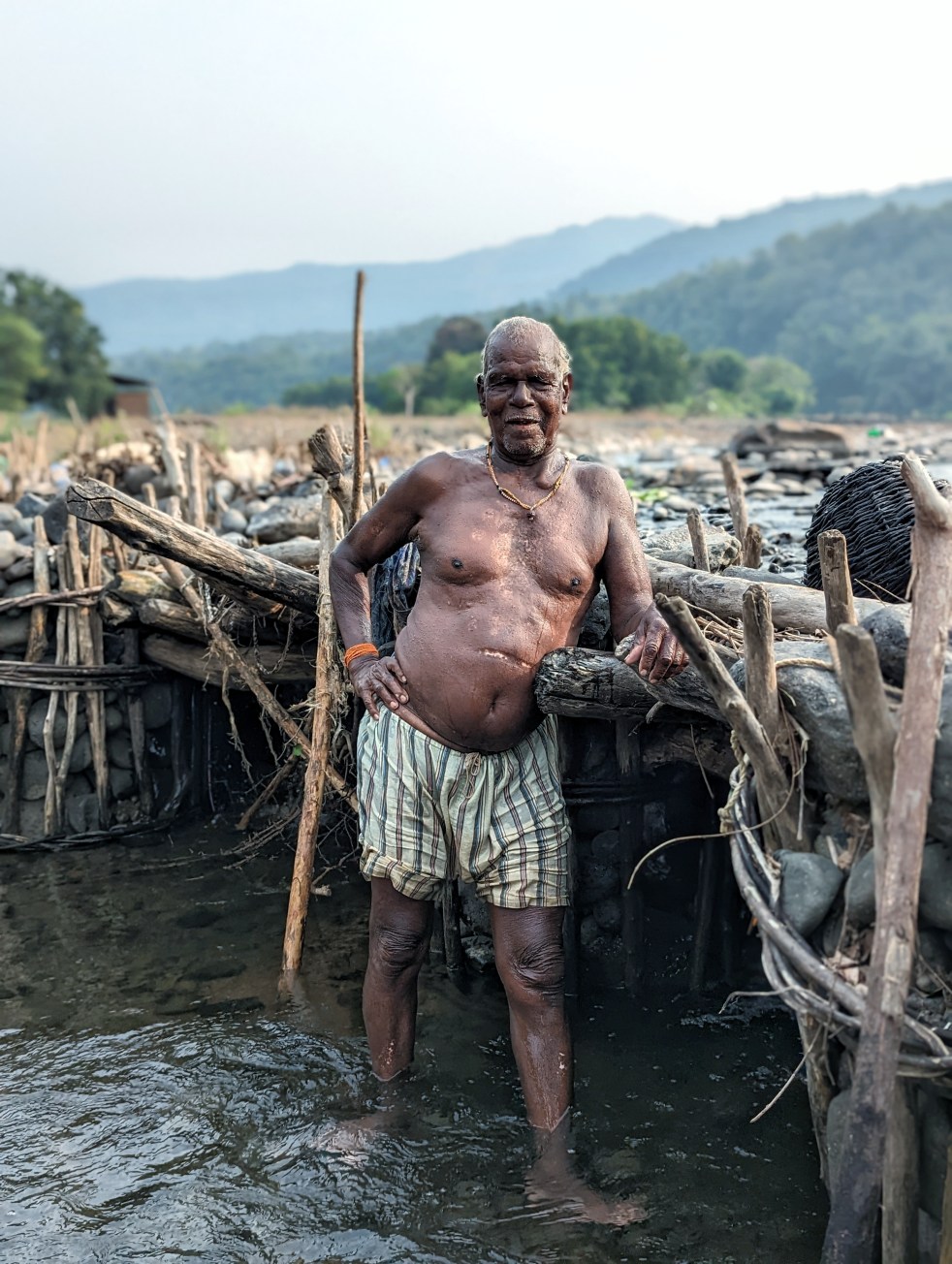
In the leaning golden sun, 65 year old Hari Ganpat Nikam dived like dolphin under a wooden contraption in the Vashishti River. He emerged a whole minute later bearing a beautiful woven basket, his right hand placed firmly on its mouth. As he brought the basket closer, he gradually removed his hand. Inside, tens of small fish and crabs shimmered in the evening light.

Tonight’s fish curry was sorted.

Continue reading “Broken Bandhans and mounds of muck: Consequences of unplanned Dredging in Vashishti River”
Cloud Burst · Dams

Uttarakhand Cloud Burst 2022: Road Debris, Drainage Encroachment Magnify Destruction

For the past many years, cloud bursts have been emerging as a significant and reoccurring disaster in Himalayan region. The highly localized, intensive rainfall spell, consequent flash floods and landslides have been taking a heavy toll on human and infrastructure apart from impacting the landscape. SANDRP has been documenting such incidents particularly in North West Himalayan states of Jammu & Kashmir, Himachal Pradesh and Uttarakhand. This first part of 2022 tracks the ‘cloud burst’ incidents reported in Uttarakhand before and during SW monsoon 2022. SANDRP’s previous compilation and analysis on the issue for Uttarakhand can be seen here 2018[i], 2019[ii], 2020[iii], May 2021[iv] and 2021[v].

Continue reading Uttarakhand Cloud Burst 2022: Road Debris, Drainage Encroachment Magnify Destruction
CWC - Central Water Commission · Dams

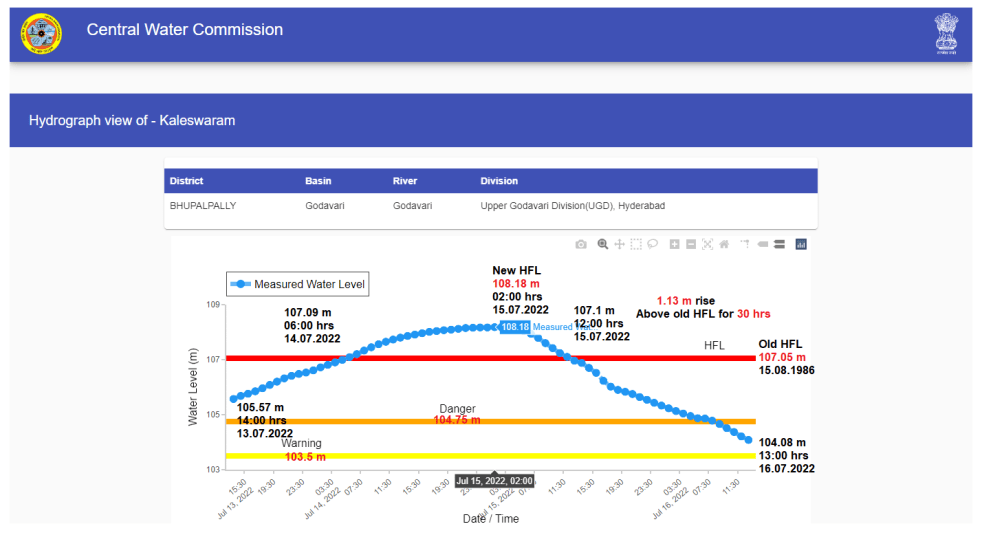
India’s Rivers Breaching High Flood Levels in SW Monsoon 2022

(Feature Image: Hydrograph of River Godavari in extreme flood situation at Kaleswaram level forecast station in Bhupalpally district, Telangana on July 15, 2022. Source: CWC)

Highest Flood Level (HFL) breach incidents are important indicator of flood cycle and could also help in understanding the changing rainfall pattern. Though, with 925 mm rainfall[i], the south west monsoon season 2022 falls in normal category, its distribution both temporally and spatially has seen huge variations. This is also reflected by at least 57 HFL breach incidents in 8 river basin across the country during the SW Monsoon months of July-Sept 2022.

For past four years, SANDRP has been tracking the HFL breach incidents during pre-monsoon and monsoon months. The analysis of such HFL breaches in 2018[ii], 2019[iii] and 2020[iv], May-Sept 2021[v], Oct.-Nov 2021[vi] can be seen on our website. The pre-monsoon months of May and June 2022[vii] have also seen 5 HFL breach incidents. This report tracks the other HFL breach incidents taking place between July and September months.

Continue reading India’s Rivers Breaching High Flood Levels in SW Monsoon 2022
Dams · Madhya Pradesh · Rehabilitation

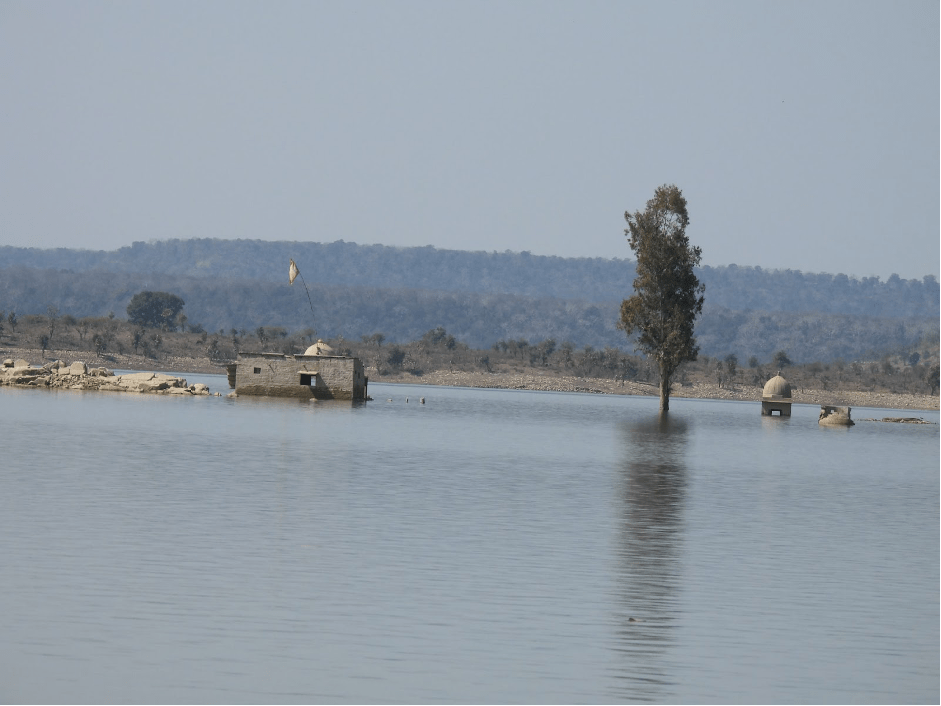
Legally enforceable Humane Rehabilitation, not compensation needed: Madikheda Dam in Madhya Pradesh

Guest Article by Bageshwer Singh and Pooja Chand

Dam construction on any river is often preceded by displacement of locals and followed by submergence of villages, turning them into ghost villages. All the major river water projects involve large scale displacement of locals, and most of these displacements lead to creation of vulnerable groups. The stories of displacement and forced evictions can be traced back to construction of dams like Sardar Sarovar Dam on river Narmada, or Tehri Dam on Bhagirathi or Hirakud Dam on Mahanadi. Almost always, these displacements are rife with little insight into the village specific consequences of dam construction, villagers are left with no option but to give up on their ancestral lands to move out to alien colonies with no land to their name. Arundhati Roy, in her essay, ‘The greater common good’, while arriving at the figure of number of people displaced in the developmental projects in the last fifty years writes, “Fifty million people. I feel like someone who’s just stumbled on a mass grave.” 

Continue reading “Legally enforceable Humane Rehabilitation, not compensation needed: Madikheda Dam in Madhya Pradesh”