Inter State Water Disputes

Inter state River Water Disputes in India: History and status

Water sharing disputes across the country (and even beyond) are only going to escalate with increasing demands, and also with increasing pollution & losses reducing the available water. Climate change is likely to worsen the situation as monsoon patterns change, water demands going up with increasing temperatures, glaciers melt and sea levels rise. The government’s agenda of interlinking of rivers would further complicate the matters.

The ongoing Cauvery Water Dispute [iv] has once again brought the focus on interstate river water sharing disputes in India and what has been our experience so far. There is no solution of Cauvery water dispute in sight and the engineer-dominated Cauvery Management Board that the Cauvery Water Dispute Tribunal Award has recommended is unlikely to help matters. Continue reading “Inter state River Water Disputes in India: History and status”

Dams · Indus

So who will suffer in the Indus water imbroglio?

Diplomatic and military strategies, by definition, are not decided through public debates. So the jingoism around Indus treaty with Pakistan seems more like an attempt at sending threatening signals. But it will have multiple serious ramifications in any case, so it is worth deliberating about.

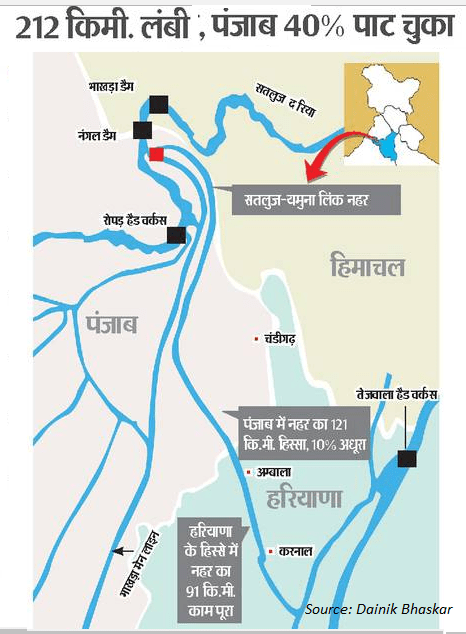
The 1960 Indus treaty has allocated rights of development on three eastern tributaries (Sutlej, Beas & Ravi) to India, and we have exhausted that entitlement almost fully. Attempts to use the occasional remaining flow will mean a huge impact in Indian Punjab, which is unlikely to resonate well with the people of Punjab.  The treaty gave Pakistan dominant right of development of the three western tributaries (Chenab, Jhelum and Indus), India has limitations about water use (both in terms of quantity and manner of use) in case of the western rivers. India has not yet exhausted the entitlement in this case.

Continue reading “So who will suffer in the Indus water imbroglio?”
Dams · DRP News Bulletin

DRP: 3 Oct 2016 (Role of Uttarakhand Hydro Projects in Kedarnath Disaster 2013)

Book Review:  Rage of the Rivers: Role of Uttarakhand hydro projects in Kedarnath disaster 2013 by Hridayesh Joshi Rage of the River reads not unlike a gripping thriller. Thing is, it is not fiction. It is a true ‘story’ of a cataclysmic event, exacerbated by greed, and twisted notions of development manifested in blasting fragile hills, tunneling rivers, denuding forests, and encouraging illegal encroachments and mindless construction and tourism infrastructure. This is an important chronicle of one of the worst disasters of our times. Joshi has thoroughly analysed the role of endless, ill-planned hydel projects, but inexplicably fails to take into account the wreckage wrought by unrestrained tourism. Joshi points a finger at the unethical practices of construction companies, contractors and operators of hydel dam projects, even in the face of this monumental disaster. The officials of the Vishnuprayag project refused to listen to the pleas of the villagers to open the dam gates and allow the excess water to flow safely from under the barrage. The advice was ignored, either in ignorance of the gravity of the situation, or with an eye on the opportunity to generate more power. The rising waters broke the barrage flooding the valley and its villages.  

Continue reading “DRP: 3 Oct 2016 (Role of Uttarakhand Hydro Projects in Kedarnath Disaster 2013)”
Dams

शौचालयी स्वच्छता से संपूर्ण शुचिता की ओर-2 (जल-थल-मल पुस्तक सारांश)

आज गॉधी जंयती है और स्व्च्छ भारत अभियान को भी दो वर्ष पूरे हो गए हैं। दो दिन पूर्व, 30 सितम्बर को इंडोसैन समारोह का उद्घाटन करते हुए प्रधानमंत्री श्री नरेन्द्र मोदी जी ने देश को स्वच्छ बनाने के लिए स्वच्छाग्रह चलाने का मंत्र किया है। स्वच्छ भारत मिशन के तहत आयोजित इस समारोह में उन्होंने सीमित संदर्भ में ही सही दो ओर बड़ी अच्छी बातें कहीं, एक स्वच्छता को लेकर हमें अपने आचरण में बदलाव लाना चाहिए और दूसरा जैविक कूडे़ कचरे से खाद बनायी जा सकती है। दूसरी ओर शहरी विकास मंत्री वैंकया नायडू के अनुसार देश में 1 लाख से ज्यादा गॉव खुले में शौच से मुक्त हो गए हैं।

भारत के पहले प्रधानमंत्री श्री जवाहरलाल नेहरू ने भी एक बार कहा था कि जब तक भारत में सब लोगों के पास शौचालय सुविधा उपलब्ध नहीं होती, वो तब तक भारत को आज़ाद नहीं मानेगे। इसी प्रंसग में राष्ट्रपिता महात्मा गॉधी जी का भी जिक्र अनायास हो आता है जिंहोने सैनिटेशन को आजादी से भी बढ़कर बताया और मैला प्रथा के विरोध में सब मानवों को अपने मैले का निपटान खुद करने के लिए भी कहा।

Continue reading “शौचालयी स्वच्छता से संपूर्ण शुचिता की ओर-2 (जल-थल-मल पुस्तक सारांश)”

Dams

शौचालय निर्माण से शुचिता की ओर-1 (जल-थल-मल पुस्तक समीक्षा)

खुले में शौच की आदत से निजात दिलाने के लिए केन्द्र सरकार शौचालय बनाने का काम 1980 के दशक से लेकर अब तक चलाती आ रही है। 1999 में इस अभियान का नाम टोटल सैनिटेशन कैंपेन और 2013 में निर्मल भारत अभियान हो गया। आज इसे स्वच्छ भारत अभियान के नाम से जाना जाता है। बदले नाम के साथ हाल में स्वच्छ भारत मिशन भी 2019 तक भारत को खुले में शौच से मुक्त कराने का बीड़ा उठाए हुए है। ऐसा करने वाले गाॅवों का निर्मल ग्राम पुरस्कार भी दिया जा रहा है। 2003 से लेकर अबतक करीब 28 हजार से ज्यादा गाॅवों को इस ईनाम से नवाजा जा चुका है।

सरकारी आॅकड़ो के मुताबिक देश में 10 में से 3 व्यक्ति आज भी खुले में ही शौच जाते हैं। जो सरकार के लिए अतंर्राष्ट्रीय स्तर पर बड़ी शर्मिंदगी का विषय है। सयुक्त राष्ट्र के अनुसार गरीबी में भारत से निचले पायदानों पर खडे़ देश नेपाल, पाकिस्तान, बांग्लादेश आदि पडौसी मुल्क शौचालय बनाने में भारत से कहीं आगे निकल गए हैं।

केंद्रीय पेयजल और स्वच्छता मंत्रालय के अनुसार इस अभियान के तहत अब तक 8 करोड़ 7 लाख शौचालय बनाए गए हैं। यानी 12 करोड़ 5 लाख शौचालयों के लक्ष्य का 70 फीसदी बन चुके हैं। परंतु 2011 की जनगणना के हिसाब से महज 5 करोड़ 16 लाख शौचालय ही पाए गए। मामला साफ है शौचालय ज़मी पर कम और कागज़ों में ज्यादा बने। 2008 के सर्वे में बड़ा खुलासा हुआ की 132 निर्मल गाॅव ईनाम पाने वाले में से केवल 6 गाॅव ऐसे निकले जिनमें कोई भी खुले में पखाना नहीं जाता था। योजना आयोग द्वारा तैयार 2013 की रपट इससे अधिक दिलचस्प है जो बताती है 73 फीसदी शौचालयवाले घरों में अब भी कम से कम एक सदस्य खुले में ही शौच जाता है।

इन सब के बीच प्रश्न उठता है, क्या शौचालय बनाना ही सैनिटेशन है और क्या मात्र शौचालय बनाने से ही भारत स्वच्छ हो जाएगा ? कहीं शौच मुक्त भारत के लक्ष्य का पीछा करते हम लोग प्राकृतिक संसाधनों का नाजायज दोहन और प्रदूषण तो नहीं कर रहे हैं ? मानव मल का प्रकृति और माटी से क्या संबंध है ? कहीं मात्र शौचालयी स्वच्छता के कारण ही तो पानी की बर्बादी और नदियों का प्रदूषण नहीं बढ़ रहा है? मल के जल और थल से बिखरे संबंधों से फिर रूबरू कराते हुए इन्हीं सब सवालों का जवाब तलाशती है, सोपान जोशी द्वारा लिखित जल-थल और मल पुस्तक!

Continue reading “शौचालय निर्माण से शुचिता की ओर-1 (जल-थल-मल पुस्तक समीक्षा)”

Dams · Maharashtra

Tracing the Maharashtra Irrigation Scam: From 2012 to 2016

Above: Retaining wall of Gosikhurd RBC slid down from its location  Photo: Jan Manch

Aftermath of the irrigation scam exposed in 2012 in Maharashtra still continues. Roots of the scam were pointed out time and again by Comptroller & Auditor General of India (CAG) and also by several other committees set up by the Government. The scam was finally unveiled in May 2012 with a combined effort of several whistle blowers from inside & outside the government as civil society groups including SANDRP. Unjustified cost overruns, forged tenders, tweaking the norms of tendering process, incomplete projects laden with inferior quality work were brought to light and the unholy nexus of corrupt leaders, government officials and contractors became visible like never before.
Continue reading “Tracing the Maharashtra Irrigation Scam: From 2012 to 2016”

Dams · DRP News Bulletin

DRP: 26 Sep 2016 (Victory to tribals protest; Jispa HEP calls back staff)

Finally, tribals struggle wins, sends Jispa HEP company packing up Facing stiff opposition from the tribal community against the construction of 300 MW Jispa Dam in Lahaul-Spiti valley has forced the Himachal Pradesh Power Corportaion Ltd (HPPCL) to suspend the project for the time being. The dam which was declared a project of national importance now has residents from 14 villages oppose it. HPPCL has invested Rs 3 crore and has stated that it would begin study work only when locals extend their support.

Since 2009, people from the Todh valley in Lahaul-Spiti district were opposing the Jispa Dam project proposed over Bhaga river, a tributarJy of Chenab at Jispa village. The government had sanctioned Rs 7,000 crore for this project but local residents did not allow officials to work in smoothly for three years now.

Confirming the development, managing director, HPPCL, D K Sharma told that some people were continuously opposing the project without realizing that construction of project could have ushered development in the area. He said constant opposition of local people had resulted into wastage of limited human resource so HPPCL board had decided to withdraw the manpower as project was only at investigation stage.

Continue reading “DRP: 26 Sep 2016 (Victory to tribals protest; Jispa HEP calls back staff)”
Dams

Celebrating our Rivers on the World Rivers Day, 2016!

Above: Parshuram Kund on River Lohit, Arunachal Pradesh

Since 2005, last Sunday of every September is celebrated as the World Rivers Day. The tradition started in 1980s in British Columbia when some river activists came together for their rivers. Its only grown since then.

All through the year we hear about water conflicts, river pollution, degrading freshwater biodiversity, damming of living rivers, mismanagment, concretisation and encroachment on Indian Rivers. As I write this, Cauvery Water Conflict and simmering, serious discontent over the Indus Water Treaty governing 6 rivers between India and Pakistan is mounting. A simple google search on Indian Rivers throws up images of filth, pollution, droughts and floods. Lest we forget, thats not the whole picture. We are still the custodians of an amazing legacy. India still holds some of the most beautiful, healthy and life giving rivers in the world. There are people and communities nurturing their rivers and protecting them. All is not lost and this is a battle worth fighting, full of positive energy. Continue reading “Celebrating our Rivers on the World Rivers Day, 2016!”

Cauvery · Inter State Water Disputes

Cauvery: Is there will for way forward? Will constitution of CMB help?

Above Map of Cauvery basin from Indian Express, Sept 22, 2016

Higher demands than availability is the key problem in Cauvery basin. transparent, participatory, democratic, rule based management of demands over supply is the key need. Unfortunately, we do not have that. Greater misfortune is that the Cauvery Water Disputes Tribunal Award of Feb 2007, even as it is significantly flawed, is yet to be implemented since the Special Leave Petitions of Karnataka and Tamil Nadu, admitted in the Supreme Court, remain pending for over nine years now. The Supreme Court, in the meantime, (through its orders of Sept 5, 12 and 20) deals with the issue in a manner, that seems ad hoc in absence of clarity as to how all the relevant factors have been taken into account.  Continue reading “Cauvery: Is there will for way forward? Will constitution of CMB help?”

Maharashtra

Sinchan Shodh Yatra finds Gosikhurd Right Bank Canal incomplete even after a decade of construction

Above: Irrigation official confronting the angry farmer from Asolamendha village in Chandrapur District of Maharashtra Photo: Amruta Pradhan

“Farmers are dying… but your procedures have to be complete…”

Sight of an angry farmer saying this to an irrigation official has stayed with me long after I returned from visit to Gosikhurd Right Bank Canal (RBC). More often than not, I, like many others have read and written about mighty Gosikhurd- that multi thousand crore irrigation project languishing incomplete for last 32 years. I was now seeing personification of the havoc wrecked by this poorly planned and even more poorly implemented project.

I was at the Asolamendha dam, tail end of Gosikhurd RBC. 30-40 farmers from nearby villages suffering because of the shoddy work of RBC had gathered with complaints at tip of their tongue. Nature of complaints was serious. This incomplete canal running a total length of 99.53 km from Gosikhurd Dam in Pauni Tehsil of Bhandara District to Asolamendha Dam in Nagbhid tehsil of Chandrapur District has not only failed to provide irrigation  but is also destroying the catchment of the local water sources.

I was visiting Gosikhurd RBC as a part of Sinchan Shodh Yatra- a series of fact finding tours started since May 2015 by Jan Manch– a voluntary organization from Nagpur to uncover the shocking ground reality of corruption laden incomplete irrigation projects of Vidarbha region. The yatra that has visited 18 projects so far is being joined by more and more farmers who have suffered due to the poorly implemented, half done irrigation projects. It is becoming a platform for affected people to raise their voices and slowly emerging as a pressure group on irrigation officials. (Read more about Sinchan Shodh Yatra at https://sandrp.wordpress.com/2016/09/06/public-audits-of-corruption-ridden-irrigation-projects-in-vidarbha-sinchan-shodh-yatra/#more-15917)

Shodh yatra consisting of about 70 people had taken an inspection tour of Gosikhurd RBC which was proposed to irrigate command area of 64,362 Ha but has been incomplete since last decade. During its journey of 50 km length of RBC (from 45 km from Gosikhurd dam to Asolamendha) Shodh yatra witnessed stalled work of the main canal which has not resumed for past more than three years, farmers agitating over host of issues from incomplete branch canals to crop damage caused by breach of canals and irrigation officials offering more and more excuses. Continue reading “Sinchan Shodh Yatra finds Gosikhurd Right Bank Canal incomplete even after a decade of construction”