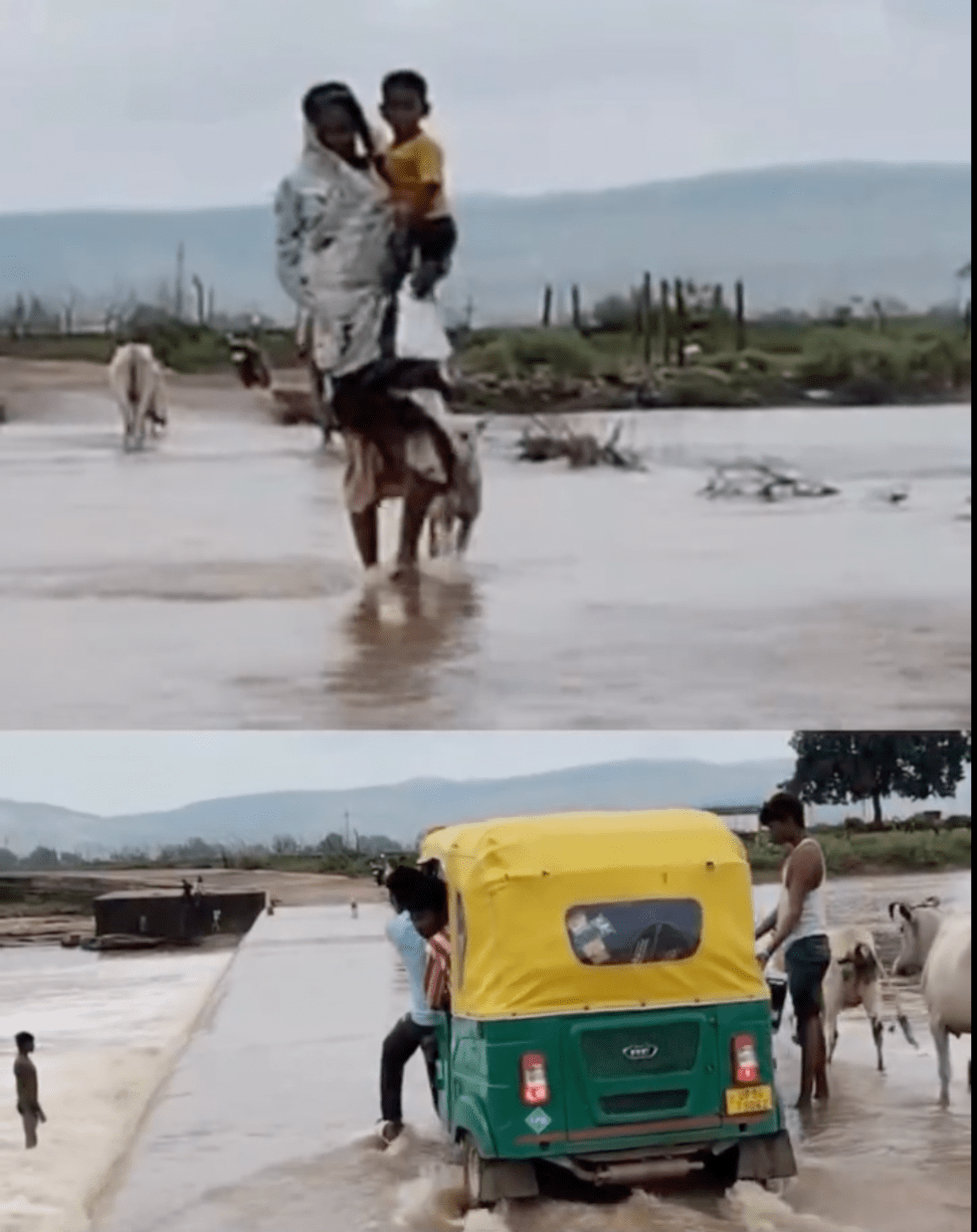
Bundelkhand is known as a drought prone region. It is comprised of 7 districts of Uttar Pradesh and 6 districts of Madhya Pradesh. The region is known as drought prone region in recent years. Let us see the situation of 2025 SW Monsoon rain in Bundelkhand.
Continue reading “Bundelkhand: Overview of 2025 Monsoon”Tag: Uttar Pradesh

June Aug 2024: District wise rainfall in India’s SW Monsoon
In the just concluded month of Aug 2024, India received just 295.2 mm (162.7 mm or 36.2% below normal in Aug 2023[i], 263.8 mm in Aug 2022, 3.5% above the normal[ii]) or 15.8% above normal rainfall of 254.9 mm as per India Meteorological department (IMD). In Aug 2021, the rainfall was 195.9 mm[iii], about 24.13% below normal and in Aug 2020, the rainfall was 327 mm[iv], or about 26.6% above normal.
Continue reading “June Aug 2024: District wise rainfall in India’s SW Monsoon”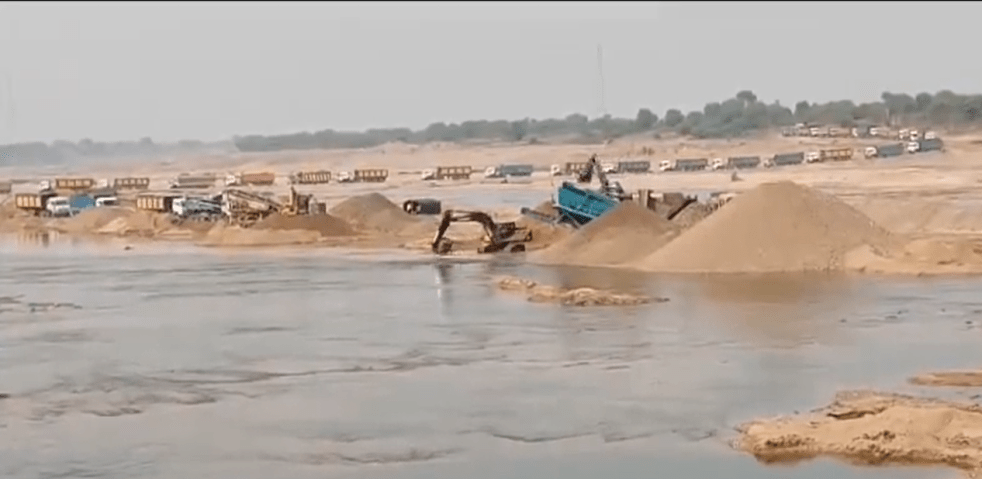
Why Existing Rules, Regulations Fail to Deter Illegal Sand Miners of Ken River?
(Feature Image: Screenshot of Bundeli Junction video report dated Nov. 19, 2023 on large scale mechanized, instream sand mining in Ken river in Banda district. )
Ken is lifeline of Bundelkhand and among key tributaries of Lower Yamuna basin. The river is relatively clean and free of industrial pollution. However, its existence is under threat due to catchment degradation and the proposed Ken-Betwa interlinking proposal. Apart from this, the river eco-system and dependent people have been at receiving end of large scale mechanized and unsustainable, mostly illegal mining practices for the past many years.
Some recent short video clips, media reports and satellite images have again revealed that sand miners continue to indulge in river destructive mining activities in government approved mine sites in three districts of two states namely Panna and Chhatarpur districts of Madhya Pradesh and in Banda district of Uttar Pradesh. The miners here have blatantly violated the existing mining rules, MoEF guidelines and NGT orders while the respective regulatory agencies have miserably failed to enforce the laws and ensure compliance.
Continue reading “Why Existing Rules, Regulations Fail to Deter Illegal Sand Miners of Ken River?”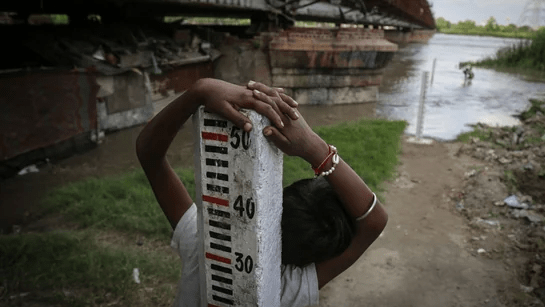
Monsoon 2022: CWC Changing HFLs in Ad-hock Manner
(Feature Image: Pillar with flood level marked on the bank of Yamuna river at Old Railway Bridge level forecast site in Delhi. Source:- Sanchit Khanna/HT Photos)
During monsoon season, Centre Water Commission’s (CWC) carries flood monitoring and forecast work through a network of 332 stations[i] covering 20 major river basins. The stations are comprised of Level Forecast (LF), Level Monitoring (LM) and Inflow Forecast (IF) sites. The LF sites have Warning Level (WL), Danger Level (DL), Highest Flood Level (HFL), date of HFL information while LM sites maintain HFL and HFL date records. At IF sites flood level for respective dams/ barrages with inflow, out flow figures are measured and forecast is issued accordingly.
However, there are plenty of concerns plaguing CWC’s flood forecast and monitoring work across country for years. In this 2022 SW monsoon season, the agency has exhibited one more problematic tendency which exhibits not only its careless approach vis-a-vis keeping accurate information of HFL breach events, but it also seems strange that it realises it has giving wrong HFL level and date information mostly only after crossing the HFL now.
Continue reading “Monsoon 2022: CWC Changing HFLs in Ad-hock Manner“
June July 2022: District wise rainfall in India’s SW Monsoon
In the just concluded month of July 2022, the second month of India’s South West 2022 monsoon, India received 327.7 mm rainfall, 16.8% above the normal July rainfall of 280.5 mm as per India Meteorological department. In July 2021, the rainfall was 266.1 mm[i], about 6.7% below normal and in July 2020, the rainfall was 257.1 mm[ii], or about 9.9% below normal.
Continue reading “June July 2022: District wise rainfall in India’s SW Monsoon”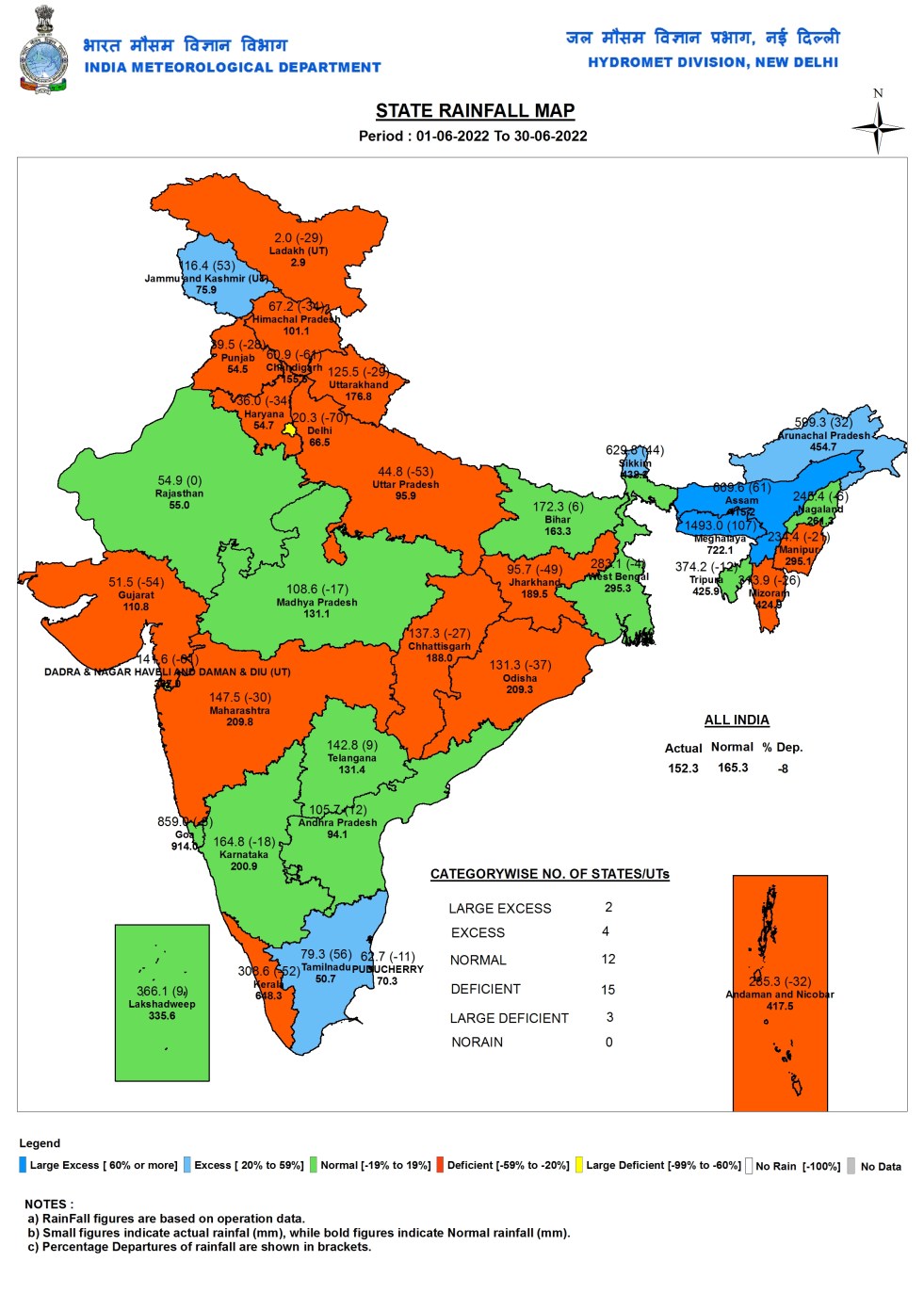
June 2022: District wise rainfall in India’s SW Monsoon
In the just concluded month June 2022, the first month of India’s South West 2022 monsoon, India received 152.3 mm rainfall, 8% below the normal June rainfall of 165.3 mm as per India Meteorological department. In June 2021, the rainfall was 182.9 mm[i], about 11% above normal and in June 2020, the rainfall was 196.9 mm, or about 18% above normal and in June 2019 it was 33% below normal.
Continue reading “June 2022: District wise rainfall in India’s SW Monsoon”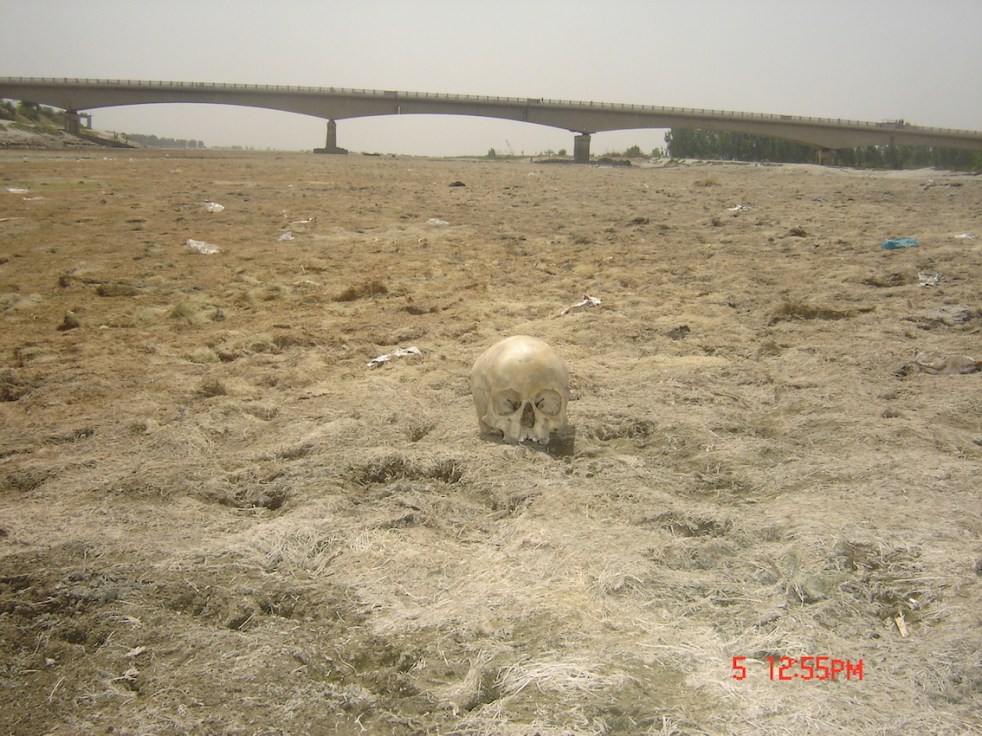
Making Yamuna Flow Again
Guest Blog by Manoj Misra
It is no secret that the master key to Yamuna rejuvenation or for that matter any other perennial river is to make it flow as close to its natural flow pattern as possible. How to go about it is no rocket science but is no easy task either for we humans have burdened them with so many of our selfish stakes.
What flows in a river is not just water, but water enriched with energy, minerals, sediments, detritus and life, macro and microscopic plants and animals. It’s only such flow that enables and has enabled rivers over the millennia to fulfill various ecological (& social) functions like erosion and deposition of earth, meander and form floodplains, feed aquifers to replenish the ground water, host aquatic and riparian life forms, connect with the floodplain and its water bodies and complete the water cycle. (Feature image above: Dead Yamuna river at Panipat (Pic by Bhim SIngh Rawat))
Continue reading “Making Yamuna Flow Again”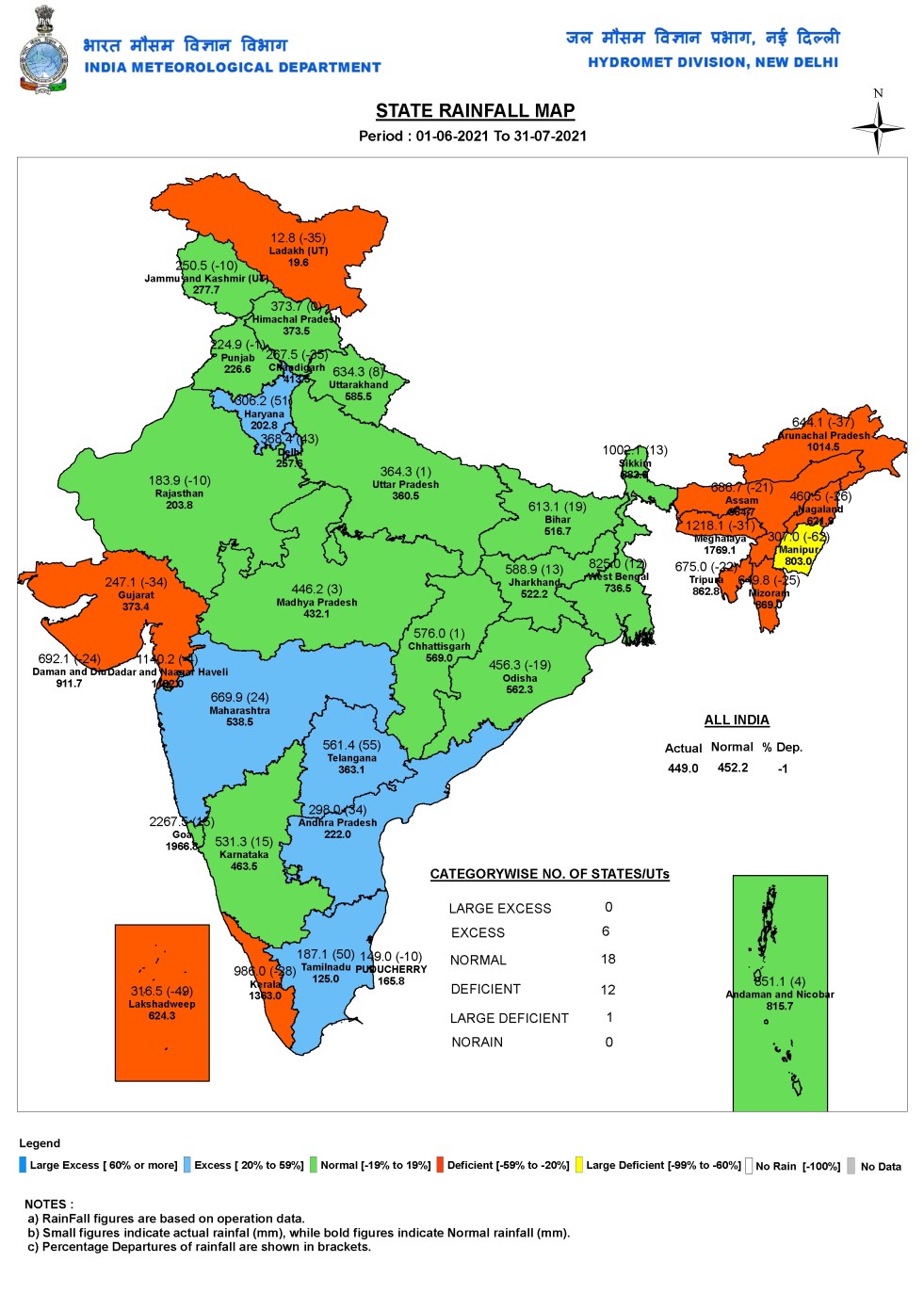
June July 2021 District Wise SW Monsoon Rainfall in India
In the just concluded month of July 2021, India received 266.1 mm rainfall, that is 6.73% below normal July rainfall of 285.3 mm, as per India Meteorological Department (IMD). This is in contrast with June 2021 rainfall, that was almost 11% surplus over Normal rainfall. Not only that surplus has been wiped out by the July 2021 deficit, the overall June July 2021 rainfall now is 449 mm, or about 0.7% below normal rainfall of 452.2 mm, as per IMD.
Continue reading “June July 2021 District Wise SW Monsoon Rainfall in India”
June 2021: District wise rainfall in India’s SW Monsoon
In the just concluded June 2021, the first month of India’s South West 2021 monsoon, India received 182.9 mm rainfall, 10.96% or about 11% more than the normal June rainfall of 166.9 mm as per India Meteorological department. In June 2020, the rainfall was 196.9 mm, or about 18% above normal and in June 2019 it was 33% below normal.
Continue reading “June 2021: District wise rainfall in India’s SW Monsoon”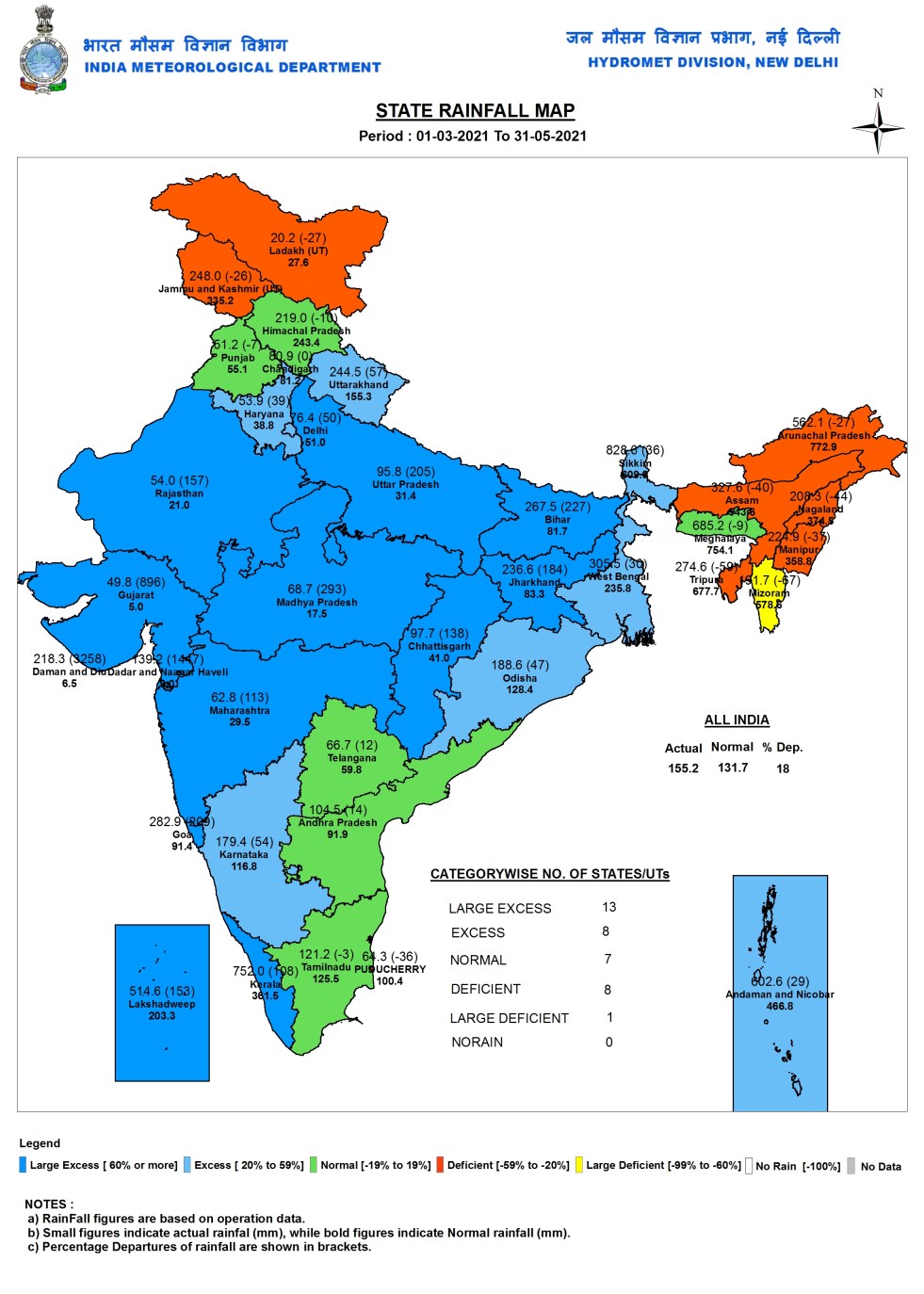
Pre Monsoon 2021 season – State Wise, District Wise Rainfall
In the just concluded pre monsoon season (March 1 to May 31, 2021) India received 155.2 mm rainfall, 18% above the normal rainfall of 131.7 mm as per the India Meteorological Department (IMD). This is similar to the case in 2020[i] when India received 158.5 mm or 20% above normal rainfall.
Continue reading “Pre Monsoon 2021 season – State Wise, District Wise Rainfall” SANDRP