Dams · Rivers

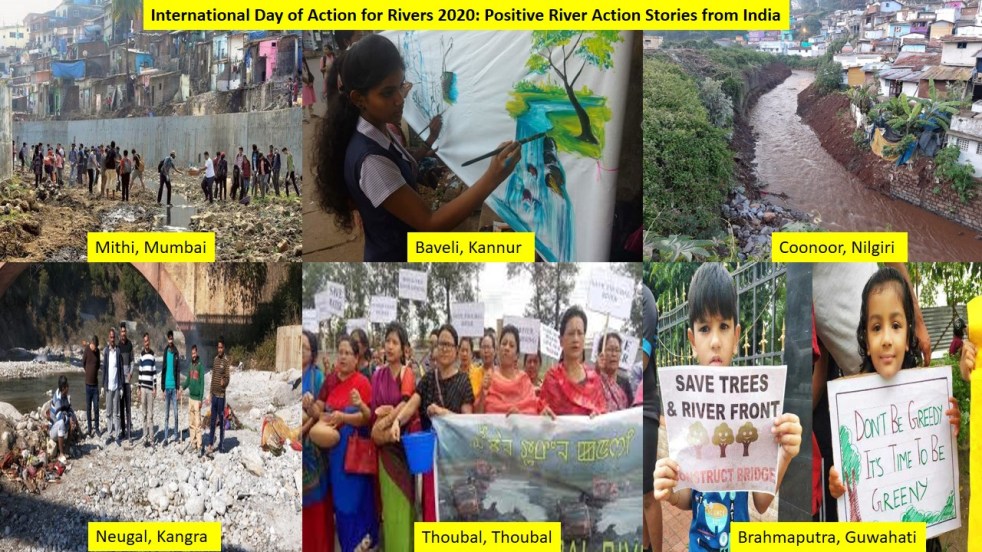
International Day of Action for Rivers 2020: Positive River Stories from India

On the occasion of International day of action for rivers which is annually celebrated on March 14, SANDRP put together some positive citizens and community led actions taken in last one year to protect and revive the rivers in different parts of India.

Continue reading “International Day of Action for Rivers 2020: Positive River Stories from India”

Dams · DRP News Bulletin

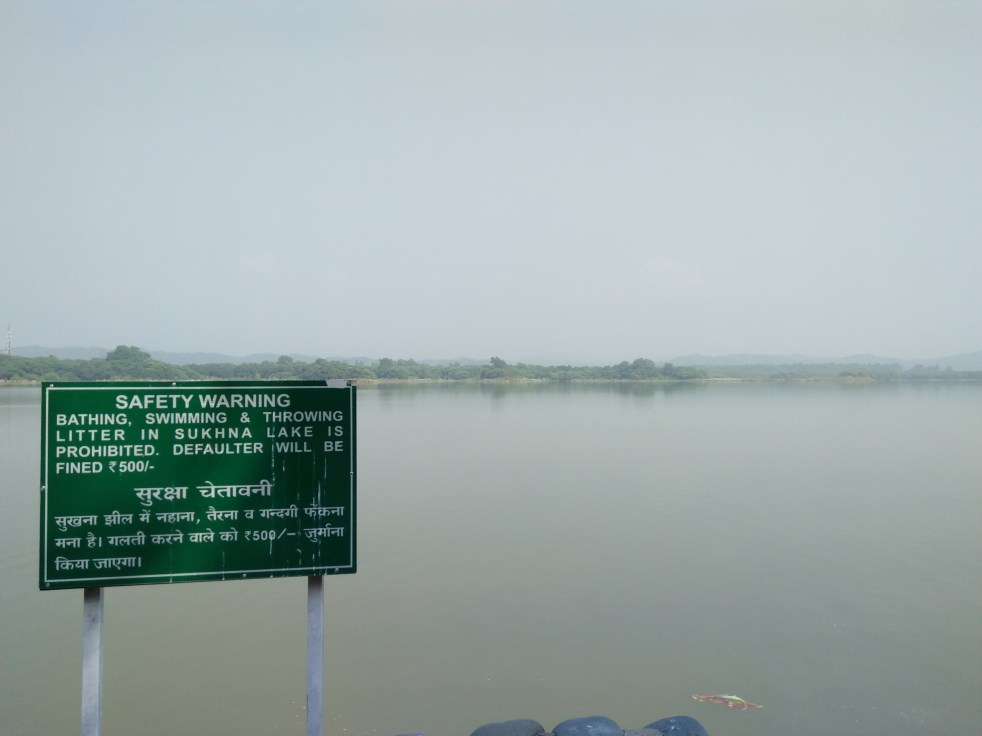
DRP: 9 March 2020: High Court Directions for Sukhna Lake

The March 2, 2020 directions of Punjab and Haryana High Court for the sustained conservation of Sukhna wetland are welcome, though the directions are likely to be appealed against in the Supreme Court, considering the far reaching implications of the lake. One hopes the Supreme Court takes a view that helps sustain the Sukhna lake and the wetlands in a confidence inspiring way.

Punjab & Haryana HC Issued Slew Of Directions For Protection Of Sukhna Lake. https://www.livelaw.in/news-updates/punjab-haryana-hc-issues-slew-of-directions-for-protection-of-sukhna-lake-in-chandigarh-read-judgment-153386  (2 March 2020)

This is a far reaching judgement on protection of watersheds, water bodies. Any government authority which ignores the environmental damage caused by unplanned development will have to face the music. The court also declared all commercial, residential and or other structures constructed in the catchment area falling in the areas of Punjab, Haryana and Chandigarh as delineated in the map prepared by the Survey of India on 21.9.2004 were declared illegal and unauthorised and ordered to be demolished within three months. https://www.thehindu.com/news/national/hc-declares-chandigarhs-sukhna-lake-living-entity-fines-punjab-haryana-100-cr-each-for-damaging-catchment-area/article30969711.ece  (03 March 2020)

Continue reading “DRP: 9 March 2020: High Court Directions for Sukhna Lake”
Dams · DRP News Bulletin

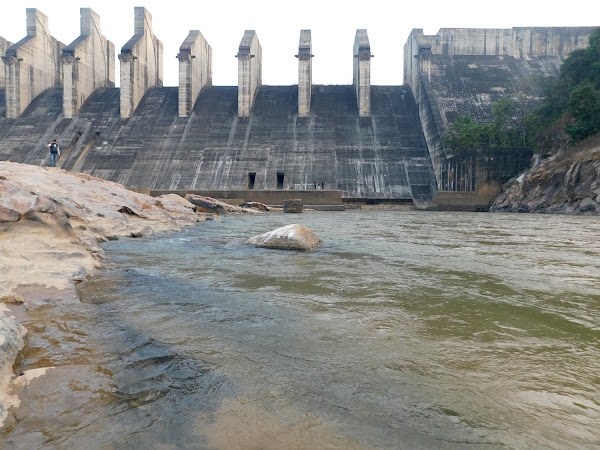
DRP: 2 March 2020: Will Mumbai rise up against unwanted, destructive Gargai Dam?

Mumbai Metropolitan Region (MMR), with annual rainfall in access of 2000 mm, does not do much to harvest the rain. It does not protect its local water bodies. It does not recharge groundwater to the extent it can easily do. It does not reduce its transmission and distribution losses. It does not treat its sewage to recycle and thus reduce freshwater demand. It does no demand side management. And yet it keeps demanding more water, and for that building of more dams and thus pushing more destruction. Without any credible options assessment. It has no water policy or water vision for smart water management.

The proposed Gargain Dam that will lead to destruction of over four lakh trees in 720 ha forest mostly in Tansa Wildlife Sanctuary, is a good example of how Mumbai is fuelling such dam building and destruction. The Rs 3105 Cr project will have many other impacts, including displacement of tribals and destruction of livelihoods for thousands others. As SANDRP report showed six years ago, (https://sandrp.in/2013/12/20/dams-in-tribal-areas-of-western-ghats-for-water-supply-to-mumbai-why-are-they-unjustified/, https://sandrp.in/2013/12/18/multiple-dams-for-mumbai-region/) and as our letter to the then Maharashtra Chief Minister emphasised in 2015 (https://sandrp.in/2015/01/13/water-smart-mumbai-open-letter-to-cm-devendra-fadnavis/), MMR region does not need any of these dams.

It was good to see MID DAY news paper report and EDIT highlighting some of these issues. Will the people of Mumbai Rise up, to stop this destructive dam, being pushed in their names, the way they stood up to save the far fewer Aarey Milk Colony trees?

Continue reading “DRP: 2 March 2020: Will Mumbai rise up against unwanted, destructive Gargai Dam?”
Dams · Yamuna River

Despite NGT order and Yamuna Monitoring Committee-CPCB-DDA responses, action awaited about dumping on Yamuna floodplain

The floodplains of Yamuna in Delhi have been facing encroachment threats for long. In the latest incident a huge portion of riverbed underneath Nizammudin bridge towards Games village was found turned into a dumping ground on February 16, 2020. This was happening despite the protection of floodplains from encroachment and waste dumping were among key concerns of remarkable National Green Tribunal (NGT) judgement “Maili Se Nirmal Yamuna” of January 13, 2015. Continue reading “Despite NGT order and Yamuna Monitoring Committee-CPCB-DDA responses, action awaited about dumping on Yamuna floodplain”

Dams · DRP News Bulletin

DRP: 17 Feb 2020: Case of “disappearance” of 28849 wetlands in Maharashtra

The Maharashtra government submitted an affidavit in High Court that the state has 15865 wetlands, down from 44714 in 2010. How did 28849 wetlands disappear from the very definition of wetland? While all of these wetlands may not have disappeared from ground, their disappearance from govt papers as wetlands means that they are now open to all kinds of abuse and encroachments. It along with other wetlands related stories here shows how little the governments are concerned about the wetlands.

Continue reading “DRP: 17 Feb 2020: Case of “disappearance” of 28849 wetlands in Maharashtra”
DRP News Bulletin

DRP: 3 Feb 2020: Some welcome news on Pinjal & other dams

A number of welcome developments around dams appear in this week’s DRP News Bulletin from SANDRP. The prominent is the Brihanmumbai Municipal Corporation declaring that it may not need Pinjal Dam, which SANDRP had said in its report way back in 2012-13 and the then BMC commissioner had agreed to in an interview to NDTV. This should also lead to cancellation of the Damanganga Pinjal River Link proposal. The Maharashtra govt decision to review the need for Human dam is also welcome. The Kerala State Information Commissioner’s decision to direct that the Dam Break Analysis should be in public domain is also a useful precedent that all states and CWC need to follow immediately and also amend the proposed Dam Safety Act to include a provision that all Dam Safety related information, including meeting minutes, agenda, decisions, status reports etc will be in public domain.

Continue reading “DRP: 3 Feb 2020: Some welcome news on Pinjal & other dams”
Wetlands

World Wetlands Day 2020: Positive Stories from India

On February 2, the World Wetlands Day is celebrated globally. The theme of 2020 is Wetlands and Biodiversity to emphasize the critical roles the wetlands plays for wildlife, aquatic life, and native vegetation. They also play crucial role in harvesting rainwater, recharging groundwater, providing livelihoods, acting as carbon sinks and providing cushion against flash floods thus they hold immense significance in changing climate.

This compilation puts together some of the positive developments related to wetlands that took place in 2019. It also includes few individual initiatives of lakes and water bodies cleaning from greater Noida, Chennai and Udaipur. There have been some fruitful efforts by citizen and community groups in Maharashtra, Goa and Kerala.

Continue reading “World Wetlands Day 2020: Positive Stories from India”

DRP News Bulletin

DRP: 27 Jan. 2020: Beginning of Corporatisation of Rivers?

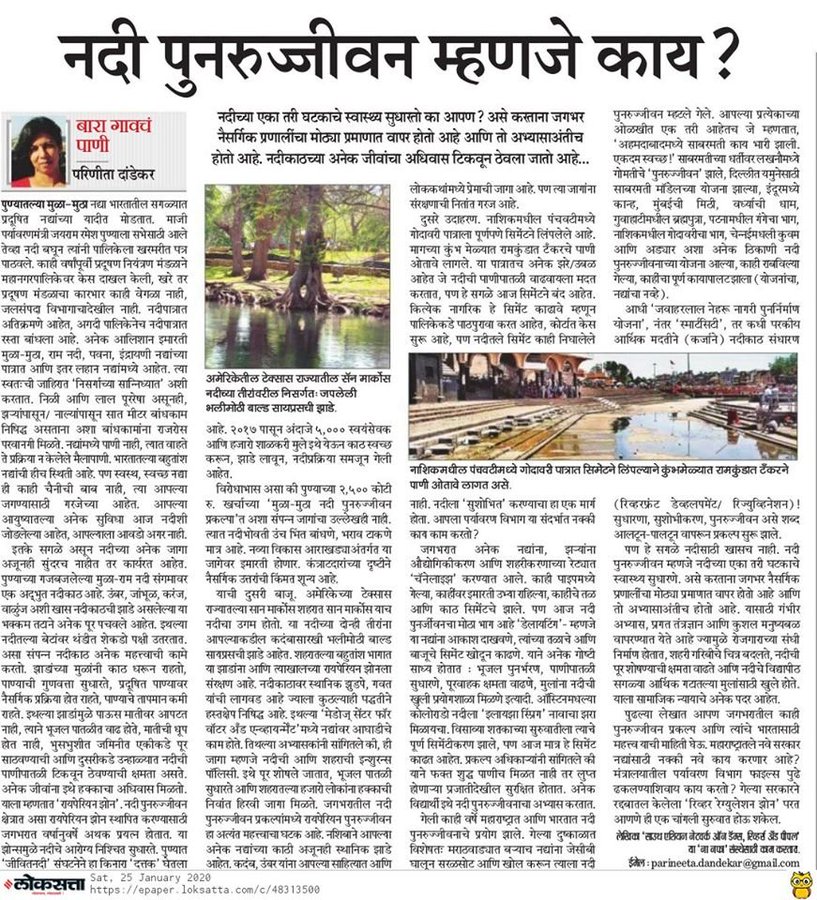
The statement of Shri U P Singh, secretary, Union Water Resources Ministry, that “industry (private or public sector) could adopt small rivers” seems to suggest that the government is moving towards handing over the rivers to Corporate bodies. The example Mr Singh gave of Drayavati River of Jaipur is even more disturbing since that river has been completely destroyed by the project implemented by the Tatas. It should not surprise though, considering that no less than the Prime Minister has been giving the example of canalisation of Sabarmati as an example of rejuvenation of the river. If this is what the government means by rejuvenation, that even Ganga and Yamuna are facing major risks of destruction. Its not less shocking that while Nitish Kumar, the Chief Minister of Bihar has questioned Modi government’s attempt to achieve Nirmal Ganga without attempting Aviral Ganga, his own government is basically following the same Sabarmati model on Ganga in Patna. If this is the example of “rejuvenation” of river according to the top most bureaucrat of of the government in charge of Water resources, nothing can save India’s rivers except a people’s movement against such moves wherever such destruction of rivers is attempted.

Continue reading “DRP: 27 Jan. 2020: Beginning of Corporatisation of Rivers?”
Wetlands

J&K Wetlands Overview 2019: New Threats Looming, Old Remain Unresolved

Jammu and Kashmir has many wetlands of national importance and international recognition. These water bodies are critical source of livelihood and job opportunities for a large number of population in form of fishing, farming, tourism etc. Moreover, most of the wetlands in the region fall under Central Asian Flyway Zone (CAF) and visited by lakhs of migratory and endangered birds during their annual migration march. These wetlands areas also provide safe refuge to native vegetation and wild animals. Their protection is crucial to combat the dual impact of climate change, water scarcity and flooding.  

Continue reading “J&K Wetlands Overview 2019: New Threats Looming, Old Remain Unresolved”

Sand Mining

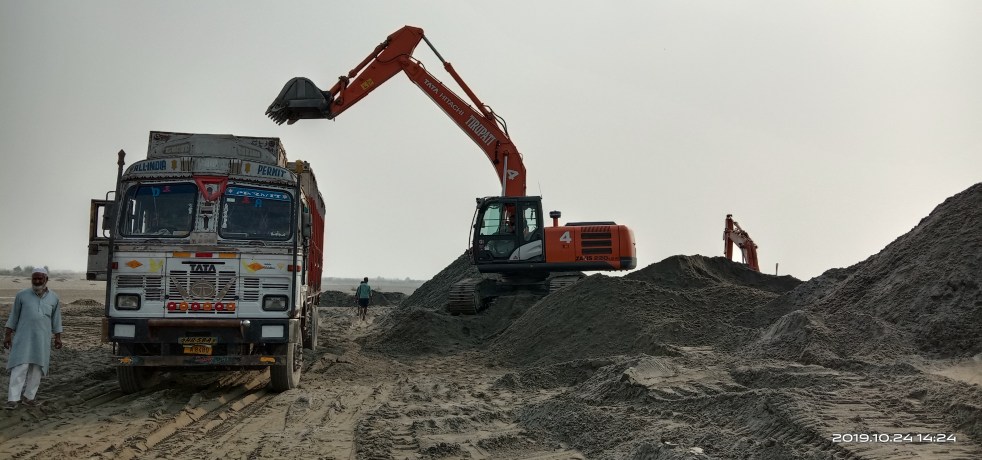
Haryana Riverbed Mining 2019: Yamuna Robbed of Minerals, Flows

For past two years, large scale mechanized and illegal mining is happening in Yamuna River in Haryana state. The miners have created deep pits across the riverbed in Yamuna Nagar, Karnal, Panipat and Sonipat districts. Year 2019 has been a deficit monsoon year in Yamuna basin and the river had started shrinking unusually during October month. The rampant riverbed excavation has further robbed it of lean season flows. This detailed overview of river sand mining in Haryana in 2019 shows the severe impact of unsustainable and illegal mining practices on the river and villagers due to insensitive government and inefficient administration.

Continue reading “Haryana Riverbed Mining 2019: Yamuna Robbed of Minerals, Flows”