Godavari · River Pollution

TOXIC EMERGENCY IN NASHIK AHEAD OF KUMBH MELA: GROUNDWATER TESTS 1,000 TIMES OVER SAFE CHROMIUM LIMITS

PRESS NOTE — FOR IMMEDIATE RELEASE

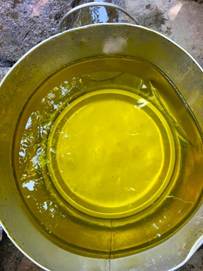
Laboratory testing has confirmed acute toxic contamination ongoing in Ambad, Nashik, where residential borewell water has turned bright yellow, likely due to industrial hexavalent chromium [Cr(VI)] from the Ambad MIDC.

Local activists Roshan Kedar, Rajesh Pandit, their team and volunteers highlighted the issue and have been consistently following up with residents. Parineeta Dandekar, SANDRP visited the site and got the groundwater the sample tested in an accredited lab.

Continue reading “TOXIC EMERGENCY IN NASHIK AHEAD OF KUMBH MELA: GROUNDWATER TESTS 1,000 TIMES OVER SAFE CHROMIUM LIMITS” →
Dams · Godavari

Godavari Basin in Maharashtra: A Profile

The river Godavari is the largest of the peninsular rivers of India. Maharashtra is home for its early flows and Godavari for Maharashtra is no less than Ganga. Referred to as Dakshin Ganga the river holds immense spiritual and cultural significance. Several places at its origin are said to be abode of Rama during the exile. These places are worshipped even today.

One of the unique aspects of this river is that it drains nearly entire East to West length of Maharashtra. And while running ceaselessly towards the Bay of Bengal the river encompasses nearly all the geographically diverse regions of the state. Originating in Western Ghats this river later traverses through the arid and dry region of Marathwada and then emerges in high rainfall region of Vidarbha. While the Upper Godavari sub basin is a part of prosperous sugar cane growing belt of Western Maharashtra; its tributaries like Manjara and Wardha-Wainganga flow through the region where there is still significant potential of local water systems.

Continue reading “Godavari Basin in Maharashtra: A Profile” →