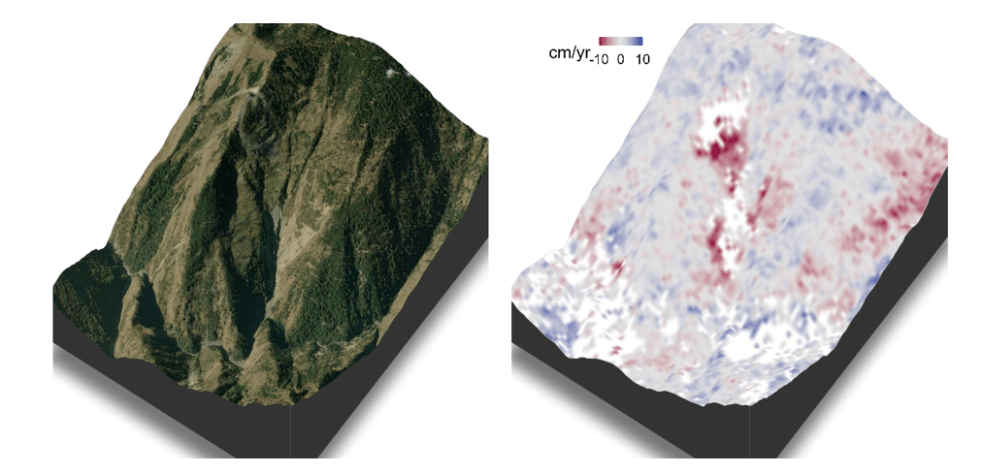
डॉ जैकब स्टीनर, पोस्टडॉक फेलो भूगोल और स्थानिक अनुसंधान संस्थान, ग्राज़ विश्वविद्यालय, ऑस्ट्रिया (jakob.steiner@uni-graz.at) और अमृत थापा, डॉक्टरेट छात्र, फेयरबैंक्स विश्वविद्यालय अलास्का (aamritjnu@gmail.com) द्वारा एक त्वरित जोखिम आकलन रिपोर्ट। इस रिपोर्ट का अंग्रेजी अनुवाद यहाँ देखें।
Continue reading “पिंडर घाटी उत्तराखंड: कुंवारी में भूस्खलन निर्मित बांध के संभावित खतरे “Tag: Landslide
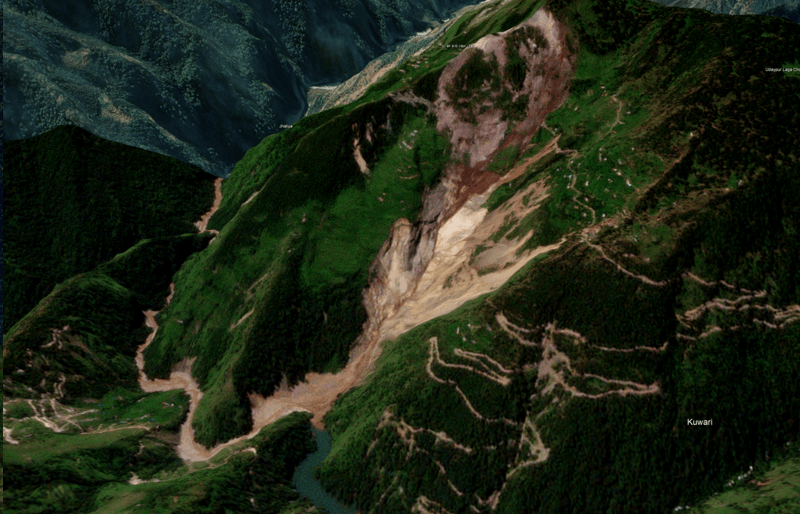
Pindar Valley, Uttarakhand: Potentially Dangerous Landslides Dam in Kunwari
A Rapid Hazard Assessment Report by Dr Jakob Steiner a postdoc fellow at the Institute of Geography and Spatial Research, University of Graz, Austria (jakob.steiner@uni-graz.at) and Amrit Thapa a doctoral student at University of Alaska Fairbanks (aamritjnu@gmail.com). A Hindi version of this report can be seen here.
Continue reading “Pindar Valley, Uttarakhand: Potentially Dangerous Landslides Dam in Kunwari”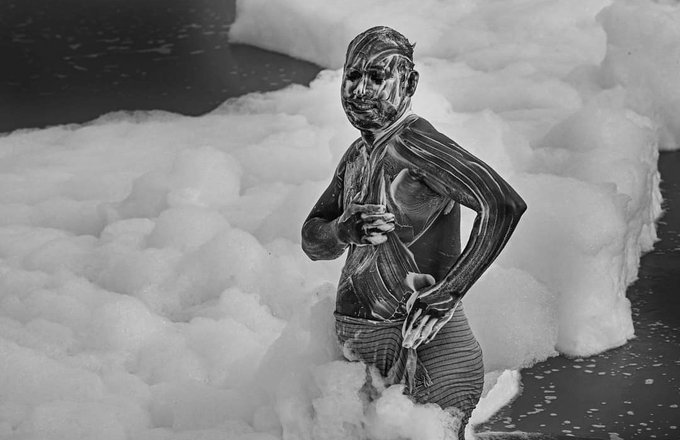
DRP 111124: URBAN RIVERS in focus this week
(Feature Image: A man bathing with toxic foam in polluted Yamuna in Delhi. Image is taken by Anindya Chattopadhyay @ANINDYAtimes Deputy Photo Editor,The Times Of India, Delhi and shared on X by Somreet Bhattacharya @Somreetb on Nov. 06, 2024)
This week there is some interesting news about a number of Urban rivers including Pune Rivers, Musi (Hyderabad), Chennai Rivers, Budha Dariya (Ludhiana), Gomti (Lucknow). All the news underlines some serious existential issues for Urban Rivers and raising of voices about it by local communities, governments or legal authorities.
In fact, this is part of a trend that is going on for some years. This sounds like a positive development. But unfortunately, it is not. In fact, this is sign of deteriorating condition of Urban Rivers and increasing Urban footprint on our rivers, going far beyond the boundaries of the cities. Closer examination shows that in spite of some efforts from environmental groups, local communities, some elements in the governments and the courts, the condition of our Urban Rivers is getting worse, much worse than the state of our rivers in general. More worryingly, there are almost no success stories, except some temporary respites at some places.
Continue reading “DRP 111124: URBAN RIVERS in focus this week”
DRP 07×24: Global Dam Safety Challenge in Changing Climate
It is increasingly clear that Large Dams across the world are facing increasing challenge due to climate change. In recent years, we have already seen serious dam disasters in Australia, Brazil, Canada, India, Kenya, Libya, Nepal, Nigeria, Poland, Spain, Sudan and USA to name just a few.
All these are related to extreme rainfall events, which are going to only increase in intensity, frequency and spread. It is interesting that hydro industry platform has come out with this report highlighting this issue this week.
For a country like India, the third large dam builder in the world, this challenge is going to be even more daunting as we have been seeing the increasing number of dams related disasters in last few years. As we remember the Teesta 3 dam disaster a year ago, the nature and dimension of this challenge becomes even starker. This is also exemplified by the fact that the dam safety panel report about this disaster is not even out in public domain. And even now new theories are being proposed about what happened during the disaster.
Continue reading “DRP 07×24: Global Dam Safety Challenge in Changing Climate”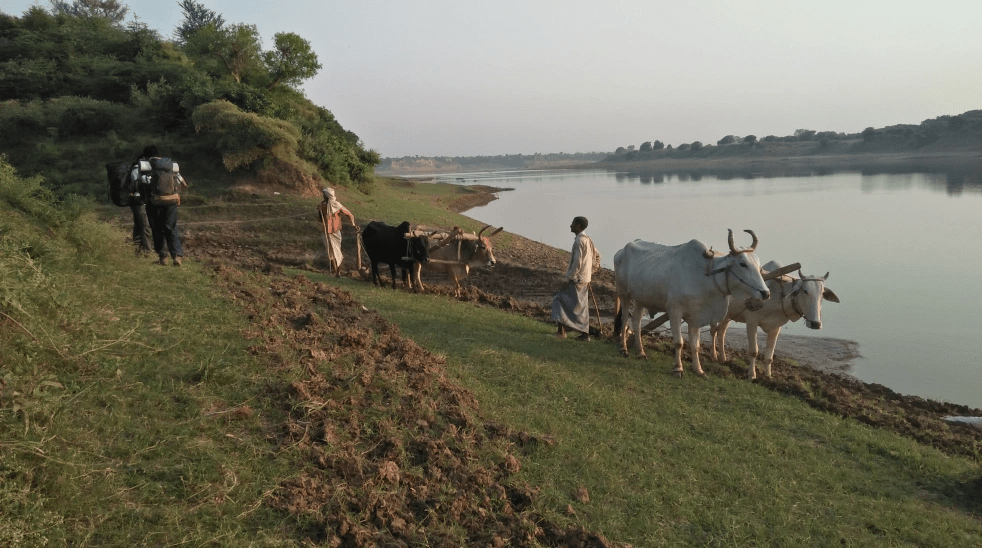
DRP 300924: Focus on River Studies
Rivers are the most important ecosystems (eco here includes ecology and economy) and yet possibly least studied entities. Some news below this week about some river studies brings the focus on need to take up many more river related studies.
Most important aspect of river related studies is the need for credible, independent studies, not influenced by the needs of the governments. Otherwise, the government is likely to not only influence the study, but also decide not to make it public as they did in case of the studies related to Joshimath town and role of Chamoli disaster.
Continue reading “DRP 300924: Focus on River Studies”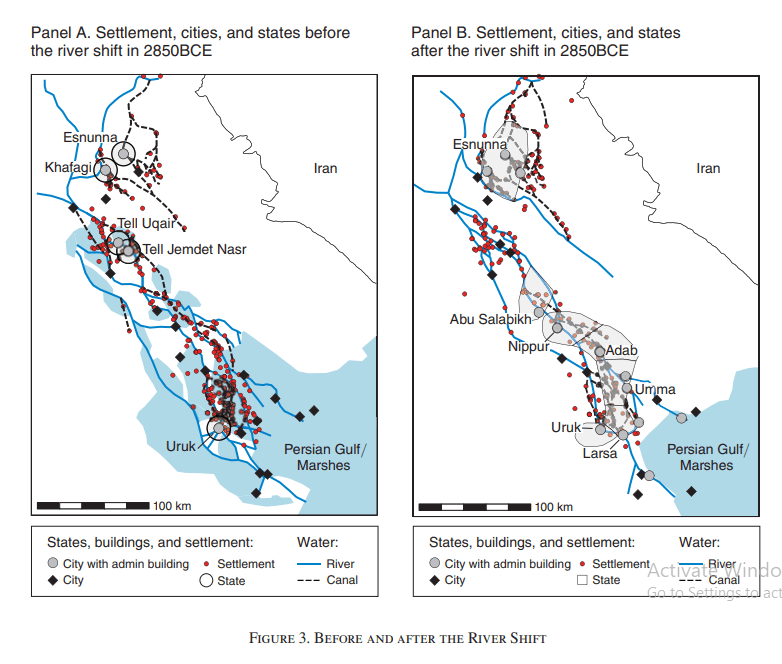
DRP 230924: Role of rivers in the birth of governments
(Feature Image Source: The Economic Origins of Govt)
Interesting research published in 2023 suggests that archaeologists and economists are now learning that dynamic, shifting rivers also created conditions that triggered people to develop some of the first organized govts on the planet.
In the research published in The American Economic Review Robert Allen and two co-authors found that Agriculture and large settlements emerged alongside rivers because they could tap into the gifts of rivers: close access to water and fertile soil. But rivers can move and take those gifts away. So, society developed organized govts to work collectively to regain their access to those gifts.
Continue reading “DRP 230924: Role of rivers in the birth of governments”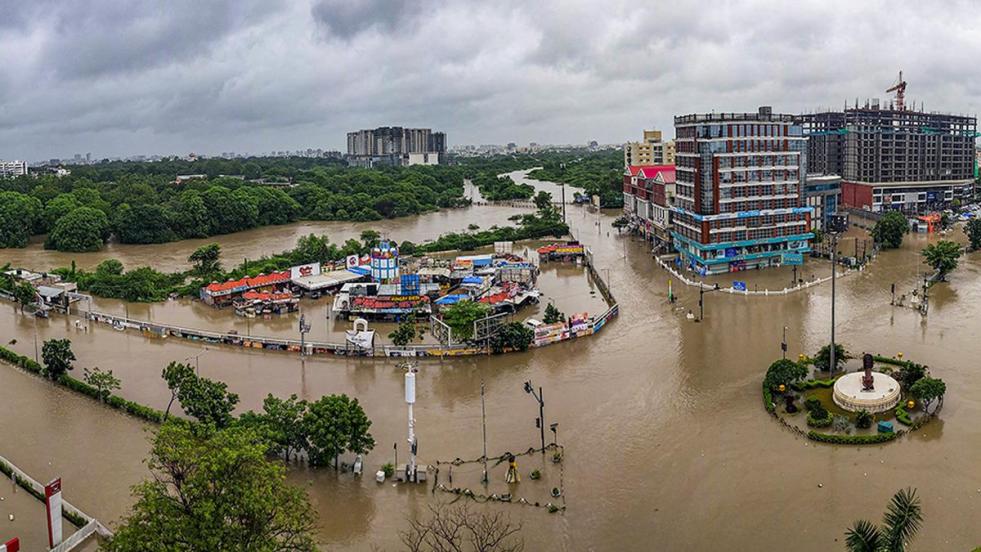
DRP 160924: Urban Flood lessons from Vadodara, Vijaywada
(Feature Image: Vadodara: A flooded area after heavy monsoon rainfall, in Vadodara, Aug. 27). Photo Credit: PTI/The Hindu)
Like every monsoon, a number of cities have faced catastrophic floods in SW monsoon this year. Vadodara and Vijaywada have got the media attention more than any other city for urban floods this year. In both cases a number of factors are common: role of upstream dams, encroachment on water bodies including rivers, lakes, streams, role of illegal sand mining particularly in Vijaywada, not having learnt any lessons from past flood disasters.
It is interesting to see Andhra Pradesh CM hinting at bringing HYDRAA like enforcement institution to remove encroachments on Budameru and other water bodies. Considering the nature of his politics and track record, it is doubtful if this NDA CM will take such a bold step, but it is certainly worthy of consideration for almost all urban areas in India.
Continue reading “DRP 160924: Urban Flood lessons from Vadodara, Vijaywada”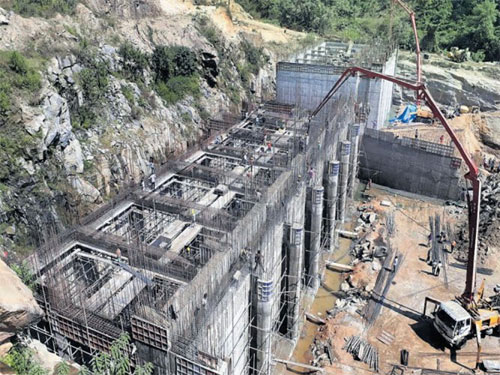
DRP 090924: Question marks over Yettinahole should not be buried under money spent
(Feature Image: File photo of Yettinahole Project. Source: Daijiworld)
The Yettinahole project has seen protests and question marks right from the time when the project was proposed, none of them have been convincingly answered. As the Karnataka Chief Minister and his deputy commissioned a small part of it, those question marks remain as relevant today, including its hydrological viability, environmental impact assessments and sustainability, with hugely weakening of the western ghats by such major interventions without any credible impact assessments. (see: https://sandrp.in/2013/09/18/yettinahole-diversion-an-imprudent-rs-100-billion-proposition/)
It is good to see CWC and MoEF have also raised some questions and asked report even at this stage. One however expects CWC to raise such questions much earlier in the project cycle and before the project becomes fait accomplice. Else, it seems more like politicking. MoEF could have raised issues of violations before the violations happened on ground and should have refused to provide piece meal forest clearances as it has alleged.
Continue reading “DRP 090924: Question marks over Yettinahole should not be buried under money spent”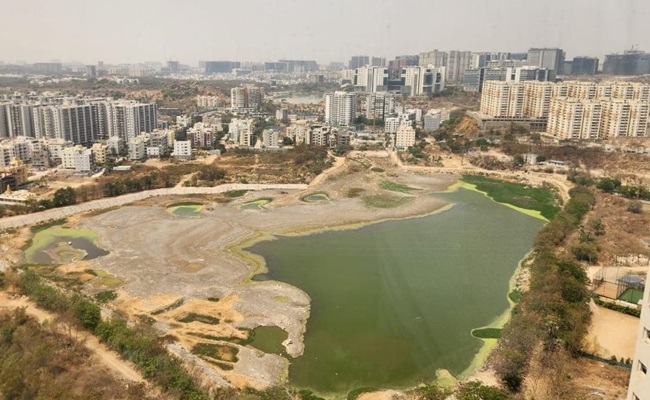
DRP 020924: HYDRA to protect water bodies in Hyderabad – a landmark move?
(Feature Image: An analysis of satellite imaging of 54 lakes taken in 1979 and 2023, secured by the HYDRAA from the NRSA shows that 40 lakes or nearly 75 per cent of lakes have shrunk by half. (Image: Twitter/DC)
The Hyderabad Disaster Response and Asset Monitoring and Protection Agency, or Hydra was established under GO 99, dated July 19 2024. A task the agency has taken up in all seriousness is protection of water bodies in the Hyderabad Capital Region (it includes 4 districts). To begin with it has started demolition of buildings illegally built inside the Full Tank Area (FTL) and Buffer area of the water bodies.
In July, Telangana Chief Minister Revanth Reddy replaced the Enforcement, Vigilance and Disaster Management (EVDM) wing of the government with Hydra, a body mandated to tackle illegal encroachment on water bodies in the Greater Hyderabad Municipal Corporation (GHMC) limits and surrounding areas. Its strength was upgraded from around 800 to 2,200 and its officials came directly under the principal secretary, municipal administration and urban development or the CM himself. “Hydra will also ensure the protection of water bodies in and around Hyderabad,” former EVDM commissioner and Hydra chief A V Ranganath said during its inception.
Continue reading “DRP 020924: HYDRA to protect water bodies in Hyderabad – a landmark move?”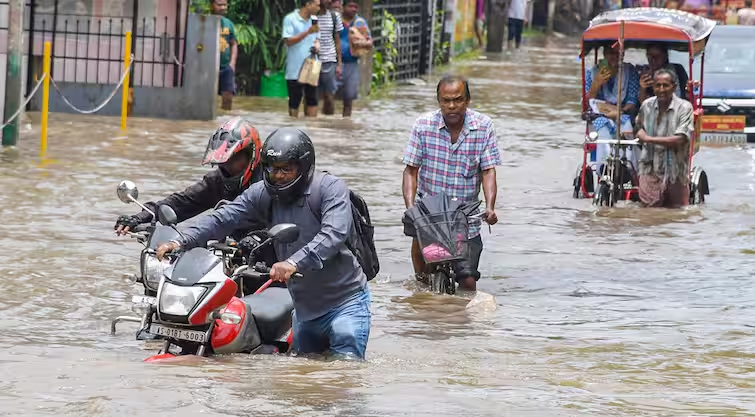
DRP N260824: Urban flooding plan welcome, Urban Water Sector needs attention
(Feature Image: Assam Floods: Commuters wade through a flooded road after incessant rains, in Guwahati, Friday, July 5, 2024. Image Source: PTI/ABP Live)
The Union Government plan to spend Rs 2517 Cr in 2 years in seven metro cities to mitigate floods is certainly welcome announcement. The key component of the plan, conservation and improving capacity of urban water bodies is noteworthy along with storm water drainage. Does it mean that the River Front Development projects that actually reduce the flood carrying capacity of the rivers will be closed, since one does not expect govt to be working at cross purposes in different schemes.
In fact, Urban Water Sector as a whole needs attention with National Urban Water Policy as a first step. This is because the groundwater aquifers that are fast being emptied out, can be least cost option for storing the excess rain water, serving the purpose of reducing storm water drainage load and also improving water conservation. There is huge scope for this in all the seven metros listed in the scheme as also in many other cities.
Continue reading “DRP N260824: Urban flooding plan welcome, Urban Water Sector needs attention”
