DRP News Bulletin

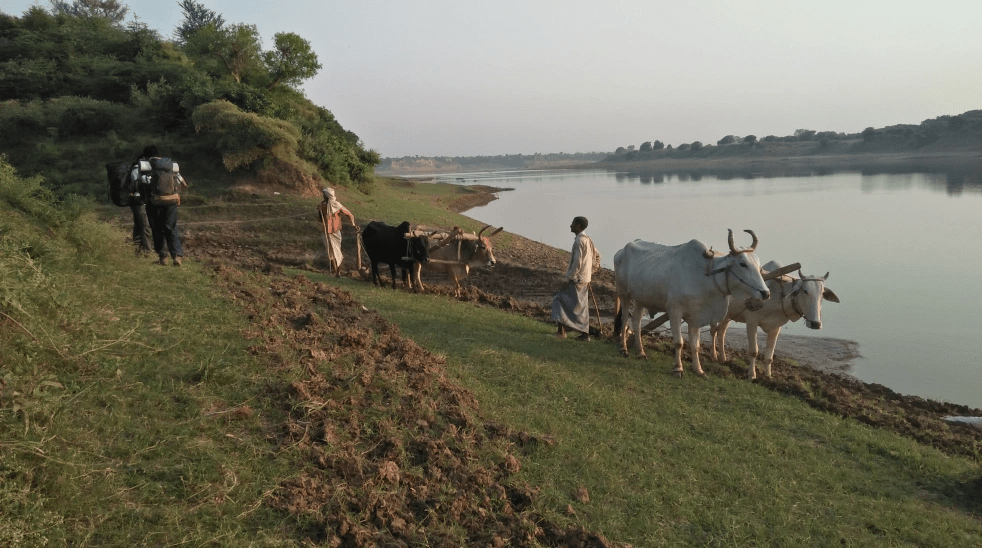
DRP 300924: Focus on River Studies

Continue reading “DRP 300924: Focus on River Studies”
Water Options

Becoming water smart holds the key to our water secure future

As somewhat belated summer in North India reaches its peak, with ongoing heat wave in Delhi and surrounding areas, there is increasing fear of water scarcity. The media generally uses one figure to highlight this situation, namely Live Storage in some 150 reservoirs in Central Water Commission (CWC)’s Weekly Reservoir Bulletin (WRB) that is published every Thursday afternoon (why cannot this be given on daily basis is a mystery).

Continue reading “Becoming water smart holds the key to our water secure future”
Dams · Free flowing rivers · Photo Feature

In Photos: People of the Free-Flowing Tirthan

River Tirthan, a tributary of the Beas in Himachal Pradesh is one of the rarest rivers in India. Not because it is teeming with trout, not because the tiny valley is home to nearly 100 species of butterflies, not because it has several functioning water mills running with flow of the river, but because it is protected by the Himachal Legislature as a perpetually free-flowing river: A No-Go River for Hydropower and other dam projects. Read about how it came to pass here: Muktadhara Tirthan (https://sandrp.in/2022/06/15/muktadhara-tirthan/)

Continue reading “In Photos: People of the Free-Flowing Tirthan”
Agriculture · Water

ECONOMIC SURVEY 2020: WHERE IS THE GROUND REALITY?

One of the key objective of the Economic Survey is to provide an accurate account of ground realities on various aspects affecting the Economy of the country and also what has the govt been doing to address the issues that such an account throws up. From a look at the key issues that SANDRP focuses on, it seems that the Economic Survey for 2019-20 that was released on January 31, 2020 does not even attempt to provide an account of the ground realities. Continue reading “ECONOMIC SURVEY 2020: WHERE IS THE GROUND REALITY?”

Bangladesh · Rivers

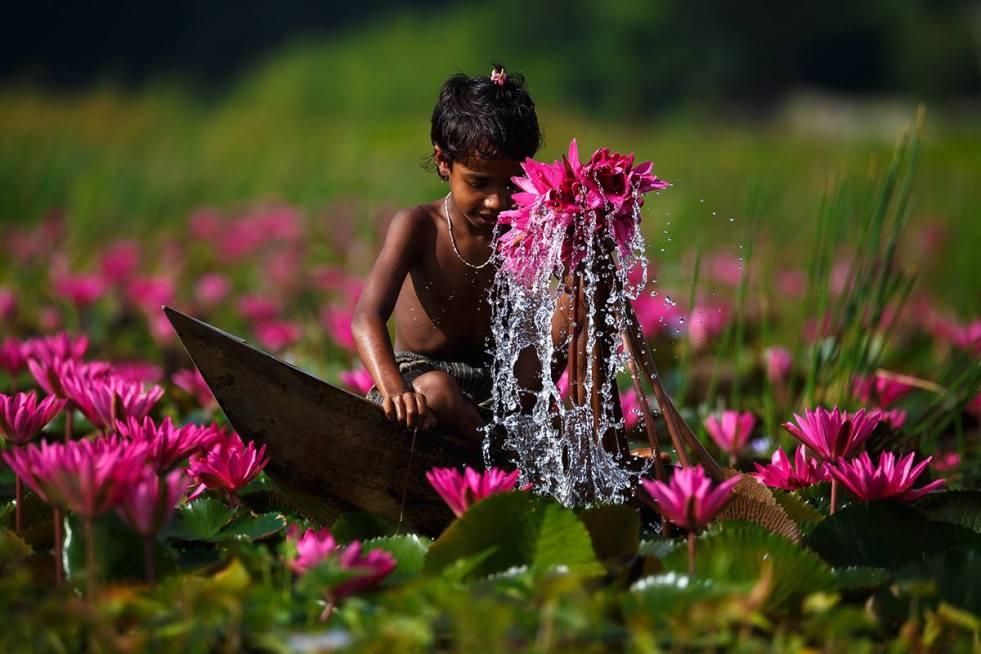
Bangladesh DRP Overview 2019

HISTORIC COURT JUDGMENT: TREAT RIVES AS LIVING ENTITY

In a historic judgment, the High Court (HC) of Bangladesh has declared Rivers as living entities and the NRPC (National River Protection Commission) as the legal guardian of all rivers. The HC said that river encroachers cannot run in any elections or get bank loans. The HC delivered the judgment in response to a petition (WP No. 13989/2016) by Human Rights and Peace for Bangladesh. The writ petition was filed on Nov. 7, 2016. Continue reading “Bangladesh DRP Overview 2019”

Water

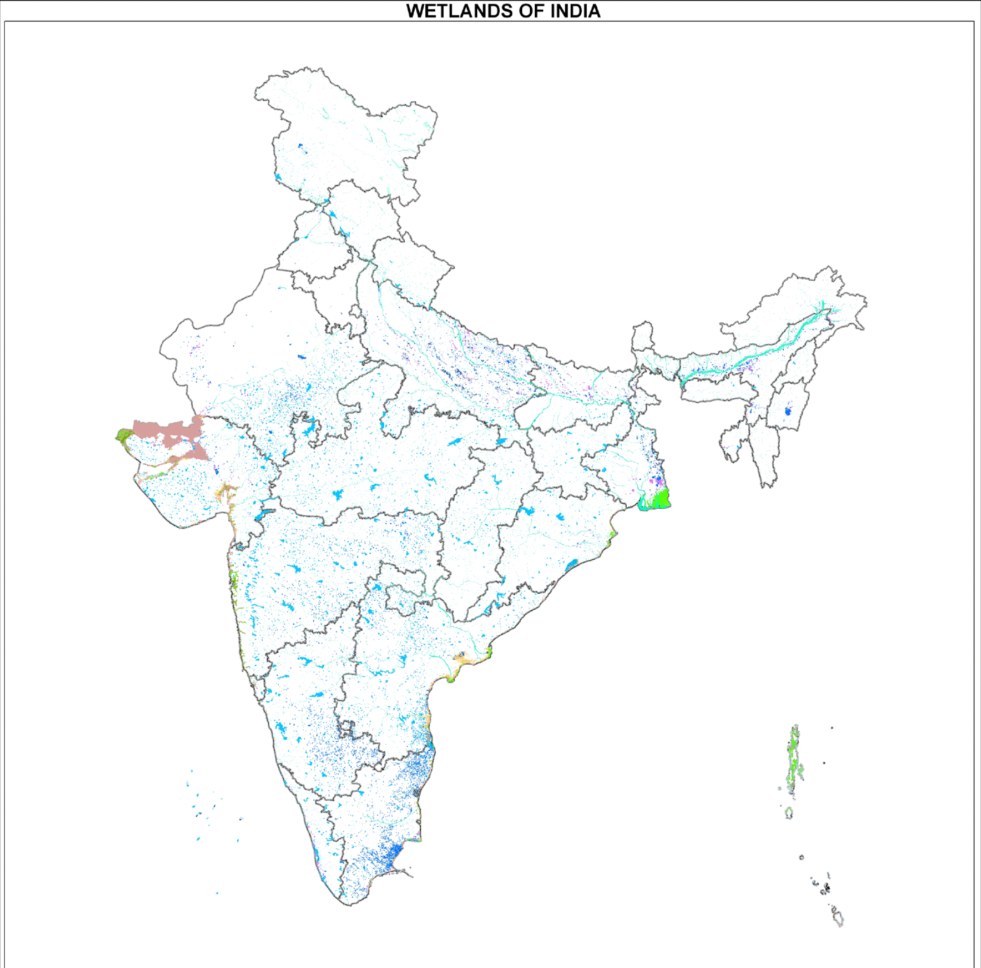
India Water Challenges in the context of 2019 elections

SYNOPSIS: Everyone concerned agrees that India is facing unprecedented and worsening water crisis. Some of the key aspects of water sector challenges include: Lack of reliable water information, need for restructuring of institutions, groundwater lifeline in distress, politicians and institutions pushing more large dams when evidence shows they do not work, the need for attention to maintenance of massive water infrastructure, the increasing footprint of Urban water sector, State of our rivers in general and Ganga in particular, water management for agriculture, governance and changing climate, among others. Unfortunately, these challenges do not seem to get reflected as electoral issues and all parties are equally to be blamed for this. The current Union government has very poor report card on almost every one of the water sector challenges, and its seems like a series of missed opportunities.

Continue reading “India Water Challenges in the context of 2019 elections”

Bhagirath Prayas Samman · Chenab · Dams · Himachal Pradesh · Hydropower · Sutlej

Bhagirath Prayas Samman: Himdhara Collective: Relentless Questioning and Doing

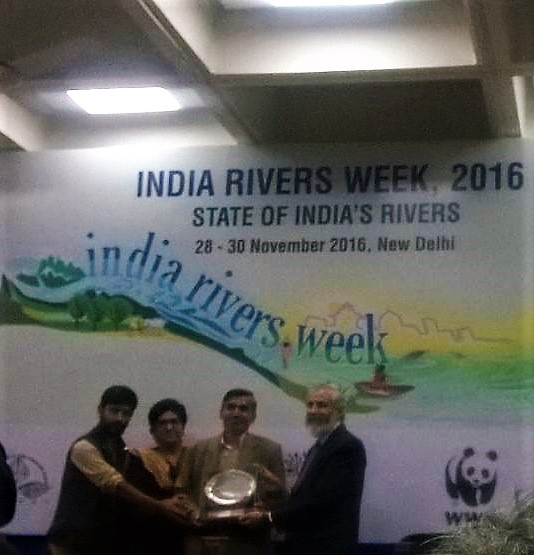
When I talk with Manshi, a friend and co-traveler from Himdhara Collective about Bhagirathh Prayas Samman that the collective received during the India Rivers Week 2016, she is modest, even slightly hesitant. She simply says, “We love the mountains, we want to protect them and help mountain communities fight the unequal battle against unplanned hydropower. That is one motivation of our work. But the other is recognition of the fact that we are privileged… privileged to be able to speak English, to work on a computer, to understand the bureaucratic procedures that alienate a tribal or forest dweller from her land. That understanding also drives us.”

Citation of Bhagirath Prayas Samman given to Himdhara Collective states: Himdhara’s strength is its engagement with communities, movements and organisations. It has created an effective discourse around issues of resource distribution and their ownership and the resultant impacts on ecological spaces of mountain communities, especially vulnerable groups like indigenous people, dalits and women. It is an honor to recognize and celebrate Himdhara Environment Research and Action Collective’s extraordinary Bhagirath efforts in maintaining the integrity of rivers in Himachal Pradesh.”

In their own words, “Himdhara is an autnomous and informal non registered environment research and action collective, extending solidarity and support, in research and action, to people and organisations asserting their rights over their natural resources and agitating against corporatisation of these resources for destructive development in the state.”

IMG_9726
Face of Hydropower in Kinnaur Photo: Himdhara

A collective of young, passionate and questioning minds, Himdhara has been working with communities in far flung areas of Himachal Pradesh include Lahaul and Spiti and Kinnaur in their fight against the onslaught of ill-planned and bumper to bumper hydropower projects in Himachal, amongst other issues. Continue reading “Bhagirath Prayas Samman: Himdhara Collective: Relentless Questioning and Doing”

Dams · DRP News Bulletin

DRP: 14 Nov 2016 (Northeast Monsoon Failing, Water Crisis in South India to Become Worse)

To provide much-needed succour to those reeling under severe drought and facing acute drinking water shortage, as part of temporary drought-mitigation measures, the district administration has established helplines in all seven taluks.

A look at impacts of failing Northeast Monsoon on 4 South Indian States 

South India Northeast Monsoon Failing; Water Crisis To Become Worse Andhra, Tamil Nadu, Kerala & interior Karnataka generally receives good rains during the Northeast Monsoon period that commences from Oct until Dec. However, this year, rains have remained scanty over entire Southern India region. Northeast Monsoon has also set in quite late during Oct end. As of now excluding scattered rain events, Monsoon like heavy rains are still far from coming to the southern region of the country. This is a clear indication of possibility of drought-like conditions that might prevail over south peninsula during Northeast Monsoon. In a nutshell, the picture is not very encouraging for next few days and also any significant increase in rains are not foreseen over the southern regions of the country.

Continue reading “DRP: 14 Nov 2016 (Northeast Monsoon Failing, Water Crisis in South India to Become Worse)”
Dams · DRP News Bulletin

DRP: 31 Oct. 2016 (North to South India: Pharma Firms’ Waste Poisoning Rivers, People & Animals)

National The cost of cheap drugs The Bollaram-Patancheru region in Hyderabad, Telengana is famous for being one of the most polluted industrial areas in India. The periphery around the area has become so toxic one that 2001 article recommended that “most of the soils should be removed from agricultural production” in Patancheru. There is an increase in higher abortion rates to birth defects and stunted growth in children, as well as greater incidence of skin diseases in the region. In the district of Medak in the state of Telangana, Greenpeace in its several reports has identified that people, animals, crops and land have been afflicted by the pollution of industrial waste. Villagers report many serious health issues, including miscarriages, skin disorders, cancers and intestinal problems. The livestock suffer from the same problems. Most, not to say all, food grown in the village is unfit for human consumption. An inspection report published by CSE in November 2015 noted that most companies in Pattancheru-Bollaram were manufacturing pharmaceutical ingredients for which they did not have permission; using more water than the permitted limit and dumping more hazardous waste than allowed. Two of the units were operating without clearance from authorities.

In the case of the Ghaggar river in Punjab, all along its river course, one can witness foul smell, contamination of subsoil water, spread of water borne diseases and chances of damage of crop due to the presence of industrial chemical waste due to industrial waste from the industries in Punjab and Himachal. Media reports report similar occurrences around the Bhiwadi belt, where pharmaceutical companies discharge untreated effluents into drainages which then seep into the groundwater, making way into drinking water supply and agricultural land, resulting in environmental and health risks of unimaginable proportions.

In many low and middle income countries, weak laws and ineffective regulatory bodies have led to rising incidences of industrial waste flowing into ponds, lakes and rivers. If we examine the causes, the role of the pharmaceutical industry is similar to printing, chemical and paint industries. Pharma effluents contain hazardous chemicals which are leading to antimicrobial resistance or AMR where the human body is resistant to antibiotics, and thus, becomes susceptible to common infections. The very same ingredients used to manufacture antibiotics get mixed up with the bacteria during waste disposal, through our waters. Studies have shown that high levels of antibiotics are found in streams and lakes in the area close to many plant than in the body of human beings. The phenomenon is such that it is assuming the form of a serious public health issue in developing as well as developed countries. Over 700,000 people die every year because of antimicrobial resistance (AMR) all over the world. If this trend persists and resistance continues, McKinsey studies has shown that by 2050, around 10 million people globally will die because of AMR (Antimicrobial Resistance)

It is pertinent to note that New Delhi metallo-beta-lactamase superbug (NDM-1), a bacteria, first found in New Delhi’s public water supply in 2008, is resistant to almost all known antibiotics and has spread to over 70 countries in the world.

On the other hand, scientists from multiple institutes having done a detailed study on river pollution concluded that arsenic in the study areas poses potential health risk to the residents and indicates that the “ingestion of water over a long time could magnify the probabilities of cancer.  They collected and assessed concentrations of 27 trace elements in surface water samples from 48 sites of waterways (lakes, canals, and tributaries of major rivers) in four states: Karnataka, Tamil Nadu, Kerala, and Telangana. Analysis revealed that elements such as chromium, selenium, arsenic, iron, and manganese are the major pollutants, as their concentrations exceeded the acceptable national and international water quality standards in several sites of Vrishabhavathi, Ennore, Adyar, Cooum and Periyar rivers. Further, statistical analysis revealed that the Cauvery, Ennore, Adyar, Cooum and Periyar river basins are affected by various anthropogenic activities, leading to moderate-to-high pollution by arsenic, chromium, manganese, iron, and selenium. According to the scientists, potential pollution sources are industrial waste, sewage intrusion, paint industry waste, and automobile runoff. 

Continue reading “DRP: 31 Oct. 2016 (North to South India: Pharma Firms’ Waste Poisoning Rivers, People & Animals)”