DRP News Bulletin

DRP 13 June 2022: Down in Dumps, MoEF becomes more opaque

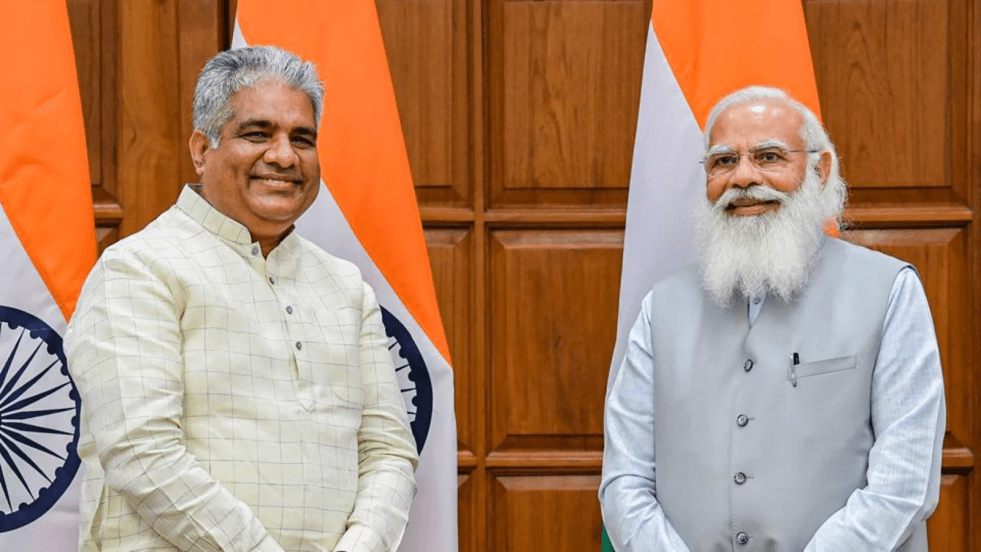
(Feature image: Union Environment Minister Bhupender Yadav with PM Narendra Modi before taking oath on July 7, 2021 PTI/HT.)

While the news that India has achieved the worst ever ranking of 180, at the bottom of 180 country index in terms of Environment Performance Index was shocking, it should not surprise too many people considering the way environment is treated by the current central government, particularly the Union Ministry of Environment and Forests (MoEF). As expected, MoEF questioned the methodology of the assessment, and the criticism has been responded to and rejected by the authors of the EPI report.

Now with a dictate of the MoEF (dated Apr 8, 2022, preceding the EPI news) coming to light, the trajectory of the MoEF should leave no one in doubt. Through this dictate, the MoEF has asked the Wildlife Institute of India (WII), a supposedly autonomous institute of the Ministry, to seek the ministry’s approval before it publishes any document, that too with retrospective effect! WII in any case, was towing the ministry’s line in many of the cases as is evident from its performance in regulatory committees like the Forest Advisory Committee, National Board of Wild Life and Expert Appraisal Committee (on River Valley Projects, possibly among others). And yet the Ministry has come out with this dictate, without giving any reasons, possibly since some of WII reports have been problematic for the govt in judicial proceedings in some cases. But the MoEF move to stop WII from publishing (and hence doing) any credible studies only shows the paranoia of the ministry. Its performance index would not improve this way, it would only get worse.

Continue reading “DRP 13 June 2022: Down in Dumps, MoEF becomes more opaque” →
Hydro Disaster

Disaster at Tidong Hydropower project kills 2 in May 2022

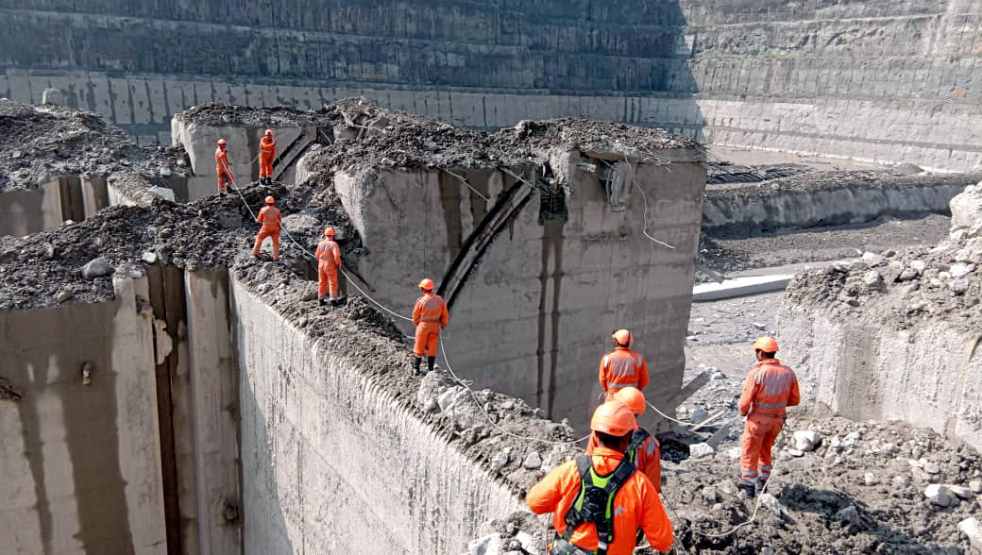
(Feature image: Rescue operation at Tidong HEP tunnel. Image source: Divya Himachal)

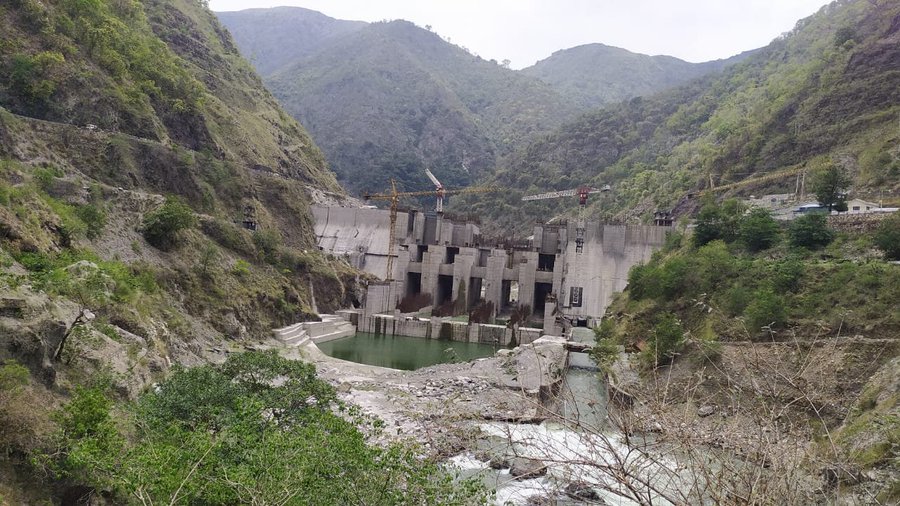
Early morning around 5.45 am on Saturday, May 7, 2022, five labourers were stuck while coming out from the 180 m deep tunnel of the under construction 100 MW Tidong Hydropower project[i] in Murang Tehsil of Kinnaur district of Himachal Pradesh when debris fell into the tunnel (according to one report) and the lift in which the 5 labourers were coming out over turned[ii]. The trolley with 5 workers inside pressure shaft of adit 2 tunnel slipped off its track. The workers were coming out as their shift had ended.

Continue reading “Disaster at Tidong Hydropower project kills 2 in May 2022” →
Ramganga

उत्तराखंड: सड़क मलबे में दफन होती रामगंगा की धाराएं

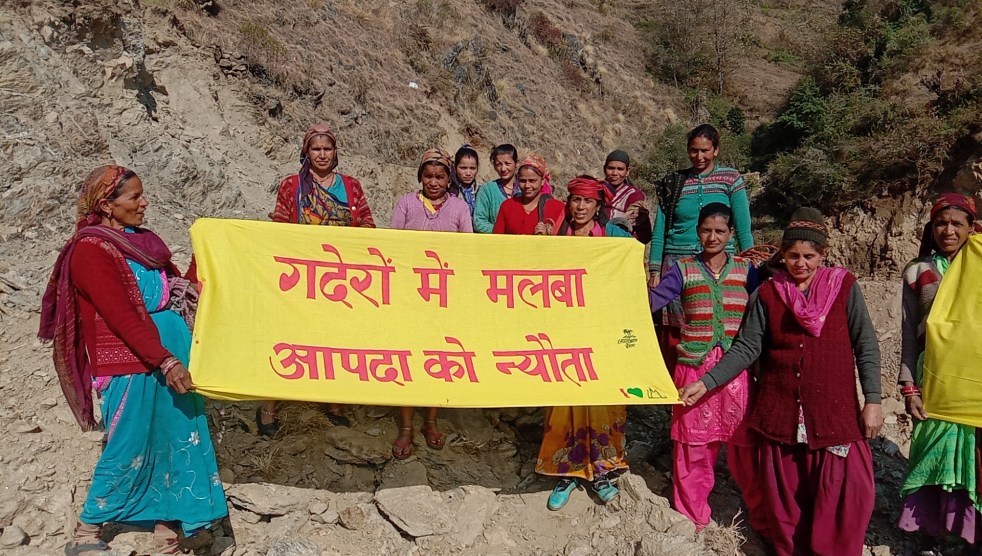
यह सचित्र रिपोर्ट इस बात पर प्रकाश डालती है कि कैसे उत्तराखंड में ग्रामीण क्षेत्रों में सड़क निर्माण दौरान उत्तपन्न मलबे को नियमों के विपरीत छोटी जलधाराओं, गदेरों में फेंक दिया जाता है जो नदी पर्यावरण तंत्र को तात्कालिक तौर पर नुकसान पहुँचाने के अलावा भविष्य में किसी बड़ी आपदा का कारक भी बन सकती है।  

Continue reading “उत्तराखंड: सड़क मलबे में दफन होती रामगंगा की धाराएं” →
Dams, Rivers & People

DRP 28 Mar 2022: Is Climate Change making big dams MORE dangerous?

That big dams are dangerous, disaster prone is well known, the parliament having passed the Dam Safety Act is just one of the clear evidence of it. However, are big dams becoming even MORE dangerous in changing climate? All the science and also practical evidence seems to suggest that. This is also what the SCROLL report mentioned below concludes.

What is shocking is that the CWC (Central Water Commission), India’s premier technical body on dams and water, when asked about this through an RTI, is in slumber. CWC told the journalist that there are no such cases! This should be worrying for everyone concerned including those in the risk zone of the dams, the beneficiaries of the dams and also the dam operators. This also exposes how weak is the mechanism set up by the Dam Safety Act passed recently by the Parliament is. This is because under the act, CWC Is the main organisation responsible dam safety in India. Can CWC really save us from unsafe dams, structurally unsafe or operationally unsafe? The SCROLL article illustrates through the example of Andhra Pradesh dams that CWC has not. It also quotes the compilation of SANDRP where to the frequency of disasters are only going up and there is again no confidence inspiring role from CWC.

Continue reading “DRP 28 Mar 2022: Is Climate Change making big dams MORE dangerous?” →
Ramganga

Uttarakhand: Ensure safe disposal of Rural Road debris

Road connectivity is essential in accessing basic amenities and better life in remote hills of Uttarakhand. Particularly during medical emergencies when each and every minute counts, timely access to nearest road turns decisive factor for survival of grieving persons. For these reasons, many see road construction and connectivity as single point development agenda in rural Uttarakhand.

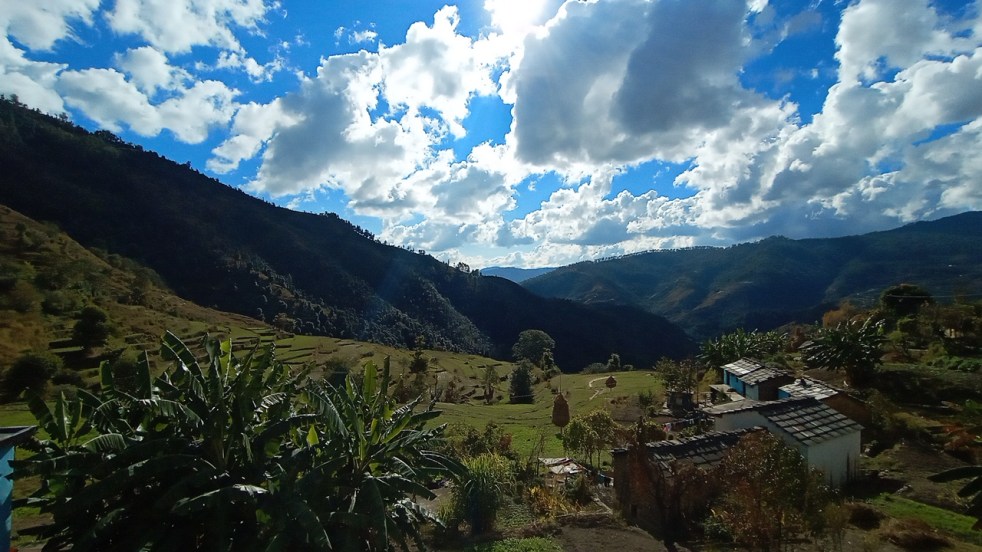
Syunsal village in Thailisain block of Pauri district is no exception and after years of struggle a 7 km long road is under construction here since first week of December 2021. The village is located in buffer zone of Dudhatoli reserve forest in Chauthan Patti which shares its border with Almora and Chamoli districts. The region is also birth place of several perennial streams forming Binnu river a tributary of Ramganga river.

Continue reading “Uttarakhand: Ensure safe disposal of Rural Road debris” →
DRP News Bulletin

DRP 28 Feb 2022: Climate Change intensifying water cycle at double the predicted rate

This should be worrying all water managers, particularly in monsoon driven climate like India. New Research by New South Wales University Science and published in Nature in Feb 2022, based on changes in salinity of sea, a new method, says that the climate change is intensifying the water cycle at more than double the predicted rate. This is also likely to have huge impact on the rainfall pattern and possible increase in frequency of high intensity rainfall events and storms, besides other impacts. This will also have impact on the Probable Maximum Precipitation and Probable Maximum Floods in the dam catchments, and would mean the current spillway capacity of many of our dams wont be adequate. All this also means increased frequency high intensity floods and disasters. Unfortunately, CWC or state dam managers in India are not even looking at these figures. India also needs to urgently take up research into all these aspects for assessing India specific impacts.

Continue reading “DRP 28 Feb 2022: Climate Change intensifying water cycle at double the predicted rate” →
Dam Disaster

Hydro Power Projects, Dams Accidents & Damages in 2021

Feature Image:- NDRF team search at Tapovan Vishnugad barrage as rescue operations continue. Source: Business Standard

Hydroelectric projects (HEPs) in India have been causing avoidable accidents and amplifying disaster potential, thus damaging the rivers eco-system, local environment and lives & livelihoods of communities. There have been several of such incidents across the country in 2021. In this report we put together a state wise account of most such incidents. 

Continue reading “Hydro Power Projects, Dams Accidents & Damages in 2021” →
DRP News Bulletin

DRP 291121: Pathetic State of Sabarmati River Front in Ahmedabad

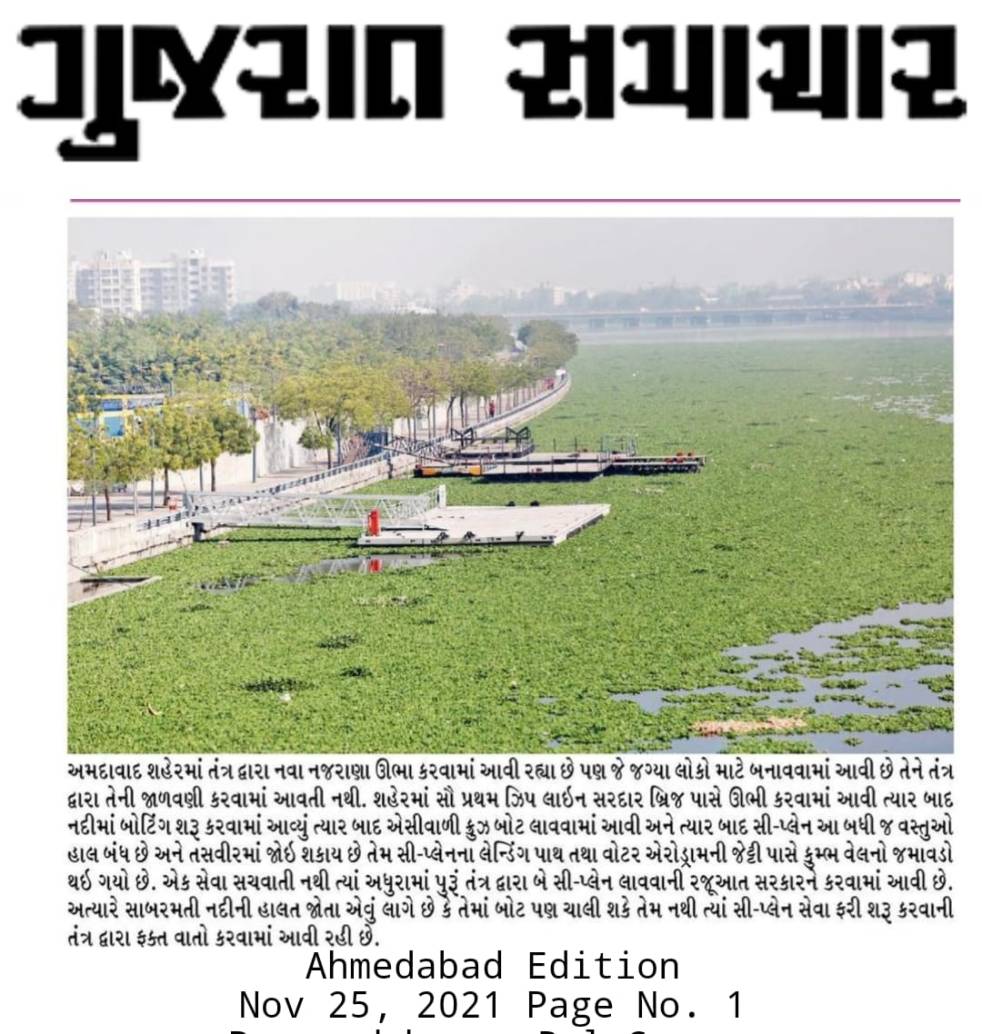
This photo from the Gujarat Samachar newspaper of Ahmadabad on Nov 25, 2021 depicts the reality of Sabarmati River Front Development. It shows that the growth of weed water hyacinth spread all over the stagnant, polluted river channel that is no longer a river. It says the boat service (running into losses) and AC Cruise services have stopped. There is no place for sea planes to land due to the growth of the water hyacinth, but the government has asked for permission to run two sea planes! There is the big issue of pollutants from industries and Ahmedabad flowing into the river that the Gujarat High Court is dealing with (see below).

Similar photos also appeared on the same date in two more Ahmedabad based two newspaper: Dainik Bhaskar and Nav Gujarat Samay, reinforcing the pathetic state of Sabarmati River Front.

Is there any doubt that all River Front Development projects are likely to face similar or worse fate than this? The situation could worsen in near future as both Sardar Sarovar Dam on Narmada and Dharoi dam on Sabarmati in the upstream of Ahmedabad have insufficient storage. In a related development, Rajasthan is threatening to stop flow of 45 TMC water to Mahi Dam, it is pertinent to note that Sabarmati also flows from Rajasthan to Gujarat.

Continue reading “DRP 291121: Pathetic State of Sabarmati River Front in Ahmedabad” →
DRP News Bulletin

DRP 151121: District Level Vulnerability Assessment in India

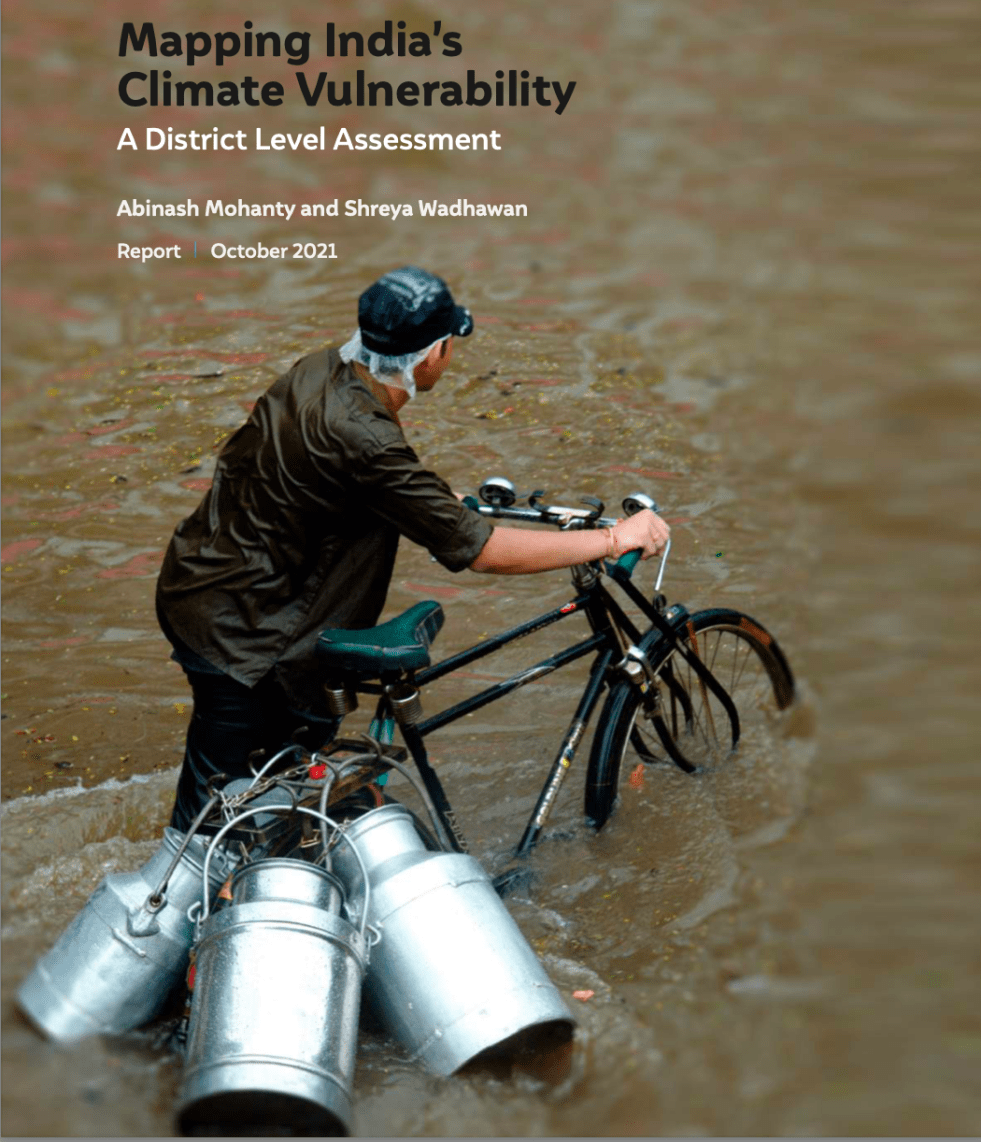
This is the kind of study that was long overdue. In fact such a study should have been done before formulating India’s National Action Plan on Climate Change (NAPCC) as SANDRP has been saying since 2009 (see SANDRP critique of NAPCC published under the title “THERE IS NO HOPE HERE) when NAPCC was made public by a dozen wise individuals sitting in a room without any participatory or transparent exercise. One hopes that India will restart the exercise of fresh formulation of NAPCC after doing such a study on an urgent basis, on the lines of the study described below. In any case one hopes the union and state governments will wake up and take up District level vulnerability assessment in India in an independent way on urgent basis.

“This study undertakes a first-of-its-kind district-level vulnerability assessment of India, which maps exposure, sensitivity, and adaptive capacity using spatio-temporal analysis. To do this, we developed a climate vulnerability index (CVI) of Indian states and Union Territories (UTs). Instead of looking at climate extremes in isolation, we map the combined risk of hydro-met disasters and their compounded impacts on vulnerability. By doing so, we aim to inform policy goals in the resource-constrained context of India.

Continue reading “DRP 151121: District Level Vulnerability Assessment in India” →