Flowing under many names: Vedic Parushni, Puranic Iravati, Greek Hydraotes, River Ravi is arguably the most storied of the five rivers meeting the Indus.
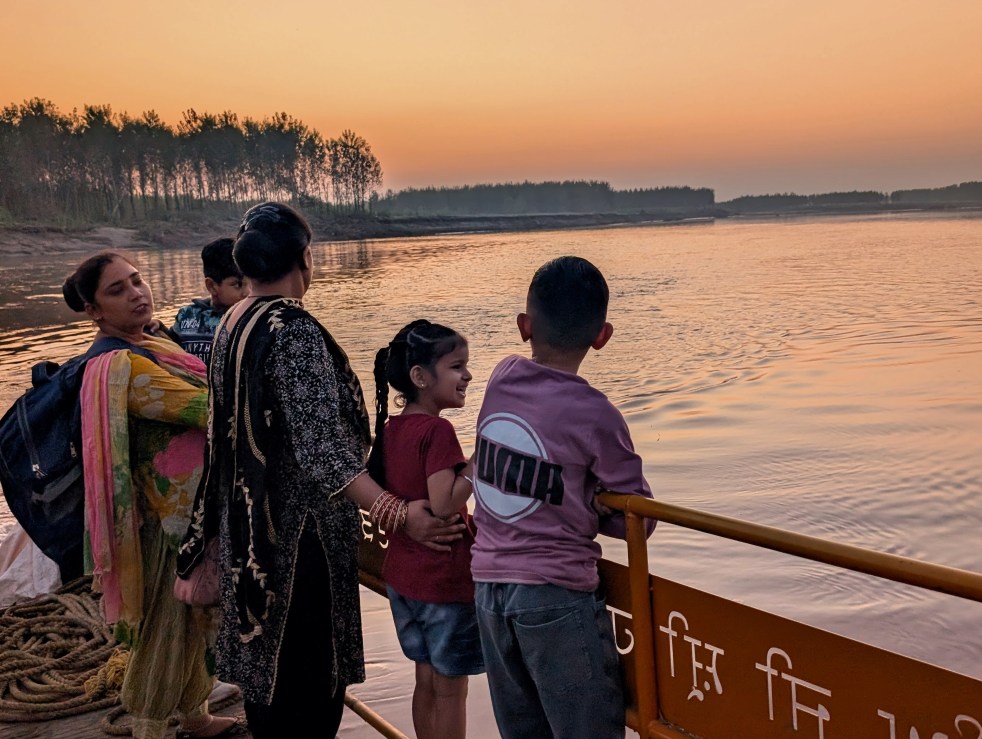
Ravi’s flow from the glacial heights of Himalayas to the fertile plains of Punjab has been embellished in songs and stories for centuries. Heth Vage Ravi Dariya or “Below flows the River Ravi” is a ubiquitous phrase in songs and poems.[1] On the banks of Ranjit Sagar Dam on Ravi, Manbhavan Singh Kahlon, himself a poet-activist muses, “We Punjabis have always written poetry around our rivers. Perhaps even too much, I sometimes think. But most of Ravi’s poetry has been left back in Pakistan.” Pakistan, on the other hand, thinks most of Ravi’s water has been left back in India.
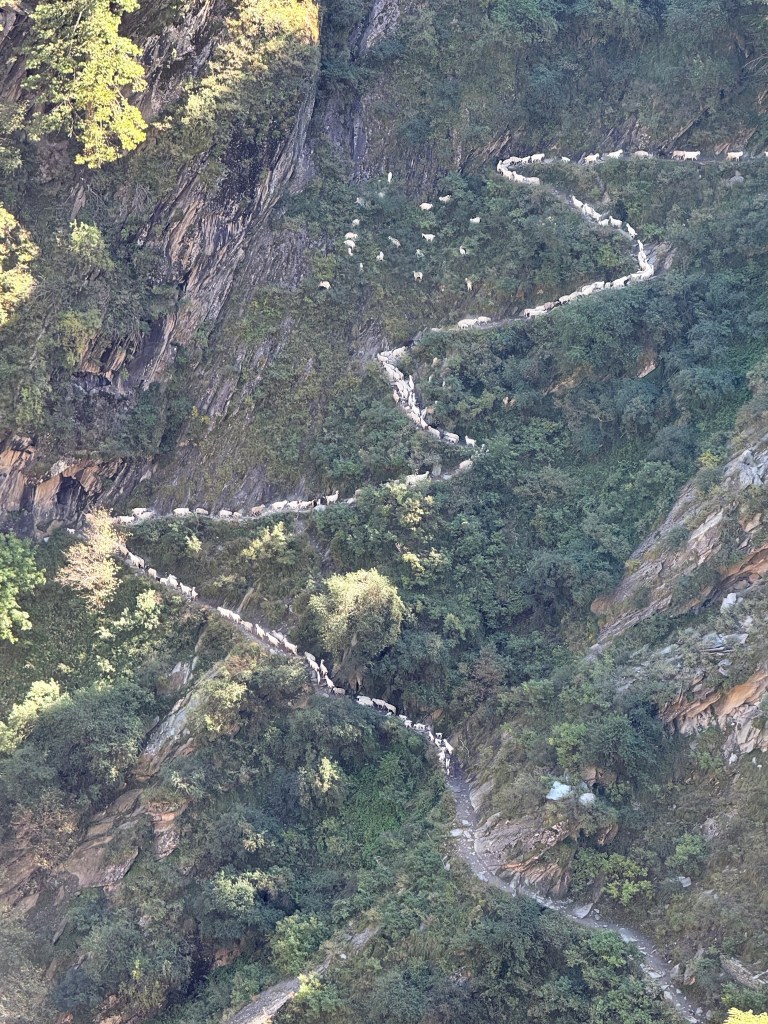
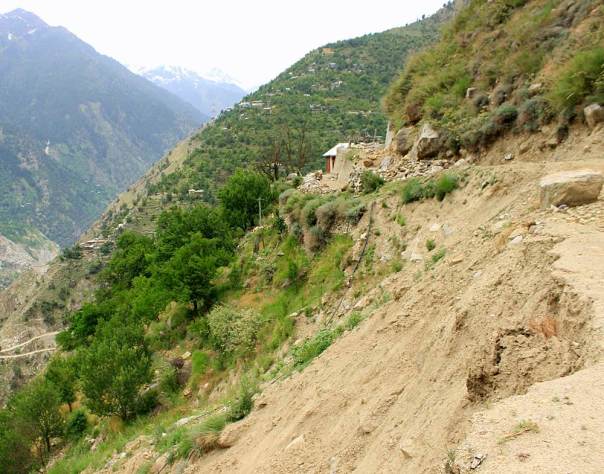
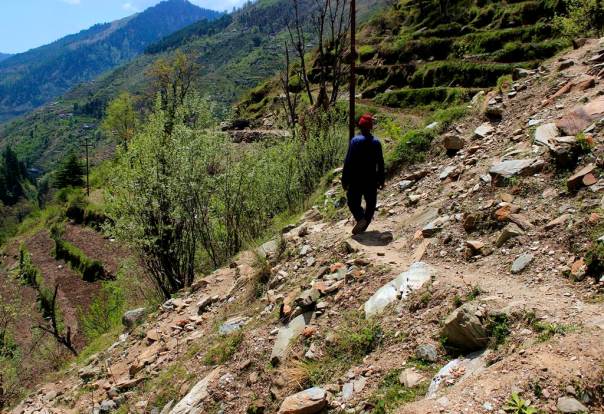
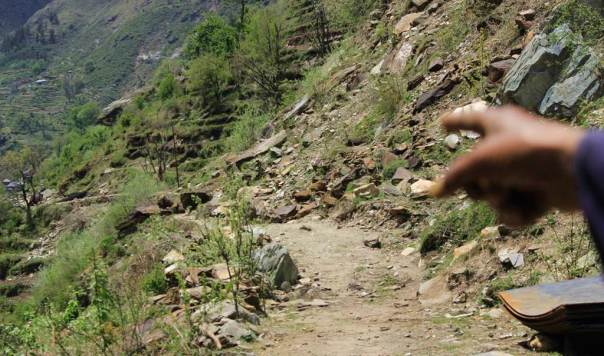
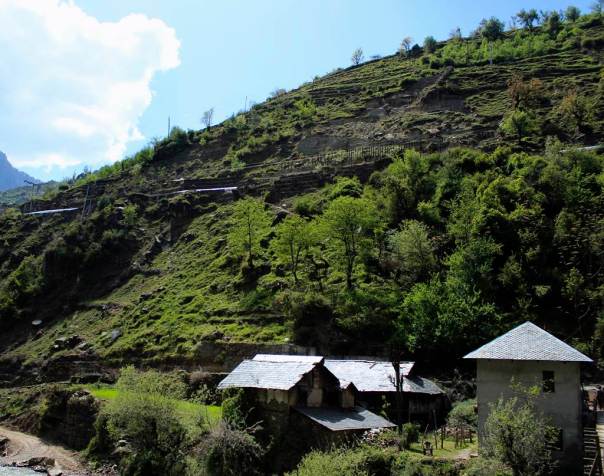
As we stood on a ridge near the Lakke Wali Mata shrine, a tributary of the Ravi roared below in a deep gorge. Across it rose a shaded, Devdar (Himalayan Cedar)-covered mountain slope, etched by a steep brown trail. As we stood there observing the headwaters of Ravi, we noticed that the trail was moving.
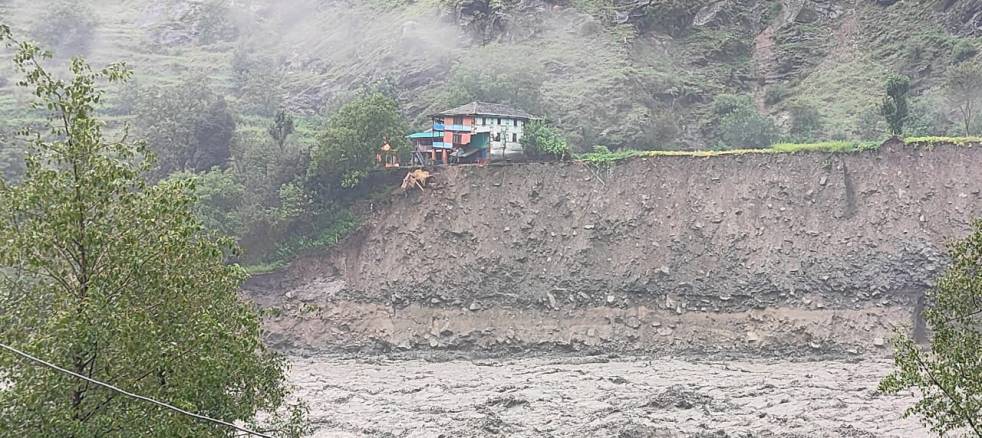
Salun village, perched roughly 50 feet above the Ravi River, had its moment of fame on the 26th August 2025 — a moment that also became its last. On the dark, rainy afternoon, the small village with homes, rajma fields, apple orchards and cattle sheds collapsed into the flooded River Ravi like a house of cards. In a matter of 30 minutes, ancestral homes with warm hearths, blankets for the coming winter, old report cards and wedding albums, adhar cards and bankbooks-entire archives of living-were erased.Villagers, who managed to escape in time stood in awe and saw their village going extinct before their eyes.
“When Jahlma Nallah starts roaring, we cannot sleep. It has been flooding for the past three years at least” said octogenarian Devi Singhji in October 2024. Jahlma Nallah, which joins the Chenab and blocks it occasionally, flooded again catastrophically in the monsoon of 2025.
(Feature Image: Screenshot of First Verdict video report on rockfall incident at Chanju III HEP in Chamba)
A rockfall incident at weir site of Chanju III Hydro Electric Project (HEP) site in Chamba district of Himachal Pradesh has left one worker dead and two injured[i]. The incident occurred in afternoon on May 3, 2024 when several workers were working on the weir site of the project.
Suddenly rock pieces started falling on them from uphill portion creating panic among the workers. They had to run for the shelter to save their lives. However, one worker was severely hit by the stones and two others got injured while looking for safety cover.
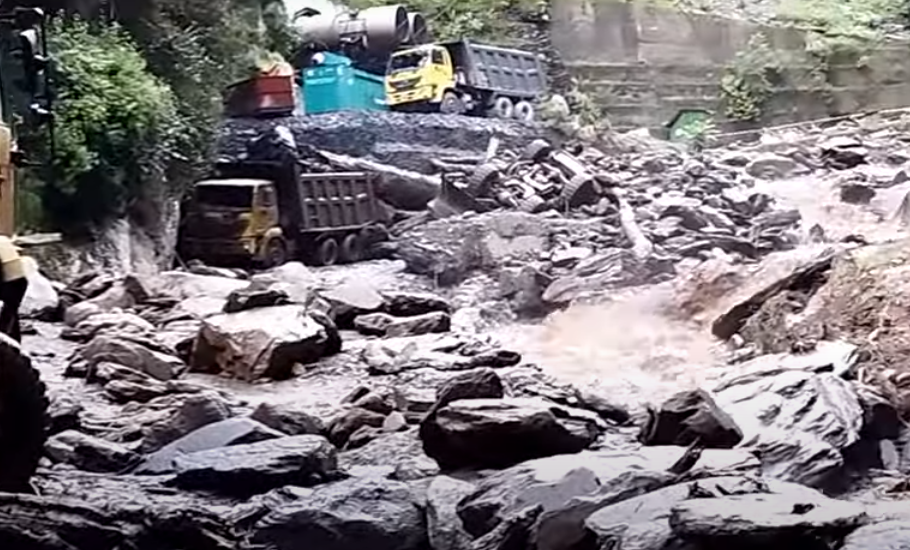
(Feature Image: Heavy vehicles stuck in Machchhetar nulla near Kuther HEP Adit 3 tunnel in Bharmour tehsil of Chamba after August 25, 2023 cloud burst induced flash flood. Image Source: Screen shot of Himachali Vlogger Balwant Kapoor You Tube video)
In July and August 2023, two more hydro electric power (HEP) projects have faced cloud burst induced flash flood destruction in Himachal Pradesh. The first one is Kuther HEP in Chamba district and the second one is Pittkari HEP in Mandi district. The details of 2 HEPs (14 MW GreenKo HEP in Sutlej basin, Shimla and 66 MW Dhaulasiddh HEP in Beas basin, Hamirpur) earlier impacted by cloudbursts induced deluge in last week of June 2023 can be seen here.
(Feature Image: मनाली में सोलंग नाला के पास सेरा नाले में बादल फटने से आयी बाढ़ का पानी। -प्रेट्र/ The Tribune)
Here is an analysis of cloud burst incidents in Himachal Pradesh during south west monsoon 2022. The first part of the series highlighted the impact of cloud bursts in Uttarakhand and the third and final part would cover the Union Territory of Jammu & Kashmir and Ladakh. SANDRP has been tracking the cloud bursts in West Himalayan states since 2018 and our previous reports for the Himachal Pradesh can be seen here 2021(30 cloud burst incidents); 2020(3 incidents); 2019(16 incidents); 2018(21 incidents).
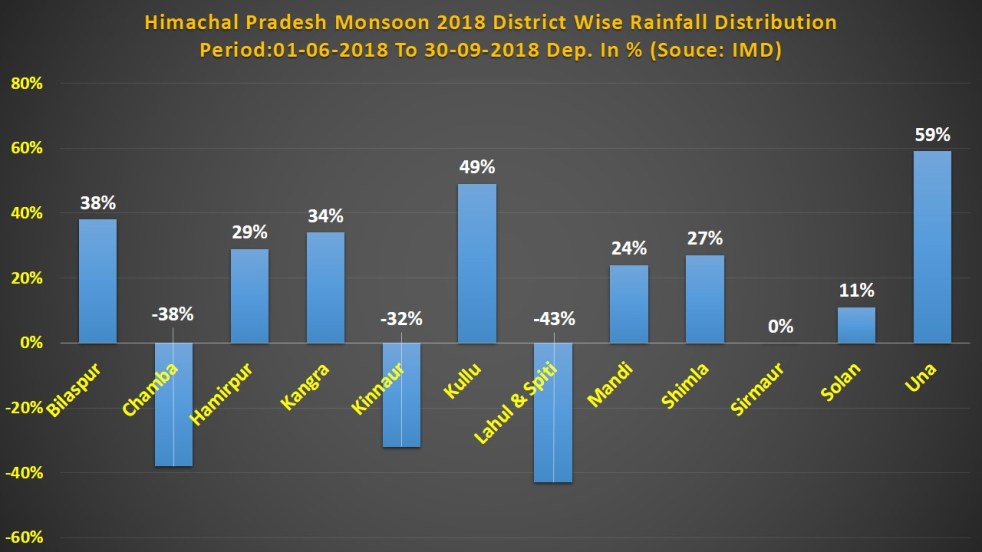
Himachal Pradesh has received 917.3 mm rainfall during South West Monsoon 2018. The amount is 11 percent higher than normal rainfall category of 825.3 mm. However at district level there is considerable variation in the distribution of rainfall. Out of 12 districts in the state, rainfall departure has been in deficit in three districts namely Chamba, Kinnaur and Lahul & Spiti by 38 percent, 32 percent and 43 per cent respectively. All these three districts are in upper part of Himalaya, the origin of many rivers & where mountains are mostly snow covered.
Guest Blog by: Sumit Mahar (sumitmahar.12@gmail.com), Him Dhara Environment Research and Action Collective, Himachal Pradesh [1]
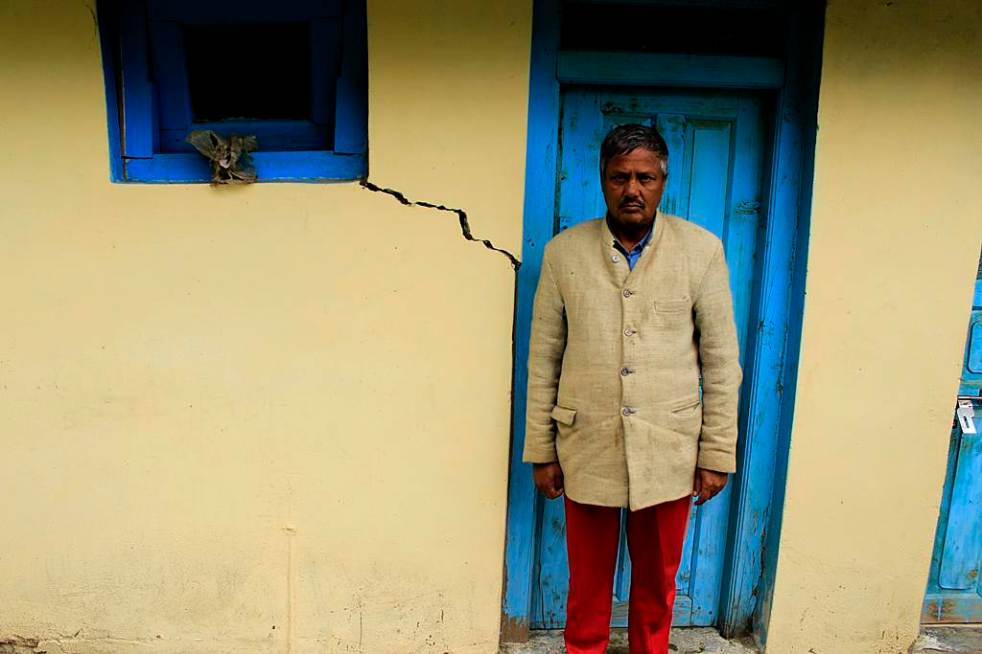
Tunneling for hydropower project using the blasting technique can have massive impacts. It has a series of direct and indirect impacts which have already been documented. Among the most serious impacts is drying up of the natural drinking water springs and the reduction in sub-soil moisture. This directly impacts the drinking water availability for the local villagers as well as agriculture and horticultural productivity, which is critically dependent upon the presence of sub-soil moisture. Blasting for tunnels and other underground components of hydroelectricity projects creates vibrations that have resulted in cracks in houses situated near these components.
Importance of impacts of tunneling and blasting becomes very important since all run of the river (ROR) projects involve tunneling and blasting. Proponents claim that ROR hydropower projects are environment friendly, but most people do not know that the tunneling and blasting adds an additional dimension to the impacts due to ROR hydropower projects and these can be very serious. Most environmental and social impact assessments or cumulative impact assessments do not even assess these impacts. Many times the proponent get away claiming that the impacts are not due to the projects, when in reality all evidence shows that these are very much caused by the tunneling and blasting being done as part of the construction of these projects.
This photo essay documents the impacts of tunneling and blasting for hydropower projects mainly in Kinnaur (part 1 of photo essay does the same for projects in Chamba district) of Himachal Pradesh. In Kinnaur the photo essay includes such impacts of 1000 MW Karcham Wangtoo and 1500 MW Nathpa Jakhri hydropower projects.[2] It is noteworthy that impacts are not only limited to large hydropower projects, but also to what is defined as small hydropower projects (projects below 25 MW installed capacity). This should also help puncture the misconceived notion that small hydropower projects are environmental benign and they do not need environmental and social impact assessment, public consultations, appraisal, monitoring or compliance.
These photo essays are indicative of the kind of impacts tunneling and blasting can have in the process of building hydropower projects in the Himalayas. What they indicate is relevant not only for Himachal Pradesh, but entire Himalayas and all projects that involve such tunneling and blasting. We hope these photo essays open the eyes of state governments, Union Ministry of Environment, Forests & Climate Change, Union Ministry of Power, Union Ministry of Water Resources, Central Electricity Authority, state environment departments, hydropower developers, EIA consultants, chairman and members of Expert Appraisal Committee on River Valley Projects, media, judiciary, civil society and all others concerned.
Karcham Wangtoo Hydro Power Project, Kinnaur
Project
Jaypee Karcham Wangtoo HEP
Capacity (MW)
1000
Basin
Satluj
District
Kinnaur
Villages
Choling, Yulla, Urni, Runnag, Meeru, Chugaun
Pictures taken on
25 May to 2 June 2014
Murim-I, is a local stream that dried up due to the 17 km long 1000MW Karcham Wangtoo project’s tunnel in Kinnaur district. The stream is surrounded by grazing lands
Murim-II next to Murim I shared a common source which led to drying up of both streams
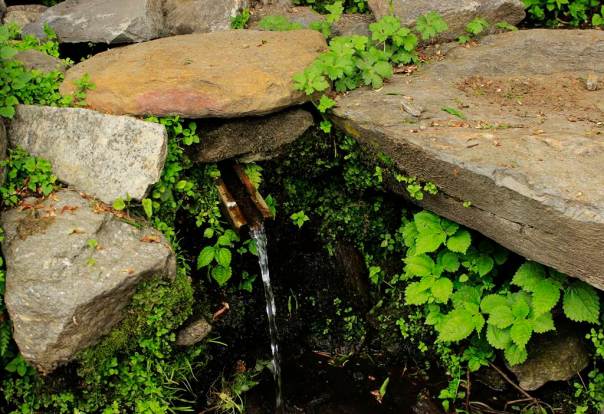
Nang Choling water source or chashma near the highway. The water was used for drinking not just by the people in Choling but also by passers by. This source has totally dried up now due to the Karcham Wangtoo tunnel construction
Peokeh-I is a water source in the Yulla village. The discharge of this source has reduced by 50% since the construction of the tunnel for Karcham Wangtoo HEP
Yet another source of water – Peokeh-II, Yulla village whose discharge has reduced by 30 to 40%
Jyoti Prakash’s house in Yulla village suffered from cracks because of the tunnel construction of Karcham Wangtoo HEP
Jagat Singh’s fields had this water source and used this for drinking and irrigation. Due to the reduction in the discharge after tunnel construction there is just enough water to use for drinking
Kakhiyo water source was used for drinking by 10 families in Yulla and the source is now totally dry
Lang Chuldhing water source in Yulla the discharge has reduced due to the tunnel. 4 -5 families in the vicitnity depend on this source
Ram Devi’s gharat in Yulla has been rendered useless along with another 4 above her’s. All due to the drying up of a water source – Yang baro
Yang Baro water source was feeding the watermills as well as irrigation channels. Now there is hardly any water for these
Ramanand Negi showed this water source in Urni village which emerged suddenly in 2005. This has come out in a location where there is a landslide getting active
This is the Urni steep slope where the landslide is active
Ramanand’s House in Urni village which has developed cracks and crevices due to the blasting and construction of tunnel for Karcham Wangtoo Project
Runnag Chashma is used by the Runnag village for washing and drinking. The water discharge has reduced substantially
Munni Lal’s apple orchard which was impacted by a landslide last year when the June 2013 monsoon rains occurred
Landslide just above the tunnel of Karcham Wangtoo project at Rangle. This was also activated lst year during the monsoons
Ryabi Khaldam (Disturbed Source), the water source has relocated naturally after the construction of the tunnel began
Land slide at Meeru village activated last year and the main path of the village disturbed
Buthkas, IPH Source fully dried now as a result of tunnel. Almost the entire Meeru panchayat was dependent on this water for drinking
Jagdish Chand Negi’s house in Chugaun was impacted because of the construction of Karcham Wangtoo Tunnel
Cow shed developed cracks in Chugaun affected by Karcham Wangtoo Project’s tunnel construction
Nathpa Jhakari Hydro Power Project
Project
Nathpa Jhakari HEP
Capacity (MW)
1500
Basin
Satluj
District
Kinnaur
Villages
Nigulseri & Jhakari
Pictures taken on
29/05/2014 & 03/06/2014
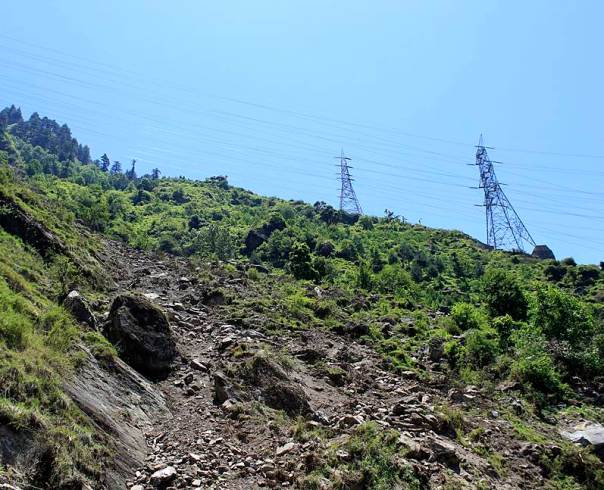
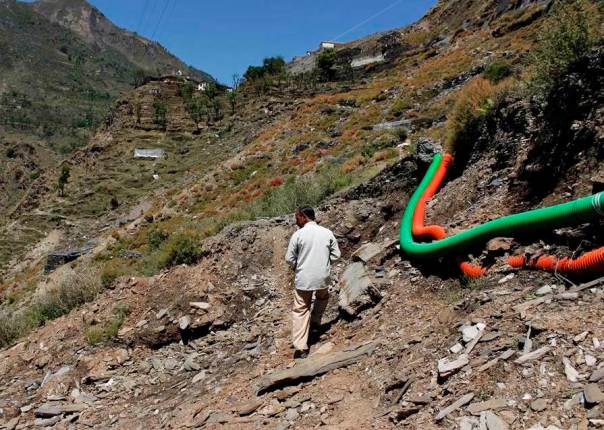
On 25th May 2014 this landslide occurred in Nigulseri village. Locals claim that the tunnel of 1500 MW Nathpa Jhakri Project had already disturbed the area which was further disturbed because of the transmission tower construction for Baspa II and Karchham Wangtoo HEPs
Geeta Ram’s house affected by the landslide at Nigulseri
Shamsher Singh’s house cracks at Nigulseri in May 2014. A total of 13 houses have suffered such damages
This landslide has occurred near powerhouse of the Nathpa Jhakri project in Jhakri
For Part 1 of the photo essay related to tunneling impacts of hydropower projects in Chamba district, see: https://sandrp.wordpress.com/2014/10/01/photo-essay-on-the-impacts-of-blasting-and-tunneling-for-hydropower-projects-in-chamba-district-in-himachal-pradesh-1/
Guest Blog by: Sumit Mahar (sumitmahar.12@gmail.com), Him Dhara Environment Research and Action Collective, Himachal Pradesh [1]
Tunneling for hydropower project using the blasting technique can have massive impacts. It has a series of direct and indirect impacts which have already been documented. Among the most serious impacts is drying up of the natural drinking water springs and the reduction in sub-soil moisture. This directly impacts the drinking water availability for the local villagers as well as agriculture and horticultural productivity, which is critically dependent upon the presence of sub-soil moisture. Blasting for tunnels and other underground components of hydroelectricity projects creates vibrations that have resulted in cracks in houses situated near these components.
Importance of impacts of tunneling and blasting becomes very important since all run of the river (ROR) projects involve tunneling and blasting. Proponents claim that ROR hydropower projects are environment friendly, but most people do not know that the tunneling and blasting adds an additional dimension to the impacts due to ROR hydropower projects and these can be very serious. Most environmental and social impact assessments or cumulative impact assessments do not even assess these impacts. Many times the proponent get away claiming that the impacts are not due to the projects, when in reality all evidence shows that these are very much caused by the tunneling and blasting being done as part of the construction of these projects.
This photo essay documents the impacts of tunneling and blasting for hydropower projects mainly in Chamba (part II of photo essay does the same for projects in Kinnaur district) of Himachal Pradesh. In Chamba, the photo essay includes such impacts of Chamera III, Chanju, Ginni, A.T. hydropower projects.[2] It is noteworthy that impacts are not only limited to large hydropower projects, but also to what is defined as small hydropower projects (projects below 25 MW installed capacity). This should also help puncture the misconceived notion that small hydropower projects are environmental benign and they do not need environmental and social impact assessment, public consultations, appraisal, monitoring or compliance.
These photo essays are indicative of the kind of impacts tunneling and blasting can have in the process of building hydropower projects in the Himalayas. What they indicate is relevant not only for Himachal Pradesh, but entire Himalayas and all projects that involve such tunneling and blasting. We hope these photo essays open the eyes of state governments, Union Ministry of Environment, Forests & Climate Change, Union Ministry of Power, Union Ministry of Water Resources, Central Electricity Authority, state environment departments, hydropower developers, EIA consultants, chairman and members of Expert Appraisal Committee on River Valley Projects, media, judiciary, civil society and all others concerned.
Chamera III Hydro Electric Project, Chamba
Project
Chamera III
Capacity (MW)
231
Basin
Ravi
District
Chamba
Village
Mokhr
Pictures taken on
29/04/2014
In April 2012 there was a massive leakage in the 16km HRT of the 231 MW, Chamera III project just above the Mokhar village in Chamba district leading to severe threat to the village downhill so much so that the 40 families residing there had to be evacuated. This picture is of the Adit 6 of the tunnel. The leakage occurred during testing of the generating units.
Leakages in the surge shaft of the 231 MW Chamera III tunnel just above the Mokhar village in Chamba
Vidya Devi’s house in Mokhar was completely damaged by the landslide caused due to the seepage from the surge shaft in April 2012
Shri Jagdish Sharma standing in front of the debris of his leftover house after the leakage tragedy
The pastures of the village buried under the landslide caused by the seepages in Mokhar village
Damages caused by the leakage in the HRT to houses in Mokhar village
Damages caused by the leakage in the HRT to houses in Mokhar village
Damages caused by the leakage in the HRT to houses in Mokhar village
Damages caused by the leakage in the HRT to houses in Mokhar village
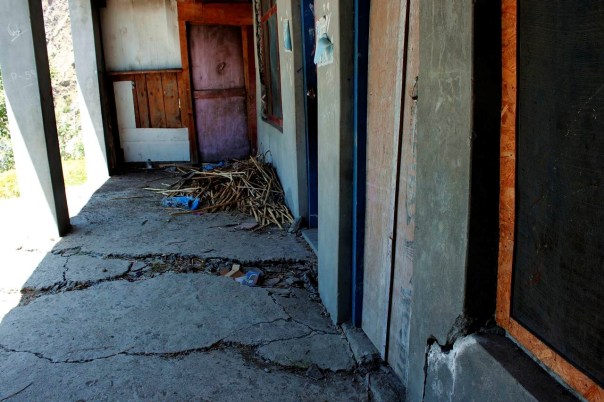
Cracks on the walls of Aaganbhadi Kendra of Dhalanjan village due to the tunnel construction of 36 MW, Chanju HEP in Chamba on Ravi basin’s Chanju nallah
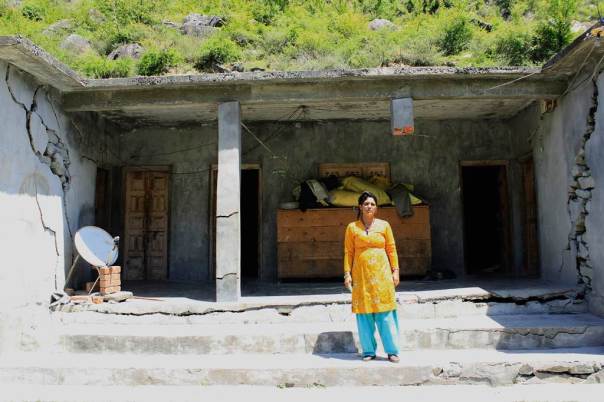
Lilo Devi’s house was located just above the HRT of the Chanju project. 12 houses were completely damaged by the tunnel construction in this village in December 2013
Power house site of Chanju HEP, where 1000s of trees were damaged by the blasting for the tunnel construction due to activation of a landslide
People of Dhalanjan village show their destroyed and dilapidated structures
People of Dhalanjan village show their destroyed and dilapidated structures
People of Dhalanjan village show their destroyed and dilapidated structures
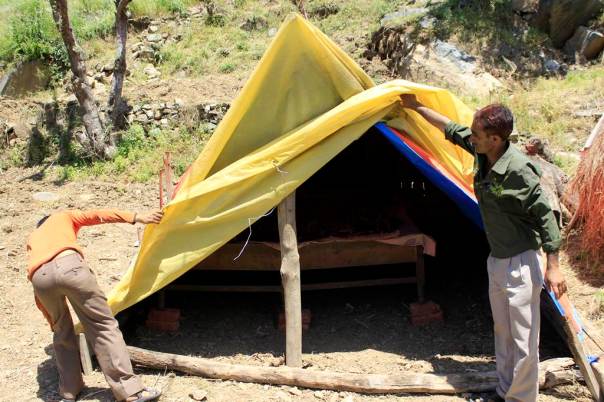
People of Dhalanjan village are now residing in temporary shelters
A.T. Hydro Power Project, Chamba
Project
A.T. Hydro
Capacity (MW)
5
Basin
Ravi (Tarela Nallah)
District
Chamba
Village
Alwas
Pictures taken on
01/05/2014
Landslide at Alwas due to road and channel construction for 5 MW Tarela project in Chamba
Cracks in the house of Shri Baija Ram due to Tarela Project in Alwas village
Lanslide close to Alwas village due to Tarela project
Ginni Hydro Power Project, Chamba
Project
Ginni Hydro
Capacity (MW)
5
Basin
Ravi (Tarela Nallah)
District
Chamba
Villages
Tarela, Junas
Picture was taken on
01/05/2014
Watermill rendered dysfunctional due to landslide cause by construction work for the 5MW Ginni Project in Tarela village in Chamba. The Project also diverted the water that was being used by the village for the watermill. Almost 15-20 watermills in this village have dried up due to the project’s construction activities
The location of the landslide which dried up the watermill
Landslide due to the construction activities and then subsequent destruction of the penstock of the Ginni project further led to soil erosion. The village above the slides, Junas has 20 houses and now stand threatened
For Part 2 of the photo essay related to tunneling impacts of hydropower projects in Kinnaur district, see: https://sandrp.wordpress.com/2014/10/02/photo-essay-on-the-impacts-of-blasting-and-tunneling-for-hydropower-projects-in-kinnaur-district-in-himachal-pradesh-2/





















 SANDRP