Climate Change · Disasters

Dharali Disaster in Uttarakhand: Amplified by Human Causes

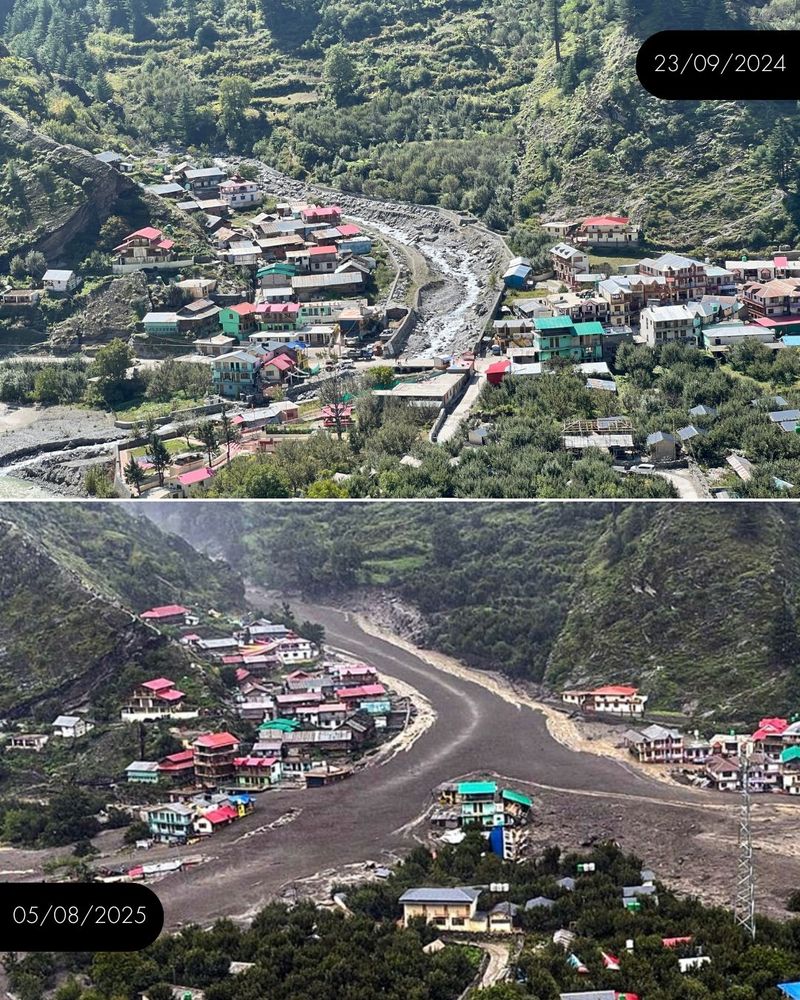
The frightening debris-laden flash flood disaster at Dharali town along Kheer Gad-Bhagirathi river just 20 km downstream of Gangotri at around 1.30 pm on Tuesday, Aug 5 has demolished over 40 buildings, with scores (68 as on Aug 13 as per the Dehradun-based State Emergency Operation Centre) of people, including nine army jawans, reported missing (the numbers could go up as per several geologists) and at least five dead. The ground zero is still largely inaccessible four days after the disaster. While the full details of what caused the disaster are still a bit uncertain, what is clear is that the warning signs were present, they were ignored and a number of human causes amplified the proportions of the disaster. The scene of the disaster was similar to what we saw in Chamoli in Feb 2021 when ice and debris laden stream destroyed two hydropower projects killed over a hundred people.

As geologists said, the disaster was waiting to happen, but our governance did not seem to know.

Continue reading “Dharali Disaster in Uttarakhand: Amplified by Human Causes”
Floods

Aug 2023 Floods in Alaknanda-Ganga Rivers

Continue reading “Aug 2023 Floods in Alaknanda-Ganga Rivers”
CWC - Central Water Commission · Dams

2022: CWC Flood Monitoring Sites in North India

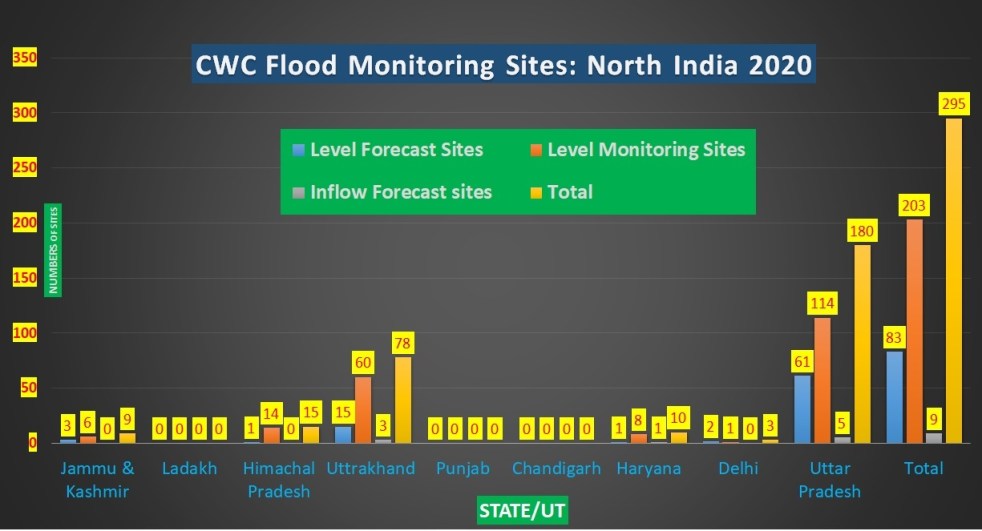
(Feature image: Bar Chart showing number of Level Forecast/Monitoring, Inflow Forecast sites in North Indian States & UTs)

Continuing analysis of Central Water Commission’s flood forecast website, SANDRP presents the details of flood monitoring sites in North Indian states comprising Union Territories of Jammu & Kashmir, Ladakh, Chandigarh, Delhi and states of Himachal Pradesh, Uttarakhand, Punjab, Haryana and Uttar Pradesh. Before this, we have prepared similar critical reports and highlighted problematic issues in flood monitoring sites in North India in 2018, 2019 and 2020.   

Continue reading 2022: CWC Flood Monitoring Sites in North India
Cloud Burst

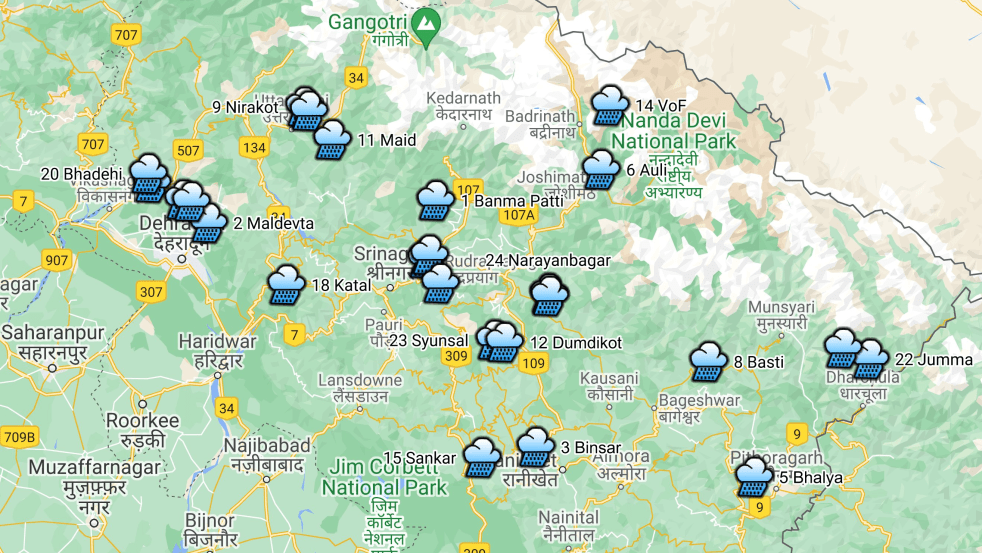
Uttarakhand: Cloud Bursts in SW Monsoon 2021

SANDRP has been compiling the extreme rainfall events termed as cloud bursts occurring during monsoon season in Himalayan states. This account brings out the status of such incidents in the state of Uttarakhand. We have already published details of at least 24 ‘cloud burst’[i] incidents in pre monsoon month of May 2021 in the state. In following parts, we would cover the other states in Western Himalaya.

Continue reading “Uttarakhand: Cloud Bursts in SW Monsoon 2021”
CWC - Central Water Commission

North India; CWC Flood Forecasting Sites 2020; New Website Old Problems

Flood forecasting is an important activity during monsoon, considering the huge and increasing flood prone area, flood frequency, intensity and flood damages. Accurate and timely flood forecasting can hugely help reduce the damages due to floods. Central Water Commission (CWC) is the only agency responsible for flood forecasting in India. To understand the CWC’s flood forecasting better, we have compiled the list of the various flood, inflow forecasting sites and flood monitoring sites in India.

In this compilation, we have given state wise list of CWC’s level forecasting, flood monitoring and inflow forecasting sites in North India, comprising of Union Territories Jammu & Kashmir, Ladakh, Chandigarh, Delhi and states of Himachal Pradesh, Uttarakhand, Punjab, Haryana  and Uttar Pradesh. It includes available details like name of river, sub basin, Warning level (WL), Danger Level (DL), High Flood Level (HFL), Full Reservoir Level (FRL), Maximum Water Level (MWL), as applicable. As we see below, there are many gaps in this basic information for the sites that are part of CWC’s list. A similar zonewise overview of CWC’s sites was compiled in 2018 and 2019, which can be seen here: Overview of CWC Flood Forecasting Sites 2018: North India; Overview of CWC Flood Forecasting Sites 2019: North India. We have brought this updated compilation for 2020 as there are large number of changes.

Continue reading “North India; CWC Flood Forecasting Sites 2020; New Website Old Problems”
Sand Mining

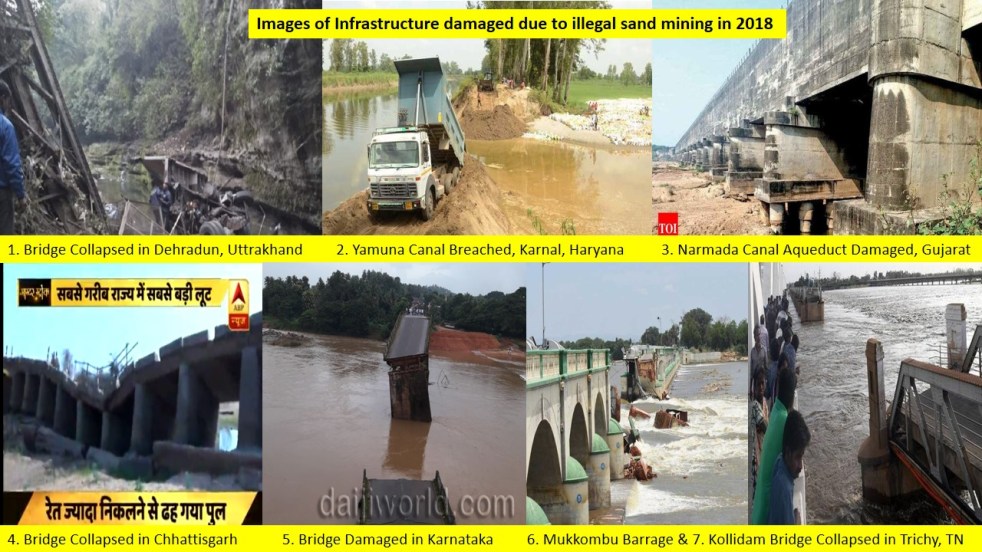
Sand Mining 2018: Is Illegal Sand Mining A National Menace?

We have presented through separate articles, overview of sand mining issues of Punjab, Uttar Pradesh, Madhya Pradesh, Rajasthan, Gujarat, Maharashtra, Tamil Nadu, Karnataka, Kerala, Telangana-Andhra Pradesh, East India and North East India, in addition to one on murders, violence, threats and infrastructure damages due to illegal sand mining. This compilation tries to throw some light on the sand mining related issue of 2018 in remaining states with the help available media reports.

Continue reading “Sand Mining 2018: Is Illegal Sand Mining A National Menace?”

Ganga

Env Groups & Citizens write to PM to take Urgent Action on Ganga

February 19, 2019

To:

  1. Hon’ble Mr. NarendraModi,

Prime Minister of India,

connect@mygov.nic.in
narendramodi1234@gmail.com

2. Hon’ble Mr. Nitin Gadkari,

Minister, Water Resources and Ganga Rejuvenation Ministry,

Government of India.

nitin.gadkari@nic.in

3. Hon’ble Mr. Trivendra Rawat

Chief Minister, Uttarakhand
cmuksampark@gmail.com

Subject: River Ganga

Respected Sirs,

There is no debating that Ganga must flow free or will perish with all attendant consequences. This is vindicated by Ravi Chopra Committee in its report to the Supreme Court submitting that there has been an increase in disasters in Uttarakhand ever since the tragedy in 2013, due to the presence of big dams. The Union of India under your governments pledged to rejuvenate the Ganga including Alaknanda, Mandakini and Bhagirathi and all their tributaries.  

Presently, four under-construction dams namely Tapovan-Vishnugad, Vishnugad-Pipalkoti, Singoli-Bhatwari and Phata-Byung are further threatening the survival of this river adding to the damage already done by the existing dams.

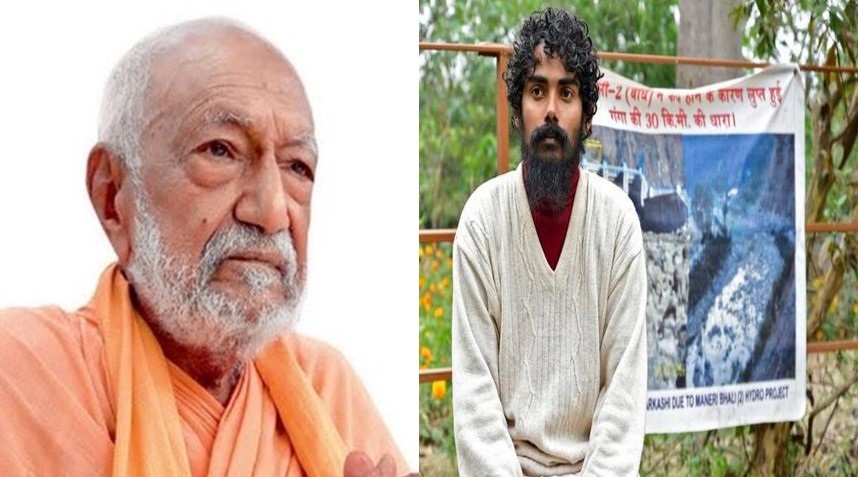
To save the River Ganga, Swami Saanand fasted for 111 days to draw your attention to River Ganga’s  cries for survival before he succumbed unheeded. Carrying on the baton, Sant Gopaldas fasted for 146 days when he disappeared under suspicious circumstances unheard and unheeded. Presently the 26 year old young Brahmachari Aatmabodhanand from Matri Sadan, Haridwar, has been on a fast since 24th of October 2018 determined to carry on the baton for a positive response on Ganga from your governments.

Continue reading “Env Groups & Citizens write to PM to take Urgent Action on Ganga”

Char Dham Highway · Dams

Char Dham Highway Project: An overview

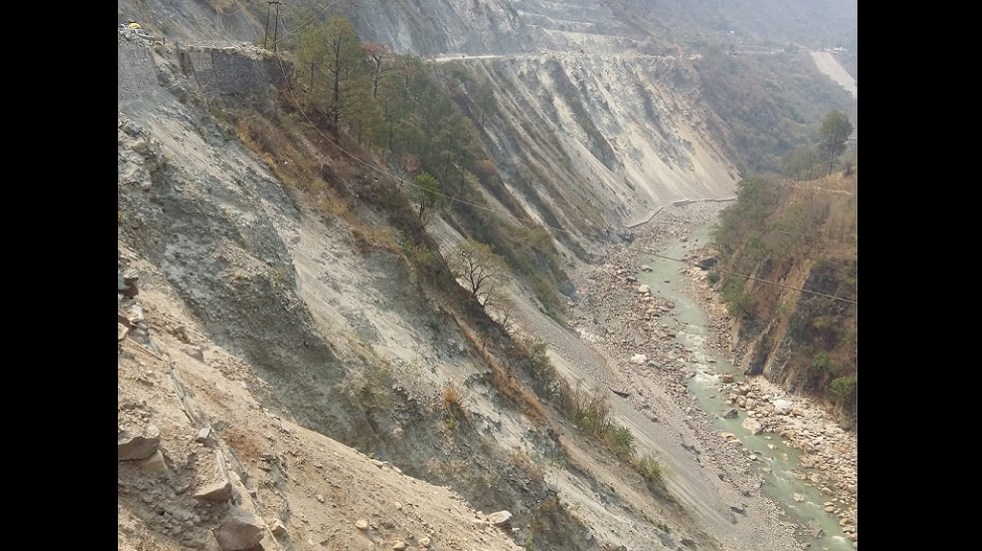
(Feature image Source Char Dham Road ProjectL Stairway to heaven or highway to hell by Siddharth Agarwal)

The Char Dham All Weather Road Project has been approved by National Green Tribunal (NGT) on September 26, 2018. The controversial project has evoked several environmental concerns right from the inception stage.

Almost more than one and half year into the unmindful implementation of the project, the risks and fears associated with the project are clearly visible throughout the construction route. In last few months, several independent reports have also raised serious concerns over the haphazard manner in which the project is being executed through sensitive hilly terrain.  Continue reading “Char Dham Highway Project: An overview”

Bhagirathi · Ganga · Uttarakhand

Walking along Ganga in Uttarakhand in 2017

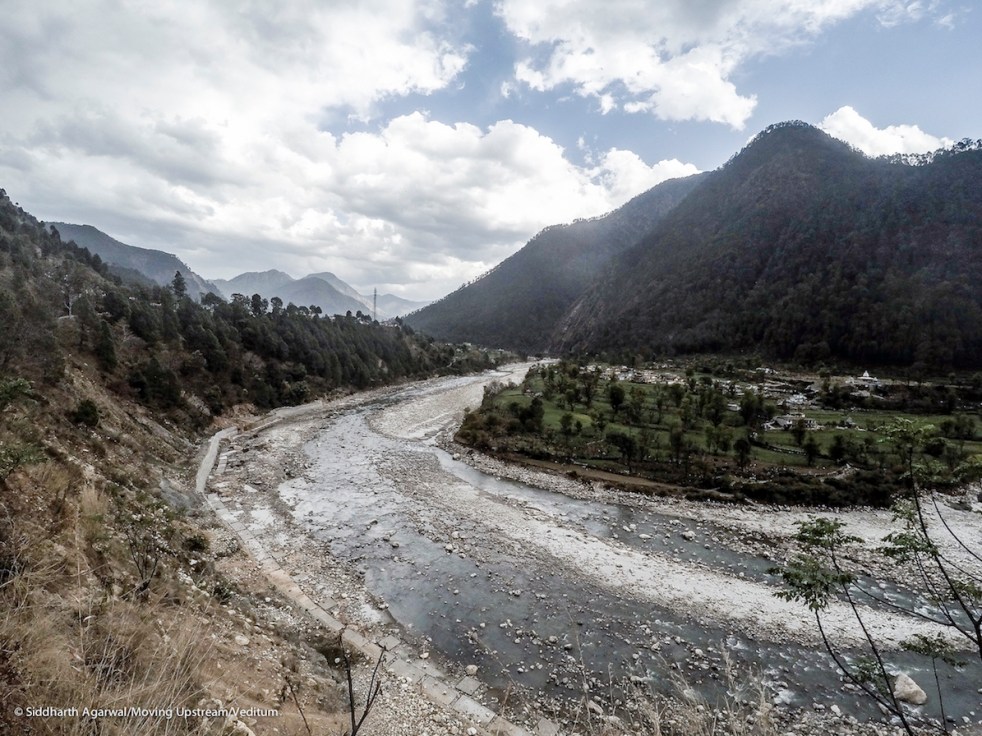
Above: The Bhagirathi valley has a lot of beautiful bends, comparable to the most popular scenic spots across the world. But we’re busy cutting down the mountain to make broader roads in these eco-sensitive areas. Image taken in March 2017. Photo credits: Siddharth Agarwal 

Guest Blog by Siddharth Agarwal

In the initial stages of planning the Moving Upstream project on the Ganga for Veditum, where we were going to walk along the whole length of the river, I had approached a lot of individuals to learn from their experiences about the river and the many connected stories around it. These learnings varied from science and activism to adventure and survival. Of all those who were approached, Himanshu Thakkar from SANDRP had been the most generous in extending knowledge resources and sharing contacts from the field. He even entertained a couple of my visits to their office and shared with me a copy of the SANDRP report prepared by Theo, called Headwater Extinctions (February 2014,  see: https://sandrp.wordpress.com/2014/12/16/new-publication-headwater-extinctions-impact-of-hydropower-projects-on-fish-and-river-ecosystems-in-upper-ganga-and-beas-basins/, it includes link to full report), along with a few other documents.

Headwater Extinctions looks at the role played by small and large hydropower projects in altering the fish biodiversity and river ecosystems in the Himalayan reaches of the Ganga and Beas basins. It also speaks about the perspective of local people and that of the authorities towards hydropower projects. Theo, who is an adventurer and ecologist, penned down the report with a scientific aptitude, while I will limit myself here in this revisit report to updated observations made on ground while walking along the Ganga in Uttarakhand (March 2017). This comparative observation will hopefully enable a conversation that requires continuity. Continue reading “Walking along Ganga in Uttarakhand in 2017”

Dams

Uttarakhand Rivers Profile

About Uttarakhand 

Geographical Location- North India largely mountainous with two plains and two partly mountain districts in  the south; Area- 53483 sqkm; Population- 10.12 million; River basins- 4 River basins (R. Ganga‘s basin is subdivided in the map below into R. Bhagirathi, R, Alaknanda and R. Ganga sub-basins); Districts-13; Climate- Sub-tropical to tundra 

About Uttarakhand Rivers

Uttarakhand_Drainage_map

The water quality of Uttarakhand‘s rivers is basically good, especially in the upper reaches. Downstream of some large settlements and in the lower reaches in the Himalayan foot hills the water quality suffers due to the release of untreated sewage and industrial effluents. But the state‘s ambitious program to build 450 hydro power projects threatens the survival of the river ecosystems and the lives and livelihoods of people who live  in these river valleys.

Continue reading “Uttarakhand Rivers Profile”