Dam Induced Flood Disaster · Gujarat · Narmada

SSD induced Bharuch Flood disaster: Reality behind SSNNL claims that it saved Bharuch

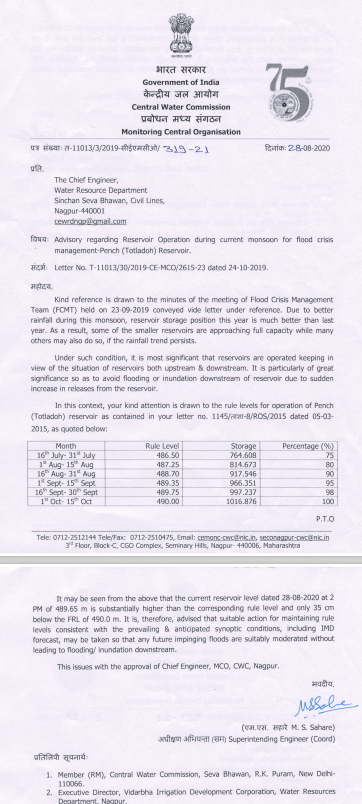
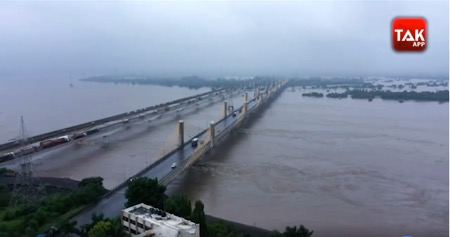
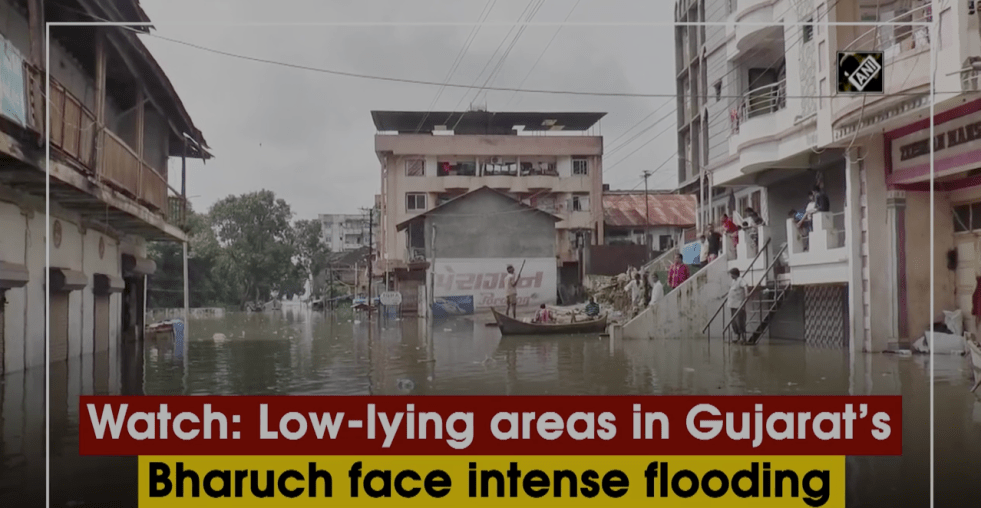
We showed on Sept 2, 2020[i] using official information that Sardar Sarovar Dam (SSD) created an avoidable flood disaster in Bharuch, downstream of SSD starting on Aug 29, 2020, due to sudden, adhoc release of massive quantities water upto 10.72 lakh cusecs. The Sardar Sarovar Narmada Nigam Limited (SSNNL), official agency responsible for operation of the SSD is yet to provide any clear, coherent and fact based response. However, some of the spokespersons of SSNNL/ Government of Gujarat (GOG) are claiming that scientific operation of SSD saved Bharuch from bigger disaster. While this claim has no basis, this is like spraying salt on the fresh wounds.

Only an independent (not by serving or retired bureaucrats of the government) investigation would be able to bring out the truth as to how SSD operated, how it should have been operated, who is responsible for the massive disaster that Bharuch experienced, how can we fix accountability and what lessons we can learn for future.

Continue reading “SSD induced Bharuch Flood disaster: Reality behind SSNNL claims that it saved Bharuch”
Dam Induced Flood Disaster · Gujarat · Gujarati blog · Narmada

ભરૂચમાં પૂરની તારાજી માટે સરદાર સરોવર જવાબદાર

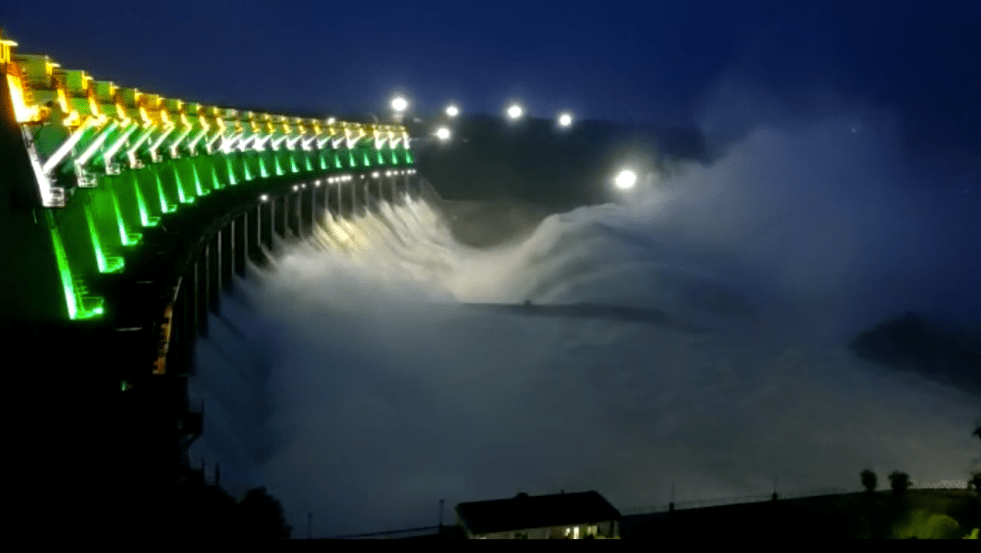
સરદાર સરોવર ડૅમ (SSD)ના સંચાલકો જરાય વિચાર કર્યા વિના, અને કહી શકો કે, ક્રૂરતાથી, પાણી કેટલું છોડવું, ક્યારે છોડવું તેના નિર્ણયો લે છે. એમના નિર્ણયની અસર હેઠવાસમાં શું થશે તેના પર તો જરાય ધ્યાન નથી આપતા.  કંઈ નહીં તો, ૨૬મી ઑગસ્ટ ૨૦૨૦થી જ એમને સત્તાવાર માહિતી મળી ગઈ હતી કે  ભારે વરસાદને કારણે નર્મદાના ઉપરવાસમાં પાણી વધવા લાગ્યું છે. આ માહિતી પર એ કામ કરી શક્યા હોત તેમ છતાં ૨૯મી ઑગસ્ટ, શનિવારની વહેલી સવાર સુધી એમણે ડેમનાં સ્પિલ-વે ગેટ્સમાંથી પાણી ન છોડ્યું.  ડૅમ ૭૦ ટકા ભરાઈ ગયો હોવા છતાં એમણે પાવર હાઉસો પણ ન ચલાવ્યાં. ઓચિંતા જ ૨૯મીની રાતે એમણે દસ લાખ ક્યુસેક – દર સેકંડે ઘન ફૂટ (૨૮,૩૨૦ ક્યુમૅક એટલે કે દર સેકંડે ઘન મીટર) પાણી  છોડવાનું શરૂ કરી દીધું [i].. ત્રણ દિવસ પછી ૧ સપ્ટેમ્બર, મંગળવારની સાંજે એમણે મોટા ભાગનાં સ્પિલ ગેટ બંધ કરી દીધાં. આમ સ્પિલ-વેમાંથી નીકળતા પાણીનો જથ્થો પહેલાં કરતાં માત્ર દસમા ભાગનો રહ્યો. આ ૩-૪ દિવસમાં (૨૯મી ઑગસ્ટ અને ૧લી સપ્ટેમ્બર વચ્ચે) પાણીનો ૩૦,૦૦૦ ક્યુમૅક સુધીનોજબ્બરદસ્ત જથ્થો સ્પિલ-વે મારફતે છોડવામાં આવ્યો; એના પહેલાં કે તેના પછી કંઈ જ નહીં! પરિણામે હેઠવાસમાં ગરૂડેશ્વરથી ચાંદોદ અને ભરૂચ સુધી પૂરનાં વિનાશકારી પાણી ફરી વળ્યાં. પરંતુ લાગે છે કે, સરદાર સરોવર પ્રોજેક્ટ (SSP)ના સત્તાવાળાઓ અથવા ગુજરાત સરકારના પેટનું પાણી પણ નથી હાલ્યું. હવે સમય આવી ગયો છે કે ગુજરાતની જનતા જાગે અને આ માનવસર્જિત તારાજી માટે SSPના ખેરખાંઓનો જવાબ માગે.

Continue reading “ભરૂચમાં પૂરની તારાજી માટે સરદાર સરોવર જવાબદાર”
Dam Induced Flood Disaster · Narmada

Sardar Sarovar Creates avoidable flood disaster in Bharuch

Sardar Sarovar Dam (SSD) operators are operating the dam callously, almost cruelly, without consideration of the impact of the operation in the downstream area. Till Saturday-Aug 29, 2020 early hours, they were not releasing any water from the spillway gates of the dam, in spite of sufficient actionably information at least since Aug 26 that rainfall is hugely increasing in upstream Narmada basin. They were not even operating powerhouses even though the dam was close to 70% full. Suddenly, by Aug 29 night they started releasing upto ten lakh cusecs – Cubic Feet Per Second (28320 cumecs or Cubic Meters per second) of water[i]. Three days later, in the evening of Tuesday, Sept 1, they closed most of the spillway gates, thus reducing releases from spillway to less than a tenth of the earlier figure. During these 3-4 days (Aug 29-Sept 1), massive quantities were released, upto 30 000 cumecs through spillways, and almost nothing before or after! It created massive flood disaster all along the downstream from Gaudeshwar to Chandod to Bharuch, but the Sardar Sarovar Project (SSP) authorities or the Gujarat government seem least bothered. It is high time people of Gujarat wake up and hold the SSP operators accountable for this man made disaster.

Continue reading “Sardar Sarovar Creates avoidable flood disaster in Bharuch”
Indian Meteorological Department · Monsoon · Rainfall

District wise rainfall in June-Aug 2020 in India

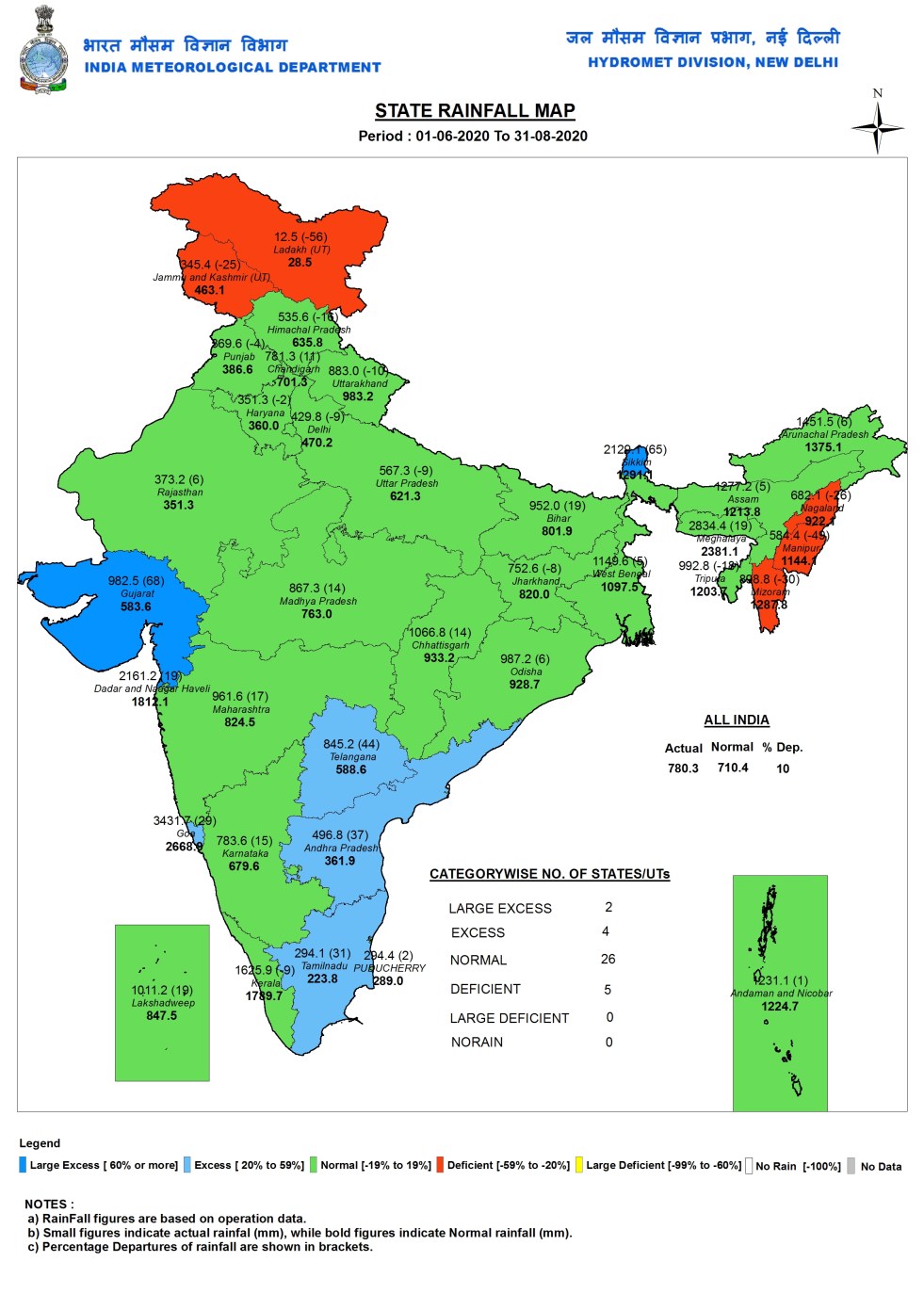
In the ongoing South West Monsoon, India received 44 year old high surplus rainfall of 327 mm in just concluded Aug 2020, 26.6% above normal rainfall of 258.2 mm. This helped the total June-Aug 2020 rainfall to achieve 10% surplus, with actual rainfall 780.3 mm, 69.9 mm higher than normal rainfall of 710.4 mm. In June the country received 18% above normal rainfall and in July it received 9.9% below normal rainfall, the rainfall at the end of June was just 1.1 mm above normal. Thus almost the entire surplus rainfall is thanks to the rainfall during Aug 2020. The rainfall distribution has however, been far from normal that these figures suggest, as we can see from the state wise and district wise figures below.

Continue reading “District wise rainfall in June-Aug 2020 in India”
DRP News Bulletin

DRP: 31 August 2020: No Rule of Environment Law in Char Dham Highway

Dr Ravi Chopra, Chairman of the Supreme Court appointed High Powered Committee has hit the nail when he questioned if there is any rule of Environment Law for the Ministry of Road Transport and Highways in their implementation of the Char Dham Highway in Uttarakhand. One hopes the Supreme Court does stand up for the Rule of law SOON and takes strictest action against violations. The violations are also affecting the people, the Himalayas and even the Ganga River, in its birth place. There is not too much hope from the Environment Ministry, but one hopes the Supreme Court does stand for the Rule of Law.

Continue reading “DRP: 31 August 2020: No Rule of Environment Law in Char Dham Highway”
CWC - Central Water Commission · Dam floods · Floods

Central India downpour brings unprecedented flows in Brahmani, Chambal, Godavari, Mahanadi, Narmada, Suvarnarekha

A massive wave of flood is flowing down the rivers originating in Central India states from Odisha in East to Gujarat-Rajasthan in the west. At least fourteen river sites have seen breach of Highest Flood Levels (HFL) in last four days, a record by itself: 7 in Mahanadi, 5 in Godavari, 2 in JNarmada and one each in Suvarnarekha and Chambal. In at least four of these cases, the earlier HFL had survived for 26 years and has now been broken.

The flood wave that is traveling down is above above 35500 cumecs (12.54 lakh cusecs) in Narmada (at Indira Sagar Dam), above 25000 cumecs (8.83 lakh cusecs), in case of Mahanadi (at Hirakud Dam) and Godavari (at Gosikhurd Dam) rivers & over 15000 cumecs (5.3 lakh cusecs) in Chambal (at Gandhi Sagar Dam) River. Continue reading “Central India downpour brings unprecedented flows in Brahmani, Chambal, Godavari, Mahanadi, Narmada, Suvarnarekha”

Urban Water Bodies

PATODI JOHAD: Narela Youth Rejuvenate a dry Pond

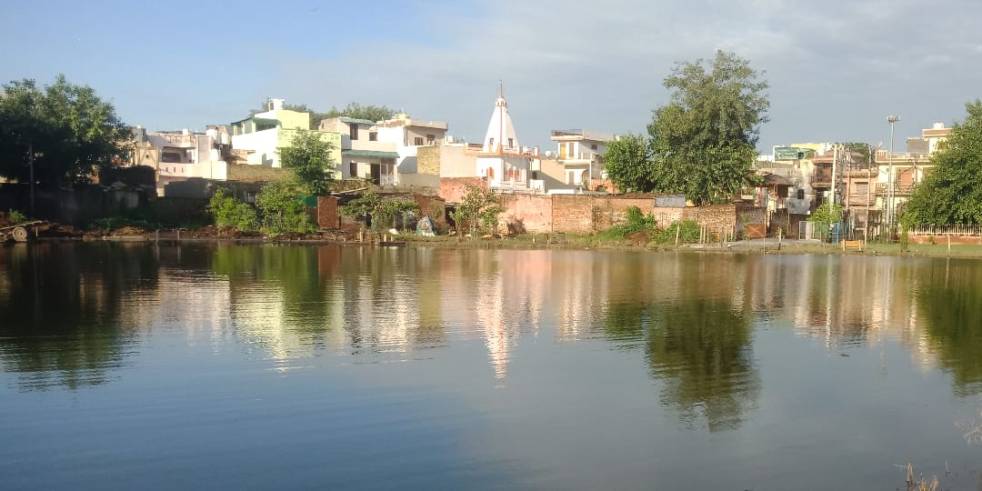
The monsoon rains of August 2020 have brought a soothing smile on the faces of villagers working towards revival of Patodi Johad a traditional water body in Narela, a bustling sub-city in North Delhi.

The greenery, cleanliness created over past one year around the pond with joint effort by youth, women, elderly and children have been now complemented by rainwater flooding the pond making it one of best locations in Narela where native plants, water body, blooming garden is thriving.

The sustained efforts by the villagers have not only brought positive change in society by involving people of all ages, but also leading to rebuilding of lost eco-system and improving micro climate. The biggest benefit is slow but sure improvement in ground water table. This account presents glimpses of how this happened.

Continue reading “PATODI JOHAD: Narela Youth Rejuvenate a dry Pond”
Dam Induced Flood Disaster · Kerala

Role of dams in Kerala floods: Distortion of Science

Guest Article by: J.Harsha

Introduction: In August, 2018, devastated floods occurred in the southern Indian state of Kerala that led to widespread death and destruction to livelihoods. One of the worst affected basins was Periyar River Basin (PRB). While investigating the role of dams in the devastating floods, an article titled, “Role of dams on the floods of August 2018 in Periyar River Basin, Kerala” by Sudheer et al., (2019) was first published in the Current Science1 Journal brought out by Indian Academy of Sciences, Bengaluru, India on 10th March 2019. The journal article by Sudheer et al., (2019) adopts hydrological model to investigate the role of dams in the occurrence of floods in PRB and concludes that dams had less or little role in the occurrence of floods in comparison to the natural reasons. However, when the article was reviewed, it was found that the authors Sudheer et al., (2019) had made fallacious assumptions, errors in their methodology, adopted poor data quality and they have arrived at erroneous inferences and conclusions such as exonerating the role of dams in Kerala floods but indicting the nature as the cause of floods. This review article therefore, using RS & GIS (Remote Sensing and Geographical Information System) techniques challenges their inferences that is based on fallacious assumptions, accumulated errors in their methodology and the poor data quality fed into the hydrological model.

Continue reading “Role of dams in Kerala floods: Distortion of Science”
DRP News Bulletin

DRP: 24 August 2020: Janta Parliament discusses some serious water issues

While Indian Parliament has not met since March 2020, Civil Society Groups came together and held a Janta (people’s) Parliament from Aug 16 to 21 Aug 2020, where citizens from across the country from all walks of life enthusiastically participated. On Aug 18 there was a three hour session on Environment issues (such a session is a rarity in Indian Parliament), as part of which, there was a presentation on Water related issues where SANDRP coordinator was invited to speak. Two water related resolutions were passed among others, by the Janta Parliament, one on Flood Management and another on Urban Water Management. See below for details.

Continue reading “DRP: 24 August 2020: Janta Parliament discusses some serious water issues”
Dam floods · Dams · Floods · Monsoon

Central India Heavy Downpour brings back nightmare memories of 2019 Chambal Scare

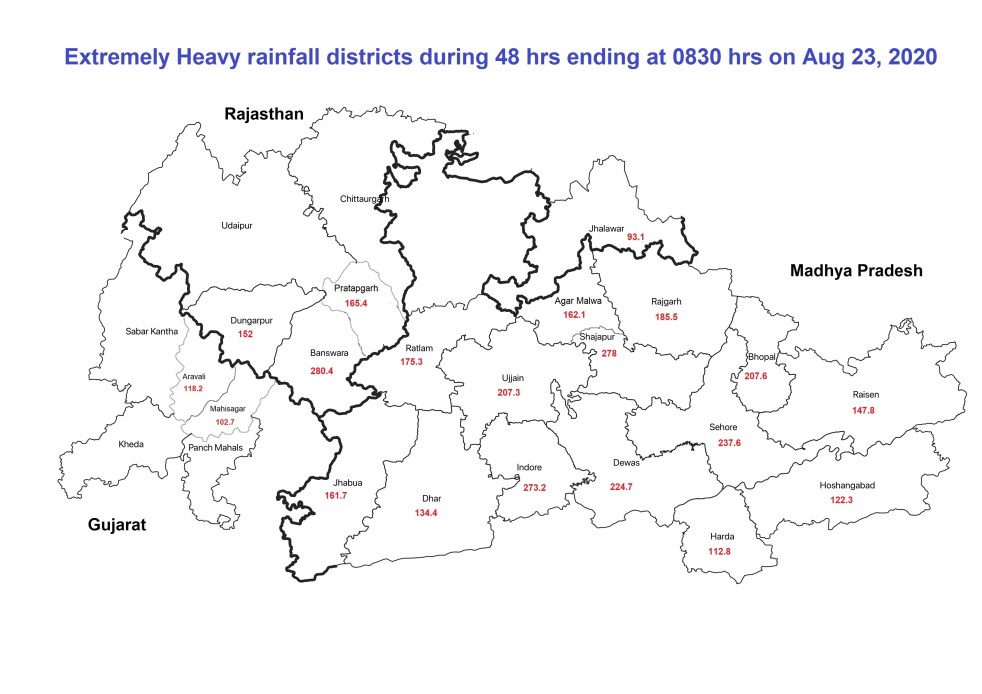
In a rather unusual development, no less than twenty districts in contiguous areas of Madhya Pradesh, Rajasthan and Gujarat had extremely high rainfall in the 48 hours ending at 830 am on Aug 23, 2020. Three of these districts had over 250 mm rainfall in this period, four others had between 200-250 mm, six each between 150-200 and 100-150 and one between 90-100 mm. This contiguous area broadly drains Mahi river to the West, Chambal to the North, Narmada to the South and Betwa to the East. These rivers, thus are now getting heavy flows, and will continue to get for the next few days, some of it from Chambal and Betwa will also end up in Yamuna and Ganga. It reminded one of the nightmarish memories of Sept 2019 when Gandhi Sagar Dam faced existential crisis and the flood peak downstream reached upto Farakka Dam, as CWC Flood forecasting director Sharad Chandra said in a television discussion recently. Continue reading “Central India Heavy Downpour brings back nightmare memories of 2019 Chambal Scare”