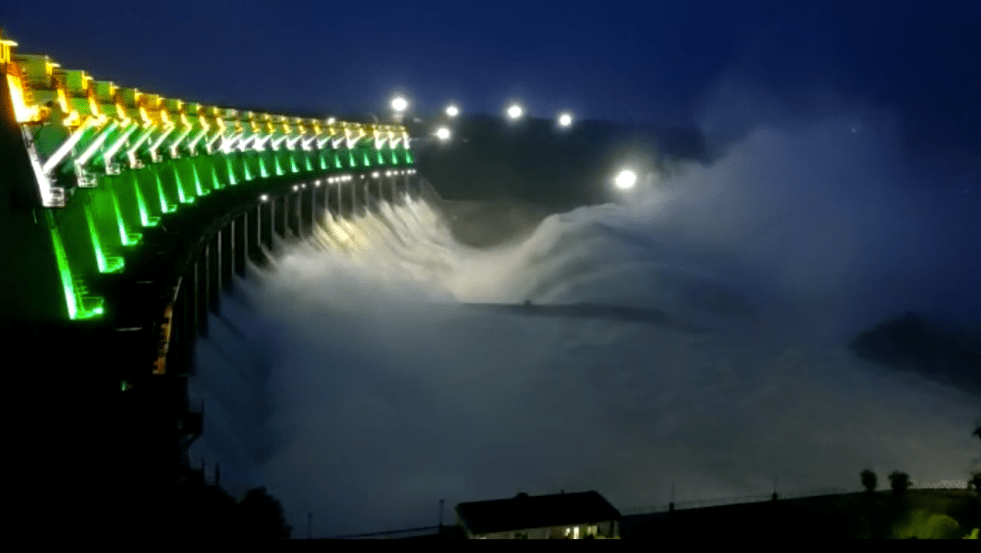
સરદાર સરોવર ડૅમ (SSD)ના સંચાલકો જરાય વિચાર કર્યા વિના, અને કહી શકો કે, ક્રૂરતાથી, પાણી કેટલું છોડવું, ક્યારે છોડવું તેના નિર્ણયો લે છે. એમના નિર્ણયની અસર હેઠવાસમાં શું થશે તેના પર તો જરાય ધ્યાન નથી આપતા. કંઈ નહીં તો, ૨૬મી ઑગસ્ટ ૨૦૨૦થી જ એમને સત્તાવાર માહિતી મળી ગઈ હતી કે ભારે વરસાદને કારણે નર્મદાના ઉપરવાસમાં પાણી વધવા લાગ્યું છે. આ માહિતી પર એ કામ કરી શક્યા હોત તેમ છતાં ૨૯મી ઑગસ્ટ, શનિવારની વહેલી સવાર સુધી એમણે ડેમનાં સ્પિલ-વે ગેટ્સમાંથી પાણી ન છોડ્યું. ડૅમ ૭૦ ટકા ભરાઈ ગયો હોવા છતાં એમણે પાવર હાઉસો પણ ન ચલાવ્યાં. ઓચિંતા જ ૨૯મીની રાતે એમણે દસ લાખ ક્યુસેક – દર સેકંડે ઘન ફૂટ (૨૮,૩૨૦ ક્યુમૅક એટલે કે દર સેકંડે ઘન મીટર) પાણી છોડવાનું શરૂ કરી દીધું [i].. ત્રણ દિવસ પછી ૧ સપ્ટેમ્બર, મંગળવારની સાંજે એમણે મોટા ભાગનાં સ્પિલ ગેટ બંધ કરી દીધાં. આમ સ્પિલ-વેમાંથી નીકળતા પાણીનો જથ્થો પહેલાં કરતાં માત્ર દસમા ભાગનો રહ્યો. આ ૩-૪ દિવસમાં (૨૯મી ઑગસ્ટ અને ૧લી સપ્ટેમ્બર વચ્ચે) પાણીનો ૩૦,૦૦૦ ક્યુમૅક સુધીનોજબ્બરદસ્ત જથ્થો સ્પિલ-વે મારફતે છોડવામાં આવ્યો; એના પહેલાં કે તેના પછી કંઈ જ નહીં! પરિણામે હેઠવાસમાં ગરૂડેશ્વરથી ચાંદોદ અને ભરૂચ સુધી પૂરનાં વિનાશકારી પાણી ફરી વળ્યાં. પરંતુ લાગે છે કે, સરદાર સરોવર પ્રોજેક્ટ (SSP)ના સત્તાવાળાઓ અથવા ગુજરાત સરકારના પેટનું પાણી પણ નથી હાલ્યું. હવે સમય આવી ગયો છે કે ગુજરાતની જનતા જાગે અને આ માનવસર્જિત તારાજી માટે SSPના ખેરખાંઓનો જવાબ માગે.
Continue reading “ભરૂચમાં પૂરની તારાજી માટે સરદાર સરોવર જવાબદાર”Category: Regions
Country wise list here with different states

Role of dams in Kerala floods: Distortion of Science
Guest Article by: J.Harsha
Introduction: In August, 2018, devastated floods occurred in the southern Indian state of Kerala that led to widespread death and destruction to livelihoods. One of the worst affected basins was Periyar River Basin (PRB). While investigating the role of dams in the devastating floods, an article titled, “Role of dams on the floods of August 2018 in Periyar River Basin, Kerala” by Sudheer et al., (2019) was first published in the Current Science1 Journal brought out by Indian Academy of Sciences, Bengaluru, India on 10th March 2019. The journal article by Sudheer et al., (2019) adopts hydrological model to investigate the role of dams in the occurrence of floods in PRB and concludes that dams had less or little role in the occurrence of floods in comparison to the natural reasons. However, when the article was reviewed, it was found that the authors Sudheer et al., (2019) had made fallacious assumptions, errors in their methodology, adopted poor data quality and they have arrived at erroneous inferences and conclusions such as exonerating the role of dams in Kerala floods but indicting the nature as the cause of floods. This review article therefore, using RS & GIS (Remote Sensing and Geographical Information System) techniques challenges their inferences that is based on fallacious assumptions, accumulated errors in their methodology and the poor data quality fed into the hydrological model.
Continue reading “Role of dams in Kerala floods: Distortion of Science”
Of Peace and Pollution: Urban Rivers as Public Spaces
In the ongoing Covid crisis, accessible green, open spaces are a dream for many city dwellers. And yet, there is burgeoning work on the profound positive impacts of urban green spaces on the physiological and psychological health of city dwellers.
Despite being polluted, dammed, encroached and thwarted, rivers continue to be free and open public places. Today more than ever, rivers, riverbanks, floodplains and bridges are an invaluable resource for any Indian City. This momentous service is ignored in our riverfront development projects, metro and road plans and city development plans which encroach upon rivers. Continue reading “Of Peace and Pollution: Urban Rivers as Public Spaces”
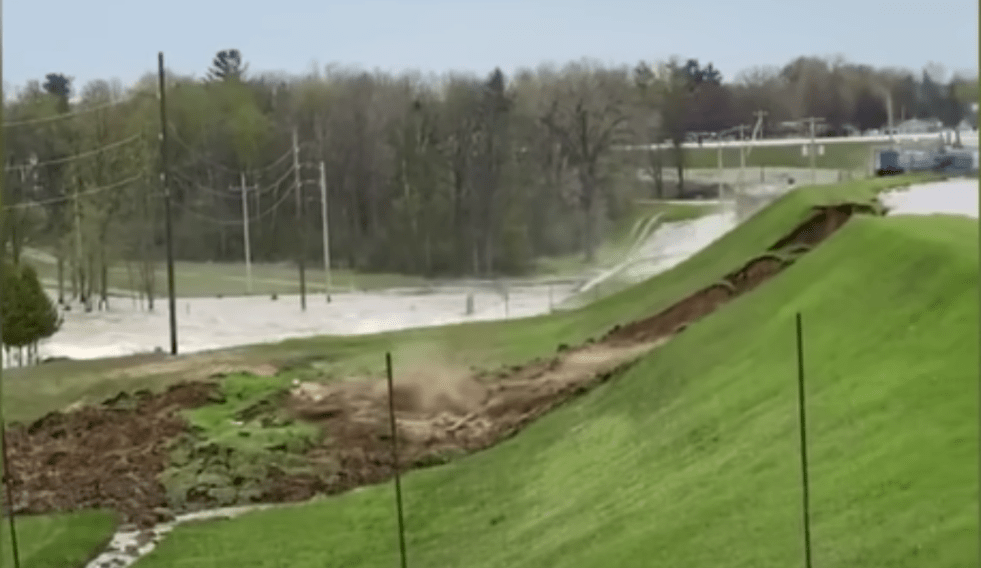
Michigan Dam failures-2: FERC is also in the dock
A Sanford couple is taking on the federal government in general and FERC (Federal Electricity Regulatory Commission) in particular after they lost their lakefront home in May when the Sanford Dam was overwhelmed, causing major flooding. This is interesting since at the root of the dam disaster is the failure of FERC. For years, FERC kept humouring the dam owner, and tolerated its violations. Why it did that, when it could have taken much stronger action almost two decades back is a mystery. Hopefully, this case will help get it resolved. Continue reading “Michigan Dam failures-2: FERC is also in the dock”
Making sense of 2020 Gandak floods
While Bihar is again facing one of the worse floods this monsoon, one basin in Bihar that has possibly faced the maximum floods is Gandak, as a number of reports[i] have described. The floods in Gandak basin were pretty serious, as embankments along Gandak breached at multiple locations, first on western side (Gopalganj district) starting on July 23-24 night and then on Eastern side (Purbi Champaran district). The flood lead to breaking of three year old HFL (Highest Flood Level) record at Dumariaghat, 19 year old HFL record at Lalganj and most shockingly, 34 year old HFL record at Rewaghat. Continue reading “Making sense of 2020 Gandak floods”
Beyond technological failure: Examining the role of religious organisations in water conservation
Guest Blog by Sachin Tiwale
Introduction
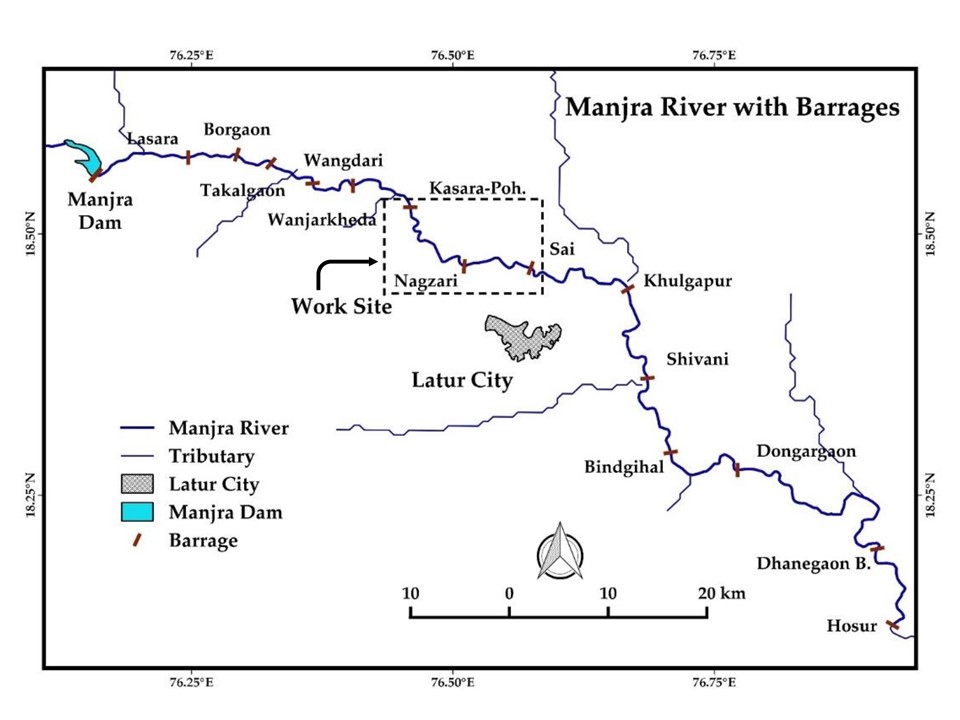
In summer of 2016, after witnessing two consecutive droughts, Art of Living (AoL) along with RSS Jankalyan Samiti, (RSS-JS) initiated Manjra River Rejuvenation program with the involvement of local leaders and residents. As a part of this program, the Manjra River channel was deepened and widened to create additional storage to meet the drinking water demand of parched Latur city of Marathwada, Maharashtra. During implementation, the leading organisations AoL and RSS-JS proclaimed rejuvenation project as a permanent measure resolving the crisis by creating storage of 18 million cubic metre (MCM) enough to meet Latur city’s water demand (Ghadyalpatil 2016; Thomas 2016). With a promise of supplying piped water every alternate day, they collected around Rs. 70 million from the people[1]. However, as described below, even after completion of massive excavation damaging river ecology, this project failed miserably. It could not even supply one drop of water to the citizens of Latur. Surprisingly, this failure is never revealed or discussed and on the contrary, the project was celebrated as a success (Samvada, 2016). Continue reading “Beyond technological failure: Examining the role of religious organisations in water conservation”
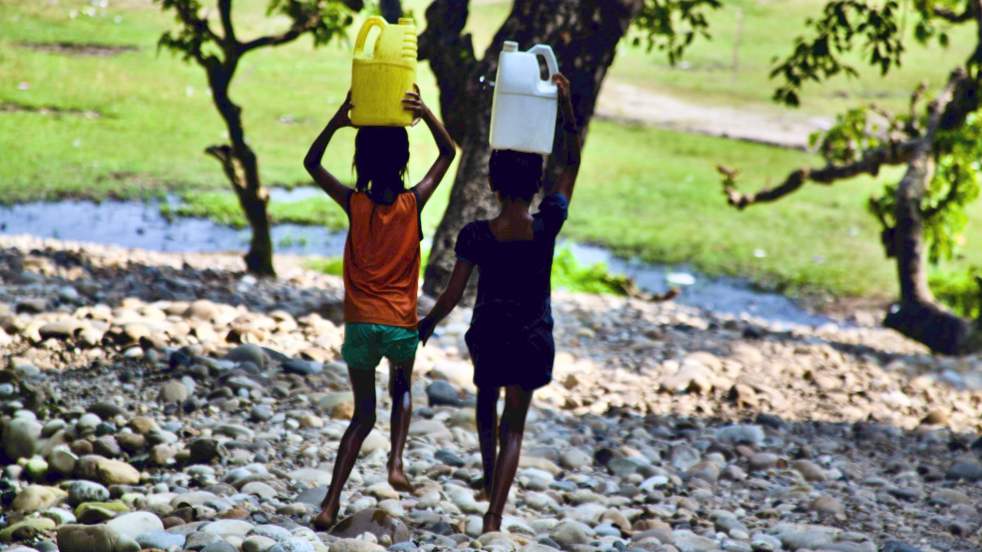
Story of small transboundary river: Understanding Bhikhna Thori and River Pandai on India-Nepal border in Pashchim Champaran, Bihar
Guest Blog by Eklavya Prasad, Megh Pyne Abhiyan
Last week, a note was in circulation, which listed few border related conflicts between India (Bihar) and Nepal (Parsa). Of the nine points mentioned in the note, seven were directly or indirectly related to either a river, or access to water, or flood protection works. Out of the seven, one issue was with regard to an old concern involving River Pandai, which has witnessed different dimension of cooperation and discord between communities across the Indo-Nepal border in Pashchim (West) Champaran and Parsa districts respectively. However, the note highlight the conflict as a recent one with a specific intent and that was explained as ‘नेपाल की करतूत : पानी रोक लिया, ताकि एसएसबी के जवान परेशान हों‘ (Nepal’s handiwork : They stopped the water to trouble the Sashastra Seema Bal (SSB) jawans). After having read the note, I decided to write this piece based on my own understanding and learnings (through direct interactions and personal communication in the past and references) about River Pandai and Bhikhna Thori, to provide a comprehensive perspective.
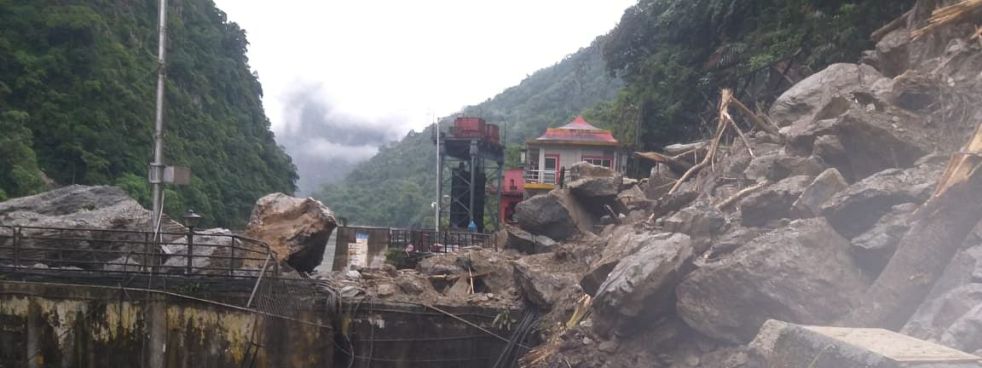
Landslide in Sikkim damages NHPC’s Teesta V Dam Project
This photo is possibly the worst advertisement for a hydropower project with landslide rocks sitting on top of the dam. A massive landslide has severely damaged the 55 m high dam of the 510 MW Teesta Hydropower Project of NHPC, at 00.20 hours on June 27, 2020. This is a major blow to NHPC, considered India’s premier hydropower company. It’s also a major blow to the propaganda of International Hydropower Association, falsely pushing this very project as an example under IHA’s Hydropower Sustainability Assessment Protocol[i].
NHPC PR on June 28 afternoon said the landslide happened “at Dam Axis on left abutment hill side from a height of about 40 meter from Dam top NHPC Teesta-V Dam at Dikchu, East Sikkim. The access to Dam Control Room (DCR) as well as electrical connection to Dam top was cut-off due to this slide.” The electricity supply was restored about 9 hours later. (https://www.facebook.com/1764846020501239/posts/2689927154659783/)
Continue reading “Landslide in Sikkim damages NHPC’s Teesta V Dam Project”
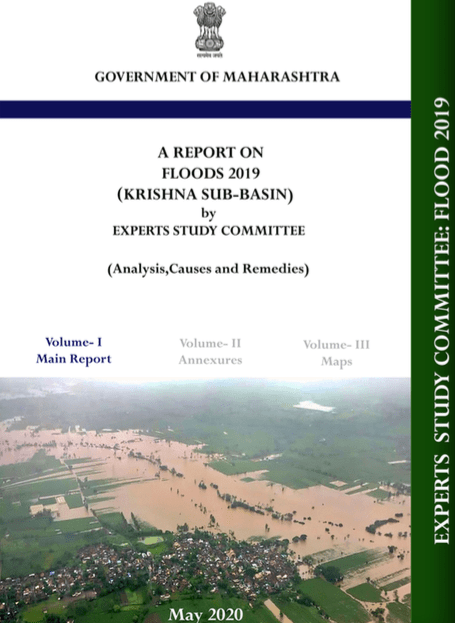
Maharashtra Upper Krishna Basin Flood 2019 Vadnere Committee-2: A report with “difference”!
Guest Blog by Pradeep Purandare
SANDRP published my article entitled “Maharashtra Floods 2019: Don’t waste the crisis” on 26th May 2020.In that article I had explained the reasons behind my resignation from the Flood Study Committee. Exclusion of my chapter from the committee’s report was one of the reasons. Now, the said report is available in public domain & surprisingly enough, it includes my chapter; thanks to SANDRP!
In this note, I would like to draw the attention of all concerned towards the erroneous data, strange analysis & weird logic employed by the Vadnere Committee-2 in its report without discussing the serious issues in the committee meetings. Continue reading “Maharashtra Upper Krishna Basin Flood 2019 Vadnere Committee-2: A report with “difference”!”
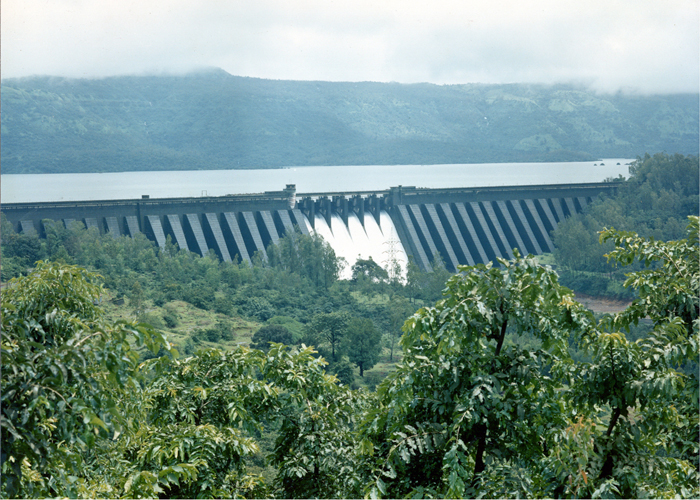
Maharashtra’s Upper Krishna Basin again faces prospects of Dam Floods?
Seven major dams with high storage capacities in Upper Krishna Basin in Maharashtra’s Satara and Sangli districts have huge 1422.12 Million Cubic Meters (MCM) water in live storage as on May 30, 2020, just about a week away from the prospects of beginning of monsoon. The Wadnere committee’s efforts not withstanding, there is no doubt that almost simultaneous water release from these seven dams played a major role in creating highest ever flood levels in Maharashtra’s Upper Krishna Basin in August 2019. Though on this day last year, these seven dams had much lower water in live storage at 556.49 MCM, the almost simultaneous water release from these dams hugely contributed to the unprecedented flood disaster in Sangli district last year. With 256% water in live storage this year compared to last year on this date, the risk of these dams contributing to flood disaster in Sangli district is even greater this year. Unless the authorities in the water resources department, district administration and disaster management authorities wake up and ensure that these dams help moderate rather than contribute to floods. Continue reading “Maharashtra’s Upper Krishna Basin again faces prospects of Dam Floods?”
 SANDRP