DRP News Bulletin

DRP 060921: DISASTERS GOING UP in Himalayas, across India & Globally

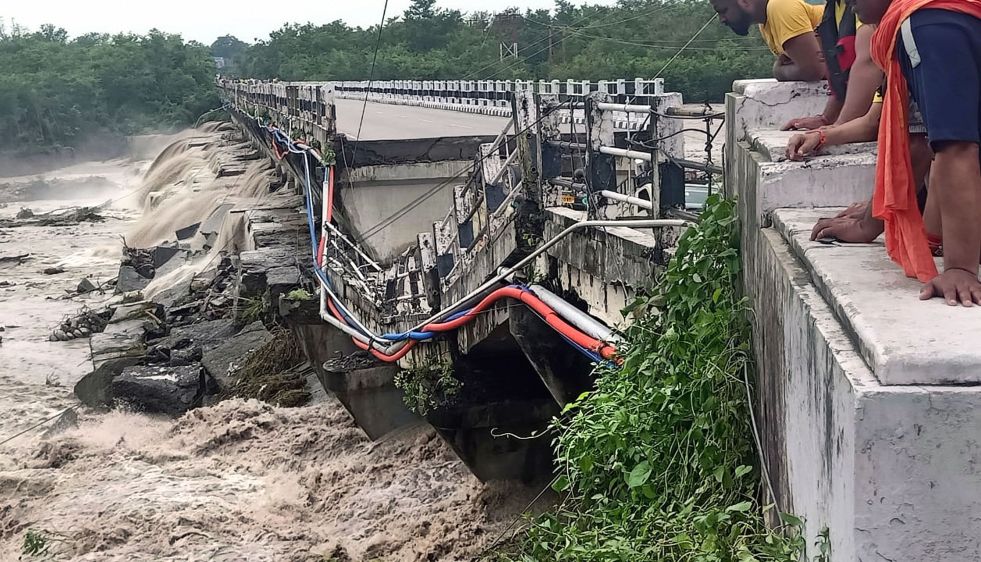
(Feature image: Rani Pokhri bridge on the Dehradun Rishikesh highway collapsed near Dehradun, August 27, PTI https://www.thequint.com/news/india/uttarakhand-rains-bridge-on-dehradun-rishikesh-highway-collapses-no-casualties#read-more)

Data published this week (see below) shows that disasters are going up almost five fold in the Himalayas (data from Uttarakhand, HP below, but this is not different in rest of Himalayas), nationally and even globally. The data from UN report this week shows that the disasters are up five fold in recent years. Damage is up even more. As the data of landslides due to Char Dham High way and hydropower projects show, the contribution from these projects to the disaster is clear. So much so that even the editorial in The Hindustan Times this week asked to stop these disastrous projects. While it is unlikely that the governments or politicians would wake up to this reality anytime soon, one expects the judiciary, media, civil society and academics to take up this issue on urgent basis.

Continue reading “DRP 060921: DISASTERS GOING UP in Himalayas, across India & Globally”
Monsoon · Rainfall

High Rainfall days in India’s districts in August 2021

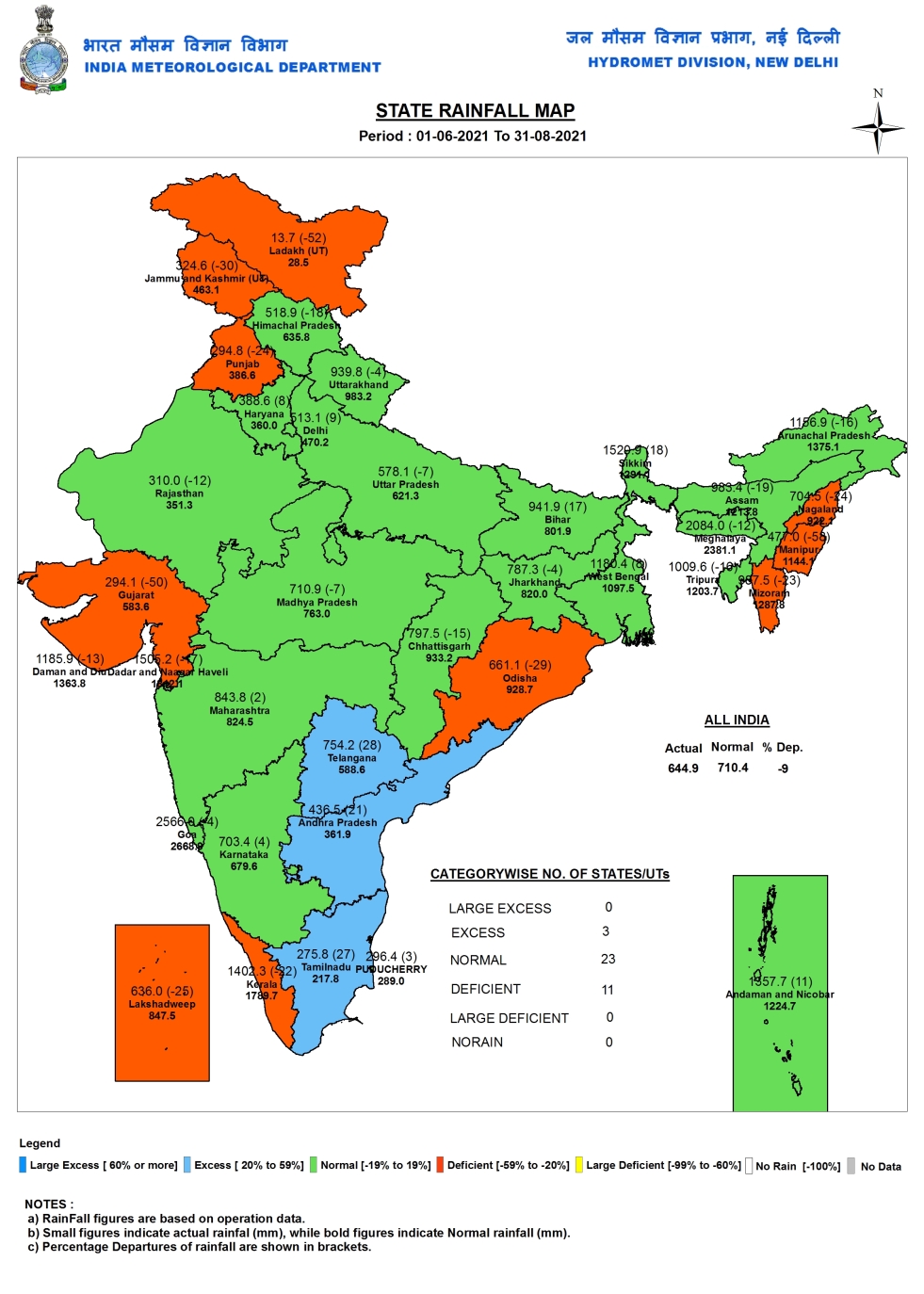
An analysis of the daily district wise rainfall data from India Meteorological Department (IMD) for the month of Aug 2021, 3rd month of India’s South West Monsoon 2021 shows that there were 431 instances when district rainfall of a day was above 50 mm. The normal monthly rainfall of India Aug is 258.2 mm and actual rainfall was a huge 24.13% below normal at 195.9 mm[i], the actual average daily rainfall in this month was about 6.45 mm. Such high rainfall instances included 371 instances when rainfall was 50-100 mm, 48 instances when it was 100-150 mm, 11 times it was 150-200 mm and just once above 200 mm. Interestingly, in June 2021[ii] and July 2021[iii] there were seven instances when rainfall was above 200 mm, when the rainfall is supposed to be much below July rainfall. As noted in detailed article[iv], the July 2021 rainfall all over India was 6.7% below normal.

Continue reading “High Rainfall days in India’s districts in August 2021”
Floods · Ganga

The Everydayness of Flood: Experiences from Bhagalpur-Bihar

Guest Blog by Dr. Ruchi Shree (TMBU, Bhagalpur-Bihar)

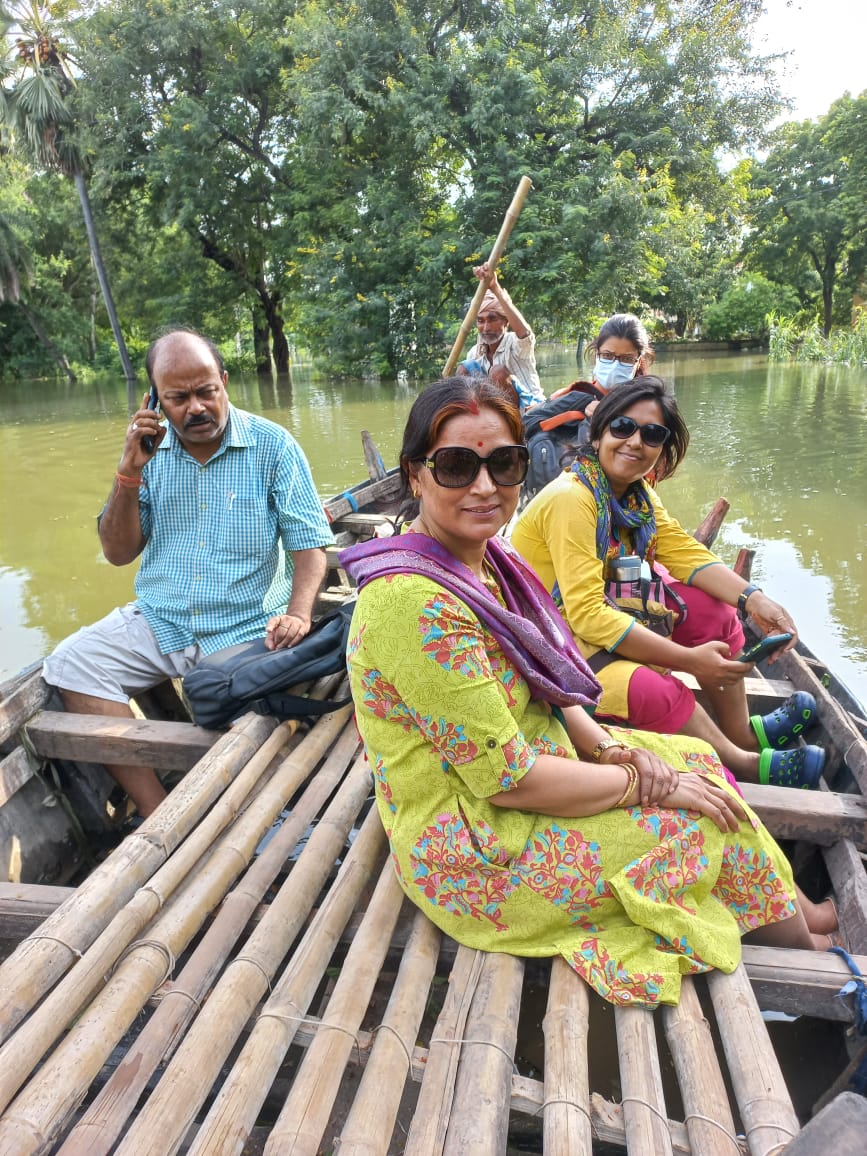
On the banks of river Ganga in north India, Bhagalpur is a district of South-east Bihar. This district is famous for production of silk and thus Bhagalpur is also called ‘silk city’. Due to its proximity to Ganga, it is a flood prone region of Bihar and the usual trend of flood is in alternate year with varying intensity. The wider impact of flood ranges from agricultural loss to disturbances in transportation (water on railway track to vanished roads and bridges) and health hazards to environmental impacts to name a few[i]. This essay has three objectives: first, to narrate the challenges and lessons from my first close encounter of flood, specifically Bhagalpur floods, second, to probe into major reasons of flood and third, to depict the post-flood scenario. To have seen myself in three roles namely flood observer, flood victim and flood survivor is what made me sense the everydayness of flood.  

Continue reading “The Everydayness of Flood: Experiences from Bhagalpur-Bihar”
Monsoon · Rainfall

June-Aug 2021: District wise rainfall in India’s SW Monsoon

In the just concluded month of August 2021, the rainfall in India was a massive 24.13% below normal. Actual rainfall  was 195.9 mm, compared to normal rainfall of 258.2 mm, as per figures from India Meteorological Department (IMD). Contrast this with the rainfall in August last year, at 327 mm, was 26.6% above normal, ,and 44 year high. Even in July 2021, the rainfall was much higher at 266.1 mm, 6.73% below normal. In June 2021, the rainfall was 182.9 mm (10.96% above normal), not much below the August 2021 rainfall, when August is supposed to have much higher rainfall than June.

Continue reading “June-Aug 2021: District wise rainfall in India’s SW Monsoon”
DRP News Bulletin

DRP 300821: Why no protection for aquatic biodiversity?

(Feature image Wildlife Along Indian Rivers by Green Humour:- http://www.greenhumour.com/2017/09/wildlife-along-indian-rivers.html)

Aquatic freshwater biodiversity has seen the maximum decline over the years and yet has the least protection under law. In fact fish is not even considered for protection under the Wildlife Protection Act. Fishing cat, Mahseer, Otters, Trout fish, Hilsa fish are all at top of the food chain in freshwater sources, like the tiger is in the forests, but none of them have the legal protection. If we have any serious intension of protecting this important source of biodiversity, we urgently need measures, including policy, legal and institutional measures to recognize and protect this biodiversity.

Continue reading “DRP 300821: Why no protection for aquatic biodiversity?”
DRP News Bulletin

DRP 230821: World Water Week: 30 years long enough for stock taking?

This week (23-28 Aug 2021) it is Stockholm World Water Week (SWWW) with a 30 year history. The organisers say: “World Water Week 2021 is unlike any other week in our 30-year-old history.” But provide no clear reasons why they are saying that. Their possible explanation: “In 2021 people across the world are really beginning to understand the gravity of the situation we are facing – within a decade we must halve carbon emissions, restore the degraded natural world, and achieve the Sustainable Development Goals. This will require massive transformations of all sectors of society. World Water Week 2021 is entirely focused on the role of water for these transformations and on developing real solutions.” https://www.worldwaterweek.org/news/join-the-most-important-world-water-week-ever 

Continue reading “DRP 230821: World Water Week: 30 years long enough for stock taking?”
Hydro Disaster

NTPC’s Tapovan-Vishnugad HPP after Chamoli Disaster

(Feature image showing July 24 landslide blocking mouth of NTPC’s main tunnel. Mahadeep Panwar/Atul Sati via social media.)

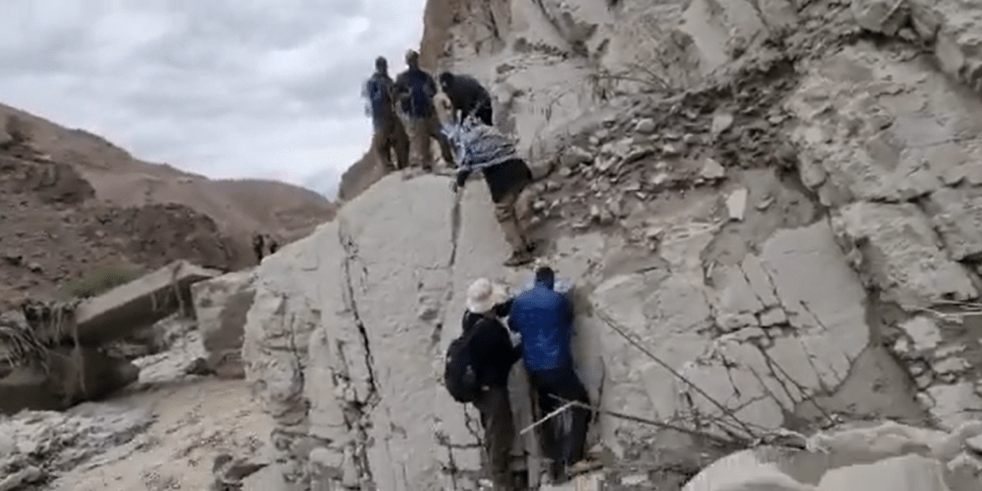
The 520 MW hydro power project (HPP) Tapovan-Vishnugad having proved a recipe for disaster during Chamoli deluge on February 07, 2021, continues to jeopardize the local environment and play havoc with the lives and livelihoods of people in Joshimath area.

National Thermal Power Corporation (NTPC), the developer of the project was seen working round the clock, close to para glacial zone without installing any Early Warning System (EWS) and providing adequate safety equipment to workers before stuck down by the catastrophic event resulting in death of over 200 innocent workers there.

It has been 15 years, since the project was started in November 2006, at an estimated cost of Rs. 2978.48 crore with 2012-2013 as planned commissioning year, however the project is still far from completion.

Continue reading “NTPC’s Tapovan-Vishnugad HPP after Chamoli Disaster”
Agriculture

Barmecide Feast – The Problems in Production and Sale of the Produce of Organic Agriculture

Guest Blog by: Subhadra Khaperde and Ananya Mukerji

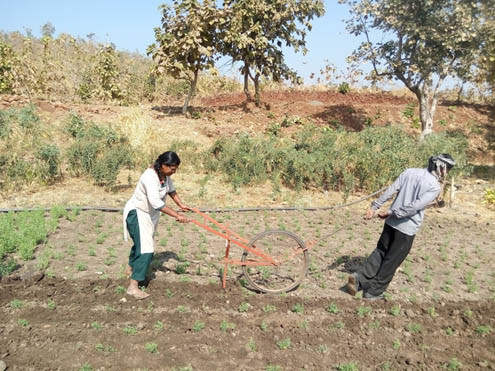
Agriculture in India directly or indirectly provides livelihoods to 60 percent of the population and so the problems of this sector are most relevant for the overall development of the country and have to be effectively addressed. Especially in distress are the small and marginal farmers who have less than 2 hectares of land and constitute 85% of all farm households (Agricultural Census, 2016).

Continue reading “Barmecide Feast – The Problems in Production and Sale of the Produce of Organic Agriculture”
DRP News Bulletin

DRP 160821: Landslides in Himachal worsened due to mindless “development” projects

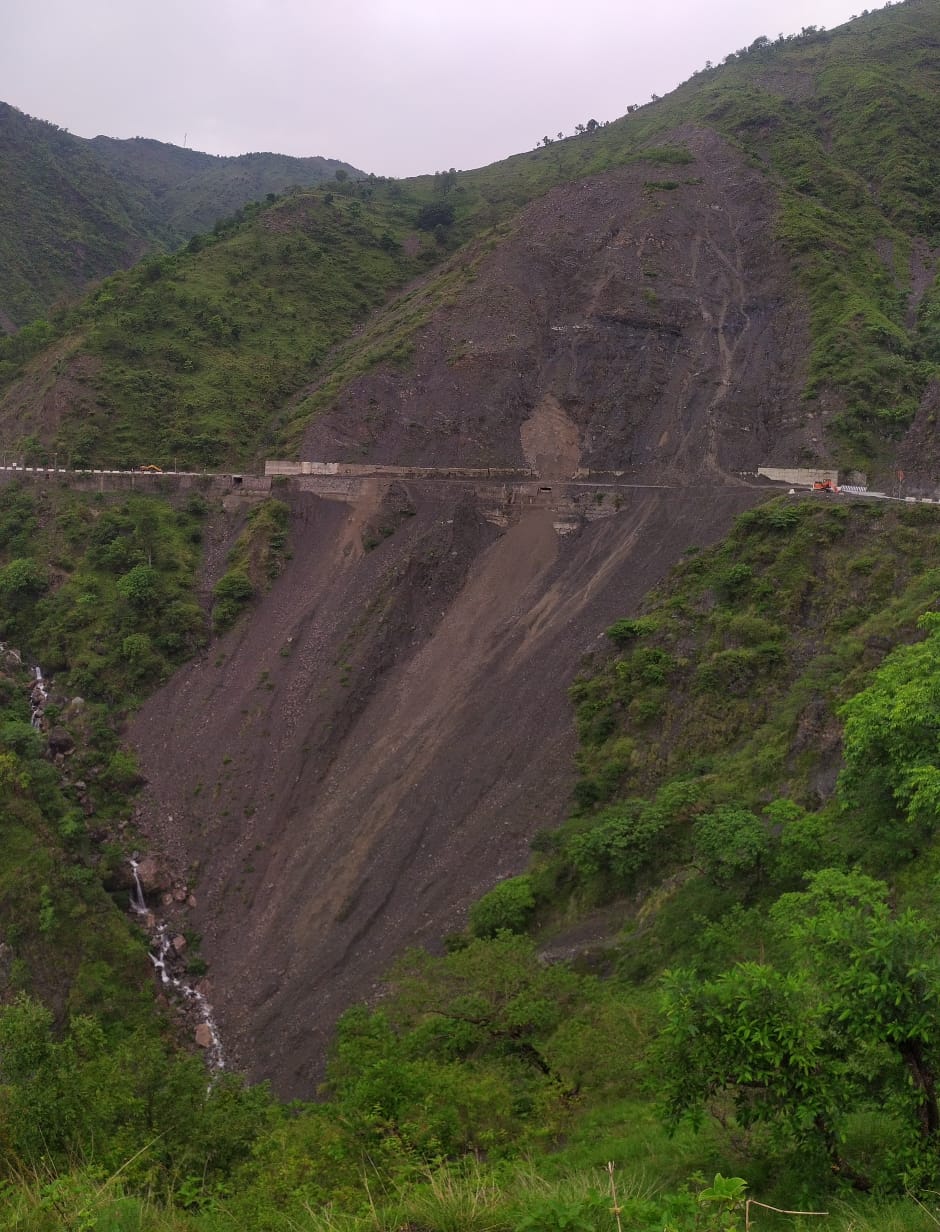
The numerous landslides this monsoon in Kinnaur and other districts of Himachal Pradesh and other Himalayan states have been literally deadly, killing hundreds of people this monsoon. Mindless “development” projects including Hydropower projects, indiscriminate building of roads in mountains, blasting, tunnelling, mining, dumping of waste into the rivers and valleys, deforestation, building townships, all without any credible impact assessment, public consultations, appraisal, monitoring or compliance. While climate change (another anthropogenic factor) leading to more frequent events of high intensity rainfall is worsening the landslide potential of the area, what we are doing in the name of developments is multiplying the disaster potential several fold. The governments at centre and states and judiciary can continue to be blind to this realities, but local people cannot. The local communities in Kinnaur, Lahaul-Spiti have been opposing such projects strongly and such protests are bound to increase and spread. One hopes this pushes the governments and judiciary to act urgently.

Continue reading “DRP 160821: Landslides in Himachal worsened due to mindless “development” projects”