Rivers · Sand Mining

Why indiscriminate river bed mining is wrong, dangerous and unethical

Guest Blog by Manoj Misra

Uttarakhand government is reportedly keen on taking up widespread river bed mining to generate around Rs 750 crore as revenue during 2020-21. More states anxious to recover revenues lost to ‘lockdowns’ due to COVID19 pandemic might also follow suit. Such indiscriminate actions would be unnatural, wrong, dangerous and even unethical.     Continue reading “Why indiscriminate river bed mining is wrong, dangerous and unethical”

Dams · Sand Mining

Yamuna facing illegal, in-stream mining during lockdown

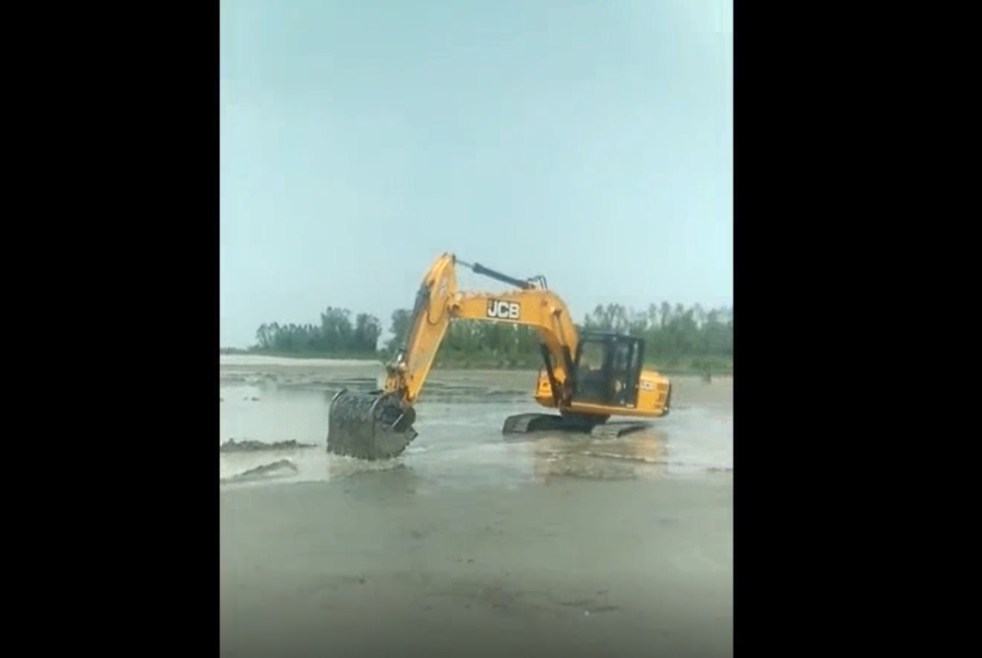
In April May 2020, local people and media reports have highlighted riverbed mining practices going on in the Yamuna river impacting river eco-system and riparian communities in gross violation of lock down norms during the Covid 19 crisis.

The first case is reported from Yamuna Nagar district, Haryana on April 30, 2020 by Times of India, where miners had created a bund across the river in the Gumthala-Jathlana area impending the natural flow of the river.

Continue reading “Yamuna facing illegal, in-stream mining during lockdown”

Agriculture · Dams

2020 pre-monsoon rains, hails hit Uttarakhand farmers hard

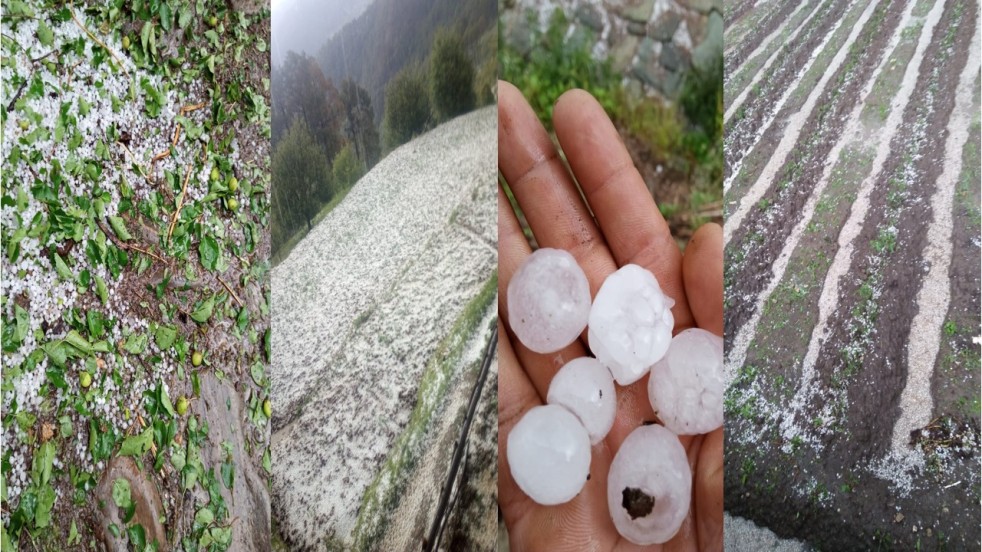
The hilly state of Uttarakhand has been witnessing severe weather conditions for most of April and first week of May 2020. The repeated incidents of rainfall, snowfall, and hailstorm have hit the mountain farmers hard.

Snow, rain, hailstorm destroys cash and food crops

On April 14, 2020 the Yamuna and Ganga valley faced severe hailstorm affecting horticulture produce of apple, apricot, peach, plum, pear and vegetable crops including tomato, potato, peas and food grain crops wheat, pluses and corns in Naugaon, Badkot, Chinyalisoud, Bhilangna area of Uttarkashi, Ghansali, Pratap Nagar, Jakhnidhar areas of Tehri and Dhumakot region of Pouri.

Continue reading “2020 pre-monsoon rains, hails hit Uttarakhand farmers hard”

Dams · Sand Mining

Uttarakhand Riverbed Mining 2020: Rivers, People, Revenue Robbed

The hilly state of Uttarakhand also known as land of rivers has seen increase in riverbed quarrying operations over past decade. With establishment of stone crushers industry, scale and intensity of riverbed minerals (RBM) excavation has further increased in past few years. So has become the impact on villagers and rivers.

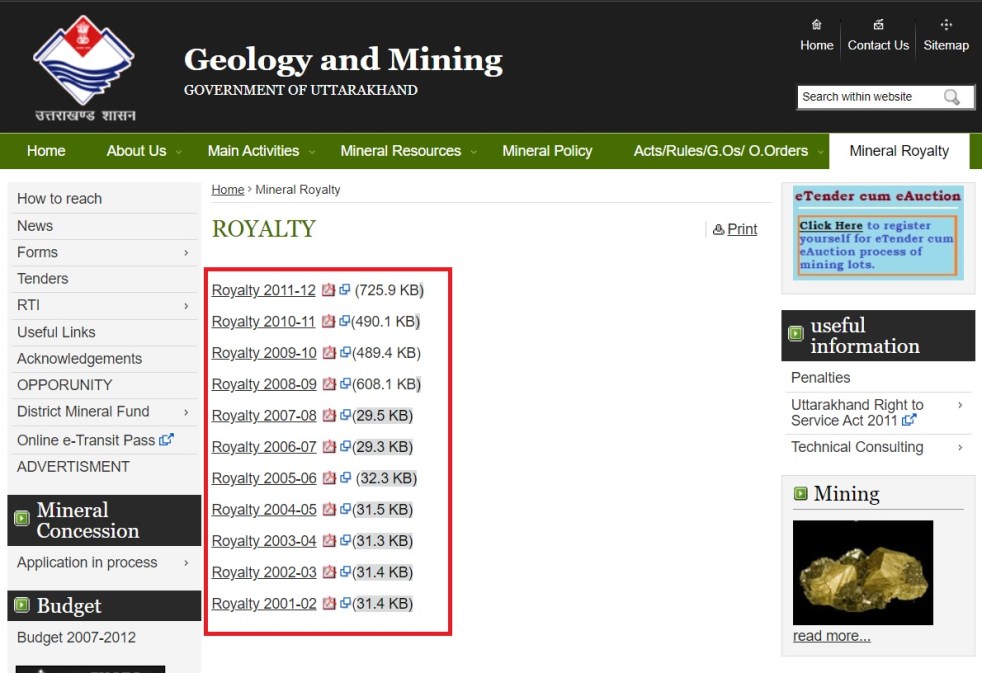
However, the government lacks monitoring, transparency, accountability in checking the unscientific, unauthorized RBM as is evident from a review of Uttarakhand Mining and Geology Department (M&G) website and media reports. In fact the state government has neither conducted replenishment study nor formed District Mineral Foundation (DMF), suggesting that it is hand in gloves in organized loot of RBMs. 

Continue reading “Uttarakhand Riverbed Mining 2020: Rivers, People, Revenue Robbed”

Cloud Burst

Uttarakhand Cloud Bursts in Monsoon 2019: No Doppler Radars Six Years Since 2013 Disaster

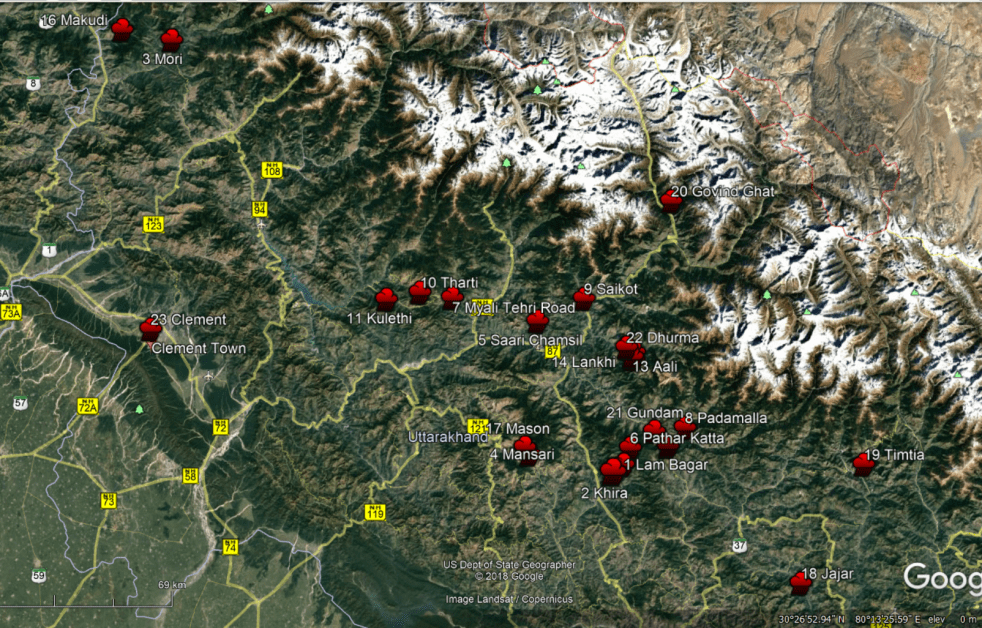
With the beginning of south west monsoon season 2019, many Himalayan states started witnessing exceptional rainfall events known as Cloud Bursts. The extreme weather event – like previous years- caused large scale destruction in ecologically sensitive and remotely located vulnerable hilly areas. This account compiles the available information about such incidents in Uttarakhand in 2019 SW monsoon.

Continue reading “Uttarakhand Cloud Bursts in Monsoon 2019: No Doppler Radars Six Years Since 2013 Disaster”

Agriculture · Disasters · Rainfall

44% above normal rainfall in Oct 2019 creates hopes for Rabi, Disaster for Kharif crops at many places

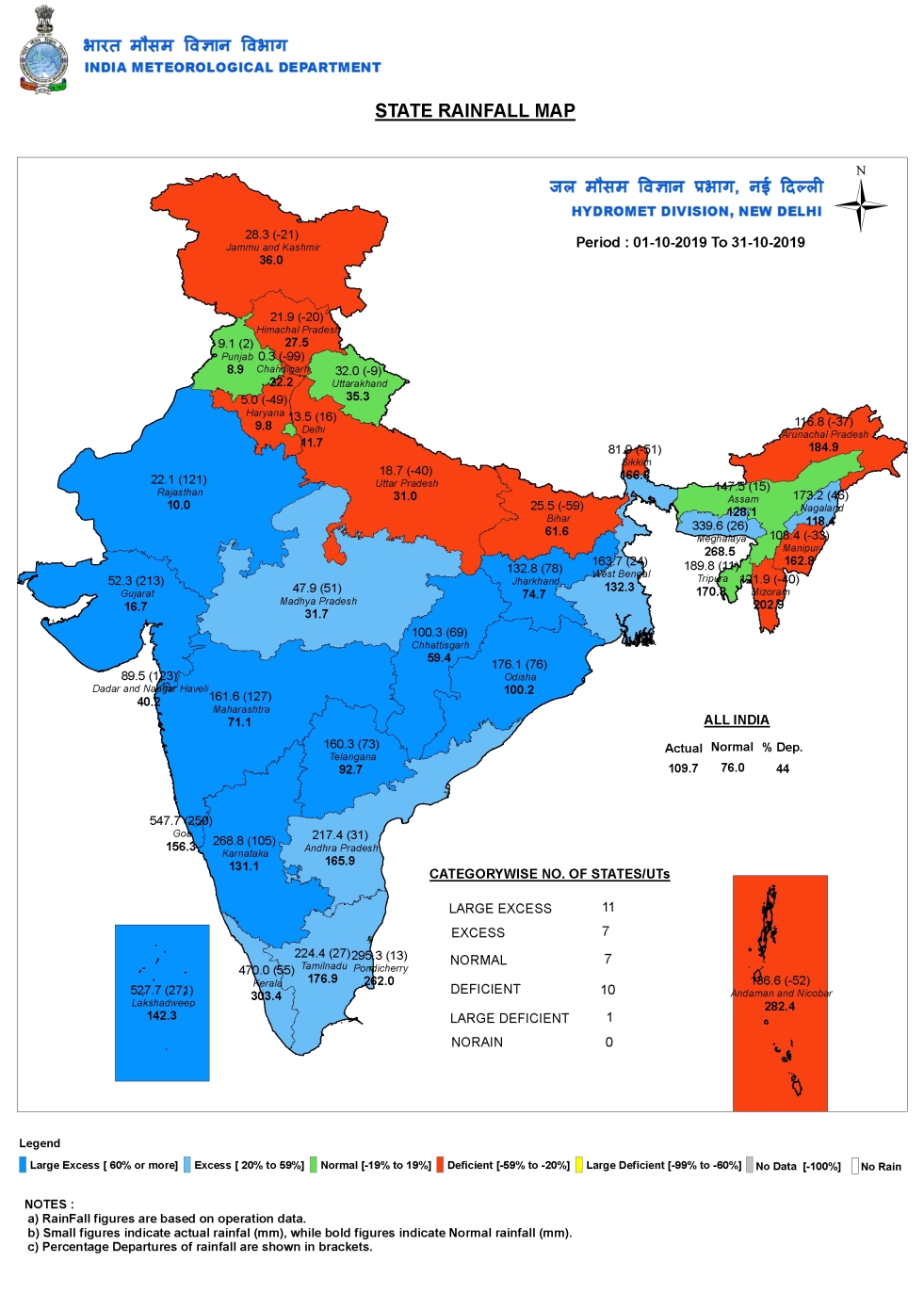
The Oct 2019 rainfall all over India was 109.7 mm, 44% above normal expected rainfall of 76 mm, following 53% above normal in Sept 2019. The rainfall this month has been unusual and has had some major impacts. One of the reasons has been that the SW monsoon withdrawal continued well into Oct 2019, when it almost always gets over by the end of Sept. There were also several cyclonic circulations and depressions mostly from Arabian sea. Continue reading “44% above normal rainfall in Oct 2019 creates hopes for Rabi, Disaster for Kharif crops at many places”

India · Monsoon

SW Monsoon 2019: District wise rainfall in India

The first blog on just concluded South West Monsoon 2019, gave the national picture and broad picture of month wise, state wise, sub division wise and river wise rainfall. This blog provides some details of rainfall in districts of each of the 36 states and Union Territories (UTs) of India. Continue reading “SW Monsoon 2019: District wise rainfall in India”

CWC - Central Water Commission

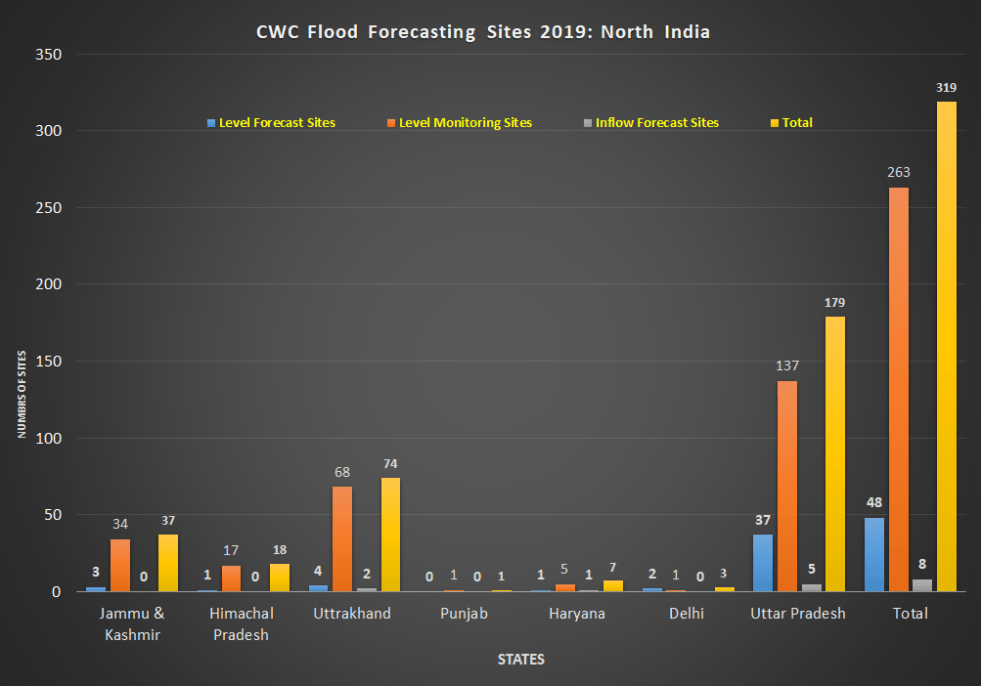
Overview of CWC Flood Forecasting Sites 2019: North India

Flood forecasting is an important activity during monsoon, considering the huge and increasing flood prone area, flood frequency, intensity and flood damages. Accurate and timely flood forecasting can hugely help reduce the damages due to floods. Central Water Commission (CWC) is the only agency responsible for flood forecasting in India. To understand the CWC’s flood forecasting better, we have compiled the list of the various flood, inflow forecasting sites and flood monitoring sites in India.

In this compilation, we have given state wise list of CWC’s flood forecasting, flood monitoring and inflow forecasting sites in North India, comprising of states of Jammu & Kashmir, Punjab, Haryana, Himachal Pradesh, Uttarakhand, Uttar Pradesh, Delhi and Chandigarh. It includes available details like name of river, sub basin, Warning level (WL), Danger Level (DL), High Flood Level (HFL), Full Reservoir Level (FRL), Maximum Water Level (MWL), as applicable. As we see below, there are many gaps in this basic information for the sites that are part of CWC’s list. A similar zonewise overview of CWC’s sites was compiled in 2018, which can be seen here. Overview of CWC Flood Forecasting Sites 2018: North India. We have brought this updated compilation for 2019 as there are large number of changes as ou can see.

Continue reading “Overview of CWC Flood Forecasting Sites 2019: North India”

Groundwater · Mountains

Himalaya-friendly groundwater governance

Guest Blog by Chicu Lokgariwar

In January 2019, the NGT rejected the Centre Groundwater Guidelines for a variety of reasons. It cited several shortcomings, several of which had already been pointed out on this blog, such as the fact that the water conservation fee would give those who had paid it carte blanche to withdraw excessive amounts of water and the lack of monitoring of pollution of groundwater. In addition to the shortcomings cited by the NGT, do the guidelines take into account the special needs of the Himalayan states? SANDRP spoke with people who have been working on groundwater in the Indian Himalayas to understand what the region’s needs are. Continue reading “Himalaya-friendly groundwater governance”

Dams · Monsoon

Uttarakhand Monsoon 2018 Overview: Rainfall Normal, Distribution Abnormal

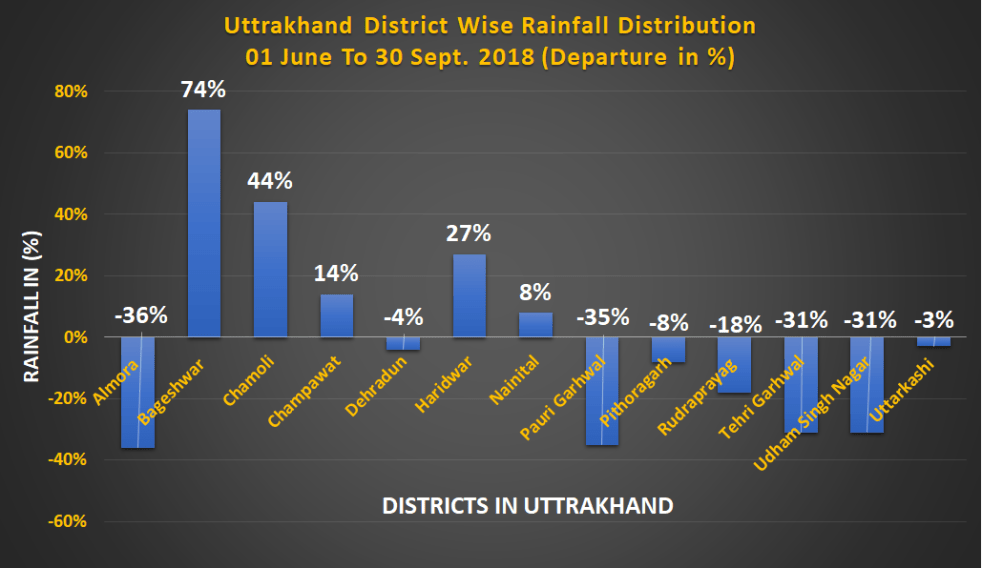
Uttrakhand has received 3% below normal rainfall during South West Monsoon 2018. Though the figure falls in normal category, however district level rainfall data paints a very different picture. Out of total 13 districts in the Himalayan state, four districts namely Almora, Pauri Garhwal, Tehri Garhwal and Udham Singh Nagar have received deficit rains, whereas three districts which includes Bageshwar, Chamoli and Haridwar have got rainfall in excess. Out of the rest six districts four are on marginally positive side and two are on marginally negative side.

Continue reading “Uttarakhand Monsoon 2018 Overview: Rainfall Normal, Distribution Abnormal”