DRP News Bulletin

DRP 261222: People on roads against hydro projects that govt is pushing

(Joshimath residents staging protest against land sinking and damages to their homes demanding rehabilitation & halt in NTPC’s Tapovan Vishnugad HEP tunnel work on Dec. 24, 2022. Image source: Atul Sati, Joshimath)

People of at least four states are opposing hydropower projects that the central and state governments are pushing, ignoring all the ground realities. In Uttarakhand, the Joshimath residents are on roads to wake up the government that seems deaf to their protests due to their houses cracking and land subsiding due to the tunnels being blasted for hydropower projects and Char Dham highway being built ignoring the voices of not only the affected people, but also the experts.

In Arunachal Pradesh, people have been writing to the central govt authorities against the Etalin and Dibang projects being pushed in Dibang valley of Brahmaputra basin.

In Himachal Pradesh, the people of Kinnaur and Lahaul Spiti districts have made it an election issue the destructive hydropower projects being pushed there both by the state and central governments.

In Andhra Pradesh too people have been protesting against the pump storage projects being given permission in schedule tribe areas without their prior informed consent and ignoring the statutory requirements.

2022 is thus ending with people’s active protests across the country against destructive, disaster prone and unviable projects being pushed against their wishes and in violation of any proper consultations or even any credible impact assessments. In the escalating impacts of climate change, these projects are even more problematic as they not only worsen the adaptive capacity of people and invite more frequent, intense and spread of the disasters, but they also destroy the mitigation tools like forests and flowing rivers. This when all these projects are not even economically viable, and when better, cheaper options are available. It would be best if sooner the government listens to the people and stop pursuing such projects.

Continue reading “DRP 261222: People on roads against hydro projects that govt is pushing”
Dam Safety

2022: Growing Concerns over Dam Safety, Sustainability & Impacts

(Feature image: Breach in Karam dam, MP in Aug. 2022. Dainik Jagran)

This annual overview is focused on issues concerning structural and operational safety of dams that arose in 2022. It includes issues related to how climatic threats and siltation is making the large dams unsustainable. It also highlights the impacts of dams on river eco-system and riverine people amid some corrective measures being taken by the various state and central governments including the formation of National Dam Safety Authority.

Please see for links to SANDRP’s analysis on the issues in 2022 in India covering: (1) Dam induced floods, (2) Dam safety and related issues of Polavaram project, (3) Disasters and accidents caused by hydro power projects in Himalayan states, (4) Growing and ongoing resistance against destructive dams and hydro projects, (5) Fly ash dam breaches.

Continue reading “2022: Growing Concerns over Dam Safety, Sustainability & Impacts”
Hydro Disaster

2022: Accidents & Damages related to Hydro projects in India

In this annual review, SANDRP compiles the hydro power related accidents, disasters and damages in North West and North East Himalayan states during 2022. It also covers relevant reports revealing gradual decline in power generation by hydro power projects amid growing concerns over physical and financial viabilities of new projects. There are also reports highlighting the looming climatic and geological threats over these projects. It is good to see that taking lessons from Chamoli disaster in Feb. 2021, NDMA has officially asked central govt not to rely on hydro power.

In previous parts of yearend roundups, we have covered (1) Dam induced floods & damages, (2) Fly ash dam breach incidents, (3) Impact of floods on Polavaram project, (4) People’s resistance against dams and hydro projects. Please see links for reports tracking hydro power projects related accidents and disasters in 2021 and 2020.

Continue reading “2022: Accidents & Damages related to Hydro projects in India”
Dams · Hydro Power Projects

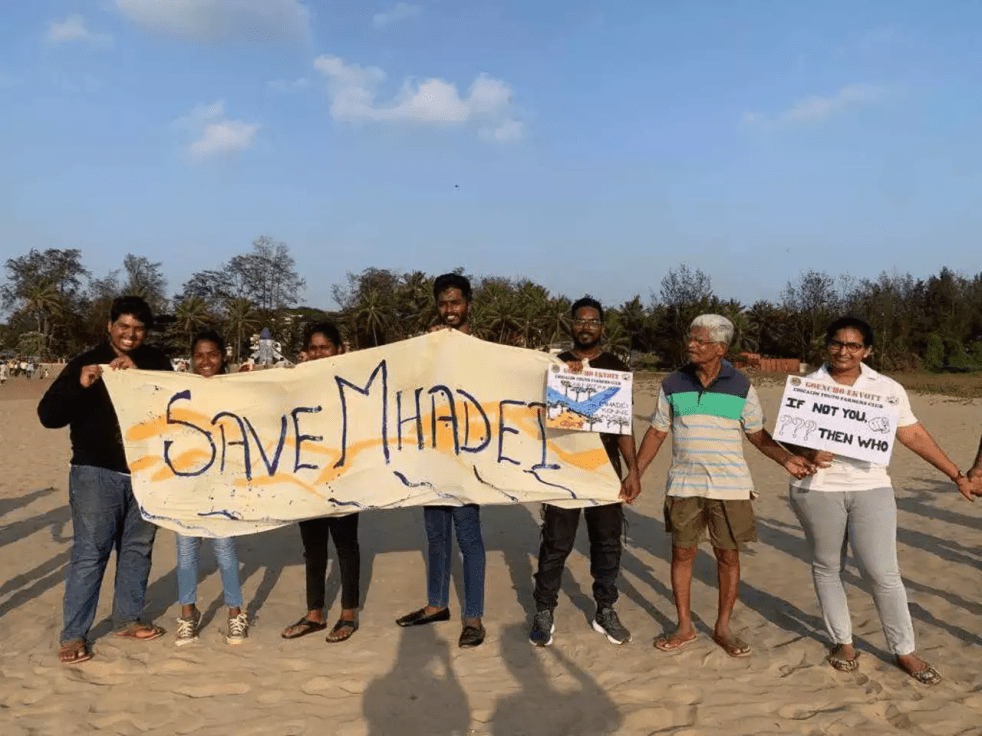
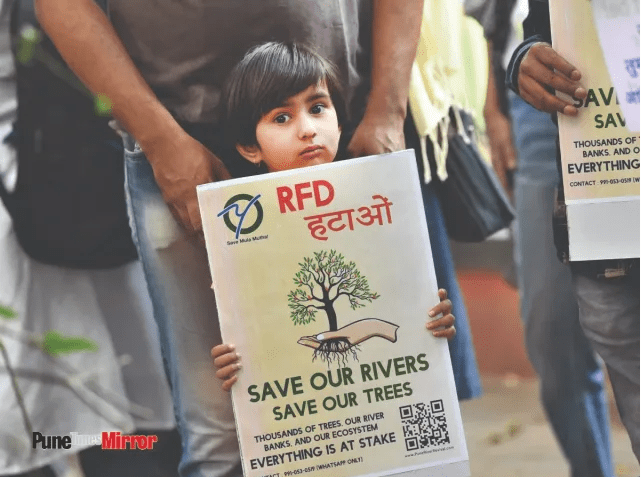
2022: People’s Resistance against Unviable HEPs, Destructive Dams

(Feature Image: No Means No Campaign message against hydro projects on a rock in Kinnaur. Source: ToI)

There have been many instances of opposition by local people, organizations and experts against unviable hydroelectric power (HEP) and destructive dam projects in 2022. Such instances of the resistance from across the country have been successful in a number of ways including leading to the funding agencies, corporate houses and government agreeing to withdraw from the project in many cases. This overview presents top ten stories highlighting successful opposition to hydro and dams projects in 2022 in India followed by some relevant reports on the issue. In first part of the annual overview, SANDRP has tracked the dam failures and dam induced floods incidents in India in 2022, along with separate report on unraveling of Polavaram project and another one on breaches of fly ash dams.

Continue reading “2022: People’s Resistance against Unviable HEPs, Destructive Dams”
Dam Disaster

2022: When Polavaram project further unraveled

(Feature Image: Flood water discharging from Polavaram Project to the downstream, in West Godavari district, on Jyly 12, 2022. The Hindu)

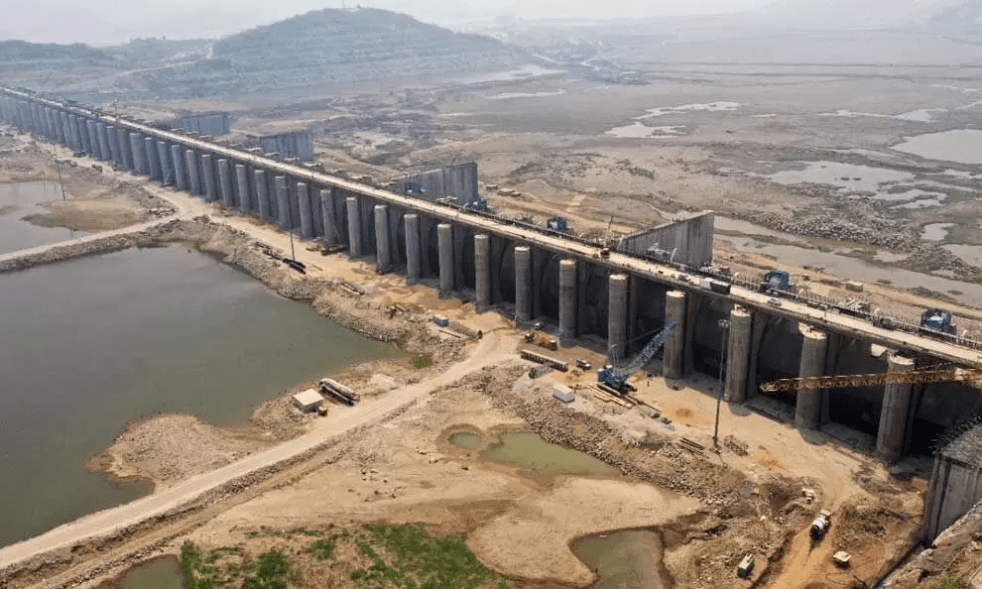
Polavaram is the largest and costliest big dam project under construction in India currently, though not much has been written about this projects and its impacts in mainstream in India. The project was given various clearances through a manipulated process, basic studies were not done before clearing it. Several petitions are pending before the various High Courts and the Supreme Court of India, but the project is allowed to go ahead without resolving them or the inter-state issues. A number of issues related to the project has been unravelling over the years and in 2022, the project further unraveled as the news reports compiled here reveal.

A snapshot of the status at Polavaram Project: The downstream coffer dam is damaged, the Gap 1 and Gap 2 of the Dam are yet to be constructed, the 1.7 km long Diaphragm wall of the ECRF dam is submerged in flood waters, it was earlier damaged (scoured at two places over an an area of 200 m X 200 m) in 2019 floods implying additional expenditure of Rs 600 cr, the water flow at the dam site on July 15, 2022 was highest since 1920 for July, the assessment of the earlier damage to the diaphragm wall and future options that was underway when the floods struck in the second week of July 2022, had to be stopped while still incomplete, the rehabilitation colonies have been submerged as the engineers assessment proved wrong about their elevation. There is an uncertainty on the structural stability of the other facilities of the irrigation project due to incomplete construction of the main dam, as it is receiving an unprecedented inflow. The height of the upper Coffer dam was increased by 1 m to 44 m between 17 and 19 July, 2022, in the middle of high floods, but that had impact on upstream Telangana and they opposed that this was done without consulting them.

Continue reading “2022: When Polavaram project further unraveled”
DRP News Bulletin

DRP 191222: Question marks over viability of pump hydro projects

(Feature Image: 1772 Mw PSHPs Spain. Photo courtesy of Iberdrola/ ENR)

The question marks over viability of huge number of pump storage hydro projects (PSHP) being pushed forward in India currently were flowing in the rivers for long. This week, Moody’s investors Service (MIS) seems to have strengthened this after it downgraded Greenko Energy Holdings’ corporate family rating. It may be noted that Greenko is the biggest investor in PSHPs in India from private sector and a major part of Greenko’s new investments are in PSHP.

This makes the implications of MIS’s downgrade all the more interesting. MIS has noted that PHSPs are capital intensive and each PHSP will generate cash flow only after at least 2-3 years of construction (in reality it can be much longer than 2-3 years, the operative phrase here is at least). It also noted that the additional debt to be raised from Greenko’s capital spending, coupled with a rising interest environment will put further pressure on “GEH’s already weak financial metrics” and that Greenko’s high financial leverage due to its substantial capital spending program will keep its financial metrics below its downgrade trigger “for an extended period of time”.

Continue reading “DRP 191222: Question marks over viability of pump hydro projects”
Dam floods

Dam Floods, Failures and Disasters in 2022

This annual overview highlights the dam induced flood disasters, dam failure incidents in India during 2022. This year, the massive floods in Godavari have exposed the flood vulnerability of giant projects like Polavaram and Kaleshwaram. Also there have been multiple dam failures and dam induced floods in Madhya Pradesh, Tamil Nadu and Kerala. In absence of coordination and data sharing Hirakud induced floods in Mahanadi basin have affected several villages in Odisha and Chhattisgarh. There have been several instances of unscientific operations of dams and the operators continue to hide behind TINA (There Is No Alternative) excuse. The functioning of CWC as key flood forecasting and management agency has not shown any significant improvement. However, now it has accepted that faulty dam operations can lead to flood in downstream areas. Please see links to our 2018, 2019, 2020 and 2021 annual compilations on the subject.    

Continue reading “Dam Floods, Failures and Disasters in 2022”
DRP News Bulletin

DRP 121222: Green Hydrogen from Hydropower is false solution

(Feature Image: Reservoir of Vyasi hydro project dam on Yamuna river in Dehradun. Credit: Varsha Singh/The Third Pole.)

A section of the hydro lobby has been trying to push hydropower in the name of producing green hydrogen as an alternative energy source. However, it has been known for a long time that this is a false solution. There cannot be green hydrogen when sourced from hydropower as not only hydropower projects have huge social and environmental footprint, they also have huge carbon footprint as the following article shows. It would be best to out rightly reject any such claim of green hydrogen when sourced from hydropower project.  

Continue reading “DRP 121222: Green Hydrogen from Hydropower is false solution”
Cloud Burst

J&K & Ladakh Cloud Bursts 2022: Missing Monitoring & Mitigation

(Feature Image: Cloudburst triggers flashfloods; 13 structures washed away, 20 damaged in Doda. Photo PTI/The Telegraph, 20.07.2022)

Tracking cloud burst incidents occurring before and during South West Monsoon season 2022 in North West Himalayan region, this report covers the Union Territories of Jammu & Kashmir (J&K) and Ladakh. Kindly see the links for SANDRP’s reports covering the Uttarakhand (31 cloud burst incidents) and Himachal Pradesh (39 cloud burst incidents) in 2022. Our previous reports for J&K and Ladakh region can be seen here 2021, 2020, 2019.

Continue reading “J&K & Ladakh Cloud Bursts 2022: Missing Monitoring & Mitigation”
DRP News Bulletin

DRP 051222: World Soil Day 2022: Soil where food begins

(Feature Image:-Several practical principles for soil and water conservations are important to be understood and combined. Source Wiki Farmer)

United Nations is celebrating today, i.e. Dec 5, as the World Soil day, the theme this year is “Soils: Where food begins”. The World Soil Day is held on Dec 5 each year since 2014, following the recommendation the International Union of Soil Sciences (IUSS) in 2002. The FAO Conference unanimously endorsed World Soil Day in June 2013 and requested its official adoption at the 68th UN General Assembly. In December 2013, the UN General Assembly responded by designating 5 December 2014 as the first official World Soil Day as a global awareness raising platform.

In the context of climate change, the soil organic content assumes additional huge significance. While the organic content in soils is decreasing globally, it can be reversed. If we can increase the soil organic content, it will not only help in mitigation of climate change by helping reduce the carbon in the atmosphere, it can also help in adaptation as soil with higher organic context has much greater capacity to store soil moisture, which can then be helpful in both flood mitigation (as more of the rain water is stored in the soil), and drought mitigation (soils with most moisture storage will help crops survive longer dry spells).

Continue reading “DRP 051222: World Soil Day 2022: Soil where food begins”