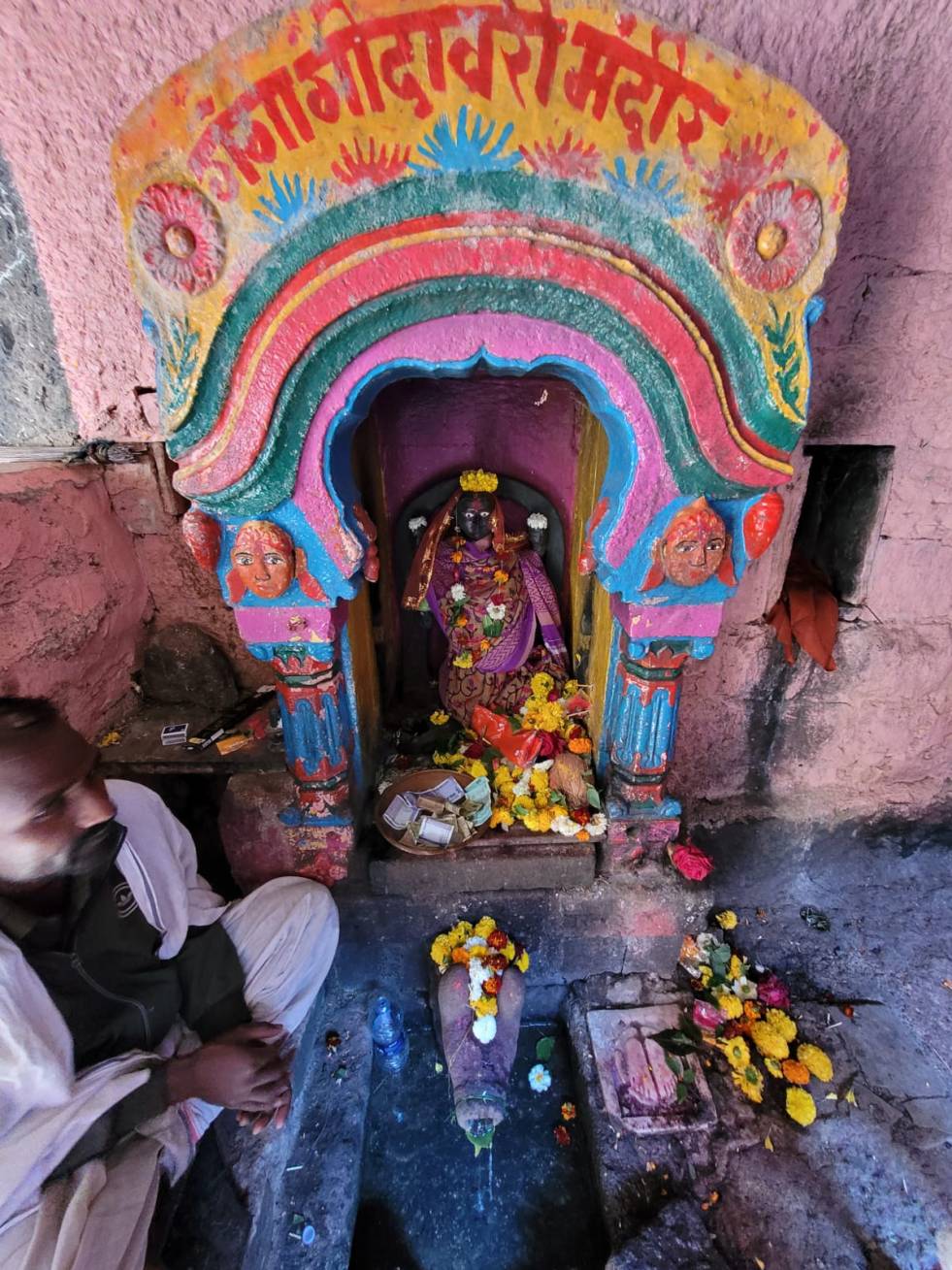
Most Indian languages have a saying which goes something like: “Do not go looking for a river’s origin or a Rishi’s lineage”. I thought this was because these stories become eclectic and frankly scandalizing as we trace them. But while looking at several origins of River Godavari on the Brahmagiri Mountain, I realized that the meaning can be much simpler (or much complicated): It is difficult to decide on a single origin for a river.
Continue reading “उगम: Story of Godavari and Vaitarna’s Origin”Tag: groundwater

यमुना मंथन 07 फरवरी 2024: नदी संरक्षण, पुनरुत्थान के अपर्याप्त प्रयास
(वज़ीराबाद बैराज, दिल्ली के समीप यमुना नदी. भीम सिंह रावत/SANDRP, 09 जनवरी 2024)
(यमुना जिये अभियान के संयोजक स्वर्गीय मनोज मिश्रा द्वारा किये गए यमुना संरक्षण कार्यों की विरासत को आगे बढ़ाते हुए, SANDRP यमुना नदी से संबंधित समसामयिक मुद्दों पर समाचार रिपोर्टों और अन्य सूचनाओं का फरवरी 2024 से संकलन प्रकाशित कर रहा है। यह इस श्रृंखला का पहला संकलन है और हम इसे हर महीने के पहले बुधवार को जारी करने का प्रयास करेंगे। इसका का मुख्य उद्देश्य राष्ट्रीय नदी गंगा की सबसे बड़ी सहायक नदी यमुना को प्रभावित करने वाले सभी विषयों की निगरानी, दस्तावेजीकरण एवं शोध करना और सभी संबंधित पक्षों को नदी की जमीनी स्थितियों से अवगत और समस्याओं के प्रति जागरूक करना है। आप सभी से इसे पढ़ने, साँझा करने और बेहतर बनाने हेतु सुझाव देने का निवेदन है।)
संसद की जल संसाधन पर स्थायी समिति (2023-24) ने 06 फरवरी 2024 को संसद में ‘दिल्ली तक ऊपरी यमुना नदी की सफाई परियोजनाओं की समीक्षा और दिल्ली में नदी तल प्रबंधन’ शीर्षक से अपनी रिपोर्ट जारी की है। इस रिपोर्ट में यमुना नदी को प्रभावित करने वाले कई मुद्दों की जमीनी स्थिति को विस्तार से प्रस्तुत किया गया है और इनके निराकरण के लिए सम्बंधित विभागों, सरकारों को कई सिफारिशें की हैं। नीचे दी गई मीडिया रिपोर्ट्स में इन बिंदुओं का जिक्र किया गया है। हम जल्द इस रिपोर्ट की एक विस्तृत समीक्षा भी अलग से प्रकाशित करेंगे।
मोटे तौर पर, रिपोर्ट में पाया गया है कि हरियाणा के हथिनी कुंड बैराज के नीचे की ओर यमुना नदी में अपर्याप्त प्रवाह है और इसे 10 क्यूमेक्स (क्यूबिक मीटर प्रति सेकंड) से बढ़ाकर 23 क्यूमेक्स करने की आवश्यकता है जैसा कि राष्ट्रीय जल विज्ञान संस्थान ने अपने हालिया अध्ययन में पहले ही सिफारिश की है। रिपोर्ट में नदी सफाई परियोजनाओं की धीमी गति और यमुना नदी के पानी की गुणवत्ता में कोई महत्वपूर्ण सुधार नहीं होने पर भी प्रकाश डाला गया है क्योंकि हिमाचल प्रदेश, उत्तराखंड, हरियाणा, दिल्ली और उत्तर प्रदेश में फैले 33 स्थानों में से केवल 10 स्थानों पर यमुना की पानी की गुणवत्ता निर्धारित मानदंडों के अनुसार पाया गया है।
Continue reading “यमुना मंथन 07 फरवरी 2024: नदी संरक्षण, पुनरुत्थान के अपर्याप्त प्रयास”
DRP 050224: IMD needs to improve forecasting and sharing, but doing the opposite?
(Feature Image: Climate change catoon by Jug Suraiya & Partho Sengupta. ToI, 23 June 2018)
The decision of the IMD to shut down 199 of its district agromet units across India is disturbing on a number of counts. In the era of climate change when the key parameters are undergoing such rapid change, there is need for increasing monitoring and sharing of climate information by the IMD and need to in fact decentralize the whole effort. But this decision of IMD is going against this basic requirement.
In fact, the IMD has become a sort of holy cow, while in reality its performance in monitoring, forecasting and sharing information in time is far from satisfactory. This is increasingly evident every year when IMD fails to provide not only accurate, actionable, rainfall forecasts sufficiently in advance to help reduce the flood disasters and also take timely decisions on reservoir operations, IMD also fails to provide even timely information about the actual rainfall on ground and how that rainfall is going to get converted to inflows in rivers and reservoirs. Similarly, the district agromet units can provide farmer level and decentralized accurate rainfall monitoring and forecasting information that can help farmers take timely decisions.
Continue reading “DRP 050224: IMD needs to improve forecasting and sharing, but doing the opposite?”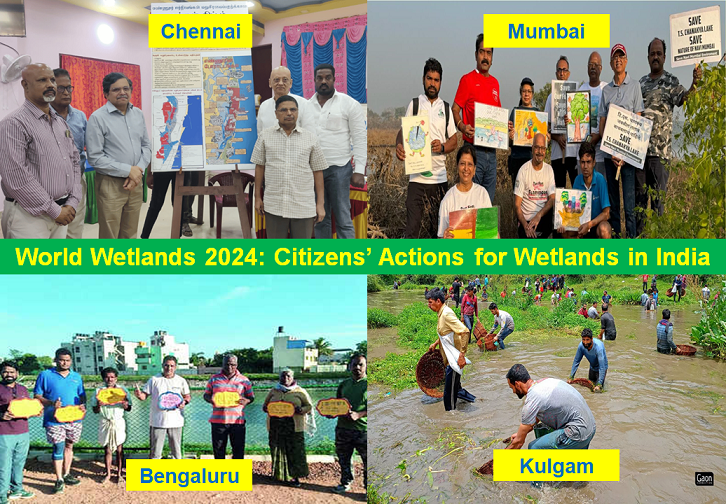
WWD 2024: Top Ten Citizens Actions for Wetlands Protection in India
Celebrating World Wetlands Day (WWD) 2024, this article compiles top ten inspiring reports showcasing how the relentless efforts by individuals, citizen groups and community have been successful in protection and reviving of wetlands, mangroves, waterbodies and lakes in India during 2023. Please also see part 1, part 2, part 3 and part 4 of the yearend overviews documenting the status of Ramsar and other wetlands, relevant government decisions and judicial intervention regarding protection of wetlands in the country during the past one year.
Continue reading “WWD 2024: Top Ten Citizens Actions for Wetlands Protection in India”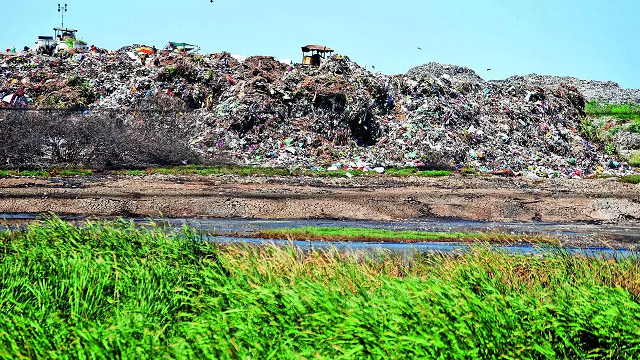
WWD 2024: Top Ten Judicial Actions for Wetlands in India
(Feature Image: A file picture of garbage dumping extending to an additional patch of land at the Pallikaranai marshland. Source: ToI)
The fourth part of the wetlands overview 2023 covers the top ten judicial interventions for the protection of wetlands including Ramsar sites in India. The report shows that the judiciary is increasingly petitioned with legal disputes as the governmental bodies dealing with urban authorities and particularly the regulators have been failing to check unabated pollution and encroachments of the wetlands in their jurisdiction. The legal cases pertaining to encroachments and degradation of Ramsar sites and other wetlands in Himachal Pradesh, J&K, Ladakh, Bhoj lake in Bhopal, Tampara lake in Odisha and Sundarbans in West Bengal clearly indicate the fate of lesser known but equally important water bodies in the country. Overall, the judiciary seems to be finding it tough to stir executioners and unwilling governments and is not equally effective everywhere. However, it has made some landmark orders.
Continue reading “WWD 2024: Top Ten Judicial Actions for Wetlands in India”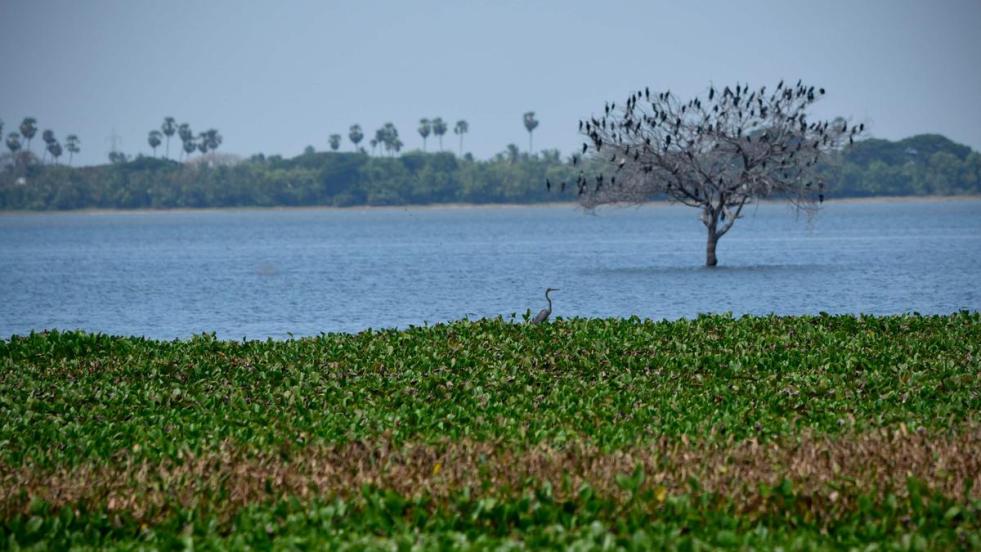
WWD 2024: Lot of schemes for India’s Wetlands-Little Credible Action
(Feature Image: A view of the Bahour Lake near Puducherry. Photo Credit: S.S. Kumar/The Hindu)
On the World Wetlands Day (WWD) 2024, this report compiles top ten developments related to Central and state govt actions for wetlands in India. The year 2023 has seen release of first water body survey and launch of Amrit Dharohar & MISHTI schemes by central govt. India has signed institutional framework agreement for the Central Asian Flyway (CAF) to strengthen conservation efforts for migratory birds and their habitats.
The state govts have announced more wetland plans which are becoming a routine with no change in ground situation. Despite judicial intervention the respective govts have not taken necessary actions to protect and restore Najafgarh jheel, Dhanauri wetlands and wetlands in Goa. Broadly, the year 2023 has passed with no remarkable achievement on govt front which provide hope for better future for India’s wetlands. Please see the first and second parts of yearend overviews covering the status of Ramsar sites and other wetlands in India.
Continue reading “WWD 2024: Lot of schemes for India’s Wetlands-Little Credible Action”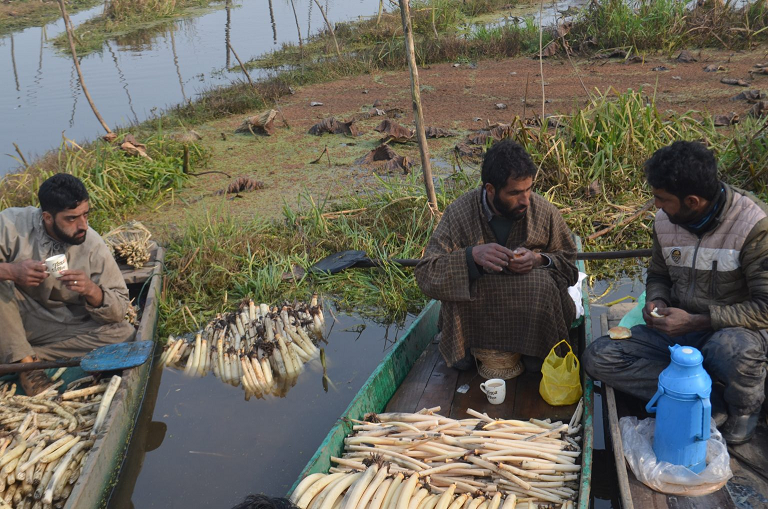
WWD 2024: Both Wetlands & Human Beings Remain Neglected
(Feature Image: Struggling for survival: The harrowing lives of Anchar Lake Nadru harvesters. The Nadru harvesters highlight the lack of safety measures, as they can only afford low-quality wetsuits. Haseeb Ibm Hameed/Greater Kashmir)
While the theme for World Wetlands Day (WWD) 2024 is Wetlands and Human beings, this compilation of top ten wetlands (other than Ramsar Wetlands) reports reveals that on ground most of the wetlands and dependent people in India continue to be subject of degradation and neglect primarily due to absence of holistic restoration plans and clearly defined wetlands governance. The first of the series covering the worrying condition of Ramsar Wetlands sites in the country can be seen here.
Continue reading “WWD 2024: Both Wetlands & Human Beings Remain Neglected”
DRP 290124: Wetlands and Human Wellbeing: So little reflected in wetlands governance
(Chest nut clutivators removing water hycinth from Giri taal of Kashipur in US Nagar, Uttarakhand in April 2023. Bhim Singh Rawat/SANDRP)
As the world approaches the World Wetlands Day on Feb 2, we notice a proliferation of news related to wetlands, but mostly bad news in this week’s DRP NB: Loktak lake in Manipur facing impact of inland waterways project, the Supreme Court having to intervene for the Futula lake in Nagpur, TN Govt telling NGT that 38% of Pallikaranai marshland is under encroachment, in Bangalore, NGT is asking for response from KSPCB and others regarding the lake buffer zone encroachment. There is also a lot of bad news about the worsening state of our rivers, including Ganga.
One piece of good news is that people have come out with their own plan for restoration of Ennore wetland in TN. In Assam, Maguri Motapung Bill is regaining biodiversity after earlier being polluted by oil spill, but that is only control of damage earlier. Similarly, while it is good news that SC has intervened to protect Futula lake in Nagpur, but the fact that the govt wanted to encroach on it in the name of “temporary” construction is not at all good news.
Continue reading “DRP 290124: Wetlands and Human Wellbeing: So little reflected in wetlands governance”
DRP 220124: Welcome news about Rainfall related issues
There are a number of welcome developments this week related to rainfall. Firstly, forecasters say that the El Nino may start weakening from Feb and may weaken by June 2024 and neutralize thereafter. This can possibly mean good rainfall in SW Monsoon 2024.
Second bit of welcome development is that IMD, on turning 150, has declared that it will set up more doppler radars, rainfall measuring stations and use supercomputers to predict state and district level rainfall, currently it only does at national and four regions.
The study of tehsil level rainfall trends over the last four decades is the third piece of welcome development on rainfall. We need many more studies like this, possibly from IMD itself. More details given below.
Continue reading “DRP 220124: Welcome news about Rainfall related issues”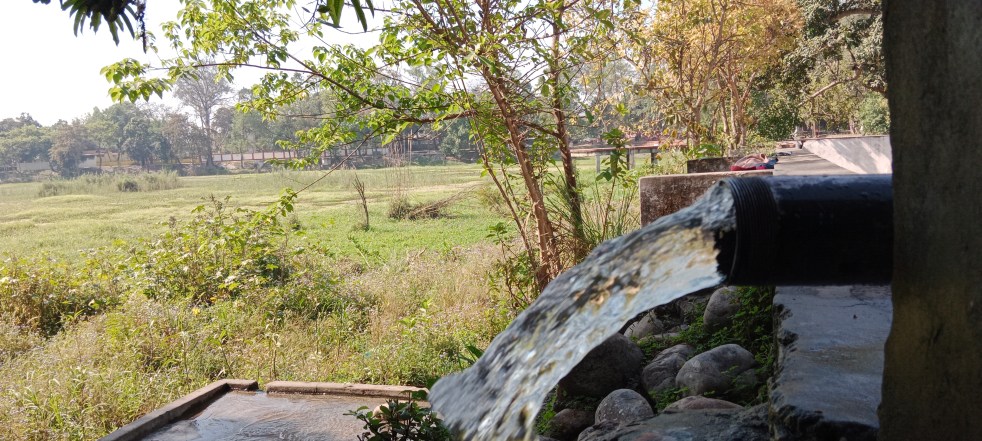
GW Overview 2023: Top ten Govt actions
(Feature Image: Drona Sagar Taal in Kashipur, Uttarakhand being filled with tubewell water in April 2023. Bhim Singh Rawat/SANDRP)
This second part of yearend overview on Groundwater issues in India lists top ten Government actions. While the groundwater has become backbone for all types of consumption including domestic water supply, irrigation, industrial use; depletion of the finite resource continue; the government efforts particularly of central government have been limited to mapping and monitoring. There is neither a recognition that groundwater is India’s water lifeline, nor is there any serious attempt at effective bottom up, decentralised regulation of groundwater.
The aquifer mapping scheme ongoing since 2012 has been extended till March 2026. The govt has planned to increase the number of monitoring wells and equipped them with digital sensors. Meanwhile the Parliament panel report has revealed that the National Water Mission (NWM) lacks adequate funds and autonomy. Several state governments have taken respective measures for protection of groundwater sources however they have largely shown no noteworthy results so far.
Continue reading “GW Overview 2023: Top ten Govt actions”
