Climate Change · Glaciers · Hydro Disaster

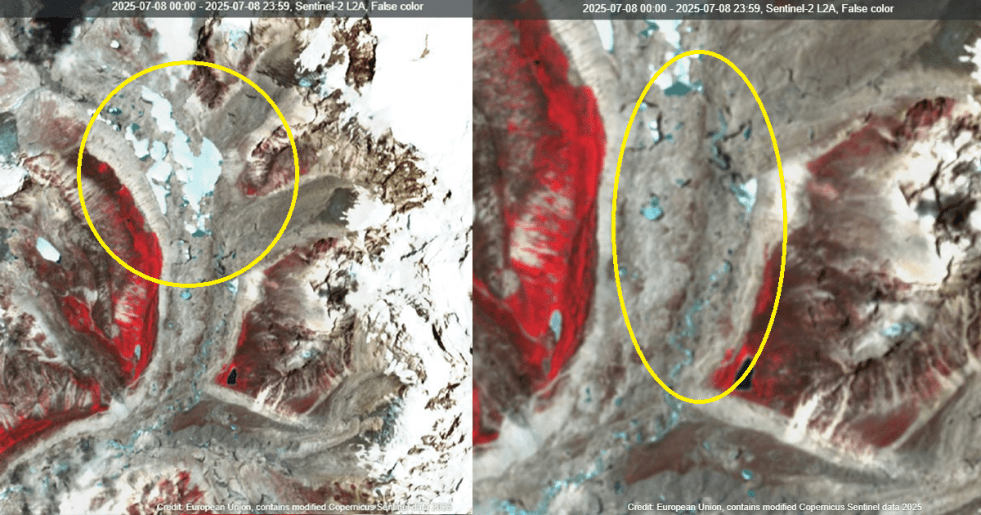
July 2025: GLOF Disaster Impact Ten HEPs in Nepal

Continue reading “July 2025: GLOF Disaster Impact Ten HEPs in Nepal”
Climate Change · Cloud Burst · Dams · Hydro Disaster

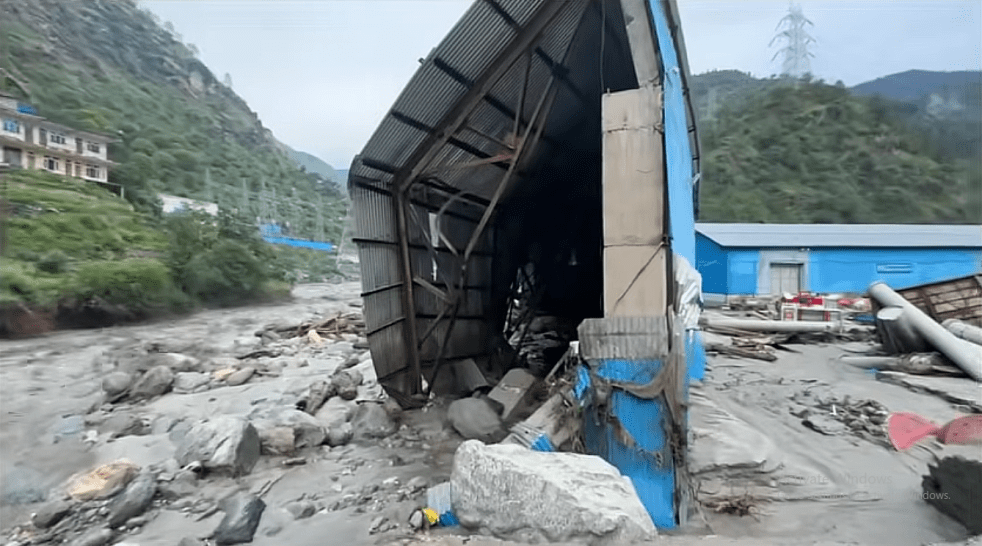
June 2025: NHPC Parbati II, III HEPs damaged in floods

Continue reading “June 2025: NHPC Parbati II, III HEPs damaged in floods”
Landslide dam

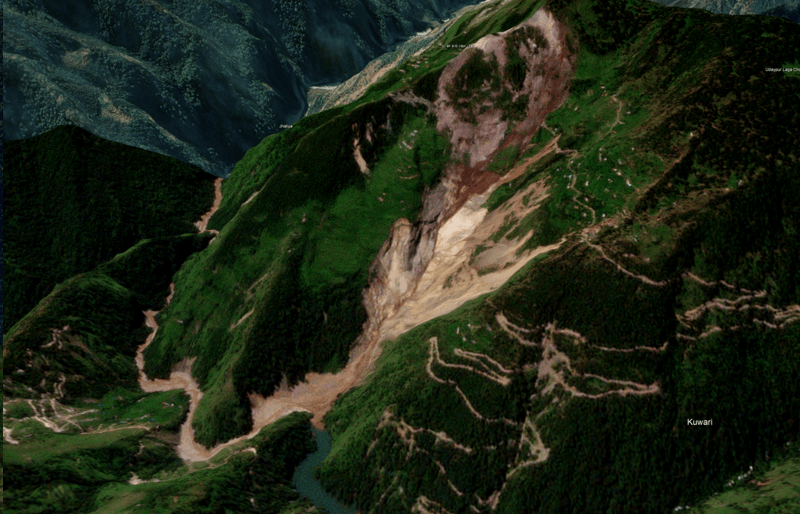
Pindar Valley, Uttarakhand: Potentially Dangerous Landslides Dam in Kunwari

Continue reading “Pindar Valley, Uttarakhand: Potentially Dangerous Landslides Dam in Kunwari”
Hydro Disaster

Himachal Pradesh: Damages at Luhri-I HEP Reveals Loopholes in Dam Safety Act

Continue reading “Himachal Pradesh: Damages at Luhri-I HEP Reveals Loopholes in Dam Safety Act”
Yamuna River

Vyasi Hydro: Village Drowned; River Dried but little power generation

(Featured Image: Submerged Lohari village houses in Vyasi HEP ‘RoR’ dam reservoir. SANDRP, June 2023)

The 120 Mw Vyasi HEP built by Uttarakhand Jal Vidyut Nigam Ltd (UJVN Ltd.) in Vikas Nagar tehsil of Dehradun is on its way to become the textbook example of how thoughtlessly pushed hydro power projects are proving a nightmare for local people, a costly affair for the state and the nation and a disaster for free-flowing living river.

The project offers some bitter lessons for the policy-makers, experts and society who have been assuming that hydro power is a cheap, green source of energy and the Run of River (RoR) projects don’t dam and cause much harm to the environment, people or rivers.

Continue reading “Vyasi Hydro: Village Drowned; River Dried but little power generation”
Cloud Burst

Himachal Pradesh Cloud Bursts 2022: Rise in Death, Disaster & Destruction

(Feature Image: मनाली में सोलंग नाला के पास सेरा नाले में बादल फटने से आयी बाढ़ का पानी। -प्रेट्र/ The Tribune)

Here is an analysis of cloud burst incidents in Himachal Pradesh during south west monsoon 2022. The first part of the series highlighted the impact of cloud bursts in Uttarakhand and the third and final part would cover the Union Territory of Jammu & Kashmir and Ladakh. SANDRP has been tracking the cloud bursts in West Himalayan states since 2018 and our previous reports for the Himachal Pradesh can be seen here 2021(30 cloud burst incidents); 2020(3 incidents); 2019(16 incidents); 2018(21 incidents).

Continue reading “Himachal Pradesh Cloud Bursts 2022: Rise in Death, Disaster & Destruction”
Cloud Burst · Dams

Uttarakhand Cloud Burst 2022: Road Debris, Drainage Encroachment Magnify Destruction

For the past many years, cloud bursts have been emerging as a significant and reoccurring disaster in Himalayan region. The highly localized, intensive rainfall spell, consequent flash floods and landslides have been taking a heavy toll on human and infrastructure apart from impacting the landscape. SANDRP has been documenting such incidents particularly in North West Himalayan states of Jammu & Kashmir, Himachal Pradesh and Uttarakhand. This first part of 2022 tracks the ‘cloud burst’ incidents reported in Uttarakhand before and during SW monsoon 2022. SANDRP’s previous compilation and analysis on the issue for Uttarakhand can be seen here 2018[i], 2019[ii], 2020[iii], May 2021[iv] and 2021[v].

Continue reading Uttarakhand Cloud Burst 2022: Road Debris, Drainage Encroachment Magnify Destruction
Hydro Disaster

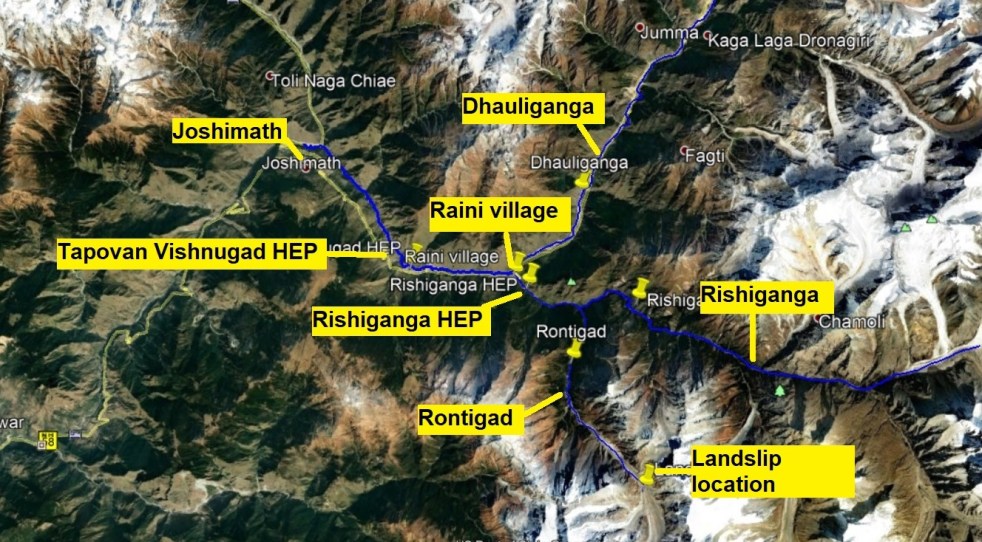
NTPC’s Tapovan-Vishnugad HPP after Chamoli Disaster

(Feature image showing July 24 landslide blocking mouth of NTPC’s main tunnel. Mahadeep Panwar/Atul Sati via social media.)

The 520 MW hydro power project (HPP) Tapovan-Vishnugad having proved a recipe for disaster during Chamoli deluge on February 07, 2021, continues to jeopardize the local environment and play havoc with the lives and livelihoods of people in Joshimath area.

National Thermal Power Corporation (NTPC), the developer of the project was seen working round the clock, close to para glacial zone without installing any Early Warning System (EWS) and providing adequate safety equipment to workers before stuck down by the catastrophic event resulting in death of over 200 innocent workers there.

It has been 15 years, since the project was started in November 2006, at an estimated cost of Rs. 2978.48 crore with 2012-2013 as planned commissioning year, however the project is still far from completion.

Continue reading “NTPC’s Tapovan-Vishnugad HPP after Chamoli Disaster”
DRP News Bulletin

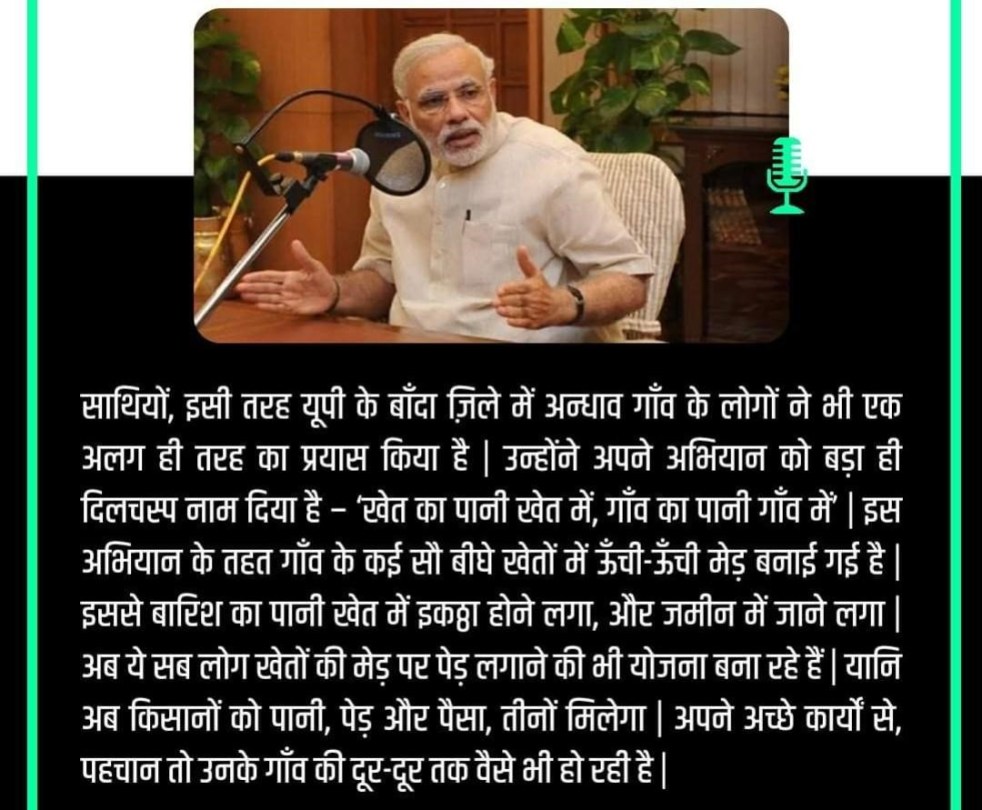
DRP NB 28 June 2021: Where is the impact of lessons of the water conservation efforts that Modi praises, on his government’s water projects and policies?

When the Prime Minister Shri Narendra Modi Mentioned some exemplary water conservation efforts in his Mann ki Baat on June 27, 2021, it was not for the first time he was doing it. These are certainly most welcome.

However, these mentions raise a number of questions. If the Prime Minister considers these local water options as exemplary, which they indeed are, where do we see the reflection of the lessons from such efforts in government programs and policies? In fact why there is no reflection of such lessons in what the government does in water sector? How can the government justify the destruction of Panna Tiger Reserve, over 9000 ha of forests, some 46 lakh trees, the catchment of Ken river and large part of Bundelkhand in the name of Ken Betwa Link Project, in the same Bundelkhand. How can his government justify the destructive projects like the Char Dham Highway, the big hydro projects and so on in the same Uttarakhand where Sachidanand Bharati (who was incidentally recipient of the Bhagirath Prayas Samman of India Rivers Week) works, whose efforts the PM praised? One hope the PM and his government will be awake to the implications and lessons of the works that PM praises.

Continue reading “DRP NB 28 June 2021: Where is the impact of lessons of the water conservation efforts that Modi praises, on his government’s water projects and policies?”
Dam Disaster · Uttarakhand

Himalayan Disasters: Early Warning Systems must, but much more needed

Guest Article by Prof S P Sati

The suggestion of a robust early warning system always echoes as and when there is a disaster in the Himalaya. Hence, the murmuring of having a state of art early warning system after the February 7th 2021 Rishi Ganga disaster is nothing new.

Several concerned scientists of the country are considering of instituting a new centre using the state of art remote sensing techniques. The centre would be dedicated to the early warning forecasting in the Himalayan region. This is heard practically after every disaster since last two decades.

Continue reading “Himalayan Disasters: Early Warning Systems must, but much more needed”